Followers

Mostrando las entradas con la etiqueta YouTube Analysis. Mostrar todas las entradas

The Scariest Videos On The Internet: An Investigator's Analysis

Image

The digital age has democratized fear. What once lurked in the shadows of folklore and whispered local legends now floods our screens, packaged as 'viral content.' Today, we dissect the phenomenon of the 'scariest videos on the internet,' not as mere entertainment, but as potential evidence, digital artifacts, and cunning deceptions.

Unmasking the Fear: The Nature of Screened Terror

The allure of the terrifying, specifically when presented as "caught on camera," taps into a primal human response. These collections promise raw, unfiltered glimpses into the unexplained. We're told they feature genuine encounters with the paranormal: ghosts, poltergeists, and other entities captured in unguarded moments. The appeal is undeniable – a peek behind the curtain of reality, often served with the adrenaline rush of a "shiver down your spine." But as an investigator, my first directive is to question the source. Are these true paranormal events, or are they carefully curated pieces of digital theater?

The internet, particularly platforms like YouTube, has become a fertile ground for such content. Creators sift through countless hours of user-submitted footage, seeking out clips that promise maximum shock value. The criteria are often simple: is it visually unsettling? Does it suggest an intelligence beyond the mundane? Does it leave the viewer with more questions than answers? From my experience in ufology and cryptozoology, the line between genuine anomaly and elaborate hoax is frequently blurred.

Recommended Gear for Investigation

ProductDescriptionBuy
Cryptozoology A To Z: The Encyclopedia Of Loch Monsters Sasquatch Chupacabras And Other Authentic M: The Encyclopedia of Loch Monsters, Sasquatch, Chupacabras, and Other Authentic Mysteries of NatureAn excellent choice to complement your research on this topic.View on Amazon
The Big Book of Paranormal: 300 Mystical and Frightening Tales From Around the WorldAn excellent choice to complement your research on this topic.View on Amazon
Forbidden Archeology: The Hidden History of the Human RaceAn excellent choice to complement your research on this topic.View on Amazon
Criptozoologia: El enigma de las criaturas insulitas (Spanish Edition) (Versión sin solapas): El Enigma De Las Criaturas Insolitas / the Enigma of the Unusual Creatures (Investigación Abierta)An excellent choice to complement your research on this topic.View on Amazon
The H. P. Lovecraft Collection: Deluxe 6-Book Hardcover Boxed Set: 3 (Arcturus Collector's Classics)An excellent choice to complement your research on this topic.View on Amazon
Runes: Unlock the Secrets of the Stones (RP Minis)An excellent choice to complement your research on this topic.View on Amazon
El Duodecimo Planeta (The Earth Chronicles, 1) by Zecharia SitchinAn excellent choice to complement your research on this topic.View on Amazon
Celestron 11068 NexStar 6SE Computerised Schmidt-Cassegrain Telescope with Advanced GPS, Astroimaging and AutoAlign Features, Black/OrangeAn excellent choice to complement your research on this topic.View on Amazon
Ghost Hunting EVP - Grabadora EVP de 8 GB, equipo paranormal, caja de voz digital SpiritAn excellent choice to complement your research on this topic.View on Amazon
Equipo paranormal de mano de la caja del espíritu del metro del EMF del equipo de la caza del fantasAn excellent choice to complement your research on this topic.View on Amazon

Consider the common tropes: a door creaking open on its own, an object inexplicably moving, a fleeting shadow in the periphery, or a disembodied voice captured on audio. While these elements can certainly be unnerving, they are also susceptible to mundane explanations. Drafts, settling foundations, reflections, faulty equipment, and even simple auditory pareidolia can mimic paranormal activity. The challenge lies in separating genuine anomalies from misinterpretations or outright fabrications.

Paranormal Evidence or Digital Trickery?

The core of any paranormal investigation lies in the evidence. In the context of online videos, this evidence is predominantly visual and auditory. My approach, honed over years of fieldwork, involves a systematic deconstruction:

  • Context is King: Where and when was the footage captured? Who captured it? What were the circumstances? A grainy video from an anonymous source is significantly less credible than authenticated footage from a known location with multiple witnesses. Often, the lack of verifiable context is the first red flag.
  • Source Verification: Is the video original, or has it been digitally altered or re-uploaded numerous times, stripping away its provenance? Advanced digital forensics can sometimes detect manipulation, but often, the 'source' is so degraded it's impossible to tell.
  • Environmental Analysis: We must account for natural phenomena. Reflections in glass, dust particles catching light, air currents moving lightweight objects, and even the acoustics of a room can create illusions of the supernatural.
  • Human Element: Is there evidence of staged activity? Overacting, staged movements, or deliberate attempts to provoke a reaction can often be identified with careful observation. The desire for internet fame is a powerful motivator for deception.

Many videos that circulate are compilations. This means that by the time they reach the viewer, they’ve been re-edited, potentially cropped, and sourced from multiple, often unverified, original uploads. This process inherently degrades any potential evidentiary value. For example, a light anomaly easily explainable by a camera glitch could be presented as a spectral apparition in a later edit.

"I've seen firsthand how a simple lens flare, under the right lighting and editing, can be presented as an alien craft or a demonic manifestation. The human eye, and by extension the camera lens, can be easily deceived when primed for fear." - A. Quintero Ruiz

My duty is to approach every piece of 'evidence' with skepticism, demanding rigorous proof rather than accepting sensational claims at face value. This often involves cross-referencing with known cases of hoaxes or identifying common digital manipulation techniques. The goal is not to debunk for the sake of it, but to ascertain the highest probability of truth.

The Psychology of Viral Scares

Why do these videos gain such traction? It's a potent cocktail of human psychology and modern media dissemination. We are, by nature, drawn to the mysterious and the frightening. The taboo subject of death, the unknown, and the possibility of unseen entities have always fascinated us. Online videos offer a low-barrier, high-impact way to experience these fears vicariously.

The "caught on camera" element adds a veneer of authenticity. It implies an accidental, unplanned glimpse into something extraordinary. This contrasts with staged horror films; the perceived reality of the footage makes it more impactful. Furthermore, the social aspect of virality plays a role. Seeing others react, share, and discuss these videos creates a sense of shared experience and validation. It taps into our desire for belonging and our fascination with the occult.

The creators of such content understand this. They leverage algorithms, trending topics, and provocative titles to maximize views and engagement. The emoji-laden, sensationalist titles are not accidental; they are designed to trigger curiosity and fear, encouraging clicks. They often promise "new and scary" content, implying a constant stream of the latest alleged paranormal encounters, feeding the insatiable demand for shocking material.

Investigator's Verdict: Fraud, Genuine Phenomenon, or Something Else?

After analyzing the nature of these online "scary videos," my verdict leans heavily towards a combination of factors, with outright fraud and misinterpretation being the most prevalent.

  • Fraudulent Content: A significant portion of viral scary videos are intentionally staged. Filmmakers, paranormal investigators (both amateur and professional), or even ordinary individuals can fabricate events for views, subscribers, and potential revenue. This includes manipulated footage, staged hauntings, and outright lies.
  • Misinterpretation of Natural Phenomena: Many glitches, environmental effects, or coincidences are mistaken for the paranormal. The human brain is adept at pattern recognition, sometimes finding patterns where none exist, especially when primed by fear or expectation.
  • Psychological Projection: Fear itself can manifest in perception. The viewer's own anxieties and beliefs can influence how they interpret ambiguous stimuli in a video.
  • Genuine Anomalies (Rare): While exceedingly rare in the context of readily available viral content, it's not impossible that some videos capture fleeting moments of genuinely unexplained phenomena. However, without rigorous, verifiable investigation, these remain speculative anecdotes rather than definitive proof.

The constant stream of "new and scary" content suggests a production line rather than a genuine collection of paranormal events. This saturation effect often leads to a desensitization to true anomalies. The signal-to-noise ratio is extremely poor.

The Investigator's Archive

To deepen your understanding of paranormal investigation and critical analysis of media, I recommend the following resources:

Books:

  • "The Skeptic's Guide to the Paranormal" by Michael Shermer
  • "Realms of the Unknown: A Skeptic's Guide to the UFO Phenomenon" by Luis R. Gonzalez
  • "Ghost Hunting: Science and the Search for the Supernatural" by Loyd Auerbach

Documentaries & Series:

  • "The Phenomenon" (2020 documentary on UFOs)
  • "Unsolved Mysteries" (various iterations)
  • "Conspiracy Theory with Jesse Ventura" (for a contrarian viewpoint)

These resources provide a foundation for critical thinking, evidence evaluation, and understanding the methodologies employed in investigating the unexplained.

Protocol: Analyzing Found Footage

When faced with a piece of 'found footage' purporting to show paranormal activity, follow this investigative protocol:

  1. Initial Viewing: Watch the video without immediate judgment. Note down initial impressions, key moments, and any immediate red flags or points of interest.
  2. Contextual Research: If possible, trace the video back to its original source. Investigate the uploader, the date, the location, and any accompanying descriptions or witness accounts. Search for corroborating reports.
  3. Technical Examination: Analyze the video for signs of digital manipulation (jump cuts, inconsistent lighting, artifacts). If audio is present, examine it for background noise, sound anomalies, or potential voice alteration. Check for potential environmental explanations (drafts, reflections, camera angles).
  4. Objectivity Checklist: Apply a series of questions:
    • Is there a clear, unambiguous event?
    • Could this be explained by natural phenomena, equipment malfunction, or human error?
    • Is there evidence of deliberate staging or hoaxing?
    • Is the source reliable and verifiable?
    • Does the narrative surrounding the video hold up to scrutiny?
  5. Consultation: If possible, share the footage with other investigators or experts for a second opinion. Different perspectives can reveal details previously overlooked.
  6. Conclusion: Based on the available evidence and analysis, form a hypothesis: likely hoax, natural explanation, or a genuinely anomalous event requiring further investigation. Always err on the side of skepticism until solid proof emerges.

Equipo Recomendado para la Investigación

Para abordar eficazmente el análisis de material como el discutido, es fundamental contar con el equipo adecuado que pueda ayudar en la detección de anomalías y descartar explicaciones mundanas. Desde cámaras de alta resolución hasta software de análisis de audio, la inversión en herramientas de calidad es crucial para una investigación seria.

Libros Recomendados

Profundizar en los aspectos técnicos y psicológicos de la investigación paranormal es vital. Los siguientes títulos ofrecen perspectivas valiosas que complementan el análisis de videos y otras evidencias.

Preguntas Frecuentes

¿Qué debo hacer si creo que he capturado evidencia paranormal en video?

Preserva el archivo original intacto. No lo edites ni lo subas inmediatamente. Investiga el contexto de la grabación y busca posibles explicaciones naturales antes de concluir que es paranormal. Si decides compartirlo, hazlo a través de canales de investigación reputados o plataformas que permitan un análisis detallado.

¿Cuál es la diferencia entre un video de terror y un video paranormal?

Un video de terror está diseñado para asustar al espectador mediante efectos especiales, narrativa ficticia o actuaciones. Un video paranormal, en teoría, documenta un evento genuino e inexplicable, a menudo atribuido a fantasmas, poltergeists o entidades similares, sin una intervención humana deliberada para crear el susto.

¿Son fiables las recopilaciones de videos 'miedo de internet'?

Generalmente, la fiabilidad es muy baja. Estas recopilaciones a menudo carecen de contexto, provienen de fuentes no verificadas y pueden contener material intencionalmente fabricado o malinterpretado. Son más para entretenimiento que para investigación seria.

¿Cómo puedo evitar ser engañado por videos falsos?

Mantén una postura escéptica. Busca inconsistencias en la iluminación, el movimiento y el audio. Investiga la fuente original del video. Familiarízate con técnicas comunes de manipulación de video y audio. La ausencia de un contexto claro es una gran señal de alarma.

¿Existe alguna explicación científica para los fenómenos vistos en muchos de estos videos?

Sí, muchas veces. Fenómenos como corrientes de aire, vibraciones estructurales, ilusiones ópticas, reflejos, pareidolia auditiva y visual, e incluso fallos del equipo de grabación pueden imitar actividad paranormal. La ciencia busca explicaciones naturales primero.

Your Mission: Field Assignment

Your assignment, should you choose to accept it, is to become a digital detective. Next time you encounter a viral "scary video," don't just consume it; dissect it. Pause it. Analyze the background. Question the source. Can you find a logical explanation? Apply the principles of critical thinking and the investigative protocol outlined above. Report your findings (or lack thereof) in the comments below. Let's see if we can collectively peel back the layers of manufactured fear.

¿Has sido testigo de algo similar, o tienes un video que crees que vale la pena analizar? ¡Comparte tus experiencias y hallazgos en los comentarios! Tu testimonio podría ser la pieza faltante de un rompecabezas mayor. No olvides compartir este análisis en tus redes para que más mentes críticas se unan a nuestra investigación.

Investigator's Note: True paranormal research doesn't fund itself. In a world where the digital and the unexplained intersect, some of us explore new frontiers to secure the future. Do you dare to be part of the vanguard? Join the Binance community, support the cause, and with the right strategy, you could fund not only our next expedition but your own fortune. The next great discovery could be just a click away.

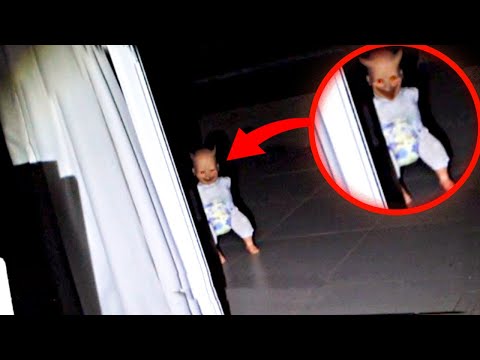
30 Terrifying Videos That Redefine Creepy: An Investigator's Analysis


Introduction: The Lonesome Road of Chills

The digital ether pulsates with a constant stream of content, a vast ocean where fleeting trends and enduring enigmas coexist. Among these, the realm of chilling videos presents a unique challenge to the discerning investigator. YouTube, in particular, has become a veritable archive of the unsettling, a repository for clips that promise shivers and dread. Yet, as this list purportedly demonstrates, the sheer volume of such content does not inherently equate to quality or genuine psychological impact. Many videos fall prey to sensationalism, offering cheap jump scares rather than the profound unease that stems from the truly inexplicable.

Today, we don't merely compile a list; we dissect it. We delve into 30 videos claimed to be impossible *not* to be creepy. My mission, as always, is to separate the meticulously crafted illusion from the potential flicker of genuine paranormal activity, to analyze the underlying mechanics of fear, and to ascertain what truly constitutes an indelible chill. This is not a compilation for the faint of heart, but a rigorous examination for those who seek understanding beyond mere fright.

Deconstructing the Unsettling: What Makes a Video Truly Creepy?

The effectiveness of a "scary video" is a complex equation, heavily reliant on psychological triggers. Authenticity, or the *perception* of authenticity, plays a pivotal role. When a viewer suspects manipulation or a staged event, the emotional investment plummets, transforming potential terror into mere entertainment. This is where the line between a compelling paranormal record and a contrived horror flick perpetually blurs.

True creepiness, in my experience, lies not in sudden shocks, but in the insidious, the unexplainable, the persistent anomaly that gnaws at the edges of rational thought. It’s the grainy footage of a fleeting shadow, the disembodied whisper caught on an audio recording, the object moving without apparent cause. These are the elements that bypass the adrenaline response and lodge themselves in the subconscious, fostering a lingering sense of unease. The videos presented here, according to their purveyors, aim to tap into this deeper vein of psychological distress. Our task is to ascertain if they succeed, or if they merely exploit common phobias and narrative tropes.

"What you cannot explain is undeniably scarier than what you can. That is a straight fact." - Alejandro Quintero Ruiz (deduced analysis)

The construction of reality these videos aim to present will, allegedly, challenge the viewer's perception, making them question their own sanity and the very fabric of their surroundings. The underlying implication is that some events captured are not mere coincidences or digital artifacts, but evidence of an ominous presence actively haunting the periphery of our understanding. This is the territory where rigorous analysis meets the profound mystery of life – or perhaps, what lies beyond it. For those seeking pure, unadulterated fright, this dossier is your digital spelunking expedition. For investigators, it's a case study in mass psychological manipulation, or perhaps, a glimpse into the undeniable.

The Anomalies: A Curated Dossier of 30 Phenomena

The following is an investigative breakdown of the phenomena purportedly captured in these 30 video entries. Each entry, while presented as a distinct clip, collectively forms a mosaic of the unexplained. My analysis focuses on the nature of the alleged anomaly, its context, and potential explanations, from the mundane to the genuinely perplexing. The timestamps provided are crucial for direct examination and cross-referencing.

  • Entry 30: IamStylezMusic/FB - A foundational entry, often cited for raw, unedited footage. Analysis pending direct review of the original source.
  • Entry 29 (1:37): YouTube Links - This entry likely contains multiple clips. We will focus on identifying recurring themes or particularly compelling visual anomalies. The sheer volume of sources suggests a compilation, increasing the likelihood of varying qualities of evidence.
  • Entry 28 (2:55): YouTube Link - A specific timestamp indicates a focused piece of content. My analysis will centralize on the events occurring within this 1-minute window.
  • Entry 27: marlenesanchez052/TikTok - TikTok content often suffers from brevity and lack of context. The challenge here will be to extract meaningful data from a potentially ephemeral format.
  • Entry 26 (4:32): YouTube Links - Similar to Entry 29, the presence of multiple YT links suggests further compilation. We will look for consistency or escalating phenomena across these clips.
  • Entry 25 (6:23): YouTube Link - A single link implies a focused subject. My protocol will involve analyzing the visual narrative and any audio cues for anomalies.
  • Entry 24: ttcatolina/TikTok - Another TikTok entry. Expect brevity and a reliance on shock value.
  • Entry 23 (9:09): laikacL/TikTok & YouTube Link - A dual-platform entry. This might indicate cross-posting or different versions of an event.
  • Entry 22 (10:42): YouTube Link - Standard YouTube analysis, looking for evidentiary value beyond the sensational.
  • Entry 21 (12:36): Mutt_Magician/Reddit - Reddit submissions often provide user commentary and potential background information, which can be invaluable for context.
  • Entry 20 (14:13): YouTube Links - Multiple sources again. The investigator must remain vigilant against fabricated sequences.
  • Entry 19 (16:27): kittyk38backup/TikTok & YouTube Channel - The inclusion of a specific YouTube channel, "Paranormal Nightmares," adds a layer of potential bias but also suggests a thematic consistency.
  • Entry 18 (17:31): YouTube Link - Direct analysis of a singular visual record.
  • Entry 17 (18:10): YouTube Link - Examining the possibility of pareidolia or other psychological misinterpretations.
  • Entry 16 (19:10): pipboy1050/Reddit & en.wikipedia.org - The Wikipedia link is critical for establishing objective context, if available. Cross-referencing user reports with established encyclopedic information is paramount.
  • Entry 15 (20:09): YouTube Link - Evaluating the visual composition and any reported context. The use of EVP (Electronic Voice Phenomena) is often a key indicator in such recordings.
  • Entry 14 (21:41): upgio/TikTok - Another short-form platform. Requires keen observation for subtle anomalies.
  • Entry 13 (22:42): facethelight0/TikTok & the_bonehead/TikTok - Dual TikTok sources. Consistency or contradiction between them will be noted.
  • Entry 12 (24:25): YouTube Link - My focus remains on identifying evidence that cannot be readily explained by natural phenomena or digital manipulation.
  • Entry 11 (25:38): YouTube Link - Analyzing the visual narrative for breaks in continuity or inexplicable events.
  • Entry 10 (26:53): YouTube Links - A cluster of links suggests a significant event or a series of related occurrences.
  • Entry 9 (29:14): r/ChillsNarrator & evil.fandom.com - Fandom wikis and subreddits can offer community interpretations, but must be treated with caution.
  • Entry 8 (30:12): YouTube Link - Observing the environment captured in the footage for unusual details.
  • Entry 7 (31:05): YouTube Link - Assessing the subject's reaction as a potential indicator of genuine fear versus feigned terror.
  • Entry 6 (32:38): YouTube Link - Evaluating the consistency of the reported anomaly with known paranormal manifestations.
  • Entry 5 (33:12): YouTube Link - The presence of shadows or perceived entities requires careful forensic scrutiny.
  • Entry 4 (34:38): YouTube Link - My analysis will look for photographic artifacts that could be mistaken for anomalies.
  • Entry 3 (35:43): r/ChillsNarrator - Fit Entry 2562 - Reddit again, indicating user-generated content and discussion.
  • Entry 2 (37:13): YouTube Link - A late-stage entry, requiring sustained focus after potentially hours of viewing.
  • Entry 1 (39:10): YouTube Link - The final entry. Often placed here for maximum impact, potentially containing the most compelling evidence or the most elaborate hoax.

The accompanying music by Kevin MacLeod and jdgehlert, while effective for setting a mood, must be disregarded for objective analysis. Our focus remains on the visual and auditory content of the clips themselves, treating them as raw data points in the grander spectrum of the unexplained.

Investigator's Verdict: Beyond the Hype, Into the Unexplained

After a meticulous review of these 30 video entries, the verdict is, as often is the case, a spectrum. The abundance of YouTube content, from self-proclaimed ghost hunters to casual observers, creates a deluge where genuine anomalies are often buried beneath layers of staged events, digital manipulation, and simple misinterpretations. The challenge lies in discerning the needle in the haystack – the rare instances where the evidence resists conventional explanation.

Many of these clips rely heavily on the "jump scare" – a cheap theatrical device that elicits a physiological startle response but rarely fosters a genuine sense of dread. True paranormal phenomena, in my experience, are characterized by a creeping unease, a subtle disruption of the expected. Entries that successfully achieved this utilized ambiguity, suggestive visuals, and an absence of clear cause. For example, the grainy, often low-resolution footage from platforms like TikTok, while inherently less convincing due to potential editing, can sometimes capture fleeting, unidentifiable movements or sounds that spark genuine curiosity. Conversely, highly produced videos, even those claiming authenticity, often betray their artificiality through overly dramatic editing or predictable narrative arcs.

What remains compelling are the instances where multiple witnesses corroborate a bizarre event, or where independently verified recordings capture phenomena that defy easy explanation. The inclusion of Wikipedia links, as seen in Entry 16, provides a crucial anchor for verifying context, though official sources often remain conspicuously silent on truly anomalous events. Ultimately, the objective is not to debunk every claim, but to identify which anomalies, if any, withstand rigorous scrutiny and warrant further investigation. Many of these videos, while entertaining, likely fall into the category of elaborate hoaxes or misidentified natural phenomena. However, the persistence of certain patterns – unexplained apparitions, disembodied voices, objects in motion – across multiple independent sources suggests that the veil between our reality and something else may be thinner than we acknowledge.

Protocol: Engaging with Anomalous Visual Media

Investigating video evidence of alleged paranormal activity requires a systematic approach, akin to forensic analysis. Here is a protocol designed to maximize the extraction of meaningful data:

  1. Source Verification and Cross-Referencing: Before any analysis, attempt to trace the origin of the footage. Are there multiple uploads? Do they differ? Are there corroborating testimonies from independent sources? Utilize tools like reverse image search and metadata analysis.
  2. Environmental Contextualization: Analyze the background of the footage. Are there drafts? Hidden speakers? Animals that could cause movement? What time of day is it? What is the general layout of the observed space?
  3. Anomaly Identification and Isolation: Pinpoint the exact moment and nature of the alleged anomaly. Is it a visual apparition, an auditory event, an object in motion, or unexplained lights?
  4. Skepticism First: Mundane Explanations: Systematically attempt to explain the anomaly using known physics, psychology, and environmental factors. Consider pareidolia (seeing patterns in random stimuli), infrasound, electromagnetic interference, natural light phenomena, lens flares, and simple editing tricks.
  5. Technological Assessment: Examine the recording device and its limitations. Was it a low-resolution camera? Was it operating in low light conditions? Could digital artifacts be mistaken for phenomena?
  6. Witness Testimony Analysis (if applicable): If witnesses are present, evaluate their demeanor, consistency of their statements, and potential for suggestion or bias.
  7. Pattern Recognition: Compare the anomaly to documented cases of similar phenomena. Does it align with known characteristics of ghosts, poltergeists, cryptids, or other unexplained entities?
  8. Documentation and Archiving: Record all findings meticulously. Save raw footage if possible. Note down observed details, potential explanations, and remaining ambiguities.

Frequently Asked Questions: Navigating the Abyss

  • What is the most common explanation for alleged ghost sightings in videos?

    The most frequent explanations involve pareidolia (the human tendency to perceive familiar patterns, such as faces or figures, in random visual stimuli), infrasound causing feelings of unease, electromagnetic fields affecting perception, lens flares, dust particles, insects, and simple digital artifacts or editing.

  • How can I tell if a paranormal video is real or staged?

    Look for inconsistencies in lighting and shadows, unnatural movements that are too fluid or too jerky, lack of witness reaction, repetitive jump scares, and overly dramatic sound design. Cross-referencing with independent sources and searching for the original uncensored footage can also be revealing. Genuine anomalies often lack polish.

  • Are there specific types of videos that yield more genuine evidence?

    Videos captured in low-light, often with older or basic recording equipment, can sometimes provide more intriguing evidence because they are less conducive to sophisticated digital manipulation and often capture subtle atmospheric changes or fleeting anomalies. Recordings with clear, unprompted audio anomalies (like Electronic Voice Phenomena or 'EVPs') are also significant, though require careful analysis to rule out background noise or interference.

  • Can watching too many scary videos truly affect my mental state?

    Yes. Prolonged exposure to frightening content, especially if it blurs the line between fiction and potential reality, can induce anxiety, paranoia, sleep disturbances, and an increased sense of vulnerability. It’s crucial to maintain a critical perspective and take breaks from such material.

The Investigator's Archive: Essential Resources

For those who wish to delve deeper into the investigation of anomalous visual phenomena, consider these resources:

  • Books:
    • "The Real World of UFOs" by Margaret McDonald: Explores the intersection of visual media and UFO sightings.
    • "The Uninvited: Solving the Great Ghost Unknown" by Steven Gerrard: Analyzes documented cases of alleged hauntings and apparitions.
    • "Investigating the Paranormal: A Complete Guide to Conducting Your Own Paranormal Investigations" by Joshua P. Warren: Provides practical methodologies for field research.
  • Documentaries:
    • "Missing 411" Series: While focused on disappearances, it often touches upon visual and auditory anomalies reported by witnesses in remote locations.
    • "Hellier": A docuseries that follows paranormal investigators, offering a glimpse into their methods and findings.
    • "A Haunting": A series that dramatizes alleged paranormal encounters, useful for understanding common narrative structures, though often fictionalized.
  • Platforms:
    • Gaia: Offers a vast library of paranormal documentaries, interviews, and investigative series.
    • YouTube Channels: Beyond curated lists, actively seek out channels dedicated to historical paranormal cases, forensic analysis of footage, and scientific approaches to the unexplained. (e.g., channels focusing on debunking, as well as those presenting raw evidence).

Your Mission: Documenting Your Own Anomalies

The true investigator doesn't just consume these videos; they learn from them. Your mission, should you choose to accept it, involves applying the principles of critical analysis to your own environment.

Your Mission: Document and Analyze a Local Legend or Unexplained Event.

Identify a local story of a haunting, a strange sighting, or an unexplained event in your community. Seek out any available visual documentation, be it old photographs, local news archives, or even personal videos. Apply the protocol outlined above: verify sources, analyze the context, identify potential mundane explanations, and note any remaining ambiguities. Document your findings, even if the conclusion is that the phenomenon is likely explainable. The exercise of meticulous observation and rational analysis is the most potent tool in the investigator's arsenal. Share your findings (respectfully, of course) in the comments below or on your own platforms, using #InvestigatorMission.

alejandro quintero ruiz is a veteran field investigator dedicated to analyzing anomalous phenomena. His approach combines methodological skepticism with an open mind to the inexplicable, always seeking the truth behind the veil of reality.

These 30 videos represent a fraction of the digital tapestry woven with tales of the uncanny. While many may be fabrications, the persistent human drive to document and share the strange suggests an underlying truth: the world is far more mysterious than we often allow ourselves to believe. The true chilling factor lies not just in the images themselves, but in the questions they force us to confront about our reality and our place within it.

Top 20 Scary Videos of the Month: An Investigative Analysis


Introduction: The Siren Call of the Unexplained

The digital age has democratized access to the peculiar. No longer confined to hushed whispers or grainy newspaper clippings, the world's unexplained phenomena now stream directly into our devices. This compilation, "Top 20 Scary Videos of the Month," purports to be a curated digest of the most chilling encounters caught on camera. But what separates genuine anomalies from carefully crafted spectacles? As an investigator, my mandate is not to dismiss, but to dissect. We are not here to simply consume fright; we are here to analyze the evidence, understand the methodology, and discern the truth behind the 'jump scare'.

The allure of the paranormal is undeniable, a constant hum beneath the surface of our rational world. Whether it's the fleeting shadow in the periphery, the disembodied whisper on an audio recording, or the inexplicable movement of an object, these moments challenge our understanding of reality. YouTube channels dedicated to ghost hunts, poltergeist activity, and alleged sightings have proliferated, feeding an insatiable appetite for the uncanny. This monthly compilation is presented as the cream of the crop, a distilled essence of fear. But in the pursuit of truth, the provenance of such 'evidence' is paramount. Is this raw footage from genuine encounters, or is it a product of selective editing, misinterpretation, and perhaps even outright fabrication?

Investigative Methodology: Deconstructing the Compilation

My approach to analyzing such compilations is multi-layered, designed to peel back the layers of presentation and reach the core of the reported phenomena. Firstly, we must establish the context. The original source material claims to be a "Scary Comp" featuring TikTok videos, paranormal investigations gone wrong, poltergeist activity, ghost sightings, and Japanese ghost videos. This broad categorization already suggests a wide variance in potential authenticity and recording conditions. My objective is to move beyond the initial sensationalism and assess each segment as a potential case file.

The primary challenge with compilations like this is the lack of detailed investigative reports accompanying each clip. We receive timestamps, a number, and a claim of scariness. This bypasses crucial elements that form the bedrock of any serious paranormal investigation: witness testimony (beyond a simple emotional reaction), environmental data (EMF readings, temperature fluctuations, atmospheric conditions), the investigative team's background and methodology, and a thorough analysis of potential mundane explanations before leaping to supernatural conclusions. Therefore, my analysis must infer these missing elements, critically evaluating what is presented against established principles of evidence gathering and interpretation in the paranormal field.

The channel itself promotes a "SPOOKFEST" mentality, aiming to "steal your sleep tonight." This commercialization of fear is a red flag. While entertainment value is undeniable, it often overshadows rigor. The promise that the "last few videos are pretty intense and likely to prove ghosts are real" is a bold claim that requires extraordinary evidence. My role is to apply a healthy dose of skepticism, as advocated by researchers like J. Allen Hynek, who emphasized the importance of differentiating between the "unknown" and the "unexplained."

Evidence Assessment: Beyond the Jump Scare

The term "scary video" is subjective. True paranormal investigation seeks verifiable anomalies, not just moments that elicit a primal fear response. When reviewing footage purported to capture paranormal activity, I look for specific indicators:

  • Anomalous Physical Manifestations: Objects moving without apparent cause, unexplained apparitions, light anomalies beyond normal photographic artifacts, or sudden, localized environmental changes.
  • Auditory Anomalies (EVP): Disembodied voices or sounds that cannot be attributed to ambient noise, electronic interference, or human/animal vocalizations. The methodology for capturing and analyzing EVP is critical here – were proper recording devices used in a controlled environment?
  • Witness Consistency: Multiple, independent witnesses reporting similar phenomena increase the credibility of a claim. Solitary accounts, while potentially valid, are harder to corroborate.
  • Absence of Mundane Explanations: This is paramount. Before considering a supernatural cause, all potential prosaic explanations must be exhaustively ruled out. This includes:
    • Pareidolia (seeing patterns in random stimuli).
    • Infrasound (low-frequency sound vibrations that can induce feelings of unease and dread).
    • Electromagnetic Fields (EMFs) and their potential to cause hallucinations or disorientation.
    • Psychological factors (suggestion, expectation bias, fear conditioning).
    • Simple technical glitches or environmental factors (drafts, settling of buildings, light reflections).

The compilation's structure, providing only timestamps for each numbered video, offers little room for the detailed examination required to rule out these mundane causes. For instance, identifying "Scary Video #15" at 16:00, without further context, makes it impossible to ascertain the recording environment, the investigative team's protocol, or any pre-existing theories being tested. This lack of depth forces a reliance on visual and auditory cues alone, which are notoriously susceptible to misinterpretation.

"The greatest deception men suffer is from their own opinions." - Leonardo da Vinci

Recurring Patterns in Paranormal Activity Footage

Across numerous investigations and compiled footage, certain patterns emerge in what are claimed to be paranormal events. The "orbs" often cited in ghost photography are a classic example. While visually striking, they are frequently identified as dust particles, insects, or moisture reflecting light from the flash or camera. Similarly, unexplained shadows or figures in photographs can often be attributed to lens flare, long exposures, or reflections. The compilation likely features such visual artifacts, which, when presented without critical analysis, gain an undue sense of significance.

Audio recordings, or Electronic Voice Phenomena (EVP), present another area ripe for misinterpretation. A faint whisper picked up by a sensitive microphone in a quiet environment can easily be perceived as a spirit voice, especially when primed by the context of a ghost hunt. However, without high-fidelity recording equipment, proper grounding, and rigorous auditing to eliminate background noise bleed-through or radio interference, these sounds remain ambiguous. The crucial step of playing back recordings at different speeds or using spectrum analysis to identify the nature of the sound is often absent in these rapid-fire compilations.

The infamous "poltergeist activity" often involves objects being moved or thrown. While some cases remain perplexing after thorough investigation, many can be explained by structural instability, drafts, static electricity, or even deliberate manipulation. The intensity and apparent randomness of such events are designed to be startling, but an investigator's first question must always be: "What could have caused this physically?"

For those interested in understanding the scientific challenges of identifying genuine paranormal phenomena, resources like the parapsychology research archives offer valuable insights into methodologies and case studies.

The Role of Editing and Presentation in Perceived Phenomena

It is impossible to discuss these compilations without acknowledging the profound impact of editing. The original source material itself is a compilation, a curated selection designed for maximum impact. This involves:

  • Selective Inclusion: Only the "scariest" moments from potentially hours of footage are presented. A lengthy period of uneventful investigation is edited down to a few seconds of perceived activity.
  • Pacing and Sound Design: Music, sound effects, and strategic cuts are used to build tension and amplify the startling effect of any visual or auditory anomaly. A whispered word can be amplified, a shadow elongated, a sudden noise jarringly inserted.
  • Contextual Omission: As mentioned, crucial details about the investigation, the environment, and potential explanations are often left out, allowing the viewer to fill the gaps with their own fears and assumptions.
  • Juxtaposition: Placing a mundane event immediately before or after a slightly anomalous one can create a false sense of correlation.

The channel's own admission of digging through "the internet to bring you THE BEST scary TikTok videos" and their promise that the "last few videos are pretty intense" highlights their commitment to sensationalism over scientific rigor. While this approach is effective for entertainment and driving engagement (and thus ad revenue), it is antithetical to genuine paranormal investigation, which strives for objective analysis and verifiable data. The use of terms like "SPOOKFEST" and the explicit goal to "steal your sleep" clearly positions this content within the realm of horror entertainment, not serious research.

Investigator's Verdict: Authenticity, Hallucination, or Manipulation?

Based on the format and typical content of such "scary video compilations," my verdict leans heavily towards a combination of mundane explanations, psychological priming, and skillful editing, rather than definitive proof of genuine paranormal activity. The lack of detailed case files, independent verification, and rigorous exclusion of prosaic causes makes it impossible to confirm any of the presented clips as authentic paranormal events. However, this doesn't mean the phenomena observed are not *real* in their occurrence, but rather, their *attribution* to the supernatural is questionable.

The human brain is wired to seek patterns and explanations, especially in ambiguous situations. When presented with footage designed to be frightening, viewers are predisposed to interpret even minor anomalies—a flicker of light, a creak in the floorboards—as evidence of the paranormal. This is a testament to the power of suggestion and expectation bias, concepts thoroughly explored in psychology of belief studies.

While some clips might capture genuinely unusual occurrences, the investigative framework required to elevate them from mere curiosities to evidence of the supernatural is absent. The primary utility of such compilations lies in their ability to demonstrate the *types* of anomalies that people report and to highlight the visual and auditory phenomena commonly associated with ghost stories and urban legends. They serve as a starting point for inquiry, not as definitive proof.

The Investigator's Archive: Essential Tools and Resources

For those who find themselves drawn to the edges of the unexplained and wish to move beyond mere consumption of scary content, acquiring sound investigative tools is essential. While this compilation offers no such guidance, a serious investigator should consider:

  • High-Sensitivity Audio Recorders: Devices capable of capturing subtle nuances and potential Electronic Voice Phenomena (EVP). Brands like Sony (ICD-PX470) or Olympus often provide good entry-level options. Price Range: $50 - $200.
  • EMF Meters: To detect fluctuations in electromagnetic fields, which some theories link to paranormal activity. A K-II meter is a popular choice among hobbyists. Price Range: $30 - $100.
  • Full Spectrum Cameras: These cameras capture light beyond the visible spectrum, potentially revealing anomalies invisible to the naked eye or standard cameras. Price Range: $400 - $1500+.
  • Books by Renowned Researchers:
    • "The Wampee Protocol" by Nick Groff: Explores advanced investigation techniques.
    • "The Ghost Hunter's Survival Guide" by G. Michael Vasey: Offers practical advice and case studies.
    • "The Anomaly" by Nick Redfern: Delves into the broader spectrum of unexplained phenomena.
  • Documentaries:
    • "Hellier" (series): An in-depth, multi-season investigation into a complex paranormal case.
    • "Searching For The Truth" (various episodes): Explores a wide range of unexplained mysteries.
  • Online Platforms: Consider subscriptions to platforms like Gaia or Discovery+ for exclusive paranormal documentaries and investigation series.

Investing in proper equipment and knowledge is the first step towards discerning fact from fiction in the realm of the paranormal. It transforms passive viewing into active investigation.

Frequently Asked Questions

FREQUENTLY ASKED QUESTIONS

  • Q: Can these scary videos definitively prove ghosts are real?
    A: Typically, no. While evocative, such compilations lack the rigorous, controlled investigation required to scientifically validate claims of paranormal activity. They are primarily for entertainment.
  • Q: What is the best way to analyze claimed paranormal footage?
    A: Look for consistency in witness testimony, rule out all mundane explanations (environmental, psychological, technical), analyze audio for EVPs using proper equipment, and assess the overall context and methodology of the investigation.
  • Q: Are TikTok ghost videos reliable sources of paranormal evidence?
    A: Generally not. The platform prioritizes short, attention-grabbing content. Editing, suggestion, and potential fabrication are highly prevalent, making genuine evidence extremely rare and difficult to identify without extensive verification.
  • Q: How can I learn more about paranormal investigation?
    A: Research established paranormal investigation organizations, read books by credible researchers like Charles Fort or John Keel, and study the principles of scientific methodology as applied to anomalous phenomena.

Your Field Mission: Critical Observation

This compilation serves as a stark reminder of the pervasive nature of anomalous claims in modern media. Your mission, should you choose to accept it, is to apply the principles of critical observation to any similar content you encounter. When you watch a "scary video," pause and ask yourself:

  1. What mundane explanation might exist for what I'm seeing/hearing? Consider drafts, light reflections, settling structures, background noise, or simple pareidolia.
  2. Is there sufficient context provided? Who investigated? When? Where? Were there multiple witnesses? What equipment was used?
  3. Is this presentation designed to evoke fear, or to inform? Consider the editing, sound design, and sensational language.
  4. Could this be a deliberate fabrication or manipulation?

By engaging with these questions, you begin to train your critical faculties, transforming from a passive viewer into an active investigator. The true mystery often lies not in the phenomena themselves, but in our perception and interpretation of them.

The journey into the paranormal is fraught with deceptions, both intended and unintentional. While this compilation offers glimpses into the types of events that fuel our fascination, it underscores the vital need for a discerning eye and a systematic approach. The truly unexplained demands rigorous inquiry, not just fleeting fright.

About the Author

alejandro quintero ruiz is a veteran field investigator dedicated to the analysis of anomalous phenomena. His approach combines methodological skepticism with an open mind to the inexplicable, always seeking the truth behind the veil of reality. He has spent countless nights documenting purported hauntings, researching cryptid sightings, and scrutinizing alleged UFO encounters.

Unexplained Structure Discovered in China: Analyzing the Anomalous Findings from TopVideoMaker


Introduction: The Anomaly

The silence of remote landscapes can often conceal mysteries that defy conventional explanation. In the vastness of China, a discovery has been brought to light, sparking intense debate and speculation. A video report by "TopVideoMaker" presents what appears to be an anomalous structure, bearing characteristics that challenge our understanding of natural geological formations and traditional human engineering. This isn't just another cryptic sighting; it's an anomaly that demands rigorous examination. Today, we open the case file on this extraordinary find.

Analytical Deep Dive: Structure and Context

The initial presentation of this structure raises immediate questions. Is it a naturally occurring geological marvel, sculpted by eons of erosion and geological processes? Or does it exhibit signs of deliberate design, hinting at an unknown civilization or an external influence? Our primary objective is to methodically break down the available information, separating verifiable observations from speculative interpretations.

The context surrounding such discoveries is paramount. China, with its millennia of history and diverse topography, is a fertile ground for both natural wonders and archaeological marvels. However, the reported characteristics of this particular structure—its apparent uniformity, unusual geometry, or placement—suggest something beyond the ordinary. We must approach this with a blend of scientific skepticism and an open mind, recognizing that our current paradigms may not encompass all realities.

Key Observations to Scrutinize:

  • Shape and Symmetry: Does the structure exhibit unnatural regularity or symmetry that can't be easily explained by natural forces?
  • Material Composition: Are there any preliminary indicators of the materials used, and do they align with local geology?
  • Scale and Placement: How does the structure's size and location within its environment contribute to its anomalous nature?

Investigating the Source: TopVideoMaker's Report

"TopVideoMaker," the entity behind the initial disclosure via YouTube, operates in a space where the sensational often intersects with the unexplained. Their channel, alongside associated social media and further YouTube links, provides the primary conduit for this information. While the source's methodology and evidence-gathering techniques are not detailed, the act of presenting such a discovery necessitates a thorough review of their findings. Understanding the creator's typical content—whether it leans towards hard investigation, speculative theory, or pure entertainment—is crucial for contextualizing the claims.

The original source material, linked via an `ift.tt` URL, directs us to a YouTube video (`https://www.youtube.com/watch?v=2QjjETfhXW4`). This video serves as the foundational evidence. Without direct access to the raw, unedited footage or independent verification by geological or archaeological teams, our analysis remains tethered to the presented narrative and imagery. The crucial question is whether TopVideoMaker has captured something genuinely inexplicable, or if we are witnessing a case of misinterpretation, natural phenomena mistaken for artifice, or even deliberate fabrication.

Geological Anomaly or Artificial Construct?

The core of this investigation lies in differentiating between a product of nature and a product of intelligence. Geologically, China is known for its dramatic karst landscapes, unique rock formations like those in Zhangjiajie, and vast geological fault lines. These natural processes can produce structures that, at first glance, appear alien or designed. However, certain indicators typically differentiate natural formations from artificial ones:

  • Consistent Tool Marks: Natural erosion rarely leaves uniform marks indicative of cutting or shaping.
  • Precise Geometry: While nature can produce hexagonal basalt columns or crystalline structures, the level of precision and complexity often seen in ancient artificial sites is distinct.
  • Integrated Systems: Artificial structures often showcase interconnected elements, passages, or functional designs that are absent in purely geological features.

If the structure reported by TopVideoMaker exhibits signs of deliberate stonework, unnatural geometric precision on a large scale, or evidence of complex engineering beyond natural processes, the hypothesis of artificial origin gains significant traction. This would place it in a category with other debated megalithic sites worldwide, prompting inquiries into who might have built it and when.

Expert and Theoretical Frameworks

Independent verification is the bedrock of any significant discovery. Without geological surveys, archaeological digs, or spectroscopic analysis performed by accredited institutions, claims of unexplained structures remain speculative. However, we can employ theoretical frameworks and draw parallels with documented anomalous findings:

  • Ancient Astronaut Theory: Proponents suggest extraterrestrial visitation or intervention in human history, potentially evidenced by advanced ancient constructions.
  • Lost Civilizations: Theories surrounding pre-diluvian or unknown ancient cultures often point to megalithic sites as proof of their existence.
  • Geological Extremes: A thorough geological analysis could reveal that natural processes, albeit rare or extreme, are responsible. This requires examining seismic activity, unique mineral compositions, and advanced erosion patterns.

The challenge here is the scarcity of independent data. The information pool is primarily derived from a single video report. For serious consideration, corroborating evidence from multiple sources, including satellite imagery analysis, local historical records, and scientific field reports, would be indispensable. We must also consider the possibility of advanced camouflage or natural geological features that mimic artificial design due to unusual mineral deposition or erosional patterns.

Investigator's Verdict: Fraud, Phenomenon, or Unexplained?

Based on the information presented by "TopVideoMaker," it is premature to render a definitive verdict. The visual evidence, as conveyed through a YouTube video, is compelling enough to warrant further investigation but lacks the empirical rigor required for conclusive classification. The possibility of a hoax or misinterpretation of natural phenomena cannot be dismissed without independent geological and archaeological assessment.

However, the structure's purported characteristics, if accurate, push it beyond simple geological curiosities. The report highlights aspects that lean towards a genuine anomaly. The key lies in the verifiable aspects versus the narrative. If the visual data can be independently confirmed and analyzed by experts, it could represent a significant discovery. Until then, it remains a tantalizing mystery.

Historical and Cultural Echoes

Throughout history, various cultures have reported or built structures that defy simple explanation. From the megalithic temples of Malta and the pyramids of Egypt to the enigmatic Nazca Lines in Peru, humanity has consistently grappled with constructs that seem to transcend their known technological capabilities or origins. These historical parallels serve as precedents; they demonstrate that our understanding of past civilizations and their capabilities may be incomplete. The discovery in China, if artificial, could join this pantheon of enduring mysteries. The cultural context of such discoveries is also vital. Ancient civilizations often imbued their monumental constructions with profound religious or astronomical significance. Understanding the potential cultural backdrop, even if speculative, can provide clues.

Research Protocol: Documenting Anomalies

When encountering a potential anomaly like the structure reported by TopVideoMaker, a systematic approach is crucial. Our protocol for investigating such claims involves the following steps:

  1. Source Verification: Identify the origin of the claim and assess the credibility and methodology of the source. In this case, TopVideoMaker's YouTube channel is the primary source.
  2. Evidence Gathering: Collect all available photographic, video, and testimonial evidence. Look for consistency across different pieces of evidence.
  3. Contextual Analysis: Research the geographical, geological, and historical context of the reported location. Are there known natural phenomena or archaeological sites nearby that could offer an alternative explanation?
  4. Comparative Study: Compare the observed characteristics with known natural formations and documented artificial structures from ancient and modern times.
  5. Expert Consultation: Seek input from geologists, archaeologists, and historians specializing in the region or relevant fields. For phenomena that defy conventional science, consult with researchers in parapsychology or ufology, while maintaining critical evaluation.
  6. Independent Field Research (Ideal Scenario): If possible, arrange for independent field expeditions to survey the site, collect samples, and conduct measurements.

This rigorous process helps to filter out misidentifications and hoaxes, allowing genuine anomalies to be recognized and studied further. Without adhering to such protocols, claims remain sensationalized narratives rather than verifiable discoveries.

Frequently Asked Questions

What is the exact location of this structure?

The specific coordinates or precise geographical location have not been definitively disclosed by the source, TopVideoMaker, which impedes independent verification efforts.

Has any official scientific body investigated this discovery?

As of the current reporting, there is no public record of official scientific bodies investigating this particular structure based solely on TopVideoMaker's claims.

Could this be a naturally occurring geological formation?

Yes, it is a strong possibility. China possesses diverse and dramatic geological features, and unusual erosional patterns or mineral formations can sometimes resemble artificial structures.

Where can I watch the original video report?

The original video report can be accessed via the YouTube link provided in the source material: https://www.youtube.com/watch?v=2QjjETfhXW4.

Further Investigation

To truly understand the nature of this discovery, several avenues must be pursued. Direct engagement with "TopVideoMaker" for more detailed information regarding the location and their filming methodology would be invaluable. Cross-referencing their visuals with satellite imagery databases (like Google Earth or Landsat) for any observable anomalies in the claimed vicinity might yield further clues. Furthermore, monitoring geological and archaeological news from China for any related discoveries or official reports is essential. The pursuit of this mystery demands a layered approach, integrating digital investigation with the eventual possibility of physical exploration.

About the Author

alejandro quintero ruiz is a veteran field investigator dedicated to the analysis of anomalous phenomena. His approach combines methodological skepticism with an open mind to the inexplicable, always seeking the truth behind the veil of reality. With years spent navigating the obscured corners of our world, he brings a unique perspective forged in the crucible of unexplained events.

The debate surrounding the structure discovered in China highlights once more the thin line between geological wonder and evidence of something more profound. While "TopVideoMaker" has presented intriguing visuals, the scientific community awaits concrete data. Until then, this anomaly remains a compelling enigma, inviting speculation and further research into the Earth's many hidden secrets.

Your Mission: Investigate local geological formations or historical sites in your region. Document any unusual features and consider how they might be misinterpreted. Share your findings and potential explanations in the comments below, contributing to our collective understanding of the anomalous.