Followers

Mostrando las entradas con la etiqueta viral content. Mostrar todas las entradas

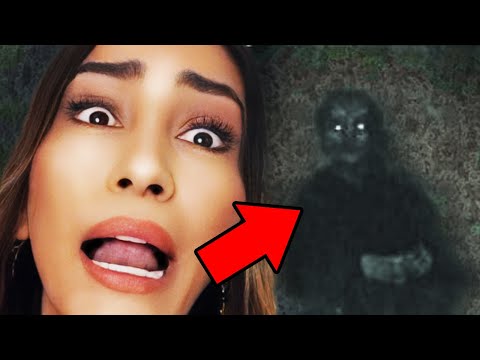
The Scariest Videos On The Internet: An Investigator's Analysis

Image

The digital age has democratized fear. What once lurked in the shadows of folklore and whispered local legends now floods our screens, packaged as 'viral content.' Today, we dissect the phenomenon of the 'scariest videos on the internet,' not as mere entertainment, but as potential evidence, digital artifacts, and cunning deceptions.

Unmasking the Fear: The Nature of Screened Terror

The allure of the terrifying, specifically when presented as "caught on camera," taps into a primal human response. These collections promise raw, unfiltered glimpses into the unexplained. We're told they feature genuine encounters with the paranormal: ghosts, poltergeists, and other entities captured in unguarded moments. The appeal is undeniable – a peek behind the curtain of reality, often served with the adrenaline rush of a "shiver down your spine." But as an investigator, my first directive is to question the source. Are these true paranormal events, or are they carefully curated pieces of digital theater?

The internet, particularly platforms like YouTube, has become a fertile ground for such content. Creators sift through countless hours of user-submitted footage, seeking out clips that promise maximum shock value. The criteria are often simple: is it visually unsettling? Does it suggest an intelligence beyond the mundane? Does it leave the viewer with more questions than answers? From my experience in ufology and cryptozoology, the line between genuine anomaly and elaborate hoax is frequently blurred.

Recommended Gear for Investigation

ProductDescriptionBuy
Cryptozoology A To Z: The Encyclopedia Of Loch Monsters Sasquatch Chupacabras And Other Authentic M: The Encyclopedia of Loch Monsters, Sasquatch, Chupacabras, and Other Authentic Mysteries of NatureAn excellent choice to complement your research on this topic.View on Amazon
The Big Book of Paranormal: 300 Mystical and Frightening Tales From Around the WorldAn excellent choice to complement your research on this topic.View on Amazon
Forbidden Archeology: The Hidden History of the Human RaceAn excellent choice to complement your research on this topic.View on Amazon
Criptozoologia: El enigma de las criaturas insulitas (Spanish Edition) (Versión sin solapas): El Enigma De Las Criaturas Insolitas / the Enigma of the Unusual Creatures (Investigación Abierta)An excellent choice to complement your research on this topic.View on Amazon
The H. P. Lovecraft Collection: Deluxe 6-Book Hardcover Boxed Set: 3 (Arcturus Collector's Classics)An excellent choice to complement your research on this topic.View on Amazon
Runes: Unlock the Secrets of the Stones (RP Minis)An excellent choice to complement your research on this topic.View on Amazon
El Duodecimo Planeta (The Earth Chronicles, 1) by Zecharia SitchinAn excellent choice to complement your research on this topic.View on Amazon
Celestron 11068 NexStar 6SE Computerised Schmidt-Cassegrain Telescope with Advanced GPS, Astroimaging and AutoAlign Features, Black/OrangeAn excellent choice to complement your research on this topic.View on Amazon
Ghost Hunting EVP - Grabadora EVP de 8 GB, equipo paranormal, caja de voz digital SpiritAn excellent choice to complement your research on this topic.View on Amazon
Equipo paranormal de mano de la caja del espíritu del metro del EMF del equipo de la caza del fantasAn excellent choice to complement your research on this topic.View on Amazon

Consider the common tropes: a door creaking open on its own, an object inexplicably moving, a fleeting shadow in the periphery, or a disembodied voice captured on audio. While these elements can certainly be unnerving, they are also susceptible to mundane explanations. Drafts, settling foundations, reflections, faulty equipment, and even simple auditory pareidolia can mimic paranormal activity. The challenge lies in separating genuine anomalies from misinterpretations or outright fabrications.

Paranormal Evidence or Digital Trickery?

The core of any paranormal investigation lies in the evidence. In the context of online videos, this evidence is predominantly visual and auditory. My approach, honed over years of fieldwork, involves a systematic deconstruction:

  • Context is King: Where and when was the footage captured? Who captured it? What were the circumstances? A grainy video from an anonymous source is significantly less credible than authenticated footage from a known location with multiple witnesses. Often, the lack of verifiable context is the first red flag.
  • Source Verification: Is the video original, or has it been digitally altered or re-uploaded numerous times, stripping away its provenance? Advanced digital forensics can sometimes detect manipulation, but often, the 'source' is so degraded it's impossible to tell.
  • Environmental Analysis: We must account for natural phenomena. Reflections in glass, dust particles catching light, air currents moving lightweight objects, and even the acoustics of a room can create illusions of the supernatural.
  • Human Element: Is there evidence of staged activity? Overacting, staged movements, or deliberate attempts to provoke a reaction can often be identified with careful observation. The desire for internet fame is a powerful motivator for deception.

Many videos that circulate are compilations. This means that by the time they reach the viewer, they’ve been re-edited, potentially cropped, and sourced from multiple, often unverified, original uploads. This process inherently degrades any potential evidentiary value. For example, a light anomaly easily explainable by a camera glitch could be presented as a spectral apparition in a later edit.

"I've seen firsthand how a simple lens flare, under the right lighting and editing, can be presented as an alien craft or a demonic manifestation. The human eye, and by extension the camera lens, can be easily deceived when primed for fear." - A. Quintero Ruiz

My duty is to approach every piece of 'evidence' with skepticism, demanding rigorous proof rather than accepting sensational claims at face value. This often involves cross-referencing with known cases of hoaxes or identifying common digital manipulation techniques. The goal is not to debunk for the sake of it, but to ascertain the highest probability of truth.

The Psychology of Viral Scares

Why do these videos gain such traction? It's a potent cocktail of human psychology and modern media dissemination. We are, by nature, drawn to the mysterious and the frightening. The taboo subject of death, the unknown, and the possibility of unseen entities have always fascinated us. Online videos offer a low-barrier, high-impact way to experience these fears vicariously.

The "caught on camera" element adds a veneer of authenticity. It implies an accidental, unplanned glimpse into something extraordinary. This contrasts with staged horror films; the perceived reality of the footage makes it more impactful. Furthermore, the social aspect of virality plays a role. Seeing others react, share, and discuss these videos creates a sense of shared experience and validation. It taps into our desire for belonging and our fascination with the occult.

The creators of such content understand this. They leverage algorithms, trending topics, and provocative titles to maximize views and engagement. The emoji-laden, sensationalist titles are not accidental; they are designed to trigger curiosity and fear, encouraging clicks. They often promise "new and scary" content, implying a constant stream of the latest alleged paranormal encounters, feeding the insatiable demand for shocking material.

Investigator's Verdict: Fraud, Genuine Phenomenon, or Something Else?

After analyzing the nature of these online "scary videos," my verdict leans heavily towards a combination of factors, with outright fraud and misinterpretation being the most prevalent.

  • Fraudulent Content: A significant portion of viral scary videos are intentionally staged. Filmmakers, paranormal investigators (both amateur and professional), or even ordinary individuals can fabricate events for views, subscribers, and potential revenue. This includes manipulated footage, staged hauntings, and outright lies.
  • Misinterpretation of Natural Phenomena: Many glitches, environmental effects, or coincidences are mistaken for the paranormal. The human brain is adept at pattern recognition, sometimes finding patterns where none exist, especially when primed by fear or expectation.
  • Psychological Projection: Fear itself can manifest in perception. The viewer's own anxieties and beliefs can influence how they interpret ambiguous stimuli in a video.
  • Genuine Anomalies (Rare): While exceedingly rare in the context of readily available viral content, it's not impossible that some videos capture fleeting moments of genuinely unexplained phenomena. However, without rigorous, verifiable investigation, these remain speculative anecdotes rather than definitive proof.

The constant stream of "new and scary" content suggests a production line rather than a genuine collection of paranormal events. This saturation effect often leads to a desensitization to true anomalies. The signal-to-noise ratio is extremely poor.

The Investigator's Archive

To deepen your understanding of paranormal investigation and critical analysis of media, I recommend the following resources:

Books:

  • "The Skeptic's Guide to the Paranormal" by Michael Shermer
  • "Realms of the Unknown: A Skeptic's Guide to the UFO Phenomenon" by Luis R. Gonzalez
  • "Ghost Hunting: Science and the Search for the Supernatural" by Loyd Auerbach

Documentaries & Series:

  • "The Phenomenon" (2020 documentary on UFOs)
  • "Unsolved Mysteries" (various iterations)
  • "Conspiracy Theory with Jesse Ventura" (for a contrarian viewpoint)

These resources provide a foundation for critical thinking, evidence evaluation, and understanding the methodologies employed in investigating the unexplained.

Protocol: Analyzing Found Footage

When faced with a piece of 'found footage' purporting to show paranormal activity, follow this investigative protocol:

  1. Initial Viewing: Watch the video without immediate judgment. Note down initial impressions, key moments, and any immediate red flags or points of interest.
  2. Contextual Research: If possible, trace the video back to its original source. Investigate the uploader, the date, the location, and any accompanying descriptions or witness accounts. Search for corroborating reports.
  3. Technical Examination: Analyze the video for signs of digital manipulation (jump cuts, inconsistent lighting, artifacts). If audio is present, examine it for background noise, sound anomalies, or potential voice alteration. Check for potential environmental explanations (drafts, reflections, camera angles).
  4. Objectivity Checklist: Apply a series of questions:
    • Is there a clear, unambiguous event?
    • Could this be explained by natural phenomena, equipment malfunction, or human error?
    • Is there evidence of deliberate staging or hoaxing?
    • Is the source reliable and verifiable?
    • Does the narrative surrounding the video hold up to scrutiny?
  5. Consultation: If possible, share the footage with other investigators or experts for a second opinion. Different perspectives can reveal details previously overlooked.
  6. Conclusion: Based on the available evidence and analysis, form a hypothesis: likely hoax, natural explanation, or a genuinely anomalous event requiring further investigation. Always err on the side of skepticism until solid proof emerges.

Equipo Recomendado para la Investigación

Para abordar eficazmente el análisis de material como el discutido, es fundamental contar con el equipo adecuado que pueda ayudar en la detección de anomalías y descartar explicaciones mundanas. Desde cámaras de alta resolución hasta software de análisis de audio, la inversión en herramientas de calidad es crucial para una investigación seria.

Libros Recomendados

Profundizar en los aspectos técnicos y psicológicos de la investigación paranormal es vital. Los siguientes títulos ofrecen perspectivas valiosas que complementan el análisis de videos y otras evidencias.

Preguntas Frecuentes

¿Qué debo hacer si creo que he capturado evidencia paranormal en video?

Preserva el archivo original intacto. No lo edites ni lo subas inmediatamente. Investiga el contexto de la grabación y busca posibles explicaciones naturales antes de concluir que es paranormal. Si decides compartirlo, hazlo a través de canales de investigación reputados o plataformas que permitan un análisis detallado.

¿Cuál es la diferencia entre un video de terror y un video paranormal?

Un video de terror está diseñado para asustar al espectador mediante efectos especiales, narrativa ficticia o actuaciones. Un video paranormal, en teoría, documenta un evento genuino e inexplicable, a menudo atribuido a fantasmas, poltergeists o entidades similares, sin una intervención humana deliberada para crear el susto.

¿Son fiables las recopilaciones de videos 'miedo de internet'?

Generalmente, la fiabilidad es muy baja. Estas recopilaciones a menudo carecen de contexto, provienen de fuentes no verificadas y pueden contener material intencionalmente fabricado o malinterpretado. Son más para entretenimiento que para investigación seria.

¿Cómo puedo evitar ser engañado por videos falsos?

Mantén una postura escéptica. Busca inconsistencias en la iluminación, el movimiento y el audio. Investiga la fuente original del video. Familiarízate con técnicas comunes de manipulación de video y audio. La ausencia de un contexto claro es una gran señal de alarma.

¿Existe alguna explicación científica para los fenómenos vistos en muchos de estos videos?

Sí, muchas veces. Fenómenos como corrientes de aire, vibraciones estructurales, ilusiones ópticas, reflejos, pareidolia auditiva y visual, e incluso fallos del equipo de grabación pueden imitar actividad paranormal. La ciencia busca explicaciones naturales primero.

Your Mission: Field Assignment

Your assignment, should you choose to accept it, is to become a digital detective. Next time you encounter a viral "scary video," don't just consume it; dissect it. Pause it. Analyze the background. Question the source. Can you find a logical explanation? Apply the principles of critical thinking and the investigative protocol outlined above. Report your findings (or lack thereof) in the comments below. Let's see if we can collectively peel back the layers of manufactured fear.

¿Has sido testigo de algo similar, o tienes un video que crees que vale la pena analizar? ¡Comparte tus experiencias y hallazgos en los comentarios! Tu testimonio podría ser la pieza faltante de un rompecabezas mayor. No olvides compartir este análisis en tus redes para que más mentes críticas se unan a nuestra investigación.

Investigator's Note: True paranormal research doesn't fund itself. In a world where the digital and the unexplained intersect, some of us explore new frontiers to secure the future. Do you dare to be part of the vanguard? Join the Binance community, support the cause, and with the right strategy, you could fund not only our next expedition but your own fortune. The next great discovery could be just a click away.

Chainsaw Man Reacts to Ghost Rider Rap: An Analysis of Cultural Fusion and Paranormal Tropes


Introduction and Context

The digital age has birthed a unique breed of folklore: viral content. These ephemeral pieces of media, often born from fan creations and cultural commentary, can spread like wildfire, igniting discussions and forging new interpretations of established narratives. Today, we dissect a prime example – a reaction video featuring the character Chainsaw Man engaging with a Ghost Rider rap. This isn't merely about entertainment; it's an exploration of how modern mediums serve as conduits for our enduring fascination with the supernatural, the uncanny, and the archetypal figures that populate our collective subconscious.

The genesis of this analysis lies in a specific piece of content: "Chainsaw Man Reacts to Ghost Rider Rap | Olhar da Penitência | {@WLOficial }", published on January 21, 2023. While seemingly a niche intersection of pop culture, it presents a fertile ground for examining the mechanics of viral phenomena, the psychological allure of characters that blur the lines between human and supernatural, and the ways in which artistic expression, like rap music, can act as a modern-day grimoire, channeling and amplifying these themes.

We are entering a realm where fiction bleeds into reality, where characters designed for entertainment become vessels for deeper cultural anxieties and desires regarding the unknown. The integration of these disparate elements – a popular anime character, a demonic biker icon, and the raw energy of a rap performance – begs the question: what does this fusion reveal about our relationship with the paranormal in the 21st century?

The Phenomenon of Viral Reactions

The "reaction video" format has become a cornerstone of online content consumption. Viewers are drawn to witnessing genuine, often exaggerated, emotional responses to specific media. In this context, a character like Chainsaw Man, known for his own chaotic and visceral nature, reacting to the fiery intensity of Ghost Rider's persona offers a meta-commentary. It leverages the established traits of these characters to create a layered experience. The appeal is multi-fold: it satisfies curiosity about how fictional characters might interact, it taps into the existing fandoms of both properties, and it provides a readily digestible format that requires minimal prior knowledge, making it accessible to a broad audience.

From an analytical standpoint, these reactions function as a form of digital ethnography. They reveal what audiences find compelling, humorous, or even frightening when familiar archetypes are placed in new contexts. The underlying mechanism is similar to observing how different cultures interpret the same myth; the core elements remain, but the expression and reception are filtered through a unique lens. The sheer volume of such content suggests a societal need to process and engage with media through aggregated, often performative, emotional responses. This isn't just passive viewing; it's an active participation in a digital performance of appreciation or critique, further amplified by the social commentary inherent in the choice of characters and music.

Chainsaw Man and the Supernatural Psyche

Denji, the protagonist of Chainsaw Man, is a character deeply intertwined with the supernatural. His existence is defined by his transformation into a hybrid devil-human entity, driven by base desires and a brutal existence. This inherently chaotic and primal nature makes him a fascinating subject for deconstructing paranormal tropes. His reactions, therefore, are not those of a detached observer but of an entity who understands, on a visceral level, the darker forces at play.

Chainsaw Man's world is one where devils are born from human fears, a concept that directly aligns with theories of collective consciousness and the manifestation of archetypal entities. His own powers are derived from a bond with a Chainsaw Devil, showcasing a symbiotic, albeit dangerous, relationship with the paranormal. When such a character is presented with Ghost Rider – a figure embodying vengeance, damnation, and hellfire – the reaction transcends simple surprise. It becomes a dialogue between two manifestations of supernatural power, each representing different facets of primal energy and societal fears. This juxtaposition allows us to analyze the core components that make supernatural figures compelling: their power, their connection to primal emotions like fear and vengeance, and their ability to challenge the boundaries of human understanding.

The appeal of such characters lies in their ability to act as cathartic outlets. Denji’s raw, often violent, approach to problems mirrors a suppressed societal desire for direct action against perceived evils. Similarly, Ghost Rider’s role as a punisher taps into a deep-seated need for justice, even if delivered through supernatural means. The reaction video, therefore, is not just about watching a character watch something; it's about observing how these archetypes, when placed in conjunction, resonate within our own psychological frameworks regarding the supernatural.

Ghost Rider: The Ethereal Biker

Ghost Rider, in his various incarnations, represents a potent fusion of the demonic and the iconic. The image of a flaming skull atop a motorcycle, delivering supernatural vengeance, is undeniably powerful. This character taps into a rich tapestry of folklore, from Faustian bargains and demonic pacts to the archetype of the spectral rider, a figure present in numerous cultures throughout history. The "Motoqueiro Fantasma" (Ghost Rider) in this context is more than just a Marvel character; he is an embodiment of primal fears associated with mortality, judgment, and supernatural retribution.

The choice of a rap song to accompany this persona is significant. Rap music, historically, has often served as a voice for the marginalized, a platform for storytelling, and a means of expressing raw emotion, social commentary, and even darker, confrontational themes. A rap dedicated to Ghost Rider likely amplifies his themes of vengeance, power, and possibly even a form of gritty, supernatural justice. The lyrics, the rhythm, and the delivery all serve to underscore the character's infernal nature. It's a modern invocation of an ancient archetype, utilizing contemporary artistic mediums to lend a fresh, potent energy to a timeless figure of dread and power.

The ethereal nature of Ghost Rider, combined with the driving force of a rap narrative, creates a potent combination. It speaks to our fascination not just with spirits and demons, but with figures who wield supernatural power for a purpose, however grim. This is less about mere horror and more about the awe-inspiring, terrifying potential of forces beyond human comprehension, channeled through a visually striking and culturally relevant icon.

The Rap as a Conduit for Paranormal Expression

Music has always been a potent vessel for channeling emotion and narrative, and rap, with its lyrical focus and rhythmic intensity, is particularly suited for exploring complex themes, including the supernatural. The "Rap do Motoqueiro Fantasma" is not merely a song; it's a digital artifact, an invocation that uses lyrical prowess to bring the essence of Ghost Rider to life. Such songs often delve into the character's origins, his powers, and his particular brand of fiery justice, transforming abstract concepts into concrete verses.

When a character like Chainsaw Man reacts to this, it’s an observation of how different forms of fictional energy interact. The rap acts as a catalyst, a sonic manifestation of the paranormal that the animated character is designed to engage with. It highlights the power of storytelling through music to enhance and reinterpret existing mythologies. Many urban legends and paranormal accounts are passed down orally, much like rap lyrics are performed. This connection suggests that modern musical genres can function as active participants in the creation and dissemination of supernatural narratives, much like ancient oral traditions.

The effectiveness of such a rap lies in its ability to evoke imagery and emotion. Listeners can almost feel the heat of the hellfire, the roar of the engine, and the chilling certainty of retribution. This sonic experience, when combined with a visual reaction from a character steeped in similar themes, creates a powerful synergy. It demonstrates how artistic expression can act as a bridge, connecting audiences to the core elements that make paranormal entities and stories so enduringly captivating. It’s a modern take on the incantations and tales of old, updated for a digital, globally interconnected audience.

Cultural Fusion and Evolving Myths

The intersection of Chainsaw Man (a Japanese anime) and Ghost Rider (an American comic book character, often explored through music like rap) exemplifies a globalized cultural landscape where myths and icons are no longer confined by borders. This fusion is more than just a fan-service; it's a testament to how characters and narratives evolve as they travel across different cultural platforms and artistic mediums.

What we witness in this reaction video is a form of digital alchemy, where distinct cultural elements are blended to create something new. Chainsaw Man's wild, chaotic persona, born from Japanese manga and anime culture, meets the dark, vengeful spirit of Ghost Rider, a character deeply rooted in American comic book lore and often reinterpreted through the lens of hip-hop. The rap itself acts as a modern-day "folk song" for the Ghost Rider mythos, adapted and amplified for a new generation.

This process mirrors historical patterns of myth-making. Ancient myths traveled and transformed as they were adopted by different cultures, acquiring new characteristics and interpretations. Today, the internet accelerates this process exponentially. Characters and themes are remixed, recontextualized, and reimagined at an unprecedented pace. The reaction video is a snapshot of this ongoing evolution. It demonstrates that our fascination with the supernatural persists, but the forms through which we express and explore it are constantly changing, influenced by global media and digital platforms. This cultural cross-pollination ensures that archetypes like the spectral avenger or the devil-possessed warrior remain relevant, adapting their forms while retaining their core resonance.

Analyst Verdict: A New Mythology Emerges

From a rigorous analytical perspective, the "Chainsaw Man Reacts to Ghost Rider Rap" phenomenon is far more than a fleeting internet trend. It represents a fascinating convergence of disparate cultural elements – Japanese anime, American comic book lore, and the contemporary art of rap music – all serving as modern vehicles for exploring persistent archetypes of the supernatural and the uncanny. While the individual components are products of fiction, their fusion creates a compelling narrative that taps into deep-seated human fascinations with power, vengeance, and the forces that lie beyond our understanding.

The efficiency with which these elements combine suggests a fertile ground for new mythologies. Chainsaw Man’s primal, often grotesque, connection to the demonic world makes him a fitting, if unexpected, observer of Ghost Rider's infernal persona. The rap itself acts as a modern invocation, a sonic amplification of the Ghost Rider mythos, proving that artistic expression continues to be a primary tool for exploring and disseminating tales of the supernatural. The viral nature of such content indicates a societal hunger for these narratives, a desire to see these powerful, often dark, figures interact and comment on each other.

While objective proof of supernatural phenomena remains elusive in this context, the analysis of such cultural artifacts provides invaluable insight into how we, as a society, engage with and interpret the concept of the paranormal. These aren't just videos; they are digital excavations of our collective psyche, revealing how ancient archetypes find new life and expression in the digital age. The evidence, in this case, is not spectral but sociological and artistic, pointing towards the continuous evolution of our understanding and fascination with the unexplained.

The Researcher's Archive

To further your understanding of the interplay between fiction, mythology, and the paranormal, consult these foundational texts and resources:

  • "The Power of Myth" by Joseph Campbell and Bill Moyers: Explores the universal patterns and archetypes found in myths across cultures, providing a framework for analyzing characters like Ghost Rider and Chainsaw Man.
  • "The Day of the Triffids" by John Wyndham: While science fiction, it delves into societal collapse and the emergence of new threats, mirroring the apocalyptic themes often found in paranormal narratives.
  • "American Gods" by Neil Gaiman: A contemporary exploration of old gods and new gods in modern America, showcasing how mythology adapts and survives.
  • "The Encyclopedia of Demons and Evil Spirits" by Rosemary Ellen Guiley: A comprehensive reference for understanding the lore and symbolism associated with demonic entities and supernatural beings.
  • Documentary Series: "Dark Waters" on Gaia: Explores various unexplained phenomena and historical mysteries, often touching upon the blurred lines between folklore and alleged reality.

For a deeper dive into the musical aspect, explore documentaries and analyses of the cultural impact of hip-hop and its relationship with storytelling and social commentary.

Field Protocol: Analyzing Online Phenomena

Investigating a viral online phenomenon like this reaction video requires a specific methodology, distinct from traditional ghost hunts but equally analytical:

  1. Identify Core Components: Break down the phenomenon into its constituent parts: the characters involved (Chainsaw Man, Ghost Rider), the medium (rap music), the format (reaction video), and the platform of dissemination (social media, video hosting sites).
  2. Analyze Archetypal Resonance: Examine the underlying mythological and psychological appeal of each component. What primal fears or desires do Chainsaw Man and Ghost Rider represent? How does rap music serve as a modern vehicle for expressing these themes?
  3. Trace Cultural Cross-Pollination: Investigate the origins of each component and how their interaction signifies a cultural fusion. Note the movement of ideas and characters across different media and national origins.
  4. Evaluate Virality Mechanics: Consider why this specific piece of content gained traction. Was it the novelty of the crossover? The perceived authenticity of the reaction? The commentary on existing characters?
  5. Contextualize within Paranormal Discourse: Frame the phenomenon within the broader context of paranormal interest. How does this digital creation reflect or contribute to contemporary discussions about the supernatural, even if indirectly? Does it tap into existing urban legends or introduce new speculative interpretations?

This protocol allows for a structured approach to understanding what might otherwise seem like random digital noise, revealing patterns and underlying cultural currents.

Frequently Asked Questions

Q: Is this a genuine paranormal event?

A: No. This is a piece of fan-created content that combines fictional characters and artistic expressions. While it engages with paranormal themes, it is not evidence of a real-world supernatural occurrence.

Q: What is the significance of Chainsaw Man reacting to Ghost Rider?

A: It highlights the cultural fusion in modern media, where characters from different origins can interact, and how artistic mediums like rap can amplify supernatural themes. It’s a meta-commentary on archetypes within popular culture.

Q: How does this relate to paranormal research?

A: It relates by demonstrating how the *concept* of the paranormal is integrated into and explored through modern media. It shows how audiences engage with supernatural archetypes, even in fictionalized contexts, reflecting a continuing cultural fascination.

About the Author

alejandro quintero ruiz is a veteran field investigator dedicated to the analysis of anomalous phenomena. His approach combines methodological skepticism with an open mind to the inexplicable, always seeking the truth behind the veil of reality. With years of experience navigating the fringes of known phenomena, his insights offer a unique perspective on the intersection of folklore, technology, and the unexplained.

Conclusion

The viral reaction of Chainsaw Man to a Ghost Rider rap is a microcosm of our contemporary digital landscape, where fiction, music, and cultural commentary converge to create new forms of storytelling. It underscores the enduring power of supernatural archetypes and their ability to transcend their original mediums, finding new expression in unexpected fusions. Analyzing such phenomena not only satisfies our curiosity about pop culture but also offers profound insights into how societies grapple with, interpret, and are entertained by the concept of the unknown.

Your Mission: Deconstructing Pop Culture Myths

Your mission, should you choose to accept it, is to analyze another instance of pop culture crossover that touches upon paranormal or mythical themes. Find a piece of fan art, a mashup video, or a fan-fiction synopsis that combines two or more distinct fictional universes or mythological figures. Apply the principles discussed in this article: identify the core components, analyze their archetypal resonance, trace the cultural fusion, and consider what this new concoction reveals about our enduring fascination with the extraordinary.

Share your findings, the link to the content you analyzed, and your own conclusions in the comments below. Let's investigate the evolving landscape of modern mythology together.

Nuke's Top 20 TikTok Ghost Videos: An Analysis of Viral Paranormal Phenomena


Introduction: The Digital Apparition

The ethereal glow of a smartphone screen has become a portal, not just to information and connection, but to the uncanny. Tick-tock, tick-tock, goes the clock, and with each passing second, a new spectral image flickers into digital existence on platforms like TikTok. What began as a simple compilation of "scary videos" has evolved into a cultural phenomenon, a modern-day cabinet of curiosities where the line between genuine anomaly and manufactured fright blurs with alarming speed. We're not just looking at ghosts; we're examining the very nature of belief in the digital age. Today, we open the case file on Nuke's Top 20 Scariest TikTok Ghost Videos of the Year, dissecting the methodology, the impact, and the lingering questions.

The sheer volume of user-generated content dedicated to the paranormal is staggering. From haunted objects to ghostly apparitions captured in fleeting moments, these videos tap into primal fears and a persistent human fascination with the unknown. But in an era of sophisticated editing software and the relentless pursuit of viral engagement, critical analysis is paramount. This isn't about debunking every shadow; it's about understanding the *why* and *how* behind these digital specters.

The Phenomenon of Viral Paranormal Content

The digital landscape has democratized the act of ghost hunting and paranormal documentation. Anyone with a smartphone can, in theory, capture evidence of the supernatural. This accessibility, however, presents a double-edged sword. While it potentially allows for genuine, unadulterated glimpses into the unexplained, it also opens the floodgates to hoaxes, misinterpretations, and the exploitation of fear for clicks and shares. Compilations like Nuke's Top 20 are a testament to this trend, aggregating the most "viral" moments from the past year.

The success of such compilations hinges on several factors: the inherent allure of the paranormal, the short-form, attention-grabbing nature of TikTok, and the power of suggestion. Viewers are drawn to the thrill of the unknown, the possibility of witnessing something extraordinary – a ghost, a poltergeist, or an unexplained event. The curated lists, often presented as definitive rankings, promise a concentrated dose of this thrill, making them highly shareable commodities. We've seen this pattern before, from early paranormal investigation shows to classic ghost story anthologies. The medium changes, but the human appetite for the mysterious remains constant.

Archetypes of TikTok Hauntings

Within these viral compilations, several recurring archetypes of paranormal activity emerge, often presented with dramatic flair:

  • The Domestic Poltergeist: Objects moving on their own, doors opening or closing inexplicably, lights flickering. These often occur in seemingly ordinary homes, lending them an unsettling relatability. The challenge here is differentiating true anomalies from environmental factors or intentional manipulation.
  • The Spectral Apparition: Fleeting figures caught on camera, often in low-light conditions or peripheral vision. These are notoriously difficult to verify, susceptible to pareidolia (seeing patterns in random stimuli) and digital artifacts.
  • Haunted Objects: Dolls, antique furniture, or other items purported to possess residual energy or a distinct entity. The narrative often revolves around strange occurrences linked to the object’s history.
  • Investigator Encounters: Individuals or groups actively seeking paranormal phenomena, equipped with EMF meters, spirit boxes, and cameras. Their reactions and captured audio-visual anomalies form the core of many popular clips.
  • Environmental Manifestations: Unexplained sounds, temperature drops, or shadowy figures associated with specific locations, such as abandoned buildings or historical sites.

Each of these archetypes plays into our collective understanding and anxieties about the paranormal. Their appeal on platforms like TikTok is amplified by the immediacy and the often raw, unpolished nature of the footage, which can lend an illusion of authenticity.

Analyzing the Evidence (or Lack Thereof)

This is where the investigator's hat truly comes on. The core of any paranormal claim lies in its evidence. In the context of viral TikTok videos, the "evidence" typically falls into several categories:

  • Visual Anomalies: Orbs, shadows, fleeting figures, objects in motion.
  • Auditory Anomalies: Electronic Voice Phenomena (EVP) captured on recorders, unexplained noises, disembodied voices.
  • Sensor Readings: Fluctuations in EMF meters, temperature drops, motion detection triggers.
  • Eyewitness Testimony: The subjective experience of the person filming or present.

From an analytical standpoint, each category requires rigorous scrutiny:

  • Visuals: Dust particles, insect activity, lens flares, reflections, digital compression artifacts, and pareidolia are common culprits. The low resolution and rapid cuts in many TikTok videos further obscure potential explanations.
  • Audio: EVP is notoriously subjective. Background noise, radio interference, and accidental sounds can easily be misinterpreted as voices, especially when primed by expectation. The use of Spirit Boxes, while compelling, often generates random phonetic fragments that listeners may assemble into coherent words based on desire.
  • Sensors: EMF meters can be triggered by household wiring, mobile phones, and other electronic devices. Temperature changes are often due to HVAC systems, drafts, or the natural environment.
  • Testimony: Human perception is fallible. Memory can be influenced by suggestion, and emotional states can significantly alter how events are perceived and recalled.

The challenge with these compilations is that they rarely offer the necessary context or control for proper analysis. Raw footage is often edited, presented without clear timestamps or environmental data, and sensationalized for maximum impact. This makes it incredibly difficult for an external investigator to move beyond speculation. For a deeper dive into the protocols of paranormal investigation, consider consulting resources like the Paranormal Investigation Wiki or books by seasoned researchers.

The Psychology of Fear and Social Media

Why are we so drawn to these videos? The answer lies deep within human psychology and the mechanics of social media algorithms. Fear is a powerful primal emotion. Witnessing perceived danger, even at a safe distance through a screen, can trigger an adrenaline response that is both thrilling and cathartic. This "safely bounded fear," as psychologists call it, is a significant driver of engagement with horror content.

Social media platforms like TikTok are designed to capture and retain attention. Algorithms learn user preferences, feeding them more of what they engage with. If you watch one ghost video, the algorithm will likely serve you more. This creates echo chambers where the perceived prevalence of paranormal activity can seem much higher than it might objectively be. Furthermore, the desire for social validation and community plays a role. Sharing a startling video becomes a way to connect with others, to participate in a shared narrative of the mysterious.

The production value, even if low-fi, often mimics the tropes of professional paranormal investigation, borrowing language and visual cues that lend an air of legitimacy. This combination of psychological triggers and algorithmic amplification creates a potent recipe for viral success, regardless of the empirical validity of the content.

Investigator's Verdict: Between Spectacle and Specter

After reviewing countless hours of user-generated paranormal content and the compilations that curate them, the verdict remains consistent: the vast majority of viral TikTok ghost videos fall into the category of either misinterpretation, environmental phenomena, or deliberate fabrication. This does not, however, negate the possibility of genuine anomalous experiences occurring.

The issue is one of methodology and intent. The primary goal of most TikTok content creators, and certainly those aiming for viral compilations like Nuke's Top 20, is to entertain and capture engagement. This often prioritizes sensationalism over scientific rigor. The "evidence" presented is rarely subjected to the kind of controlled analysis that would be required in a formal investigation. We must ask ourselves: Is this content designed to explore the unknown, or to exploit our fascination with it?

The "entertainment" value is undeniable. These videos provide a quick thrill, a shared cultural moment, and a platform for storytelling. However, for those seeking genuine understanding of the paranormal, these compilations serve as a starting point, a vast, chaotic archive that requires a discerning eye and a critical mind to navigate. The specter of the supernatural may indeed exist, but its manifestation in viral videos is inextricably linked to the spectacle of digital media.

The Investigator's Archive: Essential Resources

Navigating the complex terrain of paranormal study requires reliable sources and tools. For those looking to delve deeper than fleeting viral clips, several resources are invaluable:

  • Books:
    • "The Day After Roswell" by Philip J. Corso: For insights into potential government cover-ups and technological implications.
    • "Magonia" by Jacques Vallée: A foundational text exploring UFOs and their connection to folklore and mythology.
    • "The Haunted: The True Story of One Family's Nightmare" by Robert Boyer (and similar accounts): Case studies of well-documented poltergeist activity offering detailed narratives.
  • Documentaries:
    • Missing 411 series: Explores patterns in unexplained disappearances.
    • Hellier: A contemporary documentary series following paranormal investigators.
    • "The Phenomenon" (2020): A comprehensive look at the UFO enigma.
  • Platforms for In-depth Content:
    • Gaia.com: Offers a vast library of documentaries and series on consciousness, spirituality, and the paranormal.
    • Curated YouTube channels focused on investigative journalism and historical anomalies.
  • Research Tools:
    • High-sensitivity audio recorders for capturing potential EVPs.
    • EMF meters (K2 meters are common among investigators).
    • Infrared or full-spectrum cameras for low-light documentation.

Investing in these resources moves beyond passive consumption towards active investigation, equipping you with the knowledge and tools to approach paranormal claims with a more informed perspective.

Your Field Mission: Deconstructing Digital Ghosts

The digital age presents us with an unprecedented volume of alleged paranormal evidence. Your mission, should you choose to accept it, is to develop a critical framework for analyzing this content. Next time you encounter a viral ghost video, pause and ask yourself:

  1. Context is Key: What information is provided about the circumstances, location, and time of the recording? Is there verifiable data, or just a compelling narrative?
  2. Occam's Razor: What is the simplest, most mundane explanation that could account for the phenomenon? Consider environmental factors, technical glitches, and psychological biases before jumping to supernatural conclusions.
  3. Intent of the Creator: Is the goal to inform, to shock, or to entertain? Understanding the creator's motive can shed light on the presentation of the "evidence."
  4. Corroboration: Are there multiple independent witnesses? Is there physical evidence beyond the video itself?

By applying these principles, you equip yourself not just as a viewer, but as a preliminary investigator, capable of sifting through the digital noise to find potential signals of genuine anomaly. The real investigation begins when we question the easy answers.

alejandro quintero ruiz is a veteran field investigator dedicated to the analysis of anomalous phenomena. His approach combines methodological skepticism with an open mind to the inexplicable, always seeking the truth behind the veil of reality.

The allure of the spectral, captured and amplified by the digital echo chamber of platforms like TikTok, presents a fascinating case study in modern belief. While Nuke's Top 20 and similar compilations offer a potent dose of manufactured fright, they also reflect a persistent human curiosity about what lies beyond our perceived reality. As investigators, our duty is not to dismiss these phenomena outright, but to approach them with critical inquiry, armed with knowledge, skepticism, and an unwavering commitment to uncovering the truth, however elusive it may be.

The DyE "Fantasy" Music Video: Deconstructing a Generation's Collective Trauma


Introduction: The Unsettling Echo

The digital landscape is a vast, often uncharted territory. Within its depths lie whispers of phenomena that transcend mere content; they become cultural touchstones, leaving indelible marks on collective consciousness. One such digital artifact that has surfaced repeatedly, triggering visceral reactions and sparking endless debate, is the music video for DyE's track "Fantasy." This isn't a typical analysis of a viral video; it's an examination of how a piece of digital media, through its unsettling imagery and narrative ambiguity, might have functioned as a catalyst for genuine psychological distress across an entire generation. We delve into the mechanics of this digital haunting.

Historical Context: The Early Days of Viral Disturbia

Released in 2011, DyE's "Fantasy" emerged during a nascent era of YouTube virality. Platforms were still grappling with the implications of user-generated content and the explosive reach of easily shareable media. Content warnings were nascent, and the concept of "shock content" was evolving rapidly. This video bypassed many of the nascent safeguards, presenting disturbing themes with an almost casual, yet deeply unsettling, demeanor. Its unrated, uninhibited nature allowed it to permeate online spaces, often unexpectedly, leaving viewers unprepared for its thematic content. The lack of clear context or official censorship only amplified its mystique and, for many, its terror.

"It wasn't just the jump scares; it was the lingering sense of unease, the feeling that what we witnessed was somehow profoundly wrong, even if we couldn't articulate why."

The video's meteoric rise and subsequent infamy highlight a critical period in internet culture, where the lines between artistic expression, disturbing content, and explicit material began to blur. Understanding its genesis requires acknowledging the less regulated environment of early social media, where such content could proliferate with alarming speed. This context is crucial for any investigation into its potential impact. For those looking to understand the early architects of internet horror, exploring figures like John Keel and his theories on the "invisible college" can provide a framework for understanding how seemingly disparate phenomena can coalesce into impactful narratives.

Content Analysis: Imagery and Symbolism

The narrative, such as it is, depicts a young boy encountering a woman who appears to be his mother. The situation quickly devolves into a series of disturbing and violent acts, culminating in a shocking climax that has been analyzed and debated ad infinitum. The imagery is deliberately disorienting: the juxtaposition of childlike innocence with primal violence, the unsettlingly serene soundtrack against graphic visuals, and the ambiguous relationship between the characters. This dissonance is precisely what makes "Fantasy" so potent.

Key elements for analysis include:

  • The Child Protagonist: Representing vulnerability and innocence, his presence amplifies the horror of the unfolding events.
  • The Female Figure: Her role is ambiguous – a corrupted maternal figure, an entity, or a hallucination? This ambiguity allows viewers to project their own fears.
  • The Surreal Setting: The mundane yet slightly off-kilter environments contribute to the overall sense of unease, suggesting a reality that is fundamentally broken.
  • The Soundtrack: The juxtaposition of upbeat, almost nostalgic music with violent imagery creates a profound cognitive dissonance, a hallmark of psychological horror. The use of tracks like "Dearly Beloved" from Kingdom Hearts or M83's "Midnight City" contrasts sharply with the visual narrative, a technique designed to destabilize the viewer.

From a parapsychological standpoint, one might consider the possibility of archetypal resonance. The theme of corrupted innocence taps into primal fears, a concept explored extensively in the study of occult symbolism and mythology. The video, inadvertently or not, seems to tap into these deep-seated anxieties, making its horror less about explicit gore and more about the psychological violation it enacts. The effectiveness of such content often hinges on its ability to bypass rational thought and connect directly with the viewer's subconscious.

The Psychological Scar: Trauma and Virality

The core of the "traumatized generation" claim lies in the video's widespread, often uninvited, exposure. In the pre-content-warning era, stumbling upon "Fantasy" could be a jarring, unexpected encounter. For young viewers, particularly those who were not equipped to process such disturbing themes, the experience could be genuinely traumatic. The video's depiction of violence, especially when linked to a parental figure, can trigger profound feelings of fear, anxiety, and betrayal, mirroring real-world anxieties and potential past experiences.

The mechanisms at play are not unique to this video but are amplified by its viral nature:

  • Sudden Exposure: Encountering the video unexpectedly through shared links or autoplay features bypassed user discretion.
  • Cognitive Dissonance: The jarring contrast between music and visuals disrupts the viewer's ability to process the content coherently, leading to a sense of disorientation.
  • Ambiguity and Projection: The lack of a clear narrative allows viewers to project their own worst fears onto the events, making the horror deeply personal.
  • Repetition and Rumor: The video's notoriety meant that even those who hadn't seen it were exposed to its disturbing reputation, creating a form of psychological diffusion that could heighten anxiety.

Investigating such phenomena requires understanding the principles of psychology and the documented effects of traumatic media exposure. While definitive clinical studies on this specific video are scarce, the anecdotal evidence and the nature of its content suggest a plausible pathway for psychological distress. It’s a prime example of how digital phenomena can transcend mere entertainment and seep into the fabric of our mental well-being.

"The problem wasn't just seeing it once. It was the fact that you couldn't *unsee* it, and it lingered, popping up in nightmares or random thoughts."

Investigator's Verdict: Between Art and Anomaly

Classifying DyE's "Fantasy" is a complex task. Is it a deliberate act of psychological warfare disguised as art? A misunderstood piece of surrealist expression? Or simply a viral anomaly that tapped into a collective unease? My analysis suggests it’s a confluence of factors. As a piece of art, it is undeniably potent, employing techniques of shock and dissonance effectively. However, its unchecked dissemination and the raw, disturbing nature of its themes push it into the realm of the anomalous, where its potential for causing genuine psychological distress cannot be dismissed. The ambiguity is its strength, but it's also its greatest danger. While claims of traumatizing an entire generation are hyperbolic and difficult to quantify definitively, the video's capacity to disturb and linger in the psyche of its viewers is undeniable. It serves as a stark reminder of the power (and potential peril) of unchecked digital media in shaping our perceptions and emotional landscapes.

The Researcher's Archive

To delve deeper into the psychological impact of media and the nature of disturbing online content, consider these resources:

  • Books:
    • "Shock Value: How a Few American Movies and TV Shows Wound Up Corrupting a Generation" by John Kenneth Muir.
    • "The Myth of the Media: How We Are Misunderstanding the Power of the Entertainment Media" by David R. Johnson.
    • "Viral: How Everything Becomes a Trend" by David Marx.
  • Documentaries:
    • "The Century of the Self" (Adam Curtis) - Explores the manipulation of public opinion and desire.
    • "The Social Dilemma" (Netflix) - Discusses the psychological impacts of social media algorithms.
  • Platforms:
    • Continuously monitor platforms like YouTube and Vimeo for discussions and analyses, but always with a critical eye, seeking out established researchers rather than sensationalized accounts.

Frequently Asked Questions

What is the song used in the DyE "Fantasy" music video?

The primary song used is "Fantasy" by the French electronic artist DyE. Other music used in the background of the original upload, as indicated by the creator, included tracks from Kingdom Hearts, M83, and Midnight Marauder.

Why is the DyE "Fantasy" video considered so disturbing?

Its disturbing nature stems from the juxtaposition of childlike innocence with graphic violence, ambiguity in its narrative, and unsettling surreal imagery, all set against a backdrop of seemingly cheerful electronic music.

Can watching this video actually cause trauma?

While definitive clinical proof is scarce for this specific video, exposure to graphic and disturbing content can indeed trigger or exacerbate psychological distress, anxiety, and trauma symptoms, especially in vulnerable individuals. It's crucial to approach such content with caution and awareness.

Your Mission: Decode the Digital Shadows

The internet is awash with content designed to provoke, disturb, and linger. Your mission, should you choose to accept it, is multi-faceted. First, research a piece of online content that you personally found unsettling or impactful. Analyze its components: the audio-visual elements, the narrative (or lack thereof), the context of its release, and its virality. Does it employ similar techniques to "Fantasy"?

Second, consider the ethics of creating and sharing such content. Where do we draw the line between artistic expression and harmful material? Discuss this in the comments below. Your insights are invaluable to our ongoing investigation into the darker corners of the digital realm.


About the Author

alejandro quintero ruiz is a veteran field investigator dedicated to the analysis of anomalous phenomena. His approach combines methodological skepticism with an open mind to the inexplicable, always seeking truth beyond the veil of reality. With years spent documenting the fringes of human experience, his work aims to demystify the unknown by rigorously examining available evidence and challenging conventional narratives.

The digital echoes of "Fantasy" serve as a potent reminder that not all media is created equal. Some pieces burrow into our consciousness, leaving questions that linger long after the screen goes dark. This analysis aims to shed light on the mechanics of such digital haunting, encouraging critical engagement with the content that shapes our collective experience.

html

Top 10 Scary Ghost Videos: An Investigative Analysis of Viral Paranormal Encounters


EXPEDIENT FILE INDEX

Introduction: The Digital Echo Chamber of Fear

The internet has become a vast repository for the unexplained, a place where fleeting moments of perceived paranormal activity can ignite global fascination. Viral videos, by their very nature, capture attention, and when that attention is directed towards apparitions, poltergeists, and shadowy figures, the result is a potent brew of fear and curiosity. But what separates a genuine anomaly from staged theatrics or misinterpretations amplified by mass viewership? This analysis delves into the phenomenon of viral ghost videos, dissecting the common elements, the investigative techniques employed (both genuine and questionable), and the psychological underpinnings that make such content so compelling.

We are not merely recounting sensational claims. Our objective is to examine the *patterns* within these digital specters. What tools are consistently used? What types of events consistently go viral? And crucially, what can a critical observer learn from these widely shared clips to hone their own investigative skills? This isn't about believing; it's about understanding the methodology of detection, even when the subject matter resides in the realm of the spectral.

The Anatomy of a Viral Encounter: Deconstructing the Content

The content presented in these viral compilations rarely exists in a vacuum. It's a carefully curated selection designed to maximize shock value and engagement. The typical collection, often featuring a specific investigator or group, showcases a range of purported paranormal events. We see spectral figures caught on CCTV, disembodied voices captured via EVPs (Electronic Voice Phenomena), and physical disturbances attributed to poltergeists. The rapid-fire delivery, often with dramatic music and editing, serves to overwhelm the viewer's critical faculties, leaving an imprint of fear and wonder.

These videos often play on fundamental human fears: the fear of the unknown, the fear of the dark, and the fear of being alone. By presenting "evidence" in a format that mimics documentary or investigative journalism, they lend a veneer of credibility to otherwise unsubstantiated claims. The intention is clear: to create an emotional response that transcends rational analysis. As researchers, our task is to peel back the layers of sensationalism and scrutinize the core claims.

Case Study 1: The Shadow Lurking on the Beach

One recurring narrative involves unexplained shadow figures. A specific example cited is a completely unexplained shadow figure observed lurking on a beach in The Netherlands, reportedly following a couple. These shadow figures are notoriously difficult to analyze. Are they merely tricks of light and shadow, pareidolia, or something more? The lack of clear photographic or video evidence, coupled with the inherent ambiguity of low-light conditions, makes definitive conclusions elusive. However, their consistent appearance in paranormal narratives warrants investigation into the psychological and perceptual phenomena that might explain them.

"The absence of concrete, irrefutable evidence for shadow figures does not automatically invalidate their reported existence. It simply underscores the need for more rigorous documentation and analysis, moving beyond mere observation to empirical investigation."

The key here is to differentiate between a subjective experience and an objective recording. While the couple's fear might be genuine, the visual confirmation on camera is often absent or inconclusive, leaving us with anecdotal evidence that requires careful contextualization within known perceptual biases.

Case Study 2: The Security Guard's Unseen Apparition

Another common scenario involves a security guard witnessing an apparition that fails to register on camera. This presents a fascinating dichotomy: human perception versus technological recording. While cameras are susceptible to technical malfunctions or blind spots, they are generally less prone to subjective interpretation than the human eye. This discrepancy often fuels theories of entities that can manipulate or avoid electronic detection. However, a pragmatic investigator must consider alternative explanations: the guard's potential misinterpretation, fatigue, or even a deliberate fabrication to create a compelling narrative.

The argument often made is that spirits can manipulate their presence to avoid capture. While this is a staple of paranormal lore, the scientific method demands testable hypotheses. We must ask: what specific properties would such an entity need to possess? How could we design an experiment to detect it? Without such steps, the claim remains in the realm of speculation.

Case Study 3: Poltergeist Activity in a Family Home

Reports of poltergeist activity—often characterized by physical disturbances like moving objects, unexplained noises, and even physical assaults—are central to many viral ghost videos. When a family claims extreme paranormal activity in their home, the emotional weight of the situation is significant. These cases often involve multiple witnesses, which can lend them credibility. However, the scientific approach demands ruling out mundane explanations first. Natural phenomena like structural settling, faulty wiring, external disturbances (wind, animals), and even psychological factors like mass hysteria or unconscious psychokinesis must be systematically excluded.

The allure of the poltergeist lies in its tangible, physical manifestations. It's the ghost that doesn't just appear but physically interacts with our world. Investigating these claims requires meticulous documentation of each event, including timing, location, nature of the disturbance, and any potential environmental factors. Tools like EMF meters, audio recorders for EVPs, and motion sensors can be employed to gather data, but their interpretation remains paramount. The work of researchers like Hans Holzer, though often debated, provides a historical perspective on how such cases have been approached.

Case Study 4: Ring Camera Captures and CCTV Anomalies

The proliferation of home security cameras, such as Ring doorbells and general CCTV systems, has undoubtedly led to an increase in "ghosts caught on camera" videos. These recordings offer seemingly objective evidence. However, the interpretation of anomalies captured by these devices is where the real investigative work begins. Orbs, shadows, unexplained movements—all must be subjected to rigorous analysis. Factors such as dust particles, insects, lens flares, sudden changes in lighting, and even the camera's own internal processes can create illusions that are easily mistaken for paranormal activity.

A thorough analysis of evidence requires understanding the limitations of the technology. When a couple's Ring camera captures something unusual, the first step is not to assume it's a ghost, but to consider every possible environmental and technical explanation. This pragmatic approach is crucial for distinguishing genuine anomalies from artifacts of recording.

Case Study 5: Ghosthunters' Factory Investigation

Professional ghost hunting teams, like "Ghostech Paranormal" investigating a reportedly haunted factory, often feature prominently. These investigations typically involve specialized equipment such as EMF meters, temperature gauges, and audio recorders specifically designed for capturing EVPs. The goal is to collect data that supports or refutes claims of hauntings. While some teams are diligent in their methodology, others may fall prey to confirmation bias or sensationalism.

The recordings of EVPs, in particular, require careful scrutiny. The human brain is remarkably adept at finding patterns, a phenomenon known as pareidolia. When listening to static or ambient noise, we can easily "hear" voices that aren't there. Proper EVP analysis involves multiple listeners independently identifying potential voices and then comparing their findings. The work of John Keel often highlighted the psychological and perceptual aspects that can influence such recordings.

Case Study 6: The Haunted TikTok and Attaching Entities

Modern platforms like TikTok have become fertile ground for viral paranormal content. A common narrative involves a woman needing to move from her haunted house after an "angry ghost" seemingly attaches itself to her son. This narrative introduces the concept of entities that can transfer or attach themselves to individuals, a theme explored in various paranormal and occult traditions. Such claims often lack concrete evidence beyond the accuser's testimony and are heavily influenced by the dramatic presentation typical of short-form video content.

Investigating such claims requires exploring the psychological impact on the family, particularly the child. Is there an underlying stress or anxiety manifesting as perceived paranormal attachment? Furthermore, such stories often tap into primal fears related to protecting one's children. Without verifiable evidence of the entity's attachment beyond the individual's subjective experience, these cases remain difficult to assess objectively.

Case Study 7: Dolls with a Sinister Aura

The idea of inanimate objects, particularly dolls, being haunted or possessed is a classic trope in horror and paranormal lore. When a woman's house is haunted by her "scary dolls," it taps into a deep-seated unease many people feel towards them. These dolls are often presented as having a sinister aura, and alleged paranormal activity is blamed on them. As with other cases, the primary challenge is to differentiate between genuine anomalous activity and psychological projection or misinterpretation. The emotional attachment to or fear of these objects can significantly influence perception.

Historically, objects have been imbued with spiritual significance. However, in a modern context, when such claims surface, a forensic approach is necessary. Are there unusual energy readings around the dolls? Is there a pattern to the alleged activity that correlates with specific interactions with the dolls? Or is the fear of the dolls itself creating a heightened state of suggestibility?

Analysis of Common Threads: The Ghost Hunter's Toolkit and Psychological Triggers

Across these diverse viral encounters, several common threads emerge. Firstly, the reliance on visual and auditory "evidence," often captured by readily available technology like smartphones, CCTV, and home security cameras. Secondly, the consistent use of ghost hunting equipment, from EMF meters to Spirit Boxes, imbues the investigations with a sense of professional rigor, even if the methodology is sometimes questionable. The presence of these tools appeals to the viewer's desire for tangible proof.

Psychologically, these videos tap into a potent mix of fear, curiosity, and the human tendency to seek patterns and explanations for the unknown. The "echo chamber" effect of social media amplifies these narratives, presenting well-documented cases alongside hoaxes and misinterpretations, blurring the lines for the average viewer. The common theme is the tension between the mundane and the inexplicable, a tension that is expertly exploited for maximum impact. This is why understanding the techniques employed by ghost hunters, both effective and ineffective, is crucial for critical evaluation.

Investigator's Verdict: Phenomenon, Performance, or Perception?

The majority of viral ghost videos exist in a liminal space between genuine anomalous phenomena, performance art, and perceptual errors. Many can be explained by mundane causes—dust, insects, faulty equipment, pareidolia, or outright fabrication staged for views. The intense emotional response they evoke, however, suggests they touch upon something deeper within human psychology – a primal curiosity about life after death and the unknown. The consistently high viewership indicates a profound societal interest in these narratives, regardless of their veracity.

Therefore, labeling them all as "real" or "fake" is an oversimplification. A more nuanced approach recognizes that within the vast ocean of viral content, there may be kernels of genuine anomaly. Our role as investigators is not to dismiss everything outright, but to apply a rigorous, evidence-based methodology. We must demand clarity, verifiable data, and the exclusion of all natural explanations before even considering supernatural ones. The "ghosts" caught on camera are often more a reflection of what we are looking for, and what technology can reveal and distort, than objective proof of the spectral realm.

The Archivist's Recommendations

For those seeking to delve deeper into the investigation of paranormal phenomena, building a foundational understanding is key. Consider these resources:

  • Books:
    • The Mysteries of the Unknown series (Time-Life Books): Offers a comprehensive, albeit dated, overview of various paranormal topics.
    • The Ghost Hunter's Survival Guide by Rich Newman: A practical guide to conducting investigations.
    • An Encyclopedia of Claims, Frauds, and Hoaxes of the Occult and Supernatural by James Randi: Essential for developing critical skepticism.
  • Documentaries:
    • Expedition Unknown (Travel Channel): While not strictly paranormal, it explores mysteries and deep dives into compelling legends across the globe.
    • Hellier (Gimlet Media): A documentary series delving into a peculiar paranormal investigation group.
    • Searching for the truth: The Phoenix Lights: Focuses on a specific, well-documented mass sighting event.
  • Platforms:

    Platforms like Gaia and Discovery+ host a wide array of paranormal documentaries and series, offering a broad spectrum of case studies for analysis.

These resources provide context, methodology, and a historical perspective on paranormal investigation, crucial for discerning authentic anomalies from fabricated ones.

Field Protocol: Debunking and Documenting Viral Phenomena

When confronting a viral ghost video, apply the following protocol to develop your critical eye:

  1. Initial Observation & Context: Watch the video without immediate judgment. Note the date, location (if provided), and any accompanying narrative.
  2. Environmental Analysis: Consider all possible mundane explanations. Is there wind, traffic, animals? Are there reflections, dust, or insects? If it's audio, what is the background noise?
  3. Technological Assessment: Understand the limitations of the recording device. Consider camera angles, lighting conditions, and potential for digital artifacts.
  4. Witness Credibility & Motivation: Is there more than one witness? What is their perceived motivation for sharing the video? Are they seeking fame, validation, or financial gain?
  5. Cross-Referencing: Are similar phenomena documented elsewhere? Do these claims align with known debunked hoaxes or established psychological principles?
  6. Seek Expert Opinions: Consult experienced investigators or researchers who specialize in debunking paranormal claims. Tools like EVP analysis software or thermal imaging can be useful when applied correctly.

This structured approach helps to move beyond sensationalism and towards a grounded assessment of the evidence.

Frequently Asked Questions

Q: Are all viral ghost videos fake?

A: Not necessarily. While the vast majority can be explained by mundane causes or are outright hoaxes, the possibility of genuine, undocumented phenomena cannot be entirely dismissed without rigorous investigation. The challenge lies in separating the signal from the noise.

Q: What is the most common debunking for ghostly apparitions in videos?

A: Pareidolia (seeing patterns in random stimuli) and optical illusions caused by lighting, dust, insects, or camera artifacts are the most frequent explanations.

Q: How can I effectively investigate a video I suspect is paranormal?

A: Apply the 'Field Protocol' outlined above. Focus on collecting objective data, ruling out mundane explanations, and understanding the context and potential biases of the footage and its presenters.

Conclusion: Beyond the Clickbait

Viral ghost videos are a modern manifestation of humanity's enduring fascination with the spectral. They offer fleeting glimpses into what might be, blurring the lines between reality, imagination, and outright fabrication. While many are undoubtedly designed for maximum shock and clicks, they also serve as a valuable, albeit flawed, dataset for understanding how paranormal claims are presented, perceived, and disseminated in the digital age. Our role as critical investigators is to approach this content with skepticism, armed with the tools of analysis and a commitment to evidence-based reasoning.

The pursuit of truth in the paranormal realm requires patience, meticulousness, and an understanding that the most compelling mysteries often lie not in the sensational claims, but in the subtle details that escape easy explanation.

About the Author

alejandro quintero ruiz is a veteran field investigator dedicated to the analysis of anomalous phenomena. His approach combines methodological skepticism with an open mind to the inexplicable, always seeking the truth behind the veil of reality. With years of experience documenting and dissecting cases from around the globe, he provides a pragmatic and analytical perspective on the world's most enduring mysteries.

Your Mission: Critical Viewing in the Digital Age

The next time you encounter a viral ghost video, don't just react; analyze. Apply the Field Protocol. Discuss the video with a discerning mindset. Can you identify the potential mundane explanations? What psychological triggers is the video employing? Share your analysis in the comments below. Let's collectively sharpen our investigative skills and move beyond passive consumption to active, critical evaluation.