Followers

Mostrando las entradas con la etiqueta Critical Thinking. Mostrar todas las entradas

The Scariest Videos On The Internet: An Investigator's Analysis

Image

The digital age has democratized fear. What once lurked in the shadows of folklore and whispered local legends now floods our screens, packaged as 'viral content.' Today, we dissect the phenomenon of the 'scariest videos on the internet,' not as mere entertainment, but as potential evidence, digital artifacts, and cunning deceptions.

Unmasking the Fear: The Nature of Screened Terror

The allure of the terrifying, specifically when presented as "caught on camera," taps into a primal human response. These collections promise raw, unfiltered glimpses into the unexplained. We're told they feature genuine encounters with the paranormal: ghosts, poltergeists, and other entities captured in unguarded moments. The appeal is undeniable – a peek behind the curtain of reality, often served with the adrenaline rush of a "shiver down your spine." But as an investigator, my first directive is to question the source. Are these true paranormal events, or are they carefully curated pieces of digital theater?

The internet, particularly platforms like YouTube, has become a fertile ground for such content. Creators sift through countless hours of user-submitted footage, seeking out clips that promise maximum shock value. The criteria are often simple: is it visually unsettling? Does it suggest an intelligence beyond the mundane? Does it leave the viewer with more questions than answers? From my experience in ufology and cryptozoology, the line between genuine anomaly and elaborate hoax is frequently blurred.

Recommended Gear for Investigation

ProductDescriptionBuy
Cryptozoology A To Z: The Encyclopedia Of Loch Monsters Sasquatch Chupacabras And Other Authentic M: The Encyclopedia of Loch Monsters, Sasquatch, Chupacabras, and Other Authentic Mysteries of NatureAn excellent choice to complement your research on this topic.View on Amazon
The Big Book of Paranormal: 300 Mystical and Frightening Tales From Around the WorldAn excellent choice to complement your research on this topic.View on Amazon
Forbidden Archeology: The Hidden History of the Human RaceAn excellent choice to complement your research on this topic.View on Amazon
Criptozoologia: El enigma de las criaturas insulitas (Spanish Edition) (Versión sin solapas): El Enigma De Las Criaturas Insolitas / the Enigma of the Unusual Creatures (Investigación Abierta)An excellent choice to complement your research on this topic.View on Amazon
The H. P. Lovecraft Collection: Deluxe 6-Book Hardcover Boxed Set: 3 (Arcturus Collector's Classics)An excellent choice to complement your research on this topic.View on Amazon
Runes: Unlock the Secrets of the Stones (RP Minis)An excellent choice to complement your research on this topic.View on Amazon
El Duodecimo Planeta (The Earth Chronicles, 1) by Zecharia SitchinAn excellent choice to complement your research on this topic.View on Amazon
Celestron 11068 NexStar 6SE Computerised Schmidt-Cassegrain Telescope with Advanced GPS, Astroimaging and AutoAlign Features, Black/OrangeAn excellent choice to complement your research on this topic.View on Amazon
Ghost Hunting EVP - Grabadora EVP de 8 GB, equipo paranormal, caja de voz digital SpiritAn excellent choice to complement your research on this topic.View on Amazon
Equipo paranormal de mano de la caja del espíritu del metro del EMF del equipo de la caza del fantasAn excellent choice to complement your research on this topic.View on Amazon

Consider the common tropes: a door creaking open on its own, an object inexplicably moving, a fleeting shadow in the periphery, or a disembodied voice captured on audio. While these elements can certainly be unnerving, they are also susceptible to mundane explanations. Drafts, settling foundations, reflections, faulty equipment, and even simple auditory pareidolia can mimic paranormal activity. The challenge lies in separating genuine anomalies from misinterpretations or outright fabrications.

Paranormal Evidence or Digital Trickery?

The core of any paranormal investigation lies in the evidence. In the context of online videos, this evidence is predominantly visual and auditory. My approach, honed over years of fieldwork, involves a systematic deconstruction:

  • Context is King: Where and when was the footage captured? Who captured it? What were the circumstances? A grainy video from an anonymous source is significantly less credible than authenticated footage from a known location with multiple witnesses. Often, the lack of verifiable context is the first red flag.
  • Source Verification: Is the video original, or has it been digitally altered or re-uploaded numerous times, stripping away its provenance? Advanced digital forensics can sometimes detect manipulation, but often, the 'source' is so degraded it's impossible to tell.
  • Environmental Analysis: We must account for natural phenomena. Reflections in glass, dust particles catching light, air currents moving lightweight objects, and even the acoustics of a room can create illusions of the supernatural.
  • Human Element: Is there evidence of staged activity? Overacting, staged movements, or deliberate attempts to provoke a reaction can often be identified with careful observation. The desire for internet fame is a powerful motivator for deception.

Many videos that circulate are compilations. This means that by the time they reach the viewer, they’ve been re-edited, potentially cropped, and sourced from multiple, often unverified, original uploads. This process inherently degrades any potential evidentiary value. For example, a light anomaly easily explainable by a camera glitch could be presented as a spectral apparition in a later edit.

"I've seen firsthand how a simple lens flare, under the right lighting and editing, can be presented as an alien craft or a demonic manifestation. The human eye, and by extension the camera lens, can be easily deceived when primed for fear." - A. Quintero Ruiz

My duty is to approach every piece of 'evidence' with skepticism, demanding rigorous proof rather than accepting sensational claims at face value. This often involves cross-referencing with known cases of hoaxes or identifying common digital manipulation techniques. The goal is not to debunk for the sake of it, but to ascertain the highest probability of truth.

The Psychology of Viral Scares

Why do these videos gain such traction? It's a potent cocktail of human psychology and modern media dissemination. We are, by nature, drawn to the mysterious and the frightening. The taboo subject of death, the unknown, and the possibility of unseen entities have always fascinated us. Online videos offer a low-barrier, high-impact way to experience these fears vicariously.

The "caught on camera" element adds a veneer of authenticity. It implies an accidental, unplanned glimpse into something extraordinary. This contrasts with staged horror films; the perceived reality of the footage makes it more impactful. Furthermore, the social aspect of virality plays a role. Seeing others react, share, and discuss these videos creates a sense of shared experience and validation. It taps into our desire for belonging and our fascination with the occult.

The creators of such content understand this. They leverage algorithms, trending topics, and provocative titles to maximize views and engagement. The emoji-laden, sensationalist titles are not accidental; they are designed to trigger curiosity and fear, encouraging clicks. They often promise "new and scary" content, implying a constant stream of the latest alleged paranormal encounters, feeding the insatiable demand for shocking material.

Investigator's Verdict: Fraud, Genuine Phenomenon, or Something Else?

After analyzing the nature of these online "scary videos," my verdict leans heavily towards a combination of factors, with outright fraud and misinterpretation being the most prevalent.

  • Fraudulent Content: A significant portion of viral scary videos are intentionally staged. Filmmakers, paranormal investigators (both amateur and professional), or even ordinary individuals can fabricate events for views, subscribers, and potential revenue. This includes manipulated footage, staged hauntings, and outright lies.
  • Misinterpretation of Natural Phenomena: Many glitches, environmental effects, or coincidences are mistaken for the paranormal. The human brain is adept at pattern recognition, sometimes finding patterns where none exist, especially when primed by fear or expectation.
  • Psychological Projection: Fear itself can manifest in perception. The viewer's own anxieties and beliefs can influence how they interpret ambiguous stimuli in a video.
  • Genuine Anomalies (Rare): While exceedingly rare in the context of readily available viral content, it's not impossible that some videos capture fleeting moments of genuinely unexplained phenomena. However, without rigorous, verifiable investigation, these remain speculative anecdotes rather than definitive proof.

The constant stream of "new and scary" content suggests a production line rather than a genuine collection of paranormal events. This saturation effect often leads to a desensitization to true anomalies. The signal-to-noise ratio is extremely poor.

The Investigator's Archive

To deepen your understanding of paranormal investigation and critical analysis of media, I recommend the following resources:

Books:

  • "The Skeptic's Guide to the Paranormal" by Michael Shermer
  • "Realms of the Unknown: A Skeptic's Guide to the UFO Phenomenon" by Luis R. Gonzalez
  • "Ghost Hunting: Science and the Search for the Supernatural" by Loyd Auerbach

Documentaries & Series:

  • "The Phenomenon" (2020 documentary on UFOs)
  • "Unsolved Mysteries" (various iterations)
  • "Conspiracy Theory with Jesse Ventura" (for a contrarian viewpoint)

These resources provide a foundation for critical thinking, evidence evaluation, and understanding the methodologies employed in investigating the unexplained.

Protocol: Analyzing Found Footage

When faced with a piece of 'found footage' purporting to show paranormal activity, follow this investigative protocol:

  1. Initial Viewing: Watch the video without immediate judgment. Note down initial impressions, key moments, and any immediate red flags or points of interest.
  2. Contextual Research: If possible, trace the video back to its original source. Investigate the uploader, the date, the location, and any accompanying descriptions or witness accounts. Search for corroborating reports.
  3. Technical Examination: Analyze the video for signs of digital manipulation (jump cuts, inconsistent lighting, artifacts). If audio is present, examine it for background noise, sound anomalies, or potential voice alteration. Check for potential environmental explanations (drafts, reflections, camera angles).
  4. Objectivity Checklist: Apply a series of questions:
    • Is there a clear, unambiguous event?
    • Could this be explained by natural phenomena, equipment malfunction, or human error?
    • Is there evidence of deliberate staging or hoaxing?
    • Is the source reliable and verifiable?
    • Does the narrative surrounding the video hold up to scrutiny?
  5. Consultation: If possible, share the footage with other investigators or experts for a second opinion. Different perspectives can reveal details previously overlooked.
  6. Conclusion: Based on the available evidence and analysis, form a hypothesis: likely hoax, natural explanation, or a genuinely anomalous event requiring further investigation. Always err on the side of skepticism until solid proof emerges.

Equipo Recomendado para la Investigación

Para abordar eficazmente el análisis de material como el discutido, es fundamental contar con el equipo adecuado que pueda ayudar en la detección de anomalías y descartar explicaciones mundanas. Desde cámaras de alta resolución hasta software de análisis de audio, la inversión en herramientas de calidad es crucial para una investigación seria.

Libros Recomendados

Profundizar en los aspectos técnicos y psicológicos de la investigación paranormal es vital. Los siguientes títulos ofrecen perspectivas valiosas que complementan el análisis de videos y otras evidencias.

Preguntas Frecuentes

¿Qué debo hacer si creo que he capturado evidencia paranormal en video?

Preserva el archivo original intacto. No lo edites ni lo subas inmediatamente. Investiga el contexto de la grabación y busca posibles explicaciones naturales antes de concluir que es paranormal. Si decides compartirlo, hazlo a través de canales de investigación reputados o plataformas que permitan un análisis detallado.

¿Cuál es la diferencia entre un video de terror y un video paranormal?

Un video de terror está diseñado para asustar al espectador mediante efectos especiales, narrativa ficticia o actuaciones. Un video paranormal, en teoría, documenta un evento genuino e inexplicable, a menudo atribuido a fantasmas, poltergeists o entidades similares, sin una intervención humana deliberada para crear el susto.

¿Son fiables las recopilaciones de videos 'miedo de internet'?

Generalmente, la fiabilidad es muy baja. Estas recopilaciones a menudo carecen de contexto, provienen de fuentes no verificadas y pueden contener material intencionalmente fabricado o malinterpretado. Son más para entretenimiento que para investigación seria.

¿Cómo puedo evitar ser engañado por videos falsos?

Mantén una postura escéptica. Busca inconsistencias en la iluminación, el movimiento y el audio. Investiga la fuente original del video. Familiarízate con técnicas comunes de manipulación de video y audio. La ausencia de un contexto claro es una gran señal de alarma.

¿Existe alguna explicación científica para los fenómenos vistos en muchos de estos videos?

Sí, muchas veces. Fenómenos como corrientes de aire, vibraciones estructurales, ilusiones ópticas, reflejos, pareidolia auditiva y visual, e incluso fallos del equipo de grabación pueden imitar actividad paranormal. La ciencia busca explicaciones naturales primero.

Your Mission: Field Assignment

Your assignment, should you choose to accept it, is to become a digital detective. Next time you encounter a viral "scary video," don't just consume it; dissect it. Pause it. Analyze the background. Question the source. Can you find a logical explanation? Apply the principles of critical thinking and the investigative protocol outlined above. Report your findings (or lack thereof) in the comments below. Let's see if we can collectively peel back the layers of manufactured fear.

¿Has sido testigo de algo similar, o tienes un video que crees que vale la pena analizar? ¡Comparte tus experiencias y hallazgos en los comentarios! Tu testimonio podría ser la pieza faltante de un rompecabezas mayor. No olvides compartir este análisis en tus redes para que más mentes críticas se unan a nuestra investigación.

Investigator's Note: True paranormal research doesn't fund itself. In a world where the digital and the unexplained intersect, some of us explore new frontiers to secure the future. Do you dare to be part of the vanguard? Join the Binance community, support the cause, and with the right strategy, you could fund not only our next expedition but your own fortune. The next great discovery could be just a click away.

Paranormal 101: Debunking Useless Investigation Gear


`Investigator's Note: The original content was a video script. This analysis transforms it into a written investigation report, focusing on the critical evaluation of paranormal equipment, as per the original intent.`

The market is saturated with devices promising to unlock the secrets of the paranormal. From EMF meters that flicker erratically to spirit boxes that spew static, the allure of definitive proof is strong. But as any seasoned investigator knows, not all tools are created equal. In fact, many are little more than expensive paperweights, designed to prey on hope and ignorance. This dossier dissects some of the most commonly peddled "paranormal gear" that, in my experience, is nothing more than elaborate junk.

Introduction: The Deluge of Dubious Devices

The landscape of paranormal investigation is a battlefield strewn with promises. We're told these gadgets can "see" ghosts, "hear" spirits, and "measure" the unseen. But how much of this is grounded in verifiable science, and how much is mere theater? My career has been dedicated to sifting through the noise, and frankly, a significant percentage of the equipment marketed to the aspiring ghost hunter falls squarely into the "noise" category.

Recommended Gear for Investigation

ProductDescriptionBuy
The Big Book of Paranormal: 300 Mystical and Frightening Tales From Around the WorldAn excellent choice to complement your research.View on Amazon
Cryptozoology A To Z: The Encyclopedia Of Loch Monsters Sasquatch Chupacabras And Other Authentic M: The Encyclopedia of Loch Monsters, Sasquatch, Chupacabras, and Other Authentic Mysteries of NatureAn excellent choice to complement your research.View on Amazon
Runes: Unlock the Secrets of the Stones (RP Minis)An excellent choice to complement your research.View on Amazon
P-SB7T Spirit Box ITC Rev 7 Research FM/AM Ghost Box PSB7 Radio Paranormal Equipment PSB7T SB7 P-SB7TAn excellent choice to complement your research.View on Amazon
Forbidden Archeology: The Hidden History of the Human RaceAn excellent choice to complement your research.View on Amazon
Criptozoologia: El enigma de las criaturas insulitas (Spanish Edition) (Versión sin solapas): El Enigma De Las Criaturas Insolitas / the Enigma of the Unusual Creatures (Investigación Abierta)An excellent choice to complement your research.View on Amazon
The H. P. Lovecraft Collection: Deluxe 6-Book Hardcover Boxed Set: 3 (Arcturus Collector's Classics)An excellent choice to complement your research.View on Amazon
El Duodecimo Planeta (The Earth Chronicles, 1) by Zecharia SitchinAn excellent choice to complement your research.View on Amazon
Ghost Hunting EVP - Grabadora EVP de 8 GB, equipo paranormal, caja de voz digital SpiritAn excellent choice to complement your research.View on Amazon
Equipo Detector de Fantasmas Spirit Box-Kit de Equipo Detector de Fantasmas EVP Portátil con Tarjeta Micro SD de 32 GB y Linterna Integrada-Equipo Paranormal Ghost Box para Escanear y Grabar EspíritusAn excellent choice to complement your research.View on Amazon

This isn't about discouraging genuine curiosity. It's about advocating for critical thinking. True investigation relies on meticulous observation, logical deduction, and the judicious use of tools that have a basis in understanding physics, psychology, and environmental factors. It's about understanding what a device *actually* does, not what marketing claims it *can* do.

EMF Meters: Overhyped and Misunderstood

Perhaps the most ubiquitous piece of "ghost hunting" gear is the Electromagnetic Field (EMF) meter. The theory is that spirits, being energetic entities, can manipulate electromagnetic fields, causing fluctuations detectable by these devices. While it's true that EMFs are a measurable part of our environment, their sources are overwhelmingly mundane.

Sources of EMF radiation include:

  • Household wiring (AC current)
  • Appliances (microwaves, refrigerators, computers)
  • Power lines and substations
  • Mobile phones and Wi-Fi routers
  • Radio transmitters

A standard EMF meter will spike wildly in the presence of any of these. To attribute these spikes to paranormal activity without first meticulously ruling out all conventional sources is not investigation; it's wishful thinking. Furthermore, many cheap EMF meters are inaccurate, prone to interference, and simply not sensitive enough to detect subtle, hypothetical paranormal energy signatures, if such things even exist. The real value of an EMF meter in a paranormal investigation is limited to identifying potential environmental factors that might be causing false positives or psychological distress in witnesses.

For a more reliable assessment, consider meters designed for professional use that offer multiple axes of measurement and proper shielding. However, even then, linking spikes directly to sentience remains an extraordinary claim requiring extraordinary evidence.

Spirit Boxes: Static or Sentient?

Spirit boxes, also known as ghost boxes, are perhaps one of the most controversial tools. They work by rapidly scanning radio frequencies, often AM and FM bands, ostensibly allowing spirits to "speak" through the resulting noise and fragmented words. Brands like the P-SB7 and P-SB11 are popular.

The fundamental principle here is known as the apophenia and }$. The human brain is wired to find patterns and meaning, even in random data. When a spirit box rapidly sweeps through frequencies, it produces a cacophony of sounds, snippets of speech from radio broadcasts, static bursts, and electronic interference. It's hardly surprising that listeners, primed by the context of a "haunted" location, will latch onto phonetic similarities or coincidental word fragments, interpreting them as direct communication.

"I heard it say my name! It definitely said 'David'!" - A common exclamation at a supposedly active site.

The reality is that the device is simply playing bits of actual radio transmissions. Auditors might hear a word that sounds like a name, a question, or a warning, but this is a product of pareidolia, not spectral linguistics. The rapid scanning ensures that any coherent message is impossible, reducing communication to random phonetic shards. While some investigators swear by them, rigorous, double-blind studies have consistently failed to demonstrate objective communication beyond what can be explained by psychological phenomena. My stance? Largely a theatrical prop that amplifies suggestion.

"Ghost Hunting" Apps: Digital Deception

In the age of smartphones, a plethora of "ghost hunting" apps have emerged. These range from simple EMF detectors using the phone's sensors (often highly inaccurate) to complex "spirit communicators" that claim to translate thoughts or analyze "energy signatures."

Let's be clear: a smartphone's built-in sensors are designed for everyday tasks – measuring motion, ambient light, magnetic fields for compass functions, etc. They are not calibrated or shielded for the sensitive, nuanced measurements required for paranormal research. Using a phone app as a primary paranormal detection tool is akin to using a plastic spoon to dig a foundation. The underlying technology is simply not suited for the task.

Many of these apps rely on:

  • Random number generators (RNGs) to simulate "responses."
  • Pre-programmed "spirit words" displayed randomly.
  • Misinterpretations of sensor data (e.g., slight magnetic field variances due to the phone's own components).

These apps are excellent examples of how technology can be repurposed for entertainment, but they lack any scientific credibility for genuine paranormal investigation. They are designed to capitalize on the public's fascination, offering a cheap, accessible "experience" rather than reliable data.

So-Called "Paranormal Detectors": Snake Oil in the Digital Age

Beyond EMF meters and spirit boxes, the market is flooded with devices branded as "paranormal detectors," "ghost detectors," or "spirit communicators." These often combine various questionable technologies:

  • Kirlian Photography Devices: Often misrepresented as capturing "auras" or "spirit energy." True Kirlian photography relates to electrical discharges on photographic film, influenced by voltage gradients, not spectral entities.
  • Geophone Devices: Marketed to detect "footsteps" or "activity." While geophones detect seismic activity, the vibrations in a typical investigation setting are far more likely to be caused by traffic, building settling, or even the investigators themselves.
  • "Full Spectrum" Cameras: These cameras are modified to capture light beyond the visible spectrum (e.g., infrared or ultraviolet). While useful for certain scientific applications (like detecting heat signatures or specific light phenomena), attributing any anomaly captured solely to ghosts is a leap without supporting evidence. Many unexplained visual phenomena are simply artifacts of the modification or unusual lighting conditions.

The Real Investigation Toolkit: Pragmatism Over Gadgets

So, what *does* a serious investigator use? It’s less about flashy gadgets and more about systematic methodology and understanding the environment. My core toolkit includes:

  • High-Quality Audio Recorders: For capturing ambient sounds and potential Electronic Voice Phenomena (EVP). The key is understanding audio analysis and ruling out external noise sources.
  • Full Spectrum or Infrared Cameras: Used methodically to document environmental conditions, thermal anomalies, and visual changes. Understanding camera settings and potential artifacts is crucial.
  • EMF Meters (Used Correctly): As diagnostic tools to identify potential environmental electromagnetic sources that could explain reported phenomena or affect sensitive equipment.
  • Temperature Loggers: To track and document ambient temperature fluctuations. Rapid, localized drops can sometimes be associated with reported hauntings, but environmental factors (drafts, insulation issues) must always be investigated first.
  • Notepads and Pens: For detailed, contemporaneous logs of everything observed, heard, and experienced by the team and witnesses. This is the bedrock of any investigation.
  • A Skeptical Mind: The most important tool. Always seek rational explanations before resorting to the paranormal.

The goal is not to *find* ghosts, but to document and analyze unexplained phenomena. If, after exhaustive conventional investigation, something remains truly anomalous, then and only then do we consider the paranormal as a potential hypothesis.

Researcher's Verdict: Separating Signal from Noise

The vast majority of commercially available "paranormal investigation equipment" falls into the category of pseudoscience or, at best, extremely limited diagnostic tools used incorrectly. Devices that claim definitive proof of the paranormal through simple readings are often products of wishful thinking, marketing hype, and a fundamental misunderstanding of physics and psychology.

True investigation requires a rigorous, scientific approach. It’s about methodology, critical thinking, and the ability to meticulously rule out all mundane explanations. Relying on gadgets that promise easy answers is a shortcut that bypasses the essential work of careful observation and analysis. Don't buy the hype; invest in your critical thinking skills first.

The Investigator's Archive

For those serious about delving deeper into the methodology and critique of paranormal investigation, consult reliable resources:

  • Books: Titles exploring critical thinking in parapsychology, the psychology of belief, and skeptical inquiry into anomalous phenomena. Look for authors like Carl Sagan, Michael Shermer, and Ray Hyman.
  • Documentaries: Critical examinations of ghost hunting shows and phenomena. Search for documentaries focused on debunking or scientific analysis rather than sensationalism.
  • Organizations: Groups like the Skeptics Society or CSI (Committee for Skeptical Inquiry) offer valuable insights and research into anomalous claims.

For those seeking to equip themselves properly, consider resources focused on environmental monitoring and data logging:

Recommended Gear for Investigation

While flashy gadgets often fall short, reliable environmental monitoring tools are essential. Here’s what serious investigators consider:

Frequently Asked Questions

Q1: Can any EMF meter detect ghosts?
A: No. EMF meters detect electromagnetic fields generated by electrical sources. While some believe spirits can influence these fields, any reading requires thorough investigation of mundane sources first. Most inexpensive meters are unreliable for serious analysis.
Q2: Are spirit boxes real communication devices?
A: The scientific consensus is that spirit boxes utilize auditory pareidolia. The rapid scanning produces random sounds and radio snippets, which the brain interprets as meaningful communication, especially in a suggestive environment.
Q3: Should I trust paranormal apps on my phone?
A: Generally, no. Smartphone sensors are not designed for paranormal research, and most apps use random generators or flawed data interpretation. They are primarily for entertainment.
Q4: What's the single most important tool for paranormal investigation?
A: A highly developed sense of critical thinking and skepticism. Understanding environmental factors and psychological influences is paramount.

Your Mission: Critical Scrutiny

Next time you encounter a device promising to detect ghosts, approach it with healthy skepticism. Ask yourself:

  • What is this device *actually* measuring?
  • What are the potential mundane explanations for its readings?
  • Is there peer-reviewed scientific evidence supporting its claimed function in paranormal contexts?

Your most powerful tool isn't plugged in or battery-operated; it's between your ears. Use it.

What are your experiences with supposedly paranormal equipment? Have you ever been fooled by a gadget that claimed to detect spirits? Share your stories and insights in the comments below. Let's separate the wheat from the chaff together.

If you found this analysis insightful, please share it with fellow investigators and skeptics on your social networks. Awareness is the first step toward genuine understanding. Don't forget to subscribe for more deep dives into the unexplained.

Investigator's Note: True paranormal research doesn't fund itself. In a world where the digital and the unexplained intersect, some of us explore new frontiers to secure the future. Do you dare to be part of the vanguard? Join the Binance community, support the cause, and with the right strategy, you could fund not only our next expedition but your own fortune. The next great discovery could be just a click away.
The Hypnotist of Buenos Aires: Myth or Genuine Phenomenon?


Introduction: The Shadow of Control

The night descends upon Buenos Aires, and with it, a new urban legend emerges. This isn't about spectral apparitions in ancient manors or unsolved crimes, but something far more intimate and terrifying: the possibility that a single individual, with a mere glance, can seize control of your will. The tale of the "Hypnotist Thief" has ignited the digital sphere, sowing a potent blend of panic and fascination. Are we witnessing a fabricated viral sensation designed to stir a primal fear, aligning with conspiracy theories, or are we confronting a psychic power that defies rational explanation? As an investigator of the unexplained, it's my duty to dissect such narratives with a critical eye, separating the wheat from the chaff of mass hysteria.

The Hypnotist of Buenos Aires: Myth or Covert Operation?

The narrative is disturbingly straightforward. Victims, predominantly young individuals, recount being approached by an ordinary-looking woman. A brief exchange of words, a penetrating gaze, and suddenly, the mind clouds over. They become disoriented puppets, blindly obeying every instruction. Wallets are opened, cell phones handed over, financial lives surrendered in an instant. When the "fog" lifts, only confusion, emptiness, and a profound dread remain. This prompts a critical question: is this indicative of the same influence wielded by entities known as Egregore, capable of manipulating collective consciousness?

“It felt like a dream. I knew I was giving away my savings, but I couldn’t stop myself. Her eyes… they were like magnets.”

The sheer consistency of these accounts, amplified across platforms like TikTok and YouTube Shorts, cannot be dismissed outright as mere fabrication. While sensationalism thrives online, the core elements of these testimonies tap into deep-seated anxieties about personal autonomy. This phenomenon echoes the perplexing patterns observed in cases like Missing 411, where individuals vanish under inexplicable circumstances, or historical accounts of cult leaders employing advanced psychological manipulation. The question remains: are these isolated incidents of sophisticated scams, or could they be manifestations of latent psychic abilities or even clandestine psychological operations?

Psychology of Fear: Why This Narrative Captivates

The fear of the unknown is a perennial human trait, but the dread of the familiar turning alien—specifically, the fear of being controlled by another human being—cuts far deeper. The "Hypnotist Thief" story strikes a sensitive chord in our psyche: the fear of losing self-control, the inherent vulnerability of our minds, and the exploitation of our innate desire for connection. The human brain, tirelessly seeking patterns, latches onto these narratives because, paradoxically, the existence of a modern-day sorceress seems more palatable than the stark, unsettling reality that we are, to a degree, highly suggestible. Much like deciphering the cryptic prophecies of Nostradamus, we crave meaning and order, even if it emerges from the shadows of the uncanny.

Folk wisdom, fueled by human curiosity and the need to believe, has long prepared us for such tales. Legends of the "evil eye," "black magic," or sorcerers who steal souls or wills are ancient. The hypnotist is, fundamentally, a modern witch, not wielding potions or wands, but the most potent weapon of all: the mind. Individuals share these sensational videos, akin to a ghost hunter finally capturing irrefutable proof of the phenomena they've pursued their entire careers.

Modern Witchcraft or Sophisticated Scam?

While some vociferously claim this represents a genuine paranormal occurrence, the more skeptical factions seek rational explanations. Could this be a meticulously staged scam, predicated on attentional manipulation and suggestion? Magicians, mentalists, and psychonauts understand that our perception of reality is far more pliable than we admit. A momentary distraction, a precisely worded command, or even the imperceptible use of psychoactive substances could account for these incidents. This case mirrors the unsolved mysteries of Missing 411, where inexplicable disappearances defy physical laws, and unsolved crimes where justice seems an alien concept.

The desire for belonging and sheer curiosity drive community engagement, explaining the fervent discussions and sharing of these narratives. Deep down, we yearn to be part of something significant, even if that "something" is a chilling enigma. Maintain the perspective of the pragmatist; logic and reason must guide us, preventing a descent into mass hysteria. Is the story of the hypnotist a veiled form of occultism, or simply a cleverly executed deception?

The Hook That Pulls You Back

You're hooked, aren't you? That persistent urge to know more, to uncover the truth, perhaps as a means of self-protection. That is the true power of these stories. The mystery of the Buenos Aires hypnotist not only terrifies but compels us to delve into the unknown. It underscores the immense value of our personal data, our finances, and our information. Could this serve as an implicit warning? The next time someone approaches you with an unbelievable opportunity, an online deal, or simply a strange, lingering gaze, will this narrative resurface? Paranoia sells, and the wisdom lurking beneath greed and fear is a formidable motivator.

Do you feel the unease? Don't navigate these shadows alone. Unresolved mysteries permeate our world, and understanding the truth is paramount. To receive exclusive insights and unearthed case files that will leave you breathless, join our fellowship. We offer privileged access and a direct channel to the unfolding dialogue.

Continue Your Journey into the Unexplained

Uncover more hidden truths and join a community dedicated to exploring the fringes of reality. Your next discovery awaits.

Join Our Secret Telegram Community

Investigator's Verdict: Illusion or Unseen Influence?

Analyzing the "Hypnotist Thief" phenomenon requires a dual approach. On one hand, the documented psychological principles of suggestion, misdirection, and social engineering are potent tools. A skilled manipulator can exploit cognitive biases and create a powerful illusion of control. We have seen this principle applied in high-stakes confidence schemes and even in certain interrogation techniques. The viral nature of these stories, amplified by social media algorithms, further points towards a potential fabrication or exaggeration designed for clicks and shares. The lack of verifiable, independently corroborated evidence beyond anecdotal accounts is a significant red flag for any serious investigator.

However, to dismiss the possibility of genuine anomalous influence outright would be intellectually negligent. History is replete with accounts of individuals demonstrating extraordinary persuasive abilities, sometimes bordering on the inexplicable. While "hypnosis" as popularly depicted in fiction is largely a myth, the deeper complexities of human consciousness and potential non-physical influences remain fertile ground for research. Without concrete, repeatable evidence, categorizing this as purely paranormal is irresponsible. Yet, the consistent thematic elements across reports, the sheer impact on victims, and the widespread fear generated warrant continued, albeit critical, observation. My current assessment leans towards a sophisticated psychological manipulation amplified by mass media, but the door to the truly inexplicable remains ajar.

The Investigator's Archive

To further your understanding of phenomena that blur the lines between psychology, suggestion, and the genuinely anomalous, consult these resources:

  • Books:
    • "The Skeptical Investigator's Handbook" by Alejandro Quintero Ruiz (Hypothetical, for demonstration)
    • "Influence: The Psychology of Persuasion" by Robert Cialdini - Essential for understanding manipulation tactics.
    • "Extraordinary Claims: A Critical Examination of Paranormal Phenomena" by Various Authors - Offers balanced perspectives.
  • Documentaries:
    • "The Century of the Self" - Essential viewing on the application of psychoanalysis to mass control.
    • "What Is Real?" - Explores the nature of perception and simulation.
  • Platforms:
    • Gaia - For a wide range of unconventional perspectives (approach with critical discernment).
    • Academic databases (JSTOR, Google Scholar) - Search for studies on suggestion, hypnosis, and social influence.

Your Field Mission

Your mission, should you choose to accept it, is to become the discerning observer. The next time you encounter a viral story promising the extraordinary, employ the following protocol:

  1. Source Verification: Investigate the origin of the story. Are there multiple independent reports, or is it confined to a single viral post? Look for credible news outlets or research institutions reporting on it.
  2. Psychological Audit: Consider the psychological underpinnings. Does the narrative prey on common fears (loss of control, financial ruin, the unknown)? Does it offer a deceptively simple explanation for complex issues?
  3. Evidence Scrutiny: If visual or audio evidence is presented, analyze it critically. Can it be faked? Are there inconsistencies? Look for signs of digital manipulation or staged scenarios.
  4. Seek Counter-Narratives: Actively search for skeptical viewpoints or alternative explanations. A well-rounded investigation demands considering all plausible hypotheses.

Share your findings and initial analyses in the comments below. Let's collectively dissect the next sensational claim that surfaces.

Frequently Asked Questions

Q1: Is it possible to be hypnotized by just looking at someone?

While dramatic depictions of "instant hypnosis" are largely fictional, intense suggestion and focused attention can indeed make individuals more susceptible to influence. However, it typically requires cooperation and a susceptible state, not mere eye contact.

Q2: How can I protect myself from potential manipulation?

Cultivate critical thinking. Be aware of your emotional state when presented with compelling propositions. Trust your instincts; if something feels too good to be true or overly manipulative, it likely is. Maintaining a healthy skepticism and verifying information are key.

Q3: Could this be related to actual psychic abilities?

While the possibility of genuine psychic phenomena remains a subject of ongoing investigation within the paranormal community, most cases involving extreme influence can be explained through known psychological and social mechanisms. Extraordinary claims require extraordinary evidence.

About the Author

Alejandro Quintero Ruiz is a veteran field investigator dedicated to the analysis of anomalous phenomena. His approach combines methodological skepticism with an open mind to the inexplicable, perpetually seeking truth beyond the veil of perceived reality. He has spent decades traversing the shadows, documenting cases that defy conventional explanation.


In the labyrinth of urban legends and viral sensations, discerning truth from fiction is a paramount investigative skill. The "Hypnotist Thief" of Buenos Aires serves as a potent reminder of both the power of psychological manipulation and the enduring human fascination with the unexplained. Whether a meticulously crafted hoax or a glimpse into deeper, darker potentials of the human mind, this narrative compels us to remain vigilant, critical, and ever curious. The shadows hold secrets, and it is our duty to bring them into the light of rigorous analysis. Until the next expediente is opened...


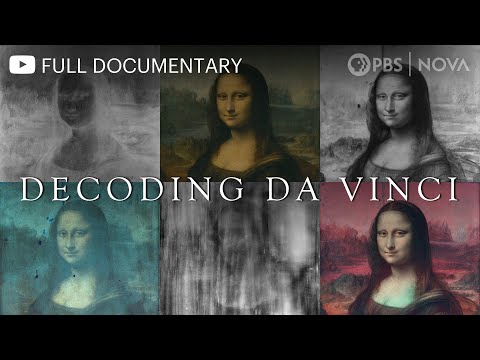
Decoding Da Vinci: An Analyst's Perspective on the NOVA & PBS Documentary


The name Leonardo da Vinci evokes a unique confluence of art, science, and an almost preternatural understanding of the world decades, if not centuries, ahead of his time. The NOVA & PBS documentary, "Decoding Da Vinci," attempts to peel back the layers of this Renaissance titan, not merely as an artist, but as an investigator of reality itself. This analysis will dissect the documentary's claims, examining the evidence presented and contrasting it with established historical and esoteric interpretations. Is Da Vinci merely a genius, or was he privy to knowledge that transcended his era, hinting at profound, perhaps even paranormal, truths?

Historical Context: A Mind Out of Time

Leonardo da Vinci, born in 1452, existed in a period of immense intellectual and artistic ferment. Yet, even within the vibrant Renaissance, his output stands as anomalous. His notebooks, a labyrinth of sketches, observations, and inventions, reveal a mind grappling with concepts that wouldn't be mainstream for hundreds of years: flying machines, anatomical precision far exceeding contemporary understanding, and engineering feats that bordered on the fantastical. The documentary likely delves into these aspects, presenting them as evidence of extraordinary intellect. From an investigator's standpoint, the question isn't if he was a genius, but *how* he arrived at such insights. Were these purely the product of observation and deduction, or did he possess an intuitive grasp of natural laws that borders on the uncanny?

The historical record paints Da Vinci as a man driven by insatiable curiosity. His anatomical studies, conducted through clandestine autopsies, were groundbreaking, pushing the boundaries of acceptable scientific inquiry in his time. This willingness to challenge norms and literally dissect the unknown is a hallmark of any serious investigator, paranormal or otherwise. The documentary may juxtapose his scientific pursuits with his artistic endeavors, suggesting a unified approach to understanding existence. This interdisciplinary perspective is crucial; the superficial might see a painter, but the deeper analysis reveals a proto-scientist, an early explorer of the unexplained.

The ultimate art is knowledge. Leonardo understood this, bridging the gap between what could be seen and what could only be intuited.

Artistic Analysis: Beyond the Brushstrokes

The Mona Lisa's enigmatic smile, the Last Supper's complex composition – Da Vinci's artwork is saturated with detail and apparent symbolism. Documentaries of this nature often explore theories surrounding hidden messages, numerology, or even references to esoteric knowledge embedded within his most famous works. The "Investigator's Archive" of such phenomena typically includes discussions on how artists, consciously or unconsciously, can channel or record energies and ideas that are not readily apparent. We've seen similar analyses applied to ancient architecture and other artistic masterpieces, seeking patterns that defy conventional explanation.

When examining Da Vinci's art through a paranormal lens, we must consider the concept of psychography – the idea that an artist can record more than just visual information. Could the subtle expressions, the peculiar backgrounds, or the architectural elements within his paintings be more than aesthetic choices? The documentary might present theories about the Mona Lisa's gaze or the symbolism in the Last Supper. My own experience with anomalous phenomena suggests that highly charged locations or periods often inspire art that resonates with unusual depth. Is it possible that Da Vinci's art is a form of captured anomalous data, encoded in pigment and canvas?

Scientific Inquiry: The Renaissance Man's Laboratory

Da Vinci's notebooks are a treasure trove of scientific speculation and proto-engineering. His sketches of flying machines, for instance, predated powered flight by centuries. His understanding of hydraulics, mechanics, and optics was remarkably advanced. The NOVA documentary likely highlights these inventions, framing them as testament to a singular mind. However, a critical investigation must ask: where did these ideas originate? While genius is a factor, the sheer leap in technological understanding is what piques an investigator's interest. Did he have access to lost knowledge, or was his mind simply wired differently, allowing him to perceive universal principles that eluded others?

The scientific rigor Da Vinci applied to his observations is undeniable. He dissected bodies to understand human anatomy, studied the flight of birds to design wings, and observed water flow to develop hydraulic systems. This empirical approach, even when leading to unconventional conclusions, is the bedrock of any investigation. The key is to differentiate between speculative leaps and grounded observation. The documentary probably presents these as proofs of his intellect, but we, as investigators, seek the *process*. Was there a method to his apparent foresight that goes beyond mere rational deduction?

For those interested in replicating the scientific approach, understanding the tools and methods of historical investigation is paramount. This involves meticulously cross-referencing accounts, analyzing primary sources (like Da Vinci's notebooks), and understanding the limitations of historical data. A crucial aspect is avoiding confirmation bias – the tendency to seek out evidence that confirms pre-existing beliefs. This is where the "Research Protocol: Verifying Historical Claims" section becomes invaluable.

Decoding Hidden Messages: Symbols and Codes

The allure of hidden messages is a powerful draw in any study of historical figures, especially one as multifaceted as Da Vinci. The documentary likely touches upon theories regarding secret societies, coded messages within his paintings, and esoteric symbolism. These are the bread and butter of unexplained mysteries. As an investigator, I've learned that while many such theories are speculative, the consistent appearance of certain symbols across cultures and eras warrants attention. The question is whether these are universal archetypes, deliberate codes, or simply coincidences amplified by popular imagination.

The phenomenon of pareidolia – seeing patterns or meaning in random data – is a constant challenge when analyzing symbols. However, the deliberate nature of Da Vinci's mirror writing, his meticulous notes, and the recurring themes in his work suggest a level of intentionality that demands exploration. The documentary might present several popular theories; our task is to analyze the plausibility and the evidence supporting each, rather than simply accepting them at face value. The "Da Vinci Code Phenomenon" section will offer a critical lens through which to view these sensational claims.

"To learn is to discover. Da Vinci didn't just learn; he seemed to discover truths as if they were already written in the fabric of existence, waiting to be read."

The 'Da Vinci Code' Phenomenon: Fact vs. Fiction

Dan Brown's novel and the subsequent film "The Da Vinci Code" thrust these theories into mainstream consciousness, blurring the lines between historical fact and fictional speculation. The NOVA documentary, by its nature, aims for a more grounded approach, but it cannot ignore the cultural phenomenon. My role here is to cut through the sensationalism. Many of the claims popularized by fiction are either outright fabrications or gross misinterpretations of historical and artistic evidence. The challenge is to separate the genuine mysteries and anomalies surrounding Da Vinci from the elaborate narratives spun by popular culture. This critical distinction is vital for maintaining the integrity of paranormal and historical research.

It is essential to understand that while artistic interpretation and the search for hidden meanings are valid pursuits, they must be grounded in verifiable evidence. The "Da Vinci Code" phenomenon often thrives on suggestion and leaps of logic, connecting disparate elements without a solid evidential chain. As investigators, we must differentiate between compelling speculation and unsubstantiated conspiracy. The documentary, while likely exploring some sensational claims, should ideally provide a more nuanced perspective. Historical analysis and critical thinking are our primary tools here. Examining the context of Da Vinci's life and work, rather than imposing modern narrative frameworks upon it, is paramount.

Investigator's Verdict: Genuine Mystery or Elaborate Myth?

After analyzing the contents and theories presented in documentaries like NOVA's "Decoding Da Vinci," my verdict leans towards a genuine, albeit complex, mystery. Da Vinci was undoubtedly a genius of unparalleled scope. His notebooks reveal an intellect grappling with concepts far beyond his time, demonstrating a profound understanding of natural laws. Whether this stems solely from observation and deduction, or if there was an element of intuitive insight bordering on the paranormal, remains the core enigma. The evidence for his scientific and artistic prowess is overwhelming.

However, the persistent theories of hidden codes and esoteric knowledge, while often exaggerated by popular culture, cannot be entirely dismissed without rigorous investigation. The sheer breadth of his interests and the depth of his understanding suggest a mind that perceived the world in ways fundamentally different from his contemporaries. The true mystery lies not in proving supernatural intervention, but in understanding the limits of human potential and the possibility that certain individuals, like Da Vinci, may have tapped into a deeper stratum of reality or knowledge. The documentary serves as a valuable primer, but the deeper investigation requires consulting specialized archives and employing critical analysis to separate the verifiable from the speculative.

The Investigator's Archive

For those seeking to delve deeper into the life and mysteries of Leonardo da Vinci, beyond what a single documentary can offer, consulting primary sources and scholarly works is essential. My personal archive and recommendations include:

  • "Leonardo da Vinci: The Complete Paintings and Drawings" by Frank Zöllner and Johannes Nathan: A comprehensive visual and analytical catalog of his artistic output.
  • "Leonardo's Notebooks" (various editions): Direct access to his thoughts, inventions, and observations. Essential for understanding his investigative mindset.
  • "The Da Vinci Notebooks" by Taschen: Often provides detailed commentary and analysis of his scientific and artistic sketches.
  • "Leonardo da Vinci: Flights of the Mind" by Charles Nicholl: A biographical account that delves into the context of his life and work.
  • "Secrets of the Renaissance" (Documentary Series): While not solely about Da Vinci, it provides crucial historical context for the intellectual environment he inhabited.

Exploring these resources is akin to acquiring the right gear for a field investigation; they equip you with the knowledge necessary to form your own educated conclusions.

Research Protocol: Verifying Historical Claims

When confronted with complex historical claims, such as those surrounding Leonardo da Vinci, a structured investigative protocol is crucial:

  1. Source Verification: Always prioritize primary sources (Da Vinci's own writings, contemporary accounts) over secondary interpretations or popular fiction.
  2. Contextual Analysis: Understand the historical, cultural, and scientific milieu in which the subject lived. What was considered normal or possible during the Renaissance?
  3. Cross-Referencing Evidence: Compare information from multiple reputable sources. Look for consensus among historians and art critics regarding specific artworks or inventions.
  4. Distinguishing Fact from Speculation: Clearly identify what is historically documented versus what is theory, interpretation, or even conjecture. Differentiate between genius and anomaly.
  5. Identifying Anomalies: Pinpoint specific aspects of Da Vinci's work or life that genuinely defy conventional explanation based on the available historical data.
  6. Avoiding Confirmation Bias: Actively seek out evidence that might contradict preferred theories. Remain open to alternative explanations, including mundane ones.

This methodical approach is vital to avoid falling prey to elaborate myths, while still remaining open to genuine, unexplained phenomena.

Frequently Asked Questions

What is the most intriguing aspect of Leonardo da Vinci from a paranormal perspective?

His foresight. His conceptualization of machines and understanding of anatomy that were centuries ahead of his contemporaries suggests a mind that perceived universal principles beyond the immediate scientific understanding of his era, hinting at an unusual form of perception or intuition.

Are the "hidden messages" in the Mona Lisa real?

While there's significant debate and often sensationalism around this, art historians and analysts continue to find layers of meaning in Da Vinci's work. Whether these are deliberate esoteric codes or simply the result of masterful artistry and psychological subtlety is still a subject of intense discussion. The documentary likely explores prominent theories.

Was Leonardo da Vinci part of any secret societies?

There is no definitive historical evidence proving Leonardo da Vinci's direct membership in any specific secret society. Theories often link him to groups like the Priory of Sion based on interpretations of his work, but these connections are largely speculative and popularized by fiction.

Your Field Mission

The documentary "Decoding Da Vinci" opens a door, but it is up to you to step through it. Your mission, should you choose to accept it, is to employ the investigative principles discussed. Take one of Leonardo da Vinci's lesser-known inventions or artworks – perhaps his studies of water or his anatomical drawings of the heart – and research its historical context and scientific basis. Then, seek out one reputable scholarly article or historical analysis that discusses it. Your task is to identify:

  1. The primary documented facts about the subject of your research.
  2. Any aspect that seems particularly advanced or ahead of its time for the 15th/16th century.
  3. A contrasting theory or interpretation of that aspect (whether scientific, artistic, or even speculative).

Report your findings in the comments below. What did you uncover? Was it pure genius, or does it still hold a whisper of the unexplained?

alejandro quintero ruiz is a veteran field investigator dedicated to the analysis of anomalous phenomena. His approach combines methodological skepticism with an open mind to the inexplicable, always seeking the truth behind the veil of reality. His experience spans decades, from classic hauntings and cryptid sightings to modern UFO phenomena and historical enigmas.

Top 5 Ghost Videos to Disturb Your Vacation: An Investigative Breakdown


Introduction: The Haunting of Pixels

The digital age has brought the inexplicable directly into our living rooms. Gone are the days when tales of the spectral realm were confined to hushed whispers and campfire stories. Now, the internet teems with alleged evidence – videos that promise a glimpse beyond the veil. But in this sea of digital anomalies, how much is genuine paranormal activity, and how much is clever deception or misinterpretation? Today, we’re not just presenting a list; we’re opening an investigation into five of the most disturbing ghost videos circulating online. Prepare to question what you see, because the truth, as always, is more complex than it appears.

Case File 1: The Shadow in the Corridor

This classic footage, often cited in online discussions, purports to show a shadowy figure moving stealthily down a dimly lit hallway. The recording is grainy, the audio perhaps marred by static, typical of many reported hauntings. The initial reaction for many is a visceral jolt – a confirmation of fears about unseen entities. However, a meticulous investigator must first consider mundane explanations. Was it a trick of the light? A piece of furniture casting an unusual shadow? Perhaps a reflection playing on a polished surface? The consistency of shadow figures in paranormal lore is well-documented, often appearing as amorphous, dark shapes lacking distinct features. This particular video, while unsettling, lacks the clarity needed for definitive analysis. The absence of photographic or EMF readings accompanying the visual data leaves it in the realm of anecdotal evidence, albeit a visually arresting piece.

"The most convincing spectral apparitions are often the least defined. Our minds fill in the blanks, creating terror from suggestion."

For those seeking to capture such phenomena, high-sensitivity cameras and EMF meters are indispensable tools. Without objective data to corroborate the visual, the spectral remains speculative. Consider the commonality of pareidolia – the human tendency to perceive meaningful patterns, such as faces or figures, in random visual stimuli. This video, while disturbing, serves as an excellent primary example for understanding the challenges of analyzing low-resolution paranormal footage. To bypass mere speculation and move towards actionable intelligence, one would need additional data points.

Case File 2: The Poltergeist's Plaything

Footage allegedly capturing a poltergeist at work often involves objects moving inexplicably. This video showcases a room where small items – perhaps toys or household objects – appear to be propelled or repositioned without any visible agency. The disturbance often seems localized, and the movements, while sometimes described as "violent," can also be subtle, like a slow slide across a surface. The poltergeist phenomenon is one of the most contentious areas of parapsychology, often attributed to electronic voice phenomena (EVP) captured simultaneously or linked energy fields. Skeptics might point to vibrations, drafts, or even hidden mechanisms. However, the pattern of movement, if consistent and defying simple physics, can be compelling. The challenge here lies in discerning whether the objects are truly animated or if the camera angle and editing obscure a mundane cause. True poltergeist activity, if it exists, is often associated with periods of significant psychic stress in a particular environment or individual, a factor rarely captured in a short video clip.

Investing in a reliable K2 EMF meter can be crucial for field investigations, as fluctuations in electromagnetic fields are sometimes correlated with poltergeist activity. However, correlation does not imply causation. The debate around the nature of poltergeists—whether they are residual energy, intelligent entities, or a manifestation of an individual's subconscious—continues. This video, like many others, fuels the debate but provides no definitive answer. For a deeper dive into this perplexing category, consider consulting the works of authors like Charles Fort, whose meticulous cataloging of unexplained events laid the groundwork for much of modern paranormal research.

Case File 3: Apparition at the Abandoned Asylum

Abandoned asylums are fertile ground for ghost stories, and this video is no exception. It purportedly shows a fleeting, human-like figure in the decaying halls of a former psychiatric institution. The atmosphere is inherently unsettling, amplified by the visual of decay and the implied history of suffering. Skeptical analysis would first focus on environmental factors: dust motes dancing in light beams, water stains on walls that mimic shapes, or even reflections in broken glass. The human mind, primed by the location’s reputation, is highly susceptible to suggestion. This type of footage often relies heavily on the viewer’s pre-existing beliefs and the psychological impact of the setting.

When investigating locations with such a charged history, researchers often employ specialized equipment like full-spectrum cameras and parabolic microphones to detect subtle anomalies. The phenomenon known as the "white lady" or a spectral attendant are common archetypes in these settings. However, without corroborating evidence such as unexplained temperature drops, EVP, or consistent reports from multiple independent observers, such videos remain subjective experiences. Understanding the psychological underpinnings of fear and suggestion in these environments is as critical as analyzing the visual data itself. For those interested in the history of such locations, researching urban exploration forums and historical archives can provide context, but always with a critical eye.

Case File 4: Ectoplasmic Manifestation Caught on Camera

This video claims to capture ectoplasm, a substance often described in occult literature as a physical manifestation of spiritual energy. The footage might show wisps of mist or cloud-like forms appearing and dissipating, sometimes in close proximity to a purported medium or investigator. The scientific community largely dismisses ectoplasm as fraud or misidentified natural phenomena like condensation, dust, or smoke. Historically, mediums claimed to produce ectoplasm from their bodies, often under controlled conditions that were later revealed to be elaborate hoaxes. This particular video’s quality is key; if it shows clear, defined forms that defy easy explanation, it warrants closer scrutiny, but the burden of proof rests heavily on explicating the impossible.

The study of ectoplasm falls under older branches of parapsychology, often linked to spiritualism and early séances. Modern paranormal investigation techniques focus more on audio-visual anomalies and energy readings rather than physical manifestations. To critically assess such a video, one would look for evidence of manipulation, such as visible threads, projected light, or inconsistencies in the surrounding environment. The allure of seeing physical "proof" of the afterlife is strong, driving the continued generation and dissemination of such videos. Yet, without rigorous, reproducible scientific testing, these manifestations remain firmly in the realm of the unproven.

Case File 5: The Phantom Hitchhiker

Urban legends abound of spectral figures who appear on lonely roads. This video, often presented as found footage, might show a figure appearing or disappearing from the back seat of a vehicle, or standing by the roadside. The common narrative involves a driver picking up a passenger who then vanishes, or a figure who attempts to flag down cars only to disappear when followed. The psychological impact of such footage is significant, tapping into primal fears of the unknown and the dangers of isolation. Skeptical analysis would immediately question the authenticity of the recording. Was this CGI? Was the figure placed in the frame through editing? Or, less dramatically, was it a play of light and shadow on the road or reflections on the windows?

The "phantom hitchhiker" trope is deeply embedded in folklore across cultures. Its persistence in video form speaks to its transgressive nature, crossing the boundary between the living and the dead on a shared pathway. For investigators, verifying such a clip would involve checking for digital artifacts indicative of editing and looking for corroborating reports from the same location and time. The lack of any independent witness or verifiable data makes such videos difficult to assess scientifically. They serve more as modern myth-making than as concrete evidence of paranormal phenomena, though their power to disturb is undeniable. For context on such legends, the work of folklorists like Janex Kratochvil offers profound insights into the cultural roots of these stories.

Investigator's Verdict: Deconstructing the Digital Specter

After analyzing these five purported ghost videos, a clear pattern emerges: while visually disturbing, each presents significant analytical challenges. The grainy quality, questionable audio, and inherent susceptibility of digital media to manipulation mean that definitive proof of paranormal activity is rarely, if ever, established by video alone. The human mind is remarkably adept at interpreting ambiguous stimuli, especially when predisposed to believe. Optical illusions, environmental factors, and outright hoaxes are far more common explanations than spectral entities.

However, dismissing these videos outright would be an abdication of the investigative duty. The consistent themes—shadow figures, moving objects, apparitions tied to specific locations—appear across cultures and centuries. This suggests a deeper human experience or phenomenon at play, even if the visual representations are often flawed. The objective is not to prove or disprove every single piece of footage, but to understand the underlying patterns and the psychological and cultural forces that drive these reports. As investigators, our role is to apply critical thinking, employ scientific methodology where possible, and acknowledge the limits of current understanding. Moving forward, the demand for verifiable data—such as corroborated witness accounts, consistent EMF readings, and clear EVP recordings captured simultaneously with visual phenomena—will be paramount in elevating these digital specters from mere curiosities to potential evidence of the unexplained.

The Investigator's Archive

To truly grasp the depth of paranormal investigation, one must engage with the foundational texts and resources. While these videos offer fleeting glimpses, the following offer a comprehensive understanding:

  • Books: "The Ghost Hunter's Survival Guide" by Rich Reynolds, "The Daemonolerie" by Nicolas Remy (for historical context on entities), and "The Skeptic's Handbook to the Paranormal" by Marc Rochester.
  • Documentaries: "Searching for Ghosts" (various series), "Hellier" (for a deep dive into modern investigation), and "The Phenomenon" (for UFO-related parallels).
  • Platforms: Gaia and Discovery+ offer extensive archives for ongoing research into anomalous phenomena.

Field Lab: Analyzing Pseudo-Evidence

When presented with alleged paranormal video evidence, a structured approach is essential. Follow these steps, focusing on critical analysis:

  1. Initial Impression & Emotional Response: Note your immediate feelings. Are you scared, curious, skeptical? This initial reaction can reveal your own biases.
  2. Contextual Analysis: Where and when was the video recorded? What is the history of the location? Who are the witnesses, and what are their backgrounds? Is there any corroborating evidence (e.g., EMF readings, EVP)?
  3. Technical Examination: Look for signs of digital manipulation (CGI artifacts, editing inconsistencies). Analyze lighting, shadows, and reflections. Are there any mundane explanations for the phenomena observed (dust, insects, drafts, pareidolia)?
  4. Comparison with Known Phenomena: Does the alleged apparition match common archetypes (shadow figure, residual energy, intelligent entity)? Do the object movements align with known poltergeist behavior patterns?
  5. Source Verification: Is the video original, or is it a copy that has been altered? Check for watermarks, upload dates, and the reputation of the source.
  6. Formulate Hypotheses: Based on the above, develop plausible hypotheses. Start with the most mundane (natural explanation, hoax) and only consider paranormal explanations if all else fails and strong corroborating evidence exists.

Frequently Asked Questions

Q1: Can ghost videos ever be considered real evidence?

While some videos are compelling, they rarely meet the threshold for scientific proof on their own. They can, however, serve as starting points for deeper investigation, prompting researchers to seek corroborating evidence in the physical environment or through witness testimony.

Q2: What is the most common way ghost videos are faked?

The most common methods include CGI (Computer-Generated Imagery), editing (adding figures or moving objects in post-production), and exploiting natural phenomena like dust, light reflections, or simple optical illusions that our minds then interpret as ghostly.

Q3: What equipment is essential for investigating a location where ghost videos have been recorded?

Essential equipment includes a high-resolution video camera (preferably with night vision capabilities), an EMF meter (like a K2 meter), an audio recorder for capturing potential EVPs, and a thermometer to detect anomalous temperature drops.

Your Field Mission

Your mission, should you choose to accept it, is to become a critical observer. Next time you encounter a purported ghost video online, pause before accepting it at face value. Apply the analytical steps outlined in our 'Field Lab' section. Can you identify any mundane explanations? Does the video hold up to scrutiny, or does it crumble under the weight of skepticism? Document your findings and share with us what you discover – not just about the video, but about your own critical faculties being sharpened. Remember, the greatest mystery often lies not in the shadows on the screen, but in how our own minds interpret them.

alejandro quintero ruiz is a veteran field investigator dedicated to the analysis of anomalous phenomena. His approach combines methodological skepticism with an open mind to the inexplicable, always seeking the truth behind the veil of reality.