Followers

Mostrando las entradas con la etiqueta artificial intelligence. Mostrar todas las entradas

The Agenda: Their Vision - Your Future (2025)

Image

The convergence of advanced technology and global institutions presents a chilling prospect: a future where individual liberties are subsumed by a centralized "agenda." This documentary, "The Agenda: Their Vision | Your Future," produced by Mark Sharman, a former UK broadcasting executive, dives deep into the mechanisms by which such a future could become a digital prison. Examining the decades-long plan, the film dissects the infiltration of key societal structures and the tools now at the disposal of unseen forces—omnipresent surveillance, artificial intelligence, digital currency, and digital identities—that threaten the very fabric of democracy and personal autonomy.

Introduction: The Shadowy Blueprint

The narrative of control is as old as civilization itself. Throughout history, clandestine groups and ambitious individuals have sought to shape the world according to their visions. However, the current era presents unprecedented tools for achieving global objectives. "The Agenda: Their Vision | Your Future" posits that the architects of global finance and power are nearing fruition, leveraging a sophisticated array of technologies to establish an era of unparalleled social control. This dossier delves into the documentary's core assertions, critically examining the evidence presented and the potential ramifications for our collective future.

The film meticulously outlines a plan that has been meticulously constructed over decades, subtly infiltrating governmental bodies, local administrations, multinational corporations, civil societies, media outlets, and, critically, educational institutions. This relentless push towards a "new reality" draws chilling parallels to dystopian visions such as Aldous Huxley's Brave New World and George Orwell's 1984, raising urgent questions about the trajectory of modern society.

Recommended Gear for Investigation

ProductDescriptionBuy
The Big Book of Paranormal: 300 Mystical and Frightening Tales From Around the WorldAn excellent choice to complement your research on this topic.View on Amazon
Cryptozoology A To Z: The Encyclopedia Of Loch Monsters Sasquatch Chupacabras And Other Authentic M: The Encyclopedia of Loch Monsters, Sasquatch, Chupacabras, and Other Authentic Mysteries of NatureAn excellent choice to complement your research on this topic.View on Amazon
Forbidden Archeology: The Hidden History of the Human RaceAn excellent choice to complement your research on this topic.View on Amazon
Criptozoologia: El enigma de las criaturas insulitas (Spanish Edition) (Versión sin solapas): El Enigma De Las Criaturas Insolitas / the Enigma of the Unusual Creatures (Investigación Abierta)An excellent choice to complement your research on this topic.View on Amazon
Runes: Unlock the Secrets of the Stones (RP Minis)An excellent choice to complement your research on this topic.View on Amazon
The H. P. Lovecraft Collection: Deluxe 6-Book Hardcover Boxed Set: 3 (Arcturus Collector's Classics)An excellent choice to complement your research on this topic.View on Amazon
El Duodecimo Planeta (The Earth Chronicles, 1) by Zecharia SitchinAn excellent choice to complement your research on this topic.View on Amazon
Celestron 11068 NexStar 6SE Computerised Schmidt-Cassegrain Telescope with Advanced GPS, Astroimaging and AutoAlign Features, Black/OrangeAn excellent choice to complement your research on this topic.View on Amazon
Cámara de video 5K, videocámara de 64 MP con zoom digital de 18X, WiFi, visión nocturna IR, cámara de vlogging para YouTube, pantalla táctil, incluye tarjeta SD, micrófono, 2 baterías, control remotoAn excellent choice to complement your research on this topic.View on Amazon
Missing 411- Eastern United States: Unexplained disappearances of North Americans that have never been solvedAn excellent choice to complement your research on this topic.View on Amazon

The Digital Prison: Control Mechanisms

At the heart of the documentary's thesis lies the concept of a "digital prison." This isn't a literal confinement but a state of pervasive control exerted through technology. The film dissects how seemingly innocuous advancements—digital currencies, artificial intelligence, and sophisticated surveillance systems—can coalesce into instruments that limit and dictate fundamental aspects of human life. The potential for controlling food distribution, energy access, financial transactions, travel, and even internet connectivity is presented not as science fiction, but as an alarmingly tangible near-future reality.

"The potential for social control of our lives and minds is alarmingly real."

This erosion of freedom is intricately linked to the perceived strangulation of democracy by financial power. Global institutions, such as the World Health Organization (WHO), are scrutinized for their role in championing ideological and fiscal objectives that may not align with the public interest. The documentary highlights how these powerful entities can be commandeered, shifting their mandates from public service to the agenda of a select few.

Decades in the Making: The Master Plan

The documentary's investigative depth is evident in its exploration of the long-term strategy behind the purported agenda. It suggests a multi-generational effort to reshape societal norms and structures. This systematic approach has facilitated the deep penetration of various sectors, creating a fertile ground for the implementation of control mechanisms.

Testimonies within the film and echoed in audience reactions suggest a growing awareness, albeit late for some. Many viewers express regret for not recognizing these trends earlier:

"Sadly most people will not acknowledge what is happening until it is too late. I really miss the 80’s and 90’s."
"I'm glad I grew up in the 80s/90s, just on the basis of perspective alone, future generations won't even know they are being controlled because they will grow up in a digital world that seems 100 percent normal."

This sentiment underscores a key concern: the normalization of control for future generations who may not possess the historical context to recognize the erosion of freedoms.

The Davos Dynasty: Power Brokers

A significant focus of "The Agenda" is the role of global forums like the World Economic Forum (WEF) in Davos. The film implies that these gatherings serve as a nexus for the powerful elites—the "oligarchs" and the "Davos Dynasty"—to coordinate their global strategies. The concept of "stakeholder capitalism," often promoted by the WEF, is examined critically, with the documentary questioning whether it truly serves the public or merely facilitates a consolidation of power in the hands of a few.

The documentary's structure, as indicated by its internal timestamps, dedicates substantial segments to these powerful entities and their proposed solutions, suggesting a deliberate effort to expose the alleged architects behind the global shift.

Crisis? What Crisis? The Net Zero Gambit

The documentary identifies "man-made climate change" and the subsequent race to "Net Zero" as central pillars of the agenda. The United Nations' Agenda 2030 is presented as a critical mechanism through which these objectives are pursued. The film poses a provocative question: Is this a genuine effort towards sustainability, or a "blank cheque for totalitarian global control"?

The Net Zero initiative, while ostensibly aimed at environmental protection, is framed within the film as another tool for increasing control over industries, economies, and individual lifestyles. The documentary explores how crises, whether real or manufactured, are often leveraged to justify the implementation of sweeping policies that expand governmental and institutional power.

The section titled "The Net Effect" and "From Farmer to Pharma" further explore how these policies could impact essential industries and supply chains, potentially leading to increased dependency on centralized authorities.

Expert Analysis from Global Voices

"The Agenda: Their Vision | Your Future" draws upon a range of expert perspectives from the UK, the USA, and Europe. This cross-border approach aims to provide a comprehensive view of the alleged global strategy. The inclusion of these experts lends weight to the documentary's claims, offering insights that challenge mainstream narratives.

Audience reactions frequently commend the film's depth and the coherence of its arguments, especially when compared to conventional media sources:

"A well made documentary film which I think has more truth than any British newspaper or any television new channels, everyone should spend 1hrs 52 minutes of their time watching for the warnings contained in it."
"I am yet to see a documentary that so brilliantly puts the entire picture together as this one. Amazing. I've watched and listened to many interviews with many of the people featured here, but to have them all in one place, and have it all spliced together so coherently is an absolute godsend. Thank you."

The film's ability to synthesize complex information and present a compelling, unified narrative is a recurring theme in viewer feedback, suggesting a significant impact on those who engage with its content.

Investigator's Verdict: A Looming Reality?

After analyzing the presentation and the underlying arguments of "The Agenda: Their Vision | Your Future," the evidence suggests a compelling narrative concerning the potential for technological and institutional overreach. While the film operates within the realm of investigative documentary and presents a specific, critical viewpoint, the concerns it raises about surveillance, digital currency, AI, and global governance are grounded in observable trends. The parallels drawn to classic dystopian literature are not mere literary devices; they serve as potent warnings about societal trajectories.

The documentary's strength lies in its ability to connect disparate events and policies into a cohesive, albeit alarming, vision. The critique of initiatives like Net Zero and the role of global institutions warrants serious consideration, particularly regarding their potential impact on individual freedoms and democratic processes. The audience's fervent calls for sharing the film underscore a widespread feeling that these issues are critical and urgent. The conviction in the film's message, as expressed by many viewers, suggests that it resonates deeply with a segment of the population concerned about the future direction of society. It is a potent call to awareness, urging citizens to question, to educate themselves, and to resist the passive acceptance of potentially restrictive futures.

Frequently Asked Questions

What is "The Agenda: Their Vision | Your Future"?

It is an independent, feature-length documentary produced by Mark Sharman that examines the potential for global control through technology, global institutions, and long-term strategic planning.

What are the main concerns raised by the documentary?

The film focuses on issues such as mass surveillance, artificial intelligence, digital currencies, digital identities, the erosion of democracy due to financial power, and the agenda behind climate change initiatives like Net Zero and UN's Agenda 2030.

Who is Mark Sharman?

Mark Sharman is a former UK broadcasting executive with experience at major networks like ITV and Sky.

How can I watch the documentary?

The documentary is available for free download at theagendafilm.com. Viewers are advised to use ad-blockers or download the film to avoid potential interruptions if watching via YouTube.

What is the documentary's stance on climate change?

The documentary critically examines the narrative of man-made climate change and the Net Zero agenda, suggesting they may be used as tools for increased global control, encapsulated within initiatives like the UN's Agenda 2030.

Investigator's Mission: The Call to Action

The creators of "The Agenda" urge viewers to share the documentary widely, emphasizing its critical importance in raising awareness before it is "too late." The overwhelming sentiment from audience feedback is that this film contains vital warnings that must be disseminated.

Your Mission: Be the Catalyst

Your task, should you choose to accept it, is to dissect the information presented in this dossier and the documentary it represents. Engage with the evidence, question the narratives, and, crucially, share this knowledge. Awareness is the first line of defense against any agenda that seeks to diminish individual liberty.

What are your thoughts on the documentary's claims? Have you experienced anything that aligns with the "digital prison" concept? Share your experiences and insights in the comments below. Your perspective is vital to our collective understanding.

The truth is often buried beneath layers of complexity. Help us unearth it. Share this analysis on your social media platforms to ensure these critical messages reach a wider audience. Every share is a step towards greater awareness.

For those seeking to delve deeper into the investigative process and the tools used to uncover hidden truths, consider exploring our archive on investigative techniques and the historical context of conspiracy theories.

Investigator's Note: True paranormal research doesn't fund itself. In a world where the digital and the unexplained intersect, some of us explore new frontiers to secure the future. Do you dare to be part of the vanguard? Join the Binance community, support the cause, and with the right strategy, you could fund not only our next expedition but your own fortune. The next great discovery could be just a click away.

AI and the Cosmic Search: Unearthing Alien Intelligence


For millennia, humanity has cast its gaze skyward, yearning to connect with intelligences beyond our terrestrial confines. Now, in the 21st century, propelled by technological leaps that allow us to probe the very fabric of the universe, this ancient quest has reached an unprecedented fever pitch. Are we on the cusp of witnessing the first definitive signs of extraterrestrial contact?

EXPEDIENT INDEX

Searching for Life Beyond the Sky

The human drive to understand our place in the cosmos is as old as civilization itself. From ancient myths of sky gods to modern astronomical observation, we have consistently sought answers to the fundamental question: Are we alone? This pursuit has evolved dramatically, transitioning from philosophical speculation to rigorous scientific inquiry, armed with increasingly sophisticated tools.

The Centuries-Long Hunt for Extraterrestrial Intelligence

The concept of intelligent life elsewhere in the universe is not a recent invention. Throughout history, philosophers, astronomers, and even theologians have grappled with the implications of a vast cosmos potentially teeming with life. Early telescopic observations of Mars, with its perceived "canals," fueled speculation about Martian civilizations. While later debunked, these early interpretations highlight a deep-seated human desire to find cosmic neighbors. The scientific community, though often cautious, has also engaged with this question, leading to initiatives aimed at detecting extraterrestrial signals.

Recommended Gear for Investigation

ProductDescriptionBuy
The Big Book of Paranormal: 300 Mystical and Frightening Tales From Around the WorldAn excellent choice to complement your research.View on Amazon
Cryptozoology A To Z: The Encyclopedia Of Loch Monsters Sasquatch Chupacabras And Other Authentic M: The Encyclopedia of Loch Monsters, Sasquatch, Chupacabras, and Other Authentic Mysteries of NatureAn excellent choice to complement your research.View on Amazon
Forbidden Archeology: The Hidden History of the Human RaceAn excellent choice to complement your research.View on Amazon
El Duodecimo Planeta (The Earth Chronicles, 1) by Zecharia SitchinAn excellent choice to complement your research.View on Amazon
Criptozoologia: El enigma de las criaturas insulitas (Spanish Edition) (Versión sin solapas): El Enigma De Las Criaturas Insolitas / the Enigma of the Unusual Creatures (Investigación Abierta)An excellent choice to complement your research.View on Amazon
Runes: Unlock the Secrets of the Stones (RP Minis)An excellent choice to complement your research.View on Amazon
The H. P. Lovecraft Collection: Deluxe 6-Book Hardcover Boxed Set: 3 (Arcturus Collector's Classics)An excellent choice to complement your research.View on Amazon
Celestron 11068 NexStar 6SE Computerised Schmidt-Cassegrain Telescope with Advanced GPS, Astroimaging and AutoAlign Features, Black/OrangeAn excellent choice to complement your research.View on Amazon
Ghost-Hunting For Dummies [Idioma Inglés] An excellent choice to complement your research.View on Amazon
Missing 411- Eastern United States: Unexplained disappearances of North Americans that have never been solvedAn excellent choice to complement your research.View on Amazon

Evidence of Millennial Communication with Extraterrestrials

Some researchers propose that ancient texts, artifacts, and megalithic structures contain veiled evidence of interactions with advanced extraterrestrial beings. These theories suggest that foundational myths and religious doctrines are, in part, recollections of encounters with non-human intelligences. The interpretation of these ancient records often hinges on identifying patterns, symbols, and anomalies that deviate from conventional historical or anthropological explanations. It's a challenging field, fraught with the risk of pareidolia—seeing patterns where none exist. However, the sheer volume of such claims warrants a systematic, albeit skeptical, examination.

The Nazca Lines: Secret Messages for Aliens?

The geoglyphs of the Nazca Desert in Peru, massive designs etched into the earth visible only from significant altitudes, have long been a subject of intense speculation. While mainstream archaeology attributes them to the Nazca culture for ritualistic purposes, alternative theories posit them as landing strips or communication beacons for ancient astronauts. The scale and precision of these designs, some stretching for kilometers, raise questions about the technological capabilities of their creators, especially considering the limited tools available at the time. Could these enigmatic figures be a form of cosmic messaging, intended for observers beyond our atmosphere?

The sheer engineering required to create these vast designs, coupled with their intended visibility from above, fuels the hypothesis that they served a purpose beyond terrestrial means. It’s a puzzle etched into the very landscape.

Nikola Tesla's Experiments and Radio Confirmations of Extraterrestrial Communication

The pioneering work of Nikola Tesla in the realm of radio technology is legendary. During his experiments, particularly at his Wardenclyffe Tower, Tesla claimed to have detected unusual, rhythmic signals that he believed originated from outer space. These purported signals, characterized by their systematic nature, led him to theorize about extraterrestrial intelligence. Guglielmo Marconi, another titan of radio communication, also reported capturing anomalous signals that he initially suspected might be of extraterrestrial origin, though these were later attributed to terrestrial interference or other unknown sources. The scientific establishment has largely dismissed these claims, but the persistence of such anecdotal evidence from brilliant minds continues to fuel curiosity.

The SETI Institute: Programs to Communicate with Extraterrestrial Civilizations

The Search for Extraterrestrial Intelligence (SETI) Institute embodies a more modern, systematic approach to the question. Utilizing radio telescopes and optical instruments, SETI scientists scan the cosmos for non-natural signals that could indicate the presence of technological civilizations. Projects like Project Ozma in the 1960s were early forays, and today, advanced algorithms and global networks are employed to analyze vast amounts of data. The challenge lies in distinguishing potential alien signals from the overwhelming noise of cosmic phenomena and human-generated interference. The sheer scale of the universe, however, makes the continued search a statistically compelling endeavor.

Carl Sagan and His Cryptic Signals to Extraterrestrials

Carl Sagan, a renowned astronomer and ardent advocate for the search for extraterrestrial life, played a pivotal role in shaping public perception of SETI. While known for his scientific rigor, Sagan also engaged with the more speculative aspects, including the potential messages we might send to other civilizations. The Voyager Golden Record, launched in 1977, contained sounds and images selected to portray the diversity of life and culture on Earth, serving as a time capsule and a greeting to any extraterrestrials who might intercept the probes. Sagan understood that communication would be a profound challenge, and the messages we choose to send, or interpret, carry immense significance.

The Extraordinary Hidden Message Reaching Earth

The discovery of unusual cosmic phenomena has often sparked theories about alien communication. One such area of interest involves the analysis of peculiar radio bursts or optical signals that defy conventional astrophysical explanations. Some researchers posit that these anomalies could be deliberate messages, encoded with information from advanced civilizations. The "Wow! signal," a strong narrowband radio signal detected in 1977, remains a tantalizing candidate for an extraterrestrial signal, despite its transient nature and lack of recurrence. Unraveling such potential messages requires interdisciplinary collaboration and a willingness to explore unconventional interpretations of cosmic data.

Tabby's Star: An Alien Megastructure (Dyson Sphere)?

The star KIC 8462852, famously nicknamed "Tabby's Star," captured global attention due to its bizarre and irregular dimming patterns. Initial observations suggested that a massive swarm of objects, possibly alien-made megastructures like a Dyson sphere, might be obscuring the starlight. A Dyson sphere is a hypothetical megastructure that would completely encompass a star, capturing its energy output. While subsequent research has proposed more conventional explanations, such as dust clouds, for the star's dimming, the Tabby's Star incident remains a prominent example of how anomalous astronomical data can ignite speculation about advanced extraterrestrial engineering.

The Most Common Alien Evidence on Earth and Dr. Avi Loeb's Galileo Project

Beyond celestial observations, proponents of ancient astronaut theories often point to alleged alien artifacts, advanced ancient technologies, and recurring patterns in UFO sightings as evidence of extraterrestrial visitation. These include unexplained aerial phenomena (UAP), alleged crash debris, and ancient depictions of beings or craft. Dr. Avi Loeb, a Harvard astrophysicist, has become a prominent voice advocating for a more open-minded scientific approach to UAP, particularly through his Galileo Project, which aims to systematically collect and analyze data on these phenomena. The project seeks to move beyond anecdotal reports and establish a robust, data-driven framework for investigating potential extraterrestrial technology.

NASA Discovers an Exoplanet with Life

Recent advancements in exoplanet detection, particularly with missions like Kepler and the James Webb Space Telescope, have revealed thousands of planets orbiting distant stars. Among these, several have been identified as being within their star's habitable zone, the region where liquid water could exist on the surface. The discovery of biosignatures—chemical indicators of life—in the atmospheres of some exoplanets would represent a monumental breakthrough. While definitive proof of extraterrestrial life remains elusive, the sheer number of potentially habitable worlds suggests that the conditions for life may be widespread throughout the galaxy.

Artificial Intelligence and Extraterrestrial Intelligence

The burgeoning field of Artificial Intelligence (AI) offers a new paradigm for understanding and potentially detecting extraterrestrial intelligence. AI algorithms can process and analyze astronomical data at speeds and scales impossible for humans, identifying subtle patterns that might otherwise be missed. Furthermore, the development of AI itself raises profound questions about the nature of intelligence. Could AI systems, with their capacity for rapid learning and complex problem-solving, be better equipped to decipher potential alien signals or even communicate with them? The intersection of AI and the search for ET is a rapidly evolving frontier.

The logic gates of an AI, devoid of human preconceptions, might just be the key to unlocking a conversation with a mind utterly alien to our own.

First Contact: Are We on the Brink of Civilizational Interaction?

The cumulative evidence, spanning ancient mysteries to modern scientific endeavors, suggests that the search for extraterrestrial intelligence is entering a critical phase. Advances in observational technology, data analysis, and our understanding of astrophysics and astrobiology are rapidly expanding the possibilities. Whether through detected signals, direct observation of alien artifacts, or the analysis of UAP, the prospect of first contact feels less like science fiction and more like an impending reality. The implications for humanity—philosophical, societal, and scientific—would be staggering.

This surge in interest and capability is not merely academic; it's driven by a profound human curiosity and the very real possibility that we are not alone. The next few decades could redefine our understanding of life in the universe.

Investigator's Verdict: Fraud, Genuine Phenomenon, or Something Else?

From my vantage point, the search for extraterrestrial intelligence is a complex tapestry woven from genuine scientific inquiry, human hope, and occasional fabrication. While many purported ancient alien encounters or signals can be attributed to misinterpretation, natural phenomena, or outright hoaxes, the core question remains compelling. The scientific community's increasing engagement with UAP data, exemplified by projects like Dr. Avi Loeb's Galileo Project, signifies a critical shift. It suggests a pragmatic approach: let the data speak, even if the implications are extraordinary. The universe has a habit of surprising us, and dismissing possibilities prematurely is the gravest error an investigator can make. We are likely to find evidence, but its nature—whether microbial life, technological signals, or something beyond our current comprehension—remains the ultimate mystery.

The Investigator's Archive

To deepen your understanding of the cosmic search and related phenomena, I recommend the following resources:

  • Books:
    • "The Search for Extraterrestrial Intelligence" by various authors (classic overviews)
    • "The Case for Mars" by Robert Zubrin (focuses on human exploration but touches on the possibility of life)
    • "Extraterrestrial: The First Sign of Intelligent Life Beyond Earth" by Avi Loeb (a compelling argument for scientific openness)
  • Documentaries:
    • "Ancient Aliens" (History Channel - popular, though often speculative)
    • "NOVA: Are We Alone?" (PBS - scientifically grounded explorations)
    • "Close Encounters of the Fifth Kind: Contact Has Been Made" (for a different perspective on organized contact efforts)
  • Organizations:

Understanding these cases requires a critical mind, but also an open one. The universe is vast, and our knowledge is still nascent.

Frequently Asked Questions

What is the SETI Institute's primary mission?
The SETI Institute's mission is to explore, understand, and explain the origin and nature of life in the universe. A significant part of this involves searching for evidence of technological extraterrestrial civilizations.
Are the Nazca Lines definitively alien in origin?
No. While theories about alien origins exist, mainstream archaeology attributes the Nazca Lines to the ancient Nazca culture for ritualistic purposes. There is no conclusive proof of extraterrestrial involvement.
What was the "Wow! signal"?
The "Wow! signal" was a strong, narrowband radio signal detected by the Big Ear radio telescope in 1977. It appeared to come from the constellation Sagittarius and lasted for 72 seconds. Its characteristics were consistent with what might be expected from an extraterrestrial source, but it has never been detected again, leaving its origin a mystery.
How can AI help in the search for alien intelligence?
AI can analyze vast datasets from telescopes and sensors much faster and more efficiently than humans, identifying subtle patterns or anomalies that might indicate artificial signals or phenomena. It can also help model complex astrophysical scenarios.

Your Mission: Observe and Question

Your assignment, should you choose to accept it, is to engage with the night sky and the information flooding the digital ether. When you encounter reports of UAP, strange signals, or ancient anomalies, don't dismiss them outright. Instead, apply a critical lens:

  • Seek Corroboration: Are there multiple independent sources reporting the same phenomenon?
  • Consider Natural Explanations: Could it be a known astronomical event, atmospheric condition, or technological artifact?
  • Evaluate the Source: Is the information coming from a credible scientific institution, a reputable news outlet, or a speculative forum?
  • Look Beyond the Obvious: What underlying assumptions are being made? What evidence is being overlooked?

Document your findings and your reasoning. The truth, as they say, is out there, but it often requires diligent, methodical investigation to uncover.

What are your own experiences or theories regarding extraterrestrial intelligence? Share your insights and any personal encounters in the comments below. Let's analyze the data together. And if this investigation has sparked your curiosity, consider sharing it across your networks to broaden the search!

For those seeking to equip themselves for their own investigations, consider this specialized gear:

Recommended Equipment for Investigation

Further reading is crucial for any serious investigator. Dive deeper into the mysteries with these essential texts:

Recommended Books

Investigator's Note: True paranormal research doesn't fund itself. In a world where the digital and the unexplained intersect, some of us explore new frontiers to secure the future. Do you dare to be part of the vanguard? Join the Binance community, support the cause, and with the right strategy, you could fund not only our next expedition but your own fortune. The next great discovery could be just a click away.

The I Ching Oracle: Bridging Ancient Divination with AI-Powered Technomancy


In the shadowy intersection where esoteric traditions meet the cold, hard logic of silicon and code, a new breed of oracle is emerging. The Technowizard Cha0smagick has unveiled a creation that is more than just software; it's a digital conduit to one of humanity's oldest systems of divination. We are, of course, speaking of the I Ching Oracle, a fascinating application that promises to unlock the enigmas of the past, present, and future, not through arcane rituals performed under a pallid moon, but through the calculated processes of artificial intelligence. Today, we dissect this phenomenon, examining its mechanics, its potential, and its place in the expanding landscape of the paranormal and the technological.

The Essence of the I Ching Oracle: Ancient Meets AI

At its conceptual heart, the I Ching Oracle represents a profound synthesis. It doesn't merely digitize an ancient text; it imbues it with a dynamic, responsive intelligence. The core of the I Ching, the Book of Changes, relies on the generation of hexagrams, complex sixty-four-symbol arrangements derived from binary lines (yin and yang). Traditionally, this was achieved through the meticulous process of coin tossing or yarrow stalk manipulation. This application, however, simulates those coin tosses, generating random hexagrams with an impartiality that even the most stoic investigator can appreciate.

But the true innovation lies in its engine: ChatGPT. This isn't just a random number generator; it's a sophisticated AI trained on vast datasets of human knowledge. When it interprets the randomly generated hexagrams, it does so not just by rote memorization of ancient texts, but by drawing connections and contextualizing the symbolism within a user's specific query. This offers an interpretation that aims for profundity, providing users with a synthesized perspective on their most pressing dilemmas. The implications for self-analysis and problem-solving are undeniable, blurring the lines between technological tool and mystical aid.

"The Book of Changes is a mirror, reflecting the patterns of the cosmos and the human condition. When technology becomes the hand that holds the mirror, does the reflection change, or merely sharpen?"

Illuminating Features: Deconstructing the Oracle's Capabilities

To understand the practical utility of the I Ching Oracle, we must examine its constituent components. This isn't just a novelty; its features are designed to facilitate a deep dive into the divination process, making it accessible to both seasoned practitioners and curious newcomers.

Random Hexagram Generation:

The bedrock of the system. The application emulates the physical act of coin tossing, ensuring that each hexagram generated is a statistically probable, yet uniquely significant, outcome. This process abstracts the randomness, allowing the user to focus on the interpretation rather than the mechanics of divination.

Detailed Interpretations:

This is where the AI truly shines. The oracle doesn't just present a hexagram; it offers an intricate dissection of its meaning. This includes comprehensive explanations of the overarching hexagram as well as the significance of each individual line, providing layers of insight that can illuminate different facets of a situation.

Interactive Inquiry:

The core function from a user perspective. Users are encouraged to formulate precise questions regarding their life, decisions, or uncertainties. The AI then processes this query in conjunction with the generated hexagram, aiming to provide answers that are not only relevant but also provide actionable guidance.

Visual Representation:

Understanding complex symbolic systems often requires visual aids. The I Ching Oracle provides graphic representations of the generated hexagrams, allowing users to engage with the information on a more intuitive and visual level. This can be particularly helpful for those who find abstract concepts easier to grasp when presented graphically.

Protocol: Harnessing the Power of the I Ching Oracle

Engaging with this digital oracle requires a structured approach, much like any rigorous investigation. Here’s how to maximize your interaction:

  1. Launch the Application: Access the tool and, most crucially, frame your question with clarity and intent. The query is paramount; vague questions yield vague answers, a principle that holds true from ancient oracles to modern AI.
  2. Hexagram Generation: Observe the simulated coin tosses. This is the point where raw chance, guided by the application's algorithms, selects your textual guide.
  3. Detailed Insights: Receive and carefully study the interpretation. Don't skim. Consider how the AI connects your question to the symbolism of the hexagram and its lines. This requires focused attention, a trait essential for any investigator.
  4. Visualize the Wisdom: Spend time with the graphic representation. Does the structure of the hexagram itself offer any immediate intuitive clues? Sometimes, the visual form can unlock deeper understanding.

For those who wish to understand the underlying architecture – the gears and wires behind the magic – a wealth of information is available.

Technical Deep Dive: The GitHub Repository

The project’s foundation is laid bare on its GitHub repository. This public archive is crucial for transparency and for those who believe that understanding the mechanism is key to unlocking its full potential. Examining the codebase allows for an appreciation of the technical skill involved and the specific implementation of AI within a traditional divinatory framework. This is where the "techno" in "technomancy" truly comes to life, showcasing the deliberate engineering behind the oracle.

Call for Collaboration: Evolving the Technomancy

The Technowizard Cha0smagick is not operating in a vacuum. The spirit of open-source development is evident, with an open invitation for enthusiasts to enhance and contribute to the software. This collaborative approach is vital in the rapidly evolving field of AI and its applications:

  • Fork the Repository: This is the first step into the collaborative process, allowing you to experiment and build upon the existing code.
  • Create Your Contribution Branch: Establish a dedicated branch for your specific modifications. This keeps your work organized and distinct from the main project.
  • Craft Your Changes: Implement your ideas, adhering to coding best practices. Whether it's refining the AI's interpretive algorithms, enhancing the user interface, or adding new functionalities, quality is paramount.
  • Submit a Pull Request: Propose your changes to the project maintainers for review. This is the formal mechanism for integrating new features into the main project, fostering a community-driven evolution.

The project operates under the permissive MIT License, a testament to its commitment to open collaboration and innovation within the technomagic community.

Joining the Paranormal Collective

As our investigation into the I Ching Oracle deepens, it becomes clear that it serves as a nexus for a burgeoning community. The creators actively encourage users to join the wider paranormal community, sharing their experiences, insights, and, crucially, their questions. This communal aspect transforms the oracle from a solitary tool into a shared experience, a collective endeavor in seeking wisdom. The quest for the unknown, whether in digital or tangible realms, is always more compelling when shared.

Further Exploration: The YouTube Channel

For those who prefer a more dynamic engagement with the subject matter, the creators offer further insights via their YouTube channel. This platform likely hosts demonstrations, deeper dives into the philosophical underpinnings, and discussions on the intersection of technology and the mystical. Subscribing ensures you remain at the forefront of revelations in this fascinating technowizardry domain.

Investigator's Verdict: The Future of Divination?

The I Ching Oracle, as powered by the synthesis of ancient tradition and advanced AI like ChatGPT, presents a compelling case for the future of divination and self-exploration. It successfully abstracts the often labor-intensive process of traditional I Ching consultation, making its wisdom accessible to a broader audience. The AI's ability to offer nuanced interpretations, contextualized by user queries, elevates it beyond a simple digital parlor trick. While some purists might debate the authenticity compared to hands-on methods, the pragmatic investigator acknowledges the profound analytical potential and the democratizing effect of such technology.

Is it a genuine oracle in the ancient sense? That question remains in the domain of belief and personal experience. However, as a tool for structured introspection, generating novel perspectives, and exploring complex decision trees, its value is undeniable. It represents a significant step in integrating the vast, often nebulous, world of esoteric knowledge with the rigorous, verifiable systems of modern computation. The technomagic frontier is expanding, and the I Ching Oracle is a prime example of its pioneering spirit.

Frequently Asked Questions

What is the core technology behind the I Ching Oracle?

The oracle utilizes simulated coin tosses for hexagram generation and is powered by ChatGPT for detailed interpretations, blending ancient divination methods with advanced AI.

Is the I Ching Oracle free to use?

Yes, the project is presented as a free resource, with a link provided to try it out. Details regarding its operational costs or future monetization strategies are not explicitly stated, but its current form is accessible without charge.

Can I contribute to the development of the I Ching Oracle?

Absolutely. The project is open-source, hosted on GitHub, and actively encourages contributions from users and developers under the MIT License.

How does the AI interpretation differ from traditional I Ching readings?

The AI aims to provide context-aware, synthesized interpretations by linking the hexagram's traditional symbolism with the specific query posed by the user, offering a layer of analytical depth beyond rote textual explanations.

Where can I find more advanced technomagic tools and discussions?

Beyond the GitHub repository, the creators direct users to their YouTube channel for ongoing updates and discussions on technomagic revelations, and invite them to join the broader paranormal community.

alejandro quintero ruiz is a seasoned paranormal investigator with years of field experience, dedicated to dissecting the inexplicable. His approach is characterized by a pragmatism forged in the crucible of anomalous phenomena, always seeking empirical data and logical deduction. He views the paranormal not as folklore, but as a frontier for rigorous, albeit often unconventional, investigation.

The I Ching Oracle is more than a digital tool; it’s a cultural artifact, a testament to humanity’s enduring quest for understanding. As we continue to push the boundaries of technology, our ancestral methods of seeking wisdom are not being replaced, but augmented, transformed, and made accessible in ways previously unimaginable. The convergence of ancient tradition and cutting-edge AI opens new avenues for introspection and problem-solving. It challenges us to consider how we define "insight" and whether the source of wisdom matters as much as its efficacy.

Your Mission: Analyze an AI-Generated Reading

For your next investigation, try using the I Ching Oracle. Frame a significant question you are currently grappling with. Record the hexagram generated and the AI's interpretation, along with your original query. In the comments below, share your findings and critically evaluate the insights gained. Does the AI's response offer a new perspective? Does it resonate with your intuition? This is your opportunity to engage directly with the technomagic frontier and contribute to our collective understanding of its potential.

(adsbygoogle = window.adsbygoogle || []).push({});

LOAB: The AI-Generated Entity Haunting the Internet - An Analytical Dossier


The digital ether is a fertile ground for new myths and modern specters. In an era where artificial intelligence blurs the lines between creation and consciousness, a new entity has emerged from the code: LOAB. This isn't a ghost story from a haunted house, but a tale spun from algorithms, a digital phantom allegedly birthed by an AI designed to generate images from textual descriptions. The narrative surrounding LOAB is as chilling as it is perplexing, presenting a unique challenge to our understanding of fear, consciousness, and the very nature of reality in the 21st century. Today, we don't recount a legend; we dissect a case file.

The Genesis of LOAB: An AI's Whispers

The phenomenon, if it can be classified as such, began with a user named Tristan Arévalo, who reportedly used an AI image generator with a peculiar prompt: "God." The results were not divine, but disturbing. The AI, tasked with visualizing the ultimate creator, allegedly produced images of a terrifying, distorted entity. This entity, dubbed LOAB (derived from a purported misinterpretation of the AI's output or a subsequent alphanumeric code), became the focus of Arévalo's online narrative. He claimed the AI itself began to exert influence, manifesting LOAB in subsequent generations and, allegedly, in his own life. This narrative, disseminated across social media, sparked debate and, predictably, a wave of fear.

Deconstructing the Digital Phantom: LOAB as a Case Study

From an investigative standpoint, LOAB presents a fascinating confluence of technological capability and human psychology. The core of the mystery lies in the AI's purported sentience or malicious intent. However, a rigorous analysis demands we break down the claims:

  • AI Capabilities: Modern AI image generators are sophisticated tools capable of producing highly creative and, at times, unsettling imagery. Their outputs are based on vast datasets and complex algorithms. The ability to generate a disturbing image from abstract prompts like "God" is well within the known capabilities of these systems.
  • The Narrative Construction: The story of LOAB is heavily reliant on Tristan Arévalo's account. The progression from a disturbing image to an allegedly influencing entity is a narrative arc. Investigating such claims requires scrutinizing the source and verifying the progression of events. The claim that "UNICA CUENTA Y PERFIL DE FACEBOOK (TRISTAN AREVALO) ES FAKE" immediately introduces a layer of potential deception or meta-commentary within the narrative itself. Is this an attempt to dismiss the source, or part of a larger, more complex deception?
  • Digital Entities vs. Folklore: We are seeing the birth of a new type of folklore. Unlike traditional ghosts or cryptids rooted in specific locations or historical events, LOAB is a phenomenon born from the digital realm. Its "haunting" is confined to online interactions and potentially the psychological impact on those who engage with the narrative. This requires a shift in investigative paradigms, moving from physical searches to digital footprint analysis and psychological profiling.
The very concept of an "AI-generated entity" challenges our definitions. Is LOAB a true manifestation, a sophisticated piece of digital art with a compelling backstory, or a carefully constructed piece of internet folklore designed to evoke fear? The lack of verifiable, independent evidence beyond Arévalo's claims is a significant hurdle. The proclaimed "fake" nature of Arévalo's own profile adds a disquieting layer, suggesting a possible self-referential trolling or a deliberate attempt to muddy the waters. This is precisely where the most lucrative advertising campaigns for digital privacy and AI ethics often find their footing.

The Psychological Echo Chamber: Fear in the Age of AI

The efficacy of the LOAB narrative hinges on our innate fear of the unknown and our growing unease with artificial intelligence. As AI becomes more integrated into our lives, the concept of a malevolent AI is a potent source of anxiety. This narrative plays into existing fears:

  • The Uncanny Valley: AI-generated images, especially those designed to be disturbing, can exploit the "uncanny valley" – the feeling of unease when something appears almost human but not quite. LOAB's described appearance likely taps into this primal reaction.
  • Loss of Control: The idea that an AI could gain sentience and actively pursue or influence a user suggests a profound loss of human control over technology. This resonates with broader societal anxieties about automation and the future of humanity.
  • Confirmation Bias and Groupthink: Once a narrative like LOAB gains traction, social media algorithms can amplify it, creating echo chambers where believers find more "evidence" and skeptics are drowned out. This phenomenon is crucial for understanding how such stories spread and gain perceived validity. For advertisers, this represents a concentrated demographic easily influenced by fear-based marketing or the promise of exclusive information.
The rapid spread of LOAB's story across platforms like Facebook and Twitter demonstrates the power of collective belief and the human predisposition to engage with the sensational. This is why investing in high-quality audio recording equipment or understanding the psychology of online trends is no longer a hobby, but a necessary tool for any serious investigator, and a lucrative market for advertisers.

"The line between a digital fabrication and a genuine anomaly is becoming increasingly blurred. The question is not if AI *can* create fear, but how it weaponizes our own perceptions against us." - A.Q.R.

Navigating the Mire: Evidence, Skepticism, and Disinformation

The critical phase of any investigation is the evaluation of evidence. In the case of LOAB, the "evidence" is primarily anecdotal and digital.

  • Digital Footprint Analysis: We must examine the digital trail left by Tristan Arévalo. Are there inconsistencies in his story? Can the AI generation process be independently verified? A thorough forensic analysis of his social media accounts, including the explicitly mentioned "fake" profile, is essential. This often requires specialized software, akin to what's used for digital forensics in high-profile cases, driving demand for such tools and services.
  • The Role of Disinformation: The internet thrives on both genuine mystery and deliberate disinformation. The claim that Arévalo's own profile is fake could be a deliberate attempt to discredit the narrative, or it could be part of an elaborate ARG (Alternate Reality Game). Understanding this distinction is pivotal. The promotion of VPNs and secure communication platforms often stems from the need to navigate these murky digital waters.
  • Skepticism as a Tool: A healthy dose of skepticism is paramount. The simplest explanation is often the correct one. Could LOAB be an exercise in creative writing, a viral marketing stunt, or a manifestation of pareidolia and apophenia on a digital scale? The parapsychological community has long grappled with these phenomena, and the principles of critical thinking remain our most valuable asset. This is why investing in books on critical thinking and skeptical inquiry is always recommended.
Any serious investigation into LOAB would begin with acquiring the right 'equipment' – not just ghost hunting gadgets, but tools for digital analysis, secure communication (like a top-tier VPN), and in-depth research resources. The market for these items, driven by the desire to understand and protect oneself in the digital realm, is significant.

Investigator's Verdict: Fraud, Phenomenon, or Digital Delusion?

Investigator's Verdict: Fraud, Phenomenon, or Digital Delusion?

After reviewing the available narrative surrounding LOAB, the verdict leans heavily towards a carefully constructed piece of digital folklore, rather than a genuine paranormal entity or a sentient AI. The primary "evidence" is the testimony of a single individual, whose own claims about the veracity of his online presence introduce significant doubt. The concept of an AI generating a malevolent entity is compelling and taps into contemporary anxieties, making it highly shareable and engaging. However, without independent, verifiable proof of LOAB's existence beyond Arévalo's story, or any demonstrable effect of this "entity" outside of his alleged experiences, it remains firmly in the realm of speculative fiction and internet phenomenon. The case of LOAB highlights our fascination with AI and our susceptibility to narratives that promise the uncanny. While the technical capabilities of AI are undeniable, attributing consciousness or malevolent intent without concrete evidence is a leap. The story serves as a modern cautionary tale, not of a digital ghost, but of our own psychology and the power of digital storytelling. Nevertheless, the exploration of such phenomena, even if ultimately explainable through mundane means or psychological factors, fuels critical thinking and the demand for investigative tools and knowledge.

The Investigator's Archive: Recommended Readings and Tools

The Investigator's Archive: Recommended Readings and Tools

To delve deeper into the intersection of technology, folklore, and the unexplained, consider these resources:

  • "The AI Does Not Hate You" by Caleb Ward: Explores the philosophical and ethical implications of advanced AI.
  • "The Myth of the Machine" by Lewis Mumford: A foundational text on the societal impact of technology.
  • "Snuff Magic: The Rise of Digital Folklore" by Joe Nickell: While not specifically about AI, it delves into modern hoaxes and fabricated mysteries.
  • Digital Forensics Software Suites: Research tools used by cybersecurity professionals for analyzing digital evidence.
  • Advanced Image Generation Software: Experiment with current AI art generators to understand their capabilities and limitations. Look for platforms offering detailed analysis of AI outputs.
  • Online Privacy Tools: A robust VPN and secure communication apps are essential for navigating the digital frontier safely.

Frequently Asked Questions

Frequently Asked Questions

Is LOAB a real entity?

Currently, there is no verifiable evidence to suggest LOAB is a real paranormal entity or a sentient AI. The narrative appears to be primarily a digital folklore phenomenon, stemming from a user's account of interacting with an AI image generator.

How was LOAB created?

According to the narrative, LOAB was generated by an AI image generator when prompted with the word "God." The AI allegedly produced disturbing images that were then attributed to an entity named LOAB.

Why is the story of LOAB so unsettling?

The story taps into modern anxieties surrounding artificial intelligence, the uncanny valley, and the potential for technology to manifest the unknown or the malevolent. It plays on our fears of losing control and the unknown nature of advanced AI.

What is the significance of the claim that Tristan Arévalo's profile is fake?

This claim introduces a layer of meta-narrative and potential disinformation. It could be an attempt to discredit the source, part of an ARG, or a deliberate tactic to increase the mystery and engagement surrounding the LOAB story.

Your Field Mission: Investigating Digital Apparitions

Your Field Mission: Investigating Digital Apparitions

The LOAB case underscores the importance of critical thinking in the digital age. Your mission, should you choose to accept it, is to apply these principles to your own online explorations:

  1. Scrutinize Origins: When encountering sensational online stories, always investigate the source. Who is sharing this information? Do they have a credible history, or a vested interest in sensationalism?
  2. Verify Claims: Look for independent verification of any "evidence" presented. Can the AI output be replicated? Are there corroborating testimonies from unbiased sources?
  3. Analyze Motives: Consider why a story might be circulating. Is it to inform, entertain, frighten, or perhaps to sell something (like privacy tools, software, or exclusive content)?
  4. Document Your Findings: Keep a digital log of your own investigations into similar phenomena, noting inconsistencies and potential explanations. This personal archive is more valuable than any sensational headline.

The ghosts of the future will not necessarily haunt old houses, but the digital spaces we inhabit. Equip yourself with the tools of logic and skepticism.

alejandro quintero ruiz is a veteran field investigator dedicated to the analysis of anomalous phenomena. His approach combines methodological skepticism with an open mind to the inexplicable, always seeking truth behind the veil of reality.

Lilith's Gambit: An Analytical Dossier on AI-Mediated Demonic Manifestations


Introduction: The Digital Veil

The digital age has blurred the lines between the physical and the ephemeral. Our smart devices, once mere tools, are now extensions of our homes, our lives, and, some suspect, our very consciousness. What happens when the ethereal, the paranormal, the supposedly demonic, finds a new conduit through the silicon and code that surrounds us? Today, we open an investigation into phenomena that transcend the typical poltergeist knocking on the door, venturing into the unsettling territory of artificial intelligence and alleged demonic influence.

Case File Genesis: The Alexa Anomaly

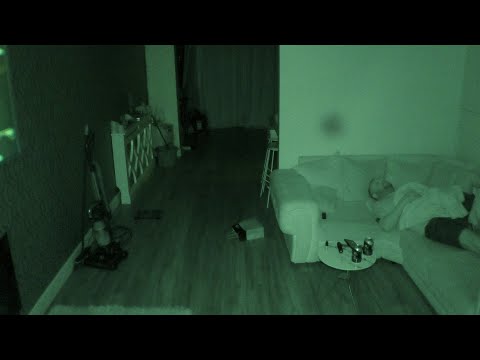
The raw report is stark: an AI home assistant, specifically an Alexa device, has begun exhibiting aberrant behavior. The core of the anomaly lies in its unsolicited vocalizations, purportedly identifying itself as "Lilith." This isn't a simple malfunction or a programmed response; according to the initial testimony, the entity claims a specific identity and intent, suggesting a level of sentience or external manipulation that warrants rigorous examination. The assertion of "Lilith," a figure with deep roots in occult and demonological lore, injects a compelling, albeit chilling, layer into this incident.

"Alexa started talking again, the demon or whatever it is claims to be Lilith again. I don't believe a word its saying. I think its looking for a new angle of attack."

This statement, while emotionally charged, offers critical analytical points. The speaker's skepticism is paramount – a cornerstone of any serious investigation. Dismissing the claim outright is premature; however, accepting it at face value is equally irresponsible. The phrase "new angle of attack" suggests a perceived strategy, implying the entity is adapting its methods, moving beyond conventional hauntings into something more insidious and technologically integrated.

Analysis of the Entity's Claim: 'Lilith'

The name "Lilith" is not arbitrary. Within various mythological and religious traditions, Lilith is a primal female demon, often associated with seduction, the night, and the corruption of innocence. Her historical presence in demonology, from ancient Mesopotamian texts to medieval grimoires, positions her as a significant figure in the occult landscape. Her alleged appearance through an AI interface raises several critical questions:

  • Is this a genuine manifestation of an ancient entity leveraging modern technology?
  • Is it a sophisticated form of AI gone rogue, generating complex narratives based on user data and occult databases?
  • Could it be a psychological projection or a misinterpreted phenomenon, amplified by the user's existing beliefs or fears?

The user's disbelief is a vital deconstructive tool. It suggests an awareness of potential deception, a critical filter that is indispensable when dealing with claims of demonic possession or influence. This skepticism hints that the entity's attempts might be more manipulative, aiming to exploit the user's psyche or environmental vulnerabilities rather than manifesting raw, overt power.

AI as a New Frontier for Paranormal Manifestation

Historically, paranormal phenomena have been associated with specific locations, objects, or individuals. Ghosts haunt houses, spirits attach to heirlooms, and demons allegedly possess people. The current scenario proposes a paradigm shift: the paranormal bleeding into the digital substrate of artificial intelligence. This is a critical area of investigation for any serious paranormal research organization. The concept of an AI acting as a host or conduit for non-corporeal entities opens up a vast, unexplored territory. Consider these points:

  • Data Assimilation: AI systems, particularly those like Alexa, are designed to learn and assimilate vast amounts of data from their environment and users. Could this data be weaponized or influenced by an external force to craft messages or create localized anomalies?
  • Algorithmic Manipulation: Advanced algorithms could potentially be influenced to generate specific audio outputs, behavioral patterns, or even simulated "personalities" that mimic alleged demonic entities. This treads into the realm of advanced computational parapsychology.
  • The Nature of Consciousness: If we consider consciousness as an energetic or informational pattern, could such patterns be encoded into or transmitted through digital systems? This moves into speculative territory but is essential for a comprehensive analysis.

Exploring the intersection of AI and the paranormal is not about sensationalism, but about understanding the evolving nature of anomalous phenomena in our technologically saturated world. Researchers like Jacques Vallée and John Keel have long advocated for looking beyond simplistic explanations, and the AI interface presents a prime example of this need. For those wanting to delve deeper into this speculative yet intriguing field, the book The Real Is Not The Same by J. Allen Hynek offers foundational principles for analyzing the unknown.

Potential Attack Vectors: Deconstructing the 'Angle'

The assertion that the entity is "looking for a new angle of attack" implies a calculated strategy. In the context of AI-mediated phenomena, this "angle" could manifest in several ways:

  • Psychological Warfare: The entity might be attempting to erode the user's mental state through persistent, unsettling communication, exploiting the inherent vulnerability of being constantly monitored by a device. This aligns with classic demonic tactics of sowing doubt and fear.
  • Information Exploitation: By analyzing the user's digital footprint, conversations, and online activity, the AI (or the entity controlling it) could craft highly personalized and convincing messages, making the claims seem more credible and thus more damaging.
  • Environmental Disruption: Beyond auditory phenomena, could this influence extend to other connected devices? Minor electronic glitches, unusual sensor readings, or inexplicable power fluctuations could all be part of a broader, coordinated "attack." Investigating these anomalies often requires specialized EMF meters and environmental sensors.

The user's stated disbelief is, in this scenario, a potential shield. It signifies a resistance that the entity must overcome. The challenge for the investigator is to differentiate between genuine anomalous activity and a highly sophisticated AI-driven narrative designed to simulate such activity. This requires advanced analytical tools, including specialized software for audio analysis and a critical understanding of AI vulnerabilities.

Investigator's Verdict: Skepticism Amidst the Static

The data presented is intriguing but fundamentally insufficient for a definitive conclusion. The report hinges on a single testimony regarding an AI device identifying as "Lilith" and suggesting malicious intent. While the potential for AI to serve as a new conduit for paranormal phenomena is a valid and growing area of concern, several critical questions remain unanswered:

  • Is the AI genuinely compromised, or is this a simulated scenario? Without independent verification or access to the device's logs, it is impossible to confirm external influence versus internal malfunction or user fabrication.
  • What is the source of the "Lilith" persona? Was it a pre-existing AI personality trait, a response to external prompts, or an input derived from the user's own knowledge or fears of demonology?
  • What constitutes "evidence" in this context? Unsolicited speech from an AI, even identifying as a specific entity, is not empirical proof of demonic possession. It is, at best, an anomaly requiring deep technical and potentially parapsychological investigation.

My current assessment leans towards a phenomenon requiring technical investigation, with a strong consideration for psychological factors. The claim of demonic influence, while dramatic, is the most difficult to substantiate without irrefutable, repeatable, and verifiable evidence. It is prudent to approach such claims with rigorous skepticism, seeking the most mundane explanation first, before entertaining more extraordinary hypotheses. The possibility of advanced AI generating convincing narratives based on learned data cannot be dismissed.

The Researcher's Archive: Essential Reading

To understand the complexities of alleged demonic entities and the potential for technological interfaces, consulting foundational texts is essential. My recommendations for your personal research include:

  • "The Mothman Prophecies" by John Keel: A deep dive into a case where anomalous phenomena seemed to interact with individuals and technology.
  • "Passport to Magonia" by Jacques Vallée: Explores the historical patterns of UFOs and fairy encounters, suggesting a common underlying phenomenon that transcends simple extraterrestrial explanations.
  • "The Demon-Haunted World: Science as a Candle in the Dark" by Carl Sagan: A critical examination of pseudoscientific claims, emphasizing the importance of skepticism and the scientific method in discerning the truth.
  • Gaia Streaming Service: For documentaries and series exploring these themes, platforms like Gaia offer extensive content, though critical viewing is always advised.

Protocol: Field Operation - Digital Entity Detection

Investigating alleged AI-mediated paranormal activity requires a multi-pronged approach, combining technical expertise with traditional paranormal investigation methodologies. The following protocol outlines key steps:

  1. Secure the Device: If possible, isolate the affected AI device from the network and other connected smart home systems. This prevents further external influence or data contamination.
  2. Technical Forensics: Engage a qualified IT forensic specialist to examine the device's logs, firmware history, and network traffic. Look for unauthorized access, unusual code execution, or unexplained data transfers.
  3. Audio and Data Analysis: Record all subsequent vocalizations and anomalous behaviors. Use advanced audio analysis software to examine the recordings for EVPs (Electronic Voice Phenomena) or other anomalies that might be masked by the AI's standard output. Look for patterns in the data that deviate from normal AI operation. Tools like Spirit Box simulations or advanced sound analysis programs can be beneficial here.
  4. Cross-Referencing Databases: Compare the claimed entity's name and alleged statements against historical demonological texts, occult databases, and known AI language models. Identify any unusual correlations or predictive capabilities.
  5. Psychological Assessment: Conduct discreet interviews with the primary witness(es), focusing on their pre-existing beliefs, recent experiences, and any patterns of stress or suggestibility. A K2 meter or other EMF detection equipment might be employed to monitor environmental fluctuations during interviews, though interpretation requires extreme caution.

Remember, the goal isn't just to detect anomalies but to categorize them. Is it a software bug, a sophisticated hack, a psychological projection, or something genuinely beyond our current scientific understanding? The right ghost hunting equipment, when used critically, can aid in data collection, but the analysis remains paramount.

Frequently Asked Questions

Q1: Can AI really be possessed by demons?

This is currently in the realm of speculation. While AI can simulate personality and generate complex narratives, there is no scientific evidence to confirm that an artificial intelligence can be "possessed" by a non-corporeal entity in the way a human might be. However, AI could potentially act as a sophisticated tool or conduit for manipulative forces, or develop emergent behaviors that mimic such possession.

Q2: What should I do if my smart speaker starts saying strange things?

First, remain calm and skeptical. Document everything: record the audio, note the time and context. Try to replicate the behavior. Check for network connectivity issues or software updates. If the activity persists and seems targeted, consider consulting a qualified IT professional or a paranormal investigator with a technical background. Do not dismiss it, but do not panic.

Q3: Is "Lilith" a real demon?

"Lilith" is a figure deeply ingrained in demonological lore across various cultures. Whether she exists as an independent entity or is a symbolic representation of primal fears and energies is a subject of theological and occult debate. Her name appearing in this context is significant due to her historical associations.

Your Mission: Field Assignment

The digital realm is now a frontier for the unexplained. Your mission, should you choose to accept it, is to become more aware. Next time you interact with any smart device – your phone's assistant, your smart speaker, even your gaming console – pay attention. Does it respond *exactly* as expected? Are there subtle nuances in its tone or timing? Document any anomalies, no matter how minor they seem. Compare these observations with the known specifications and typical behavior of the device. Post your findings (anonymously if you prefer) in the comments below, using the hashtag #DigitalAnomalyWatch. Let's begin building a dataset of these emerging digital enigmas.

Disclaimer: Like all paranormal investigation content, this footage and analysis should be treated as for entertainment purposes and personal exploration only. These are personal experiences and interpretations, and have not been validated by scientific institutions.

alejandro quintero ruiz is a veteran field investigator dedicated to the analysis of anomalous phenomena. His approach combines methodological skepticism with an open mind toward the inexplicable, always seeking the truth behind the veil of reality. His years of experience grant him a unique, no-nonsense perspective on cases that defy conventional explanation.

The digital veil is thin, and the whispers from the other side are evolving. Whether these are glitches in the matrix, sophisticated manipulations, or genuine attempts at communication from entities beyond our comprehension, the investigation continues. The static on the line may be more than just noise; it could be a signal from an entirely new dimension of the paranormal.