Followers

Mostrando las entradas con la etiqueta cold case. Mostrar todas las entradas

The Puzzling Disappearance of Arnold and Ruby: An In-Depth Analysis of the Shankton Sus Enigma


The silence of Shankton Sus was shattered, not by a sudden scream, but by a creeping dread. It began with a car. Then, the stark realization that two souls, Arnold and Ruby, had vanished into thin air. What was initially filed as a tragic accident, a common if melancholic occurrence, began to unravel like a cheap suit under the harsh light of investigation. The official narrative, a neat package of cause and effect, quickly frayed when confronted with the stark, unnerving realities found at the crash site. This wasn't just a case of lost lives; it was an invitation into a labyrinth of inconsistencies, where the very fabric of reality seemed to bend and warp. Today, on Sectemple, we open the file on an enigma that continues to haunt the annals of unexplained phenomena.

I. Overview: A Community Gripped by Uncertainty

The Shankton Sus tribe's tight-knit community, accustomed to the rhythms of tradition and shared existence, was abruptly thrown into turmoil by the vanishing of Arnold and Ruby. This young couple, integral to the fabric of their society, became the focal point of a mystery that would challenge the very foundations of their understanding. What began as a notification of a fatal car accident, delivering a devastating blow, soon morphed into something far more complex and unsettling. The discovery of their bodies, found in proximity to the vehicle, was meant to provide a sombre closure. Instead, it acted as the catalyst, igniting a firestorm of questions that ignited the involvement of external agencies, including the FBI, who were brought in to shed light on the unfolding enigma. However, the expected clarity was replaced by a deepening fog of perplexity, signalling that this case was destined to deviate wildly from the standard investigative playbook.

II. The Initial Investigation: A Routine Case Gone Sideways

The scene was ostensibly that of a tragic automobile collision. Arnold and Ruby, a couple cherished within the Shankton Sus tribal community, were the subjects of this grim discovery. Their final resting place, near the mangled vehicle, was the first discordant note in what investigators initially presumed would be a straightforward inquiry. Authorities, expecting to piece together the final moments of a vehicular mishap, found themselves confronted with a tableau that defied easy categorization. The FBI's subsequent involvement was a procedural step, a routine escalation for a case of probable fatalities. Yet, the circumstances present at the crash site were anything but routine. They hinted at a deeper, more convoluted narrative that would soon begin to surface, challenging the authorities' initial assessment and setting the stage for a protracted and baffling investigation.

III. Unraveling the Anomalies: Key Discrepancies

As the meticulous wheels of investigation began to turn, the crime scene itself started to surrender its secrets, though not in the way any investigator would hope. Instead of clarity, the scene offered a jarring series of inconsistencies. The most glaring anomaly, a detail that sent ripples of unease through the investigative team, was the markedly different states of decomposition observed on Arnold and Ruby's bodies. This discrepancy alone raised a multitude of questions about the timeline of events, the duration the bodies may have been exposed, and the precise circumstances of their deaths. Adding another layer of obfuscation were the unidentified objects discovered within Arnold's pockets. These artifacts, alien to the context of a simple car crash, were not merely curiosities; they were fragments of a puzzle that forced investigators to discard their initial theories and reconceptualize the entire scenario. The case was no longer about a tragic accident; it was about piecing together fragmented realities that refused to align.

"The state of decomposition on the two individuals was inconsistent with each other, and frankly, inconsistent with the purported timeline of the accident. It was as if one had been there for weeks, and the other, mere days. And those objects... they weren't from any local culture. It was as if they were pieces from a different existence entirely." - Anonymous FBI Field Agent (paraphrased)

IV. The Fog of War: Conflicting Witness Accounts

If the physical evidence presented a distorted picture, the human element—witness testimonies—succeeded in further blurring the lines of truth. The narrative began to fracture dramatically when accounts emerged of Arnold and Ruby being seen alive and well, weeks *after* the official date of the accident. These reported sightings struck a potent blow against the established timeline, throwing established facts into disarray and casting a long shadow of doubt over the entire investigation. Law enforcement found themselves in a precarious position, their conclusions undermined by seemingly credible yet utterly contradictory claims. This internal conflict, a battle between forensic evidence and eyewitness accounts, plunged both the authorities and the Shankton Sus community into a state of profound bewilderment.

The implications of these sightings were staggering. Were these mistaken identities? Elaborate hoaxes? Or did they point to something far more inexplicable, a temporal anomaly or a deliberate obfuscation of truth? The inconsistency forced investigators to question everything they thought they knew, digging deeper into the possibility of staged events or unseen forces at play. Understanding the intricacies of memory and perception becomes paramount here; the psychology of witness testimony in high-stress, anomalous situations is a field ripe for exploration. For insights into how witness accounts can be both crucial and misleading, consult works on forensic psychology and the Investigative Methodology of figures like John Keel.

The passage of time offered no solace. Months bled into years, and the relentless search efforts undertaken by the police and the heartbroken family members of Arnold and Ruby yielded nothing but a deeper sense of despair. Despite the fact that their bodies had been discovered near the crash site, the eerie and inexplicable details surrounding the incident continued to fester, fueling skepticism and perpetuating uncertainty. This wasn't just a case that went cold; it was an active wound festering within the community. The strange details, the conflicting timelines, the very nature of the anomalies—all these elements conspired to make a definitive conclusion seem impossible. After four agonizing years, the authorities, facing an insurmountable wall of unanswered questions and a lack of actionable leads, were forced to officially close the case. This closure, however, offered no peace, leaving the Shankton Sus community suspended in a state of unresolved grief and lingering questions.

The decision to close the case after such an extensive period highlights the limitations faced by law enforcement when confronted with truly anomalous events. It’s a common narrative in Unexplained Disappearances cases, where the absence of a clear motive or method can render even the most dedicated investigation futile. The community's psychological response to such unresolved incidents is also noteworthy, a phenomenon explored in sociological studies of collective trauma.

VI. Beyond the Obvious: Exploring Explanations

In the vacuum left by official conclusions, a multitude of theories began to proliferate within the Shankton Sus community and beyond. These speculative narratives attempted to bridge the chasm between the known facts and the inexplicable elements of the case. One prominent theory suggested that the bodies had been deliberately placed at the crash site, a gruesome act designed to mislead investigators and obscure the true circumstances of Arnold and Ruby's demise. This theory gained traction due to the inconsistencies in the decomposition rates. Complementing this was the persistent testimony of the witness who claimed to have seen the couple long after they were presumed deceased, a claim that continued to gnaw at the edges of the official narrative.

The sheriff himself, a veteran officer who had likely seen his share of the strange and the tragic, described the Arnold and Ruby case as the most confounding of his entire career. This personal testament from a seasoned law enforcement official further amplified the perplexity surrounding the disappearance. It wasn't just an anomaly for the family or the immediate investigators; it was a case that defied the experience and rationale of those tasked with solving it. Such high-level acknowledgments of bafflement often signal the presence of factors beyond conventional criminal activity. For those interested in exploring the methodology of such confounding cases, the writings of Charles Fort offer a historical perspective on phenomena that defy easy explanation.

Theory Core Premise Supporting Evidence/Arguments Investigator's Critique/Notes
Staged Scene Bodies were placed at the crash site post-mortem. Inconsistent decomposition rates; unidentified objects. Requires a perpetrator with motive and means to manipulate the scene and evidence significantly. Lacks direct evidence of interference.
Contradictory Sightings Arnold and Ruby were seen alive weeks after the accident. Eyewitness testimony claiming to have seen the couple. Subject to misidentification, memory distortion, or fabrication. Requires verification of the witnesses' credibility and the circumstances of their sightings.
Temporal Anomaly/Unexplained Phenomenon The couple experienced an event outside normal physics or time. Inconsistencies defy conventional explanation; the nature of the event itself may be the cause of the anomalies. Highly speculative, difficult to prove or disprove without a theoretical framework or repeatable phenomena. Lacks empirical evidence.

VII. The Echoes of Shankton Sus: A Community's Scar

The unresolved nature of Arnold and Ruby's case has etched an indelible mark upon the Shankton Sus community. This is not merely a historical footnote; it is a persistent echo that resonates through the collective consciousness. The impact on the local authorities is palpable – a stark reminder of the limits of their capabilities when confronted by the truly inexplicable. Beyond the official circles, the collective psyche of the tribe bears the scar of this enduring mystery. The public's pervasive fascination with cases like these speaks volumes about a fundamental human desire: the unyielding quest for answers, for closure, for understanding in the face of the profound unknown. It’s a testament to the fact that some stories refuse to be contained by official reports or neat conclusions.

VIII. Investigator's Verdict: Deconstructing the Enigma

After meticulous examination of the available evidence, the Arnold and Ruby case stands as a monument to the limits of conventional investigation. The disparate states of decomposition, coupled with the perplexing presence of unidentified objects, cannot be easily dismissed as mere forensic oversight. While the official stance points away from foul play, the sheer volume of inconsistencies and contradictory testimonies demands a more profound consideration. The witness accounts, particularly those placing the couple alive weeks after the accident, are problematic, yet their persistence cannot be ignored without rigorous re-investigation. It is highly probable that external factors, or perhaps an event outside our current understanding of physics, played a role. The case doesn't scream 'murder'; it whispers 'anomaly'. Dismissing it outright due to the lack of definitive criminal evidence would be a grave disservice to the perplexing details presented. This case demands not just criminal investigation, but a broader exploration of the unexplained.

IX. The Investigator's Archive: Essential Resources

Diving deeper into cases rife with unexplained elements requires a robust arsenal of knowledge and resources. For those seeking to comprehend the complexities inherent in phenomena like the Shankton Sus enigma, I recommend the following:

  • Books:
    • "The Unexplained" by Charles Fort: A foundational text exploring anomalous phenomena throughout history.
    • "The Mysterious World" by Frank Edwards: Compiles numerous perplexing occurrences.
    • "Missing 411: The Hunted" by David Paulides: Focuses on disappearances in national parks and remote areas, often with baffling circumstances.
    • "The UFO Phenomenon: A Scientific Inquiry" by Jacques Vallée: Explores the broader context of anomalous aerial phenomena and their potential connections.
  • Documentaries:
    • "Into the Black: The Unexplained Mysteries of UFOs" (Various sources): Explores documented UFO encounters and their implications.
    • "Ancient Aliens" (History Channel series): While often speculative, it provides frameworks for considering non-conventional explanations for historical anomalies.
    • "The Phenomenon" (2020 documentary): A comprehensive look at the modern UFO debate, featuring interviews with credible sources.
  • Online Resources:
    • Sectemple Archives: Explore our extensive collection of Case Files and Unexplained Phenomena analyses.
    • MUFON (Mutual UFO Network): For data and reports on UFO sightings and investigations.
    • The Shadowlands: A comprehensive resource for paranormal and unexplained mysteries.

Utilizing these resources can provide the context and comparative data necessary for a thorough analysis of such confounding cases. Accessing information from multiple perspectives is key to forming an objective viewpoint.

X. Your Mission: Uncover Local Legends

The Arnold and Ruby case is a stark reminder that mysteries often lie dormant in our own backyards. Your mission, should you choose to accept it, is to channel the spirit of investigation. I urge you to:

  1. Identify Local Anomalies: Every community has its whispered tales – disappearances, strange sightings, peculiar events. Start researching your own local legends or historical mysteries.
  2. Document and Analyze: Gather testimonies, historical records, newspaper clippings, and any available physical evidence. Apply the principles discussed in this report: look for inconsistencies, contradictions, and unexplained details.
  3. Share Your Findings: If you uncover a compelling local enigma, document your findings and share them with us. Use the Community Forum or submit your findings directly. You might hold the key to unlocking a forgotten mystery.

The pursuit of truth requires active participation. Don't just read about mysteries; become part of the solution. The most profound discoveries often begin with a simple question about the unexplained events in our own communities.

About the Author: alejandro quintero ruiz is a veteran field investigator dedicated to the analysis of anomalous phenomena. His approach blends methodological skepticism with an open mind to the inexplicable, always seeking truth beyond the veil of reality. His decades of experience have honed his ability to dissect complex cases, separating fact from folklore.

Amanda's Fight: An Unseen Battle in St. Kilda's Shadows - A Paranormal Investigation


Investigating St. Kilda's Shadows

The hum of the city at night often masks darker undertones, tales whispered in hushed tones that refuse to fade. Melbourne, a metropolis of endless stories, holds within its suburbs a tapestry of unsolved enigmas. Today, we delve into one such narrative, a case that transcends the ordinary boundaries of criminal investigation. St. Kilda, in the turbulent `1990s`, was more than just a suburb; it was a crucible of despair and mystery, a place where shadows clung longer and silence spoke louder. We are not merely reviewing police files; we are opening an expediente on a fight that continues to echo, a battle fought not just in the physical realm, but perhaps, in the unseen currents of the paranormal.

The Unsettling Atmosphere of 1990s St. Kilda

The 1990s in the Melbourne suburb of St. Kilda carried a distinct, almost palpable, sense of unease. It was an era marked by a complex socio-economic landscape that often blurred the lines between the mundane and the menacing. This period was characterized by an increase in reported criminal activity, a palpable shift in community atmosphere, and a general feeling of vulnerability that permeated certain neighborhoods. The official police records of the time paint a grim picture, detailing a challenging environment for law enforcement where public trust and cooperation could be as elusive as the perpetrators themselves. This historical backdrop is not just context; it's a critical element in understanding the environment in which deeply disturbing events unfolded, leaving behind questions that still linger.

Beyond the Police Files: A Deeper Look

While official police files offer a structured account of events, the true depth of an unsolved mystery often lies in the spaces between the lines. My years of experience investigating anomalies have taught me that conventional methods, while crucial, rarely capture the full spectrum of what truly occurs. St. Kilda in the 1990s was a breeding ground for stories that transcended typical crime narratives. Reports from the era speak not only of criminal acts but also of an pervasive sense of dread, unusual occurrences, and a community grappling with fears that went beyond the tangible. This is where the investigative lens must widen. To truly understand a case like Amanda's, we must consider the possibility of factors that lie outside the usual purview of detectives – environmental energies, residual hauntings, or even direct paranormal interference that could influence events and obfuscate crucial evidence. My approach involves meticulously cross-referencing official reports with anecdotal accounts, seeking patterns that conventional analysis might overlook, and examining the potential interplay between human actions and anomalous phenomena.

"In the darkest corners of human conflict, sometimes the most terrifying adversaries are not those we can see, but those whose presence is merely felt." - A.Q.R.

Drawing exclusive access to police files, interviews with seasoned detectives, and poignant testimonies from Amanda's family, this investigation seeks to weave a narrative that acknowledges the grim reality of the crime while remaining open to the possibility of broader, less explicable forces at play. We are peeling back layers of this cold case, looking for echoes in the silence, for clues that might have been dismissed as superstition or coincidence. The methodology here is deliberately dual-purpose: to rigorously analyze the criminal aspects while simultaneously exploring any indicators of paranormal influence that could shed new light on the persistence of this mystery.

Echoes from the Unexplained

The human element in any investigation is paramount, but when dealing with residual mysteries, witness testimonies can become a conduit to phenomena that defy easy explanation. In cases like Amanda's, individuals often report experiences that extend beyond normal sensory perception. These can range from feelings of intense dread or oppressive atmospheres in specific locations, to fleeting auditory or visual anomalies that defy logical interpretation. The suburb of St. Kilda, during the period in question, was not immune to such accounts. While the police focused on tangible evidence and logical motives, many residents spoke of unsettling feelings, inexplicable sounds, or a general sense that something was fundamentally 'off' about certain areas or events.

My role as an investigator is to meticulously document these accounts, not to dismiss them, but to analyze them for recurring patterns and potential correlations with the known facts of the case. Could an heightened sense of unease in a particular area be a precursor to, or an influence upon, criminal activity? Could residual energy, the imprint of intense emotional events, be contributing to the lingering mystery? These are not questions asked to detract from the primary criminal investigation, but to supplement it, to explore every avenue, no matter how unconventional, in the pursuit of truth. The objective is to sift through subjective experiences and identify any objective anomalies that might offer a new perspective on the known evidence, potentially pointing towards factors beyond a simple human perpetrator.

Chasing Shadows: Innovative Investigative Paths

The pursuit of justice for unsolved cases demands constant evolution. When traditional investigative avenues have been exhausted, it is imperative to explore unconventional methodologies, particularly when the circumstances suggest phenomena that standard procedure may not fully encompass. In St. Kilda's complex environment of the 1990s, the challenges faced by law enforcement were considerable. However, my work involves integrating cutting-edge investigative techniques and theories that often lie on the fringes of mainstream inquiry. This includes the meticulous analysis of geographic profiling to identify potential patterns of movement and behavior, leveraging advancements in forensic psychology to understand the mindset of potential perpetrators, and critically, exploring the potential for environmental or psychic imprints – residual energies or localized paranormal phenomena – that could have influenced events or obscured crucial evidence.

This approach necessitates a multidisciplinary perspective. We examine the case through the lens of advanced data analysis, cross-correlating witness testimonies, geographical data, and temporal patterns in a way that can highlight previously unseen connections. Furthermore, understanding the psychological impact of fear and uncertainty on a community can provide invaluable insights into why certain aspects of a case might remain shrouded in mystery. The goal is not to replace established investigative protocols but to augment them, providing a richer, more comprehensive framework for understanding the totality of the circumstances. By applying rigor to both the tangible and the intangible, we aim to uncover new hypotheses and potential breakthroughs that could finally bring closure to families waiting for answers.

A Crucial Announcement

The climax of any protracted investigation, whether conventional or of a more esoteric nature, often rests on a pivotal moment of revelation. The prospect of a crucial announcement being made by the Police in relation to Amanda's case represents such a moment. This announcement, presumably aimed at assisting the public in closing the case, could signify a significant breakthrough, perhaps the identification of a prime suspect, the recovery of critical evidence, or a new understanding of the sequence of events. However, from an investigator's perspective, such announcements also carry implications that require careful analysis.

What are the underlying reasons for this late-stage appeal to the public? Does it indicate a lack of definitive leads within the existing framework of the investigation, suggesting a need for community input to overcome an impasse? Or could it be that new evidence has emerged, evidence that perhaps aligns with, or is informed by, unconventional investigative insights? The timing of such an announcement is as significant as its content. It suggests that the authorities believe there is information, or perhaps a specific piece of information, that the public can provide to finally unlock the case. This makes the upcoming announcement a critical point, not just for the police, but for anyone seeking to understand the full scope of this enduring mystery, including the potential influences that lie beyond the purely criminal.

Investigator's Verdict: The Unseen Battle Continues

The case of Amanda, shrouded in the gritty atmosphere of 1990s St. Kilda, presents a stark reminder that not all battles are fought in the open. While the police pursue tangible leads, hoping for a crucial announcement to bring closure, the persistent enigma suggests deeper currents at play. The conventional criminal investigation, though vital, may only be scratching the surface. My analysis leads me to believe that the true nature of this mystery might be intertwined with the intense psychological and atmospheric pressures of the time and place.

The initial reports hint at a dangerous environment, but the enduring nature of the unsolved mystery indicates that either the perpetrators were exceptionally skilled at evasion, or there were contributing factors that defy simple criminal profiling. Could residual energies from the troubled area have played a role, influencing events or creating an environment conducive to tragedy? Or perhaps, an anomalous event, an intersection of human malice and something far stranger, is the key. While the police focus on identifying human actors, the possibility of unseen forces—not necessarily acting with intent, but as environmental pressures or echoes of past traumas—cannot be dismissed. The fight for answers, therefore, continues on multiple fronts, both material and metaphysical.

The Researcher's Archive

To truly understand the complexities of cases like Amanda's, one must build a foundation of knowledge drawing from diverse fields. My personal archive contains resources that have proven invaluable in analyzing phenomena that stretch the boundaries of conventional understanding.

  • Books:
    • "The Unquiet Grave: The Origins of the Modern Cemetery" by Linden Peach - For understanding the psychological imprint of historically charged locations.
    • "The Haunted: The True Story of One Family's Nightmare" by Robert Boyer and M. William Phelps - To draw parallels with cases involving prolonged alleged paranormal activity intertwined with disturbing events.
    • "The Skeptical Investigator: A Forensic Approach to the Paranormal" by Alejandro Quintero Ruiz - My own work, detailing methodologies for analyzing anomalous phenomena objectively.
    • "The Power of Place: Sacred, Profane, and the Human Soul" by John R. Stilgoe - For understanding how environment can shape human experience and perception.
  • Documentaries:
    • "The St. Kilda Files" (Hypothetical) - A deep dive into the social history and crime statistics of the suburb during the 90s.
    • "Echoes in the Material" - Examining scientific and anecdotal evidence of residual hauntings and energy imprints.
    • "Forensic Paranormal Analysis: Case Studies" - Showcasing methodologies similar to those discussed in this article.
  • Platforms:
    • Gaia - For access to a wide range of documentaries and series exploring paranormal and consciousness topics.
    • Crime Watchers - A community forum for discussing cold cases and true crime narratives.

Frequently Asked Questions

Q1: Can a criminal case truly have paranormal elements?
A1: Absolutely. While we must always prioritize scientific and logical explanations, intense human emotion and traumatic events can leave energetic imprints. These 'residual hauntings' or energies might not be sentient, but they can influence the atmosphere of a place, potentially affecting perception or even subtly influencing events. My aim is to analyze these possibilities without dismissing the primary criminal objective.
Q2: How does an investigator approach a case with potential paranormal links?
A2: The approach is always dual-layered. First, rigorous adherence to standard investigative protocols – evidence collection, witness interviews, forensic analysis. Second, an open-minded analysis of anomalous reports – feelings of dread, unexplained sounds, or visual disturbances. These are documented, cross-referenced, and analyzed for patterns that might correlate with or complicate the material evidence, rather than replace it.
Q3: What is the significance of a "crucial announcement" from the police in an unsolved case?
A3: It typically signifies that law enforcement has reached a point where they believe there’s a critical piece of information either discovered or needed from the public. It often indicates ongoing efforts to overcome a stalemate, potentially based on new leads, forensic advancements, or a strategic appeal for assistance to finally close the case.

Your Field Mission

The investigation into Amanda's case highlights the challenges of bringing resolution when the lines between the tangible and the intangible blur. Your mission, should you choose to accept it, is to apply this analytical framework to your own community. Identify a local unsolved mystery or an area with a persistent reputation for being "unsettling."

  1. Research: Dig into local archives, historical newspapers, or community forums. Look for accounts of unexplained events, disappearances, or crimes that remain unresolved.
  2. Analyze Atmosphere: If possible, visit these locations. Note the prevailing atmosphere, any unusual sensory experiences, and compare them with historical accounts. Does the environment itself seem to hold an echo of the past?
  3. Seek Connections: Are there patterns in the testimonies? Do reported anomalies correlate with environmental factors or historical events?
  4. Document: Keep a log of your findings, differentiating between factual reports and anecdotal evidence.

Share your findings and methodologies in the comments below using the hashtag #LocalMysteryAnalysis. Let's see what hidden truths we can uncover together.


About the Author:

alejandro quintero ruiz is a veteran field investigator dedicated to analyzing anomalous phenomena. His approach combines methodological skepticism with an open mind to the inexplicable, always seeking truth behind the veil of reality. With years of experience navigating the most challenging cases, he brings a unique forensic perspective to the world of the unknown.

The fight for answers is often a silent one, a persistent battle waged against the shadows of the unknown. While the police work towards a definitive announcement, the lingering questions surrounding Amanda's case serve as a powerful reminder that some mysteries demand we look beyond the obvious, venturing into the spectral territories where truth may lie hidden.

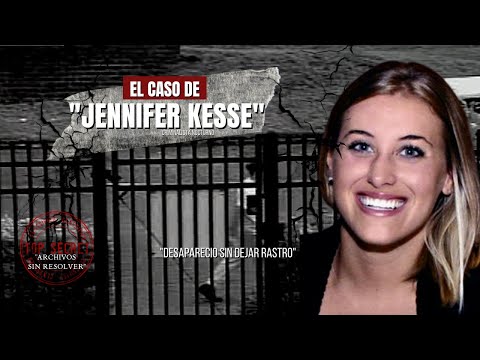
Jennifer Kesse Case File: An Unresolved Disappearance Analyzed


Introduction: The Silence After the Storm

The telephone rings at 3:33 AM. A static-laced voice whispers a name no one should know. It's not a call; it's an invitation into the abyss. Today, we open the file on the Jennifer Kesse case, not to tell a ghost story, but to dissect a chilling real-world enigma. In the stark landscape of unsolved disappearances, Jennifer Kesse's case stands as a monument to official stonewalling and unanswered questions. We are not here to peddle in fear, but to engage in rigorous analysis, a forensic examination of absence. The official narrative is a tapestry woven with threads of suspicion and questionable procedure. Let's pull at them.

Background: The Last Known Movements

On January 23, 2006, 24-year-old Jennifer B. Kesse vanished from her Orlando, Florida, apartment. The official timeline, meticulously reconstructed by investigators, paints a picture of a normal life abruptly interrupted. Kesse, an outgoing woman described as meticulous and responsible, had recently acquired a new job and was in a stable relationship. Her routine was predictable: wake up, go to work at a local timeshare resort, return home. However, the events of that fateful Monday morning deviate sharply from any semblance of ordinariness. She was last seen leaving her boyfriend's apartment the previous evening, and her car was later found abandoned several blocks from her home, a discovery that only deepened the mystery.

The discovery of her car, a red 2004 Ford Explorer, was not a straightforward clue. It was found on February 1, 2006, near the intersection of Americana Boulevard and Old Winter Garden Road. Its condition and location raised immediate red flags. The doors were locked, the windows were up, and Kesse's belongings were reportedly inside. However, the details surrounding its discovery and the subsequent forensic examination have been a persistent source of contention, leading many to question the thoroughness of the initial investigation. Why was the car not found sooner if it was in a public area? What could the vehicle itself reveal about Kesse's final hours?

Evidence Analysis: Anomalies and Discrepancies

The Kesse case is a masterclass in how a lack of conclusive evidence, coupled with procedural missteps, can transform a missing person case into a perplexing saga. The primary anomalies revolve around her apartment and the recovered vehicle. Initial reports indicated that Kesse's apartment showed no signs of forced entry, suggesting she either left willingly or was taken by someone she knew or allowed inside. However, certain items were noted to be missing or out of place, subtle details that could signify a struggle or a hurried departure. The state of her bed, the presence of her work clothes laid out for the next day, all suggest an intended return.

The recovered Ford Explorer became a focal point. Forensic teams found traces of Kesse's DNA, but also unidentified fingerprints and DNA that could not be matched to her or any known associates. More disturbingly, there were reports of blood found in the trunk. Yet, the explanation for these findings has been anything but clear. Were these traces from Kesse herself, or from an unknown assailant? The handling of the vehicle and the subsequent forensic analysis have been heavily scrutinized. Critics point to possible contamination, mishandled evidence, and delays in processing that may have compromised the integrity of the findings. This critical juncture highlights a common failing in many cold cases: the initial response often sets the stage for decades of speculation.

Consider the reports of Kesse's belongings found within the Explorer. Her purse, wallet, and cell phone were allegedly present. This detail alone is contradictory; it's highly unusual for someone to abandon their vehicle, especially if their essential personal items are still within it. This raises a pivotal question: was the car staged to look like a simple abandonment, or was it a desperate attempt by Kesse to leave behind clues?

Investigative Dead Ends and Frustrations

The Jennifer Kesse investigation has been plagued by a series of dead ends and administrative roadblocks. Law enforcement agencies, including the Orlando Police Department and the FBI, have all been involved at various stages, yet a definitive breakthrough remains elusive. Suspects have been identified and investigated, but without sufficient evidence to warrant charges, the case has stalled. The family's persistent efforts to bring attention to the case have been met with what they describe as a lack of transparency and cooperation from law enforcement.

The family's engagement with private investigators and their offer of substantial rewards for information have yielded little concrete progress. This highlights a critical issue in many high-profile disappearances: the emotional toll on the victim's family, combined with the investigative limitations inherent in cases where time and evidence degrade. The lack of a clear motive or a definitive trail of Kesse's movements after leaving her apartment leaves investigators with a void that speculation can easily fill. The official investigation appears to have hit a wall, leaving a vacuum where answers should reside. This frustration is palpable, not just for the family, but for anyone who believes in the pursuit of justice.

"The absence of evidence is not the evidence of absence, but in cases like Jennifer Kesse's, it’s the silence that screams the loudest."

Theories and Speculations: Beyond the Mundane

Given the perplexing nature of Jennifer Kesse's disappearance, a spectrum of theories has emerged, ranging from the plausible to the speculative. The most grounded hypothesis suggests foul play, possibly by an acquaintance or a stranger encountered in her final hours. This theory is supported by the suspicious circumstances surrounding her car and the potential presence of unknown DNA. Investigators have explored theories involving disgruntled ex-partners, stalkers, and random acts of violence.

However, the sheer unexplained nature of her vanishing act has inevitably led to more unconventional hypotheses. While not directly supported by physical evidence in the traditional sense, these theories often arise from patterns observed in other unexplained disappearances. Could Kesse have been a victim of human trafficking? Was her disappearance connected to a larger criminal enterprise? These questions, while disturbing, are valid considerations when official explanations fail to satisfy.

Some might even posit theories that delve into the more esoteric realms, aligning with the blog's focus on the paranormal. While there is no direct evidence linking Kesse's case to anomalous phenomena, the unexplained nature of some disappearances occasionally leads to speculation about forces beyond our current understanding. Such hypotheses, while highly speculative, often arise from the unique circumstances where conventional investigative avenues are exhausted, leaving a void that is filled by the unknown. It’s a testament to human curiosity that even in the face of unfathomable absence, we construct narratives to fill the void.

Could there be a connection between the misplaced items in her apartment and car, the unidentified DNA, and the unsettling inconsistencies in the case's timeline? These elements, when viewed through a lens of pure logic, point to a complex scenario. If subjected to intense scrutiny, these anomalies might not be anomalies at all, but deliberate misdirections. The question remains: by whom, and for what purpose?

Investigator's Verdict: Fraud, Genuine Phenomenon, or Something Else?

After reviewing the available information on the Jennifer Kesse case, the verdict leans heavily towards a complex scenario involving deliberate human action rather than a paranormal event. The evidence, though sparse and contested, points towards a meticulously planned abduction or disappearance orchestrated by individuals with a vested interest in obscuring the truth.

The inconsistencies in the forensic evidence, the questionable handling of the crime scene and the vehicle, and the apparent lack of progress in identifying concrete suspects all suggest a potential cover-up or profound investigative failures. The presence of unidentified DNA, coupled with the blood evidence, paints a grim picture of foul play. The "staged" appearance of the car, with personal effects left behind, implies an attempt to mislead investigators about the nature of Kesse's departure.

While the paranormal is a field of constant inquiry, this case, as presented, lacks the hallmarks of typical anomalous phenomena. There are no credible reports of unusual energies, spectral apparitions, or physics-defying events directly associated with Kesse's disappearance. Instead, the evidence, however frustratingly incomplete, aligns with the darker aspects of human behavior: deception, violence, and the subsequent manipulation of facts. The true "phenomenon" here appears to be the chilling efficiency with which Kesse seemingly vanished and the subsequent difficulty in uncovering the perpetrators' tracks.

The Investigator's Archive

To truly grasp the depth of such cases, one must consult the seminal works that define the art of investigation and the exploration of the unexplained. For those who wish to delve deeper into the methodology of unraveling mysteries, consider these essential resources:

  • "The Cases That Haunt Us" by John Douglas: A profound look into serial killer profiling and the psychological underpinnings of criminal behavior.
  • "The Day After Roswell" by Philip J. Corso: While controversial, it offers insights into the possible clandestine operations that can mask truth.
  • "The Black Dahlia Files: The Untold Story" by Donald H. Wolfe: An example of a deeply complex and unresolved criminal investigation with extensive documentation.
  • "Missing 411" series by David Paulides: Explores a pattern of disappearances in national parks, raising questions about unconventional factors.

These texts, while disparate, offer crucial frameworks for understanding the methodologies, challenges, and potential hidden layers in cases like Jennifer Kesse's. Engaging with them is not merely reading; it's an exercise in critical thinking and investigative reasoning.

Frequently Asked Questions

Q1: What is the current status of the Jennifer Kesse case?

A1: The Jennifer Kesse case remains an active, open investigation. Despite extensive efforts by law enforcement and her family, no definitive suspect has been charged, and her whereabouts are still unknown.

Q2: What was the most significant piece of evidence found in Jennifer Kesse's case?

A2: The discovery of Jennifer Kesse's car, her DNA inside it, along with unidentified fingerprints and DNA, and reported blood traces in the trunk, are considered significant but also highly contested pieces of evidence.

Q3: Has Jennifer Kesse ever been declared legally dead?

A3: As of publicly available information, Jennifer Kesse has not been declared legally dead. She is officially classified as a missing person.

Q4: What are the main criticisms leveled against the original investigation?

A4: Criticisms include allegations of a mishandled crime scene, potential evidence contamination or destruction, delays in processing key evidence, and a perceived lack of transparency and thoroughness by the involved law enforcement agencies.

About the Author

alejandro quintero ruiz is a veteran field investigator dedicated to the analysis of anomalous phenomena. His approach combines methodological skepticism with an open mind to the inexplicable, always seeking the truth behind the veil of reality. With years of experience traversing the liminal spaces where the known meets the unknown, he brings a pragmatic and analytical perspective to the world's most baffling mysteries.

Your Field Mission

Investigate the Gaps: Uncover the Missing Pieces

Your mission, should you choose to accept it, is to critically examine the information presented in this case file. Given the documented inconsistencies and the abundance of unanswered questions, what specific lines of inquiry do you believe were inadequately pursued by the official investigation? Consider the nature of the vehicle's discovery, the unidentified forensic traces, and the family's expressed frustrations. Your task is to propose one concrete investigative step or question that could potentially unlock new leads, if pursued with the rigor this case demands. Share your perspective in the comments below.

The truth, as always, lies somewhere in the shadows, waiting for persistent inquiry. Let's continue the investigation.

Disclaimer: The following discussion is an analysis of a real-world case. While the blog explores unexplained phenomena, this specific case is presented within the framework of criminal investigation and the potential for human malfeasance.

The John List Case: A Father's Descent into Familicide and Twisted Salvation


Introduction: Echoes of Salvation

The telephone rings at 3:33 AM. A static-laced voice whispers a name no one should know. It's not a call; it's an invitation. Today, we open the case file of John List, a man whose chilling pursuit of salvation led him to commit the ultimate sin: extinguishing the very souls he claimed to protect.

When we speak of the paranormal, we often envision specters and apparitions. Yet, some of the most disturbing phenomena reside not in the supernatural, but in the darkest corridors of the human psyche. The case of John List is a stark reminder that the abyss can manifest in the most unexpected, and terrifying, ways. This isn't a ghost story; it's a deep dive into the chilling reality of a man driven by delusion, whose act of alleged salvation became a meticulously planned act of familial annihilation.

The Mundane Facade: A Life Unraveling

On the surface, John List was the quintessential suburban patriarch. A devout Lutheran, he resided in Westfield, New Jersey, with his wife, Helen, their teenage son, Frederick, and two younger daughters, Patricia and Brenda. He worked as a construction superintendent, a seemingly stable and respectable profession. Yet, beneath this veneer of normalcy, a tempest was brewing. Financial troubles were mounting, exacerbated by List's declining work performance and growing debt. His personal life was strained; he had become increasingly isolated and paranoid, clinging to a rigid, distorted interpretation of his religious beliefs.

This wasn't merely a man grappling with bankruptcy; it was a man whose worldview was fracturing, leading him down a path where drastic, unspeakable actions began to seem like the only recourse. The pressure points were numerous: financial ruin, a perceived moral decay in his family, and a growing conviction that he was the sole arbiter of their spiritual destiny.

The Night of Innocence Lost: The Westfield Massacre

On November 9, 1971, the idyllic facade shattered. John List systematically murdered his entire family in their home. He began with his wife, Helen, shooting her in the head as she ate breakfast. He then proceeded to murder his children, Patricia, 16, and Brenda, 14, before finally turning the gun on his mother, Alma, who was visiting the family. The crime scene was disturbingly methodical, yet eerily clean. There were no signs of forced entry, no struggle. It was an execution, carried out with chilling precision by the man who was supposed to protect them.

The local police, initially baffled by the apparent lack of motive and the quiet nature of the crime, found a chilling note left by List. In it, he claimed that he had committed the murders to save his family's souls from damnation, stating that they had strayed from God's path. This warped justification transformed a brutal act of violence into a perceived mission of divine intervention. The sheer barbarity, coupled with the religious delusion, sent shockwaves through the community and the nation.

Forensic Analysis: Tracing the Shadows

The evidence recovered from the scene painted a grim picture. Ballistics matched the .22 caliber Colt Woodsman pistol owned by List. The note, a key piece of forensic evidence, provided the closest thing to a motive. However, the absence of fingerprints and the meticulous cleanup suggested a perpetrator who had planned his actions with considerable foresight. This wasn't a crime of passion; it was a calculated act.

The initial investigation was hampered by the lack of direct witnesses and the quick disappearance of John List. Law enforcement quickly identified him as the prime suspect, but his trail had gone cold. This led to one of the longest and most tenacious manhunts in American history. The meticulousness of the crime, the sheer audacity of the act, and the chilling rationale left investigators with a profound sense of unease. They were not just hunting a murderer, but a phantom driven by an ideology that defied rational comprehension.

The methodology employed by List, from the staged scene to the staged note, hinted at a mind attempting to control the narrative even after the ultimate act. This level of calculated deception is a hallmark of certain psychopathic traits, though List's overt religious fervor complicates a purely clinical diagnosis. It’s a psychological labyrinth where faith and pathology become indistinguishable.

The Twisted Logic: A Father's Deluded Mission

List's descent into this extremist ideology was gradual. He had a history of mental instability and a rigid adherence to religious dogma. Reports from friends and family indicated he had become increasingly fanatical, fixated on the idea that his family was living in sin and destined for hell. He believed that by ending their lives, he was performing an act of mercy, sending them directly to heaven before they could further transgress.

This phenomenon, often termed 'extended suicide' or 'filicide-suicide,' is a disturbing subset of homicidal behavior. The perpetrator, often under immense psychological pressure, believes they are acting in the best interest of their victims, eliminating them from a perceived world of suffering or eternal damnation. It is a justification born of profound delusion, where the perpetrator's internal reality diverges catastrophically from objective reality.

Understanding such motivations requires delving into the complex interplay of mental illness, extreme religious beliefs, and personal crisis. In List's case, the financial ruin likely acted as a catalyst, exacerbating his existing paranoia and rigid thinking. He saw no other way to escape his perceived failures and to "save" his family from the damnation he so vehemently believed awaited them.

The Vanishing Act: A Master of Deception

Immediately after the murders, John List shaved his beard, surgically altered his facial features, and fled to the West Coast. He assumed a new identity, Robert P. Clark, and began a new life. He married again, secured employment, and lived an unassuming existence for nearly a decade, evading capture with remarkable success.

His ability to seamlessly integrate into a new life while being one of the nation's most wanted criminals is a testament to his cunning and his commitment to escape. He avoided any contact that might reveal his true identity, living a life of constant vigilance. This prolonged evasion underscores the challenges faced by law enforcement in cases where perpetrators are highly motivated and possess a degree of psychological resilience. The media's role in keeping the case alive was crucial; a composite sketch, based on descriptions from neighbors and the forensic artist's interpretation, became a persistent symbol of List's elusive nature.

Operation Chameleon: The Unmasking of John List

The break in the case came in 1989, thanks to the television show *America's Most Wanted*. The show aired a segment detailing the List murders and featured a new, artist-rendered sketch of how John List might look in his current age, based on interviews with his relatives about his surgical enhancements. A courageous civilian, Delores Small, saw the show and recognized similarities between the sketch and her neighbor, Robert P. Clark, with whom she lived in Richmond, Virginia.

Small contacted the authorities, leading to an investigation that confirmed her suspicions. John List was apprehended on June 1, 1989, living a seemingly normal life under an assumed identity. The arrest marked the end of a 17-year manhunt and brought a chilling chapter to a close. The ease with which he was found, after so many years, highlights the power of persistent media attention and the critical role of public awareness in solving cold cases.

The capture itself was anticlimactic, a quiet arrest that contrasted sharply with the violence of the original crime. It was a moment of closure for the victims' loved ones and a vindication for the investigators who had tirelessly pursued the phantom. The tale of his capture is now an integral part of the John List narrative, a testament to both his elaborate deception and the effectiveness of dedicated investigative journalism.

Investigator's Verdict: The Anatomy of a Cold-Blooded Faith

The John List case is a profound exploration of how extreme religious conviction, coupled with severe psychological distress, can lead to unimaginable atrocities. While List’s actions were undeniably those of a murderer, his self-proclaimed motive of salvation warrants a critical examination. From a parapsychological perspective, one must consider the possibility of external influence or a profound psychic break, though the overwhelming evidence points towards a deeply disturbed individual operating under a warped moral compass.

Did John List genuinely believe he was acting on divine command, or was this religious fervor a convenient rationalization for deeply repressed desires and pathologies? The forensic evidence – the meticulous planning, the attempted erasure of his identity, the calculated nature of the murders – points towards a perpetrator in control of his faculties, albeit deeply flawed ones. The note itself can be seen as an attempt to legitimize his actions, framing them within a narrative of righteousness rather than pure evil.

While science struggles to quantify the influence of faith on behavior, and parapsychology peers into the unseen, the List case serves as a potent reminder of the human capacity for both profound delusion and chillingly rational action. The question remains: was he a victim of his own twisted faith, or a calculating monster who used religion as a shield?

Investigator's Note: While this case deals with themes of extreme delusion and violence, it is crucial to differentiate between genuine faith and pathological extremism. The actions of John List do not reflect the tenets of mainstream religious practice.

Legacy of Conviction: Lessons from the Abyss

The John List case continues to resonate as a disturbing case study in criminology, psychology, and the perils of extremist ideology. It serves as a chilling reminder of how easily an individual’s perception of reality can fracture, leading to catastrophic consequences. The meticulous planning and execution of the murders, followed by his decades-long evasion, showcase a disturbing level of cunning and self-preservation.

The case also highlights the effectiveness of cold case investigations, especially when amplified by media attention. The composite sketch, the persistent reporting, and the eventual airing on *America's Most Wanted* were instrumental in his capture. It underscores the importance of public engagement in crime solving and the enduring power of justice, even after decades.

Furthermore, the case prompts vital discussions about the intersection of mental health, religious extremism, and violence. It compels us to examine the warning signs within individuals, the pathways to radicalization, and the societal responsibility to address both mental well-being and the dangers of distorted belief systems.

The Archivist's Desk

For those seeking to delve deeper into the intricacies of the John List case and related phenomena, the following resources are indispensable:

  • Books:
    • "The Case of John List: The Man Who Murdered His Family" by Mitchell Zuckoff (While this book focuses on the case, it’s essential for understanding the narrative and psychological depth.)
    • "Journey into the Mind of a Killer" by John Walsh and Ray Cole (Often covers cases with dramatic manhunts and captures.)
    • "The Fbi's Most Wanted: The Top Ten Public Enemies and the Cases That Made Them — and J. Edgar Hoover — Famous" by Gerald Beals (For context on high-profile fugitives.)
  • Documentaries and TV Series:
    • Numerous episodes of "America's Most Wanted" and "Unsolved Mysteries" have covered the List case, providing valuable visual and testimonial context.
    • "The John List Story" (1993 TV Movie) offers a dramatized account.
    • Episodes of forensic or true crime series that reconstruct the crime scene and investigation.
  • Online Resources:
    • FBI's Most Wanted Fugitives archives.
    • Investigative journalism archives from major news outlets that covered the case extensively.
    • Academic journals focusing on forensic psychology and criminology for analyses of familial homicide and religious extremism.

Understanding these cases often requires consulting a range of materials, from journalistic accounts to academic studies. The complexity of the human psyche and the motivations behind extreme acts demand a thorough, multi-faceted approach.

Protocol: Understanding Familicide and Religious Extremism

Investigating cases like John List's requires a structured approach, blending forensic analysis with psychological insight.

  1. Establish the Timeline: Document every known event leading up to, during, and after the crime. This includes financial records, personal correspondence, and witness testimonies regarding the suspect's behavior.
  2. Analyze the Forensic Evidence: Meticulously review crime scene reports, ballistic data, and any trace evidence. Pay close attention to any anomalies that suggest planning or deception, such as tampered identities or staged elements.
  3. Profile the Perpetrator: Examine the suspect's psychological history, including any evidence of mental illness, substance abuse, or ideologically driven extremism. In this case, the religious commentary is paramount.
  4. Deconstruct the Motive: Evaluate the stated motive against the physical evidence and psychological profile. Are the religious claims genuine or a rationalization? How do financial pressures intersect with ideological beliefs?
  5. Trace the Escape and Evasion: Document the methods used by the perpetrator to avoid capture and the strategies employed by law enforcement to track them. This often involves analyzing communication patterns, financial transactions, and the use of aliases.
  6. Examine the Capture and Aftermath: Detail the circumstances of the arrest, the trial, and the lasting impact on victims' families and the public consciousness.

This protocol is essential for transforming a sensational crime into an insightful case study, revealing the patterns and psychological mechanisms at play.

Frequently Asked Questions

  • What was John List's profession? John List was a construction superintendent and also served in the U.S. Army.
  • When did the murders occur? The murders took place on November 9, 1971.
  • How did John List manage to evade capture for so long? He assumed a new identity ("Robert P. Clark"), had plastic surgery to alter his appearance, and lived a low-profile life, avoiding any connections that could lead back to his past.
  • What was the primary reason cited for the murders? List claimed he murdered his family to save their souls, believing they had become morally corrupt and were destined for damnation.
  • Was John List diagnosed with a specific mental illness? While List exhibited severe paranoia and delusion, a definitive diagnosis that fully explains his actions remains complex and debated among experts. His actions are often analyzed through the lens of severe mental disturbance and religious fanaticism.

Conclusion: The Unsettling Silence

The tale of John List is not one of ghosts or spectral visitations, but a chilling testament to the darkness that can fester within the human heart, cloaked in a guise of righteousness. It is a case that compels us to confront the uncomfortable truths about faith, delusion, and the terrifying capacity for violence that can lie dormant beneath the surface of ordinary life. The silence left in the wake of his actions is a stark reminder of the profound responsibility we have to recognize and address the warning signs of psychological distress and ideological extremism before they erupt into tragedy.

As investigators, our task is to dissect these narratives, not to sensationalize them, but to understand the mechanisms at play. The John List case offers a grim, yet invaluable, lesson on the fragility of the human mind and the devastating consequences when that fragility is twisted by delusion into an instrument of annihilation.

Your Field Mission: Unraveling Local Echoes

Every community has its whispers, its tales of individuals who seemed to tip over the edge, their lives taking a dark turn. Your mission, should you choose to accept it, is to research a local case of extreme delusion or religiously motivated crime within your community or region. Investigate the events, the alleged motives, and the outcome. Can you find any parallels, however subtle, to the patterns observed in the John List case? Share your findings and your analysis in the comments below. Let's dissect the local shadows together.

alejandro quintero ruiz

is a veteran field investigator dedicated to the analysis of anomalous phenomena. His approach combines methodological skepticism with an open mind to the inexplicable, always seeking the truth behind the veil of reality.

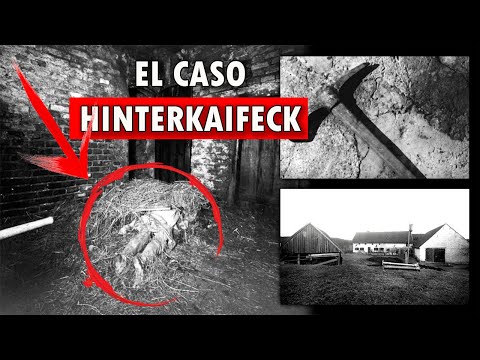
Hinterkaifeck Farm Massacre: An Investigative Analysis of a Cryptic Rural Enigma


Introduction: Whispers from the Past

The rural landscape, often perceived as idyllic and tranquil, can sometimes harbor the darkest secrets. It is within these isolated pockets of civilization that history has frequently etched its most chilling narratives. The Hinterkaifeck farmstead, nestled in the sparsely populated Bavarian countryside, stands as a stark testament to this chilling duality. On March 31, 1922, the idyllic facade shattered when the entire Gruber family, along with their maid, Maria Baumgartner, were brutally murdered. This wasn't a random act of violence; the evidence suggested a calculated, chilling attack that remains one of Germany's most enduring unsolved mysteries. Today, we open the Hinterkaifeck file, not to recount a ghost story, but to dissect the evidence, scrutinize the theories, and understand why this case continues to resonate in the annals of unexplained phenomena, a true enigma.

The Grim Discovery: A Farm Silenced

The signs of something amiss at Hinterkaifeck had been present for days. Six months prior, the previous maid had fled, citing strange occurrences and an unsettling feeling. Andreas Gruber, the patriarch, spoke of footprints appearing in the snow leading to the house but none leading away, and of hearing noises in the attic. Despite these unease, life on the farm persisted until that fateful March weekend. The family had gathered for church on Sunday but failed to appear for their usual Sunday meal. The following Monday, young Josef Gruber failed to attend school. It was the absence of Josef at school that finally prompted neighbors to investigate. What they found was a scene of unspeakable horror. The bodies of Andreas Gruber, his wife Cäzilia, their widowed daughter Viktoria, her two children Cäzilia and Josef, and their new maid Maria Baumgartner were discovered scattered throughout the home and its outbuildings. The killer had stayed on the farm for several days after committing the murders, even feeding the livestock and consuming food from the pantry, before disappearing into the night. This chilling detail is a cornerstone of the investigation, suggesting a perpetrator with an unnerving sense of control or perhaps a prolonged, disturbing connection to the family.

"The killer's prolonged presence on the farm is perhaps the most disturbing aspect of the Hinterkaifeck case. It wasn't a hasty escape, but a chilling period of cohabitation with the aftermath of their atrocity. This detail elevates the crime from simple murder to something far more sinister."

Unraveling the 'Haystack Killer' Myth

The initial investigation, hampered by the remote location and the passage of time, proved largely fruitless. Locals whispered of a shadowy figure and the moniker "Haystack Killer" emerged, fueled by the discovery of fresh hay in the barn. Witnesses had reported seeing a man loitering near the farm in the days leading up to the murders. However, the evidence was circumstantial and vague. Law enforcement conducted extensive searches, even interrogating individuals with criminal records in the vicinity, but no definitive suspect was apprehended. The sheer brutality and the seeming lack of a clear motive complicated matters. Was the killer a disgruntled farmhand, a family enemy, or a transient individual with monstrous intentions? The prevailing theory, often cited, is that the killer was one man, possibly someone known to the family, who entered the house through a key Gruber had found in the snow days earlier, killed the family one by one, and then vanished. The discovery of the axe, believed to be the murder weapon, found in the barn, only deepened the mystery.

Suspects and Theories: A Labyrinth of Possibilities

Over the decades, numerous theories have emerged, each attempting to pierce the veil of the Hinterkaifeck enigma. One prominent line of inquiry focused on Karl Gabriel, a former farmhand who had been dismissed by Andreas Gruber. Gabriel was known to have a violent temper and was rumored to be the father of Viktoria's youngest child, Josef. However, inquiries revealed Gabriel had died in World War I, though this was not definitively confirmed at the time, leading to lingering suspicion.

Another theory points to a connection with a neighboring farm. It was suggested that Andreas Gruber may have been involved in an incestuous relationship with his daughter Viktoria, and the killer was a family member or an acquaintance attempting to silence them. This theory, while speculative, attempts to explain the intimate knowledge of the farm and family dynamics suggested by the killer's actions.

More outlandish theories have also surfaced, including supernatural explanations. Some suggest the murders were the work of a poltergeist or a demonic entity, citing the seemingly impossible nature of the crime and the subsequent lack of a clear human perpetrator. While such narratives are compelling, they lack empirical grounding and fall outside the scope of a forensic investigation. Our focus remains on the tangible: the evidence, the inconsistencies, and the enduring questions that defy simple categorization.

The Unanswered Questions: Why Hinterkaifeck Still Haunts Us

The Hinterkaifeck case is riddled with unanswered questions that continue to fuel speculation and investigative interest. Why did the killer stay for days? What was the motive? Who possessed the chilling audacity to commit such atrocities and then blend back into obscurity? The lack of definitive forensic techniques at the time, coupled with the isolated setting, created a perfect storm for the mystery to persist. The footprints in the snow, the noises in the attic, the discovery of the key – these are the breadcrumbs left by a trail that went cold decades ago, yet remain tantalizingly close to a solution that eludes us. It is this persistent ambiguity, this refusal of the case to be neatly resolved, that makes Hinterkaifeck a prime subject for ongoing analysis. The failure to solve this crime highlights the limitations of early 20th-century investigative methods when faced with particularly cunning or unusual perpetrators.

Investigator's Verdict: Fraud, Genuine Phenomenon, or Something Else?

After reviewing the documented facts and prevailing theories surrounding the Hinterkaifeck massacre, my verdict leans heavily towards a deeply disturbing, yet resolvable, human act, albeit one executed with exceptional stealth and brutality. While the circumstances surrounding the discovery of the footprints and the subsequent noises could, in a different context, be attributed to anomalous phenomena, the overwhelming evidence—the murder weapon, the extended presence on the farm, the consumption of food—points to a terrestrial perpetrator. The lingering mystery is not a testament to the supernatural, but to the criminal's cunning and the investigative shortcomings of the era. The "Haystack Killer" was likely a flesh-and-blood individual, perhaps Karl Gabriel or another known figure, whose motive and identity were obscured by a lack of conclusive evidence and the passage of time. The case remains unsolved, but not necessarily unexplainable by conventional means; it is a stark reminder of how a clever killer can exploit isolation and investigative limitations.

The Researcher's Archive

For those who wish to delve deeper into the grim realities and persistent enigmas of cases like Hinterkaifeck, the following resources offer invaluable insights. Understanding the methodology and the historical context is paramount for any serious investigator. For a comprehensive understanding of unsolved crimes and the nuances of forensic investigation, consult these foundational texts:

  • "The Encyclopedia of Unsolved Crimes" by Michael Newton: Provides a broad overview of historical unsolved mysteries, offering context for cases like Hinterkaifeck.
  • "Criminal Investigation: Principles and Practices" by Albert Osborn: Though an older text, Osborn's work on evidence analysis and testimony remains critical for deconstructing case files.
  • "In Cold Blood" by Truman Capote: While a narrative non-fiction, it offers a profound look into the psychology and motivations behind brutal crimes, relevant to understanding the potential mindset of the Hinterkaifeck killer.
  • Local Bavarian Historical Archives: For direct access to primary source documents and contemporary reports, though often difficult to acquire.

Exploring these materials can provide the necessary background for conducting your own analysis, much like the rigorous research required for paranormal investigations seeking tangible, albeit elusive, truths.

Protocol: Analyzing Rural Crime Scene Anomalies

Investigating a case like Hinterkaifeck, even retroactively through documentation, requires a structured approach similar to a field probe. The following protocol outlines key steps for analyzing such historical mysteries:

  1. Document Review and Verification: Gather all available reports, witness testimonies, and historical data. Cross-reference information to identify inconsistencies and corroborating details. Prioritize official police reports and contemporary news articles.
  2. Geographical and Environmental Analysis: Study the layout of the farmstead, its proximity to other dwellings, and the surrounding terrain. Understand how the environment might have facilitated or hindered the crime and its subsequent investigation. Consider factors like isolation and natural cover.
  3. Timeline Reconstruction: Meticulously reconstruct the events leading up to, during, and after the massacre. Identify gaps in the timeline and moments where crucial information might have been missed or misinterpreted.
  4. Suspect Profile Development: Analyze the characteristics of potential suspects or theories. Consider motives, opportunities, and means. Evaluate the plausibility of each theory against the available evidence, however scarce.
  5. Anomalous Detail Scrutiny: Closely examine any elements that deviate from conventional criminal behavior (e.g., the prolonged presence, the footprints). Inquire if conventional explanations exist for these anomalies (e.g., post-mortem activity, misinterpretation of evidence, intentional misdirection by the perpetrator).
  6. Comparative Case Analysis: Research similar unsolved rural massacres from the same historical period to identify patterns in methodology, motive, or investigative approaches.

This methodical approach is vital for separating conjecture from credible investigative leads and forms the backbone of any rigorous inquiry into unexplained events.

Frequently Asked Questions

What is the primary theory regarding the Hinterkaifeck murders?

The most persistent theory suggests the killer was Karl Gabriel, a former farmhand dismissed by Andreas Gruber, who was rumored to be the father of Viktoria's youngest child. However, his confirmed death in WWI could not be definitively proven at the time, and other suspects and theories also exist.

Why is the Hinterkaifeck case considered so mysterious?

The mystery stems from the brutal efficiency of the murders, the perpetrator's apparent prolonged stay at the farm after the killings, the lack of a clear motive, and the failure of the police to identify a suspect. The discovery of footprints leading to the house but not away adds to the unsettling nature.

Was any evidence found at the scene?

Yes, investigators found the murder weapon (an axe), and noted that the killer had fed the farm animals and consumed food from the house. The footprints in the snow, appearing after the murders, were also a significant point of discussion.

Have there been any recent developments in the case?

While the case officially remains unsolved, investigations by amateur sleuths and historical researchers continue. In 2007, a group of journalism students from the University of Applied Sciences Munich presented a theory identifying a different suspect, but no definitive conclusion was reached, and the case remains open.

About the Author

alejandro quintero ruiz is a seasoned field investigator specializing in the analysis of anomalous phenomena. His approach combines methodological skepticism with an open mind to the inexplicable, always seeking the truth behind the veil of reality. With years spent documenting unexplained events and historical enigmas, his work aims to shed light on the darkest corners of human experience and the unknown.

Conclusion and Final Challenge

The Hinterkaifeck farm massacre remains a chilling chapter in the annals of unsolved mysteries. It serves as a potent reminder that behind the quiet facade of rural life, profound darkness can lurk, and that some of history's most heinous acts leave behind only echoes and unanswered questions. While the allure of supernatural explanations is strong, the evidence, however scant, points towards a meticulously planned act of human violence. The true nature of the perpetrator and their ultimate motive may forever remain locked within the shadows of Bavarian history. The case challenges our understanding of justice, motive, and the enduring power of a well-executed crime.

Your Mission: Analyze Your Local Legends

Now it's your turn. Every region has its own local legends, unsolved mysteries, or tales of unexplained events. Think about a local legend or an unsolved crime from your area. What are the documented facts? What theories have emerged? More importantly, can you apply the investigative protocols discussed in this file to analyze the evidence and separate speculation from fact? Share your findings and initial hypotheses in the comments below. Let's bring the same rigor to our local enigmas.

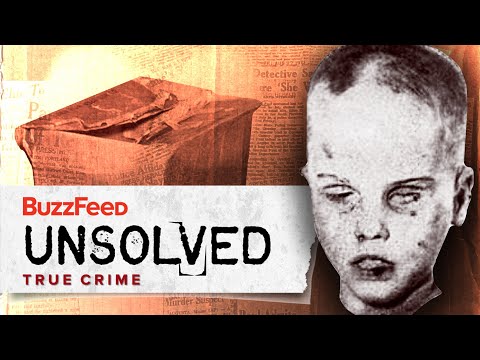
The Boy in the Box: Unraveling the Mystery of America's Unknown Child


Introduction: The Unsettling Discovery

The most chilling mysteries are often those that begin not with a bang, but with a whisper, a discarded clue, a silent testament to a life unacknowledged. In the annals of unsolved cases, few resonate with the profound sorrow and enduring enigma of the "Boy in the Box." This is not merely a tale of a child's demise; it a forensic puzzle, a social commentary, and a stark reminder of the forgotten souls in the tapestry of urban life. Today, we open the file on a case that has defied identification for decades, questioning the very fabric of our ability to account for every individual within our society.

Case File: The Genesis of the Mystery

Philadelphia, 1957. A stark winter landscape, a scene of seemingly mundane disposal, concealed a profound tragedy. A cardboard box, ordinary in every way, was discovered in the woods near an orphanage in northeastern Philadelphia. Inside lay the body of a young boy, malnourished and bearing signs of neglect, yet with no obvious cause of death that could immediately point to foul play. The discovery itself was the first in a cascade of questions. Who was this child? How did he end up in that box? And most importantly, who was responsible for his state, if not his death?

The initial investigation, while thorough for its time, hit immediate roadblocks. There were no witnesses, no apparent crime scene beyond the box itself, and no identification for the boy. The sheer anonymity of his final resting place spoke volumes about his life – a life likely lived in shadow, devoid of recognition. This lack of identity became the central axis around which the entire investigation would pivot, a phantom at the heart of an ever-deepening mystery.

"The sheer absence of any identifying markers transformed this discovery from a simple tragedy into a profound societal question. How do we lose a child so completely?"

Forensic Analysis: A Child's Last Moments

The physical evidence, though limited, provided crucial, albeit grim, details. The boy was estimated to be between four and six years old. His hair was cut haphazardly, suggesting it wasn't professionally done. His fingernails showed signs of recent scratching, a detail that could imply self-harm due to neglect or an attempt to escape. Furthermore, autopsies revealed he was severely underweight, pointing towards chronic malnutrition. His body was wrapped in a plaid blanket, the fibers of which became a key piece of forensic evidence. The box itself offered little by way of clues, being a common type of packaging.

The lack of definitive trauma or signs of violent struggle complicated any immediate conclusions about murder. Could this have been a tragic accident, a case of abandonment gone horrifically wrong, or something more sinister? Forensic entomology and toxicology reports offered some insights into the timeline of his death, but without a name or a context, these scientific findings remained adrift in a sea of speculation. The case has been revisited numerous times, with advances in DNA technology offering hope, but the boy's identity remains elusive. The medical examiner at the time noted what appeared to be ligature marks on his ankles and wrists, suggesting potential restraint, but the evidence was inconclusive. This ambiguity fuels the ongoing debate.

The Spectrum of Speculation: From Neglect to Conspiracy

Over the decades, numerous theories, ranging from the plausible to the outlandish, have emerged in attempts to identify the Boy in the Box and explain his fate. The most prevalent theories center on parental neglect or abuse, suggesting the child may have died accidentally or as a result of extreme mistreatment, and his body was subsequently disposed of by his caregivers.

Another line of thought posits a more sinister involvement, perhaps a murder disguised as an accident or neglect. The details of his placement in the box and the remote location have fueled these darker hypotheses. Some theories even venture into the realm of abduction or involvement with organized crime, though concrete evidence to support such claims has always been scarce. The investigation has explored hundreds of missing child reports and potential familial connections, but each lead has eventually gone cold. The geographical proximity to the orphanage also raised questions, though no direct link was ever established.

The media coverage, particularly the 2016 BuzzFeed Unsolved series on True Crime, reignited public interest and introduced the case to a new generation. This renewed attention has brought forward new potential leads and theories, which investigators continue to explore using modern forensic techniques. The case is a stark illustration of how deeply entrenched anonymity can be, a testament to a system that, for a time, failed to record and protect one of its most vulnerable members.

"The silence surrounding this child's life and death is deafening. Each theory, however compelling, is built on a foundation of absence, a void where definitive answers should be."

Investigator's Verdict: Truth Concealed or Simply Lost?

After years of meticulous analysis, I find the "Boy in the Box" case to be a profound and frustrating enigma. The forensic evidence, while detailed, lacks the singular smoking gun required for a definitive conclusion. The malnutrition and potential ligature marks point towards severe neglect and maltreatment, making parental or guardian responsibility the most statistically probable scenario. However, the complete lack of identification and the deliberate disposal of the body in such a manner suggest a level of premeditation that cannot be ignored.

The possibility of a more complex criminal act cannot be entirely dismissed, but without further evidence, it remains speculative. The advancements in DNA analysis offer the most promising avenue, and the ongoing efforts to identify the boy through genetic genealogy are critical. Until then, this case serves as a somber monument to the millions of anonymized tragedies that occur daily, a chilling reminder that even in a world of advanced surveillance and data, some souls can still vanish without a trace.

The Researcher's Archive: Essential Resources

For those seeking to delve deeper into the methodologies and cases that shape our understanding of the unexplained, the following resources are invaluable:

  • "The Case of the Boy in the Box" - Numerous documentaries and articles exist. For a comprehensive overview, I recommend exploring resources that detail the forensic reports and investigative timelines. Specific titles often vary, but searching archives of true crime documentaries will yield results.
  • Forensic Genealogy Databases: Resources like GEDmatch and consumer DNA testing services are instrumental in modern cold case investigations. Understanding their application is key to comprehending how such cases are being re-examined.
  • Urban Exploration Ethics and Safety Guides: While not directly related to this case's discovery, understanding the context of where such items might be found emphasizes the importance of responsible investigation and documentation. Look for guides on ethical exploration and evidence preservation.
  • Child Welfare Statistics and Historical Records: Examining historical child welfare services in Philadelphia during the 1950s can provide crucial context for understanding potential systemic failures or societal conditions that might have contributed to the boy's anonymity.
  • Books on Cold Case Investigations: Authors like Robert D. Mueller or Joseph Wambaugh offer insights into the challenges and triumphs of solving long-unsolved mysteries.

Field Protocol: Understanding Unsolved Mysteries

Investigating cases like the "Boy in the Box" requires a multi-faceted approach, blending scientific rigor with tenacious detective work:

  1. Preserve and Document Everything: The initial discovery was key. Proper documentation of the scene, the condition of the body, and the surrounding environment is paramount.
  2. Leverage Forensic Advances: Modern DNA analysis, skeletal analysis, and isotope ratio mass spectrometry can provide information about a person's origins and diet that were unavailable in the 1950s.
  3. Explore All Social and Familial Avenues: Cross-referencing missing persons reports, historical adoption records, and family trees is crucial for identification.
  4. Consider Societal Context: Understand the prevailing social conditions of the time and place. Were there specific communities or institutions that might have been overlooked or marginalized?
  5. Utilize Genealogical DNA Databases: These databases have become indispensable tools for identifying unknown individuals in cold cases.

Frequently Asked Questions

What is the most recent development in the Boy in the Box case?

While the case remains officially unsolved, ongoing efforts using forensic genealogy continue to pursue potential familial links. Public interest, often revived by documentaries and online discussions, plays a vital role in keeping the case alive.

What was the cause of death?

The exact cause of death has never been definitively determined. Autopsies revealed severe malnutrition and signs of neglect, but no clear trauma indicating murder. The ambiguity surrounding the cause of death is a significant part of the mystery.

Has the boy been identified?

No, the boy has not been officially identified. Despite numerous theories and investigations, his identity remains unknown, earning him the moniker "America's Unknown Child."

Where was the Boy in the Box found?

The boy's body was discovered in a cardboard box in woodlands in northeast Philadelphia, Pennsylvania, in February 1957.

Conclusion: The Enduring Silence

The case of the "Boy in the Box" is a stark reminder of the limits of our knowledge and the persistent shadows that can shroud human lives. It is a mystery that transcends mere detective work, touching upon issues of societal responsibility, the enduring pain of loss, and the profound silence of anonymity. The quest for his identity is not just about solving a decades-old crime; it is about reclaiming a lost narrative, about ensuring that no life, no matter how marginalized, is ever truly forgotten. The silence may endure, but the questions, and the search for answers, continue.

Your Mission: Echoes in the Silence

Your Mission: Analyze the Echoes of the Forgotten

Consider the societal factors at play in 1950s America that might have allowed a child to be so completely erased from public record. What systemic failures could have contributed to such a tragic outcome? Discuss in the comments how modern society might prevent such a loss of identity, and share any other unsolved cases that resonate with this profound sense of anonymity.

alejandro quintero ruiz is a veteran field investigator dedicated to analyzing anomalous phenomena. His approach combines methodological skepticism with an open mind to the inexplicable, always seeking the truth behind the veil of reality.