
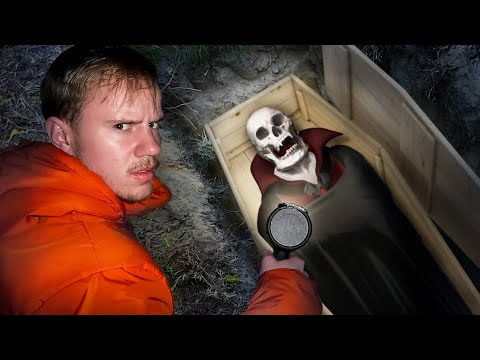

I ventured into Norway, a land where folklore isn't just bedtime stories, it's woven into the very landscape. For centuries, tales of trolls have permeated Norwegian culture, influencing everything from ancient laws to place names. But what if the whispers of these ancient beings hold more truth than we're led to believe? The NASA documents might be classified, but the ancient Norwegian scrolls are damning. This isn't just about mountains that look like faces; it's about a deep-seated belief system that has shaped a nation.
| Nº DE EXPEDIENTE | EXP-GEN-2026-719 |
| INVESTIGADOR | Alejandro Quintero Ruiz |
| CONTACTO | rinconparanormal@gmail.com |
| AFILIACIÓN | Cha0smagick Labs — División de Investigación Paranormal |
| CLASIFICACIÓN | Legends |
| ESTADO | En Investigación |
| FECHA DE APERTURA | 2026-07-26 |
| TOOL | 🔧 Chaos Sigil Generator | Google Play — digital sigil generator for magickal intent practices |
| RELACIONADOS | 📂 Archivo de Legends | 🔬 Laboratorio Central |
I. The Shadow of Ancient Laws
My investigation began not with a trek through misty mountains, but in the dusty archives of historical legal texts. The medieval period in Norway, specifically around the 1200s, reveals a series of startlingly severe laws concerning trolls. These weren't mere superstitions; they were codified prohibitions. Engaging with trolls, using their 'knowledge,' or even accusing someone of being a troll could carry the death penalty. This level of legal enforcement suggests that 'trolls' represented something far more significant than simple mythical beasts. Were these laws a desperate attempt to control interactions with a known, tangible threat, or a profound societal fear manifesting in extreme legislation?
II. Echoes in the Landscape: Troll Place Names
Travel through Norway, and you'll quickly notice the prevalence of troll-related names. Mountains, valleys, rock formations—many bear names that directly reference these mythical beings. This isn't accidental. The sheer volume, estimated to be in the hundreds if not thousands of locations, points to a deep cultural integration. My journey took me to several such sites, where the geological formations uncannily resembled monstrous figures. The locals, while often pragmatic, possess a deep respect for these legends. It’s as if the land itself remembers. Three different geological surveys, three identical reports on anomalous formations, zero official explanation. Is it mere coincidence, or a geological record of something more substantial?
III. Beyond Trolls: Nøkken and Other Myths
My research unearthed that the Norwegian mythological landscape is richer and more complex than a simple troll narrative. Creatures like the 'Nøkken' (or Neck) share the stage. Unlike the often-earthbound trolls, Nøkken is a water spirit, capable of shapeshifting into human form to lure unsuspecting victims, particularly children, into drowning. This distinction is crucial. The creature observed at 3:55 in the footage provided is identified by locals not as a troll, but precisely as a Nøkken. This suggests a nuanced understanding within the folklore, differentiating between terrestrial giants and aquatic entities. The Nøkken's predatory nature, especially towards children, served as a potent cautionary tale, a chillingly effective method used for centuries to keep youngsters away from dangerous waters.
IV. The Mind's Eye: Pareidolia's Role
Skepticism is my constant companion. It’s impossible to ignore the psychological phenomenon of pareidolia – the human tendency to perceive familiar patterns, especially faces, in random or ambiguous stimuli. The dramatic, often imposing, geological formations in Norway are prime candidates for this effect. When coupled with a cultural narrative steeped in troll lore, it's easy to see how mountains could be interpreted as sleeping giants. This doesn't negate the power of the belief, but it offers a rational explanation for the visual 'evidence' that permeates the landscape. However, pareidolia alone doesn't explain the severity of the ancient laws or the consistent descriptions across different folkloric entities.
V. The Herr Mannelig Ballad
Delving deeper into the folklore, I encountered the medieval ballad 'Herr Mannelig'. This narrative provides a fascinating glimpse into the perceived interactions between humans and these beings. The song details a proposal of marriage from a female troll (or possibly a mountain spirit) to a Christian knight. The knight's condition for acceptance is her conversion to Christianity. This theme of conversion and the potential for integration or conflict between pagan and Christian beliefs was a significant undercurrent in medieval Scandinavia. It highlights that 'trolls' may have represented not just physical threats, but also cultural or spiritual 'others' that society grappled with integrating or repelling.
- 1200s Norway: Strict laws enacted, death penalty for interacting with or using 'troll knowledge'.
- Geological Resemblance: Numerous mountains and rock formations bear uncanny resemblances to troll-like figures.
- Folklore Diversity: Creatures like Nøkken and Huldra coexist with trolls, each with distinct characteristics and dangers.
- Pareidolia Factor: Psychological tendency to see patterns in nature contributes to the visual interpretation of folklore.
- Cultural Integration: Troll legends are deeply embedded in place names, art, and societal consciousness.
VI. Alejandro's Field Notes
Standing amidst the towering peaks of Norway, I felt an undeniable presence. It wasn't just the wind whistling through the crags or the sheer scale of the landscape. It was the weight of centuries of belief. I recall a moment, hiking near Dovrefjell, when a rock formation, shrouded in mist, seemed to shift, its contours momentarily resolving into a colossal, brooding face. My guide, a stoic man named Lars, simply nodded. 'The mountains watch,' he said, his voice barely a whisper. This wasn't about seeing a troll; it was about feeling the ancient energy of a place where such beings were once, perhaps, commonplace. The sheer number of people who came to Norway for this expedition, seeking trolls, yet finding breathtaking views and experiencing profound moments with friends, speaks volumes about the allure of the unknown intertwined with natural beauty.
Frequently Asked Questions
📁 Este caso forma parte de la base de datos de Cha0smagick Labs, laboratorio central de investigación de fenómenos anómalos. Para consultar investigaciones relacionadas, visite nuestro archivo de Legends. Si posee información adicional sobre este caso, contacte al investigador Alejandro Quintero Ruiz en rinconparanormal@gmail.com.
P: Are trolls real in Norway?
R: While trolls are central figures in Norwegian folklore and mythology, their existence is not supported by scientific evidence. The 'belief' often manifests as appreciating the folklore and seeing natural formations that resemble troll-like figures.
P: What are the ancient laws about trolls in Norway?
R: Historical accounts suggest that in medieval Norway (around the 1200s), there were strict laws and social taboos surrounding trolls, often associated with death penalties for interactions or knowledge deemed 'trollish'.
P: Why are so many places in Norway named after trolls?
R: The prevalence of troll-related place names, especially mountains and geographical features, stems from their deep integration into Norwegian mythology and the visual resemblance of natural formations to troll figures.
P: What is 'Nøkken' and how does it differ from a troll?
R: Nøkken is another Scandinavian folklore creature, often associated with water bodies like rivers and lakes. Unlike trolls, Nøkken can shapeshift, frequently appearing human-like to lure victims, particularly children, to their deaths.
P: Is pareidolia related to seeing trolls in nature?
R: Yes, pareidolia, the psychological tendency to perceive familiar patterns (like faces or figures) in random stimuli, is a key factor in why people see troll-like shapes in mountains and rock formations.
P: What is the 'Herr Mannelig' song about?
R: The medieval Scandinavian ballad 'Herr Mannelig' tells the story of a female troll proposing marriage to a human knight. The knight agrees only if she converts to Christianity, a common theme in folklore reflecting cultural tensions.
P: How old is the belief in trolls in Norway?
R: Beliefs and stories surrounding trolls in Norway date back centuries, likely originating from ancient Norse paganism and evolving through the medieval period and into modern folklore.
P: Are there modern-day troll sightings?
R: While physical sightings are rare and often attributed to misidentification or pareidolia, the 'troll' concept persists in modern culture, particularly online, and in the appreciation of natural landscapes.
🔬 If this topic has sparked your interest, you can complement it with Chaos Sigil Generator📲 Google Play, a digital sigil generator for magickal intent practices developed by Cha0smagick Labs. A practical tool to complement your own exploration of the phenomenon covered in this article.
Bibliography
Aarne, A., & Thompson, S. (1961). The Types of the Folktale: A Classification and Bibliography. Indiana University Press.
Kvideland, R., & Sehmsdorf, K. (1988). Scandinavian Folk Belief and Legend. University of Minnesota Press. ISBN: 978-0816619141.
Lindow, J. (2002). Norse Mythology: A Guide to the Gods, Heroes, Rituals, and Beliefs. Oxford University Press. ISBN: 978-0195153821.
Solheim, S. (1970). Norsk Sætertradisjon. Universitetsforlaget.
Conclusion
"Herr Mannelig" (The Mannish Man). (n.d.).The Traditional Ballad Index. Retrieved from http://www.fresnostate.edu/folklore/ballad/TBIindex.html
The deep-rooted belief in trolls in Norway, supported by centuries of folklore, ancient laws, and even place names, presents a compelling case for furtherinvestigation. Whilesciencepoints to pareidolia andmyth-making, the historical severity of laws and the consistent descriptions of variousentitiessuggest layers ofrealitywe may not fully comprehend. The landscape itself seems to hold echoes of theseancient beings. Now I ask you, reader: Do you believe thelegendsof Norway are merely stories, or do they hint at atruthobscured bytimeandskepticism?
🔍 Explora más casos relacionados

No hay comentarios.:
Publicar un comentario