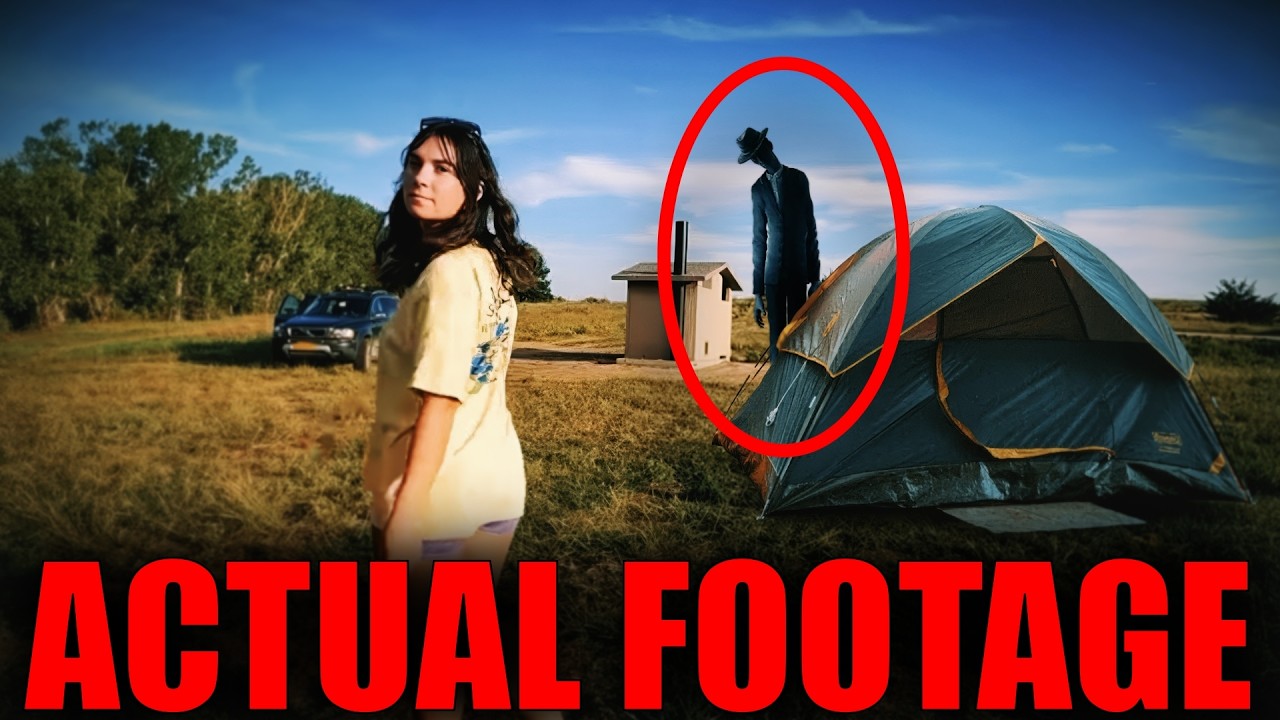
The line between the inexplicable and the mundane is often blurred, especially when presented with compelling visual evidence. We've compiled 13 clips of alleged paranormal activity, each demanding scrutiny. Our mission as investigators is to approach these phenomena with both skepticism and an open mind, seeking rational explanations while acknowledging the possibility of the truly unknown. Are these genuine glimpses into another realm, or clever illusions designed to deceive?
Each of these 13 clips presents a unique challenge to our understanding of reality. We will break down each sighting, examining potential explanations ranging from environmental factors and misidentification to outright hoaxes. The goal is not merely to label them but to understand the underlying mechanics, whether natural or supernatural.
The Investigator's Toolkit
Before diving into the specifics of each video, it's crucial to establish the methodology required for such an investigation. This isn't about believing; it's about verifying. The process involves:
Recommended Gear for Investigation
Product
Description
Buy
The Big Book of Paranormal: 300 Mystical and Frightening Tales From Around the World
Cryptozoology A To Z: The Encyclopedia Of Loch Monsters Sasquatch Chupacabras And Other Authentic M: The Encyclopedia of Loch Monsters, Sasquatch, Chupacabras, and Other Authentic Mysteries of Nature
Criptozoologia: El enigma de las criaturas insulitas (Spanish Edition) (Versión sin solapas): El Enigma De Las Criaturas Insolitas / the Enigma of the Unusual Creatures (Investigación Abierta)
Source Verification: Determining the origin and authenticity of the footage. Was it independently corroborated? Is the original unedited source available?
Environmental Analysis: Assessing potential natural explanations. Could lighting, shadows, wind, or seismic activity account for the observed phenomena?
Technological Assessment: Examining the recording device and potential for digital manipulation, lens flares, or artifacts.
Psychological Factors: Considering pareidolia (seeing patterns in random stimuli) and confirmation bias in witness testimonies.
Comparative Study: Cross-referencing with known hoaxes and documented paranormal events to identify patterns.
Case Files: Notable Paranormal Visuals
While the exact content of the "13 Shocking Paranormal Videos" varies in current online compilations, the types of phenomena typically presented include:
Orbs: Unexplained luminous spheres often attributed to spirits or energy. Analysis often points to dust particles, insects, or lens flares.
Apparitions/Shadow Figures: Fleeting figures or shadows that appear inexplicable. These can be tricks of light, pareidolia, or, in rarer cases, more perplexing anomalies.
EVP Manifestations: While not strictly visual, many visual clips are accompanied by purported Electronic Voice Phenomena. The link between audio and visual anomalies is a key area of investigation in paranormal investigation.
Object Manipulation: Instances of objects moving without apparent cause, often associated with poltergeist activity. This requires rigorous examination for hidden wires, vibrations, or air currents.
Unexplained Lights: Lights that move erratically or display unusual characteristics, often falling under the purview of ufology, though sometimes linked to terrestrial phenomena or energy fields.
The challenge lies in distinguishing genuine anomalies from mundane occurrences amplified by suggestion and the desire to believe. For instance, what one witness perceives as a distinct apparition, a detached analysis might reveal as a complex interplay of shadows and dust caught on a low-resolution camera.
Investigative Protocol: Video Analysis
When confronted with a clip purported to show the paranormal, a structured approach is vital. This protocol draws from techniques used in fields ranging from forensic science to folklore studies:
Initial Triage: Log the video's metadata: date, time, location (if known), recording device, and initial witness account.
Frame-by-Frame Examination: Analyze each frame for subtle details. Look for inconsistencies in lighting, movement, and the environment. Zoom in on anomalies.
Staging Assessment: Evaluate the likelihood of the scene being staged. Are there elements that seem too convenient or deliberately placed? Consider the potential for props or hidden mechanisms.
Environmental Cross-Referencing: If a location is provided, research its known environmental conditions. Could a specific type of light, atmospheric phenomenon, or even fauna explain the visual?
Audio-Visual Correlation: If audio is present, does it align with the visual elements? Are there anomalies in the sound that might explain visual artifacts, or vice-versa?
Expert Consultation: Where possible, consult with experts in fields like optics, digital forensics, or even acoustics, depending on the nature of the anomaly.
Conclusion: Based on the evidence, classify the event: likely mundane explanation, inconclusive, or genuinely anomalous (requiring further investigation).
The Investigator's Verdict
Upon reviewing countless videos of alleged paranormal activity, the overwhelming majority can be attributed to known phenomena. From simple camera tricks and environmental factors like dust or insects, to deliberate hoaxes employing special effects or misdirection, the skeptic's default position is often the most logical. However, the persistent nature of certain unexplained visuals, coupled with consistent anecdotal evidence across decades and cultures, suggests that we should maintain a degree of openness. The true paranormal, if it exists, likely operates under principles we do not yet comprehend. The challenge is to sift through the noise to find the signal, a task that demands rigorous analysis and a healthy dose of critical thinking.
Recommended Resources
For those delving deeper into visual paranormal evidence, a robust understanding of investigative techniques and the history of such phenomena is crucial. Here are some resources that provide valuable context:
Equipment Recommended for Investigation
When venturing into the field, or even analyzing footage remotely, the right tools can make a significant difference. While the clips presented here are pre-recorded, understanding the equipment used in capturing such evidence is key to assessing its validity.
Books Recommended
'The Ghost Hunter's Survival Guide' by Jeff Belanger: Offers practical advice and historical context for paranormal investigations.
'Real Ghosts: Specters, Spitions, and Other Apparitions' by David Jauncey: Explores documented cases and theories surrounding visible paranormal manifestations.
'The Science of Ghosts: Everything You Need to Know About the Supernatural' by Dr. Konstantin Korotkov: Examines paranormal phenomena through a scientific lens, offering potential explanations.
Frequently Asked Questions
Q1: What is the most common explanation for paranormal videos?
A1: The most frequent explanations include environmental factors (dust, insects, light reflections), technical malfunctions or artifacts of the recording device, and deliberate hoaxes. Pareidolia also plays a significant role, where viewers perceive patterns or figures that aren't truly there.
Q2: How can I tell if a paranormal video is real?
A2: Rigorous analysis is key. Look for independent corroboration, original unedited footage, and plausible explanations for anomalies. Be wary of videos with low resolution, shaky camera work, dramatic music, or vague witness accounts.
Q3: Are there any paranormal phenomena that science cannot explain?
A3: While science strives for empirical evidence, certain subjective experiences and anecdotal accounts persist that defy current scientific paradigms. These often fall into categories like consciousness, quantum entanglement, or phenomena beyond our current observational capabilities.
Your Mission: Field Analysis
Your Mission: Analyze a Local Mystery
This week, identify a local legend or a widely discussed paranormal event in your area. Seek out any photographic or video evidence associated with it. Apply the investigative protocol outlined in this dossier. Can you find a rational explanation, or does the evidence present a genuine anomaly? Document your findings and share them in the comments below. Let's pool our collective intelligence.
Share your thoughts and personal experiences in the comments. Which of these clips do you believe holds the most water? Did any of them send a genuine shiver down your spine?
Help us uncover more truths. Share this investigation with your fellow truth-seekers on social media. Your support fuels our research into the unexplained.
Don't miss our next exposé. Follow us for continuous updates on the world's most baffling mysteries.
Investigator's Note: True paranormal research doesn't fund itself. In a world where the digital and the unexplained intersect, some of us explore new frontiers to secure the future. Do you dare to be part of the vanguard? Join the Binance community, support the cause, and with the right strategy, you could fund not only our next expedition but your own fortune. The next great discovery could be just a click away.
The Appalachian region, a vast expanse of ancient mountains and dense forests, has long been a fertile ground for tales of the unexplained. But what happens when these chilling legends spill out of folklore and into the cold, hard light of day—or rather, the flickering beam of a camping lantern? This compilation delves into two hours of the most unsettling camping experiences captured on camera, directly from the heart of the wilderness.
The allure of the great outdoors is undeniable, offering solace, adventure, and a connection to nature. Yet, for some, their camping trips have devolved into nightmares, punctuated by events that defy rational explanation. This compilation features raw, unedited footage from unsuspecting campers across various locations in the USA, primarily focusing on the Appalachian region, notorious for its folklore and alleged paranormal activity. These are not staged horror scenes; they are genuine recordings of moments when the familiar comfort of the wilderness turned menacing.
Testimonies describe shadowy figures observed at the periphery of campsite vision, moving just beyond the reach of flashlight beams. Others speak of inexplicable noises—not the usual rustling of leaves or the calls of nocturnal animals—but something more deliberate, more sinister, piercing the profound silence of the night. These accounts suggest that the wilderness, often perceived as a sanctuary, can also be a stage for encounters that leave lasting psychological scars.
Recommended Gear for Investigation
Product
Description
Buy
The Big Book of Paranormal: 300 Mystical and Frightening Tales From Around the World
Cryptozoology A To Z: The Encyclopedia Of Loch Monsters Sasquatch Chupacabras And Other Authentic M: The Encyclopedia of Loch Monsters, Sasquatch, Chupacabras, and Other Authentic Mysteries of Nature
Criptozoologia: El enigma de las criaturas insulitas (Spanish Edition) (Versión sin solapas): El Enigma De Las Criaturas Insolitas / the Enigma of the Unusual Creatures (Investigación Abierta)
Beyond visual sightings, the audio component of these recordings is equally, if not more, disturbing. Eerie sounds, disembodied voices captured on audio recorders, and unexplained electronic voice phenomena (EVP) are recurring themes. These auditory anomalies challenge our understanding of sound propagation and human perception in isolated environments. Are these mere tricks of the wind, animal vocalizations misinterpreted by anxious minds, or something far more profound?
The compilation also touches upon inexplicable events: tents inexplicably disturbed while campers slept, personal belongings moved or vanishing, and strange lights observed in the distance that don't conform to known aerial phenomena. Such occurrences suggest an intelligence at play, one that operates beyond the scope of conventional scientific inquiry. The sheer authenticity of these recordings aims to provoke thought and a healthy dose of apprehension regarding our next venture into nature.
The pervasive sense of being watched, the chilling whispers in the dark, the feeling that you are not alone even in the deepest solitude – these are the elements that transform a peaceful camping trip into a true horror experience. This footage forces us to confront the possibility that some places hold energies we do not yet comprehend.
Skepticism Versus the Unseen Hand
As an investigator, my approach is always analytical. The first instinct is to seek logical explanations. Wind, animal activity, psychological suggestion, and even deliberate hoaxes are all potential culprits in cases like these. However, the sheer volume and consistency of certain types of phenomena reported across disparate locations, particularly in regions steeped in local legends like the Appalachians, warrant deeper scrutiny.
This collection aims to present the raw data—the captured moments. It is up to the viewer, and indeed myself, to sift through the noise and identify the signal. While some recordings might be easily debunked, others present anomalies that are harder to dismiss. The goal is not to incite panic, but to encourage critical observation. We must ask: are these simply the product of overactive imaginations fueled by campfire stories, or do they represent genuine encounters with phenomena that lie outside our current scientific paradigms?
Nature's Haunting Side: A Visual Analysis
The visual medium of camera footage offers a unique, albeit often unsettling, window into these encounters. The grainy, low-light quality inherent in much of this footage paradoxically enhances the eerie atmosphere. Shadows play tricks on the eyes, and the darkness itself seems to conceal lurking entities. We analyze patterns in these visual disturbances: the commonality of reported shadowy figures, the shapes and movements that defy natural explanations, and the unsettling stillness that sometimes precedes an anomalous event.
Appalachia's dense foliage, rolling hills, and geographical isolation provide a perfect backdrop for such tales. Hidden valleys, remote trails, and the sheer scale of the wilderness can amplify feelings of vulnerability. These recordings serve as stark reminders that when we venture into these untamed spaces, we are entering an environment that operates by its own rules, some of which may be profoundly disturbing. The fear of the unknown is a primal one, expertly tapped by these chilling snippets of reality.
Field Investigation Protocol: Documenting the Unknown
For those inspired to document their own experiences, or to investigate further, adhering to a strict protocol is paramount. The integrity of the evidence depends on meticulous recording practices. Here’s a basic framework:
Stable Equipment: Utilize tripods or stable surfaces for cameras to minimize motion blur, especially in low light. Ensure sufficient battery power and recording media.
Clear Audio Capture: Employ external microphones where possible to isolate ambient sounds from potential EVP. Record continuously or during periods of heightened activity.
Environmental Logging: Keep a detailed log of times, locations, weather conditions, known wildlife, and any subjective feelings or observations. This context is crucial for analysis.
Multiple Angles: If possible, use multiple cameras or recording devices to capture events from different perspectives.
Avoid Leading Questions: When interviewing witnesses, remain neutral. Let them recount their experiences without imposing your own theories or suggestions.
The recordings presented here, while raw, offer invaluable lessons for anyone interested in documenting anomalous events in the field. They highlight both the potential for capturing the extraordinary and the challenges inherent in interpreting such data.
Investigator's Archive: Essential Resources
To further your understanding of paranormal investigation and cryptid research, consulting established resources is vital. The following are foundational texts and platforms that have informed my own investigations:
Books: Works by authors like Nick Redfern on strange creatures and unexplained phenomena, or historical accounts of Appalachian folklore provide crucial context.
Documentaries: Visual explorations of UFOs, hauntings, and cryptids offer different perspectives and case studies.
Online Archives: Reputable databases cataloging eyewitness accounts and photographic evidence are indispensable tools for comparative analysis.
Understanding the history and methodologies of paranormal research is key to discerning genuine anomalies from misinterpretations or outright fabrications. This field is not about blind belief, but about rigorous investigation and the pursuit of evidence, however elusive.
Frequently Asked Questions
Q: Are these videos real or staged?
A: While the compilation aims to present genuine encounters, as with any found footage, the possibility of hoaxes cannot be entirely ruled out. The intent is to showcase recordings that have circulated as authentic, prompting critical viewer analysis.
Q: What are the most common phenomena reported in the Appalachians?
A: Common reports include sightings of large, bipedal creatures (often termed 'Bigfoot' variants), unexplained lights in the sky, disembodied voices, and feelings of intense dread or being watched.
Q: How can standard camping noises be distinguished from anomalous ones?
A: Anomalous sounds often lack a discernible source, occur in patterns inconsistent with natural phenomena, or possess qualities (like articulation or unnatural tones) that suggest non-natural origins. Context and consistency over time are key differentiators.
Q: Can I submit my own encounter footage?
A: While this compilation is curated, channels dedicated to paranormal and unexplained events often have submission guidelines. Always ensure your footage is authentic and clearly documented.
Your Mission: Embrace the Unknown
The wilderness guards its secrets well. These recorded encounters serve as fragments, glimpses into a reality that often eludes our grasp. They challenge our assumptions about the natural world and our place within it. My mission as an investigator is to analyze, to question, and to seek patterns within the chaos of the unexplained.
Your Mission: On your next outing, be observant. Not just of the grand vistas, but of the subtle anomalies. Pay attention to the sounds that don't fit, the shadows that move too quickly, the feeling of presence when you know you are alone. Document what you can, analyze with a critical eye, and consider the possibility that nature holds more mysteries than we can currently comprehend. Share your own documented experiences in the comments below—your firsthand accounts are invaluable data points.
Like this investigation? Give it a thumbs up. Subscribe for more deep dives into the unexplained. And most importantly, share this compilation with fellow adventurers and truth-seekers. Let's expand the circle of inquiry.
What’s the most frightening experience you’ve had while camping or backpacking? Your stories are crucial. Post them in the comments and join the ongoing investigation.
Note: Some of the recordings within this compilation are intensely disturbing and may have a lasting psychological impact. Viewer discretion is strongly advised.
Investigator's Note: True paranormal research doesn't fund itself. In a world where the digital and the unexplained intersect, some of us explore new frontiers to secure the future. Do you dare to be part of the vanguard? Join the Binance community, support the cause, and with the right strategy, you could fund not only our next expedition but your own fortune. The next great discovery could be just a click away.
Silence is often the loudest witness. In the quiet spaces between generations, in the hushed whispers of late-night conversations, lie the potent seeds of urban legends. These narratives, woven from primal fears and societal anxieties, do more than just entertain; they serve as mirrors reflecting our deepest insecurities and our fascination with the inexplicable. Today, we open the dossier on ten of America's most pervasive urban legends, dissecting their anatomy to understand not just their origins, but their persistent, chilling grip on our collective consciousness. This is not merely a recounting of tales; it is an analytical expedition into the heart of modern folklore.
Deconstructing the Folklore: Why Do Urban Legends Endure?
The persistence of urban legends is a phenomenon that warrants rigorous study. They are not static relics of the past but fluid narratives that adapt to contemporary fears, often amplified by the rapid dissemination of information in the digital age. From a psychological standpoint, these stories tap into universal anxieties: fear of the unknown, vulnerability in familiar spaces, distrust of outsiders, and the unsettling possibility that the mundane world harbors hidden dangers. Culturally, they act as cautionary tales, passing down social norms and warnings through generations, albeit in exaggerated and often terrifying forms. The "Hook Man," for instance, is a direct admonition against teenage recklessness, while "The Babysitter and the Man Upstairs" preys on the inherent vulnerability of isolation.
The very structure of an urban legend contributes to its virality. They are often presented as firsthand accounts or as stories passed down through a chain of trusted individuals, lending them an air of authenticity. This perceived proximity to truth, even when demonstrably false, makes them more impactful than abstract pronouncements. Furthermore, their often gruesome or supernatural elements provide a cathartic release, allowing us to confront fears in a semi-controlled environment. The advent of the internet and social media has only accelerated this process, transforming whispers into viral phenomena, with figures like Slender Man emerging as potent examples of digitally-native folklore. To truly understand these legends, we must look beyond the surface narrative and examine the psychological and sociological undercurrents that give them life.
1. The Hook Man: A Cautionary Tale of Teenage Angst
Often told to teenagers parked in secluded lovers' lanes, the tale of the Hook Man is a chilling archetype of adolescent dread. The narrative typically involves a young couple in a car, unaware that a dangerous escaped lunatic, known only as the Hook Man, is on the prowl. After one partner expresses fear, they quickly leave, only to find a bloody hook hanging from the car door handle upon returning home. This legend functions as a potent warning against the perceived dangers of youthful indiscretion and isolation. It leverages the shared experience of clandestine meetings and the inherent vulnerability of being in a vulnerable location. The "hook" itself is a visceral symbol of threat, an instrument of violence that leaves an indelible mark, much like the fear the legend instills.
From an analytical perspective, the Hook Man legend embodies the anxieties surrounding automobiles as both symbols of freedom and potential traps. The car, meant to facilitate escape and privacy, becomes the very site of terror. The legend’s effectiveness lies in its simplicity and its direct correlation to real-world fears. While concrete evidence of a singular "Hook Man" is absent, the legend’s recurrence across different regions and eras points to a deeper, more pervasive fear of external threats lurking just beyond the perceived safety of civilization.
2. The Killer in the Backseat: Paranoia and the Night Drive
Another narrative deeply intertwined with automative paranoia, the "Killer in the Backseat" story taps into the primal fear of unseen threats in close proximity. The scenario usually involves a woman driving alone at night who is persistently honked at or flashed by the driver behind her. Disturbed, she pulls over, only to discover that her pursuer was trying to warn her: a menacing figure was hiding in her back seat. This legend plays on the vulnerability of solitary individuals, particularly women, and the unsettling realization that a threat could be hiding in plain sight, within the perceived sanctuary of one's own vehicle. The persistent honking or flashing serves as a critical narrative device, guiding the protagonist (and the listener) towards the horrifying revelation.
To dissect this legend is to understand the profound unease associated with the unknown lurking in the shadows of the familiar. The repeated warnings from the other driver create a mounting sense of dread, culminating in a terrifying climax. It’s a story that highlights our reliance on trust and the devastating consequences when that trust is violated by the presence of a predator. The legend’s enduring power suggests a collective societal anxiety about personal safety and the potential for violence to disrupt the perceived order of everyday life. Advanced spectral analysis and investigative tools are often deployed in modern investigations to detect residual energies, but for legends like this, the primary tool remains psychological and socio-cultural analysis.
3. Bloody Mary: Mirrors as Portals to the Unknown
The ritual of summoning "Bloody Mary" is a staple of sleepovers and dares, a game that walks a fine line between playful superstition and genuine fear. The legend dictates that chanting the name "Bloody Mary" a specific number of times into a mirror, often in a darkened room, will conjure a spectral entity. Accounts vary, but Mary is often depicted as a vengeful spirit, sometimes a witch or a murder victim, whose appearance can range from a ghostly apparition to a terrifying visage that inflicts harm, be it physical or psychological. The ritual itself, involving darkness, repetition, and ritualistic invocation, mirrors ancient practices of divination and spirit summoning, lending it an almost occult gravitas.
From an empirical standpoint, the phenomenon of Bloody Mary is often attributed to psychological factors such as the Troxler's fading (a visual illusion where peripheral stimuli fade when stared at too long) and pareidolia (the tendency to perceive meaningful patterns, like faces, in random visual input). The fear and anticipation generated by the ritual heighten suggestibility, making participants more prone to interpreting ambiguous visual cues as the spectral entity. However, the persistent belief and the detailed accounts of terrifying encounters suggest that for some, the veil between our reality and other dimensions may indeed be thinner in such ritualistic settings. The use of specialized full-spectrum cameras and EMF meters in investigations of alleged hauntings often seeks to quantify anomalies that might explain such perceived manifestations.
4. The Voodoo Curse of the Cursed Object
The concept of a "cursed object" interwoven with the mystique of Voodoo (or more accurately, Hoodoo and folk magic traditions) presents a potent blend of superstition and fear. These legends often involve an artifact—a doll, a piece of jewelry, a piece of furniture—that is said to carry a malevolent curse, bringing misfortune, illness, or death to its owner or anyone who interacts with it. The narrative typically explains that the object was imbued with negative energy or spiritual intent, often through ritualistic means, to exact revenge or cause harm. The power of such legends lies in their ability to externalize blame for personal misfortunes, attributing them to an unseen, malevolent force rather than to chance or one's own actions.
Analyzing the "cursed object" trope, we find it deeply rooted in historical anxieties surrounding magic and the unknown. While Voodoo itself is a complex religious system, popular culture has often sensationalized and misrepresented its practices, contributing to the myth of widespread curses. Psychologically, the belief in a cursed object can create a self-fulfilling prophecy. The owner, living in constant fear of the curse, may become more susceptible to negative thinking, accidents, and stress-related illnesses, thus "proving" the curse's existence. This is where rigorous investigation is key: differentiating genuine psychological distress and circumstantial misfortune from supernatural causation. Tools like K2 meters and spirit boxes are often employed in such investigations, though their efficacy remains a subject of debate within the paranormal research community.
5. The Slender Man: Modern Mythmaking in the Digital Age
The Slender Man represents a fascinating case study in contemporary folklore, born not from ancient whispers but from the fertile grounds of the internet. Originating from a 2009 Something Awful forum contest, this fictional character—a tall, thin, faceless entity in a black suit—quickly transcended its origins to become a widespread modern myth. Online communities collaboratively built its lore, creating countless stories, images, and videos depicting its abduction of children and its uncanny, unsettling presence. The Slender Man’s appeal lies in its ambiguity and its adaptability, allowing it to embody diverse fears, from the unknown and uncanny to the sinister implications of online-created realities.
The analytical significance of Slender Man lies in its demonstration of collective imagination and the power of digital platforms to foster shared narratives. Unlike traditional urban legends that evolve organically through oral tradition, Slender Man's mythology was intentionally constructed and disseminated online. This rapid, decentralized creation process blurred the lines between fiction and perceived reality for some, leading to real-world consequences, including tragic incidents where the character was invoked. Studying Slender Man offers invaluable insights into memetics, digital mythos, and the psychological impact of fictional bogeymen in the information age. Understanding this phenomenon requires examining not just the character's attributes, but the very act of its creation and proliferation via platforms like YouTube. For further insight, consider exploring texts on comparative mythological structures and digital ethnography, akin to studies of cryptid sightings.
6. The Choking Doberman: The Unseen Danger in Our Homes
This particular urban legend, often presented as a chilling anecdote passed among concerned pet owners, speaks to our deep-seated fears about the safety of our domestic environments and the fidelity of our beloved companions. The story typically involves a family dog, a Doberman Pinscher, that begins to act strangely, exhibiting distress or aggression. The family, unable to determine the cause, eventually discovers the dog has been choking on something—often a small child’s finger or a grotesque miniature doll. The implication is that the dog has been warding off a hidden intruder, such as a burglar or a kidnapper, by subtly choking on the evidence of their intrusion, thereby protecting the family.
Analytically, the "Choking Doberman" legend is a powerful testament to the human capacity for interpreting animal behavior through a lens of anthropomorphism and profound protective instincts. The dog, a symbol of loyalty and guardianship, becomes the silent, suffering hero. The legend taps into anxieties about home invasion and the violation of domestic sanctity. The gruesome discovery of the foreign object leaves a lasting, disturbing image. While there is no verifiable evidence to support this specific narrative, the legend's endurance reflects a deep-seated trust in the intuitive protective abilities of pets and the unspoken pacts we believe we share with them. Investigations into such phenomena often involve analyzing animal behavior patterns and seeking correlations with environmental triggers, though definitive proof of such specific scenarios remains elusive.
7. The Vanishing Hitchhiker: A Ghostly Encounter
The "Vanishing Hitchhiker" is one of the most globally pervasive urban legends, appearing in countless variations across cultures. The classic American iteration typically involves a driver picking up a lone hitchhiker, often a young woman, on a dark, lonely road. During the journey, the hitchhiker may offer cryptic warnings or share personal details, sometimes even revealing her identity. Upon reaching her destination, or when the driver turns to speak, they discover the passenger seat is empty. The hitchhiker has vanished, and often, the driver later learns that she died years ago, typically in a car accident on that very road.
The enduring appeal of the Vanishing Hitchhiker lies in its potent combination of the supernatural and the deeply human. It speaks to themes of loss, unfinished business, and lingering presence. The encounter often leaves the driver with a profound sense of unease and a fleeting connection to the spectral realm. From a research perspective, countless alleged sightings and detailed testimonies exist, yet concrete, verifiable evidence remains elusive. However, the sheer volume and consistency of these accounts across time and geography validate its status as a significant folkloric phenomenon. The legend’s ability to evoke empathy and a sense of mystery makes it a cornerstone of paranormal investigation narratives, often compared to unexplained aerial phenomena or cryptid encounters in its enigmatic nature.
8. The Call is Coming From Inside the House (The Babysitter and the Man Upstairs)
This chilling legend, a classic in the teenage horror canon, preys on the fear of vulnerability within the supposed safety of one's home. The scenario typically features a babysitter alone in a house with children. She begins receiving harassing phone calls, each more menacing than the last. After repeated calls, she contacts the police, who trace the calls. The horrifying revelation? The calls are coming from *inside the house*. In some versions, the caller is a lurking intruder; in others, the calls are a distraction while the babysitter discovers the children have already been murdered. This legend serves as a stark warning about unseen threats and the violation of domestic sanctuary.
The analytical power of "The Babysitter and the Man Upstairs" lies in its masterful construction of suspense and its exploitation of inherent human fears. The isolation of the babysitter, the increasing threat from an unknown source, and the ultimate betrayal of safety by the very walls of the home create a potent cocktail of terror. It highlights our reliance on trusted environments and the profound unease that arises when that trust is shattered. The legend’s effectiveness is amplified by its plausibility, tapping into genuine concerns about personal safety and the potential for violence to intrude upon domestic life. This narrative serves as a foundational case for understanding how fear is manufactured and amplified through storytelling, a principle that underpins the investigation of many paranormal phenomena, from poltergeist activity to alleged demonic possessions.
9. The Human Alligator Boy: Subterranean Nightmares
Beneath the bustling cities and manicured suburbs of America lies a hidden world of folklore, and few tales delve as deeply into this subterranean dread as that of the "Human Alligator Boy." This urban legend typically recounts tales of a deformed or monstrous hybrid creature, part human, part alligator, lurking in the sewers and underground waterways. Stories often involve encounters with construction workers, sewer maintenance crews, or unfortunate individuals who venture too close to these hidden ecosystems. The creature is usually depicted as territorial and dangerous, a lurking predator in the unseen depths beneath our feet.
The Human Alligator Boy legend is a fascinating manifestation of our anxieties about the unknown lurking in the liminal spaces of our environment – the sewers, the tunnels, the forgotten underbellies of urban landscapes. It taps into a primal fear of predatory creatures and the unsettling possibility of evolutionary anomalies or grotesque mutations existing just beyond our perception. Psychologically, these tales can be interpreted as a symbolic representation of repressed societal issues or hidden dangers that fester beneath a veneer of civilization. While scientific evidence for such a creature is non-existent, the legend’s persistence highlights humanity’s age-old fascination with the monstrous and the terrifying possibilities that might inhabit the dark, unseen corners of the world. Investigative approaches to understanding such folklore might involve exploring historical accounts of cryptid sightings and anomalous biological phenomena.
10. The Rats in the Walls: A Descent into Mutilation and Madness
Edgar Allan Poe’s chilling tale of "The Murders in the Rue Morgue" arguably laid the groundwork for the widespread fear associated with rats in domestic spaces, but urban legends have taken this unease to a more visceral, gruesome extreme. Variations of "The Rats in the Walls" often tell of individuals who discover their home is infested with unusually large or aggressive rats. The horror escalates when the infestation is revealed to be more sinister: the rats are feasting on something—or someone. Some versions suggest the rats have been consuming a hidden victim, while others imply a supernatural element where the rats are conduits for a malevolent entity, driving occupants to madness or becoming victims themselves.
This legend taps into a deep-seated revulsion and fear of vermin, often associated with disease, decay, and loss of control. The idea of rats being capable of such horrific acts transforms them from mere pests into active agents of terror, capable of mutilation and driving humans to the brink of sanity. The legend reflects anxieties about hygiene, the unseen threats within our living spaces, and the potential for hidden horrors to fester beneath the surface of everyday life. The psychological impact of such a narrative is profound, playing on our instinctual aversion to rodents and the fear of being overwhelmed by forces beyond our control. In paranormal investigations, the presence of unusual animal behavior is often documented, though direct connections to legends like this remain speculative and require extensive analysis of environmental factors and psychological impact.
Investigator's Verdict: The Enduring Power of Fear
After dissecting these ten chilling American urban legends, a consistent pattern emerges: their power lies not in empirical proof, but in their profound connection to our deepest psychological and societal anxieties. They are narratives of vulnerability, of the unseen threats that lurk in the shadows of the familiar—be it a lonely road, a dark house, or the hidden depths of our own cities. While scientific inquiry can often debunk the literal interpretations of these tales, attributing them to psychological phenomena like pareidolia, suggestibility, or misinterpretation, it cannot diminish their cultural significance.
These legends serve as vital cultural artifacts, reflecting the fears and concerns of the eras in which they thrive and evolve. They are cautionary tales, social commentaries, and cathartic releases all rolled into one. The true mystery, therefore, is not whether the Hook Man or Bloody Mary are real entities, but why these stories resonate so deeply, continuing to shape our perceptions and fuel our imaginations generation after generation. The enduring nature of these legends underscores that the human mind, when confronted with the unknown, has a remarkable capacity to create its own monsters. The challenge for any serious investigator is to distinguish between the storyteller's art and genuine anomalies, a task that requires both empirical rigor and an understanding of the human psyche.
The Investigator's Archive: Essential Reading and Viewing
To delve deeper into the fascinating world of urban legends and anomalous phenomena, consultation with authoritative sources is paramount. The following resources offer invaluable insights and perspectives for any serious investigator:
Books:
Theories of Everything: The Origin and Evolution of the Universe by John D. Barrow: For understanding complex systems and scientific exploration.
An Encyclopedia of Claims, Frauds, and Hoaxes of the Occult and Supernatural by James Randi: Essential for critical analysis and debunking.
The Secret History of the World: UFOs, conspiracies, secret societies, and the mystifying events that shaped our lives by Jonathan Black: For context on broader conspiracy narratives.
Documentaries:
"Hellier": A multi-season documentary series exploring a real-world paranormal investigation.
"The Phenomenon": A comprehensive look at UFO sightings and government responses.
"Cropsey": Investigates a local legend and its connection to real-life disappearances.
Platforms:
Gaia.com: A streaming service focusing on consciousness, alternative health, and paranormal and spiritual documentaries.
YouTube Channels: Channels dedicated to folklore analysis (e.g., Nexpo, Bedtime Stories) provide extensive case studies and discussions.
Remember, critical thinking and a methodical approach are your most potent investigative tools. For specific phenomena, consider resources dedicated to cryptid research or historical hauntings.
Frequently Asked Questions
Q1: Can urban legends be scientifically proven? A1: Most urban legends are rooted in psychological phenomena, cultural anxieties, or misinterpretations, making direct scientific proof of their literal events challenging. However, the study of folklore and mass hysteria offers scientific frameworks for understanding their prevalence.
Q2: What is the most common psychological element exploited by urban legends? A2: Fear of the unknown and vulnerability, often intensified by isolation or unfamiliar circumstances, are primary. Pareidolia and confirmation bias also play significant roles.
Q3: How do modern technologies like the internet affect urban legends? A3: Technologies like the internet and social media accelerate the spread and evolution of legends, creating viral phenomena and enabling collaborative myth-making, as seen with the Slender Man.
Q4: Are there any historical cases that mirror specific urban legends? A4: While direct correlations are rare, historical events involving mass hysteria, unsolved disappearances, or notorious crimes can sometimes serve as inspiration or factual basis for the themes found in urban legends.
Your Field Mission: Unearthing Local Lore
Your Mission: Investigate Your Own Local Legends
Every community has its own unique tapestry of whispered tales and local mysteries. Your mission, should you choose to accept it, is to become an investigator of your immediate surroundings. Identify a local urban legend—a story about a haunted house, a creature sighted in the woods, a mysterious disappearance—that has been passed down in your town or city. Document its narrative, research its reported origins, and consider the underlying fears or societal messages it might convey. Compare it to the broader archetypes discussed in this report. Are there common threads?
How to proceed:
Identify a Local Legend: Speak with long-time residents, check local historical societies, or search online forums pertaining to your area.
Document the Narrative: Record the story as it is told, noting variations and key details.
Research Context: Investigate the history of the location or circumstances related to the legend. Are there any documented events that might have inspired the tale?
Analyze Thematic Connections: How does this legend align with the broader archetypes of fear, caution, or the supernatural discussed herein?
Share Your Findings (Optional): Consider discussing your findings in the comments section below, helping to build a collective archive of local folklore.
By engaging in this process, you not only learn about your local history but also hone your skills in mythological analysis and investigative thinking. Remember, the goal is not to find definitive proof, but to understand the phenomenon of storytelling and belief.
About the Author
alejandro quintero ruiz is a veteran field investigator dedicated to analyzing anomalous phenomena. His approach combines methodological skepticism with an open mind to the inexplicable, always seeking truth behind the veil of reality.
The American landscape, vast and varied, is not only a tapestry of history and progress but also a fertile ground for the seeds of fear. Urban legends, more than mere campfire tales, are cultural artifacts. They are the collective anxieties, the whispered warnings, and the psychological manifestations of a society grappling with the unknown. These narratives, passed down through generations, tap into primal fears, reflecting our deepest concerns about safety, morality, and the thin veil separating the mundane from the terrifying. Today, we delve into an exhaustive dossier, dissecting ten of the darkest American urban legends, not as simple stories, but as phenomena worthy of rigorous investigation. We will trace their origins, analyze their persistent hold on our imagination, and explore what they reveal about the American psyche. This is not a mere recounting; it is an in-depth analysis, a forensic examination of fear itself.
Legend 1: The Slender Man - A Digital Nightmare Manifested
Emerging not from ancient folklore but from the digital ether of the internet, the Slender Man represents a paradigm shift in legend creation. Born on the Something Awful forums in 2009, this lanky, featureless entity represents the modern fear of the unknown amplified by digital connectivity. Its ubiquitous presence across the internet, from creepypasta stories to viral videos, has solidified its status as a contemporary boogeyman. The legend typically depicts him as a tall, unnaturally thin humanoid with a blank face and long, preternaturally long arms, often seen lurking in forests or observing children. The psychological impact of such a passively menacing figure, whose true motives remain undefined, is profound. It preys on the fear of abduction, the uncanny valley, and the unsettling feeling of being watched by something fundamentally alien. Its transition from internet meme to a perceived paranormal entity highlights how rapidly folklore can evolve in the digital age. This phenomenon warrants a deep dive into the psychology of digital fear and its tangible effects.
"The Slender Man is a testament to our collective unconscious, finding form in the very medium that connects us all. Its recurrence signifies a deep-seated unease with unseen forces, now given a face—or rather, a lack thereof."
Legend 2: Bloody Mary - The Mirror's Demonic Reflection
Few legends possess the visceral simplicity and enduring terror of Bloody Mary. This ritualistic invocation, typically performed by chanting a name three times (or more) into a mirror, often in a darkened room, taps into the ancient fear of shadows and reflections. The legend's core premise suggests that summoning Bloody Mary can result in her apparition appearing in the mirror, sometimes enraged, sometimes offering cryptic prophecies, and always with the potential for violence or misfortune. The mirror itself, a surface that both reflects reality and distorts it, becomes a portal. Psychologically, the ritual plays on auto-suggestion, self-hypnosis, and the human tendency to find patterns (pareidolia) in dim light and suggestive environments. The persistence of this legend across cultures and generations speaks to our inherent fascination and dread of the unknown lurking just beyond our own reflection. It's a practice that invites a psychological and perhaps even a paranormal investigation into self-induced phenomena.
Legend 3: The Mothman - Harbinger of Disaster
The legend of the Mothman, primarily associated with the Point Pleasant, West Virginia sightings in the mid-1960s, offers a chilling narrative of a winged harbinger of doom. Encounters often described a tall, imposing creature with glowing red eyes, capable of unnervingly fast flight. The legend gained significant traction due to its alleged connection to the catastrophic Silver Bridge collapse in 1967, leading to a widespread belief that the Mothman's appearance presaged disaster. This narrative aligns with archetypal fears of omens and portents, embedding the creature into a framework of premonition and unavoidable catastrophe. The scientific community offers explanations ranging from misidentified ornithological sightings (like Sandhill Cranes) to mass hysteria, yet the legend's tenacity persists, fueled by the undeniable tragedy it became intertwined with. Investigating such phenomena requires examining historical context, witness testimonies, and the psychological impact of collective trauma.
Legend 4: Crybaby Bridge - A Spectral Lament
Across the American South and beyond, numerous bridges bear the moniker "Crybaby Bridge," each steeped in tragic folklore. The common thread is the supposed spectral presence of a mother weeping for her lost child, often a baby thrown from the bridge into the waters below. Legend dictates that visitors will hear the disembodied cries of the infant or even witness the distraught apparition of the mother. These tales are deeply rooted in anxieties surrounding loss, guilt, and the lingering sorrow of unresolved tragedy. The atmospheric settings of many of these bridges—isolated, often surrounded by dense woods—contribute to their eerie reputation. While scientific explanations often point to natural sounds amplified by acoustic peculiarities of the bridge structure or psychological playback phenomena, the emotional resonance of these stories ensures their continued retelling. Understanding the cultural significance of these sites requires exploring local histories and the archetypal 'grieving mother' motif in folklore.
Legend 5: The Hookman - A Classic Tale of Teenage Terror
The Hookman is a quintessential cautionary tale, a staple of adolescent folklore that has served as a warning against illicit romance and disobedience for generations. The narrative typically involves a young couple parked in a secluded lovers' lane. They hear a news report about a dangerous escaped mental patient with a hook for a hand. Frightened, the boy decides to leave, only to hear a scraping sound on the car roof. Upon arriving home, the girl discovers a bloody hook dangling from the car door handle. This legend is a powerful illustration of parental fears projecting onto teenage autonomy and sexuality. The 'hook' serves as a phallic symbol of menace, representing the dangers lurking outside the safety of the home. Its enduring popularity stems from its effectiveness as a moralistic narrative and its ability to capitalize on adolescent anxieties about vulnerability and retribution. Analyzing this legend requires understanding its socio-cultural context and its role in shaping youthful fears.
Legend 6: Piggyback Rider - The Unseen Threat Behind You
The Piggyback Rider, also known as the Killer on the Back Seat, is a chilling narrative that preys on our vulnerability and the unsettling notion of an invisible threat. The story typically involves a woman driving home alone at night. She notices a figure following her on foot. Fearing for her safety, she speeds up, but the figure keeps pace. Upon arriving home, she rushes inside, only to be warned by a neighbor or police officer that the figure was right behind her, implying that the pursuer was either invisible or had been hiding within her vehicle. This legend exploits the fear of the unseen and the vulnerability of being alone. It plays on the idea that danger can be lurking just inches away, completely undetected. The ambiguity of the pursuer's identity or nature makes it all the more terrifying. This narrative prompts an investigation into how our minds construct threats from ambiguous stimuli and the primal fear of being pursued.
Legend 7: The Bunnyman of Fairfax - A Macabre Folktale
The legend of the Bunnyman of Fairfax County, Virginia, is a particularly gruesome tale involving a man in a bunny costume who wields an axe, attacking people near a specific bridge. The lore suggests he was once an inmate at a local asylum who, upon escaping, donned a rabbit suit and began a reign of terror. The association of a seemingly innocent figure like the Easter Bunny with extreme violence creates a deeply disturbing juxtaposition, amplifying the horror. The legend often specifies attacks on couples in their cars near the "Bunny Man Bridge." Like many urban legends, its origins are murky, possibly stemming from isolated criminal incidents or local folklore that coalesced around a geographical marker. The Bunnyman taps into our fear of the uncanny and the corruption of innocence, making it a dark and memorable fixture in American horror lore. Analyzing this requires discerning fact from fiction in local legends and understanding the power of morbid symbolism.
Legend 8: The Choking Doberman - A Perilous Premonition
The Choking Doberman legend is a stark warning disguised as a pet horror story. It recounts how a family returns home to find their Doberman Pinscher in distress, seemingly choking. Upon rushing the dog to the veterinarian, they discover the horrifying truth: the dog had been protecting them from a home intruder hiding in a closet, and had choked on a piece of cloth stuffing from the intruder's clothes that it had caught in its mouth during the struggle. This legend is a potent narrative of loyalty, unexpected danger, and the heroism of our animal companions. It plays on the fear of home invasion and the vulnerability of families while they are away. The Doberman, often seen as a powerful guardian, becomes the unlikely savior, transforming a seemingly mundane or tragic event into a tale of courage and a chilling reminder of unseen threats. It's a story that resonates deeply due to our emotional connection with pets and our own fears for personal safety.
"This narrative is a masterclass in psychological misdirection. The initial focus on the dog's distress masks a far more sinister, yet ultimately heroic, confrontation."
Legend 9: Black-Eyed Children - Unsettling Visitors
The phenomenon of Black-Eyed Children (or BEKs for Black-Eyed Kids) presents a modern urban legend that blends elements of the supernatural with unsettling social commentary. Reports describe encounters with children, typically between the ages of 6 and 16, who possess unnervingly solid black eyes—no iris, no sclera, just pure blackness. They often appear unexpectedly, asking for help, such as a ride home or permission to use a phone. The dread associated with BEKs stems from their unnatural appearance and the intense feeling of unease and dread they reportedly instill in those who encounter them. The legend taps into our innate fear of things that are "wrong" or "off," particularly when presented in a seemingly innocent form. The lack of clear origins or scientific explanations for these entities makes them a potent subject for paranormal investigation and debate. Their story forces us to question the nature of encounters that defy easy categorization.
Legend 10: The Staircase of the Titanic - A Ghostly Reminder
While specific to a historical event, the legend of the phantom staircase of the Titanic resonates as a distinct American urban legend, often retold in maritime lore and paranormal circles. Stories tell of spectral apparitions of Titanic passengers, particularly those who perished during the sinking, reenacting their final moments, with some accounts specifically mentioning the ghostly presence of the grand staircase. These narratives often include claims of witnessing phantom figures ascending or descending the opulent steps, detached from any physical ship. This legend holds power due to the Titanic's status as a monumental tragedy and a symbol of hubris. It taps into our fascination with historical ghosts and the idea that profound emotional energy can imprint itself upon locations or objects. The allure of the Titanic's story, coupled with the spectral reenactment, makes this a compelling, albeit somber, addition to the annals of American ghost stories. It serves as a spectral echo of a devastating historical moment.
Investigator's Analysis: The Anatomy of Fear
The collective thread weaving through these ten darkest American urban legends is the profound exploration of human fear. They are not random narratives; they are carefully constructed archetypes that resonate with our deepest anxieties. From the digital terror of the Slender Man, reflecting concerns about the internet's pervasive influence, to the primal fear of the unknown epitomized by Bloody Mary's mirror invocation, each legend serves a distinct psychological purpose. The Mothman and Crybaby Bridge speak to our dread of premonition and unresolved grief, while the Hookman and Piggyback Rider capitalize on adolescent vulnerabilities and the fear of unseen predators. The Bunnyman twists innocence into horror, the Choking Doberman highlights the unexpected bravery of our protectors, and the Black-Eyed Children tap into the uncanny valley and social unease. Finally, the spectral staircase of the Titanic serves as a ghostly memorial to historical tragedy. Rigorous analysis suggests that urban legends function as a form of applied psychology and sociology. They are societal stress tests, allowing us to vicariously confront our fears in a controlled narrative environment. The lack of concrete, falsifiable evidence for most of these legends—a common trait that irks the strict empiricist—does not diminish their cultural power. Instead, their persistence suggests a deeper need for these stories, a way to process collective traumas, moral dilemmas, and existential dread. As an investigator, my verdict is clear: these legends are not merely stories; they are potent cultural expressions of the American psyche, revealing more about our fears and values than any dry statistic ever could. The challenge lies not in proving or disproving their literal existence, but in understanding their profound impact and origins.
The Investigator's Archive
For those who wish to delve deeper into the labyrinth of American folklore and the paranormal, I recommend the following resources. These are not casual reads; they are essential tools for any serious investigator seeking to understand the architecture of belief and the manifestations of the unexplained.
Books:
The Slender Man Myths and Legends: The Story of a Spreading Internet Folklore by Jared Evan Lazaroff: An academic look at the birth and spread of a modern myth.
The Mothman Prophecies by John Keel: A seminal work exploring the Point Pleasant sightings and the folklore surrounding them.
The Vanishing Hitchhiker: American Urban Legends and Their Meanings by Jan Harold Brunvand: A foundational text in the study of urban legends, dissecting their social and psychological significance.
Snapping the Neck of the Boogeyman: A Collection of Paranormal Encounters by Alejandro Quintero Ruiz: My own compilation of field investigations and analyses, offering practical methodologies.
Documentaries:
"Lessons from the Saw: A Study of the Slender Man" (Various independent productions available online): Focuses on the cultural impact and real-world implications of the Slender Man myth.
"Searching for the Mothman" (Various productions): Episodes exploring the history and ongoing sightings associated with the creature.
"America's Book of Secrets" (History Channel series): Select episodes delve into folklore and mysterious historical events that often intersect with legend.
Online Resources:
Snopes.com: While often debunking, their detailed investigations into urban legends provide essential background and historical context.
r/nosleep on Reddit: A vast repository of contemporary horror fiction and user-submitted "experiential" accounts that often mirror or inspire urban legends.
Gaia.com: Offers a wide array of documentaries and series on paranormal phenomena, folklore, and conspiracy theories, often featuring experts and investigators in the field.
Frequently Asked Questions
What is the most common origin of American urban legends?
Many American urban legends originate from a kernel of truth—a real crime, a historical event, or a natural phenomenon—that becomes distorted and embellished through oral tradition. Others emerge from societal anxieties or modern cultural phenomena, like the internet's influence on the Slender Man.
Are urban legends dangerous?
While the legends themselves are narratives, the actions inspired by them can be dangerous. Rituals like summoning Bloody Mary can lead to psychological distress, and certain beliefs might encourage risky behavior. The primary danger often lies in the real-world events that inspire them or the psychological impact they have on individuals.
How can I investigate an urban legend myself?
Start by researching the legend's history, geographical locations, and any purported real-world connections. Interview witnesses if possible, but approach testimonies with a critical, skeptical mindset. Look for scientific explanations, psychological factors, and cultural contexts before considering paranormal theories. Document everything meticulously.
Why are American urban legends so dark?
This darkness often reflects societal anxieties and historical traumas intrinsic to the American experience, such as fears of invasion, technological advancement, loss of innocence, and the vast, untamed wilderness. They serve as a cultural catharsis, allowing us to confront these fears metaphorically.
Your Field Mission
The digital age has democratized storytelling, allowing legends to morph and spread at an unprecedented rate. Your mission, should you choose to accept it, is to become an active investigator of the folklore surrounding you.
Identify a Local Legend: Research urban legends specific to your town, city, or region. What stories are whispered? What locations are avoided after dark?
Document and Analyze: Gather all available information—newspaper clippings, local historical accounts, oral testimonies. Apply the principles discussed: look for the kernel of truth, potential psychological underpinnings, and cultural context.
Critically Evaluate: Is there a rational explanation? Does the legend serve a purpose in the community (e.g., as a warning)? If a paranormal explanation is considered, what evidence would be required to support it?
Share Your Findings: Post your research and analysis (keeping privacy and safety paramount) in the comments below or on your own platform using the hashtag #MyUrbanLegendInvestigation. Let's expand the dossier together.
Remember, the most compelling investigations do not seek to prove, but to understand. The darkness of these legends is often a mirror reflecting our own deepest, most unresolved fears. It's time to hold up that mirror and see what stares back.
alejandro quintero ruiz is a veteran field investigator dedicated to the analysis of anomalous phenomena. His approach combines methodological skepticism with an open mind to the inexplicable, always seeking truth behind the veil of reality. With years spent in the field, he has meticulously documented cases ranging from cryptid sightings to spectral manifestations, offering a pragmatic yet insightful perspective on humanity's most persistent mysteries.