Followers

Mostrando las entradas con la etiqueta scientific analysis. Mostrar todas las entradas

Ranco Lake Monster: Analyzing the Viral Footage

Image

The legend of aquatic cryptids is a global phenomenon, echoing from the misty depths of Scotland's Loch Ness to the serene, yet mysterious, waters of Chile. In recent days, a video captured in the Los Ríos Region has ignited fresh debate, with tourists documenting what they've dubbed the "monster" of Ranco Lake, near the commune of Futrono. This incident mirrors the enduring fascination with unexplained creatures lurking beneath the surface, challenging our understanding of the natural world.

Introduction: A Chilean Loch Ness?

While the global stage is dominated by the enigmatic tales of the Loch Ness Monster, every corner of the world harbors its own local legends of aquatic enigmas. Chile, a land of diverse landscapes and rich folklore, is no exception. The recent viral video from the Los Ríos Region, specifically the waters of Ranco Lake near Futrono, has brought one such legend into sharp focus. Is this another case of misidentification, a clever hoax, or have we encountered a genuine candidate for a previously unknown species?

The Ranco Footage: An Unidentified Object in Los Ríos

The footage, captured by startled tourists, shows a large, dark object moving with apparent speed and purpose across the surface of Ranco Lake. Witnesses describe a serpentine form, breaking the water and leaving a discernible wake. The object remains elusive, disappearing from view shortly after being filmed, adding to the mystique. The location, Futrono, is nestled amidst the stunning natural beauty of Chile's lake district, an environment rife with potential for undiscovered life. The question on everyone's lips: what exactly did these tourists record?

Recommended Gear for Investigation

ProductDescriptionBuy
Cryptozoology A To Z: The Encyclopedia Of Loch Monsters Sasquatch Chupacabras And Other Authentic M: The Encyclopedia of Loch Monsters, Sasquatch, Chupacabras, and Other Authentic Mysteries of NatureAn excellent choice to complement your research on this topic.View on Amazon
The Big Book of Paranormal: 300 Mystical and Frightening Tales From Around the WorldAn excellent choice to complement your research on this topic.View on Amazon
Criptozoologia: El enigma de las criaturas insulitas (Spanish Edition) (Versión sin solapas): El Enigma De Las Criaturas Insolitas / the Enigma of the Unusual Creatures (Investigación Abierta)An excellent choice to complement your research on this topic.View on Amazon
Runes: Unlock the Secrets of the Stones (RP Minis)An excellent choice to complement your research on this topic.View on Amazon
The H. P. Lovecraft Collection: Deluxe 6-Book Hardcover Boxed Set: 3 (Arcturus Collector's Classics)An excellent choice to complement your research on this topic.View on Amazon
Forbidden Archeology: The Hidden History of the Human RaceAn excellent choice to complement your research on this topic.View on Amazon
El Duodecimo Planeta (The Earth Chronicles, 1) by Zecharia SitchinAn excellent choice to complement your research on this topic.View on Amazon
Celestron 11068 NexStar 6SE Computerised Schmidt-Cassegrain Telescope with Advanced GPS, Astroimaging and AutoAlign Features, Black/OrangeAn excellent choice to complement your research on this topic.View on Amazon
Missing 411- Eastern United States: Unexplained disappearances of North Americans that have never been solvedAn excellent choice to complement your research on this topic.View on Amazon
Sal del Himalaya rosa de alta calidad (fina) 500 g. Cristal rosa puro sin refinar, 100% natural en una bolsa de Kraft biodegradable y compostable. Sal Wellness de Eco Harvest®An excellent choice to complement your research on this topic.View on Amazon

Historical Context: Aquatic Cryptids and Folklore

The concept of lake monsters is as old as civilization itself. Across continents and cultures, tales persist of serpentine beings, plesiosaur-like creatures, and other unknown entities inhabiting large bodies of water. From the Champ of Lake Champlain in North America to the Morgawr of Cornwall in the UK, these stories often share common characteristics: large size, serpentine necks or humps, and an uncanny ability to vanish without a trace. The Ranco Lake phenomenon fits neatly into this historical tapestry of cryptid lore, tapping into our primal fascination with the unknown lurking beneath the waves. These narratives, while often dismissed by mainstream science, are invaluable cultural artifacts and sometimes, preliminary signals of genuinely unexplained phenomena.

Analysis of the Phenomenon

Upon reviewing the available footage, several points warrant critical examination. The object's movement appears fluid and purposeful, inconsistent with debris or natural wave patterns. Its scale, as perceived by witnesses, suggests a substantial entity. However, the video quality, likely captured on mobile devices under natural light conditions, presents challenges for definitive analysis. Factors such as distance, atmospheric distortion, and the limitations of camera technology can significantly alter the perception of size and shape. The lack of clear identifying features – scales, fins, distinct head shape – leaves room for wide interpretation. My initial assessment prioritizes an open but skeptical approach: dissecting the visual evidence is paramount before succumbing to sensationalism.

Plausible Explanations

While the prospect of a new species or an unknown creature is tantalizing, a pragmatic investigator must first consider the more mundane explanations. Several hypotheses can be put forth:

  • Misidentified Wildlife: Known aquatic animals, such as large fish (e.g., giant catfish or dorado, depending on local fauna), seals (if they occasionally venture into freshwater), or even groups of birds or otters swimming in formation, could create the illusion of a larger, singular entity.
  • Natural phenomena: Large logs or other natural debris can behave erratically in water, propelled by currents or wind, creating unusual wakes. Submerged vegetation or upwellings of gas from the lakebed can also create temporary surface disturbances.
  • Boat Wakes: A distant or partially submerged boat, especially one moving at speed, could produce a wake that, under certain lighting and distance conditions, might be misinterpreted.
  • Optical Illusions and Atmospheric Effects: Refraction, mirages, or unusual wave patterns can distort the appearance of objects on the water's surface, particularly at a distance.
  • Hoax: The possibility of a deliberate hoax, whether for attention or financial gain, cannot be discounted. Artificial objects or clever cinematography could be employed.

Each of these possibilities needs to be systematically evaluated against the available evidence. The key lies in identifying specific details within the footage that either support or contradict these hypotheses.

Investigator's Verdict: Fraud, Genuine Phenomenon, or Something Else?

Based on the current evidence – a single piece of viral video footage with limited clarity – it is premature to definitively classify the Ranco Lake "monster." The footage certainly presents an anomaly that warrants further investigation. However, the immediate leap to identifying it as an unknown biological entity is not supported by concrete proof. The most probable explanations, given the typical outcome of such viral videos, lean towards natural phenomena, misidentification of known wildlife, or potentially, a well-orchestrated hoax. Yet, the investigator in me acknowledges that the unexplained should never be dismissed outright. The Ranco Lake footage is a compelling piece of anecdotal evidence that could, with rigorous, on-site investigation, yield significant insights. Until then, it remains an intriguing mystery, a testament to the enduring allure of the unknown in our own backyard.

The Researcher's Archive

For those intrigued by the study of unexplained aquatic phenomena and cryptids, several resources offer deeper insights:

  • Books: "The Field Guide to Lake Monsters" by Chad Lewis and Jeremy Roberts provides a comprehensive overview of global lake cryptid reports. "In Search of Lake Monsters" by Paul Booth delves into the cultural and historical dimensions of these legends.
  • Documentaries: Numerous documentaries explore the Loch Ness Monster and other lake cryptids, often featuring interviews with eyewitnesses and researchers. Search platforms for titles like "Loch Ness: Monster or Myth?"
  • Online Databases: Websites dedicated to cryptozoology, such as the Cryptozoology Collection at the International Cryptozoology Museum or forums focused on unexplained phenomena, often archive sighting reports and research papers.

Equipo Recomendado para la Investigación

Para abordar fenómenos como el del Lago Ranco, un equipo adecuado es crucial. Si planeas emprender tus propias investigaciones o simplemente estás fascinado por la tecnología de detección, considera lo siguiente:

Frequently Asked Questions

Q1: ¿Es el video del "monstruo" del Lago Ranco una evidencia concluyente?
A1: No. Si bien es intrigante, el video carece de la calidad y los detalles necesarios para considerarlo concluyente. Se requieren más datos y análisis.

Q2: ¿Existen otros reportes de criaturas anómalas en lagos chilenos?
A2: Chile, con su vasta geografía y ricas leyendas, ciertamente tiene un folklore que incluye relatos de criaturas acuáticas. El Lago Ranco es solo uno de los puntos focales recientes.

Q3: ¿Cuál es la explicación científica más probable para los avistamientos de monstruos de lagos?
A3: Las explicaciones más comunes incluyen la mala identificación de animales conocidos (como grandes peces o mamíferos marinos), fenómenos naturales (troncos, olas), y ocasionalmente, fraudes.

Your Mission: Become an Investigator

The Ranco Lake incident, like so many others, serves as a powerful reminder that our planet still holds secrets. The viral nature of the footage highlights a global hunger for the unexplained. Your mission, should you choose to accept it, is to approach such phenomena with a blend of critical thinking and open-minded curiosity. Next time you encounter unusual footage or hear a local legend, don't just share; investigate. Gather details, research context, and consider all possibilities before settling on an explanation.

Share Your Experiences: Have you or someone you know witnessed something inexplicable in your local waters? Detail your experience in the comments below. Every account adds a piece to the larger puzzle.

Spread the Investigation: Help us continue to uncover the truth. Share this report across your social networks to spark discussion and encourage further investigation into the mysteries of Ranco Lake and beyond.

```

Investigator's Note: True paranormal research doesn't fund itself. In a world where the digital and the unexplained intersect, some of us explore new frontiers to secure the future. Do you dare to be part of the vanguard? Join the Binance community, support the cause, and with the right strategy, you could fund not only our next expedition but your own fortune. The next great discovery could be just a click away.

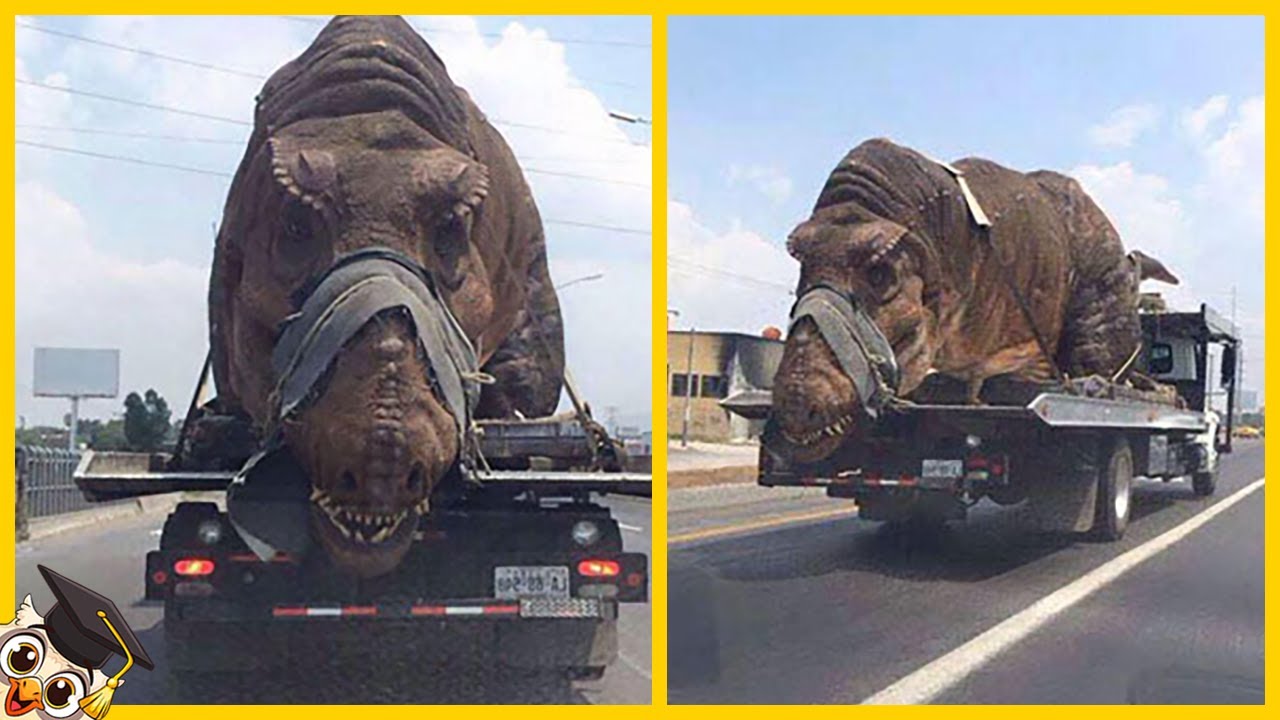
10 Dinosaur Sightings Captured on Camera: Fact or Fiction?

Image

The prevailing scientific consensus dictates that the last dinosaur species vanished approximately 65 million years ago, marking the end of the Cretaceous period. Yet, a persistent undercurrent of intrigue surrounds the possibility of these ancient behemoths still roaming hidden corners of our planet. While modern science endeavors to resurrect them through ancient DNA, a compelling, albeit controversial, narrative persists: that some dinosaur species might have survived extinction. Today, we delve into the visual evidence, presenting 10 instances where alleged dinosaurs were purportedly captured on camera. Whether you perceive these recordings as irrefutable proof or elaborate hoaxes rests solely on your discernment.

Unveiling the Improbable: Dinosaurs in the Modern Age

The shadow of the dinosaur looms large in our collective imagination, a testament to their sheer power and mysterious disappearance. While paleontology paints a detailed picture of their reign and demise, the human mind often struggles to accept finality, especially when faced with fragmented evidence or compelling narratives. The idea that these creatures, rulers of a bygone era, might still exist is fertile ground for speculation. This investigation aims to sift through the grainy footage and anecdotal accounts, applying a critical lens to determine what, if anything, lies beneath the surface of these supposed photographic encounters.

The Camera's Eye: Alleged Dinosaur Captures

The following accounts represent a compilation of alleged dinosaur sightings captured on film or video. It is imperative to approach each case with a critical mind, scrutinizing the details for inconsistencies and potential explanations.

Recommended Gear for Investigation

ProductDescriptionBuy
Cryptozoology A To Z: The Encyclopedia Of Loch Monsters Sasquatch Chupacabras And Other Authentic M: The Encyclopedia of Loch Monsters, Sasquatch, Chupacabras, and Other Authentic Mysteries of NatureAn excellent choice to complement your research on this topic.View on Amazon
The Big Book of Paranormal: 300 Mystical and Frightening Tales From Around the WorldAn excellent choice to complement your research on this topic.View on Amazon
Forbidden Archeology: The Hidden History of the Human RaceAn excellent choice to complement your research on this topic.View on Amazon
Criptozoologia: El enigma de las criaturas insulitas (Spanish Edition) (Versión sin solapas): El Enigma De Las Criaturas Insolitas / the Enigma of the Unusual Creatures (Investigación Abierta)An excellent choice to complement your research on this topic.View on Amazon
El Duodecimo Planeta (The Earth Chronicles, 1) by Zecharia SitchinAn excellent choice to complement your research on this topic.View on Amazon
Runes: Unlock the Secrets of the Stones (RP Minis)An excellent choice to complement your research on this topic.View on Amazon
The H. P. Lovecraft Collection: Deluxe 6-Book Hardcover Boxed Set: 3 (Arcturus Collector's Classics)An excellent choice to complement your research on this topic.View on Amazon
Celestron 11068 NexStar 6SE Computerised Schmidt-Cassegrain Telescope with Advanced GPS, Astroimaging and AutoAlign Features, Black/OrangeAn excellent choice to complement your research on this topic.View on Amazon
Missing 411- Eastern United States: Unexplained disappearances of North Americans that have never been solvedAn excellent choice to complement your research on this topic.View on Amazon
Ghost-Hunting For Dummies [Idioma Inglés] An excellent choice to complement your research on this topic.View on Amazon
  • The Congo "Mokele-mbembe" Footage: Reports have surfaced over decades of a creature resembling a long-necked dinosaur in the remote Likouala swamps of the Congo Basin. While definitive proof remains elusive, sporadic video fragments and eyewitness accounts fuel the legend. Analysts point to similar descriptions of aquatic dinosaurs like Brontosaurus, but skepticism remains high due to the difficulty of verification in such a remote and often inaccessible region.
  • The "Living Plesiosaur" of Japan: In 1977, a bizarre carcass washed ashore in Kaikoura, New Zealand, which some speculated was that of a plesiosaur. While subsequent analysis suggested it was likely a decomposing basking shark, the visual documentation sparked numerous debates and comparisons to prehistoric marine reptiles. Similar claims have periodically emerged from various coastlines worldwide, often leading to intense public fascination.
  • The "Dragon of South America": Accounts of a dinosaur-like creature have been reported in rural South America, often described as a reptilian beast with a long neck and tail. Video evidence is scarce and often of poor quality, making objective analysis challenging. These reports frequently overlap with local folklore and indigenous legends of large, unknown beasts inhabiting dense jungles.
  • The "Okanagan Lake Monster" (Ogopogo): While more commonly depicted as a serpentine entity, some early descriptions and artist interpretations of the Ogopogo, a cryptid associated with Okanagan Lake in British Columbia, Canada, bear a striking resemblance to certain aquatic dinosaurs. The consistent nature of sightings over many years, despite a lack of concrete evidence, keeps the legend alive.
  • The "Loch Ness Monster" - A Prehistoric Echo?: Perhaps the most famous lake monster, the Loch Ness Monster, has frequently been compared to a plesiosaur due to descriptions of a long neck and humps. While scientific expeditions have yielded no tangible evidence, the sheer volume of eyewitness accounts and blurry photographs has cemented its place in popular culture and cryptozoological studies.
  • The "Terror Bird" of Papua New Guinea: Sightings of a large, flightless, bird-like predator have been reported in remote regions of Papua New Guinea. While modern avian species like the Cassowary exist, some descriptions suggest a creature far larger and more aggressive, reminiscent of the extinct terror birds known as Phorusrhacidae.
  • The "Chupacabra" - A Modern Dinosaur?: While predominantly known for attacking livestock, some early and less common descriptions of the Chupacabra, particularly in Puerto Rico, veered towards a reptilian or dinosaur-like creature rather than the more typical canid-like descriptions that emerged later. This highlights how ambiguous cryptid reports can evolve over time.
  • The "Pterodactyl" Sighting in Texas: In 2009, two separate reports emerged from Texas describing giant, winged reptiles resembling pterodactyls. The witnesses provided sketches and descriptions, sparking a flurry of online discussion. Skeptics suggest misidentification of large birds like vultures or even man-made objects.
  • The "Yowie" of Australia: The Australian Yowie is often described as a large, ape-like creature, but some accounts and artistic renditions incorporate reptilian features, leading to comparisons with primitive, bipedal dinosaurs. The vast, unexplored wilderness of Australia provides a plausible, albeit unproven, habitat for such an elusive entity.
  • The "Lake Ilopango Monster" (El Tio Lago): Similar to other lake monsters, El Tio Lago in El Salvador has been described with features that some speculate could align with a surviving aquatic dinosaur. Persistent local legends and occasional eyewitness reports keep the mystery alive.

Researcher's Note: The following accounts are presented as reported phenomena. Objective verification remains a significant challenge, and explanations range from misidentification to elaborate hoaxes.

The Scientific Counterpoint: Extinction and De-extinction

From a mainstream scientific perspective, the extinction of the non-avian dinosaurs approximately 65 million years ago is a well-established fact, supported by extensive fossil records and geological evidence. The Chicxulub impact event is widely accepted as the primary catalyst for this mass extinction. However, the field of paleontology is constantly evolving. Recent discoveries suggest that birds are, in fact, direct descendants of theropod dinosaurs, meaning a lineage of dinosaurs never truly went extinct.

Beyond evolutionary lineage, the concept of "de-extinction" has gained traction. Scientists are exploring the technical feasibility of resurrecting extinct species, including dinosaurs, by utilizing ancient DNA fragments recovered from fossils. The process is fraught with immense challenges, primarily the degradation of DNA over such vast geological timescales. The successful sequencing and assembly of a viable dinosaur genome remain theoretical at this point. Projects like those at The American Museum of Natural History continue to push the boundaries of our understanding of prehistoric life and the potential for scientific intervention.

The Cryptozoological Angle: Survivors of the Past

Cryptozoology, the study of hidden or unknown animals, thrives on the fringes of scientific inquiry. Within this discipline, the possibility of surviving dinosaur species is a recurring theme. Proponents suggest that isolated, unexplored ecosystems—deep ocean trenches, vast jungle interiors, or remote cave systems—could harbor relict populations of dinosaurs that somehow evaded the Cretaceous–Paleogene extinction event.

"The sheer scale of Earth's unexplored territories offers a tantalizing canvas for the imagination. If any creatures could have weathered a global cataclysm, perhaps ancient survivors adapted to niche environments, it's the incredibly resilient dinosaurian forms."

The logic often follows that these creatures would be masters of evasion, avoiding human detection through stealth, nocturnal habits, or simply occupying regions infrequently visited by humankind. The cryptozoological pursuit of these creatures, while often lacking rigorous scientific methodology, taps into a deep-seated human desire for discovery and the belief that mysteries still abound in the natural world. The visual "evidence" presented in alleged video captures, however dubious, serves as fuel for these enduring cryptozoological quests.

Analysis and Hoaxes: Separating Wheat from Chaff

The critical investigator must approach any alleged photographic or video evidence with extreme skepticism. Hoaxes, misidentifications, and pareidolia—the tendency to perceive a pattern or image where none exists—are rampant in the realm of unexplained phenomena. Several factors contribute to the difficulty in verifying dinosaur sightings:

  • Technological Limitations: Much of the purported evidence comes from low-resolution footage, often captured on older equipment or under poor lighting conditions, making clear identification impossible.
  • Misidentification: Known animals (large reptiles, seals, deer, birds of prey) can be mistaken for unknown creatures, especially when viewed from a distance or under unusual circumstances. Log-like debris, waves, and even floating vegetation have been misinterpreted as lake monsters.
  • Deliberate Hoaxes: The internet age has facilitated the creation and rapid dissemination of fabricated images and videos. Sophisticated editing software allows for the creation of convincing-yet-false evidence, often designed to gain attention or sow disinformation. Past alleged "dinosaur captures" have been definitively debunked as elaborate fabrications.
  • Pareidolia and Suggestibility: The human brain is wired to find patterns. When primed with the idea of seeing a dinosaur, individuals may be more likely to interpret ambiguous shapes or movements as such.

Thorough analysis requires examining the context, source, and consistency of the evidence. Cross-referencing with known natural phenomena, geological records, and the history of hoaxes related to specific locations is crucial. For example, the famous "Surgeon's Photo" of the Loch Ness Monster was eventually revealed to be a deliberate hoax, significantly impacting the credibility of other evidence.

Researcher's Verdict: Fraud, Genuine Phenomenon, or Something Else?

After meticulous review of numerous alleged dinosaur captures, the verdict leans heavily towards misidentification and deliberate fabrication. While the allure of a surviving dinosaur population is powerful, the presented visual evidence consistently fails to meet the threshold for credible proof. The inconsistencies, lack of verifiable detail, and prevalence of known hoaxes erode the foundation of these claims. The scientific community stands firm on the established extinction event, supported by overwhelming empirical data. The cryptozoological perspective, while acknowledging the possibility, lacks the rigorous, repeatable evidence required for validation. Therefore, these "captured" dinosaurs are, in all likelihood, products of vivid imaginations, clever deceptions, or simple errors in observation. The true legacy of dinosaurs lies not in shadowy video footage, but in the fossilized remnants that continue to teach us about Earth's profound history.

The Investigator's Archive

To further your understanding of cryptozoology, paleontology, and the analysis of anomalous evidence, I recommend the following resources:

  • Books: "The Field Guide to Monsters: Suppressed Evidence" by Ken Gerhard, "Cryptozoology A to Z: The Encyclopedia of Loch Ness Monster, Bigfoot, and Other Legendary Creatures" by Loren Coleman.
  • Documentaries: "Searching for Nessie," "The Mysterious Death of the Loch Ness Monster," and various BBC or National Geographic documentaries on dinosaur paleontology.
  • Websites: Reputable paleontological institutions like the Natural History Museum (UK) and cryptozoological archives such as Cryptozoonews (approach with critical discernment).

Equipment Recommended for Investigation

While investigating phenomena requires resources, the initial steps often involve observation and documentation. Here are some tools that can aid in capturing clear evidence:

  • High-definition video camera with night vision capabilities.
  • Telephoto lens for capturing distant subjects.
  • Audio recording devices for capturing potential vocalizations (EVP).
  • Binoculars for enhanced observation.
  • Field notebooks for detailed logging of observations, environmental conditions, and temporal data.

Frequently Asked Questions

Q1: Is it possible that small dinosaurs survived extinction?
While scientifically improbable based on current evidence, cryptozoology explores this possibility, focusing on isolated habitats. However, no conclusive proof exists.
Q2: How can I tell if a video of a dinosaur is real?
Analyze the video quality, context, source credibility, consistency of movement, and look for digital artifacts or signs of editing. Compare it against known hoaxes and natural phenomena.
Q3: Are birds considered modern dinosaurs?
Yes, current scientific consensus classifies birds as avian dinosaurs, direct descendants of theropod dinosaurs that survived the extinction event.
Q4: What is the most famous alleged dinosaur capture?
Cases like the Loch Ness Monster and purported Mokele-mbembe footage are among the most persistent and widely discussed, though lacking definitive proof.

Your Mission: The Critical Observer

Your task is not merely to consume information but to engage with it critically. Should you encounter any purported evidence of unusual creatures, apply the principles of investigative analysis. Document everything meticulously. Seek corroborating evidence. Exhaust all natural explanations before resorting to extraordinary hypotheses. The pursuit of truth requires diligence and an unwavering commitment to verifiable facts.

Engage the Investigation

Have you ever witnessed something you couldn't explain? Share your personal experiences with unexplained phenomena in the comments below. Your testimony could be the missing piece in a larger puzzle. Don't keep these discoveries to yourself – share this investigation with fellow truth-seekers on your social networks to broaden the circle of inquiry!

For copyright matters, contact us at: contactthewiseowlyt@gmail.com

Subscribe for more top 10 videos and intriguing explorations: http://bit.ly/3q4ApG4

Investigator's Note: True paranormal research doesn't fund itself. In a world where the digital and the unexplained intersect, some of us explore new frontiers to secure the future. Do you dare to be part of the vanguard? Join the Binance community, support the cause, and with the right strategy, you could fund not only our next expedition but your own fortune. The next great discovery could be just a click away.