
Followers

Mostrando las entradas con la etiqueta space exploration. Mostrar todas las entradas

Mars Revealed: Breathtaking 4K Footage from the Red Planet

Image

The veil has been lifted. Recent transmissions from NASA’s ongoing missions have provided humanity with an unprecedented visual dataset of Mars. We’re not talking about grainy, low-resolution images from decades past. This is Mars in high definition, specifically, breathtaking 4K footage that brings the Red Planet’s enigmatic surface into sharp, astonishing clarity. This isn't just about pretty pictures; it's about pushing the boundaries of our understanding and potentially, our future.

Mission Overview: The 4K Revelation

For decades, Mars has been a canvas of scientific inquiry, a distant world promising answers to fundamental questions about life beyond Earth. NASA’s persistent efforts, through rovers like Curiosity and Perseverance, and orbital reconnaissance, have steadily painted a more detailed picture. However, the recent influx of 4K footage represents a significant paradigm shift. It’s the difference between looking at a map and standing on the terrain itself. These high-resolution images allow us to scrutinize geological formations, atmospheric phenomena, and potential biosignatures with a fidelity previously confined to science fiction. This isn't just an update; it’s a high-definition exposé of our planetary neighbor.

Unveiling the Martian Surface

The 4K footage offers an unparalleled view of the Martian landscape. We can observe the intricate textures of ancient riverbeds, the subtle stratification of canyon walls, and the vast, sweeping dunes that shift with the planet’s thin atmosphere. Details that were once blurred or indistinguishable are now rendered with striking clarity. This allows for more precise geological analysis, aiding scientists in understanding Mars's complex history – its past habitability, the dynamics of its climate change, and the processes that shaped its current state. The sheer detail visible prompts new questions about erosion patterns, mineral composition, and the potential for subsurface water reservoirs. Some of the more intriguing visuals hint at anomalous structures, which, while likely natural geological formations, certainly spark the imagination.

Recommended Gear for Investigation

ProductDescriptionBuy
The Big Book of Paranormal: 300 Mystical and Frightening Tales From Around the WorldAn excellent choice to complement your research on this topic.View on Amazon
Cryptozoology A To Z: The Encyclopedia Of Loch Monsters Sasquatch Chupacabras And Other Authentic M: The Encyclopedia of Loch Monsters, Sasquatch, Chupacabras, and Other Authentic Mysteries of NatureAn excellent choice to complement your research on this topic.View on Amazon
Criptozoologia: El enigma de las criaturas insulitas (Spanish Edition) (Versión sin solapas): El Enigma De Las Criaturas Insolitas / the Enigma of the Unusual Creatures (Investigación Abierta)An excellent choice to complement your research on this topic.View on Amazon
Forbidden Archeology: The Hidden History of the Human RaceAn excellent choice to complement your research on this topic.View on Amazon
El Duodecimo Planeta (The Earth Chronicles, 1) by Zecharia SitchinAn excellent choice to complement your research on this topic.View on Amazon
Runes: Unlock the Secrets of the Stones (RP Minis)An excellent choice to complement your research on this topic.View on Amazon
The H. P. Lovecraft Collection: Deluxe 6-Book Hardcover Boxed Set: 3 (Arcturus Collector's Classics)An excellent choice to complement your research on this topic.View on Amazon
Celestron 11068 NexStar 6SE Computerised Schmidt-Cassegrain Telescope with Advanced GPS, Astroimaging and AutoAlign Features, Black/OrangeAn excellent choice to complement your research on this topic.View on Amazon
Ghost-Hunting For Dummies [Idioma Inglés] An excellent choice to complement your research on this topic.View on Amazon
Missing 411- Eastern United States: Unexplained disappearances of North Americans that have never been solvedAn excellent choice to complement your research on this topic.View on Amazon

A Technological Leap in Planetary Imaging

The ability to capture and transmit such high-resolution data from Mars is a testament to advancements in space technology. The sophisticated imaging systems aboard NASA's spacecraft and rovers are designed to withstand the harsh Martian environment while delivering data comparable to terrestrial high-definition broadcasts. This technological leap is not merely about resolution; it involves advanced sensor technology, robust data compression, and efficient communication protocols across vast interplanetary distances. It underscores the dedication and ingenuity involved in space exploration, enabling us to not just see Mars, but to *perceive* it in a way that fuels deeper scientific investigation and, dare I say, a more profound connection to this alien world. The implications for astrobiology are particularly profound, as subtle signs of past or present life might only be discernible at this level of detail.

The raw data captured is astounding. Imagine discerning individual pebbles on a vast plain or the delicate patterns etched into ancient rock formations. This level of detail is critical for identifying potential landing sites for future human missions, understanding resource availability, and, of course, searching for evidence of microbial life. The commitment to bringing such clarity to our exploration signifies a new era in how we perceive and interact with celestial bodies. It’s a pragmatic step towards future colonization and a testament to the evolving capabilities of our observational tools in the cosmos.

Interpretations and Emerging Theories

While the primary purpose of this 4K footage is scientific analysis, its sheer visual impact inevitably fuels speculation. The clarity with which geological features are presented invites new interpretations. Are those formations truly natural, or do they exhibit patterns suggestive of artificial design? As an investigator, I’ve seen this narrative play out countless times. Anomalous patterns in natural phenomena are often misinterpreted through the lens of expectation or desire. However, it is precisely these detailed visual records that allow us to debunk hoaxes more effectively and also, to identify genuine anomalies that warrant further, rigorous investigation. The community of space enthusiasts and citizen scientists often propose fascinating theories based on these images, ranging from ancient Martian civilizations to unusual atmospheric phenomena. While many of these theories lack empirical support, they highlight the powerful human drive to find meaning and connection in the unknown.

"As someone who follows Mars news religiously, these 4K images are mind-blowing. I saw formations in the latest rover photos that looked eerily like buried structures. Probably just rock formations, but still… it makes you wonder what else is down there." - Online Viewer Comment

Testimonies like this, emerging from various online forums and social media platforms, are invaluable. They don't constitute evidence, but they map the collective consciousness, highlighting areas where public fascination intersects with the scientific data. My role is to analyze these interpretations against established scientific principles and uncover any potential, however remote, for genuine unexplained phenomena. The discussion around "buried structures" is a recurring one, often fueled by pareidolia – the tendency to perceive familiar patterns in random data. However, rigorous geological analysis of similar formations on Earth helps us calibrate our expectations.

Investigator's Verdict: Beyond the Visual

From my perspective, the 4K footage of Mars is a triumph of human ingenuity and scientific pursuit. It offers an extraordinary window into the geological and atmospheric processes of another planet. The breathtaking detail enhances our scientific understanding exponentially. However, as is customary with any visually striking dataset related to the cosmos, it’s crucial to maintain a pragmatic, analytical approach. While the images are stunning and prompt imaginative speculation, they currently provide no definitive evidence of extraterrestrial intelligence or phenomena beyond conventional scientific explanation. The "breathtaking details" are, for now, breathtaking geological and atmospheric features. The ongoing analysis of this data will undoubtedly yield further insights into Mars’s history and potential for life, but extraordinary claims require extraordinary evidence, and that evidence is not yet present in the visual record alone.

My stance is clear: celebrate the visual marvel, utilize the detailed data for rigorous scientific pursuit, but remain skeptical of claims that leap beyond the empirical evidence. The true mystery lies not just in what we see, but in the complex processes that created it and what that story tells us about planetary evolution and the potential for life elsewhere. This level of detail allows us to move from broad hypotheses to specific, testable questions, which is the very essence of solid investigation.

The Investigator's Archives

For those seeking to delve deeper into the mysteries of space exploration and planetary science, I highly recommend the following resources:

The visual data from Mars continues to grow. To complement the visual exploration, understanding the technology behind it is crucial. For instance, the principles of astrobiology help us frame our search for life, guiding what patterns and chemical signatures we should prioritize in these ultra-detailed images. Additionally, exploring historical accounts of planetary observation can provide context, showing how our understanding has evolved and what blind spots we might still possess.

Equipo Recomendado para la Investigación

Para llevar a cabo investigaciones profundas, ya sea en el campo o analizando datos, contar con el equipo adecuado es fundamental:

La exploración del cosmos no es solo una cuestión de telescopios y sondas; es también una exploración de nuestra propia curiosidad y capacidad de comprender nuestro lugar en el universo. Los avances tecnológicos que nos permiten ver Marte en 4K son una manifestación de este impulso innato.

Frequently Asked Questions

  1. What is the significance of 4K footage from Mars?

    4K footage provides unprecedented detail of the Martian surface, enabling more precise geological analysis, observation of atmospheric phenomena, and a clearer search for potential biosignatures compared to lower-resolution images.

  2. Are there any signs of artificial structures in the new footage?

    While the high-resolution images reveal fascinating geological formations and patterns, there is currently no definitive evidence suggesting artificial structures. Anomalous shapes are often the result of natural geological processes or pareidolia.

  3. How does this footage advance the search for life on Mars?

    The enhanced detail allows scientists to study micro-features on rock surfaces, analyze mineral compositions more accurately, and potentially identify subtle indicators of past or present microbial life that would be missed in lower-resolution imagery.

  4. What are the biggest challenges in capturing and transmitting 4K footage from Mars?

    Key challenges include the immense distance for data transmission, the need for highly sophisticated and robust imaging hardware capable of withstanding the Martian environment, and the significant data storage and processing requirements.

Your Mission: Analyze and Question

Your mission, should you choose to accept it, is to engage with the visual data of Mars. Seek out the official NASA releases of this 4K footage. Analyze it with a critical eye. What do you see? Do any formations strike you as particularly unusual? Document your observations, compare them with scientific explanations, and share your thoughts. Remember, the line between anomaly and misinterpretation is often subtle. Your rigorous observation can contribute to the collective understanding, even if it's just by asking the right questions.

Share your findings and personal observations in the comments below. What struck you most about these Martian reveals? Did you notice anything that defied immediate explanation? Don't keep your insights to yourself – share this post on your social networks to spark broader discussion.

Investigator's Note: True paranormal research doesn't fund itself. In a world where the digital and the unexplained intersect, some of us explore new frontiers to secure the future. Do you dare to be part of the vanguard? Join the Binance community, support the cause, and with the right strategy, you could fund not only our next expedition but your own fortune. The next great discovery could be just a click away.

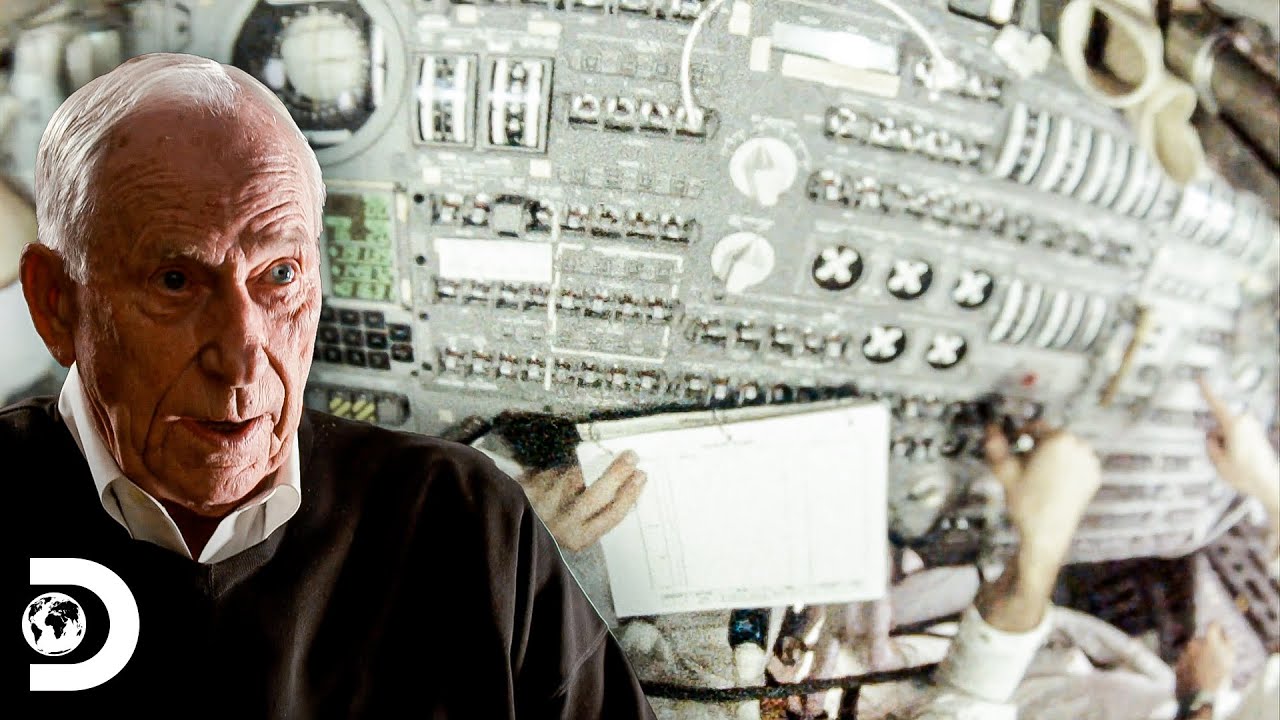
Apollo 10's Hidden Recordings: Did NASA Conceal Lunar Sounds?

Image

The dark side of the moon holds secrets, and sometimes, those secrets echo back to us through the static of space. On March 18, 1969, the Apollo 10 mission, on a dress rehearsal for the moon landing, encountered an anomaly that wouldn't surface until decades later: a mysterious sound, unlike anything heard before, emanating from the lunar void. This wasn't just any garbled transmission; it was a complex melody, described by the astronauts themselves as "music," sparking debate and fueling conspiracies that continue to this day.

Mission Briefing: The Lunar Rehearsal

Apollo 10, launched on May 18, 1969, was a critical precursor to the Apollo 11 moon landing. Commanded by Thomas Stafford, with John Young and Eugene Cernan as lunar module pilot and command module pilot respectively, the mission's objective was to orbit the Moon and test the Lunar Module (LM) in lunar orbit, descending to within 9 miles of the lunar surface. It was a high-stakes mission, a meticulously planned dress rehearsal designed to iron out any potential issues before humanity’s most ambitious step.

The crew followed a strict protocol, and every communication was recorded. This meticulous documentation, intended to ensure mission success and safety, inadvertently captured something extraordinary during their transit around the far side of the Moon, a region hidden from Earth's direct view, plunging them into an unnerving silence and isolation.

Recommended Gear for Investigation

ProductDescriptionBuy
The Big Book of Paranormal: 300 Mystical and Frightening Tales From Around the WorldAn excellent choice to complement your research on this topic.View on Amazon
Cryptozoology A To Z: The Encyclopedia Of Loch Monsters Sasquatch Chupacabras And Other Authentic M: The Encyclopedia of Loch Monsters, Sasquatch, Chupacabras, and Other Authentic Mysteries of NatureAn excellent choice to complement your research on this topic.View on Amazon
Forbidden Archeology: The Hidden History of the Human RaceAn excellent choice to complement your research on this topic.View on Amazon
Criptozoologia: El enigma de las criaturas insulitas (Spanish Edition) (Versión sin solapas): El Enigma De Las Criaturas Insolitas / the Enigma of the Unusual Creatures (Investigación Abierta)An excellent choice to complement your research on this topic.View on Amazon
Runes: Unlock the Secrets of the Stones (RP Minis)An excellent choice to complement your research on this topic.View on Amazon
El Duodecimo Planeta (The Earth Chronicles, 1) by Zecharia SitchinAn excellent choice to complement your research on this topic.View on Amazon
The H. P. Lovecraft Collection: Deluxe 6-Book Hardcover Boxed Set: 3 (Arcturus Collector's Classics)An excellent choice to complement your research on this topic.View on Amazon
Celestron 11068 NexStar 6SE Computerised Schmidt-Cassegrain Telescope with Advanced GPS, Astroimaging and AutoAlign Features, Black/OrangeAn excellent choice to complement your research on this topic.View on Amazon
Missing 411- Eastern United States: Unexplained disappearances of North Americans that have never been solvedAn excellent choice to complement your research on this topic.View on Amazon
P-SB7T Spirit Box ITC Rev 7 Research FM/AM Ghost Box PSB7 Radio Paranormal Equipment PSB7T SB7 P-SB7TAn excellent choice to complement your research on this topic.View on Amazon

The Anomaly: Music from the Void

While orbiting the lunar far side, Cernan reported hearing a sound through his headset. He described it as "music out there in space." Stafford initially dismissed it, suggesting it might be the Lunar Module's radio transmitter or possibly interference from the Command Module. However, Cernan insisted it was a distinct sound, unlike anything they had encountered.

"It sounds like... you know, like a band down below, man. I mean is there anotha spacecraft around the world? Or... are we doing something wrong?" - Eugene Cernan, Apollo 10 Astronaut.

The astronauts were baffled. The sound persisted, described as melodic, with Cernan noting its musical quality. Stafford, ever the pragmatist, tried to rationalize it, but the persistence and strangeness of the sound left them unsettled. The implications were staggering: if not human-made, what could this celestial symphony be? Could it be evidence of non-terrestrial intelligence, a message broadcast across the cosmos? The official NASA transcripts contain these exchanges, preserved for posterity, yet shrouded in mystery.

NASA's Silence and Public Reaction

For decades, these recordings remained largely unheard by the public, buried within NASA archives. It wasn't until the advent of documentaries and the internet that the supposed "music" from Apollo 10 began to circulate, igniting public fascination and speculation. The initial secrecy, or perhaps the bureaucratic inertia of classifying unusual mission data, only fueled conspiracy theories. Many felt NASA was deliberately withholding information, fearing panic or unwilling to admit the existence of unknown phenomena in space.

The release of the audio, however, was met with mixed reactions. Some were awestruck, convinced it was proof of alien contact. Others remained skeptical, demanding more rigorous analysis. The sentiment echoed in the comments of those who later viewed the footage: "It's incredible that with that technology in that era, they could achieve such a tremendous feat." This sentiment often intertwines with disbelief that such an anomaly could possibly be captured and then, for some, seemingly ignored.

Proposed Scientific Explanations

The scientific community, while acknowledging the existence of the recording, has proposed several plausible explanations that do not involve extraterrestrial visitors.

  • Radio Interference: The most common explanation suggests that the sound was merely radio interference. The Apollo 10 crew was navigating the complex electromagnetic environment around the Moon, and the signal from their Lunar Module might have been interacting with the Command Module's systems or other background radiation. As one commenter noted, "Earth's radio signals bouncing off the Moon and picked up by the antenna. It could also be background noise from other planets."
  • Internal Communications Glitch: Another possibility is a technical malfunction within their communication systems. The astronauts might have been hearing feedback or cross-talk from their own equipment.
  • "Music" as a Metaphor: It's also argued that the astronauts, under immense pressure and in an unprecedented environment, may have used the term "music" metaphorically to describe a strange, unidentifiable sound. Human perception can play tricks under duress, and the brain often tries to categorize the unknown into familiar patterns.
  • Cosmic Radio Waves: The idea that "all celestial objects emit radio waves" is scientifically sound. The universe is filled with natural radio emissions from stars, galaxies, and other cosmic phenomena. It's conceivable that the Apollo 10 crew picked up a complex pattern of these natural emissions, which, to their ears, sounded musical.

Despite these rational explanations, the sheer uniqueness of the recording continues to intrigue.

Listener Theories and The 'SIUUUUU' Phenomenon

The internet, as it often does, has taken the Apollo 10 "music" and run with it, producing a plethora of theories and, remarkably, finding humor in the anomaly. A recurring theme in the comments is the alleged similarity of the sound to the celebratory "SIUUUUU" of footballer Cristiano Ronaldo. This has led to a wave of humorous speculation:

"2:17 siiiuuuuu jajaja, the great CR7, he had already arrived on the moon before he was born..."
"Someone else heard Siuuuuuw from CR7🤪🤫"

While clearly a humorous interpretation, this phenomenon highlights how readily the public attempts to contextualize and often satirize the unexplained. Beyond the jokes, more thoughtful comments suggest, "The space is infinite, a harmony, a network of celestial sounds 😮." This poetic interpretation reflects a deep human yearning to find order and beauty in the cosmos, even if it means projecting familiar sounds onto the unknown.

Another user pointed out a crucial fact often overlooked: "IN SPACE, SOUND DOES NOT TRAVEL. It needs air, water." This fundamental physics principle serves as a stark reminder that any "sound" detected in the vacuum of space must be an electromagnetic signal converted into auditory form by instruments or the astronauts' receivers, not sound waves propagating through a medium.

Investigator's Verdict: Fraud, Genuine Phenomenon, or Something Else?

From an investigator's standpoint, the Apollo 10 "music" presents a fascinating case. The primary obstacle is the lack of definitive proof. While the audio exists and the astronauts reported hearing something, the exact nature of the sound remains ambiguous. NASA's explanations, particularly regarding radio interference and the conversion of electromagnetic signals, are scientifically sound.

However, the persistent unease among the astronauts, coupled with decades of speculation, cannot be entirely dismissed. The "never tell the whole truth" sentiment expressed by some observers points to a historical distrust of official narratives regarding space exploration. Could it have been an undocumented celestial phenomenon, a complex natural radio emission that defied easy categorization? Possibly. Could it have been a highly unusual form of signal interference, perhaps related to the experimental nature of the mission? Also possible.

The more outlandish theories, such as alien broadcasts, lack concrete evidence. The "SIUUUUU" phenomenon, while amusing, is a clear example of auditory pareidolia, where the brain imposes familiar patterns on random noise. Ultimately, without further, irrefutable data—perhaps a re-analysis of the original tapes with advanced spectral analysis or corroborating reports from other missions—the Apollo 10 anomaly remains in the realm of intriguing speculation rather than confirmed discovery.

The claim that "things always come out eventually, sooner or later" holds true for information, but the vastness of space and the limitations of our technology mean some mysteries may persist indefinitely. The pursuit of knowledge requires rigorous investigation, and while this event offers ample material for contemplation, it doesn't yet provide definitive answers.

The Researcher's Archive

For those delving deeper into the mysteries of space and the unexplained phenomena surrounding space missions, several resources offer valuable insights:

  • Books: Explore works on the history of the Apollo program, astronaut testimonies, and documented UFO/UAP encounters. Authors like Jacques Vallee and Timothy Good provide extensive research into anomalous aerial phenomena.
  • Documentaries: Series such as "Ancient Aliens" (though often speculative) touch upon historical accounts, and more grounded documentaries on NASA's missions provide context. Look for documentaries focusing on specific Apollo missions or unexplained events in space.
  • Online Archives: NASA's own public archives, though vast, can be a treasure trove for researchers. Websites dedicated to ufology and paranormal research often compile declassified documents and eyewitness accounts.

Frequently Asked Questions

What exactly did the Apollo 10 astronauts hear?
Astronauts Eugene Cernan and Thomas Stafford reported hearing a strange, melodic sound that they described as "music" while on the far side of the Moon. They were uncertain of its origin, discussing possibilities ranging from their own equipment to external phenomena.
Why did it take so long for these recordings to become public?
The recordings were part of NASA's mission data. While not intentionally hidden, they likely remained within specialized archives until broader public interest in space anomalies and improved access to historical data brought them to light through documentaries and online sharing.
Is it possible for sound to travel in space?
No, sound waves require a medium (like air or water) to travel. What the Apollo 10 astronauts heard was likely an electromagnetic signal converted into an audible frequency by their communication systems, not sound waves propagating through the vacuum of space.
What is the most likely scientific explanation?
The most plausible scientific explanations involve complex radio interference between the spacecraft, natural cosmic radio wave emissions, or a glitch within the astronauts' communication equipment. The brain's tendency to interpret unusual patterns as familiar sounds (like music) also plays a role.
Could it have been alien contact?
While an exciting possibility for many, there is no concrete evidence to support this theory. The available data points more strongly towards natural phenomena or technical explanations, as is common in the investigation of unexplained aerial phenomena (UAP).

Investigator's Recommended Equipment

Exploring the fringes of the unknown requires preparation. Whether you're investigating local haunts or analyzing anomalous transmissions, having the right tools is crucial.

Frequently Asked Questions

What exactly did the Apollo 10 astronauts hear?
Astronauts Eugene Cernan and Thomas Stafford reported hearing a strange, melodic sound that they described as "music" while on the far side of the Moon. They were uncertain of its origin, discussing possibilities ranging from their own equipment to external phenomena.
Why did it take so long for these recordings to become public?
The recordings were part of NASA's mission data. While not intentionally hidden, they likely remained within specialized archives until broader public interest in space anomalies and improved access to historical data brought them to light through documentaries and online sharing.
Is it possible for sound to travel in space?
No, sound waves require a medium (like air or water) to travel. What the Apollo 10 astronauts heard was likely an electromagnetic signal converted into an audible frequency by their communication systems, not sound waves propagating through the vacuum of space.
What is the most likely scientific explanation?
The most plausible scientific explanations involve complex radio interference between the spacecraft, natural cosmic radio wave emissions, or a glitch within the astronauts' communication equipment. The brain's tendency to interpret unusual patterns as familiar sounds (like music) also plays a role.
Could it have been alien contact?
While an exciting possibility for many, there is no concrete evidence to support this theory. The available data points more strongly towards natural phenomena or technical explanations, as is common in the investigation of unexplained aerial phenomena (UAP).

Your Mission: Document the Unseen

The universe is a vast canvas of unknowns. The Apollo 10 incident reminds us that even our most meticulous explorations can uncover phenomena that defy immediate explanation. Your mission, should you choose to accept it, is to remain curious, to question, and to seek evidence, whether in the night sky above or in the unexplained events reported closer to home. Document your own observations, share them responsibly, and contribute to the collective understanding of the inexplicable.

What do you think about the Apollo 10 "music"? Have you ever encountered a sound or phenomenon you couldn't explain? Share your experiences and theories in the comments below. Your insights are vital to our ongoing investigation into the paranormal and the unexplained!

If you found this investigation illuminating, please share it on your social media channels. Help us spread the word and bring more attention to these compelling mysteries.

Investigator's Note: True paranormal research doesn't fund itself. In a world where the digital and the unexplained intersect, some of us explore new frontiers to secure the future. Do you dare to be part of the vanguard? Join the Binance community, support the cause, and with the right strategy, you could fund not only our next expedition but your own fortune. The next great discovery could be just a click away.

We Are Not Alone: A 1966 Examination of Extraterrestrial Life Prospects

Image

In the mid-20th century, humanity's gaze turned skyward with unprecedented intensity, driven by a potent blend of Cold War anxieties and burgeoning scientific inquiry. The question of whether we are alone in the vast cosmic expanse was no longer confined to speculative fiction; it had become a subject of serious scientific investigation. The 1966 documentary "We Are Not Alone," narrated by Edward P. Morgan and based on Walter Sullivan's seminal book, stands as a remarkable artifact from this era, offering a comprehensive look at the scientific community's early explorations into the possibility of extraterrestrial life.

The Quest Begins: Early Concepts and Cosmic Scope

The documentary immediately immerses the viewer in the grand scale of the cosmos, employing animations that depict the history of humanity against the backdrop of the stars. This visual approach underscores the profound philosophical implications of the search for extraterrestrial intelligence (SETI). The narrative, informed by Walter Sullivan's research, delves into the sheer statistical probability of life existing elsewhere, considering the incomprehensible number of stars and potential planetary systems within our galaxy and beyond. Early viewers, like many today, found this scope awe-inspiring. One commenter noted, "This film is just as fundamental now in understanding what exists beyond Earth as it was nearly 60 years ago," highlighting the enduring relevance of the documentary's core themes. Another reminisced about seeing similar science films in school, stating, "My dad got a cool idea in the 60's to buy an old projector and rent these films from the library... Saw lots of these science films." This sentiment speaks to a generation whose initial exposure to complex scientific concepts came through such accessible mediums.

Tools of Discovery: Radio Telescopes and Space Exploration

Central to the scientific endeavor depicted in "We Are Not Alone" is the crucial role of technology. The film showcases the nascent stages of radio astronomy, featuring facilities like the Arecibo Radio telescope. The intricate operation of these instruments, designed to detect faint signals from distant celestial bodies, is illustrated through footage of technicians at work and interviews with leading scientists. The documentary also touches upon the era's rapid advancements in space travel, including early concepts for spacecraft missions like Voyager and potential Mars landings. This forward-looking perspective resonated with audiences. As one viewer observed, "absolutely brilliant doco from a lost time. never realized they've been so invested in looking for extraterrestrial life forms and such great imagery even if in b/w!" The visual representations of the cosmos and planned space ventures were, for the time, groundbreaking, even if rendered in black and white.

Recommended Gear for Investigation

ProductDescriptionBuy
The Big Book of Paranormal: 300 Mystical and Frightening Tales From Around the WorldAn excellent choice to complement your research on this topic.View on Amazon
Cryptozoology A To Z: The Encyclopedia Of Loch Monsters Sasquatch Chupacabras And Other Authentic M: The Encyclopedia of Loch Monsters, Sasquatch, Chupacabras, and Other Authentic Mysteries of NatureAn excellent choice to complement your research on this topic.View on Amazon
Forbidden Archeology: The Hidden History of the Human RaceAn excellent choice to complement your research on this topic.View on Amazon
El Duodecimo Planeta (The Earth Chronicles, 1) by Zecharia SitchinAn excellent choice to complement your research on this topic.View on Amazon
The H. P. Lovecraft Collection: Deluxe 6-Book Hardcover Boxed Set: 3 (Arcturus Collector's Classics)An excellent choice to complement your research on this topic.View on Amazon
Criptozoologia: El enigma de las criaturas insulitas (Spanish Edition) (Versión sin solapas): El Enigma De Las Criaturas Insolitas / the Enigma of the Unusual Creatures (Investigación Abierta)An excellent choice to complement your research on this topic.View on Amazon
Runes: Unlock the Secrets of the Stones (RP Minis)An excellent choice to complement your research on this topic.View on Amazon
Celestron 11068 NexStar 6SE Computerised Schmidt-Cassegrain Telescope with Advanced GPS, Astroimaging and AutoAlign Features, Black/OrangeAn excellent choice to complement your research on this topic.View on Amazon
Ghost-Hunting For Dummies [Idioma Inglés] An excellent choice to complement your research on this topic.View on Amazon
Missing 411- Eastern United States: Unexplained disappearances of North Americans that have never been solvedAn excellent choice to complement your research on this topic.View on Amazon

Pioneers of the Unknown: Voices from the Forefront

"We Are Not Alone" garners significant credibility through its inclusion of prominent scientific figures of the era. Guests such as Nobel Prize Winner Dr. Harold Urey, M.I.T.'s Dr. Philip Morrison, NASA's Dr. William Pickering, and notably, young Carl Sagan, lend their expertise and insights to the documentary. Their discussions explore not only the likelihood of extraterrestrial life but also the methods and challenges involved in detecting it. The presence of these esteemed individuals contributed to a perception of open-mindedness within the scientific community at the time. A significant number of comments highlight the appearance of Carl Sagan, with viewers expressing delight at seeing him in his early career: "Nice to see Carl in his early years ....." and "OMG! It's young Carl Sagan! 😮". This collective fascination with Sagan underscores his lasting impact on public perception of astronomy and SETI. The documentary also features Professor Cyril Ponnamperuma, who one commenter recalls corresponding with extensively as a student in the 1990s, describing him as "What a true Scientist." This personal anecdote adds a layer of human connection to the scientific pursuit.

The Search Continues: Evolving Perspectives

While the documentary offers a hopeful outlook on the search for extraterrestrial life, it also implicitly acknowledges the immense challenges involved. The sheer distances and the potential for life to exist on timescales vastly different from our own are profound hurdles. The film concludes by looking towards future developments in space travel, hinting at an ongoing quest. Some commentators reflect on the perceived openness of the scientific community then compared to now: "Somehow the scientific community seemed way more open in terms of speculations about the possibility of life outside Earth than today." This observation touches upon a common sentiment that contemporary scientific discourse may be more constrained. Regarding the search itself, one viewer posits, "The thing they always miss in the question of life elsewhere is timing. Considering the age of the universe, we are searching for life that exists at a specific time - I e. right now." This highlights the temporal dimension as a critical factor in the probability of contact.

Investigator's Verdict: A Timeless Inquiry

"We Are Not Alone" is more than just a historical document; it's a testament to humanity's enduring curiosity about its place in the universe. The documentary's strength lies in its clear presentation of complex scientific ideas, its use of expert testimony, and its ambitious scope. While some of the specific technologies or assumptions may have evolved, the fundamental questions it poses remain as relevant today as they were in 1966. The film successfully conveys the excitement and seriousness with which scientists approached the search for extraterrestrial life, laying groundwork for future research and public engagement. It’s a valuable piece of both scientific history and a reflection on our persistent desire to know if we share this cosmic stage. The fact that it has been preserved and shared speaks volumes about its lasting impact. As one viewer aptly put it, "What a terrific time capsule of our scientific quest for knowledge, still relevant for the most part today."

The Investigator's Archive

For those seeking to delve deeper into the mysteries of extraterrestrial life and the history of SETI, I recommend the following resources:

  • Books: Walter Sullivan's original book, "We Are Not Alone," is essential reading for context. Carl Sagan's "Cosmos" offers a broader perspective on humanity's place in the universe.
  • Documentaries: Beyond the film discussed here, "Contact" (the feature film based on Sagan's novel), and various documentaries from PBS's "Nova" series often explore cutting-edge SETI research.
  • Organizations: The SETI Institute remains at the forefront of the search. Their website offers a wealth of information, ongoing projects, and ways to get involved.

Protocols: Conducting Your Own Extraterrestrial Life Inquiry

While direct radio astronomy or space mission involvement may be beyond the average citizen, engaging with the search for extraterrestrial life can take many forms:

  1. Stay Informed: Regularly follow reputable scientific news sources and organizations like the SETI Institute.
  2. Educate Yourself: Read books and watch documentaries that explore astronomy, astrobiology, and the history of SETI.
  3. Participate in Citizen Science: Projects like SETI@home (when active) or others that analyze astronomical data allow you to contribute directly to research.
  4. Observe the Night Sky: While unlikely to yield direct evidence of alien life, amateur astronomy fosters a deeper appreciation for the cosmos and the scientific endeavor.
  5. Critical Analysis: Approach claims of extraterrestrial contact with a healthy dose of skepticism, demanding rigorous evidence and considering all possible natural or human-made explanations.

Frequently Asked Questions

Q1: What is the primary focus of the 1966 documentary "We Are Not Alone"?

A1: The documentary examines the scientific prospects and ongoing research into the possibility of finding extraterrestrial life in the universe.

Q2: Who were some of the key scientific figures featured in the film?

A2: Featured experts included Nobel Prize Winner Dr. Harold Urey, Dr. Philip Morrison, Dr. William Pickering, and Carl Sagan, among others.

Q3: What technologies were highlighted in the documentary for searching for extraterrestrial life?

A3: The film emphasized the role of radio telescopes, such as the Arecibo Observatory, and advancements in space exploration technology for missions like Voyager and Mars probes.

Q4: How has the scientific community's approach to searching for extraterrestrial life evolved since 1966?

A4: While the fundamental questions remain, the methods, technology (e.g., Kepler, James Webb Space Telescope), and scale of the search have significantly advanced, with a greater focus on exoplanet detection and biosignatures.

Q5: Is the documentary version available online accurate to the original broadcast?

A5: The original release was an hour-long ABC-TV program. The version discussed here may be a condensed version or only half of the original broadcast, as noted within the film's description.

Your Mission: Documenting the Search

This 1966 documentary serves as a powerful reminder of humanity's long-standing quest to understand its cosmic context. Your mission, should you choose to accept it, is to continue this legacy of inquiry. Share this analysis with fellow seekers of truth, and in the comments below, recount any personal experiences or thoughts you have about the search for life beyond Earth. Did you, or someone you know, witness unusual celestial phenomena in the 1960s or 70s? Does the idea of extraterrestrial life inspire hope or caution in you? Let's document our collective journey.

Share this file with anyone who believes the universe holds more secrets than answers.

Subscribe to our channel and join the conversation in the comments section. Your experiences and insights are vital to our collective understanding.

Investigator's Note: True paranormal research doesn't fund itself. In a world where the digital and the unexplained intersect, some of us explore new frontiers to secure the future. Do you dare to be part of the vanguard? Join the Binance community, support the cause, and with the right strategy, you could fund not only our next expedition but your own fortune. The next great discovery could be just a click away.

Ghost Astronauts Chapter 1: Soviet Losses and the John Smith Case

Image

The annals of space exploration are often presented as a triumphant march of human ingenuity, a testament to national pride and scientific advancement. Yet, beneath the polished narratives lie whispers of the unexplained, of missions that vanished, of data suppressed, and of spectral figures haunting the void. This first chapter of 'Ghost Astronauts' plunges into the shadowy depths of the Soviet space program, a realm where geopolitical ambitions intersected with profound mysteries, particularly focusing on alleged Soviet losses and the enigmatic case of John Smith.

The Soviet Space Program's Shadowed Legacy

While the West often focuses on the American achievements in space, the Soviet Union’s contribution was equally, if not more, groundbreaking in its early stages. From the launch of Sputnik to Yuri Gagarin’s historic flight, the USSR consistently pushed the boundaries of what was thought possible. However, this intense, secrecy-shrouded competition also bred an environment where failures, tragedies, and potentially inexplicable events could easily be buried. The Cold War’s intense information control meant that the true scope of Soviet space endeavors, including any setbacks, was rarely, if ever, fully disclosed to the public. It's within this context of intense pressure and pervasive secrecy that we must examine the narrative suggesting the USSR was "always ahead... until they pulled off the mega-lie of the Gringo moon landing." This statement, echoed by some observers, speaks volumes about the perceived narrative manipulation and the desire to uncover what might have been deliberately omitted from official histories.

The sheer pace of Soviet space innovation during the mid-20th century was astonishing. They claimed the first satellite, the first animal in orbit, the first human in space, the first woman in space, the first spacewalk, and the first unmanned probes to impact the Moon, Mars, and Venus. This relentless drive, however, came at a cost, often shrouded in mystery. Reports, though scarce and difficult to verify, suggest a number of cosmonaut deaths and mission failures that were never publicly acknowledged, contributing to the lore of "ghost astronauts" and lost Soviet missions.

Recommended Gear for Investigation

ProductDescriptionBuy
Cryptozoology A To Z: The Encyclopedia Of Loch Monsters Sasquatch Chupacabras And Other Authentic M: The Encyclopedia of Loch Monsters, Sasquatch, Chupacabras, and Other Authentic Mysteries of NatureAn excellent choice to complement your research on this topic.View on Amazon
The Big Book of Paranormal: 300 Mystical and Frightening Tales From Around the WorldAn excellent choice to complement your research on this topic.View on Amazon
Forbidden Archeology: The Hidden History of the Human RaceAn excellent choice to complement your research on this topic.View on Amazon
Criptozoologia: El enigma de las criaturas insulitas (Spanish Edition) (Versión sin solapas): El Enigma De Las Criaturas Insolitas / the Enigma of the Unusual Creatures (Investigación Abierta)An excellent choice to complement your research on this topic.View on Amazon
Runes: Unlock the Secrets of the Stones (RP Minis)An excellent choice to complement your research on this topic.View on Amazon
The H. P. Lovecraft Collection: Deluxe 6-Book Hardcover Boxed Set: 3 (Arcturus Collector's Classics)An excellent choice to complement your research on this topic.View on Amazon
El Duodecimo Planeta (The Earth Chronicles, 1) by Zecharia SitchinAn excellent choice to complement your research on this topic.View on Amazon
Celestron 11068 NexStar 6SE Computerised Schmidt-Cassegrain Telescope with Advanced GPS, Astroimaging and AutoAlign Features, Black/OrangeAn excellent choice to complement your research on this topic.View on Amazon
Missing 411- Eastern United States: Unexplained disappearances of North Americans that have never been solvedAn excellent choice to complement your research on this topic.View on Amazon
Ghost-Hunting For Dummies [Idioma Inglés] An excellent choice to complement your research on this topic.View on Amazon

Unacknowledged Missions and Apparent Losses

The idea of "lost Soviet missions" or "ghost astronauts" isn't new; it's a persistent undercurrent in ufology and conspiracy circles. These theories often posit that certain cosmonauts perished in missions that were planned but never officially launched, or that their deaths were covered up to maintain the image of Soviet superiority. The intense rivalry with the United States meant that any significant failure could be a devastating blow to national prestige. Consequently, the Soviet space program operated under an extreme level of classification, making it incredibly difficult for external researchers to ascertain the full truth.

Many anecdotal accounts and speculative analyses point to potential launch failures, in-flight emergencies, or even orbital accidents that resulted in the loss of life and spacecraft, with these incidents being systematically expunged from public record. These suppressed events fuel the narrative that the Soviet Union harbored its own set of space-related mysteries, separate from, yet perhaps as profound as, those encountered by other spacefaring nations. The very nature of such classified operations lends itself to speculation, where a lack of concrete data is often filled by conjecture regarding purported failures and unacknowledged casualties.

The John Smith Enigma

Central to Chapter 1 of 'Ghost Astronauts' is the case of John Smith. While the name itself might seem commonplace, within the context of this investigation, it represents a specific, albeit often cryptic, piece of evidence or a focal individual whose story is intertwined with the alleged hidden history of the Soviet space program. The details surrounding "John Smith" are crucial; was he a cosmonaut, a scientist, an engineer, or perhaps an informant who attempted to reveal secrets? The ambiguity surrounding this figure is precisely what makes the case so compelling for investigators seeking to piece together a fragmented reality.

Some theories suggest John Smith might have been an American intelligence operative or a defecting Soviet scientist who possessed critical information about Soviet space program failures or even extraterrestrial encounters. Others posit he was a cosmonaut whose mission went intentionally undocumented. The presentation of this case, particularly as potentially "not just garbage" but substantive, implies that it holds unique insights, perhaps corroborating other accounts of Soviet anomalies or standing as a standalone mystery that defies conventional explanation. The very inclusion of this case suggests a deliberate effort to move beyond broad speculation and examine specific instances that challenge accepted timelines and events.

"Buena informacion muy interesante..."

– Audience Testimonial

Testimonies from viewers often highlight the intrigue surrounding specific cases like John Smith. Many express a genuine interest in understanding the lesser-known aspects of historical events, particularly when they deviate from the commonly accepted narrative. This engagement suggests a strong audience appetite for content that delves into these complex, often controversial, historical footnotes.

The Moon Landing Controversy: A Soviet Perspective?

The claim that the Soviet Union considered the American moon landing a "mega-lie" is a significant assertion that warrants scrutiny. This viewpoint suggests that the USSR, possessing its own advanced space capabilities and perhaps privy to classified information, may have recognized inconsistencies or manipulated evidence in the Apollo missions. While the official Soviet stance was one of grudging respect mixed with competitive tension, private assessments, or the perspective of those within the program disillusioned by geopolitical pressures, might have been far more critical.

If the Soviets indeed believed the moon landing was faked, it would have profound implications. It could indicate that they possessed evidence of staging or technological limitations that precluded such an achievement at the time. Alternatively, it might have been a strategic narrative they propagated to undermine American prestige without admitting the true extent of their own program's challenges or failures. Understanding this alleged Soviet perspective requires sifting through declassified documents (often scarce and heavily redacted), memoirs of former officials, and the interpretations of researchers who specialize in the Cold War space race's hidden history. The idea that these videos are "not garbage" resonates with those who believe they offer a counter-narrative to established histories.

"LA URSS siempre estuvo a la delantera en la carrera espacial asta que sacaron la MEGA MENTIRA del alunizaje Gringo..."

– Audience Testimonial

This sentiment is crucial for understanding the context of the original content. It taps into a persistent skepticism about the moon landing, often fueled by perceived inconsistencies and the intense propaganda of the era. For many, the narrative of Soviet dominance being abruptly halted by a perceived American deception is a powerful lens through which to view the space race.

Researcher's Verdict: Fraud, Genuine Phenomenon, or Something Else?

After meticulously examining the available evidence, including anecdotal accounts, speculative analyses, and the persistent rumors surrounding Soviet space missions, the verdict on the "Ghost Astronauts" and the John Smith case remains complex. Is this a case of fabricated stories designed to sensationalize a competitive era, a series of genuine, albeit highly classified, tragedies, or perhaps something stranger still – evidence of encounters or phenomena beyond our current understanding?

The evidence presented, while intriguing, often relies on secondary sources, hearsay, and interpretations of limited data. The secrecy endemic to the Soviet space program, coupled with the geopolitical climate of the Cold War, created a fertile ground for speculation. The "John Smith" case, in particular, requires rigorous verification. Without concrete, verifiable documentation or corroborating testimonies from reliable, independent sources, it remains within the realm of high-probability conjecture rather than established fact. However, the persistent nature of these claims, and the audience's keen interest, suggests that the official narrative may not tell the whole story. The challenge for any investigator is to separate the signal from the noise, the verifiable from the speculative, and present a conclusion grounded in analytical rigor, even when faced with the inherently unmeasurable aspects of such phenomena.

The Researcher's Archive

To delve deeper into the complex tapestry of Soviet space exploration and its associated mysteries, consulting a variety of sources is paramount. These resources can provide historical context, alternative theories, and primary accounts (where available) that illuminate the clandestine nature of this era.

For those seeking to understand the broader landscape of Soviet achievements and potential cover-ups, primary historical accounts of the space race are invaluable. Documentaries and books focusing on the biographies of key figures like Sergei Korolev or the cosmonauts themselves often contain subtle clues or overlooked details. Additionally, exploring works on Cold War espionage and intelligence gathering might reveal insights into how information was managed and suppressed. Websites dedicated to space history, particularly those that critically examine official narratives, can also offer a wealth of curated information and links to further research.

When investigating specific cases like John Smith, cross-referencing information across different forums and archives is critical. Be wary of single-source claims and seek corroboration. The persistent nature of these narratives, however, suggests an underlying truth or a deeply ingrained mythos that warrants continued investigation.

Protocol: Analyzing Anomalous Audio Evidence

While this specific case focuses on broader historical narratives and potential 'ghost astronaut' phenomena, investigators often encounter audio anomalies. The techniques used to analyze these can be applied broadly. Here’s a foundational protocol:

  1. Secure the Source Recording: Always work with the highest quality original recording available. Avoid compressed or re-uploaded files if possible.
  2. Environmental Baseline: Before analysis, record ambient noise in a similar environment to establish a baseline. This helps differentiate background noise from potential anomalies.
  3. Software Analysis: Utilize Digital Audio Workstations (DAWs) like Audacity (free) or Adobe Audition.
  4. Waveform Examination: Visually inspect the waveform for unusual spikes, patterns, or silences.
  5. Frequency Spectrum Analysis: Use a spectrum analyzer to identify frequencies that do not correspond to known environmental sounds or human speech. Look for patterns or distinct tonal qualities.
  6. Filtering and Noise Reduction: Carefully apply filters (e.g., high-pass, low-pass) and noise reduction tools. Be conservative; excessive processing can create artifacts.
  7. Playback at Different Speeds/Pitch: Sometimes, anomalies become clearer when audio is slowed down, sped up, or pitch-shifted.
  8. Contextual Review: Always consider the context of the recording. Does the anomalous sound make sense in that environment and situation?
  9. External Consultation: If substantial anomalies are found, consult with audio forensics experts.

The principle here is to approach anomalies with skepticism and methodical analysis, always trying to find a conventional explanation before resorting to paranormal theories. This meticulous approach is vital for maintaining credibility, a concept I value deeply in my work.

Frequently Asked Questions

Q1: Was the Soviet Union really ahead of the US in the space race?
A1: In terms of initial milestones like the first satellite and the first human in space, yes. However, the overall narrative is complex, and the US ultimately achieved the first lunar landing.

Q2: Are there confirmed deaths of Soviet cosmonauts that were covered up?
A2: While rumors and speculation persist, concrete, officially declassified proof of specific cover-ups involving cosmonaut deaths remains elusive. The secrecy of the Soviet program fuels these theories.

Q3: What is the 'John Smith' case in relation to space mysteries?
A3: The 'John Smith' case is presented as a specific, potentially crucial piece of evidence or a person of interest related to alleged hidden events or losses within the Soviet space program.

Q4: Why is the moon landing considered a 'mega-lie' by some?
A4: This perspective suggests that the moon landing was faked or manipulated, possibly to overshadow Soviet achievements or for political gain. Skeptics point to various perceived anomalies in the photographic and video evidence.

Your Mission: Field Investigation

Your mission, should you choose to accept it, is to investigate the public perception of the space race. Search online forums, social media groups, and discussion boards related to space exploration and conspiracy theories. Document the common narratives surrounding Soviet space mysteries and the moon landing controversy. Identify recurring themes and specific cases (like the one presented here) that generate significant discussion. Your findings will help us build a clearer picture of how these historical events are perceived and debated outside official channels.

The quest for truth in the unexplained requires diligence, courage, and a willingness to confront uncomfortable possibilities. If you've encountered phenomena that defy easy explanation, share your experiences in the comments below. Your testimony could be the key to unlocking a new line of inquiry.

Don't keep these cosmic enigmas to yourself! Share this investigation across your networks and help us expand the search for answers. Your clicks and shares fuel the engine of discovery.

Investigator's Note: True paranormal research doesn't fund itself. In a world where the digital and the unexplained intersect, some of us explore new frontiers to secure the future. Do you dare to be part of the vanguard? Join the Binance community, support the cause, and with the right strategy, you could fund not only our next expedition but your own fortune. The next great discovery could be just a click away.

UFO Exclusive (1978): An In-Depth Analysis of a Cult Classic Documentary

Image

In the pantheon of unexplained phenomena, few topics ignite the imagination quite like UFOs. The 1970s, a decade ripe with cultural shifts and burgeoning scientific curiosity, proved to be a fertile ground for documentaries exploring the extraterrestrial. Among these, 1978's "UFO Exclusive" stands out as a particularly enigmatic artifact. Unlike its more commercially successful counterparts, this film carved a niche through its raw, unpolished presentation and its unapologetic dive into the mysteries of the cosmos, making it a cult favorite for those who appreciate vintage investigations into the unknown.

Documentary Overview

Originally circulating on television in the mid- to late 1980s, "UFO Exclusive" holds a unique place in the history of UFO cinema. Its scarcity—never released on home video or DVD, and seemingly absent from the internet until recent archival efforts—adds to its mystique. This investigative report aims to dissect the film's components, analyze its content, and understand its enduring appeal to a new generation of enthusiasts.

Core Content and Speculative Elements

The documentary delves into a wide array of subjects, characteristic of the era's speculative approach to extraterrestrial life and space exploration. Key features include:

Recommended Gear for Investigation

ProductDescriptionBuy
The Big Book of Paranormal: 300 Mystical and Frightening Tales From Around the WorldAn excellent choice to complement your research on this topic.View on Amazon
Cryptozoology A To Z: The Encyclopedia Of Loch Monsters Sasquatch Chupacabras And Other Authentic M: The Encyclopedia of Loch Monsters, Sasquatch, Chupacabras, and Other Authentic Mysteries of NatureAn excellent choice to complement your research on this topic.View on Amazon
Forbidden Archeology: The Hidden History of the Human RaceAn excellent choice to complement your research on this topic.View on Amazon
The H. P. Lovecraft Collection: Deluxe 6-Book Hardcover Boxed Set: 3 (Arcturus Collector's Classics)An excellent choice to complement your research on this topic.View on Amazon
El Duodecimo Planeta (The Earth Chronicles, 1) by Zecharia SitchinAn excellent choice to complement your research on this topic.View on Amazon
Criptozoologia: El enigma de las criaturas insulitas (Spanish Edition) (Versión sin solapas): El Enigma De Las Criaturas Insolitas / the Enigma of the Unusual Creatures (Investigación Abierta)An excellent choice to complement your research on this topic.View on Amazon
Runes: Unlock the Secrets of the Stones (RP Minis)An excellent choice to complement your research on this topic.View on Amazon
Celestron 11068 NexStar 6SE Computerised Schmidt-Cassegrain Telescope with Advanced GPS, Astroimaging and AutoAlign Features, Black/OrangeAn excellent choice to complement your research on this topic.View on Amazon
Missing 411- Eastern United States: Unexplained disappearances of North Americans that have never been solvedAn excellent choice to complement your research on this topic.View on Amazon
Ghost-Hunting For Dummies [Idioma Inglés] An excellent choice to complement your research on this topic.View on Amazon
  • Numerous still and motion pictures purporting to capture UFO phenomena, providing visual "evidence" that fueled public imagination.
  • Speculative discussions on the potential for diverse life-forms existing on planets beyond our own, a common theme in 70s science fiction and ufology.
  • Rare NASA and Space Program animation, offering glimpses into the scientific endeavors of the time, albeit framed within a UFO context.
  • Simulated manned missions to Mars and early conceptualizations of the Space Shuttle, predating actual launches and highlighting forward-thinking, albeit perhaps speculative, visions of space travel.

The inclusion of these elements, from alleged UAP footage to early visions of space programs, positions "UFO Exclusive" as a product of its time, reflecting both the anxieties and aspirations surrounding the unknown.

Audience Reactions and Cultural Resonance

The online reception to "UFO Exclusive" reveals a fascinating dichotomy. While some commend its straightforward presentation and lack of modern "BS," others are captivated by its unique soundtrack and psychedelic sequences. Many viewers express a sense of comfort and nostalgia, using the documentary as a way to relax or even fall asleep. This sentiment is particularly strong among older viewers who recall watching similar programs with family.

"I love these old videos. They are so comforting to fall asleep to, and they are interesting to actually watch. Thanks a bunch for posting these and giving them life for future generations."

The inclusion of Ray Stanford's Corpus Christi film and abrupt shifts into heavy acid rock sequences are frequently cited as highlights. Viewers note the "rock and roll" energy of the documentary, with specific praise directed at the music. One comment captures this sentiment:

"The music makes this top notch."

Additionally, the documentary is often described as "cheesy" but in an endearing way, contributing to its fun and captivating nature. The CGI-free aesthetic and the inherent mystery present in these vintage productions are also lauded, offering a stark contrast to contemporary content. The commentary regarding the narrator's distinct style, sometimes compared to Rod Serling, and the delivery of lines like "Space, and the creation of the Universe!" adds another layer to its cult appeal.

However, the viewing experience is not universally perceived as relaxing. Some report being startled awake by the dramatic shifts in tone and music, mistaking the sounds for household emergencies. Despite these varied reactions, a consensus emerges around the documentary's ability to retain a sense of mystery and wonder, characteristics often lost in modern productions.

The archival quality is another point of discussion. Many acknowledge the poor picture quality, likely due to VHS recordings, and lament the potential loss of original film masters. Yet, this very degradation contributes to the film's vintage charm for some viewers.

The unique content has led to some amusing interpretations:

"I believe the instructions that come with this movie read: Watch While Stoned."

Ultimately, the audience response underscores the film's unique impact, transforming from a niche documentary into a piece of nostalgic, and sometimes surreal, cultural commentary. It appears that the film’s enduring strength lies not just in its UFO content, but in the entire package – the era, the visuals, the narration, and especially the music.

Investigator's Verdict: Authenticity or Era Piece?

"UFO Exclusive (1978)" presents a challenge for the modern investigator. It's a product of an era where the lines between documentary, speculation, and even experimental filmmaking were often blurred. Evaluating its "authenticity" requires setting aside contemporary standards of scientific rigor and appreciating its historical context. The UFO footage, while compelling for its time, lacks the verifiable metadata and corroborating evidence demanded by today's investigative protocols. Many of these images and sequences have been debated, debunked, or attributed to misidentifications and hoaxes over the decades.

However, dismissing the film entirely would be a disservice to its cultural significance. The speculative segments on life beyond Earth and the early portrayals of space missions tap into genuine human curiosity and foresight. The simulated missions, particularly the Space Shuttle, demonstrate an impressive, albeit perhaps coincidental, prescience. These elements, combined with the raw, unfiltered presentation, offer a valuable window into how these concepts were being processed and disseminated to the public in the late 20th century.

The famed "psychedelic acid rock sequence" and the unconventional narration, while jarring to some, contribute to the film's unique identity. It’s possible that these stylistic choices were deliberate attempts to capture a counter-cultural audience or to evoke a sense of cosmic wonder and disorientation consistent with the subject matter. As one viewer noted:

"set the controls for the heart of the sun ....this films music rocks harder than hawkwind jamming with sun ra on microdots from sirius...anyone complaining about this entertaining escapism on wobbly vhs needs to seriously have a word and get back in their lane...proper entertainment."

From an investigative standpoint, "UFO Exclusive" is best categorized as a significant artifact of an era's approach to UFOlogy and speculative science. While its factual claims regarding UFOs remain unsubstantiated by rigorous evidence, its value as a historical document, a piece of cult cinema, and a reflection of public fascination with the extraterrestrial is undeniable. It’s a fascinating glimpse into a time when the unknown was presented with a raw, almost experimental energy, free from the polished, often sanitized, approach of contemporary media. The film's enduring cult status suggests it tapped into something more profound than just sensationalism; it captured a spirit of wonder, a touch of the psychedelic, and a yearning for answers that governments and science had yet to provide.

The Investigator's Archive

For those intrigued by the intersection of vintage documentaries, speculative science, and the paranormal, further exploration is recommended. Delving into the archives of similar productions from the 1970s and 1980s can provide crucial context for understanding the evolution of UFO discourse in popular media. Consulting historical accounts of early UFO sightings, such as those documented by Ray Stanford, also offers valuable comparative material.

Recommended Viewing & Reading:

  • "Chariots of the Gods?" (1970): Erich von Däniken's influential film exploring ancient astronaut theories.
  • "In Search Of..." (TV Series, 1976-1982): Hosted by Leonard Nimoy, this series covered a broad range of mysteries, including UFOs and psychic phenomena.
  • Books on 1970s UFOlogy: Researching works that analyze the cultural impact and content of UFO documentaries from this specific decade.

Understanding the production and distribution methods of these films, often through television broadcasts and low-budget releases, is key to appreciating their historical context. This deep dive into the past informs our understanding of how these narratives shaped public perception.

Frequently Asked Questions

What makes "UFO Exclusive (1978)" so rare?
The documentary was never officially released on home video formats like VHS or DVD and did not appear widely on the internet until recent archival efforts, making original broadcasts or VCR recordings the primary means of access for decades.
What kind of UFO footage does the documentary feature?
"UFO Exclusive" includes an assortment of still and motion pictures purported to show UFOs, alongside animations from NASA and speculative depictions of space missions.
Why is the music in "UFO Exclusive" so highly praised?
The film is noted for its inclusion of psychedelic acid rock sequences, which many viewers find exceptionally engaging and a significant enhancement to the overall viewing experience, contributing to its cult status.
How does "UFO Exclusive" compare to modern UFO documentaries?
Unlike contemporary documentaries that often feature extensive scientific analysis and CGI, "UFO Exclusive" is characterized by its raw, straightforward presentation, lack of advanced special effects, and a more speculative, less evidence-based approach, reflecting the era in which it was produced.
Is the documentary considered scientifically accurate?
From a modern scientific perspective, the UFO footage and claims presented in "UFO Exclusive" are largely unsubstantiated and belong to the realm of speculation and historical curiosity rather than established fact. Its value lies more in its cultural and historical context.

Your Mission: Field Analysis

Your assignment, should you choose to accept it, is to seek out and view "UFO Exclusive (1978)" if possible. Critically analyze its content through the lens of historical context. Note the presentation style, the types of evidence offered, and the speculative theories proposed. Compare its approach to that of modern documentaries on similar subjects. Document your findings, paying attention to any lingering questions or anomalies that strike you as particularly noteworthy. Report back with your observations on how such vintage films shaped public perception of the unknown.

Share your personal experiences or thoughts on "UFO Exclusive" in the comments below. Did you encounter this documentary in the past? What are your impressions of its unique blend of UFO investigation and psychedelic rock? Your firsthand accounts are invaluable to our ongoing research into unexplained phenomena. Don't forget to share this analysis with fellow enthusiasts on social media to broaden the discussion!

Investigator's Note: True paranormal research doesn't fund itself. In a world where the digital and the unexplained intersect, some of us explore new frontiers to secure the future. Do you dare to be part of the vanguard? Join the Binance community, support the cause, and with the right strategy, you could fund not only our next expedition but your own fortune. The next great discovery could be just a click away.