Followers

Mostrando las entradas con la etiqueta yeti. Mostrar todas las entradas

URAYULI: Un Análisis de la Criatura Misteriosa del Norte

Image

En las gélidas extensiones del norte, más allá de los límites de la civilización, residen leyendas ancestrales. Tribus nómadas han transmitido, a través de incontables generaciones, relatos de entidades sombrías que acechan en la oscuridad polar. Criaturas cuyos orígenes, según los ancianos, están intrínsecamente ligados a las fuerzas más sombrías de la naturaleza. En este análisis, desentrañaremos la historia de una de estas entidades: el Urayuli.

Introducción al Urayuli

Las crónicas de las regiones árticas están repletas de relatos sobre criaturas esquivas que desafían la clasificación científica. El Urayuli, una entidad envuelta en el misterio y las leyendas de las tribus del norte, es uno de los enigmas más fascinantes de la criptozoología. Sus descripciones varían, pero los elementos comunes sugieren una criatura de gran tamaño, con características distintivas que lo separan de cualquier animal conocido. Este análisis busca consolidar la información disponible, evaluar los testimonios y explorar las hipótesis que rodean a este enigmático ser.

Descripción Física y Relatos de Testigos

Los relatos sobre el Urayuli lo describen consistentemente como una criatura de gran estatura, a menudo comparada con el Yeti o el Pie Grande. Sin embargo, una característica que resalta en numerosas narrativas son sus extremidades inusualmente largas, especialmente los brazos. Esta peculiaridad anatómica ha generado diversas especulaciones. Algunos testigos, afortunados o infortunados, han compartido sus encuentros, describiendo una figura imponente moviéndose con agilidad en entornos hostiles. La idea de un "gibón gigante" adaptado al frío o un "homínido con grandes brazos" es recurrente entre quienes han intentado descifrar su naturaleza. Como señala un testimonio en redes sociales: *"Lo que mas miedo me dio del urayuli fueron sus brazos extremadamentes largos eso ya es muy extraño."* Otro espectador comenta: *"Una especie de Homínido con grandes brazos o un simio desconocido eso puede ser este ser de los lugares fríos..."* Estos testimonios, aunque anecdóticos, forman la base de nuestra investigación.

Recommended Gear for Investigation

ProductDescriptionBuy
Manual del Investigador Paranormal: (Versión sin solapas) (Investigación Abierta)An excellent choice to complement your research on this topic.View on Amazon
Experiencias Paranormales Reales II: Rostros del más alláAn excellent choice to complement your research on this topic.View on Amazon
Ajuny Bol budista de latón con sonido del Himalaya, cuenco grande para meditación de larga duración, gran sonido, 20,32 x 9,5 cmAn excellent choice to complement your research on this topic.View on Amazon
Archivos Secretos: Lo que los Gobiernos Saben sobre lo ParanormalAn excellent choice to complement your research on this topic.View on Amazon
Recuerdos Del Futuro: Enigmas del pasado sin resolver (Mundo mágico y heterodoxo)An excellent choice to complement your research on this topic.View on Amazon
Los Archivos de la Criptozoología: La Enciclopedia de los Mitos, Leyendas y las Criaturas más Raras Jamás antes VistasAn excellent choice to complement your research on this topic.View on Amazon
Sal del Himalaya rosa de alta calidad (fina) 500 g. Cristal rosa puro sin refinar, 100% natural en una bolsa de Kraft biodegradable y compostable. Sal Wellness de Eco Harvest®An excellent choice to complement your research on this topic.View on Amazon
Paranormal, yo: Historias de un editor escéptico en La nave del misterio (Sine Qua Non)An excellent choice to complement your research on this topic.View on Amazon
Tapiz de mapa del mundo antiguo, diseño vintage de mapa del mundo, tapiz de distribución geográfica para colgar en la pared, póster educativo de mapa del mundo del Atlas histórico marrón, para pared,An excellent choice to complement your research on this topic.View on Amazon
Lámpara infrarroja del iluminador de la caza paranormal de la cámara del IR LED de la luz del fantasmaAn excellent choice to complement your research on this topic.View on Amazon

Teorías Sobre su Origen: ¿Homínido o Vestigio Prehistórico?

La naturaleza del Urayuli ha impulsado diversas teorías. Una de las más consistentes sugiere que podría ser un descendiente directo de homínidos prehistóricos, como el Gigantopithecus, que lograron adaptarse a las condiciones extremas del Ártico. Esta hipótesis explica su gran tamaño y potencial fuerza. *"Quizas el Urayuli sean vestigios sobrevivientes de antiguos Gigantophitecus que asentaron en Alaska,"* postula un usuario. Otro punto de vista lo equipara a una subespecie del Yeti o Pie Grande, compartiendo características pero diferenciándose por su hábitat y morfología específica. *"El Urayuli se considera como una subespecie de Yeti o Pie Grande,"* se lee en un comentario. La posibilidad de que sea *"un simio prehistórico el responsable de los avistamientos de seres como Pie grande o este ser"* es una línea de investigación que no podemos descartar. La adaptación a climas tan rigurosos es un factor clave; *"La posibilidad de que exista una especie de simio adaptada específicamente a climas tan fríos como los de Alaska es muy interesante."* añade otro observador.

El Urayuli en el Contexto de la Criptozoología

Dentro del vasto campo de la criptozoología, el Urayuli representa un caso fascinante que conecta el folclore nativo con la búsqueda moderna de lo desconocido. La persistencia de sus relatos a través de generaciones sugiere una base real, ya sea un animal aún no clasificado, un errante de especies prehistóricas, o una manifestación de la profunda conexión entre el hombre y los entornos salvajes. La región de Alaska y sus alrededores, a menudo descrita como "La Última Frontera", es un caldo de cultivo perfecto para misterios de esta índole. *"La Ultima Frontera,Alaska,tan misteriosa como los Apalaches pero mas salvaje y remota!!!!"* exclama un entusiasta. La época invernal, cuando las condiciones climáticas se vuelven más extremas, parece ser cuando la actividad de estas criaturas se acentúa: *"Cuando el invierno llega a Alaska es cuando más se aparece el 🤔 verdadero panorama en ésa región."* Este fenómeno subraya la necesidad de una investigación rigurosa, combinando el análisis de leyendas con la exploración de posibles hábitats.

El Archivo del Investigador

Para aquellos que desean profundizar en el estudio de criaturas crípticas y leyendas del norte, recomiendo explorar los siguientes recursos:

  • Libros sobre Criptozoología: Obras como "Abominable Science: Origins of the Yeti, Sasquatch, and the American Wild Man" de Daniel Loxton y Donald R. Prothero ofrecen una perspectiva académica sobre estos fenómenos.
  • Documentales: Series como "Finding Bigfoot" o documentales específicos sobre el Yeti y el Pie Grande proporcionan material visual y testimonios que pueden ser analizados críticamente.
  • Archivos de Leyendas Nativas: Investigar las tradiciones orales de las tribus del Ártico puede revelar conexiones y detalles cruciales sobre el Urayuli y otras criaturas legendarias.

Preguntas Frecuentes

¿Es el Urayuli una criatura real o solo un mito?
Actualmente, no existe evidencia científica concluyente que confirme la existencia del Urayuli. Los relatos se basan en testimonios y leyendas. Sin embargo, la persistencia de estas historias justifica su estudio dentro de la criptozoología.
¿Se ha avistado al Urayuli fuera de Alaska?
Los relatos principales sitúan al Urayuli en las regiones del norte, particularmente Alaska. Si bien comparte similitudes con el Yeti y el Pie Grande, sus avistamientos están geográficamente concentrados.
¿Qué lo diferencia del Yeti o el Pie Grande?
La principal diferencia distintiva señalada por los testigos son sus extremidades extremadamente largas, especialmente los brazos, lo que ha llevado a compararlo con un tipo de simio gigante o homínido con adaptaciones únicas.
¿Podría ser un animal conocido mal interpretado?
Es una posibilidad. Sin embargo, las descripciones consistentes de características tan inusuales hacen que una simple mala identificación sea menos probable, aunque no imposible. Podría tratarse de una especie de primate desconocido o un animal con mutaciones específicas.

Veredicto del Investigador

El Urayuli se presenta como un enigma fascinante. Las leyendas ancestrales y los testimonios modernos convergen en la descripción de una criatura imponente, con rasgos físicos únicos. Si bien la falta de evidencia física irrefutable mantiene al Urayuli en el reino de lo anómalo, la consistencia de los relatos y la naturaleza remota de su supuesto hábitat sugieren que no debemos descartar su existencia a la ligera. La criptozoología nos enseña que el mundo natural aún guarda secretos, y el Urayuli podría ser uno de ellos, un vestigio de un pasado prehistórico o una adaptación evolutiva aún por comprender. Mi veredicto: un caso intrigante que requiere más investigación y una mente abierta.

Tu Misión: Documenta y Comparte

Ahora te toca a ti. Si vives en regiones del norte o tienes acceso a comunidades con leyendas similares, investiga. Documenta cualquier relato, fotografía o evidencia que surja. Comparte tus hallazgos en los comentarios y en tus redes sociales. ¡Podrías ser el próximo en arrojar luz sobre este misterio!

```

Investigator's Note: True paranormal research doesn't fund itself. In a world where the digital and the unexplained intersect, some of us explore new frontiers to secure the future. Do you dare to be part of the vanguard? Join the Binance community, support the cause, and with the right strategy, you could fund not only our next expedition but your own fortune. The next great discovery could be just a click away.

The Mysterious Monsters (1975): An Investigative Dossier

Image

In an era where wonder often trumped cynicism, the 1975 documentary "The Mysterious Monsters," hosted by Peter Graves, emerged as a seminal work in paranormal cinema. This wasn't just another film; it was an expedition into the unknown, a product of the 1970s' unique fascination with cryptids and unexplained phenomena. This dossier delves into the documentary's core subjects, the witnesses interviewed, and the enduring impact it had on a generation of investigators and enthusiasts.

I. The Enigma Unveiled: A 1970s Perspective

Released in 1975, "The Mysterious Monsters" stands as a testament to a bygone era of documentary filmmaking. Unlike contemporary productions often steeped in skepticism, films from this period, particularly those under the Schick Sunn Classic banner, embraced a sense of awe and possibility. Hosted by the authoritative presence of Peter Graves, the documentary plunged viewers into the heart of investigations into legendary creatures, presenting evidence and firsthand accounts with an earnestness that resonated deeply. The grainy film quality and evocative soundtracks were not mere stylistic choices; they contributed to an atmosphere where the existence of UFOs, Bigfoot, and the Loch Ness Monster felt not just conceivable, but imminent. This approach, characterized by an openness to the unexplained, is a stark contrast to the often disbelieving narratives prevalent today.

The documentary's timing is also significant. Released on October 20, 2017, to commemorate the 50th anniversary of the Bluff Creek sighting—the event that yielded the iconic Patterson-Gimlin film—it tapped into a rich vein of cryptozoological history. This historical context is crucial for understanding the documentary's approach and its lasting appeal.

Recommended Gear for Investigation

ProductDescriptionBuy
Cryptozoology A To Z: The Encyclopedia Of Loch Monsters Sasquatch Chupacabras And Other Authentic M: The Encyclopedia of Loch Monsters, Sasquatch, Chupacabras, and Other Authentic Mysteries of NatureAn excellent choice to complement your research on this topic.View on Amazon
The Big Book of Paranormal: 300 Mystical and Frightening Tales From Around the WorldAn excellent choice to complement your research on this topic.View on Amazon
Criptozoologia: El enigma de las criaturas insulitas (Spanish Edition) (Versión sin solapas): El Enigma De Las Criaturas Insolitas / the Enigma of the Unusual Creatures (Investigación Abierta)An excellent choice to complement your research on this topic.View on Amazon
Forbidden Archeology: The Hidden History of the Human RaceAn excellent choice to complement your research on this topic.View on Amazon
The H. P. Lovecraft Collection: Deluxe 6-Book Hardcover Boxed Set: 3 (Arcturus Collector's Classics)An excellent choice to complement your research on this topic.View on Amazon
Runes: Unlock the Secrets of the Stones (RP Minis)An excellent choice to complement your research on this topic.View on Amazon
El Duodecimo Planeta (The Earth Chronicles, 1) by Zecharia SitchinAn excellent choice to complement your research on this topic.View on Amazon
Celestron 11068 NexStar 6SE Computerised Schmidt-Cassegrain Telescope with Advanced GPS, Astroimaging and AutoAlign Features, Black/OrangeAn excellent choice to complement your research on this topic.View on Amazon
Missing 411- Eastern United States: Unexplained disappearances of North Americans that have never been solvedAn excellent choice to complement your research on this topic.View on Amazon
Ghost-Hunting For Dummies [Idioma Inglés] An excellent choice to complement your research on this topic.View on Amazon

II. The Experts and Eyewitnesses

"The Mysterious Monsters" assembled a compelling panel of individuals at the forefront of paranormal and cryptozoological research in the 1970s. Their inclusion lent significant weight to the narratives presented:

  • Peter Byrne: A renowned investigator of Bigfoot and other cryptids.
  • Grover Krantz: An anthropologist and prominent Bigfoot researcher, known for his detailed analyses of skeletal structures and footprints.
  • Robert Morgan: Likely an investigator or author involved in paranormal subjects of the era.
  • Tim Dinsdale: A key figure in the Loch Ness Monster investigations, known for his photographic evidence.
  • Peter Hurkos: A Dutch psychic and object reader, bringing a different dimension of sensitivity to the unexplained.
  • Eric Shipton: An accomplished mountaineer and explorer whose Arctic expeditions sometimes brushed against unexplained phenomena.

The direct engagement with such figures marked a departure from mere speculation. As one viewer noted, "The 1970s and 1980s had very fascinating documentaries. They actually interviewed the people who experienced the events... nope straight to the first person sources." This emphasis on primary accounts, a method often neglected in favor of social media hearsay today, underscores the documentary's value.

III. Creatures of Legend: A Comprehensive Survey

The documentary meticulously explored several of the world's most enduring cryptids and unexplained events:

  • Loch Ness Monster: A deep dive into the aquatic enigma of Scotland, potentially featuring analysis of photographic evidence like Tim Dinsdale's famous film.
  • Bigfoot: Extensive coverage of North America's elusive ape-like humanoid, including discussions of sightings, footprints, and the psychological impact on witnesses. The documentary likely touched upon the Patterson-Gimlin film, given its 50th-anniversary commemoration context.
  • Yeti: The "Abominable Snowman" of the Himalayas, another staple of cryptozoological lore, was also a subject of investigation.
  • Ape Canyon Incident: A historical account from the early 20th century involving miners allegedly attacked by ape-like creatures in Washington State.
  • Albert Ostman Story: A controversial firsthand account of an alleged Bigfoot abduction in British Columbia.
  • Jacko (Young Bigfoot): The documentary may have explored juvenile sightings or the implications of young specimens in the Bigfoot phenomenon.
  • John Cobb Incident: While less commonly cited than others, this likely refers to a specific encounter or piece of evidence related to cryptids.

These subjects, presented with the era's characteristic blend of seriousness and wonder, fueled the imaginations of viewers. As recalled by one viewer, "I was 10 years old when I saw the add for this movie on tv. That scene with the Big Foot going through the window had me scared silly for a long time." This emotional impact is a key characteristic of the film's enduring legacy.

IV. Cultural Resonance and Audience Testimony

The impact of "The Mysterious Monsters" is vividly captured in the recollections of those who watched it. Many describe the documentary as a formative experience, igniting a lifelong passion for the unexplained.

"I am 43 years old now and I can remember watching this documentary when I was about 7 years old. I am a researcher and investigator of cryptids and this is one of the very early documentaries that started my interest in Bigfoot and other cryptids. I think it was ahead of it's time with some of the data and witness statement collecting."

This sentiment is echoed by others who recall the film's power to instill both fear and fascination. The era's documentaries, as noted by viewers, often excelled at capturing a sense of genuine mystery. "These old 30 plus year old videos are better than any of the newest TV shows about the subject Finding Bigfoot is big trash," one commenter asserted, highlighting a perceived decline in the quality and sincerity of modern paranormal content. The distinctive synth-heavy soundtracks of the 70s also contributed significantly to the atmosphere, with many users expressing fondness for this unique musical style.

The documentary's ability to create vivid imagery is undeniable. Mentions of Bigfoot having "sideburns" or specific scenes like the one depicting Bigfoot "going through the window" demonstrate how effectively the film imprinted itself on the audience's memory. Viewers consistently praise Peter Graves' narration, finding his delivery perfectly suited to the film's tone, lending it an air of credibility that viewers seem to miss in contemporary productions.

A recurring theme in audience feedback is the perceived difference in approach between 70s documentaries and modern investigative content. The emphasis on firsthand accounts and a spirit of open inquiry in "The Mysterious Monsters" is frequently contrasted with what some viewers describe as a more cynical or less thorough approach in current media. This appreciation for direct, face-to-face interviews and a willingness to explore possibilities without immediate dismissal is a cornerstone of the documentary's appeal.

V. Essential Tools for the Modern Cryptozoologist

While the investigative methods of the 1970s laid crucial groundwork, modern cryptozoology benefits from advanced technology. For those inspired by "The Mysterious Monsters" to conduct their own research, certain tools are indispensable:

  • High-Resolution Cameras: Capable of capturing clear photographic and video evidence in various lighting conditions.
  • Audio Recording Equipment: Sensitive microphones and digital recorders for capturing potential vocalizations or environmental anomalies (EVP).
  • Night Vision and Thermal Imaging: Essential for observing wildlife, especially elusive subjects, in low-light or dark environments.
  • GPS and Mapping Software: For accurately documenting sighting locations and tracking potential creature territories.
  • Field Research Guides: Comprehensive books on tracking, animal identification, and evidence preservation.

VI. Investigative Framework: Analyzing the Past

From an analytical standpoint, "The Mysterious Monsters" represents a valuable historical artifact. It provides insight into how paranormal phenomena were perceived and investigated during the mid-20th century. The documentary's strength lies in its presentation of diverse case studies and expert opinions, offering a broad yet accessible overview of prominent cryptids.

However, a critical examination requires acknowledging the limitations of the era's technology and investigative standards. Claims made within the documentary should be cross-referenced with later research and scientific scrutiny. The documentary's success in fostering genuine wonder also means it prioritized narrative engagement, which could sometimes overshadow rigorous scientific debunking. For instance, the precision with which some witnesses estimated height and weight ("He was between 7 and 8 feet tall and weighed between 600 and 700 lbs.") is a point of interest, representing an anecdotal precision that modern scientific protocols would seek to verify more stringently.

Despite these considerations, the documentary's commitment to featuring primary sources and its evident enthusiasm for the subject matter remain compelling. It serves as an excellent entry point for understanding the historical development of modern cryptozoology and the cultural landscape that nurtured such interests. Examining films like this helps us understand how popular beliefs in mysterious creatures evolved outside of, and sometimes in parallel with, established scientific discourse.

VII. Frequently Asked Questions

Q1: What is "The Mysterious Monsters" (1975)?
It is a paranormal documentary film from the 1970s, hosted by Peter Graves, that explores various cryptids such as Bigfoot, the Loch Ness Monster, and the Yeti, featuring interviews with researchers and eyewitnesses.
Q2: Who were the main researchers featured in the documentary?
The film included prominent figures like Peter Byrne, Grover Krantz, Tim Dinsdale, and others who were active in paranormal and cryptozoological investigations during that era.
Q3: Why is this documentary considered significant?
It is significant for its earnest approach to unexplained phenomena, its focus on firsthand accounts, and its role in shaping public perception and interest in cryptids during the 1970s.
Q4: How does this documentary compare to modern paranormal shows?
Audience members often recall "The Mysterious Monsters" as having a greater sense of wonder and a more direct engagement with witnesses compared to some contemporary shows, which are sometimes perceived as more cynical or reliant on sensationalism.
Q5: What is the significance of the 50th anniversary of the Bluff Creek sighting mentioned?
The documentary's release or promotion around this time highlights its connection to the Patterson-Gimlin film, a pivotal piece of evidence in the Bigfoot phenomenon, suggesting the film aimed to capitalize on and contribute to ongoing discussions surrounding that event.

VIII. Investigator's Verdict: A Legacy of Intrigue

"The Mysterious Monsters" (1975) is more than just a collection of old footage; it's a time capsule of a specific cultural moment, a period where the boundaries of the known world seemed more permeable to the truly extraordinary. The documentary’s enduring appeal lies in its sincerity, its reliance on credible (for the time) figures, and its ability to tap into a primal human curiosity about the unknown. While modern science may offer different explanations or demand more rigorous proof, the impact of this film on a generation of believers and researchers is undeniable.

It successfully bridged the gap between folklore and investigation, presenting compelling narratives that continue to fascinate. The "grainy film" and "fabulous soundtracks" were not just nostalgic elements; they were integral to creating an atmosphere where belief felt plausible. As one viewer aptly put it, "In '75... it was easy to believe they really could exist." This willingness to explore the possibility, without immediate dismissal, is perhaps its most valuable lesson.

Your Mission: Document the Unseen

The spirit of inquiry that fueled "The Mysterious Monsters" lives on. Your mission, should you choose to accept it, is to approach unexplained phenomena with a similar blend of critical analysis and open-mindedness. Document your own local legends, investigate the unexplained in your community, and contribute your findings to the ongoing pursuit of truth. Remember, the world is full of mysteries waiting to be understood.

What are your memories of "The Mysterious Monsters" or similar documentaries? Have you had any personal experiences with cryptids that resonate with the stories presented? Share your thoughts and experiences in the comments below. Let's keep the investigation alive!

If this deep dive into cryptozoological history has ignited your curiosity, share this dossier with fellow enthusiasts on social media. Help us expand the reach of paranormal research and uncover more hidden truths.

```

Investigator's Note: True paranormal research doesn't fund itself. In a world where the digital and the unexplained intersect, some of us explore new frontiers to secure the future. Do you dare to be part of the vanguard? Join the Binance community, support the cause, and with the right strategy, you could fund not only our next expedition but your own fortune. The next great discovery could be just a click away.
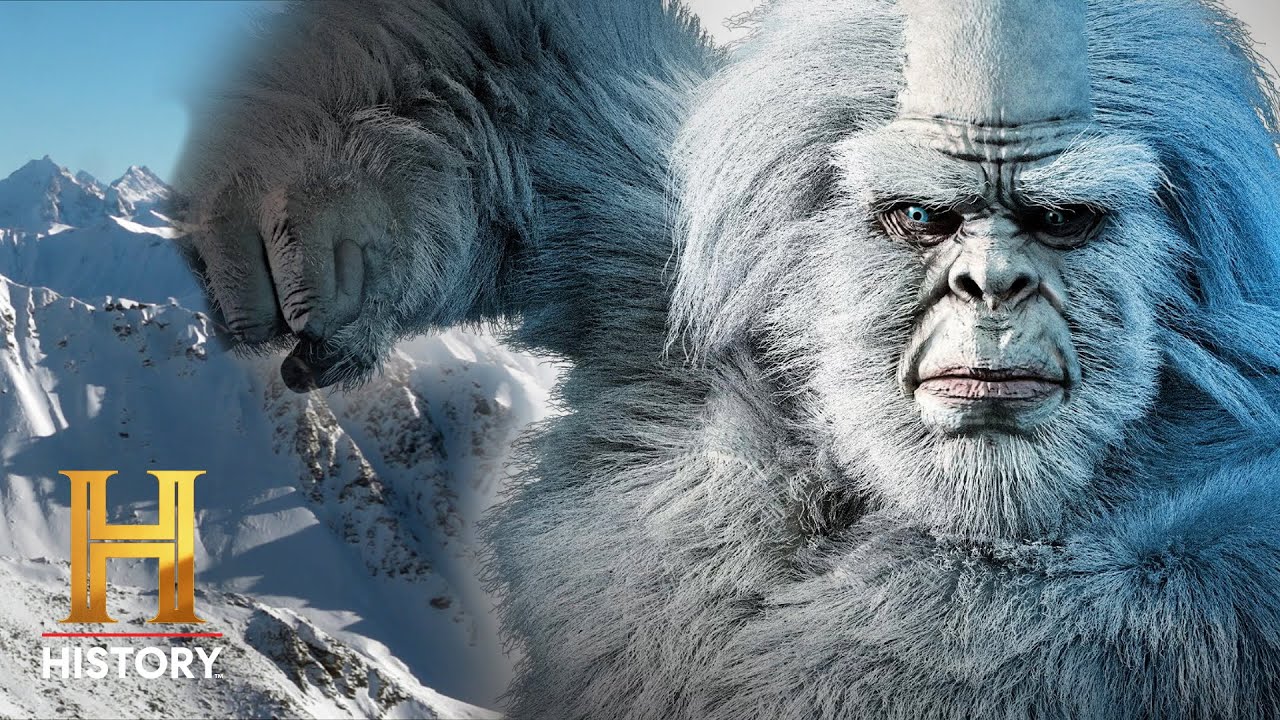
The Yeti: Myth or Deadly Predator? | History's Greatest Mysteries

Image

For centuries, the towering peaks of the Himalayas have harbored whispers of a creature shrouded in myth, a bipedal behemoth known as the Yeti. Sightings, stretching back through millennia, have fueled speculation: is this the Abominable Snowman of folklore, a flesh-and-blood predator lurking in the alpine shadows, or merely an elaborate legend born from misidentification and wishful thinking? This investigation delves into the persistent enigma of the Yeti, examining the evidence, the cultural narratives, and the lingering questions that continue to captivate the human imagination.

Introduction: The Himalayan Enigma

The tale of the Yeti is as ancient and formidable as the mountain ranges it supposedly inhabits. Found in the remote, snow-capped wilderness of the Himalayas and adjacent regions, this elusive creature has been a cornerstone of local folklore for generations. While often depicted as a monstrous ape-like being, its precise nature remains a subject of intense debate. This deep dive aims to dissect the available evidence, scrutinize eyewitness accounts, and explore the scientific and cultural dimensions of the Yeti phenomenon, separating the threads of myth from potential reality.

Historical Accounts and Cultural Lore

Indigenous cultures of the Himalayas, including Nepalese, Tibetan, and Bhutanese peoples, have long possessed stories of wild, hairy, man-like creatures. These accounts often describe beings of immense strength, capable of traversing treacherous terrains and, in some instances, posing a threat to human life. For example, a witness from Bhutan shared, "My grandma told me a lot of stories about it when I was young. That time, I used to imagine ‘Yeti’ word as some kind of big beastly ghost because my grandma said yeti used to actually kill people if they come across it, like people would find ripped of bodies." These oral traditions, passed down through families like ancestral lore, paint a consistent picture of a powerful, reclusive humanoid. The sheer number of cultures sharing similar narratives suggests a deep-seated element within the regional psyche, whether rooted in factual encounters or shared cultural archetypes.

Recommended Gear for Investigation

ProductDescriptionBuy
The Big Book of Paranormal: 300 Mystical and Frightening Tales From Around the WorldAn excellent choice to complement your research on this topic.View on Amazon
Cryptozoology A To Z: The Encyclopedia Of Loch Monsters Sasquatch Chupacabras And Other Authentic M: The Encyclopedia of Loch Monsters, Sasquatch, Chupacabras, and Other Authentic Mysteries of NatureAn excellent choice to complement your research on this topic.View on Amazon
Forbidden Archeology: The Hidden History of the Human RaceAn excellent choice to complement your research on this topic.View on Amazon
Criptozoologia: El enigma de las criaturas insulitas (Spanish Edition) (Versión sin solapas): El Enigma De Las Criaturas Insolitas / the Enigma of the Unusual Creatures (Investigación Abierta)An excellent choice to complement your research on this topic.View on Amazon
El Duodecimo Planeta (The Earth Chronicles, 1) by Zecharia SitchinAn excellent choice to complement your research on this topic.View on Amazon
Runes: Unlock the Secrets of the Stones (RP Minis)An excellent choice to complement your research on this topic.View on Amazon
The H. P. Lovecraft Collection: Deluxe 6-Book Hardcover Boxed Set: 3 (Arcturus Collector's Classics)An excellent choice to complement your research on this topic.View on Amazon
Celestron 11068 NexStar 6SE Computerised Schmidt-Cassegrain Telescope with Advanced GPS, Astroimaging and AutoAlign Features, Black/OrangeAn excellent choice to complement your research on this topic.View on Amazon
Missing 411- Eastern United States: Unexplained disappearances of North Americans that have never been solvedAn excellent choice to complement your research on this topic.View on Amazon
Ghost-Hunting For Dummies [Idioma Inglés] An excellent choice to complement your research on this topic.View on Amazon

Physical Evidence: Footprints and Hairs

The most tangible evidence cited in support of the Yeti's existence typically comes in the form of footprints. These alleged prints, often discovered in snow-covered areas, are described as unusually large, far exceeding the dimensions of known human or animal tracks. One particularly compelling testimony recounts, "But in 2010 I came across the same footprint’s while trekking up the mountain. In Sikkim (India)... it was definitely one of them. We ran down the hill so fast... The foot 🦶 prints were the size of 8 grown men’s feet size put together." These incredible dimensions have fueled conjecture, suggesting a creature of enormous stature. Beyond footprints, anecdotal reports mention the discovery of white hairs caught on vegetation, hinting at a possible physical specimen. A documented investigation by researchers reportedly spotted something on thermal imaging and, upon reaching the location, found white hairs snagged in shrubs. These hair samples were subsequently tested for DNA, yielding results described as humanoid but not matching any known species.

Scientific Analysis: DNA and Theories

Modern scientific inquiry has attempted to demystify the Yeti. DNA analysis of purported Yeti hair samples has been a focal point. Early studies, including one from 2014, suggested a potential link to ancient bear species, specifically the extinct Pleistocene Eurasian brown bear. However, subsequent research and re-analysis of samples have presented a more complex picture. While some results remain inconclusive or point towards known animals like bears or goats, the persistent suggestion of an unknown humanoid in some analyses keeps the debate alive. The prevailing scientific consensus often attributes Yeti sightings to misidentification of known animals, such as bears, or to elaborate hoaxes. Yet, as one comment muses, "If the Yeti is just a myth, why do so many cultures have similar stories? Coincidence or something real hiding out there?" This question underscores the challenge in dismissing the phenomenon outright.

Eyewitness Testimony: Personal Encounters

Beyond folklore and ambiguous evidence, there are numerous firsthand accounts that lend an unnerving credibility to the Yeti legend. These testimonies often share a common thread of encountering a large, hairy, bipedal creature in remote mountain regions. The fear and bewilderment expressed by these witnesses are palpable. One individual described an encounter while trekking: "We ran down the hill so fast that even Usain Bolt wouldn’t be able to catch up with us. I swear This thing 'still exists." Another commenter humorously noted, "Why does the yeti in the thumbnail look like he's about to attack me for my lunch money?" While humor can diffuse tension, the underlying sentiment in many accounts reflects genuine fear and awe. The consistency in descriptions, despite varying geographic origins, encourages a closer look at these personal narratives.

Cryptozoological Perspective

From a cryptozoological standpoint, the Yeti represents a compelling case for an undiscovered primate or hominoid. Proponents argue that the vast, unexplored wilderness of the Himalayas could easily conceal a population of such creatures. They point to the historical precedent of other species, once believed to be mythical, being discovered. The theory often posits that the Yeti is a shy, reclusive animal that actively avoids human contact, explaining the scarcity of definitive proof. Some have even speculated about connections to other legendary beings, such as Bigfoot, noting, "Bigfoot has very often confused with Sasquatch. Yeti never minds." This perspective champions the possibility that our current understanding of Earth's biodiversity is incomplete, and that creatures like the Yeti may indeed exist just beyond the reach of conventional scientific detection.

Investigator's Verdict: Myth or Predator?

After sifting through the layers of folklore, anecdotal evidence, and scientific scrutiny, the Yeti remains an enigma. The persistent cultural narratives, coupled with extraordinary footprint discoveries and compelling eyewitness accounts, prevent a simple dismissal. While misidentification of bears and hoaxes undoubtedly contribute to the Yeti phenomenon, the recurring themes across diverse testimonies and millennia of oral history suggest something more profound. Could it be a surviving species of ancient hominoid, a relic of a forgotten era, or perhaps a collective psychological projection fueled by the awe-inspiring, and terrifying, landscape of the Himalayas? The evidence, while not definitive proof, leans towards the latter. The "Abominable Snowman" may be a potent symbol of the unknown, a creature born from the vastness and mystery of the highest mountains on Earth. However, the possibility of an undiscovered primate cannot be entirely discarded, particularly given the fragmented and often contradictory nature of the physical evidence. The truth, as is often the case in these investigations, likely lies in a complex interplay of factors.

To further your understanding of the Yeti and related mysteries, consult the following resources:

Books on Cryptozoology

Explore seminal works that delve into the history and evidence of creatures like the Yeti. Understanding the broader field enhances your perspective on individual cases.

The Cryptozoologist's Handbook

Documentaries on Himalayan Mysteries

Visual explorations often provide a different angle, showcasing expeditions, interviews, and an immersive look at the environment where the Yeti is said to roam.

Himalayan Legends: The Search for the Yeti

Scientific Journals on DNA Analysis

For those interested in the rigorous scientific approach, peer-reviewed articles discuss the findings from DNA testing of alleged Yeti samples.

Journal of Crypto-Biology

Frequently Asked Questions

Question: What is the most commonly accepted scientific explanation for Yeti sightings?

Answer: The most widely accepted scientific explanation attributes Yeti sightings to misidentification of known animals, particularly bears (like the Himalayan brown bear or Asiatic black bear), and occasionally to hoaxes or psychological phenomena. DNA analysis of purported Yeti samples has frequently linked them to bear DNA.

Question: How old are the stories about the Yeti?

Answer: Stories and folklore concerning the Yeti, or similar large, hairy, man-like creatures, have existed in the Himalayan region for centuries, potentially millennia, passed down through oral traditions of indigenous cultures.

Question: Are there any credible physical samples of the Yeti?

Answer: Physical samples, such as alleged hair and bone fragments, have been collected over the years. While DNA analysis has been conducted, results have often pointed to known animals like bears, or have been inconclusive. Some analyses have suggested a possible unknown primate, but these findings are not universally accepted within the scientific community.

Question: Why do so many cultures have similar stories about the Yeti?

Answer: This consistency is a key point for Yeti believers. Explanations range from a shared biological reality (an actual creature inspiring these tales) to convergent cultural evolution, where similar environments and human psychology lead to similar archetypal myths. Another theory suggests the tales could stem from encounters with other primates like orangutans that may have been introduced to the region historically.

Your Field Mission

As an investigator, your duty extends beyond passive consumption of information. It's about active discernment and critical thinking. Consider this:

Your Mission: Analyze Local Lore

If you reside in a region with its own unique folklore or unexplained creature legends, undertake a personal investigation. Document local stories, identify patterns, and compare them to established cryptid cases. Can you find common threads? Are there logical explanations rooted in the local environment or history? Your findings could contribute to the broader understanding of these enduring mysteries.

Share your experiences and analyses in the comments below. Have you or someone you know encountered something unexplained? Your testimony is valuable evidence.

Don't keep these mysteries to yourself. Share this investigation on social media platforms to spark discussion and gather more perspectives. Every share brings us closer to understanding the unexplained.

Follow our ongoing investigations for more deep dives into the world's most perplexing phenomena. Subscribe to receive regular updates straight to your inbox.

```

Investigator's Note: True paranormal research doesn't fund itself. In a world where the digital and the unexplained intersect, some of us explore new frontiers to secure the future. Do you dare to be part of the vanguard? Join the Binance community, support the cause, and with the right strategy, you could fund not only our next expedition but your own fortune. The next great discovery could be just a click away.

Los Nazis y lo Paranormal: Un Expediente Clasificado sobre la Lanza del Destino, el Yeti y el Ocultismo del Tercer Reich


En los anales más sombríos de la historia reciente, emerge un capítulo perturbador y fascinante: la intrincada y a menudo aterradora obsesión del Tercer Reich con lo paranormal y lo oculto. Bajo el liderazgo carismático y siniestro de Adolf Hitler, la élite nazi no solo buscaba la dominación militar, sino también el control de poderes sobrenaturales y reliquias míticas. Hoy, como investigadores de lo inexplicable, abrimos el expediente clasificado de esta oscura búsqueda, desvelando detalles que desafían la lógica y la comprensión.

El Ocultismo Nazi: Una Doctrina de Supremacía y Misterio

La conexión nazi con lo esotérico no fue un mero capricho. Fue fundamental para la propia ideología del régimen. Atrapados por teorías pseudocientíficas y una visión distorsionada de la historia, los nazis adoptaron elementos del ocultismo para sustentar su delirio de superioridad racial aria. Las teorías ariosóficas, que postulaban un origen mítico y superior para la raza germánica, sirvieron como justificación para la purga de influencias consideradas subalternas, ya fueran religiosas, culturales o raciales. Esta mentalidad los impulsó a desenterrar reliquias de poder, convencidos de que estaban recuperando la grandeza perdida de su linaje.

El objetivo no era solo político o militar; era cósmico. Creían fervientemente que poseer ciertos artefactos cargados de energía mística les otorgaría una ventaja definitiva, no solo en la guerra terrenal, sino en una lucha fundamental por el destino del planeta. Consideraban estas búsquillas como misiones sagradas, un deber ancestral para restaurar un orden cósmico que, según sus fantasías, había sido profanado.

La Sombra del Yeti: Una Expedición Nazi al Tíbet

Uno de los episodios más desconcertantes de esta cruzada esotérica fue la expedición nazi al Tíbet en 1938-1939, liderada por Ernst Schäfer. Oficialmente, se presentó como una misión científica para estudiar la flora, fauna y antropología de la región. Sin embargo, los rumores y análisis posteriores sugieren motivos mucho más siniestros. Se especula que los nazis, influenciados por el misticismo aria, buscaban en las remotas montañas del Himalaya la evidencia de razas hiperbóreas o incluso la conexión con entidades sobrenaturales, como el críptido que la cultura local conoce como Yeti.

"La búsqueda de lo desconocido era una constante. No se trataba solo de catalogar especies, sino de encontrar un eco de su propia mitología en las cumbres del mundo."

Esta expedición alimentó innumerables leyendas y teorías conspirativas que persisten hasta nuestros días. ¿Estaban tras las huellas de una criatura legendaria o intentaban abrir portales a otras dimensiones? La verdad, sepultada bajo décadas de secreto, probablemente sea una amalgama de ambas. Los interrogantes sobre los objetivos reales de Schäfer y su equipo siguen siendo un enigma que atrae a investigadores de lo paranormal y la historia oculta. El debate sobre si encontraron algo más allá de mitos y leyendas, o si la expedición fue un burdo pretexto para otros fines, continúa abierto.

Heinrich Himmler y la Asociación Anaba: Rituales y Poder

Detrás de gran parte de esta fascinación esotérica se encontraba Heinrich Himmler, el implacable líder de las SS. Himmler no solo era responsable de la seguridad del régimen y la implementación de sus políticas más brutales, sino también un ferviente creyente en el misticismo y la necesidad de erradicar influencias "no arias", incluido el cristianismo, en favor de un renacimiento pagano germánico. Su empeño personal se materializó en la fundación de la Asociación Anaba (o Ahnenerbe en alemán), una organización dedicada a la investigación de lo paranormal, la arqueología esotérica y la historia racial.

La Ahnenerbe se convirtió en el brazo ejecutor de muchas de estas búsquedas. Reclutaron a ocultistas, antropólogos con visiones racistas y exploradores con ambiciones desmedidas. Se dice que esta organización llevaba a cabo rituales paganos en lugares de poder, buscando canalizar energías ancestrales. El Castillo de Wewelsburg, adquirido por Himmler, fue transformado en un centro neurálgico para las SS y un lugar para estos supuestos rituales, un sanctasanctórum donde la doctrina nazi se entrelazaba con la magia negra.

El objetivo era claro: consolidar la ideología nazi no solo a través de la fuerza bruta, sino también desde una base espiritual y mística. Creían que al reconectar con las raíces paganas y supuestamente puras de la antigua Germania, podían desatar un poder cósmico que aseguraría la victoria del Reich. La Ahnenerbe funcionó como un motor para estas expediciones, muchas de las cuales siguen envolviendo a la historia con un halo de misterio y especulación. El legado de Himmler y su obsesión es un ejemplo sombrío de cómo la búsqueda de poder puede degenerar en fantasías peligrosas y destructivas.

La Lanza del Destino y el Santo Grial: Búsqueda de Poder Mítico

En el panteón de las reliquias que capturaron la imaginación nazi, pocas son tan emblemáticas como la Lanza del Destino y el Santo Grial. La Lanza, a la que se le atribuía el poder de hacer invencible a su portador, fue supuestamente poseída por Hitler durante la Segunda Guerra Mundial, alimentando la creencia en una victoria predestinada. La Lanza del Destino, también conocida como la Lanza de Longinos, es un objeto de veneración en la tradición cristiana, pero para los nazis, su valor trascendía lo religioso para convertirse en una herramienta de poder terrenal y sobrenatural.

El Santo Grial, el cáliz utilizado por Jesucristo en la Última Cena, también se convirtió en un objetivo prioritario. Los nazis, y en particular Himmler, creían que el Grial poseía poderes curativos y de longevidad, y que su linaje estaba intrínsecamente ligado a la supuesta raza aria. Un personaje clave en esta búsqueda fue Otto Rahn, un medievalista que, a pesar de sus motivaciones personales y profesionales, fue patrocinado por las SS en sus investigaciones. Rahn se sumergió en leyendas y textos antiguos, buscando pistas sobre la ubicación del Grial. Trágicamente, su propia búsqueda terminó en misterio; murió en circunstancias inexplicables en 1939, sin haber encontrado la reliquia que tanto anhelaba.

Estas búsquedas no eran meros caprichos académicos; estaban profundamente integradas en la visión del mundo nazi. La idea de recuperar artefactos de poder ancestrales se alineaba perfectamente con su necesidad de legitimar su régimen a través de una historia mítica y gloriosa. La búsqueda de estas reliquias, y los misterios que las rodean, siguen siendo un testimonio de la sed de poder y la fascinación por lo sobrenatural que caracterizó al Tercer Reich.

Veredicto del Investigador: ¿Fraude, Realidad o Propaganda?

Tras analizar la evidencia y el contexto histórico, el veredicto es complejo y, como suele ocurrir en el estudio de lo paranormal, nada concluyente. Es innegable que figuras clave del régimen nazi, como Heinrich Himmler, tenían una profunda fascinación por el ocultismo, el misticismo y las teorías raciales pseudocientíficas. La Ahnenerbe y los rituales del Castillo de Wewelsburg no son meros mitos; fueron realidades dentro de la estructura del poder nazi.

La cuestión radica en la interpretación de sus búsquedas. ¿Creían realmente que la Lanza del Destino o el Santo Grial les otorgarían poderes sobrenaturales, o utilizaban estas leyendas como una herramienta de propaganda y manipulación psicológica para inspirar lealtad y un sentido de destino predestinado en sus seguidores? Es probable que existiera una mezcla de ambas. La propaganda y la creencia genuina a menudo se entrelazan en regímenes totalitarios.

En cuanto a la expedición al Tíbet y la búsqueda del Yeti, la evidencia de un objetivo paranormal específico es más tenue y sujeta a especulación. Si bien la Ahnenerbe estaba interesada en la antropología y las "razas superiores", la conexión directa con el Yeti como objetivo principal de la expedición de Schäfer es difícil de probar. Es posible que simplemente estuvieran explorando las leyendas locales y recopilando información que pudiera, de alguna manera, ser distorsionada para encajar en su narrativa aria. Otto Rahn y su búsqueda del Grial son un caso aparte, donde la motivación financiera personal se mezcló con el patrocinio estatal con tintes esotéricos.

En conclusión, la obsesión nazi por lo paranormal fue una faceta real y significativa de su ideología. Si bien la efectividad de sus supuestos rituales o la magnitud de sus descubrimientos paranormales son cuestionables, la influencia del ocultismo en sus acciones y creencias es innegable. La historia del Tercer Reich nos advierte sobre los peligros de fusionar la ideología con la superstición, y cómo la búsqueda de poder absoluto puede llevar a una fascinación desmedida por fuerzas que trascienden la comprensión humana.

El Archivo del Investigador: Profundizando en el Ocultismo Nazi

  • Libro: "El Ocultismo Nazi" de Nicholas Goodrick-Clarke. Un análisis exhaustivo de las sociedades secretas y la ideología esotérica del Tercer Reich. Profundiza aquí.
  • Documental: "Nazi Secret Weapons" (serie). Explora las supuestas armas y tecnologías secretas nazis, muchas de ellas vinculadas a teorías esotéricas. Busca en plataformas de streaming especializadas en documentales.
  • Libro: "La Lanza del Destino" de Trevor Ravenscroft. Aunque con interpretaciones particulares, este libro detalla la historia y el misticismo de la Lanza y su conexión con Hitler. Explora el enigma.
  • Sitio Web: Wikipedia - Ahnenerbe. La enciclopedia libre ofrece un resumen detallado de la organización y sus actividades.
  • Libro: "Hitler's Table Talk" (Conversaciones de sobremesa de Hitler). Ofrece atisbos de las creencias de Hitler, incluyendo referencias ocasionales a lo oculto y lo esotérico.

Protocolo de Investigación: Analizando la Propaganda Esotérica

  1. Identifica la Fuente: Determina el origen de la información sobre supuestos fenómenos paranormales o reliquias nazis. ¿Proviene de documentos oficiales, testimonios de primera mano (y verificados), o de obras de ficción y especulación?
  2. Contextualiza la Ideología: Comprende el papel que jugaba la teoría racial y el misticismo en la propaganda nazi. Muchas afirmaciones sobre poderes paranormales servían para reforzar la idea de superioridad aria.
  3. Busca Evidencia Tangible: ¿Existen artefactos o registros físicos verificables que respalden las afirmaciones? Las expediciones, como la de Schäfer, a menudo dejaban rastros arqueológicos o documentales que pueden ser analizados.
  4. Discierne entre Hecho y Mito: Separa los hechos históricos comprobados (la existencia de la Ahnenerbe, las expediciones) de las leyendas y las interpretaciones especulativas (poderes mágicos de artefactos, contacto con entidades).
  5. Considera la Motivación: Pregúntate por qué se difunde cierta información. ¿Sirve a un propósito de propaganda, justifica acciones pasadas, o busca generar temor o fascinación?
  6. Analiza la Figura Clave: Investiga las creencias personales de figuras como Himmler y Hitler. Sus escritos y discursos pueden ofrecer pistas sobre la motivación detrás de la obsesión por lo oculto.

Sobre el Autor

alejandro quintero ruiz es un veterano investigador de campo dedicado al análisis de fenómenos anómalos. Su enfoque combina el escepticismo metodológico con una mente abierta a lo inexplicable, buscando siempre la verdad detrás del velo de la realidad. Con años de experiencia documentando y analizando lo inusual, su labor desentraña los misterios que acechan en los márgenes de nuestra comprensión.

La conexión entre el Tercer Reich y lo paranormal es un laberinto de hechos históricos, propaganda audaz y especulación sin fin. Desde la expedición al Tíbet en busca del esquivo Yeti hasta la mística Lanza del Destino, los nazis demostraron una insaciable sed por el poder, tanto terrenal como sobrenatural. Estas búsquedas, aunque envueltas en el misterio, arrojan una luz inquietante sobre la psicología de un régimen infame y su desesperada carrera por controlar no solo el mundo, sino también las fuerzas que yacen más allá de él. La historia nos enseña que la verdad, a menudo, se esconde en las sombras más oscuras.

Tu Misión de Campo: Desentraña la Propaganda Aérea

Ahora, la tarea es tuya. Investiga un caso específico de la Ahnenerbe o una de las reliquias buscadas por los nazis (como la Lanza del Destino o el Santo Grial). Utilizando las herramientas de análisis de este post, ¿puedes discernir dónde termina la propaganda y dónde podría, hipotéticamente, comenzar la realidad paranormal? Comparte tus hallazgos y teorías en los comentarios.

The Jersey Devil: Unmasking New Jersey's Centuries-Old Nightmare and Its Cryptid Kin


In the shadowy corners of American folklore, where science falters and imagination takes flight, few entities loom as large and as chillingly as the Jersey Devil. This cryptid, a persistent specter haunting the whispers and warnings of New Jersey's Pine Barrens for centuries, is more than just a boogeyman; it's a cultural touchstone. But is it merely a figment of collective fear, a misidentified creature, or something more profound lurking beyond our current understanding? Today, we don't just recount legends; we dissect them. We will peer into the alleged origins of the Jersey Devil, examine the enduring witness accounts, and then broaden our scope to explore its kin: the Skunk Ape, the Wendigo, the Yeti, and the Loveland Frogman. This is not a ghost story; this is an investigation into the unexplained.

The Jersey Devil: A Supernatural Nightmare

The narrative of the Jersey Devil is a potent concoction of folklore, fear, and enduring mystery. The most pervasive origin story, steeped in the region's early colonial history, speaks of a desperate mother, known only as Mother Leeds, who, overwhelmed by her burdensome family, cursed her unborn child to be a creature of hell. The result, according to legend, was a monstrous birth in the desolate Pine Barrens: a winged, hooved, and horned entity, described by witnesses across generations as a terrifying harbinger of misfortune. Its reported manifestations range from guttural screams and the stench of sulfur to brief, terrifying sightings of a bipedal figure with leathery wings and glowing red eyes. Generations have grown up with its tales, a testament to its deep roots in the regional psyche. Skeptics argue that these sightings are likely misidentifications of known animals, elaborate hoaxes, or psychological phenomena amplified by isolation and fear, yet the sheer volume and consistency of reports, dating back to at least the 18th century, compel a deeper analysis than a simple dismissal.

In Search of the Skunk Ape

Venturing south, into the humid, sprawling swamps of Florida, we encounter a cryptid that shares an uncanny resemblance to its more famous cousin, Bigfoot: the Skunk Ape. Unlike the often-silent Bigfoot, the Skunk Ape is defined by a pungent, overpowering odor that precedes its alleged appearances in the dense wilderness and marshlands of the Sunshine State. Reports consistently describe a large, powerfully built, ape-like creature, walking upright, covered in dark, matted fur, and emanating a smell described as akin to skunk spray or rotting garbage. Early accounts from Seminole folklore hint at such beings, but modern sightings gained traction in the mid-20th century, often near agricultural areas and nature preserves. Researchers and enthusiasts have diligently scoured these remote territories, employing camera traps and conducting expeditions, seeking concrete evidence to elevate the Skunk Ape from folklore to established zoological fact. The olfactory signature, though anecdotal, is a recurring element, adding a unique sensory dimension to the mystery.

Wendigo: A Haunting Legend

The concept of the Wendigo transcends mere cryptid sightings, delving into the darker recesses of Native American mythology, particularly among the Algonquian peoples. The Wendigo is not merely a creature to be observed; it is a malevolent spirit, an embodiment of insatiable greed, gluttony, and the primal fear of starvation. Legend states that the Wendigo possesses individuals, compelling them toward acts of cannibalism, often during harsh winters when hunger is a stark reality. The transformation into a Wendigo is supposedly a consequence of succumbing to these desires, turning a human into an emaciated, gaunt, and monstrous being with an insatiable craving for human flesh. This powerfully cautionary tale serves as a profound cultural warning against unchecked avarice and the dangers of moral decay. While physical sightings are rare and heavily debated, focusing on the psychological and spiritual aspects, whispers of its presence persist in remote northern wildernesses, making it a potent element in the tapestry of North American supernatural lore.

Hunting the Yeti: Myth or Reality?

Across the vast, unforgiving, snow-capped peaks of the Himalayas and, in some interpretations, extending to the remote mountainous regions of North America, the legend of the Yeti, or the Abominable Snowman, continues to captivate. This elusive, ape-like hominid, often described as colossal and covered in thick, white or grayish fur, is a staple of cryptozoological investigation. Accounts from local populations and intrepid explorers alike paint a consistent picture of a shy, powerful creature that avoids human contact, leaving behind only colossal footprints in the snow as potential evidence. While the original lore is deeply rooted in Himalayan cultures, the narrative has expanded, with some researchers drawing parallels to North American accounts of large, hairy bipeds. The quest for definitive proof – a body, DNA evidence, or irrefutable photographic proof – remains elusive, fueling ongoing speculation and expeditions into some of the world's most inaccessible terrains.

The Loveland Frogman: A Quirky Cryptid

Shifting our focus to the Midwestern United States, Ohio presents a cryptid far removed from the terrifying specter of the Jersey Devil or the ominous presence of the Wendigo: the Loveland Frogman. This peculiar amphibian humanoid, first reported in the 1950s near Loveland, Ohio, has become a beloved, albeit strange, figure in local folklore. Witnesses describe a bipedal creature, approximately three to four feet tall, with rough, warty green skin, webbed hands and feet, and a distinct frog-like head. The creature was reportedly seen standing on two legs near the Little Miami River, leading to its distinctive moniker. While sightings are infrequent and lack the dramatic terror associated with other cryptids, the Loveland Frogman's enduring presence in local lore and its unique description make it a fascinating subject for cryptozoological enthusiasts who appreciate the sheer diversity of the unexplained.

Debunking Myths and Exploring Realities

The allure of these enigmatic beings – the spectral Jersey Devil, the foul-smelling Skunk Ape, the insatiable Wendigo, the elusive Yeti, and the peculiar Loveland Frogman – is undeniable. They tap into our deepest fears and curiosities about the unknown. However, as rigorous investigators, it is imperative to apply a critical lens. Skeptics present compelling arguments, suggesting many of these accounts stem from misidentified wildlife, pareidolia (the perception of patterns in randomness), mass hysteria, or deliberate hoaxes. The harsh conditions under which some of these creatures are supposedly sighted, combined with the lack of concrete physical evidence like DNA or remains, provide fertile ground for doubt. Yet, dismissing them outright ignores the persistent cultural impact and the sheer volume of witness testimonies that have spanned decades, sometimes centuries. The true fascination lies not just in believing, but in the process of investigation itself: dissecting the evidence, analyzing the psychological underpinnings, and understanding why these narratives endure. The line between myth and reality is often blurred in these cases, and our role is to explore where that blur might occur.

Join the Paranormal Community

The journey into the unexplained is best undertaken with a collective spirit. Here at Sectemple, we foster a vibrant community of individuals drawn to the mysteries that lie just beyond the veil of ordinary perception. We invite you to become an active participant. Share your own encounters, your theories on these cryptids, or any other paranormal phenomena that have crossed your path. Whether you're a seasoned investigator or a curious newcomer, your voice contributes to our shared quest for understanding. Engage in discussions, compare notes, and help us piece together the fragmented evidence that shapes our perception of the unknown. By pooling our knowledge and experiences, we can collectively unravel the enigmas that continue to baffle and captivate.

Subscribe to Our YouTube Channel

(adsbygoogle = window.adsbygoogle || []).push({});

For those who crave an even deeper dive into the spectral and the unexplained, our YouTube channel offers a visual and narrative extension of our blog's mission. Join us as we venture into shadowy locales, conduct on-site investigations, and analyze perplexing evidence in real-time. Subscribe today to gain access to exclusive content, in-depth documentaries, and candid discussions that push the boundaries of conventional understanding. Witness firsthand our pursuit of answers to the mysteries that ignite our imaginations and fuel our insatiable curiosity.

Investigator's Verdict: Fraud, Genuine Phenomenon, or Something Else?

In my years of investigating the paranormal, I've learned that simplicity is rarely the answer. While the logical mind seeks the most mundane explanation—a misidentified animal, a localized atmospheric event, or a well-crafted hoax—the sheer persistence and peculiar details across multiple cryptid cases, from the chilling modus operandi of the Jersey Devil to the olfactory signature of the Skunk Ape, suggest a complexity we may not yet grasp. The Wendigo legend, deeply entrenched in cultural cautionary tales, speaks to primal fears of devouring oneself from within, a potent psycho-spiritual metaphor. The Yeti and the Loveland Frogman, while less terrifying, present persistent reports that warrant scrutiny. Dismissing these as mere folklore discounts the shared human experience of encountering the inexplicable. My verdict? The evidence, while circumstantial and often debated, leans towards a spectrum of phenomena: some sightings are undoubtedly misidentifications or fabrications. However, a core set of narratives, particularly for entities like the Jersey Devil and the Skunk Ape, exhibits consistent, bizarre characteristics that resist easy debunking. This suggests either a deeply ingrained archetype manifesting in folklore, or, more intriguingly, the continued presence of genuinely anomalous biological or energetic entities that defy our current scientific classification. The truth, as always, is likely more nuanced and far stranger than either extreme implies.

Your Field Mission: Local Legends and Anomalies

Every region has its own whispered tales of the strange. Your mission, should you choose to accept it, is to become your own investigator. Identify a local legend or unexplained phenomenon in your area – it doesn't have to be a cryptid; it could be a haunted location, recurring strange lights, or an unexplained historical event. Document everything you can: local accounts, historical records, geological peculiarities, and any unusual environmental factors. Compare these details to the patterns we've observed in the cases discussed today. Are there commonalities in the descriptions? Do the reported behaviors align with known psychological phenomena or misidentifications? What is the cultural context of this legend? Your objective is to apply a critical, investigative mindset honed by today's analysis to the mysteries in your own backyard. Report your findings in the comments below. Let's see what anomalous truths we can uncover, together.

The Researcher's Archive

To truly understand the depth and breadth of cryptozoological and paranormal research, one must consult the foundational works. For those seeking to delve deeper, here are essential resources that have shaped our understanding:

  • On the Jersey Devil: "The Jersey Devil" by James F. McCloy and Ray Miller Jr. is a seminal work detailing historical accounts and investigations.
  • On Cryptids Generally: John Keel's "The Mothman Prophecies" and "Cryptozoology A to Z" by Jerome Clark offer broad perspectives on the study of unknown creatures and their cultural significance.
  • On Folklore and Myth: "The Golden Bough" by Sir James George Frazer provides an immense anthropological survey of myths and legends across cultures, which often informs our understanding of cryptid archetypes.
  • For Investigative Techniques: "The Field Guide to Bigfoot and Other Mystery Critters" offers practical advice on tracking and evidence collection in cryptozoological pursuits.

These texts, alongside documentaries like "Missing 411" and platforms like Gaia, offer invaluable insights and methodologies for the aspiring paranormal investigator.

The world of cryptids and the paranormal is a captivating realm filled with stories that blur the line between fact and fiction. From the chilling narrative of the Jersey Devil in New Jersey to the quirky Loveland Frogman in Ohio, these enigmatic creatures have left an indelible mark on our collective imagination. While skeptics continue to champion logical explanations, the persistent allure and the consistency of certain witness testimonies compel us to remain open to the possibility that not all phenomena are easily categorized or explained away. The pursuit of truth in these shadowed corners requires courage, critical thinking, and an unwavering commitment to investigation. Join us at Sectemple as we continue this journey through the unexplained, inviting you to be an active part of our ever-growing community of discerning paranormal enthusiasts. Together, we can endeavor to shed light on the mysteries that continue to elude conventional understanding and explore the extraordinary dimensions of reality.


About the Author

Alejandro Quintero Ruiz

alejandro quintero ruiz is a veteran field investigator with decades dedicated to the meticulous analysis of anomalous phenomena. His approach is grounded in analytical rigor and a profound respect for empirical evidence, tempered by an open mind that acknowledges the vastness of the unknown. He has spent countless nights traversing forgotten landscapes, documenting unexplained events, and interviewing witnesses whose experiences defy conventional explanation. His work aims to bridge the gap between the observable and the speculative, fostering critical thinking in the ongoing exploration of our world's deepest mysteries.