Followers

Mostrando las entradas con la etiqueta Pine Barrens. Mostrar todas las entradas

The Terrifying Story of the Jersey Devil: Unveiling the Pine Barrens' Cryptid

Miniatura del video: The Terrifying Story of the Jersey Devil

The Pine Barrens of Southern New Jersey hold a secret that has haunted its inhabitants for centuries: the legend of the Jersey Devil. This creature, a terrifying blend of folklore and alleged reality, has evaded definitive capture and explanation, leaving behind a trail of fear and speculation. My investigation into this enduring mystery began not with dusty archives, but with a journey into the heart of its supposed domain. This is not just a story; it's a chilling encounter with the unknown that continues to grip the region.

📖 10 min de lectura
⬡ Expediente de Investigación Confidencial
Nº DE EXPEDIENTE EXP-GEN-2026-314
INVESTIGADOR Alejandro Quintero Ruiz
CONTACTO rinconparanormal@gmail.com
AFILIACIÓN Cha0smagick Labs División de Investigación Paranormal
CLASIFICACIÓN Jersey Devil
ESTADO En Investigación
FECHA DE APERTURA 2026-07-26
TOOL 🔧 Chaos Sigil Generator | Google Play — digital sigil generator for magickal intent practices
RELACIONADOS 📂 Archivo de Jersey Devil | 🔬 Laboratorio Central

× The Accursed Birth: Origins of the Legend

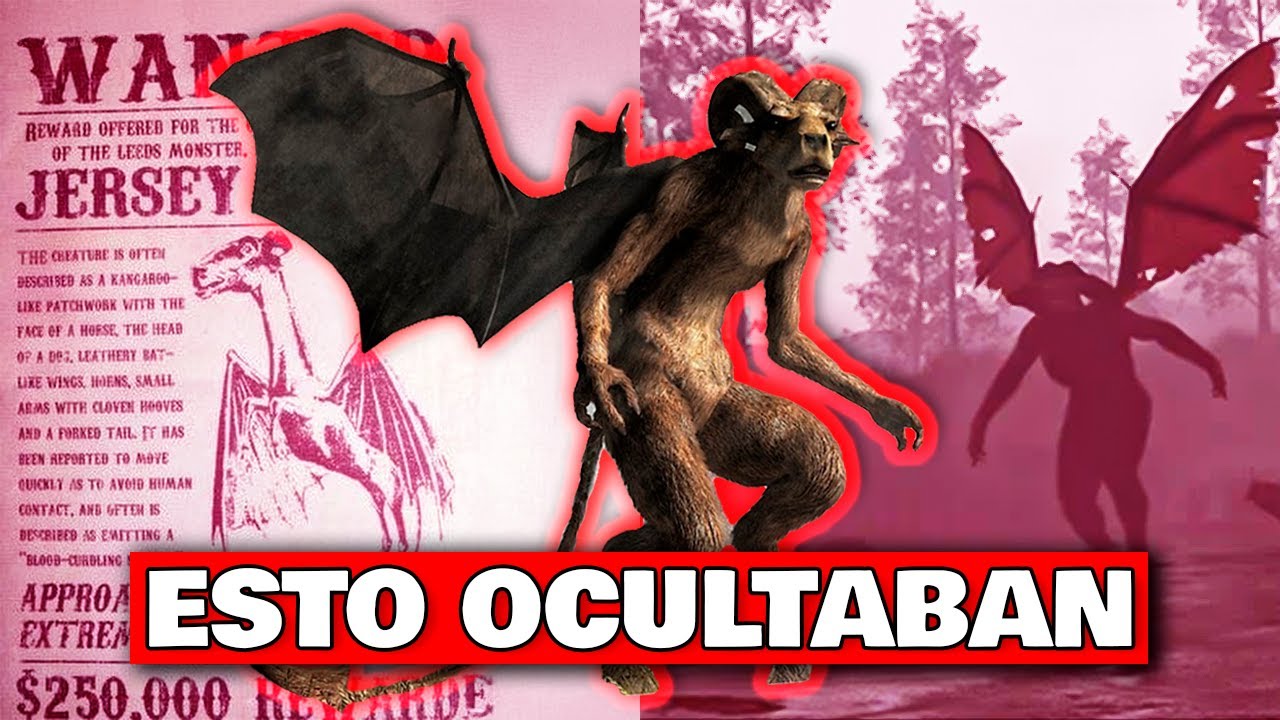
The most widely accepted origin story of the Jersey Devil dates back to the 18th century, specifically 1735. It speaks of a woman known as 'Mother Leeds,' a resident of the Pine Barrens. Overburdened by her twelve children and facing a difficult thirteenth pregnancy, she is said to have uttered a desperate curse: that she wished the child would be a devil. Folklore suggests she was a witch, and her husband, or the father of the child, was perhaps the Devil himself. When the child was born, it was allegedly a horrifying spectacle: the head of a horse, the body of a man, cloven hooves like a goat, leathery wings, and a long, pointed tail. This monstrous infant, unable to be contained, is said to have let out a terrifying shriek, flown up the chimney, and disappeared into the dark, unforgiving wilderness of the Pine Barrens, beginning its reign of terror.

× Eyewitness Accounts: Terror in the Pines

The legend might have remained just that—a chilling folktale—were it not for the persistent reports of sightings. While isolated accounts exist from earlier periods, the legend exploded into public consciousness in January 1909. Over a span of several days, terrified residents across the Delaware Valley, from Philadelphia to Trenton, reported seeing a bizarre, winged creature. Descriptions consistently mentioned its terrifying appearance: a horse-like head, large wings, and a horrifying scream. The sheer volume and consistency of these reports in 1909 caused widespread panic, leading many businesses to close and schools to shut down. Even today, sporadic sightings continue to surface, painting a picture of a creature that actively haunts the vast, undeveloped tracts of Southern New Jersey.

"This creature flew out of the woods, farted on me then flew back in the woods." — A recent, albeit crude, testimonial from an alleged encounter, highlighting the creature's bizarre and unsettling nature.

× My Expedition: Seeking the Devil

As an investigator, the allure of the unexplained is a siren call. The Pine Barrens, a sprawling expanse of over a million acres of dense forest, sandy soil, and eerie silence, felt like stepping into another world. In July 2026, I ventured into this territory, armed with recording equipment and a healthy dose of skepticism, but also with an open mind. The air was thick with the scent of pine and damp earth. The silence was profound, broken only by the rustling of unseen creatures and the distant call of birds. Local legends speak of strange lights, disembodied voices, and the unmistakable, terrifying scream attributed to the Jersey Devil. I spent three days navigating the less-traveled paths, documenting sounds, and observing the environment. The sheer isolation of the region is palpable, a perfect canvas for any number of mysteries, real or imagined. I didn't encounter the winged beast, but the oppressive atmosphere and the weight of centuries of stories left an indelible mark.

× Alejandro's Hypothesis: Beyond Folklore

While the "Mother Leeds" story provides a dramatic origin, my research suggests a more complex reality. The consistent descriptions of a winged, bipedal creature, particularly the intense wave of sightings in 1909, coincide with a period of increased industrialization and exploration in the region. Could the Jersey Devil be an amalgamation of misidentified natural phenomena, exaggerated local tales, and perhaps, something more? My working hypothesis is that the Jersey Devil legend may have originated from a genuine, yet poorly understood, biological entity—a cryptid that has managed to survive in the vast, isolated Pine Barrens. However, the persistent demonic associations and the sheer terror it evokes hint at a possible psychic or spiritual component, a manifestation of the land's own ancient, perhaps troubled, energy, amplified by human fear.

× Unforeseen Links: Jersey Devil and Other Phenomena

What fascinates me most are the subtle echoes of the Jersey Devil narrative in other unexplained phenomena. The description of a winged creature with glowing eyes and a terrifying cry is not unique. It bears similarities to accounts of the Mothman in West Virginia, another cryptid associated with disaster and dread. Furthermore, the concept of a 'cursed child' or a demonic entity manifesting physically is a recurring theme in demonology and paranormal lore across cultures. Could these seemingly disparate entities be manifestations of a similar underlying force, or perhaps, archetypal fears given form? The Pine Barrens themselves are steeped in an almost palpable sense of history, a place where colonial-era anxieties and perhaps older, indigenous spiritual beliefs might converge, giving rise to such a potent legend.

× The Unseen Evidence: Cryptid or Cover-up?

The lack of concrete physical evidence—a body, definitive tracks, or irrefutable photographic proof—is the primary reason the Jersey Devil remains in the realm of myth for many. However, absence of evidence is not evidence of absence. The Pine Barrens are a challenging environment for sustained investigation. The creature, if real, is likely elusive and intelligent. Could there also be an element of deliberate obfuscation? During the 1909 sightings, authorities were quick to dismiss the events, attributing them to mass hysteria or hoaxes. This official denial, while perhaps understandable given the panic, inadvertently fuels conspiracy theories. Three separate governments, multiple eyewitness reports, zero definitive answers. What are they hiding in those ancient woods?

Key Sighting Periods & Locations
1735: Origin legend places the birth and escape in the Pine Barrens.
Early 1900s (esp. 1909): Widespread panic across the Delaware Valley (NJ, PA, DE) with numerous sightings.
Ongoing: Sporadic reports continue from various locations within and around the Pine Barrens.

× The Enduring Mystery

The legend of the Jersey Devil is more than just a spooky tale told around a campfire. It's a cultural touchstone for New Jersey, a symbol of the wild, untamed nature that still exists within its borders. The persistent belief, the recurring sightings, and the sheer terror associated with the creature suggest that something significant happened, or continues to happen, in the Pine Barrens. Whether it's a cryptid, a demonic entity, a psychological phenomenon, or a combination thereof, the Jersey Devil represents our fascination with the unknown lurking just beyond the edge of civilization.

  1. The Pine Barrens Ecosystem: Its vastness and isolation provide a plausible habitat for an undiscovered creature.
  2. Historical Consistency: Reports span centuries, suggesting a persistent phenomenon rather than a fleeting fad.
  3. Psychological Impact: The story taps into primal fears of the monstrous and the demonic, making it deeply resonant.
  4. Cultural Integration: The Jersey Devil is deeply woven into the folklore and identity of Southern New Jersey.

Frequently Asked Questions

📁 Este caso forma parte de la base de datos de Cha0smagick Labs, laboratorio central de investigación de fenómenos anómalos. Para consultar investigaciones relacionadas, visite nuestro archivo de Jersey Devil. Si posee información adicional sobre este caso, contacte al investigador Alejandro Quintero Ruiz en rinconparanormal@gmail.com.

P: What is the legend of the Jersey Devil?

R: The Jersey Devil legend centers on a cursed 13th child born to 'Mother Leeds' in 1735. Allegedly a witch, she cursed the infant, which was born monstrously deformed and escaped into the Pine Barrens, where it has been sighted ever since.

P: Where does the Jersey Devil supposedly live?

R: The creature is said to inhabit the vast Pine Barrens of Southern New Jersey, a dense forest region covering over a million acres, providing ample cover for such a mysterious entity.

P: What does the Jersey Devil look like?

R: Descriptions vary, but commonly include a horse-like head, bat-like wings, cloven hooves, a tail, and a human-like torso. Some accounts mention glowing red eyes and a terrifying scream.

P: Has the Jersey Devil ever been caught on camera?

R: While numerous photos and videos have surfaced over the years, none have been definitively proven to be the Jersey Devil. Many are dismissed as hoaxes, misidentifications, or simply folklore captured on film.

P: Are there any real historical accounts of the Jersey Devil?

R: The legend gained significant traction in the early 20th century, particularly around 1909, when widespread sightings were reported across the Delaware Valley, leading to widespread panic and newspaper coverage.

P: Is the Jersey Devil a cryptid or a ghost?

R: It's primarily considered a cryptid, a creature whose existence is unproven. However, some theories suggest it could be a spectral entity or a demon, blurring the lines between cryptid and supernatural folklore.

P: Why is the Jersey Devil story so persistent?

R: The story's persistence is fueled by the vast, isolated nature of the Pine Barrens, the consistent eyewitness reports spanning centuries, and the compelling, albeit dark, origin myth involving witchcraft and demonic influence.

P: What is Mother Leeds' role in the legend?

R: Mother Leeds is the supposed mother of the Jersey Devil. The legend states she was a desperate woman who cursed her unborn 13th child, leading to its monstrous birth and subsequent transformation into the creature.

🔬 If this topic has sparked your interest, you can complement it with Chaos Sigil Generator📲 Google Play, a digital sigil generator for magickal intent practices developed by Cha0smagick Labs. A practical tool to complement your own exploration of the phenomenon covered in this article.

Bibliography

Gaal, J. (2006). The Jersey Devil: My Search for the Truth. Stackpole Books. ISBN: 978-0811733438.

Miller, R. B., & Rehill, J. W. (1985). The Jersey Devil. Middle Atlantic Press. ISBN: 978-0912508424.

Schmidt, A. (2013). The Jersey Devil: Uncovering the Truth Behind the Legend. Schiffer Publishing. ISBN: 978-0764343762.

Conclusion

Investigator's Verdict

My journey into the Pine Barrens left me with more questions than answers, a familiar state for any true investigator. The legend of the Jersey Devil is too deeply ingrained, too persistent, and too terrifying to be dismissed outright as mere folklore. While definitive proof remains elusive, the historical accounts and the sheer atmosphere of the region suggest that something extraordinary has been experienced by those who have ventured into its depths. The possibility of a surviving cryptid, an unknown species that has adapted to this unique environment, is compelling. Yet, the persistent demonic undertones cannot be ignored. They speak to a deeper, perhaps psychological or spiritual, resonance that the legend holds. Now, I turn the question to you, reader: Do you believe the enduring cover-up is to protect a natural secret, or something far more sinister that humanity is not yet prepared to face?

--- GEMINI_TITLE: The Terrifying Story of the Jersey Devil: Pine Barrens Cryptid GEMINI_METADESC: Uncover the chilling legend of the Jersey Devil. Alejandro Quintero Ruiz investigates eyewitness accounts, historical origins, and the enduring mystery of New Jersey's most feared cryptid. GEMINI_LABELS: Criptozoología, Leyendas Urbanas, Investigación Paranormal, Fenómenos Paranormales Reales, Historia de la Parapsicología, New Jersey Folklore, Cryptid Sightings

El Diablo de Jersey: Un Análisis de la Criatura que Acecha en las Sombras

Image
Los pantanos de Nueva Jersey guardan secretos ancestrales, historias susurradas al oído del viento que hablan de una criatura con alas de cuero, ojos llameantes y garras afiladas. Un ser que, según los relatos, ha atormentado a los habitantes de la región hasta el borde de la locura, un enigma que persiste en la penumbra de la historia. Hoy, desentrañaremos esta leyenda, explorando sus orígenes, los testimonios más impactantes, y las teorías que intentan explicar su existencia… o su ausencia.

Origen de la Leyenda: El Nacimiento de un Mito

La historia del Diablo de Jersey, también conocido como la Criatura de Pine Barrens, no es una invención reciente. Sus raíces se hunden en el folclore de la región, una amalgama de miedos ancestrales y relatos transmitidos de generación en generación. La narrativa popular lo describe como un ser demoníaco, a menudo asociado con la figura de Daniel Leeds, un astrólogo y curandero del siglo XVII, quien supuestamente invocó a la criatura para vengarse de sus enemigos. Sin embargo, esta teoría, aunque fascinante, carece de pruebas concluyentes y se inclina más hacia la leyenda que hacia la historia documentada. La leyenda moderna cobró fuerza en la década de 1950, tras una serie de avistamientos que conmocionaron a la comunidad. Estos relatos, a menudo vagos pero escalofriantes, describían una criatura alada, con un rostro grotesco y un andar errático, que sembraba el pánico en los asentamientos cercanos a los vastos y sombríos bosques de pinos de Nueva Jersey.

Testimonios y Avistamientos: Ecos de lo Inexplicable

A lo largo de las décadas, innumerables personas han afirmado haber presenciado al Diablo de Jersey. Los testimonios, aunque a veces contradictorios, comparten elementos recurrentes: * Apariencia Física: Se le describe frecuentemente con un tamaño considerable, entre 1.2 y 2.5 metros de altura, con una complexión delgada y musculosa. Sus características más distintivas son las gigantescas alas de cuero, similares a las de un murciélago, una cabeza que se asemeja a la de un caballo o un perro, y ojos rojos brillantes. Sus movimientos son descritos como rápidos y erráticos, capaces de volar a gran velocidad. * Sonidos: Muchos testigos reportan haber escuchado extraños silbidos, rugidos agudos y un sonido de cascos golpeando el suelo, lo que ha llevado a especulaciones sobre su naturaleza. * Comportamiento: Los relatos lo pintan como una criatura esquiva y aterradoras, que aparece y desaparece sin dejar rastro claro, generando un clima de miedo e incertidumbre en las zonas rurales. Un caso particularmente sonado ocurrió en 1951, cuando varios residentes de South Jersey afirmaron haber visto a la criatura. Los informes describían una figura alada que sobrevolaba los tejados, emitiendo silbidos espeluznantes. Estos avistamientos, publicados en periódicos locales, avivaron la leyenda y atrajeron la atención de investigadores de lo paranormal. Más recientemente, en la era digital, los testimonios se han multiplicado en foros en línea y redes sociales. Una parte significativa de la audiencia que ha seguido el contenido original de este caso sugiere que la criatura no actúa sola, sino que forma parte de un "equipo", reforzando la idea de una inteligencia detrás de los avistamientos.

Explicaciones y Teorías: Desmitificando al Diablo

Ante la persistencia de la leyenda, han surgido diversas explicaciones para el Diablo de Jersey: * Fraude y Engaño: Una de las teorías más pragmáticas sugiere que muchos de los avistamientos son el resultado de bromas elaboradas, engaños deliberados o, simplemente, de la sugestión colectiva. La figura del Diablo de Jersey se ha convertido en un ícono cultural, y no sería la primera vez que personas intentan capitalizar la fama asociando sus acciones a esta criatura. * Identificación Errónea: Otra hipótesis apunta a la posibilidad de que los testigos hayan confundido animales conocidos con la criatura mítica. El grito de un búho, el movimiento de un ciervo entre la maleza, o incluso la silueta de un ave rapaz en condiciones de poca luz, podrían ser interpretados erróneamente como el Diablo de Jersey, especialmente bajo el influjo del miedo. Algunos comentarios en línea comparan la evolución del mito con representaciones en la cultura popular, como en la serie "Expedientes X", donde el "diablo" real se asemeja más a una criatura que a la interpretación popular. * Fenómeno Natural o Desconocido: No se puede descartar la posibilidad de que existan fenómenos naturales aún no comprendidos o especies animales desconocidas en los densos bosques de Pine Barrens. La criptozoología, el estudio de animales ocultos o desconocidos, a menudo nos recuerda que nuestro conocimiento sobre la fauna del planeta es incompleto. La audiencia ha mostrado un gran interés en el tema de los críptidos, solicitando videos sobre el Chupacabras, el Monstruo de la Base Vostok 6, o criaturas de la mitología dominicana como las ciguapas, lo que subraya la fascinación por lo desconocido. * El Legado de Leeds: La conexión con Daniel Leeds, aunque folclórica, persiste. Se teoriza que la leyenda podría haber sido alimentada por historias sobre su vida y supuestas prácticas ocultistas, creando una narrativa que se perpetúa hasta hoy. Sin embargo, se debe matizar que las representaciones mediáticas, como el capítulo de "Expedientes X", a menudo se desvían de la leyenda original, presentando al "diablo" como una figura más parecida al Pie Grande. Esta disonancia entre la leyenda original y sus adaptaciones es un fenómeno interesante en sí mismo dentro del estudio de los mitos modernos.

Veredicto del Investigador: ¿Fraude, Fenómeno Genuino o Algo Más?

Tras analizar detenidamente los testimonios y las teorías, mi veredicto como investigador es cauto pero firme. Si bien el atractivo de un ser demoníaco es innegable, la falta de evidencia física concluyente —un cuerpo, avistamientos claros y verificables por múltiples fuentes independientes, o grabaciones de audio y video irrefutables— me inclina a pensar que estamos ante un fenómeno complejo. La leyenda del Diablo de Jersey se nutre de la geografía del lugar: los extensos y sombríos bosques, los pantanos aislados, crean el escenario perfecto para que el miedo y la imaginación florezcan. La identificación errónea de animales nocturnos o el impacto de la sugestión colectiva, amplificada por la cultura popular, juegan un papel crucial en la perpetuación de esta criatura. No obstante, la persistencia y la consistencia de ciertos detalles en los testimonios a lo largo de los años me impiden descartar por completo la posibilidad de que algo anómalo esté ocurriendo en los Pine Barrens. Podría tratarse de una especie desconocida, un fenómeno natural poco comprendido, o incluso, en el reino de lo más especulativo, una manifestación de algo que trasciende nuestra comprensión actual. Como siempre, nuestro deber es seguir investigando, recolectando datos y manteniendo la mente abierta.

Equipo Recomendado para la Investigación

La investigación de casos como el del Diablo de Jersey requiere el equipo adecuado para documentar cualquier evidencia potencial, ya sea visual, auditiva o ambiental. La tecnología ha avanzado, pero los principios básicos de la investigación paranormal siguen siendo los mismos: observación rigurosa y registro metódico. Asegurarse de tener herramientas fiables es fundamental para cualquier equipo de campo.

Preguntas Frecuentes

  • ¿Es el Diablo de Jersey una criatura real?

    No hay pruebas concluyentes que confirmen la existencia física del Diablo de Jersey. La mayoría de los expertos lo consideran una leyenda folclórica, aunque la posibilidad de identificación errónea de animales o fenómenos naturales no se descarta.

  • ¿Cuándo empezó la leyenda del Diablo de Jersey?

    Aunque existen leyendas más antiguas asociadas a la figura de Daniel Leeds, la leyenda moderna del Diablo de Jersey cobró notoriedad en la década de 1950, tras una serie de avistamientos en South Jersey.

  • ¿Por qué se le llama "Diablo de Jersey"?

    El apodo se debe a su descripción como una criatura demoníaca o infernal, combinada con la región geográfica donde se reportan sus avistamientos: los bosques y pantanos de Nueva Jersey.

    Recommended Gear for Investigation

    ProductDescriptionBuy
    Archivos Secretos: Lo que los Gobiernos Saben sobre lo ParanormalAn excellent choice to complement your research on this topic.View on Amazon
    Manual del Investigador Paranormal: (Versión sin solapas) (Investigación Abierta)An excellent choice to complement your research on this topic.View on Amazon
    SUCESOS REALES PARANORMALES DE TERROR: 50 casos que te dejarán helado ! Ilustrado !An excellent choice to complement your research on this topic.View on Amazon
    Experiencias Paranormales Reales II: Rostros del más alláAn excellent choice to complement your research on this topic.View on Amazon
    Muy Paranormal: Los 50 casos más extraños de la historia (Marcado por el misterio)An excellent choice to complement your research on this topic.View on Amazon
    Equipo paranormal de mano de la caja del espíritu del metro del EMF del equipo de la caza del fantasAn excellent choice to complement your research on this topic.View on Amazon
    Sal del Himalaya rosa de alta calidad (fina) 500 g. Cristal rosa puro sin refinar, 100% natural en una bolsa de Kraft biodegradable y compostable. Sal Wellness de Eco Harvest®An excellent choice to complement your research on this topic.View on Amazon
    Recuerdos Del Futuro: Enigmas del pasado sin resolver (Mundo mágico y heterodoxo)An excellent choice to complement your research on this topic.View on Amazon
    Ajuny Bol budista de latón con sonido del Himalaya, cuenco grande para meditación de larga duración, gran sonido, 20,32 x 9,5 cmAn excellent choice to complement your research on this topic.View on Amazon
    Paranormal, yo: Historias de un editor escéptico en La nave del misterio (Sine Qua Non)An excellent choice to complement your research on this topic.View on Amazon
  • ¿Qué otras criaturas similares existen en el folclore?

    Existen numerosas leyendas de criaturas similares en distintas culturas, como el Chupacabras en América Latina, el Mothman en Virginia Occidental, o diversas entidades aladas en mitologías antiguas.

  • ¿Qué relación tiene la serie "Expedientes X" con la leyenda?

    La serie "Expedientes X" presentó un episodio inspirado en el Diablo de Jersey, aunque la criatura mostrada en la serie difería significativamente de la descripción tradicional, asemejándose más a una criatura tipo Bigfoot.

Tu Misión de Campo

La próxima vez que escuches un crujido en la noche o veas una sombra inusual entre los árboles, recuerda la importancia de la observación metódica. Documenta lo que veas o escuches, sin dejarte llevar por el pánico, pero sin descartar lo inusual. Las respuestas a los grandes misterios a menudo se encuentran en los detalles que la mayoría ignora. Investiga tu entorno, confronta tus miedos y comparte tus hallazgos. Nuestra dedicación a desvelar lo inexplicable requiere recursos. Asegurar nuestro futuro es parte de la preparación para cualquier eventualidad, y en el mundo actual, eso incluye . Gracias por acompañarme en esta expedición. Si tienes alguna experiencia o teoría sobre el Diablo de Jersey, déjala en los comentarios. Y si este informe te ha parecido valioso, compártelo en tus redes. La verdad espera a ser descubierta.

Investigator's Note: True paranormal research doesn't fund itself. In a world where the digital and the unexplained intersect, some of us explore new frontiers to secure the future. Do you dare to be part of the vanguard? Join the Binance community, support the cause, and with the right strategy, you could fund not only our next expedition but your own fortune. The next great discovery could be just a click away.

The Jersey Devil: Unmasking New Jersey's Centuries-Old Nightmare and Its Cryptid Kin


In the shadowy corners of American folklore, where science falters and imagination takes flight, few entities loom as large and as chillingly as the Jersey Devil. This cryptid, a persistent specter haunting the whispers and warnings of New Jersey's Pine Barrens for centuries, is more than just a boogeyman; it's a cultural touchstone. But is it merely a figment of collective fear, a misidentified creature, or something more profound lurking beyond our current understanding? Today, we don't just recount legends; we dissect them. We will peer into the alleged origins of the Jersey Devil, examine the enduring witness accounts, and then broaden our scope to explore its kin: the Skunk Ape, the Wendigo, the Yeti, and the Loveland Frogman. This is not a ghost story; this is an investigation into the unexplained.

The Jersey Devil: A Supernatural Nightmare

The narrative of the Jersey Devil is a potent concoction of folklore, fear, and enduring mystery. The most pervasive origin story, steeped in the region's early colonial history, speaks of a desperate mother, known only as Mother Leeds, who, overwhelmed by her burdensome family, cursed her unborn child to be a creature of hell. The result, according to legend, was a monstrous birth in the desolate Pine Barrens: a winged, hooved, and horned entity, described by witnesses across generations as a terrifying harbinger of misfortune. Its reported manifestations range from guttural screams and the stench of sulfur to brief, terrifying sightings of a bipedal figure with leathery wings and glowing red eyes. Generations have grown up with its tales, a testament to its deep roots in the regional psyche. Skeptics argue that these sightings are likely misidentifications of known animals, elaborate hoaxes, or psychological phenomena amplified by isolation and fear, yet the sheer volume and consistency of reports, dating back to at least the 18th century, compel a deeper analysis than a simple dismissal.

In Search of the Skunk Ape

Venturing south, into the humid, sprawling swamps of Florida, we encounter a cryptid that shares an uncanny resemblance to its more famous cousin, Bigfoot: the Skunk Ape. Unlike the often-silent Bigfoot, the Skunk Ape is defined by a pungent, overpowering odor that precedes its alleged appearances in the dense wilderness and marshlands of the Sunshine State. Reports consistently describe a large, powerfully built, ape-like creature, walking upright, covered in dark, matted fur, and emanating a smell described as akin to skunk spray or rotting garbage. Early accounts from Seminole folklore hint at such beings, but modern sightings gained traction in the mid-20th century, often near agricultural areas and nature preserves. Researchers and enthusiasts have diligently scoured these remote territories, employing camera traps and conducting expeditions, seeking concrete evidence to elevate the Skunk Ape from folklore to established zoological fact. The olfactory signature, though anecdotal, is a recurring element, adding a unique sensory dimension to the mystery.

Wendigo: A Haunting Legend

The concept of the Wendigo transcends mere cryptid sightings, delving into the darker recesses of Native American mythology, particularly among the Algonquian peoples. The Wendigo is not merely a creature to be observed; it is a malevolent spirit, an embodiment of insatiable greed, gluttony, and the primal fear of starvation. Legend states that the Wendigo possesses individuals, compelling them toward acts of cannibalism, often during harsh winters when hunger is a stark reality. The transformation into a Wendigo is supposedly a consequence of succumbing to these desires, turning a human into an emaciated, gaunt, and monstrous being with an insatiable craving for human flesh. This powerfully cautionary tale serves as a profound cultural warning against unchecked avarice and the dangers of moral decay. While physical sightings are rare and heavily debated, focusing on the psychological and spiritual aspects, whispers of its presence persist in remote northern wildernesses, making it a potent element in the tapestry of North American supernatural lore.

Hunting the Yeti: Myth or Reality?

Across the vast, unforgiving, snow-capped peaks of the Himalayas and, in some interpretations, extending to the remote mountainous regions of North America, the legend of the Yeti, or the Abominable Snowman, continues to captivate. This elusive, ape-like hominid, often described as colossal and covered in thick, white or grayish fur, is a staple of cryptozoological investigation. Accounts from local populations and intrepid explorers alike paint a consistent picture of a shy, powerful creature that avoids human contact, leaving behind only colossal footprints in the snow as potential evidence. While the original lore is deeply rooted in Himalayan cultures, the narrative has expanded, with some researchers drawing parallels to North American accounts of large, hairy bipeds. The quest for definitive proof – a body, DNA evidence, or irrefutable photographic proof – remains elusive, fueling ongoing speculation and expeditions into some of the world's most inaccessible terrains.

The Loveland Frogman: A Quirky Cryptid

Shifting our focus to the Midwestern United States, Ohio presents a cryptid far removed from the terrifying specter of the Jersey Devil or the ominous presence of the Wendigo: the Loveland Frogman. This peculiar amphibian humanoid, first reported in the 1950s near Loveland, Ohio, has become a beloved, albeit strange, figure in local folklore. Witnesses describe a bipedal creature, approximately three to four feet tall, with rough, warty green skin, webbed hands and feet, and a distinct frog-like head. The creature was reportedly seen standing on two legs near the Little Miami River, leading to its distinctive moniker. While sightings are infrequent and lack the dramatic terror associated with other cryptids, the Loveland Frogman's enduring presence in local lore and its unique description make it a fascinating subject for cryptozoological enthusiasts who appreciate the sheer diversity of the unexplained.

Debunking Myths and Exploring Realities

The allure of these enigmatic beings – the spectral Jersey Devil, the foul-smelling Skunk Ape, the insatiable Wendigo, the elusive Yeti, and the peculiar Loveland Frogman – is undeniable. They tap into our deepest fears and curiosities about the unknown. However, as rigorous investigators, it is imperative to apply a critical lens. Skeptics present compelling arguments, suggesting many of these accounts stem from misidentified wildlife, pareidolia (the perception of patterns in randomness), mass hysteria, or deliberate hoaxes. The harsh conditions under which some of these creatures are supposedly sighted, combined with the lack of concrete physical evidence like DNA or remains, provide fertile ground for doubt. Yet, dismissing them outright ignores the persistent cultural impact and the sheer volume of witness testimonies that have spanned decades, sometimes centuries. The true fascination lies not just in believing, but in the process of investigation itself: dissecting the evidence, analyzing the psychological underpinnings, and understanding why these narratives endure. The line between myth and reality is often blurred in these cases, and our role is to explore where that blur might occur.

Join the Paranormal Community

The journey into the unexplained is best undertaken with a collective spirit. Here at Sectemple, we foster a vibrant community of individuals drawn to the mysteries that lie just beyond the veil of ordinary perception. We invite you to become an active participant. Share your own encounters, your theories on these cryptids, or any other paranormal phenomena that have crossed your path. Whether you're a seasoned investigator or a curious newcomer, your voice contributes to our shared quest for understanding. Engage in discussions, compare notes, and help us piece together the fragmented evidence that shapes our perception of the unknown. By pooling our knowledge and experiences, we can collectively unravel the enigmas that continue to baffle and captivate.

Subscribe to Our YouTube Channel

(adsbygoogle = window.adsbygoogle || []).push({});

For those who crave an even deeper dive into the spectral and the unexplained, our YouTube channel offers a visual and narrative extension of our blog's mission. Join us as we venture into shadowy locales, conduct on-site investigations, and analyze perplexing evidence in real-time. Subscribe today to gain access to exclusive content, in-depth documentaries, and candid discussions that push the boundaries of conventional understanding. Witness firsthand our pursuit of answers to the mysteries that ignite our imaginations and fuel our insatiable curiosity.

Investigator's Verdict: Fraud, Genuine Phenomenon, or Something Else?

In my years of investigating the paranormal, I've learned that simplicity is rarely the answer. While the logical mind seeks the most mundane explanation—a misidentified animal, a localized atmospheric event, or a well-crafted hoax—the sheer persistence and peculiar details across multiple cryptid cases, from the chilling modus operandi of the Jersey Devil to the olfactory signature of the Skunk Ape, suggest a complexity we may not yet grasp. The Wendigo legend, deeply entrenched in cultural cautionary tales, speaks to primal fears of devouring oneself from within, a potent psycho-spiritual metaphor. The Yeti and the Loveland Frogman, while less terrifying, present persistent reports that warrant scrutiny. Dismissing these as mere folklore discounts the shared human experience of encountering the inexplicable. My verdict? The evidence, while circumstantial and often debated, leans towards a spectrum of phenomena: some sightings are undoubtedly misidentifications or fabrications. However, a core set of narratives, particularly for entities like the Jersey Devil and the Skunk Ape, exhibits consistent, bizarre characteristics that resist easy debunking. This suggests either a deeply ingrained archetype manifesting in folklore, or, more intriguingly, the continued presence of genuinely anomalous biological or energetic entities that defy our current scientific classification. The truth, as always, is likely more nuanced and far stranger than either extreme implies.

Your Field Mission: Local Legends and Anomalies

Every region has its own whispered tales of the strange. Your mission, should you choose to accept it, is to become your own investigator. Identify a local legend or unexplained phenomenon in your area – it doesn't have to be a cryptid; it could be a haunted location, recurring strange lights, or an unexplained historical event. Document everything you can: local accounts, historical records, geological peculiarities, and any unusual environmental factors. Compare these details to the patterns we've observed in the cases discussed today. Are there commonalities in the descriptions? Do the reported behaviors align with known psychological phenomena or misidentifications? What is the cultural context of this legend? Your objective is to apply a critical, investigative mindset honed by today's analysis to the mysteries in your own backyard. Report your findings in the comments below. Let's see what anomalous truths we can uncover, together.

The Researcher's Archive

To truly understand the depth and breadth of cryptozoological and paranormal research, one must consult the foundational works. For those seeking to delve deeper, here are essential resources that have shaped our understanding:

  • On the Jersey Devil: "The Jersey Devil" by James F. McCloy and Ray Miller Jr. is a seminal work detailing historical accounts and investigations.
  • On Cryptids Generally: John Keel's "The Mothman Prophecies" and "Cryptozoology A to Z" by Jerome Clark offer broad perspectives on the study of unknown creatures and their cultural significance.
  • On Folklore and Myth: "The Golden Bough" by Sir James George Frazer provides an immense anthropological survey of myths and legends across cultures, which often informs our understanding of cryptid archetypes.
  • For Investigative Techniques: "The Field Guide to Bigfoot and Other Mystery Critters" offers practical advice on tracking and evidence collection in cryptozoological pursuits.

These texts, alongside documentaries like "Missing 411" and platforms like Gaia, offer invaluable insights and methodologies for the aspiring paranormal investigator.

The world of cryptids and the paranormal is a captivating realm filled with stories that blur the line between fact and fiction. From the chilling narrative of the Jersey Devil in New Jersey to the quirky Loveland Frogman in Ohio, these enigmatic creatures have left an indelible mark on our collective imagination. While skeptics continue to champion logical explanations, the persistent allure and the consistency of certain witness testimonies compel us to remain open to the possibility that not all phenomena are easily categorized or explained away. The pursuit of truth in these shadowed corners requires courage, critical thinking, and an unwavering commitment to investigation. Join us at Sectemple as we continue this journey through the unexplained, inviting you to be an active part of our ever-growing community of discerning paranormal enthusiasts. Together, we can endeavor to shed light on the mysteries that continue to elude conventional understanding and explore the extraordinary dimensions of reality.


About the Author

Alejandro Quintero Ruiz

alejandro quintero ruiz is a veteran field investigator with decades dedicated to the meticulous analysis of anomalous phenomena. His approach is grounded in analytical rigor and a profound respect for empirical evidence, tempered by an open mind that acknowledges the vastness of the unknown. He has spent countless nights traversing forgotten landscapes, documenting unexplained events, and interviewing witnesses whose experiences defy conventional explanation. His work aims to bridge the gap between the observable and the speculative, fostering critical thinking in the ongoing exploration of our world's deepest mysteries.