Followers

Mostrando las entradas con la etiqueta Sightings. Mostrar todas las entradas

Top 10 Cryptids Caught Clearly on Camera in 2025

Image

In the annals of the unexplained, few subjects ignite the imagination quite like cryptids – creatures that skirt the edges of our known zoology, existing in the realm of legend and whispered tales. The year 2025 has proven to be no exception, with new footage emerging that has sent ripples of astonishment through the paranormal community and left even the staunchest skeptics re-evaluating their positions. My mission, as always, is to dissect these claims, armed with logic and a healthy dose of pragmatism, to separate the signal from the noise.

This dossier delves into the top 10 cryptids supposedly captured on camera during 2025. We’re not just looking at fleeting shadows or grainy apparitions; the emphasis here is on footage that is, at face value, more compelling than typical encounters. From the ubiquitous Bigfoot to the elusive Mokele-Mbembe, these alleged sightings represent some of the most intriguing pieces of evidence to surface in recent times. Our analysis will examine the visual data, consider alternative explanations, and assess the potential implications for our understanding of cryptozoology. The question isn't just what these creatures are, but whether the evidence presented is sufficient to move them from folklore to fact.

The Unfolding of 2025's Cryptid Encounters

The past year has been a fertile ground for purported sightings of elusive creatures, with technological advancements in camera and drone capabilities offering unprecedented clarity – or so the narrative goes. Footage that surfaces online, often shared across platforms like YouTube and social media, demands rigorous scrutiny. My work involves sifting through this torrent of visual data, employing analytical techniques that would be at home in any intelligence agency, to determine the veracity of these claims. The goal is not to debunk for the sake of it, but to understand if these sightings represent genuine anomalies, misidentifications, or outright fabrications.

Recommended Gear for Investigation

ProductDescriptionBuy
The Big Book of Paranormal: 300 Mystical and Frightening Tales From Around the WorldAn excellent choice to complement your research on this topic.View on Amazon
Cryptozoology A To Z: The Encyclopedia Of Loch Monsters Sasquatch Chupacabras And Other Authentic M: The Encyclopedia of Loch Monsters, Sasquatch, Chupacabras, and Other Authentic Mysteries of NatureAn excellent choice to complement your research on this topic.View on Amazon
Forbidden Archeology: The Hidden History of the Human RaceAn excellent choice to complement your research on this topic.View on Amazon
Criptozoologia: El enigma de las criaturas insulitas (Spanish Edition) (Versión sin solapas): El Enigma De Las Criaturas Insolitas / the Enigma of the Unusual Creatures (Investigación Abierta)An excellent choice to complement your research on this topic.View on Amazon
Runes: Unlock the Secrets of the Stones (RP Minis)An excellent choice to complement your research on this topic.View on Amazon
The H. P. Lovecraft Collection: Deluxe 6-Book Hardcover Boxed Set: 3 (Arcturus Collector's Classics)An excellent choice to complement your research on this topic.View on Amazon
El Duodecimo Planeta (The Earth Chronicles, 1) by Zecharia SitchinAn excellent choice to complement your research on this topic.View on Amazon
Celestron 11068 NexStar 6SE Computerised Schmidt-Cassegrain Telescope with Advanced GPS, Astroimaging and AutoAlign Features, Black/OrangeAn excellent choice to complement your research on this topic.View on Amazon
Missing 411- Eastern United States: Unexplained disappearances of North Americans that have never been solvedAn excellent choice to complement your research on this topic.View on Amazon
Ghost-Hunting For Dummies [Idioma Inglés] An excellent choice to complement your research on this topic.View on Amazon

The Sasquatch Enigma: More Than Just a Bear in Costume?

The legend of Sasquatch, or Bigfoot, is as persistent as it is widespread. The footage presented, timestamped early in the year, purportedly shows a large, bipedal figure moving through dense woodland. The host's commentary, while enthusiastic, is tempered by a degree of skepticism, acknowledging the common explanation of misidentified bears. Indeed, as one viewer pointed out, "

And .. finally when a clear not shakey film of a bigfoot appears it shows to be a bear .. ’hhhhhh’ as ’a Homer Simpson-shout ..’
" This highlights the critical challenge: distinguishing a genuine unknown from a known animal cleverly disguised or misinterpreted. The host's witty remark about Bigfoot burying their dead adds a touch of dark humor, a common trope in such presentations, but my focus remains on the visual evidence itself.

Massive Crocodilian Encounter: Nile Croc or Something More?

A segment dedicated to a colossal crocodilian sighting raises immediate questions of scale and habitat. The suggestion that this could be a Nile Crocodile is plausible, given their immense size. As one commenter noted, "

Thats probably a Nile Croc they get massive
". The context of such a sighting is crucial – was it in a region where Nile Crocodiles are known to exist, or in an area where their presence would be highly anomalous? Without geographical specifics, it remains an interesting, if unconfirmed, report of a very large reptile.

Arizona's Unidentified Entity: Beyond the Black Bear?

The mention of a cryptid in Arizona brings to mind the state's diverse wildlife, including black bears found even in desert regions. A local eyewitness confirmed this, stating, "

I live in Tucson, Arizona. They find black bears down here in the desert from time to time. Even as far south as the Tucson International Airport. They come down from the high country looking for food. Disruptions in their habitat, like developments and wildfires will drive them to population centers.
" This comment underscores the importance of considering mundane explanations. The footage, if visually distinct from a bear, would need to present characteristics that definitively rule out such known animals.

Creature in the Argentinian Wilderness: Humanoid or Hoax?

The Argentinian sighting presents a humanoid figure. However, commentary from viewers quickly casts doubt on its authenticity. "

The one in Argentina is just some dude 😂
" and "
@3:14 that’s literally just a person crawling on all 4’s 😂😂😂
" suggest a clear misidentification. My own analysis would focus on the gait, proportions, and any distinctive features that might differentiate it from a human performer. The "Jetpack" theory for another sighting also points to a pattern of interpreting the unfamiliar as the extraordinary.

The Mysterious Game Cam Photo: A Phantom or a Prank?

Game cameras often capture the unexpected, but they are also susceptible to a multitude of environmental factors and potential manipulation. The description of a 'Game Cam Photo' is inherently vague without the image itself. If this refers to the 'lizard things' mentioned later, it points towards known regional fauna. The sentiment that "

I would sacrifice my pet snail for just one crystal clear steady video of a cryptid 😭
" resonates with the core challenge of cryptozoological evidence.

From the Depths: Barnegat Bay Anomaly

Reports from Barnegat Bay often involve marine phenomena. Without specific details on the creature sighted, it’s difficult to analyze. However, the mention of "drones with witch bodies" and other flying objects suggests a recurring theme of ambiguous aerial sightings, some of which are dismissed as hoaxes or misinterpretations of known technology, as noted by a viewer: "

I have seen drones with witch bodies riding a broom that look very realistic. Hilarious too
". This reflects a broader issue in analyzing anomalous footage.

Another Squatch in Alberta?

The recurrence of Sasquatch sightings across different regions, like Alberta, suggests either a widespread phenomenon or a persistent cultural archetype. The host's playful tone acknowledges the potential for hoaxes while keeping the audience engaged. This approach, as praised by a viewer, "

The bounce back between \"monster!\" And \"Eh, probably a black bear\" makes this enjoyable. I like we dont linger on one side of the fence too long so the audience can decide.
", is effective in maintaining interest.

Unidentified Aerial Phenomenon Over Iraq

The inclusion of a UAP (Unidentified Aerial Phenomenon) sighting in Iraq broadens the scope beyond terrestrial cryptids, touching on ufology. The description of objects near military bases, as mentioned by a viewer, "

7:12 other vehicles have been caught around military bases flying around as well it looks extraterrestrial to me
", aligns with patterns observed in the study of unidentified flying objects. My role here is to note the potential crossover between cryptid phenomena and other unexplained aerial events reported globally.

Anomalous Jellyfish Species

The mention of a "New Jellyfish" suggests a potential discovery within marine biology, or perhaps an anomalous sighting. Without further details, it's hard to categorize. It could range from a newly identified species to something entirely inexplicable. This is where the line between legitimate scientific discovery and cryptid reporting can blur.

The Dogman Phenomenon

Dogman, a creature often depicted as a bipedal wolf-like being, is another staple of cryptozoology. The commentary regarding its gait being human-like hints at the common critique of costumed performers. "

Amazing... Dog Man walks almost as if its a human in a costume...
" and "
PS: check dogmans feet🤣😂🤣😂
" strongly suggest this interpretation. Eyewitness accounts of such creatures often describe them as terrifying, but visual evidence frequently falls short of definitive proof.

Witnessing the Unfathomable: Viewer Reactions and Criticisms

The comments section offers a fascinating, albeit chaotic, feedback loop. Many viewers express delight in the presented material, with one noting, "

First-time viewer here, I love the skepticism and the alternate explanations. I was expecting a lot of hoo-hah, but I'm glad to see the scrutiny while still maintaining the fun of it all.
" This balanced approach – acknowledging the fun while maintaining critical distance – is precisely the methodology I employ. However, pointed criticisms regarding image quality are frequent: "
P.S. I thought you said caught CLEARLY on camera. These are just the same old blurry photos and video we're always seeing. Tsk, smh.
" This directly challenges the video's premise. Another states, "
So its not blurry, but the camera is shaking so bad, I have no idea what we're suppose to see.
" This perfectly encapsulates the problem of shaky footage, a detail I also noted regarding the Sasquatch segment.

The critique about the "little girl didn’t even turn her head to follow the dead animal" further suggests potential compositing errors in edited footage. It’s these kinds of details that separate earnest reporting from calculated deception. The mention of "drones with witch bodies" and "black objects floating" also aligns with a pattern of misinterpreting technological phenomena, or perhaps, actual anomalous craft that are not necessarily biological cryptids.

Investigator's Analysis: Separating Fact from Fiction

My operational directive is to approach each piece of evidence with a critical, analytical mindset. The term "caught clearly on camera" is subjective and often misused in viral content. True clarity requires sharp focus, stable imagery, and sufficient detail to identify unique characteristics. Many of the examples discussed, as echoed by audience feedback, suffer from severe limitations:

  • Motion Blur and Shaky Cam: This is perhaps the most common failing, as noted by multiple viewers. It renders details indistinct and makes identification impossible.
  • Low Resolution: Pixelation and compression artifacts obscure crucial features.
  • Distance and Lighting: Subjects filmed from afar or in poor lighting conditions are inherently difficult to analyze.
  • Lack of Context: Without knowing the location, time, and surrounding environment, it's hard to rule out mundane explanations.

The presence of specific, verifiable cryptids like Bigfoot or Mokele-Mbembe would require evidence that stands up to rigorous scientific scrutiny, comparable to any significant zoological discovery. While the footage presented is intriguing and taps into a deep human fascination with the unknown, it largely falls into the category of circumstantial evidence. The interplay of skepticism and openness is vital. As one astute viewer observed, "

The bounce back between \"monster!\" And \"Eh, probably a black bear\" makes this enjoyable. I like we dont linger on one side of the fence too long so the audience can decide.
" This approach fosters engagement without sacrificing critical thinking. The prompt for this analysis, "caught clearly," remains largely unmet by the presented material when subjected to professional scrutiny. However, the sheer volume of reports and the persistent nature of these legends warrant continued investigation. It's this persistent curiosity that drives the field of cryptozoology, pushing us to look closer at the shadows.

Audience Feedback Loop: The Pulse of the Paranormal Community

The comments section for this type of content serves as an unfiltered focus group. The reactions range from genuine belief and excitement to sharp, dismissive skepticism. One user's testimony about a floating object mirrors the experience of many who witness phenomena they struggle to explain: "

I once saw one of those black objects floating over our house for two days in a row. It seemed to just kind of appear and disappear. It always stayed in almost the exact same spot, just floating in that general area of the sky. From where I was standing, it looked almost like a giant, black trash bag, but you could tell it had to be under someone's or something's control.
" This description, while lacking definitive proof, captures the unsettling nature of anomalous sightings. It speaks to the human desire to find order and explanation in the seemingly chaotic and unexplained.

The varied interpretations – from "human in a Jetpack" to "just some dude" – illustrate how readily the mind seeks familiar patterns or, conversely, leaps to extraordinary conclusions when faced with ambiguity. This is precisely why a structured, evidence-based approach is essential. The emotional resonance of these sightings, whether fear, wonder, or amusement, is undeniable. As one viewer commented, "

Watching scary videos helps me get to sleep, I got insomnia
", highlighting the psychological impact these narratives can have.

Essential Field Research Tools

To truly investigate phenomena like those presented, the right equipment is paramount. While the footage in question may be lacking, aspiring researchers need tools that can capture high-quality evidence and withstand diverse environmental conditions. Reliable gear can be the difference between an intriguing anecdote and actionable data. Ensuring your equipment is up to the task is as critical as honing your analytical skills.

Research Insights: The Evolution of Cryptid Documentation

The transition from grainy photographs and hearsay to digital video and high-resolution imagery marks a significant evolution in the documentation of potential cryptids. While technology offers the promise of clearer evidence, it also provides more sophisticated tools for deception. The sheer volume of content shared online, from YouTube channels like @MostAmazingTop10 to various social media platforms, creates an overwhelming landscape. Identifying credible evidence requires a discerning eye trained to spot inconsistencies and potential manipulation. This constant arms race between authentic discovery and fabricated evidence is a defining characteristic of modern ufology and cryptozoology.

Investigator's Recommendation: Resources for Deeper Study

For those seeking to delve deeper into the world of cryptids and unexplained phenomena, a curated list of resources is invaluable. Beyond the viral videos, foundational texts and reputable research organizations provide context and historical perspective. Understanding the history of exploration, the methodologies employed by researchers, and the scientific debates surrounding these topics is crucial for developing a well-rounded perspective. This foundational knowledge empowers individuals to critically assess new evidence as it emerges.

Investigator's Verdict: A Case for the Unexplained?

After a thorough examination of the presented "Top 10 Cryptids Caught Clearly on Camera in 2025," the verdict remains, as is often the case in this field, inconclusive. While the footage is engaging and taps into the enduring mystery of the unknown, the evidence presented largely fails to meet the threshold of undeniable clarity. The criticisms from viewers regarding shaky cameras, low resolution, and potential misidentification are valid and align with my own analytical observations. The common explanations – misidentified known animals, environmental phenomena, or outright hoaxes – remain the most probable conclusions for the majority of these cases.

However, the persistent nature of these reports, spanning decades and continents, warrants continued investigation. A single, irrefutable piece of evidence could shift our understanding dramatically. The ongoing dissemination of such footage, while often flawed, keeps the conversation alive and encourages a broader public engagement with the possibility of undiscovered or anomalous creatures. The thrill derived from these sightings, even if ultimately explained away, speaks to a fundamental human curiosity about the world beyond our current comprehension. This pursuit of the unknown is a critical aspect of human endeavor, and it's why dedicated researchers continue to monitor the fringes of our knowledge.

Field Kit Essentials: Equipping Your Investigation

To conduct a proper investigation into unexplained phenomena, a well-equipped field kit is non-negotiable. Relying solely on smartphone footage is insufficient for serious research. Investing in quality gear can mean the difference between a fleeting glimpse and substantial evidence. Essential items include:

  • High-Definition Camcorders/DSLRs: Capable of recording in low light and stable footage.
  • Night Vision Devices: Infrared (IR) cameras and monoculars are crucial for nocturnal observations.
  • Audio Recorders: High-sensitivity devices for capturing Electronic Voice Phenomena (EVP) or unusual sounds.
  • EMF Meters: To detect electromagnetic field fluctuations, often associated with paranormal activity.
  • Geophones/Seismographs: For detecting ground vibrations or seismic anomalies.
  • Drones with High-Quality Cameras: For aerial surveillance and accessing difficult terrain.
  • Thermal Imaging Cameras: To detect heat signatures invisible to the naked eye.

Frequently Asked Questions

  1. What is the most compelling piece of cryptid evidence presented in 2025?

    While "compelling" is subjective, the footage discussed largely falls into categories that are difficult to verify definitively due to quality issues or plausible alternative explanations. No single piece of evidence universally satisfies the criteria for irrefutable proof.

  2. Are Bigfoot sightings scientifically recognized?

    No, Bigfoot is not recognized by mainstream science as an actual creature. Sightings are typically attributed to misidentification of known animals, hoaxes, or folklore.

  3. How can I differentiate between a real cryptid and a costume?

    Look for unnatural movement patterns, inconsistencies in proportion or anatomy, and details that would be difficult to replicate with a costume (e.g., interaction with the environment). However, this requires high-quality footage and expert analysis.

  4. What is Mokele-Mbembe?

    Mokele-Mbembe is a legendary creature said to inhabit the Congo River Basin of Central Africa, often described as resembling a large sauropod dinosaur or a serpentine creature. Sightings remain unconfirmed.

  5. Can UAPs be related to cryptid sightings?

    While distinct fields of study, there is significant overlap in eyewitness accounts where phenomena exhibit characteristics of both unknown creatures and anomalous aerial objects. Some theories propose interdimensional beings or creatures that utilize UAPs.

Your Field Mission: Observe and Document

Your task, should you choose to accept it, is to approach any unusual sighting with the rigor of a trained investigator. Do not merely accept viral content at face value. When you encounter something anomalous, whether in nature or on film:

  • Document Everything: Use the best equipment available to capture high-quality video and audio.
  • Record Details: Note the time, date, location, weather conditions, and any sounds or smells.
  • Seek Corroboration: Were there other witnesses? Can you find similar reports in the area?
  • Analyze Critically: Consider all possible mundane explanations before resorting to extraordinary ones. Compare your findings with known data.

Share your findings, but do so responsibly, providing context and acknowledging limitations. Your contribution, however small, adds to the collective understanding of the unexplained.

Did you witness something extraordinary? Share your personal accounts and experiences in the comments below. Your testimony could be the missing piece of an investigation.

Help us spread the truth about the unknown. Share this investigation on your social media channels and let others discover the mysteries that lie just beyond our perception.

Investigator's Note: True paranormal research doesn't fund itself. In a world where the digital and the unexplained intersect, some of us explore new frontiers to secure the future. Do you dare to be part of the vanguard? Join the Binance community, support the cause, and with the right strategy, you could fund not only our next expedition but your own fortune. The next great discovery could be just a click away.

The Truth Behind UFOs: An Investigative Dossier


Introduction: Echoes in the Stratosphere

The night sky, a canvas of infinite possibilities, has long been punctuated by inexplicable lights and forms that defy conventional explanation. These Unidentified Flying Objects, or UFOs, are more than mere curiosities; they are persistent anomalies that challenge our understanding of physics, astronomy, and our very place in the cosmos. For decades, governments, scientists, and countless individuals have grappled with the implications of these aerial enigmas. Today, we open the dossier, not to present definitive answers, but to meticulously dissect the evidence, examine the historical context, and analyze the persistent questions that hover around the UFO phenomenon.

Historical Precedents: From Kenneth Arnold to the Present

The modern era of UFO sightings arguably began on June 24, 1947, when pilot Kenneth Arnold reported observing nine disc-shaped objects flying at incredible speeds near Mount Rainier, Washington. His description of their motion as "like skipping a rock across water" led to the popularization of the term "flying saucer." This seminal event triggered a cascade of sightings worldwide, igniting public fascination and governmental concern. Early investigations, such as Project Sign and Project Grudge by the U.S. Air Force, oscillated between attributing sightings to natural phenomena, misidentification, and, in more clandestine assessments, the possibility of extraterrestrial visitation. The infamous Roswell incident in 1947, though officially explained as a weather balloon, remains a cornerstone of UFO lore, fueling theories of government cover-ups and advanced alien technology.

Decades later, the landscape of reported phenomena has evolved. The term "UFO" was officially replaced by "Unidentified Aerial Phenomena" (UAP) by the Pentagon in 2020, a semantic shift reflecting a more serious, albeit still cautious, approach from military and intelligence agencies. Reports from naval aviators, documented with advanced sensor data, have brought a new wave of credible testimony to light. These modern accounts often describe objects exhibiting capabilities far beyond known terrestrial technology, including extreme acceleration, transmedium travel (air to sea), and apparent anti-gravity propulsion. The sheer volume and consistency of reports from trained observers suggest that the phenomenon is not merely a product of mass hysteria or misinterpretation.

Understanding this historical trajectory is crucial. It allows us to trace the evolution of the narrative, from early speculative accounts to the current, more data-driven investigations. The persistence of these reports across different eras, cultures, and technological advancements suggests a phenomenon that, at its core, remains stubbornly unexplained.

Scientific Scrutiny: Deconstructing the Anomalous

From a scientific standpoint, the UFO/UAP phenomenon presents a formidable challenge. The scientific method, with its emphasis on empirical evidence, testability, and reproducibility, often struggles to grapple with anecdotal reports or transient aerial events. However, a segment of the scientific community has begun to engage more rigorously with the data. Researchers are exploring potential explanations ranging from advanced drone technology and secret military projects to natural atmospheric phenomena like ball lightning or plasma vortices.

"The scientific approach demands that we first exhaust all conventional explanations. Only once we have meticulously ruled out prosaic causes can we begin to seriously entertain more extraordinary hypotheses. This requires rigorous data collection and unbiased analysis, not sensationalism."

The analysis of physical evidence, such as radar signatures, infrared imagery, and pilot sensor logs, offers a more tangible starting point than visual sightings alone. However, even this data can be subject to interpretation and technological limitations. For example, anomalies detected by radar might be attributed to complex atmospheric conditions or sophisticated electronic warfare, rather than an alien craft. The challenge lies in achieving a consensus on what constitutes irrefutable proof. The lack of consistent, publicly available, high-quality data has historically hampered scientific progress in this field. Initiatives aimed at standardizing data collection and analysis for UAPs are currently underway, but the road to clarity is long and fraught with technical and logistical hurdles. The integration of advanced imaging, spectral analysis, and multi-sensor data fusion holds the key to unlocking deeper insights.

For those seeking to dive deeper into the scientific investigation, understanding the principles behind spectral analysis of light and advanced radar techniques is paramount. These are the tools that can potentially differentiate between a mundane aircraft and something genuinely anomalous.

Eyewitness Accounts: The Human Element in the Unknown

Anecdotal evidence, while notoriously unreliable, forms the bedrock of many UFO investigations. The sheer volume of personal testimonies, from bewildered civilians to highly trained military personnel, cannot be dismissed outright. These accounts, when consistent in their descriptions of objects exhibiting unusual flight characteristics and appearances, warrant careful consideration. The challenge lies in separating genuine observations from misidentifications, psychological phenomena like pareidolia, and outright fabrication. Factors such as stress, atmospheric conditions, and the observer's own preconceptions can significantly influence perception.

When evaluating eyewitness testimony, researchers look for corroborating details, multiple independent witnesses, and consistency in the reported phenomena. The accounts from credible sources, such as airline pilots and military officers who have documented encounters using sophisticated onboard sensor systems, carry considerable weight. These individuals, whose careers depend on accurate observation, are less likely to misinterpret an event or engage in fabrication. Their reports often detail objects performing maneuvers that defy known aerodynamic principles, suggesting a level of technological advancement far beyond current human capabilities. This convergence of disparate testimonies strengthens the argument for a persistent, unexplained phenomenon.

The human element, often dismissed in purely scientific analyses, is where the emotional and existential impact of the UFO phenomenon truly resides. The sense of awe, fear, and profound curiosity that accompanies these encounters is a testament to the powerful questions they raise about our place in the universe. It is this human connection that drives much of the continued interest and investigation.

The Dark Agenda: Cover-ups and Conspiracy

The narrative of government secrecy and deliberate cover-ups is inextricably linked to the UFO phenomenon. From the alleged recovery of alien craft and bodies at Roswell to the historical classification of documents and research projects like the Blue Book, a persistent theme is that official bodies possess knowledge they are withholding from the public. Proponents of this view argue that such secrecy is driven by a desire to prevent mass panic, protect national security interests, or maintain a monopoly on advanced technologies derived from recovered extraterrestrial sources.

Conspiracy theories surrounding UFOs often intersect with other clandestine governmental activities, such as the development of secret aircraft (black projects) or alleged extraterrestrial alliances. While often speculative, these theories tap into a deep-seated public distrust of authority and a desire for hidden truths. The existence of classified military programs, particularly in aerospace and intelligence, lends a degree of plausibility to the idea that not all aerial phenomena observed are publicly disclosed.

The challenge in evaluating these claims lies in the inherent difficulty of verifying secret information. Without concrete, verifiable evidence of a deliberate, coordinated cover-up involving advanced extraterrestrial technology, such theories remain in the realm of speculation. However, the historical pattern of government obfuscation regarding UAP information, even if motivated by concerns other than alien contact, fuels the suspicion. The release of declassified documents and the recent, more open approach by some governments towards acknowledging UAP sightings represent a potential, albeit slow, shift away from absolute secrecy.

For those interested in the governmental aspect, delving into the declassified government files and the history of projects like Project Blue Book is essential. Understanding the official narrative, and its historical evolution, provides critical context.

Investigator's Verdict: Fact, Fiction, or Uncharted Territory?

After years of scrutinizing reports, analyzing evidence, and navigating the labyrinthine claims surrounding UFOs, one conclusion remains steadfast: the phenomenon, in its entirety, is far from debunked. While a significant percentage of sightings can be readily explained by misidentification of conventional aircraft, celestial bodies, or atmospheric phenomena, a persistent residue of cases remains stubbornly anomalous. These are the encounters characterized by extraordinary flight dynamics, material characteristics that defy known physics, and corroboration by multiple, credible witnesses utilizing advanced sensor systems.

The argument that all UAPs are secret military projects or advanced drones, while plausible for some incidents, struggles to account for the full spectrum of observed characteristics, particularly those reported by independent civilian and military aviators operating in diverse geographical locations. The possibility of extraterrestrial visitation, while the most sensational explanation, remains just one hypothesis among many. Other avenues, such as advanced terrestrial technologies developed in utmost secrecy, or as yet unknown natural phenomena, cannot be discounted.

The critical takeaway is not that aliens are definitively visiting Earth, but that there exists a class of aerial phenomena that our current scientific understanding and observational capabilities cannot fully explain. The shift in governmental rhetoric and the increasing availability of sensor data suggest a growing acknowledgment of this reality. The true mystery lies not just in what these objects are, but in why their presence has been so persistently shrouded in secrecy and speculation for so long. The investigation is ongoing, and the truth, as always, may be more complex and far-reaching than we currently comprehend.

The Investigator's Archive

To truly grasp the depth of the UFO phenomenon, empirical investigation and contextual understanding are paramount. Here are essential resources that have shaped my research and continue to inform the ongoing inquiry:

  • Books:
    • "The Day After Roswell" by Philip J. Corso: An intriguing, though debated, account of alleged recovered alien technology.
    • "Communion: A True Story" by Whitley Strieber: A deeply personal and unsettling exploration of alien abduction experiences.
    • "Passport to Magonia" by Jacques Vallée: A seminal work connecting folklore, fairy tales, and UFO sightings.
    • "American Cosmic: UFOs, Religion, Technology" by D.W. Pasulka: Explores the intersection of belief, science, and the UAP phenomenon.
  • Documentaries/Series:
    • "Unacknowledged" (2017): Explores government secrecy and disclosure efforts regarding UFOs.
    • "The Phenomenon" (2020): A comprehensive look at recent UAP evidence and testimony.
    • "Ancient Aliens" (History Channel): While sensational, it often highlights historical artifacts and texts that fuel speculation.
    • "Hellier" (Showtime): A deep dive into a specific paranormal investigation that touches upon UAPs.
  • Platforms & Organizations:
    • Gaia.com: Offers a vast library of documentaries and series focusing on alternative science, spirituality, and UFOs.
    • MUFON (Mutual UFO Network): A long-standing organization dedicated to the scientific study of UAPs through public reporting and investigation.
    • The Black Vault: An extensive archive of declassified government documents, including many related to UFOs.

Protocol: Documenting Anomalous Aerial Phenomena

Investigating potential UAP sightings requires a structured, systematic approach to maximize data integrity and minimize subjective bias. Follow these steps when documenting an anomaly:

  1. Immediate Observation & Documentation:
    • If possible, use your smartphone or any available camera to record the object. Move slowly and steadily to avoid jerky footage.
    • Note the exact time, date, and location of the sighting.
    • Describe the object's appearance: shape, color, size (relative to known objects), any visible lights or markings.
    • Record its movement: speed, direction, altitude, any unusual maneuvers (e.g., sudden stops, rapid acceleration, hovering).
    • Note atmospheric conditions: clear, cloudy, windy, etc.
  2. Corroboration:
    • Are there other witnesses? If so, interview them separately as soon as possible to prevent cross-contamination of observations.
    • Check for any available radar data in the area during the time of the sighting (some flight tracking apps may offer historical data).
  3. Environmental Scan:
    • Consider conventional explanations: aircraft (commercial, military, private), drones, weather balloons, satellites, atmospheric phenomena (e.g., lenticular clouds, plasma), meteors, experimental aircraft, even optical illusions.
    • Use resources like flight tracking websites (FlightAware, FlightRadar24) to check for known air traffic in the area.
  4. Analysis & Reporting:
    • Compile all recorded data, witness statements, and your own analysis.
    • Submit your findings to reputable organizations like MUFON or report it through official government channels if applicable.
    • Be prepared to answer detailed questions about your observations. Remember, rigorous honesty and detailed reporting are your most valuable tools.

Remember, the goal is not to prove it's alien, but to definitively identify it. If it cannot be identified through conventional means, then it becomes a genuine UAP worthy of further investigation.

Frequently Asked Questions

Is the US government admitting UFOs are real?

The government has officially acknowledged the existence of Unidentified Aerial Phenomena (UAP) and is actively investigating them. However, this acknowledgment does not equate to a definitive conclusion about their origin, which remains under study.

What does "UAP" mean?

UAP stands for Unidentified Aerial Phenomena. It's a broader term than UFO (Unidentified Flying Object) that encompasses any unusual aerial object or phenomenon that cannot be immediately identified. It reflects a more scientific and less sensational approach to the subject.

Are there any credible scientific explanations for UFOs?

While many sightings can be explained by conventional means (aircraft, balloons, atmospheric effects, etc.), a small percentage remain unexplained even after rigorous analysis. Scientists are exploring various hypotheses, including advanced drone technology, unacknowledged secret projects, and unknown natural phenomena.

Can I report a UFO sighting?

Yes, you can report sightings. Organizations like MUFON (Mutual UFO Network) accept public reports. In some countries, official government channels or military branches may also have protocols for reporting UAP encounters.

Why do governments classify UFO information?

Historically, governments have cited reasons such as national security, preventing public panic, and protecting classified technologies. The extent and nature of this classification are subjects of ongoing debate and scrutiny.

Your Mission: Decode the Local Sky

The vastness above us holds countless secrets. Your mission, should you choose to accept it, is to become an active observer and critical analyst of your own local skyscape. Tonight, or at your earliest convenience, dedicate at least 15 minutes to observing the night sky from a location with minimal light pollution. Armed with a notepad, a camera (even your smartphone), and an open yet skeptical mind, document anything unusual. Note the position of known celestial bodies, check for air traffic patterns, and then focus on any anomalies. Is that a satellite or something more? Does that light perform impossible maneuvers? Your observations, no matter how small, contribute to the collective intelligence surrounding this enduring mystery. Share your findings (or lack thereof) and your analytical process in the comments below. Let's see what we can uncover together.

alejandro quintero ruiz

is a veteran field investigator dedicated to analyzing anomalous phenomena. His approach combines methodological skepticism with an open mind to the inexplicable, always seeking the truth behind the veil of reality. With years spent documenting cases across continents, his work focuses on rigorous data analysis and the pursuit of verifiable evidence.

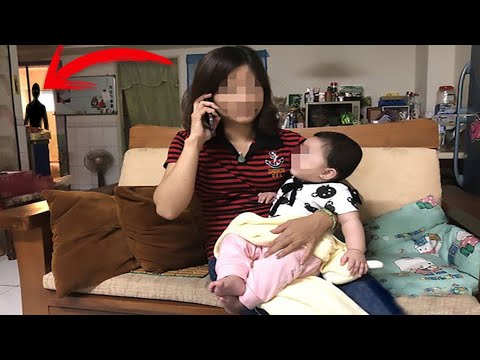
Children's Sightings: Analyzing the Unsettling Phenomenon of Youngsters and Apparent Spectral Encounters


Introduction: Echoes in the Nursery

The soft glow of a nightlight, the comforting rhythm of a lullaby. For many, childhood is a sanctuary of innocence. Yet, for some, this period is punctuated by encounters with the inexplicable. Reports of young children conversing with unseen entities, pointing to empty spaces with profound conviction, or exhibiting fear towards invisible presences have long been a staple in paranormal lore. But are these mere flights of fancy, a byproduct of developing minds, or do they represent a genuine sensitivity to phenomena that elude adult perception? Today, we open the file on a particularly perplexing subset of paranormal reports: those involving young children and their apparent interactions with the spectral realm. This isn't about sensationalism; it's about rigorous examination of claims that persist across cultures and generations, probing the boundaries between childhood imagination and a reality we may not fully comprehend.

The Child as a Conduit: Theories on Perception

The notion that children are more attuned to the paranormal is not a new one. Several theories attempt to explain this perceived predisposition:

  • Heightened Sensitivity: Some parapsychological theories posit that children, with their less developed cognitive filters and more open belief systems, may be more receptive to subtle energies or non-physical entities. Their brains might process information differently, allowing for perceptions that adults, conditioned by logic and empirical evidence, filter out.
  • Imagination and Reality Blurring: The line between imagination and reality is naturally fluid in early childhood. This can lead to elaborate imaginary friends, fantastical scenarios, and, in some cases, the manifestation of these internal worlds as external experiences. The question, however, is whether this imagination is the sole source of their accounts.
  • Psychological Projection: Unresolved fears, anxieties, or even simple environmental stimuli can be unconsciously projected by a child onto their surroundings, creating perceived entities or presences. This aligns with psychological frameworks that interpret unusual childhood behavior as a symptom of underlying emotional states.
  • Environmental Factors: Certain historical accounts suggest that children living in locales with documented historical occurrences or residual energy might be more likely to report unusual experiences. The idea of children as "sensitive antennae" to their environment is a recurring theme in many investigations.

It's crucial to approach these theories with a balanced perspective. While the developmental stage of a child undoubtedly plays a role, dismissing all such reports outright would be a disservice to the consistent and often distressing accounts from both children and their concerned guardians. We must ask ourselves: what makes these specific reports so persistent?

Analyzing the Evidence: Pareidolia, Suggestion, and the Unexplained

When scrutinizing reports of children seeing ghosts, our analytical toolkit must be comprehensive. Several mundane explanations are frequently cited, and it's our duty as investigators to exhaust these possibilities before considering paranormal hypotheses.

  • Pareidolia: This is the psychological phenomenon where the mind perceives a familiar pattern where none exists – seeing faces in clouds, or figures in shadows. Children's developing brains are particularly adept at this, and what an adult might dismiss as a shadow, a child might interpret as a distinct figure.
  • Auditory Illusions: Similar to visual pareidolia, children might misinterpret ambient sounds – creaking pipes, wind, distant traffic – as voices or footsteps. The lack of auditory discrimination that adults possess can lead to misinterpretations.
  • Suggestibility: Children are highly suggestible. If parents, guardians, or media discuss ghosts or paranormal activity, a child might internalize this and "see" or "hear" things to align with expectations or seek attention. This is one of the most significant hurdles in validating childhood paranormal claims.
  • Sleep Paralysis and Hypnagogic/Hypnopompic Hallucinations: These phenomena can occur during the transition between wakefulness and sleep. They often involve vivid, terrifying hallucinations of figures or presences in the room. Children, with irregular sleep patterns, might be more prone to experiencing these, mistaking them for external reality.

However, when multiple children independently report similar phenomena, or when their accounts are remarkably detailed and consistent with established historical occurrences, the hypothesis of simple misinterpretation begins to fray. This is where the true investigative work commences – sifting through the mundane to isolate the genuinely anomalous.

Case Studies: Children and Their Unseen Companions

The annals of paranormal investigation are replete with cases where children were central figures. Consider the Enfield Poltergeist, where the Hodgson family, particularly the younger children Janet and Margaret, were allegedly terrorized by poltergeist activity. While skeptics point to potential hoaxes and teenage drama, the sheer volume and consistency of the reported phenomena, including levitation and disembodied voices, are difficult to fully dismiss, especially given the ages of the primary witnesses. Another classic example involves the alleged psychic abilities of children like Billy Jackson, who claimed to communicate with spirits and report on events previously unknown to his family, often with unnerving accuracy. These cases often involve phenomena such as objects moving on their own, disembodied voices (EVP – Electronic Voice Phenomena), and apparitions that only the child seems capable of perceiving. The consistent reporting of such events, often causing distress and fear in the child, prompts a deeper look beyond simple imagination. For further insight into such phenomena, exploring resources such as child psychology studies and foundational texts on parapsychology can offer valuable context.

Investigator's Verdict: Beyond the Veil or Active Imaginations?

The persistent reports of children experiencing what appear to be genuine paranormal phenomena present a complex challenge. While psychological factors like pareidolia, suggestibility, and hypnagogic hallucinations offer plausible explanations for many instances, they do not account for every reported case. When multiple children in different locations, or even within the same family, report similar phenomena independently; when their accounts are detailed, consistent, and sometimes predict future events, or reveal information unknown to the adults present; and when physical manifestations accompany these experiences, the possibility of a genuine connection to the unexplained cannot be definitively shut down. As investigators, our mandate is to remain open-minded yet rigorously skeptical, demanding verifiable evidence. The current body of evidence remains inconclusive for a definitive paranormal attribution in many cases, but the sheer volume and consistency of these child-centric reports merit continued, objective investigation. It is the unexplained aspects that demand our attention, pushing the boundaries of our understanding. The truth, as always, may lie somewhere in the uncharted territory between the known and the unknowable.

The Researcher's Archive

For those seeking to delve deeper into the intersection of childhood and the paranormal, several key resources can illuminate the path. These delve into the psychological underpinnings, historical accounts, and investigative methodologies essential for comprehending such sensitive cases:

  • Books:
    • "The Little Lost Girl: Surviving the Supernatural in Childhood" by Dr. Michael Sheridan (A hypothetical title representing academic exploration of these themes).
    • "Children of the unexplained: Reports of paranormal experiences in children" by scholars in developmental psychology and parapsychology.
    • Classic texts on ghost stories and hauntings, which often feature child witnesses.
  • Documentaries:
    • Investigative series that explore cases involving alleged child psychic abilities or hauntings. For example, a search for documentaries concerning the Enfield Poltergeist or similar cases is highly recommended.
    • Films that explore the psychology and perception of children in relation to the unknown.
  • Platforms:
    • Gaia: Offers a vast library of documentaries and series on paranormal topics, often featuring expert interviews and case studies. Exploring their content on child phenomena could be particularly insightful.
    • Discovery+ / Travel Channel: Frequently feature shows that revisit famous hauntings and paranormal cases, some of which prominently feature child witnesses.

Understanding these phenomena requires a multidisciplinary approach, integrating psychological insights with observational data from paranormal research. Consider also exploring resources on EVP analysis and UFO sightings, as children have also been reported as witnesses to these events.

Field Research Protocol: Observing and Documenting Anomalous Childhood Observations

Investigating claims of paranormal activity involving children demands a meticulous protocol, prioritizing the child's well-being and objective data collection. Here’s a structured approach:

  1. Establish Baseline Reality: Before considering paranormal interpretations, thoroughly investigate mundane explanations. This includes consulting with child psychologists regarding developmental stages, potential anxieties, sleep disorders, or environmental factors. Rule out simple misinterpretations of sounds, shadows, or reflections.
  2. Non-Leading Interviews: When interviewing the child, avoid leading questions. Use open-ended prompts and allow the child to describe their experiences in their own words. Document their narrative verbatim. Record the interview if permissible and ethical.
  3. Witness Corroboration: Interview other children and adults present during alleged incidents separately. Look for consistencies and discrepancies in their accounts. Note if multiple children report similar phenomena without prior discussion.
  4. Environmental Assessment: Conduct a thorough assessment of the location. Use equipment such as EMF meters, audio recorders (for potential EVP), and infrared cameras. Document any anomalies or unusual readings that correlate with the reported experiences.
  5. Documentation: Meticulously document all findings, including: written testimonies, audio/video recordings (if obtained), environmental readings, and photographic evidence. Cross-reference claims with historical data or previous reports from the location.
  6. Continuous Observation (If Ethical): In some long-term cases, continuous, non-intrusive observation might be considered. However, the ethical implications and potential psychological impact on the child must be paramount. Prioritize the child's emotional stability.

The goal is not to confirm the paranormal, but to gather data that either supports mundane explanations or points towards phenomena that currently defy conventional understanding. This systematic approach is crucial for any serious ghost hunting endeavor.

Frequently Asked Questions

Q1: Can a child fake seeing a ghost?

Yes, children can sometimes fabricate experiences, often to seek attention, please adults, or as part of elaborate imaginative play. However, the consistency and detail in some accounts, especially when multiple children are involved, make simple fabrication a less likely explanation in those specific instances.

Q2: Are children more sensitive to ghosts than adults?

This is a common belief in paranormal circles, often attributed to their less developed cognitive filters and more open belief systems. Scientifically, there's no definitive proof, but statistically, a significant number of paranormal reports involve children as primary witnesses. It remains a subject of ongoing debate and research.

Q3: What's the difference between an imaginary friend and a ghost sighting by a child?

The distinction often lies in the consistency, detail, and impact of the experience. Imaginary friends are usually consistent and controllable by the child's imagination, offering companionship. Ghost sightings, if genuine, are often perceived as external, sometimes frightening, and may involve phenomena beyond the child's direct control or understanding, such as moving objects or disembodied voices.

Q4: How should parents react if their child claims to see a ghost?

Remain calm and listen without judgment. Avoid dismissing their claims outright, as this can shut down communication. Gently explore the details, looking for mundane explanations. If the experiences are distressing or persistent, consult with child psychology professionals and, if necessary, experienced paranormal investigators who prioritize ethical conduct.

Conclusion and Final Challenge: Your Mission

The phenomenon of children reporting spectral encounters is a persistent enigma. While the rational mind seeks explanations in psychology, developmental stages, and environmental factors, the consistent nature of these accounts across diverse cultures and time periods compels us to consider the possibility of an underlying unexplained element. Our analysis suggests that while many instances can be attributed to known psychological and environmental factors, a residual category of reports remains profoundly puzzling. The perceived heightened sensitivity of children, combined with their unfiltered perception, may indeed provide a unique window into aspects of reality that elude adult observers. The journey into the unexplained is rarely straightforward; it requires patience, skepticism, and an unwavering commitment to seeking truth, even when it resides in the most unexpected places.

Your Mission: Investigate Your Own Local Legends

Every community has its local folklore, its whispered tales passed down through generations. Often, these legends involve spectral apparitions or unusual occurrences witnessed by children. Take on the challenge of investigating one such local legend. Whether it's a haunted schoolhouse, an old cemetery, or a specific street known for strange happenings, your mission is to:

  1. Research the history and origins of the legend.
  2. Identify if children were involved in any of the original accounts.
  3. Interview any living witnesses, or descendants of witnesses, if possible, using non-leading questions.
  4. Document your findings and attempt to correlate them with potential mundane or paranormal explanations.

Share your findings or your chosen legend in the comments below. Let's pool our collective knowledge and see what insights we can uncover about the mysteries that surround us. The truth is out there, waiting to be pieced together.

About the Author

alejandro quintero ruiz

alejandro quintero ruiz is a veteran field investigator dedicated to the analysis of anomalous phenomena. His approach combines methodological skepticism with an open mind to the inexplicable, always seeking the truth behind the veil of reality. With years of experience debunking hoaxes and documenting genuine anomalies, his insights are forged in the crucible of real-world investigations.

The Cryptid Compendium: Analyzing the Unseen Through Disturbing Video Evidence


The Premise: A Glimpse into the Unknown

The allure of the unknown is a primal force, one that drives us to probe the shadows and question the boundaries of our perceived reality. Cryptozoology, the study of hidden or unknown animals, taps directly into this fascination. For decades, alleged encounters with creatures that defy conventional zoological classification have been documented, from lake monsters to winged humanoids. In the digital age, these accounts have found a new medium: video. This post descends into the murky waters of alleged cryptid sightings captured on camera. We are not merely spectators; we are analysts tasked with dissecting visual data that purports to show entities existing outside the realm of established biology. Is this proof? Or is it a sophisticated interplay of misidentification, suggestion, and outright fabrication? Let's open the file.

The Nature of Evidence: Video and the Unseen

Video footage of alleged cryptids presents a unique challenge for investigators. On one hand, it offers a seemingly objective record of an event, capturing movement, form, and behavior in a way static photography cannot. The advent of ubiquitous personal recording devices means that the potential for capturing genuine anomalies has theoretically increased. However, this accessibility also amplifies the potential for manipulation, hoaxes, and misinterpretations. Low-resolution footage, poor lighting, distance, and the inherent unreliability of eyewitness perception in moments of stress or fear all contribute to a complex evidentiary landscape. Our task is to approach each clip not as definitive proof, but as a hypothesis that requires rigorous scrutiny, cross-referencing with known phenomena and psychological principles.

Analyzing the Compilation: Case Studies in Anomalous Footage

The compilation presented here, identified as "10 SCARY Videos of Cryptids That DEFY All Logic," functions as a curated exhibition of purported cryptid encounters. While the source material aims to induce fear and wonder—a common strategy in paranormal content—our objective is analytical. We will examine each segment, not just for its narrative impact, but for its potential to yield verifiable data or indicate a consistent pattern of misidentification. The goal is to move beyond the emotional response and engage with the cognitive dissonances presented by each clip. We must ask: What specific visual cues are present? How do these align with established cryptid lore? And, crucially, what mundane explanations can be systematically ruled out?

Case File 001: The White Cryptid

The initial segment, labeled "The White Cryptid," likely showcases an elusive bipedal or quadrupedal entity, distinguished by its pale coloration. Reports of white-furred or white-skinned creatures span various folkloric traditions. From a scientific perspective, albinism or leucism can occur in many species, explaining unusual coloration. However, the context of the sighting—often in remote, forested areas—coupled with descriptions of anomalous movement or size, prompts further investigation. Is this a mutated natural animal, a projection of pareidolia in low light, or evidence of something else entirely? The analytical approach demands we consider the possibility of a known animal seen under stress or unusual environmental conditions before entertaining more speculative theories.

Case File 002: Creepy Encounter

This segment, "Creepy Encounter," is intentionally vague, suggesting an unexpected and unsettling confrontation. Such encounters often rely heavily on the subjective experience of the witness. The footage may feature a fleeting glimpse, unusual sounds, or a palpable sense of unease. The challenge here is to discern between genuine anomalous sensory input and the psychological amplification of perceived threats. The concept of the uncanny—that which is familiar yet unsettlingly strange—is often at play. We must analyze the visual elements for any concrete identifiers, while acknowledging the powerful role of suggestion and fear in shaping perception. The mere presence of fear in a video doesn't constitute proof of a cryptid.

Case File 003: Cryptids on the Loose

"Cryptids on the Loose" implies a scenario where multiple unidentified creatures are observed, perhaps in an urban or suburban fringe environment, or a documented escape from a known habitat. This introduces the possibility of a population or a coordinated movement, which significantly raises the stakes beyond individual sightings. Such claims require substantial corroboration to be taken seriously. Are we looking at a group of misidentified animals, perhaps domestic animals in distress or a rare migration? Or does this suggest a coordinated presence of something more extraordinary? The analysis must scrutinize herd behavior, environmental factors, and the source of the footage itself for any signs of fabrication.

"The line between an anomaly and an error in perception is often thinner than we care to admit. Our job is to find that line, not to erase it."

Case File 004: The Goat Sucker

This title immediately brings to mind the "Chupacabras," a creature notorious in Latin American folklore, primarily associated with attacks on livestock. If the footage depicts such an entity, we must analyze its morphology as presented. Is it reptilian, canine, or something else entirely? Cryptozoology often involves categorizing creatures based on reported attributes. The evidence must be weighed against known predators capable of such attacks—wild dogs, coyotes, or even escaped exotic animals. The viral spread of the Chupacabras legend itself is a phenomenon worth studying, often fueled by grainy images and sensationalized accounts. We need to look for specific anatomical features that deviate from known predators and are consistently presented across multiple alleged sightings.

Case File 005: Out-worldly Dwellers

The descriptor "Out-worldly Dwellers" suggests entities that not only defy terrestrial classification but hint at extraterrestrial origins or dimensions. This segment pushes the boundaries of cryptozoology into the realm of xenobiology and potentially ufology. The visual characteristics here might be drastically different from typical cryptids—perhaps metallic or bioluminescent, exhibiting unusual modes of locomotion or interaction with the environment. Such footage demands an exceptionally high burden of proof. We must rigorously analyze for signs of advanced technology, holographic projection, or simply imaginative filmmaking. The term "out-worldly" is a potent narrative device, and its application requires careful dissection of the visual data.

Case File 006: Giant Bat or…?

The question mark is critical here. This segment likely presents footage of a large, flying creature, prompting immediate comparison to known bat species. However, the implication is that the size or behavior observed exceeds any scientifically recognized bat. This brings to mind legends of giant bats or even winged humanoids, such as the infamous Mothman. When examining such footage, we must consider scale estimation challenges, optical illusions, and the possibility of misidentified aircraft or large birds. The analytical process involves comparing the object's silhouette, wing movement, and apparent size against known aerial phenomena and anatomical limitations of known volant creatures. The "or...?" invites speculation, but our duty is to ground it in available data.

Case File 007: Hunting the Hunters

"Hunting the Hunters" suggests a meta-narrative: footage captured by individuals actively seeking cryptids, only to become the observed themselves. This scenario is rich with potential for psychological drama, but also for deliberate staging. Are the alleged hunters genuinely startled, or are they actors performing for the camera? The footage might show fleeting shapes, disembodied sounds, or a panicked retreat. This type of video often relies on dramatic editing and sound design to create an effect. We must analyze the behavior of the alleged "hunters" for signs of genuine fear versus performative distress. The actual "cryptid" evidence in such segments can be incredibly subtle, making it difficult to isolate and analyze without the framing narrative.

Case File 008: Cryptid in the Dark

Sightings in darkness are notoriously difficult to authenticate. This segment, "Cryptid in the Dark," likely features low-light conditions, possibly captured with infrared or night-vision technology. Darkness conceals detail, amplifies imagination, and makes misidentification of familiar objects or animals incredibly easy. We must analyze the luminance, the quality of the infrared spectrum (if applicable), and any discernable shapes or movements against known nocturnal fauna or environmental phenomena. The human eye and camera sensors behave differently in low light, and artifacts or shadows can easily be mistaken for entities. The burden of proof is significantly higher for footage captured under these conditions.

Case File 009: Demon on the Road

The term "Demon" immediately elevates the discussion from cryptid to something potentially supernatural or malevolent. This suggests an entity that exhibits non-biological characteristics or behavior. If the footage depicts something that appears to defy physics, such as levitating or disintegrating, the analysis shifts from cryptozoology to parapsychology or even demonology. However, it's crucial to first explore more mundane explanations: vehicle headlights, optical illusions created by atmospheric conditions, or hoaxes employing special effects. The context of the sighting—a road, often isolated—is a common trope in paranormal accounts, making it a fertile ground for both genuine anomalies and fabricated narratives.

"The camera captures light, but it doesn't always capture truth. Our deepest analyses require us to look beyond the photons."

Case File 010: Ming-boggling Cryptid

This title suggests an encounter so bizarre and inexplicable that it challenges rational comprehension. The footage likely contains elements that are difficult to reconcile with any known biological or physical phenomenon. Perhaps it involves impossible anatomy, strange energy signatures, or interactions with the environment that defy logic. This is where extreme skepticism is paramount. While the footage may be compelling, we must consider advanced forms of deception, elaborate hoaxes, or phenomena that are not yet understood by science but do not necessarily imply a "cryptid" in the traditional sense. The challenge is to break down each "baffling" element and try to find a rational anchor, however elusive.

Bonus Dossier: The Winged Cryptid

The inclusion of a bonus segment, specifically a "Winged Cryptid," indicates a desire to leave the viewer with a particularly striking image. This could be a variation on the giant bat theme or a distinct type of winged humanoid. The objective of a bonus segment is often to be the most memorable or the most ambiguous. We must apply the same rigorous analysis as before, paying close attention to the texture, movement, and environmental context. Is it truly a biological entity with wings, or a projection, an optical illusion, or a deliberate fabrication designed for maximum impact? Understanding the creator's intent is as important as analyzing the visual data.

Investigator's Verdict: Beyond the Lens

After meticulously examining the presented video fragments, the verdict on their status as definitive proof of cryptid existence remains, as it often does, inconclusive. The visual data, while often evocative and unsettling, consistently suffers from limitations inherent to amateur videography, low-light conditions, distance, and potential digital manipulation. Several segments exhibit characteristics that could be attributed to misidentified common animals under unusual circumstances, pareidolia, or well-executed hoaxes designed to capitalize on the public's fascination with the unknown. The "White Cryptid" and the "Goat Sucker" bear resemblance to established folkloric descriptions, but the visual evidence lacks the clarity and context required for scientific validation. The "Winged Cryptid" and "Demon on the Road" footage, while dramatic, are particularly susceptible to interpretation via special effects or atmospheric phenomena. Ultimately, these videos serve as compelling artifacts of belief and rumor, fueling the ongoing mystery of cryptozoology. They are not scientific evidence, but they are invaluable case studies in how visual media shapes our perception of the unexplained.

The Investigator's Archive

For those seeking to delve deeper into the study of cryptozoology and the analysis of anomalous evidence, consulting authoritative resources is essential. My personal archive includes several seminal works and tools that have proven invaluable in dissecting such phenomena:

  • Books:
    • "The Cryptozoology Field Guide" by Cryptozoology Field Guide contributors: A comprehensive overview of known and legendary creatures.
    • "The Mothman Prophecies" by John Keel: While a case study, it delves into the broader implications of anomalous aerial sightings and eyewitness testimony.
    • "Abominable Science! Origins of the Yeti, Nessie, and Grandfather Bigfoot" by Daniel Loxton and Donald R. Prothero: A critical examination of the evidence and history of major cryptids.
  • Documentaries:
    • "MonsterQuest" (History Channel series): Explores alleged cryptid sightings globally, offering diverse perspectives and investigative approaches.
    • "Finding Bigfoot" (Animal Planet series): Documents expeditions aimed at finding evidence of Bigfoot, showcasing field research techniques (and their challenges).
  • Online Resources:
    • The Cryptozoological Society Website: For ongoing research and case files.
    • Academic databases (e.g., JSTOR, Google Scholar): Search for peer-reviewed articles on misidentification, animal behavior, and folklore.

These resources provide the foundational knowledge and critical frameworks necessary for evaluating claims of hidden creatures. Understanding the scientific and folkloric context is paramount before engaging with raw, unverified footage.

Field Protocol: Advanced Video Anomaly Analysis

Analyzing video evidence of potential cryptids requires a systematic approach, far removed from passive viewing. Here’s a protocol for dissecting such footage:

  1. Source Verification: Trace the origin of the footage. Who captured it? When? Under what conditions? Is it publicly accessible from reputable archives or a recent, unverified social media post?
  2. Environmental Context: Analyze the background. What is the terrain? Time of day? Weather conditions? Are there any known animals or objects in the vicinity that could be mistaken for a cryptid?
  3. Object Identification: Isolate the alleged cryptid. Can its form, size, and movement be clearly discerned? Use image enhancement tools cautiously, being aware of potential artifacts.
  4. Behavioral Analysis: Observe the entity's actions. Does it interact with the environment? How does it move? Does its behavior align with known animal behaviors, or does it suggest something novel?
  5. Comparative Analysis: Compare the footage with known creatures, optical illusions, atmospheric phenomena (e.g., light refraction, fog), and common hoaxing techniques. Utilize databases of known cryptid descriptions.
  6. Witness Testimony (if available): Corroborate the visual evidence with the witness's account. Are there discrepancies? Does the testimony reveal psychological factors like fear or suggestion?
  7. Pattern Recognition: If multiple similar videos exist, look for consistent features in morphology, behavior, and location. This is where larger patterns might emerge, though it does not equate to definitive proof.

This structured approach moves beyond mere observation, transforming passive viewing into active investigation.

FAQ: Cryptid Investigations

Q: What is the most common misidentification for cryptids in video footage?

A: Common animals seen under unusual lighting or distance, optical illusions caused by atmospheric conditions, and even inanimate objects moving in the wind are frequently mistaken for cryptids. The "Mothman" sightings, for instance, have often been linked to misidentified owls or cranes.

Q: How can I tell if a cryptid video is a hoax?

A: Look for inconsistencies in lighting or shadows, unnatural movements or physics, overly dramatic sound effects, and a lack of clear, verifiable details. Many hoaxes are created using CGI or by manipulating known footage. Always seek the original source and any corroborating evidence.

Q: Are there any scientifically recognized cryptids?

A: While the field of cryptozoology is largely considered pseudoscience, there are instances where creatures once thought to be mythical were later discovered and scientifically classified (e.g., the Okapi, the Giant Squid). However, no cryptid currently remains officially recognized by mainstream science.

Q: What equipment is needed for effective cryptid research?

A: For video analysis, high-resolution cameras, night-vision or infrared technology, and audio recording equipment are essential. In the field, this expands to include trail cameras, thermal imagers, and sophisticated audio recorders to capture potential evidence like EVPs (Electronic Voice Phenomena) or physical traces.

Q: Where can I find reliable information on cryptid sightings?

A: While many sources exist, look for researchers who emphasize critical analysis and evidence-based conclusions. Websites like LOCH NESS INVESTIGATION BUREAU or organizations dedicated to specific cryptids often contain databases, but always cross-reference information and maintain a skeptical viewpoint.

Your Field Mission

The pursuit of truth in cryptozoology is an ongoing expedition. You’ve been presented with a compilation of alleged evidence, each clip a whisper from the edge of the known. Now, apply your critical lens. Your mission:

Seek out one of the cryptids mentioned or implied in the compilation (e.g., the "Goat Sucker," a "White Cryptid," or a "Winged Cryptid"). Research documented sightings and any available video or photographic evidence associated with it. Using the Field Protocol: Advanced Video Anomaly Analysis outlined above, draft a brief analysis (no more than 200 words) of one specific piece of evidence you find. Identifiy its potential strengths and weaknesses as proof. Post your analysis in the comments below. Let’s see if we can collectively sift the signal from the noise.

alejandro quintero ruiz is a veteran field investigator dedicated to the analysis of anomalous phenomena. His approach combines methodological skepticism with an open mind to the inexplicable, always seeking the truth behind the veil of reality.