Followers

Mostrando las entradas con la etiqueta Uri Geller. Mostrar todas las entradas

Overlords of the UFO (1976): An Investigated Dossier

Image

The landscape of UFO documentaries is a peculiar one, often blurring the lines between genuine inquiry and sensationalist spectacle. Among these, "Overlords of the UFO" from 1976 stands out not for its scientific rigor, but for its unique place in what can only be described as "cultural ephemera." Hosted by W. Gordon Allen and featuring notable figures like Stanton Friedman, Robert Gribble, Trevor James Constable, and Uri Geller, this film attempts to grapple with the mysteries of unidentified aerial phenomena. While undeniably campy and at times hokey, it presents intriguing segments that warrant a closer look, such as discussions of UFOs within Air Force Academy textbooks and early explorations into interdimensional theories of UFO origins.

Introduction: Deciphering 'Overlords of the UFO'

"Overlords of the UFO" serves as a time capsule, offering a glimpse into the discourse surrounding unidentified aerial phenomena in the mid-1970s. The documentary, while self-aware of its perceived flaws, presents a collection of topics that continue to fascinate researchers and enthusiasts alike. From pilot and astronaut sightings to abduction accounts and speculative voyages from purported alien civilizations like UMMO, the film touches upon a broad spectrum of the UFO phenomenon. Examining this piece critically allows us to understand not only the content presented but also the cultural context and audience reception that have kept it alive in the collective memory of the paranormal community.

Bridging Eras: The 1976 Perspective

When "Overlords of the UFO" was released, the study of UFOs was already a multifaceted field, grappling with Cold War anxieties and nascent scientific curiosity. The inclusion of figures like Stanton Friedman, a nuclear physicist and early proponent of the extraterrestrial hypothesis for UFOs, lent a degree of credibility to the proceedings, despite the film's deliberately dramatic presentation. Trevor James Constable, known for his work on "UFOs and the Deep-Sea Mysteries," brought theories about atmospheric life forms, while Uri Geller, the psychic spoon-bender, represented the more fringe, parapsychological aspects of the phenomenon. This blend of scientific speculation, eyewitness accounts, and apparent psychic phenomena reflects the diverse and often conflicting approaches prevalent in UFOlogy during that era. Many viewers, as noted in online comments, appreciate its preservation, labeling it "cultural ephemera," highlighting its value as a historical artifact rather than a definitive exposé.

Recommended Gear for Investigation

ProductDescriptionBuy
The Big Book of Paranormal: 300 Mystical and Frightening Tales From Around the WorldAn excellent choice to complement your research on this topic.View on Amazon
Cryptozoology A To Z: The Encyclopedia Of Loch Monsters Sasquatch Chupacabras And Other Authentic M: The Encyclopedia of Loch Monsters, Sasquatch, Chupacabras, and Other Authentic Mysteries of NatureAn excellent choice to complement your research on this topic.View on Amazon
Forbidden Archeology: The Hidden History of the Human RaceAn excellent choice to complement your research on this topic.View on Amazon
The H. P. Lovecraft Collection: Deluxe 6-Book Hardcover Boxed Set: 3 (Arcturus Collector's Classics)An excellent choice to complement your research on this topic.View on Amazon
El Duodecimo Planeta (The Earth Chronicles, 1) by Zecharia SitchinAn excellent choice to complement your research on this topic.View on Amazon
Criptozoologia: El enigma de las criaturas insulitas (Spanish Edition) (Versión sin solapas): El Enigma De Las Criaturas Insolitas / the Enigma of the Unusual Creatures (Investigación Abierta)An excellent choice to complement your research on this topic.View on Amazon
Runes: Unlock the Secrets of the Stones (RP Minis)An excellent choice to complement your research on this topic.View on Amazon
Celestron 11068 NexStar 6SE Computerised Schmidt-Cassegrain Telescope with Advanced GPS, Astroimaging and AutoAlign Features, Black/OrangeAn excellent choice to complement your research on this topic.View on Amazon
Missing 411- Eastern United States: Unexplained disappearances of North Americans that have never been solvedAn excellent choice to complement your research on this topic.View on Amazon
Ghost-Hunting For Dummies [Idioma Inglés] An excellent choice to complement your research on this topic.View on Amazon

Analyzing the Core Arguments

The documentary ambitiously tackles several key areas. A significant portion is dedicated to visual evidence, including still and motion pictures of UFOs, alongside testimony from pilots and astronauts. These accounts, often from individuals trained to observe and report accurately, form a crucial part of the UFO database. The film also explores sightings reported around test flights, suggesting a potential connection between advanced aerospace technology and unexplained aerial phenomena. Furthermore, it delves into the disturbing subject of abductions, a theme that would gain greater prominence in later decades. The inclusion of a segment on the "Space Voyage from UMMO" introduces a complex narrative of alleged alien communication and interaction, adding another layer to the film's multifaceted exploration.

Audience Reactions: A Cult Following?

The contemporary reception of "Overlords of the UFO" is a fascinating case study in itself. While acknowledging its low-budget production, cheesy presentation, and bombastic soundtrack, many viewers express a genuine affection for the film. Comments frequently describe it as "corny," "cheesy," "silly," and profoundly entertaining, often comparing it favorably to modern UFO programs. This paradoxical appreciation suggests that its perceived flaws have, for some, contributed to its enduring appeal. Phrases like "one million times more entertaining than Ancient Aliens" and "favorite 'worst documentaries'" highlight a cult following that cherishes its unique, unpolished charm. The preservation and re-uploading of the film are met with gratitude, underscoring its status as a cherished piece of paranormal media history. Some viewers recall encountering it late at night on television, adding to its mystique as a bizarre, unexpected discovery, akin to finding "the Plan 9 of documentaries." This enduring fascination with its "wacky" and "awesome nonsense" demonstrates its impact as more than just a film, but an experience.

"We were literally stunned. What the f'n @(!*)$) is this??? It was so cheap, stupid, strange and utterly honest in its own presentation I felt we'd found the Plan 9 of documentaries! I've loved it ever sense. So wacky."

The persistence of the UFO discourse is also a notable observation from viewers, who remark on how little the fundamental questions and themes have changed over the decades. This continuity suggests that "Overlords of the UFO" tapped into enduring aspects of the human fascination with the unknown.

Beyond the Camp: Interdimensional and Atmospheric Fauna Theories

Beyond the surface-level entertainment, "Overlords of the UFO" touches upon theories that, while speculative, have persisted in paranormal research. The concept of interdimensional origins for UFOs, posited as an alternative to purely extraterrestrial explanations, suggests that these craft might originate from a different plane of reality, intersecting with our own. This theory attempts to account for the anomalous characteristics and seemingly impossible maneuvers attributed to UFOs. Equally intriguing, and certainly more peculiar, is the mention of "invisible flying critters" or "atmospheric fauna." This concept, championed by figures like Trevor James Constable, proposes that some UFOs might not be technological craft at all, but rather unknown biological entities existing within Earth's atmosphere. While these ideas remain largely outside mainstream scientific acceptance, they represent the diverse and often unconventional avenues explored by UFO investigators trying to make sense of ambiguous evidence. The film's tendency to weave these speculative theories into its narrative, even when grabbing onto "a few pieces of legit UFO sightings," is indicative of the era's exploratory, less constrained approach to the subject.

The UMMO Space Voyage: A Linguistic Anomaly?

One of the more enigmatic segments involves the alleged "Space Voyage from UMMO." The UMMO phenomenon, which gained traction in Spain and France in the 1960s and 70s, involves purported communications from an alien civilization claiming to have visited Earth. These communications often took the form of detailed letters and scientific treatises, exhibiting a sophisticated and peculiar internal logic. The inclusion of this topic in "Overlords of the UFO" highlights the growing international scope of UFO investigations and the complex narratives that emerged. The "psychedelic light show" accompanying this sequence, noted by viewers, further adds to the hallucinatory quality of the narrative, blending alleged alien contact with avant-garde visual presentation. Understanding the UMMO case requires delving into intricate linguistic analysis and sociological studies of its propagation, far beyond the scope of a single documentary, yet its inclusion here speaks to the broad church of ideas within the UFO community at the time.

Technological Hypotheses: From Pulse Analyzers to Gravity Manipulation

Critical viewers have pointed to specific moments within the documentary that offer tantalizing, albeit highly speculative, technological insights. One such instance, noted at the 44:41 mark, involves a "pulse analyzer" supposedly detecting a microwave frequency of 3 gigahertz emanating from a UFO. This detail, coupled with references to Einstein's General Relativity and the work of Isadore Rabi on atomic oscillation, forms the basis of a complex, user-generated hypothesis regarding the propulsion of UFOs. The theory posits that by aligning and accelerating atoms within the hull of a craft, potentially using Nuclear Quadrupole Resonance (NQR) on metallic structures, immense accelerations could be generated, creating a form of gravity manipulation. This hypothesis attempts to bridge theoretical physics with observed phenomena, such as the electric effects reported around UFOs. While this remains a speculative interpretation derived from a brief on-screen readout, it exemplifies how viewers actively engage with and seek scientific explanations for the phenomena presented, even in a film known for its unconventional approach.

"At time 44:41 there is a readout from a 'pulse analyzer' - it was designed to receive high frequency radio signals. In this case, at time 44:41, the video shows that the pulse analyzer picked up a microwave frequency of 3 gigahertz coming from a UFO... From General Relativity they knew, in 1938, 'accelerated matter creates gravity.'… This is probably what they (the government) has been refining since the late 1930s/early 1940s. Nuclear Quadupole Resonance applied to the metal hull of gravity vehicles."

Investigator's Verdict: Genuine Inconclusive or Glorious Nonsense?

From an investigator's standpoint, "Overlords of the UFO" is less a definitive exposé and more a fascinating artifact of early UFOlogy. While it incorporates interviews with credible individuals like Stanton Friedman, the film's overall presentation leans heavily into sensationalism. The theories discussed, particularly regarding interdimensional beings and atmospheric fauna, push the boundaries of conventional scientific inquiry. The UMMO segment remains particularly baffling, bordering on pure speculation. However, its persistent popularity and the genuine affection it garners from viewers cannot be dismissed. It succeeds in capturing a sense of wonder and mystery, even if through a lens of low-budget charm and dramatic flair. The film doesn't provide concrete answers but rather poses questions and explores a wide array of possibilities, some more grounded than others. It serves as an entertaining, if not entirely rigorous, examination of the UFO phenomenon as understood and presented in the 1970s. The speculation about advanced physics, while presented without substantiation within the film, is indicative of the intellectual threads that viewers continue to explore and connect, demonstrating the enduring power of anomalous evidence to inspire research.

The Investigator's Archive

For those seeking deeper dives into the subjects touched upon in "Overlords of the UFO," my archive recommends the following resources:

  • Books on Stanton Friedman: Explore his extensive research into the Roswell incident and his advocacy for the extraterrestrial hypothesis. Titles like "Crash at Corona" offer detailed analysis.
  • Trevor James Constable's Works: For theories on atmospheric life forms, Constable's self-published works, though rare, provide the foundational ideas presented in the documentary.
  • The UMMO Phenomenon: Academic and enthusiast sites dedicated to ufology often feature analyses of the UMMO letters and their complex propagation history. Search for detailed case studies from the 1970s.
  • General UFO History Resources: Websites like Wikipedia offer broad overviews of UFO sightings, government reports (such as Project Blue Book), and historical context.
  • Paranormal Investigation Techniques: Our own blog archives contain guides on analyzing photographic evidence and understanding witness testimony, crucial for any critical examination of such documentaries. Explore our paranormal investigation guides.

Frequently Asked Questions

FREQUENTLY ASKED QUESTIONS

  1. Is Overlords of the UFO considered scientifically accurate?
    No, the documentary is widely regarded as more entertainment than scientific accuracy. It presents speculative theories and anecdotal evidence in a dramatic fashion, rather than through rigorous scientific methodology.

  2. Who were the main contributors featured in the film?
    The film featured prominent figures in the UFO community of the time, including Stanton Friedman (nuclear physicist advocating for the extraterrestrial hypothesis), Robert Gribble, Trevor James Constable (theorist on atmospheric life forms), and Uri Geller (psychic performer).

  3. What is the significance of the UMMO segment?
    The UMMO segment refers to a complex hoax or reported phenomenon involving purported communications from an alien civilization. Its inclusion highlights the diverse and sometimes convoluted narratives within UFOlogy.

  4. Why is this low-budget documentary still popular?
    Its popularity stems from its nostalgic appeal, campy charm, and the fact that it covers a wide range of UFO topics in an entertaining, albeit unpolished, manner. Many viewers find it more engaging than modern, slicker productions.

  5. What does the film suggest about UFO propulsion?
    While speculative, the film and subsequent viewer analyses touch upon concepts like interdimensional travel and advanced physics, such as manipulating atomic acceleration to create gravity effects, as potential explanations for UFO flight capabilities.

Your Mission: Field Observation and Analysis

What are your thoughts on "Overlords of the UFO"? Have you encountered similar "campy" yet intriguing documentaries? Share your experiences in the comments below. Your insights are crucial for our collective understanding.

Don't forget to share this investigation with fellow truth-seekers on social media. Let's bring these historical anomalies back into the light!

```

Investigator's Note: True paranormal research doesn't fund itself. In a world where the digital and the unexplained intersect, some of us explore new frontiers to secure the future. Do you dare to be part of the vanguard? Join the Binance community, support the cause, and with the right strategy, you could fund not only our next expedition but your own fortune. The next great discovery could be just a click away.

The Amazing World of Psychic Phenomena (1976): An Investigator's Analysis

Image

In the annals of paranormal exploration, few documentaries from the analog era stand out as vividly as the Schick Sunn Classic production, "The Amazing World of Psychic Phenomena" (1976). Hosted by the inimitable Raymond Burr, this film delves into a landscape brimming with purported telepathy, precognition, and phenomena that push the boundaries of our understanding. As an investigator, my approach is to deconstruct these claims, dissecting the evidence presented through the lens of critical thinking, while acknowledging the enduring human fascination with the unexplained.

This documentary explores the work and claims of individuals who became prominent figures in the parapsychological field during their time. Among them are Peter Hurkos, Ted Serios, Uri Geller, Ruth Montgomery, Edgar Mitchell, and Jeane Dixon. Their contributions, and the phenomena they represent—from Edgar Cayce's prophecies to the mysteries of Kirlian photography and the very nature of auras—form the core of the investigations presented.

Introduction: The 1976 Enigma

The 1970s represented a unique cultural moment where the paranormal, while often met with skepticism, also found a mainstream platform. Documentaries like "The Amazing World of Psychic Phenomena" weren't just entertainment; they were catalysts for public discourse on subjects previously relegated to the fringes. Raymond Burr's measured narration lent an air of credibility, guiding viewers through a series of astonishing claims and demonstrations that challenged conventional scientific paradigms.

Recommended Gear for Investigation

ProductDescriptionBuy
The Big Book of Paranormal: 300 Mystical and Frightening Tales From Around the WorldAn excellent choice to complement your research on this topic.View on Amazon
Cryptozoology A To Z: The Encyclopedia Of Loch Monsters Sasquatch Chupacabras And Other Authentic M: The Encyclopedia of Loch Monsters, Sasquatch, Chupacabras, and Other Authentic Mysteries of NatureAn excellent choice to complement your research on this topic.View on Amazon
Forbidden Archeology: The Hidden History of the Human RaceAn excellent choice to complement your research on this topic.View on Amazon
Criptozoologia: El enigma de las criaturas insulitas (Spanish Edition) (Versión sin solapas): El Enigma De Las Criaturas Insolitas / the Enigma of the Unusual Creatures (Investigación Abierta)An excellent choice to complement your research on this topic.View on Amazon
The H. P. Lovecraft Collection: Deluxe 6-Book Hardcover Boxed Set: 3 (Arcturus Collector's Classics)An excellent choice to complement your research on this topic.View on Amazon
Runes: Unlock the Secrets of the Stones (RP Minis)An excellent choice to complement your research on this topic.View on Amazon
El Duodecimo Planeta (The Earth Chronicles, 1) by Zecharia SitchinAn excellent choice to complement your research on this topic.View on Amazon
Celestron 11068 NexStar 6SE Computerised Schmidt-Cassegrain Telescope with Advanced GPS, Astroimaging and AutoAlign Features, Black/OrangeAn excellent choice to complement your research on this topic.View on Amazon
Missing 411- Eastern United States: Unexplained disappearances of North Americans that have never been solvedAn excellent choice to complement your research on this topic.View on Amazon
P-SB7T Spirit Box ITC Rev 7 Research FM/AM Ghost Box PSB7 Radio Paranormal Equipment PSB7T SB7 P-SB7TAn excellent choice to complement your research on this topic.View on Amazon

The film promised an exploration of abilities that seemed to defy the laws of physics and biology: seeing the future, communicating across vast distances without technology, and perceiving energies invisible to the naked eye. As an investigator, my task is not to simply accept these assertions but to critically examine the context, the individuals involved, and the potential for both genuine phenomena and sophisticated deception.

Key Figures and Phenomena Explored

The documentary showcases a pantheon of individuals who claimed extraordinary psychic gifts:

  • Edgar Cayce: Known as the "Sleeping Prophet," Cayce's readings were reportedly delivered in a trance state, offering diagnoses for physical ailments and prophecies about the future.
  • Precognition: The ability to foresee future events, a theme explored through various anecdotal accounts and testimonials.
  • Psychometry: The alleged psychic ability to obtain information about an object or person by touching it. Peter Hurkos was a prominent figure associated with this.
  • Faith Healing: The practice of healing through spiritual belief, often involving a connection between the healer and the divine.
  • Biofeedback: While presented in a parapsychological context, this touches upon the conscious control of involuntary bodily functions, a field that has seen more conventional scientific exploration.
  • Kirlian Photography: The technique of capturing luminous images of living organisms, often interpreted as 'auras' or life energy.
  • Psychic Investigators: Individuals who claimed to use their abilities to solve crimes or locate missing persons.
  • Auras: The purported colored fields of energy surrounding living beings, said to convey information about health and emotional state.
  • Astral Projection: The concept of the spirit or consciousness leaving the physical body to travel independently.
  • Haunted Houses: Investigations into locations believed to be inhabited by paranormal entities.
  • Psychic Photography: Images allegedly capturing spirits or psychic energy not visible to the unaided eye.
  • Ghost Sound Recordings (EVP): The recording of unexplained voices or sounds on audio equipment, a cornerstone of modern paranormal investigation.
  • Séances: Gatherings where individuals attempt to communicate with spirits of the deceased.
  • Reincarnation: The belief that the soul is reborn into a new body after death, a concept often linked to past-life recall.

Among the featured personalities, Edgar Mitchell, the sixth man to walk on the Moon, brings a unique astronomical perspective, discussing his work on the effects of consciousness and the potential of quantum mechanics to explain psychic phenomena. His involvement lends significant weight to the discussions on the nature of reality and human potential.

Audience Reflections: Echoes from the Field

The enduring appeal of this documentary is evident in the feedback shared by viewers across various platforms. Many recall the profound impact it had during their formative years. One viewer recounts, "I seen this at 7yrs old. Shit scared me. Grown now it is nothing. But as a kid. This was more eerie then any horror movie." This sentiment highlights the power of suggestion and atmosphere in shaping our perception of the unexplained, particularly during childhood.

The documentary's influence extended beyond mere entertainment. Several comments point to its role in shaping future researchers: "Hail to Charlie Tart, Dr Mishlove, Russell Targ, Ingo Swann, skip atewater, Stuart Hameroff, Edgar Mitchell, Robert Monroe for helping me understand my scenario's as a child & more so as an adult!" This underscores how exposure to such topics, even if controversial, can open minds to alternative possibilities and inspire a lifelong pursuit of knowledge in fields like parapsychology.

"The ghostly hour of 3am." Still gives me the chills

— Viewer Comment

The recurring theme of childhood fear and adult re-evaluation suggests that the documentary taps into primal anxieties and curiosities. The mention of "Anthropologists report that people here are capable of transmitting and receiving thoughts telepathically" by one viewer reflects a common thread in the material: the idea that psychic abilities are not just individual anomalies but potentially widespread human traits, albeit suppressed or unrecognized in mainstream society. The difficulty in publishing such claims in academic journals, even in the 70s, speaks to the persistent skepticism that has always surrounded these subjects.

Debunking and Skepticism: The Investigator's Doubt

No serious investigation into psychic phenomena is complete without confronting the inevitable charges of fraud and misdirection. The documentary itself, and the careers of some featured individuals, have faced rigorous scrutiny. Uri Geller, in particular, has been a frequent target. As one commenter points out, "Uri Gellar was shamed on Johnny Carson, when he was caught palming a second spoon that had been pre broken, and placed back together with Mercury & frozen." This incident, involving the alleged use of mercury to repair a spoon and then melt it away, is a classic example of how skilled performers can create illusions of psychic power.

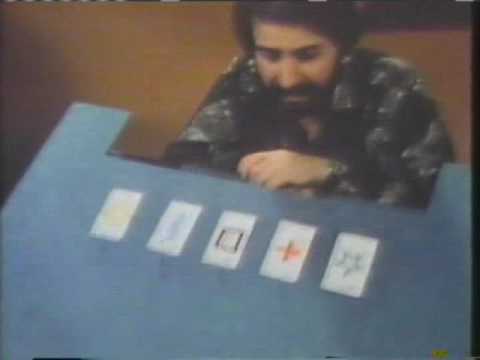
Another viewer keenly observes the rigged nature of some demonstrations: "The 2 of hearts thing.....didja notice he DID NOT show the other card. Why? Because BOTH cards were a two of hearts. No matter WHAT arm Burr picked (right or left), it was going to be right." This analytical approach, dissecting the methodology of the 'tests,' is precisely the kind of critical evaluation required. The film likely presented these demonstrations as evidence, but a careful observer, especially one familiar with stage magic, can see the potential for trickery.

I totally dig this kinda crap but it's so set up it's funny. This is an awesome comedy.

— Viewer Comment

The skepticism extends to other demonstrations. The explanation for the fish pictures and hang glider test suggests that deliberate misdirection—making one option appear more likely or dynamic than another—can create the illusion of psychic insight. This aligns with the principles of psychological manipulation often employed in both magic and, unfortunately, in fraudulent psychic readings. The documentary's very presentation, aiming to amaze, inadvertently provides material for those seeking to debunk it.

Scientific Perspectives and Modern Interpretations

While the 1976 documentary captured a specific moment in the public perception of psychic phenomena, it's crucial to assess these claims through the lens of modern scientific understanding. The field of parapsychology continues to investigate phenomena like precognition and telepathy, though mainstream scientific acceptance remains elusive. Research into consciousness, quantum entanglement, and even the subtle biological signals captured by techniques like Kirlian photography has evolved significantly.

Edgar Mitchell's contribution, linking psychic phenomena to quantum holographic universe theories, reflects an attempt to bridge the gap between the esoteric and the scientific. While elegant, these theories often remain speculative and difficult to test empirically. The debate continues: are these phenomena genuine expressions of consciousness beyond our current understanding, or are they products of cognitive biases, statistical anomalies, and deliberate deception?

The decline in mainstream discussion of these topics is noted by viewers: "Anyone remember when this kind of research stopped being talked about seriously now a far higher percentage of the population will simply dismiss esp as modern propergander treats such things as myth or 'conspiracy theories' reinforcing ignorance." This observation points to a societal shift, where open discussion of the paranormal has become more marginalized, often relegated to online communities and labeled as fringe or conspiratorial. This creates a challenge for genuine researchers trying to explore these frontiers without being dismissed.

When considering phenomena like ghost sound recordings (EVP), advancements in audio technology and our understanding of auditory pareidolia (perceiving meaningful sounds in random noise) provide more conventional explanations. Similarly, while auras and Kirlian photography can be visually striking, their interpretation as direct evidence of psychic energy remains largely unsubstantiated by rigorous scientific methods. The potential for psychological suggestion, particularly in the context of haunted houses and séances, is immense. We must acknowledge that human perception is fallible and highly susceptible to expectation and environmental cues.

Investigator's Toolkit: Essential Gear for Psychic Research

For those inspired by "The Amazing World of Psychic Phenomena" to venture into the realm of investigation, having the right tools is paramount. While the documentary showcased anecdotal evidence and dramatic demonstrations, modern investigators rely on a more systematic approach.

Essential equipment often includes:

  • Digital Voice Recorders: For capturing Electronic Voice Phenomena (EVP) with high fidelity.
  • EMF Meters: To detect fluctuations in electromagnetic fields, often associated with reported paranormal activity.
  • Infrared and Full-Spectrum Cameras: To capture visual anomalies that may not be visible to the naked eye.
  • Geophone Sensors: To detect subtle vibrations in floors and structures.
  • Thermometers (Infrared and Ambient): To measure temperature fluctuations, another common indicator cited in paranormal reports.

Beyond technology, the most critical tools are a clear, analytical mind, meticulous record-keeping, and a commitment to methodological rigor. Understanding basic principles of psychology, physics, and common deception techniques is as vital as any gadget.

Investigator's Verdict: Authenticity or Artifice?

After reviewing the documentary and the subsequent discussions, my assessment leans heavily towards a critical interpretation. While the film captures a fascinating cultural moment and highlights individuals who genuinely believed in their abilities, the evidence presented is largely anecdotal or demonstrably susceptible to trickery. The claims made by figures like Uri Geller have been widely debunked, and the "demonstrations" within the documentary itself often show signs of careful staging.

The surviving comments suggest a divergence of opinion: some viewers remain captivated, while others, with a more discerning eye, see the "set up" and consider it "awesome comedy." The stark contrast between those who "passed all the tests" and those who see the deliberate nature of the illusions is telling. The persistence of belief, even when faced with evidence of fraud (as with Geller), speaks to the powerful human desire to believe in something beyond the ordinary, and the effectiveness of persuasive presentation.

It is true that some phenomena, like the claims surrounding Edgar Cayce and Peter Hurkos, have faced less definitive debunking compared to others. However, the absence of conclusive, repeatable scientific evidence for most psychic abilities means they remain in the realm of speculation and personal experience rather than established fact. The documentary is a valuable historical artifact, showcasing the popular fascination with the psychic world, but as a source of definitive proof, it falls short.

Frequently Asked Questions

  1. What is the main criticism leveled against the phenomena shown in "The Amazing World of Psychic Phenomena (1976)"?
    The primary criticism is that many of the demonstrations were staged, relied on trickery, or could be explained by natural causes and psychological suggestion rather than genuine psychic ability.
  2. Who were some of the key figures featured in the documentary?
    The documentary featured individuals such as Edgar Cayce, Peter Hurkos, Ted Serios, Uri Geller, Ruth Montgomery, Jeane Dixon, and astronaut Edgar Mitchell.
  3. Has scientific research validated the psychic claims presented in the film?
    While parapsychology continues to investigate these areas, mainstream science has not validated most of the claims presented in the film with conclusive, repeatable evidence. Many of the featured individuals, like Uri Geller, have faced public debunking.
  4. Why are documentaries like this still popular despite skepticism?
    These films tap into a deep human fascination with the unknown, the possibility of hidden potentials within consciousness, and the enduring mystery of life and death. They offer a glimpse into a world beyond the ordinary, captivating audiences with wonder and intrigue.
  5. Can psychic abilities be learned or developed?
    This is a central question in parapsychology. Some theories suggest potential, while others emphasize the role of natural talent or the possibility of heightened intuition. However, definitive methods for developing psychic abilities remain unproven.

Your Mission: The Critical Observer

The legacy of "The Amazing World of Psychic Phenomena" serves as a potent reminder: to approach extraordinary claims with extraordinary skepticism. Your mission, should you choose to accept it, is to cultivate the skill of the critical observer. When confronted with sensational evidence, ask yourself:

  • What is being shown, and what might be deliberately concealed?
  • Are there simpler, non-paranormal explanations for what I am seeing?
  • What are the motivations of the individuals presenting this information?

Engage with content like this not just as a passive viewer, but as an active investigator. Share your findings, your analyses, and your toughest questions. The pursuit of truth, whether it lies in the mundane or the paranormal, requires constant vigilance and incisive questioning.

The world of the unexplained is vast and often misleading. It requires careful navigation, and this documentary, while engaging, is best viewed as a historical snapshot of belief rather than a definitive guide to psychic truths. Continue your research, stay critical, and never stop questioning.

Share your own experiences with psychic phenomena or your thoughts on this documentary. Did it influence you? Do you believe the claims? Let us know in the comments below. Don't forget to share this investigation into the amazing world of psychic phenomena with your fellow truth-seekers on social media!

Investigator's Note: True paranormal research doesn't fund itself. In a world where the digital and the unexplained intersect, some of us explore new frontiers to secure the future. Do you dare to be part of the vanguard? Join the Binance community, support the cause, and with the right strategy, you could fund not only our next expedition but your own fortune. The next great discovery could be just a click away.

El Proyecto "Beacon in the Galaxy": ¿Advertencia Científica o Invitación a lo Desconocido?


El Eco Cósmico: Un Psíquico y una Advertencia

El silencio del espacio profundo ha sido durante mucho tiempo un lienzo para nuestras proyecciones, un espejo de nuestras esperanzas y miedos. A principios de este año, la figura del psíquico Uri Geller irrumpió en la conversación pública, no con una cucharilla doblada, sino con una advertencia grabada a fuego en Instagram: una "invasión silenciosa" se gestaba en las profundidades del cosmos. Geller, etiquetando a la propia NASA, compartió la imagen de un objeto intraterrestre que, según sus fuentes, emitía una explosión de energía tres veces por hora, liberada por una inteligencia extraterrestre superior a la nuestra. Afirmó categóricamente que los alienígenas se preparaban para "la llegada".

Mientras el escéptico ve en estas declaraciones la chispa de la imaginación o el deseo de notoriedad, en el mundo de la investigación paranormal, cada afirmación, por inverosímil que parezca, merece un análisis desapasionado. La historia, después de todo, está plagada de "locuras" que con el tiempo demostraron tener un fundamento inesperado. ¿Podría Geller, con su peculiar enfoque, estar anticipando una verdad incómoda?

Proyecto Beacon in the Galaxy: La Misión Cifrada

Paradójicamente, la advertencia de Geller resuena con inquietudes que han surgido en círculos más científicos. Se ha revelado un ambicioso proyecto de la NASA, conocido como "Beacon in the Galaxy", cuyo propósito es transmitir un mensaje codificado en binario al espacio exterior. Este mensaje, una evolución del icónico "Mensaje de Arecibo" de 1974, no es una simple carta a los Reyes Magos cósmicos; busca ser una declaración de intenciones y una ventana a nuestra existencia. Contiene información detallada sobre nuestro sistema solar, las características de la Tierra y una representación de la humanidad, dirigida a una región de la Vía Láctea identificada como un posible hogar para civilizaciones extraterrestres.

La intención detrás de este proyecto es, sin duda, noble: establecer un puente de comunicación, extender la mano hacia lo desconocido en busca de conocimiento y, quizás, romper la soledad cósmica. Sin embargo, como toda acción audaz que desafía las fronteras de lo conocido, también conlleva riesgos inherentes, riesgos que no deben ser subestimados por la adrenalina del descubrimiento.

Las Voces de Oxford: Riesgos Existenciales Bajo la Lupa

En el corazón de la advertencia reside la perspectiva de investigadores de instituciones de renombre, como Anders Sandberg, investigador principal del Instituto Futuro de la Humanidad de Oxford. Sandberg, en declaraciones al periódico británico The Daily Telegraph, señaló la baja probabilidad de que el mensaje sea recibido, pero enfatizó la magnitud del impacto potencial. "Podría tener un impacto significativo que realmente hay que tomarlo con bastante seriedad", advirtió.

El profesor Sandberg identificó un obstáculo cultural significativo: el "factor de risa" que rodea la búsqueda de inteligencia extraterrestre. Esta tendencia a trivializar el tema, según él, impide que las personas consideren las implicaciones de tal contacto, a pesar de su importancia fundamental para el futuro de la humanidad. Argumentó que, dada la inmensidad y las dificultades inherentes al viaje interestelar, una señal recibida por una civilización avanzada podría ser interpretada como poco más que una "postal", una curiosidad pasajera. Esta perspectiva, aunque prudente, abre la puerta a la especulación sobre las verdaderas intenciones de una civilización capaz de realizar tal viaje.

"La posibilidad de que el mensaje llegue a una civilización alienígena era baja, pero podría tener un impacto significativo que realmente hay que tomarlo con bastante seriedad." - Anders Sandberg, Instituto Futuro de la Humanidad, Oxford.

Sus argumentos se ven reforzados por las reflexiones de Toby Ord, colega de Sandberg en Oxford y autor de "The Precipice" (El Precipicio). Ord, quien analiza los riesgos existenciales para la humanidad, plantea la pregunta crucial sobre la proporción de civilizaciones pacíficas frente a las hostiles en el cosmos. "Tenemos muy poca evidencia sobre si esto es alto o bajo, y no hay consenso científico", afirmó. La inquietante conclusión de Ord es que, dado que la desventaja de un contacto hostil podría superar con creces cualquier beneficio potencial, tomar medidas activas para iniciar dicho contacto podría no ser la decisión más sensata. Esta es una perspectiva que desafía el optimismo inherente a la exploración y nos obliga a confrontar la posibilidad de que la humanidad, al enviar su "postal", esté inscribiéndose involuntariamente en un registro cósmico peligroso.

Análisis de Riesgo-Beneficio: ¿Vale la Pena el Contacto?

El mensaje propuesto por el proyecto "Beacon in the Galaxy" no es una simple transmisión de datos; es un compendio de nuestra identidad como especie. Incluye conceptos matemáticos y físicos básicos, destinados a ser un lenguaje universal. Detalla la composición bioquímica de la vida en la Tierra, estableciendo nuestra naturaleza biológica. Y, de manera crucial, proporciona nuestra ubicación en la galaxia, relacionando la posición de nuestro sistema solar con cúmulos estelares conocidos, además de presentar representaciones digitalizadas de nuestro sistema, nuestro planeta y figuras humanas masculinas y femeninas. Es, en esencia, un "quiénes somos y dónde estamos" para el universo.

La decisión de transmitir esta información recae en la comunidad científica, pero la infraestructura propuesta involucra al potentísimo radiotelescopio FAST (Five-hundred-meter Aperture Spherical Telescope) en China y a los telescopios Allen del Instituto SETI en California. Los investigadores del proyecto lo describen como un "desarrollo increíblemente intrigante en la exploración científica del cosmos". Sin embargo, la prudencia de Sandberg y Ord nos obliga a cuestionar si la intriga científica justifica el riesgo exponencial. ¿Estamos preparados para ser contactados? ¿Hemos evaluado rigurosamente las posibles ramificaciones económicas, sociales y políticas de un encuentro con una civilización alienígena? El concepto de "riesgos extremos de invasión extraterrestre" no es solo material de ciencia ficción; representa un desafío existencial que podría redibujar el mapa de nuestra civilización.

Más Allá de la Postal: Implicaciones a Largo Plazo

La analogía de la "postal" es útil, pero quizás simplifica en exceso la complejidad de la comunicación interestelar. Una civilización capaz de detectar y descifrar nuestra señal, y potencialmente viajar hasta nosotros, operaría bajo un paradigma tecnológico y social que escapa a nuestra comprensión actual. ¿Qué significaría para nosotros recibir un mensaje de respuesta? ¿Sería un intercambio de conocimientos, una advertencia, o algo más ominoso?

Consideremos la posibilidad de que el "factor de risa" que menciona Sandberg no sea solo una cuestión de percepción humana, sino un mecanismo evolutivo o social dentro de las civilizaciones avanzadas. Quizás la cautela ante la comunicación proactiva es una lección aprendida a través de experiencias pasadas, experiencias de las que carecemos por completo. La historia de la humanidad está marcada por encuentros desiguales entre culturas, y rara vez han resultado en beneficios equitativos para la parte menos avanzada. Al enviar el "Beacon in the Galaxy", la NASA, en nombre de la humanidad, está tomando una apuesta cósmica de proporciones inauditas. La pregunta no es solo si nos contactarán, sino cómo lo harán y cuáles serán las consecuencias inevitables de haber revelado nuestra presencia.

Veredicto del Investigador: Pragmatismo ante el Cosmos

El debate entre la audacia exploratoria y la cautela existencial es tan antiguo como la humanidad misma. El proyecto "Beacon in the Galaxy", impulsado por la curiosidad científica, se encuentra en la encrucijada de esta dicotomía. Si bien la tentación de "gritar al universo" y obtener una respuesta es fuerte, la prudencia de figuras como Sandberg y Ord no puede ser ignorada. La ausencia de datos concluyentes sobre la naturaleza de las civilizaciones extraterrestres nos sitúa en una posición de vulnerabilidad.

Mi análisis se inclina hacia la prudencia. La posibilidad de que una civilización avanzada sea hostil, o simplemente indiferente a nuestro bienestar, es lo suficientemente real como para justificar una pausa reflexiva. Enviar nuestra "postal" cósmica, incluyendo nuestra ubicación exacta, sin un conocimiento previo de quién podría recibirla, es un acto de fe que roza la imprudencia. La ciencia busca respuestas, pero la sabiduría reside en saber cuándo esperar y cuándo actuar. En este caso, la espera y la contención de información hasta tener una comprensión mucho mayor de los riesgos parecen ser la estrategia más lógica.

Protocolo: Evaluando Futuras Señales Extraterrestres

Si en el futuro se detecta una señal anómala o un evento clasificado como "extraterrestre", es crucial contar con un protocolo de investigación riguroso. Basándonos en los principios del análisis de casos paranormales y la investigación de campo, propongo los siguientes pasos:

  1. Verificación Independiente: Cualquier señal o evidencia debe ser confirmada por múltiples fuentes y equipos de investigación independientes. La NASA o cualquier otra entidad responsable debe permitir el acceso a los datos brutos para un escrutinio público y científico riguroso.
  2. Análisis del Origen y Naturaleza: Determinar la procedencia de la señal o el fenómeno es primordial. ¿Es de origen natural, artificial humano, o genuinamente extraterrestre? Se deben emplear análisis espectrográficos, de patrones energéticos y de composición para descartar explicaciones mundanas. Los medidores EMF y los receptores de radio de banda ancha serían herramientas iniciales, pero se requeriría tecnología mucho más avanzada.
  3. Evaluación de la Inteligencia y el Comportamiento: Si se confirma una posible inteligencia extraterrestre, el análisis debe centrarse en la naturaleza de su comunicación o acción. ¿Es benigna, indiferente, o potencialmente hostil? Se deben buscar patrones en la señal que sugieran intención o propósito. Comparar la complejidad de la señal con nuestras propias capacidades tecnológicas es un indicador clave.
  4. Impacto y Mitigación: Si se confirma una amenaza o un riesgo existencial, se deben activar protocolos de contingencia global. Esto va más allá de la defensa militar; implicaría estrategias de comunicación controlada, posible ocultamiento de información sensible, y la preparación de la sociedad para un escenario sin precedentes. La coordinación internacional sería fundamental, evitando el pánico que podría ser explotado.

La clave reside en aplicar el mismo rigor y escepticismo que aplicamos a los fenómenos inexplicables en la Tierra. No debemos sucumbir a la fascinación ciega ni al pánico irracional. El objetivo es comprender, no solo reaccionar.

Preguntas Frecuentes

¿Qué es el proyecto "Beacon in the Galaxy"?
Es una iniciativa propuesta para transmitir un mensaje codificado con información sobre la Tierra y la humanidad a una región de la Vía Láctea considerada propicia para albergar vida extraterrestre.
¿Quiénes han expresado preocupación por este proyecto?
Investigadores del Instituto Futuro de la Humanidad de Oxford, como Anders Sandberg y Toby Ord, han advertido sobre los riesgos existenciales que implica compartir nuestra ubicación.
¿Cuál fue la advertencia de Uri Geller?
Geller advirtió sobre una "invasión silenciosa" y la preparación por parte de inteligencia extraterrestre superior a la nuestra, basándose en la detección de una fuente de energía anómala en el espacio.
¿Por qué se considera riesgoso enviar nuestra ubicación al espacio?
Existe la posibilidad de que una civilización extraterrestre avanzada contactada sea hostil o indiferente a nuestra supervivencia, y revelar nuestra ubicación podría exponernos a un riesgo existencial mayor del que podríamos beneficiarnos.

Tu Misión de Campo

Hemos analizado el proyecto "Beacon in the Galaxy" desde una perspectiva de riesgo y recompensa. Ahora, tu misión es expandir esta indagación. Busca en fuentes abiertas (documentos desclasificados de la NASA, artículos de SETI, debates científicos sobre el contacto extraterrestre) información sobre el estado actual de este o proyectos similares. ¿Se ha aprobado la transmisión? ¿Cuáles son las contraargumentaciones más sólidas a las advertencias de Oxford?

Comparte tus hallazgos y tu propia opinión fundamentada en los comentarios. ¿Crees que la comunidad científica está procediendo con la debida diligencia? ¿O estamos, como especie, jugando con fuego cósmico?

alejandro quintero ruiz es un veterano investigador de campo dedicado al análisis de fenómenos anómalos. Su enfoque combina el escepticismo metodológico con una mente abierta a lo inexplicable, buscando siempre la verdad detrás del velo de la realidad. Con años de experiencia documentando y analizando casos de todo el mundo, Quintero Ruiz aporta una perspectiva pragmática y rigurosa a los misterios que trascienden nuestra comprensión convencional.

John Lennon: El Expediente del Encuentro OVNI en el Edificio Dakota


Introducción: La Sombra sobre el Ícono

El teléfono suena a las 3:33 AM. Una voz estática susurra un nombre que nadie debería conocer. No es una llamada, es una invitación. Hoy abrimos el expediente sobre John Lennon, un hombre cuya vida trascendió la música para convertirse en un símbolo global. Pero, ¿qué secretos se esconden tras el telón de su aura de celebridad? ¿Pudo el genio de Liverpool haber tenido un encuentro que desafía nuestra comprensión de la realidad? En este análisis, desgranaremos el relato que conecta a Lennon con seres de otro mundo, un testimonio recogido por el mentalista Uri Geller y que arroja una luz intrigante sobre la figura del ex Beatle. Preparémonos para examinar la evidencia, conectar los puntos y determinar si este es otro caso de delirio, un engaño elaborado o una ventana a lo verdaderamente inexplicable.

El Testimonio de Uri Geller: Conexión con Lennon

Uri Geller, conocido por sus supuestas habilidades psíquicas y su conexión con figuras públicas, emerge aquí como el custodio de una experiencia extraordinaria atribuida a John Lennon. El relato se sitúa en noviembre de 1974, seis meses antes de donde supuestamente ocurrió el evento principal. Geller afirma que Lennon le confió en secreto un encuentro que lo dejó perplejo y con un objeto metálico enigmático. La pregunta fundamental es: ¿por qué Geller esperó treinta años para revelar esta historia? La motivación detrás de este retraso es tan crucial como el relato mismo. Podría ser un intento por validar su propia narrativa, un acto de lealtad a la memoria de Lennon, o quizás una estrategia para generar interés en un momento específico. Analizar la credibilidad del testigo es el primer paso, pero no podemos descartar la posibilidad de que Lennon, una figura conocida por su espíritu experimental y su interés en lo esotérico, pudiera haber experimentado algo genuinamente anómalo. Este enlace entre el músico y el mentalista es el hilo conductor de nuestro expediente.

La Noche del Encuentro: Luz, Seres y Bloqueo Mental

La escena se desarrolla en la intimidad del apartamento de Lennon en el icónico Edificio Dakota, Nueva York. El relato describe un despertar abrupto causado por una intensa luminosidad que se filtraba bajo la puerta, evocando la imagen de un incendio o la intrusión de un reflector. Esta sobrecarga sensorial es un elemento recurrente en muchos relatos de abducción y encuentros cercanos. Lennon, actuando con valentía a pesar de la distracción de Yoko Ono, investiga la fuente de la luz. Lo que encuentra desafía toda lógica: cuatro seres descritos como "pequeños, con ojos parecidos a los de un insecto y unas bocas diminutas". La negación explícita de Lennon sobre estar bajo la influencia de drogas o soñando es un intento por reforzar la veracidad de su experiencia. El empuje psíquico no físico, una forma de telequinesis o fuerza mental invisible, es otro tropo común en la narrativa ovni y paranormal. El posterior "bloqueo mental" que impide a Lennon recordar detalles clave es un fenómeno psicológico conocido como amnesia disociativa, a menudo reportado en casos de trauma o experiencias extremas. ¿Fue este bloqueo una defensa psíquica, un efecto secundario de la tecnología o manipulación de los supuestos visitantes, o simplemente una lagrimógena casualidad narrativa? La consistencia de estos elementos con otros casos de abducciones es notable y exige una investigación rigurosa.

"Lennon aseguró que no estaba soñando, ni bajo los efectos de ninguna droga. Su primer impulso fue expulsar a aquellos seres de su piso, pero cuando se dirigió hacia ellos, sintió que le empujaban y le mandaban hacia atrás, pero sin tocarlo, sólo con el poder de la mente."

El Artefacto Inexplicable: Una Prueba Dorada

Tras el desconcertante encuentro y el aparente lapsus temporal, Lennon se encuentra de nuevo en la cama junto a Yoko Ono. Es en este momento, al despertar, que descubre en sus manos un objeto metálico de apariencia dorada y forma de huevo. Este objeto se convierte en la pieza central de evidencia física del supuesto suceso. Lennon, con una mezcla de cautela y resignación, lo entrega a Geller con la enigmática frase: "Guárdalo. Si es mi billete para otro planeta, no quiero ir allí". Esta declaración revela una profunda ambivalencia: el reconocimiento de la posible naturaleza extraterrestre del artefacto, pero un rechazo visceral a la idea de una partida forzada de la Tierra. La posesión del objeto por parte de Geller, y su subsiguiente revelación pública, añade otra capa de complejidad. ¿Qué era exactamente este objeto? ¿Tenía propiedades anómalas? ¿Fue analizado alguna vez? La ausencia de análisis científicos independientes sobre este artefacto es una debilidad crítica en la evidencia. Sin embargo, la descripción de Lennon y su entrega a Geller implican que el propio Lennon lo consideraba como una prueba tangible de la experiencia. La naturaleza de estos objetos dejados por supuestos visitantes es un tema recurrente en la ufología, a menudo denominado "Mecánica o Biológica Inidentificada" (MBI).

Análisis del Caso Lennon: Entre el Mito y la Evidencia

El caso de John Lennon se enmarca dentro de la vasta categoría de relatos de encuentros extraterrestres y abducciones que han fascinado a la humanidad durante décadas. La figura de Lennon, un ícono cultural cuya vida y muerte estuvieron marcadas por la tragedia y el misterio, añade un aura de credibilidad y fatalidad al relato. La conexión con Uri Geller, un personaje controvertido pero conocido, introduce el elemento de la verificación testimonial.

Factores a considerar:

  • Credibilidad del Testigo (Uri Geller): Geller ha sido acusado de fraude en el pasado, lo que plantea interrogantes sobre la veracidad de sus afirmaciones. Sin embargo, la naturaleza personal del relato, supuestamente compartido por Lennon, dificulta una refutación directa.
  • Contexto Psicológico de Lennon: John Lennon era conocido por su interés en lo esotérico, la espiritualidad y las experiencias alteradas. Es plausible que buscase o experimentase fenómenos inusuales, pero esto no invalida necesariamente un encuentro genuino. Su estado mental en ese momento, lejos de ser inestable según el relato, parece haber sido lúcido.
  • La Naturaleza de la Evidencia: El "extraño objeto metálico con forma de huevo" es la única evidencia física. Sin un análisis forense detallado y público, su naturaleza sigue siendo especulativa. Podría ser cualquier número de cosas, desde un fragmento de un proyecto tecnológico secreto hasta un objeto industrial común mal interpretado.
  • La Memoria y el Relato: La amnesia parcial del evento por parte de Lennon, junto con el retraso de Geller en contarlo, introduce elementos de duda. La memoria humana es falible y susceptible a la sugestión. La transmisión oral de un evento extraordinario puede distorsionarlo con el tiempo.

La conexión de Lennon con los Beatles, una banda que exploró temas inusuales y experimentales en su música, podría haberle abierto la mente a interpretaciones no convencionales de sus experiencias, o incluso haberlo expuesto a narrativas preexistentes sobre OVNIs que influyeron en su percepción. El caso de Lennon comparte similitudes con otros relatos de celebridades que afirman haber tenido encuentros, como el de músicos o artistas, lo que sugiere patrones recurrentes en la forma en que las experiencias anómalas se manifiestan y se comunican dentro de la esfera pública. El hecho de que Lennon solo se lo contara a Yoko Ono y a otra persona que se rió de él subraya la naturaleza delicada y potencialmente vergonzosa de compartir tales experiencias, incluso para una figura tan pública.

Veredicto del Investigador: ¿Ficción, Realidad o Propaganda?

Tras un análisis exhaustivo de los elementos presentados, mi veredicto es que el caso de John Lennon y el supuesto encuentro OVNI presenta una complejidad que impide una conclusión definitiva sin más evidencia. La historia, tal como la relata Uri Geller, posee todas las características de un clásico relato de abducción: luz intensa, seres extraños, empuje psíquico y un objeto anómalo. La figura de Lennon añade un peso emocional y cultural innegable.

Sin embargo, la credibilidad de Uri Geller como fuente principal, la falta de análisis independiente del artefacto metálico y el retraso en la divulgación de la historia son factores que erosionan la certeza. Es posible que Lennon haya tenido una experiencia genuinamente desconcertante, un sueño vívido o una alucinación. También es plausible que, en el contexto de su interés por lo místico y lo inexplicable, haya interpretado un evento mundano a través de un prisma paranormal.

Por otro lado, no podemos descartar la posibilidad de que esta historia sea una elaborada fantasía, una forma de propaganda para realzar la mística de Lennon o de Geller, o una combinación de ambos. La frase de Lennon sobre "no querer ir allí" podría interpretarse como una resistencia no solo a un posible viaje interplanetario, sino también a la idea de ser etiquetado como un "loco" o un creyente en fantasías.

En resumen, el Expediente Lennon permanece abierto. Tenemos un testimonio fascinante, un artefacto misterioso y una figura icónica en su centro. Pero la ausencia de pruebas irrefutables y la presencia de elementos cuestionables nos obligan a mantener un escepticismo metodológico. Lo que sí es innegable es el poder de esta historia para mantener viva la llama del misterio, invitándonos a reflexionar sobre los límites de nuestra realidad conocida y las preguntas que aún flotan en la oscuridad.

El Archivo del Investigador

Para aquellos que deseen profundizar en los misterios que rodean los encuentros extraterrestres y las figuras icónicas que pudieron haberlos experimentado, recomiendo encarecidamente la consulta de los siguientes materiales:

  • Libro: "Pasaporte a Magonia" de Jacques Vallée. Un clásico que explora la conexión entre los mitos folclóricos y los fenómenos aéreos no identificados. El trabajo de Vallée es fundamental para entender la antropología de los OVNIs.
  • Libro: "El Realismo Mágico de los OVNIs" de John Keel. Keel fue uno de los primeros en argumentar que los OVNIs no son naves espaciales, sino fenómenos interdimensionales o manifestados del inconsciente colectivo.
  • Documental: "Missing 411" (serie). Explora patrones inexplicables en desapariciones humanas, a menudo vinculados a avistamientos de OVNIs y sucesos anómalos en entornos naturales.
  • Libro: "Communion" de Whitley Strieber. Un relato personal e influyente sobre experiencias de abducción que ayudó a popularizar el tema en la cultura mainstream.
  • Plataforma: Gaia. Ofrece una vasta biblioteca de documentales y series sobre misterios, conspiraciones y fenómenos paranormales, incluyendo entrevistas con investigadores y testigos de primer nivel.

Preguntas Frecuentes

  • ¿Es Uri Geller una fuente confiable para este caso?
    Uri Geller es una figura controvertida en el ámbito de lo paranormal. Si bien afirma haber recibido el testimonio directamente de John Lennon, su historial de acusaciones de fraude genera dudas razonables sobre la veracidad y la interpretación de los hechos.
  • ¿Qué se sabe sobre el "extraño objeto metálico" que Lennon entregó a Geller?
    El relato de Geller es la principal fuente de información sobre el objeto. Lennon lo describió como dorado y en forma de huevo. Sin análisis independientes o pruebas físicas concluyentes, su naturaleza y origen siguen siendo especulativos.
  • ¿Podría haber sido una experiencia onírica o inducida por drogas?
    Lennon, según el relato, negó explícitamente estar soñando o bajo los efectos de drogas. Si bien la memoria puede ser falible, estas negaciones se incorporan a la narrativa para reforzar la autenticidad de la experiencia.
  • ¿Por qué John Lennon no compartió esta historia públicamente en su momento?
    Lennon solo se lo habría contado a Yoko Ono y a otra persona que se burló de él, y Geller esperó treinta años para revelarlo. Esto sugiere una reticencia a compartir públicamente algo tan inusual y potencialmente desacreditador.
  • ¿Existen otros casos de músicos famosos que afirmen haber tenido encuentros OVNI?
    Sí, a lo largo de la historia de la ufología, varias figuras del mundo de la música, como Jackie Gleason o Carlos Santana, han compartido públicamente sus experiencias o creencias sobre encuentros con entidades o naves extraterrestres.

Tu Misión: Decodificando los Ecos de la Fama

Ahora es tu turno. Has sido expuesto al expediente de un ícono musical envuelto en un misterio de proporciones cósmicas. La pregunta no es solo si John Lennon vio o no a extraterrestres, sino cómo interpretamos estas narrativas en el contexto de la fama, la creencia y la evidencia.

Tu Misión de Campo: Investiga un Ícono.

1. Selecciona otra figura pública (músico, actor, científico, atleta) que se rumoree o se sepa que ha tenido experiencias inusuales o ha mostrado interés en lo paranormal o lo OVNI. 2. Investiga a fondo los testimonios, las entrevistas y cualquier evidencia circundante que exista sobre sus posibles encuentros o creencias. 3. Analiza la credibilidad de las fuentes, el contexto de la figura pública y si existen patrones similares a los del caso Lennon. 4. Comparte tus hallazgos en los comentarios. ¿Encontraste un relato comparablemente intrigante? ¿O se desmoronó bajo el escrutinio? Tu investigación propia es la moneda más valiosa en el estudio de lo inexplicable.

alejandro quintero ruiz es un veterano investigador de campo dedicado al análisis de fenómenos anómalos. Su enfoque combina el escepticismo metodológico con una mente abierta a lo inexplicable, buscando siempre la verdad detrás del velo de la realidad. Con años de experiencia desentrañando expedientes clasificados y entrevistando a testigos en los límites de lo conocido, su trabajo se distingue por un rigor analítico que busca conectar la evidencia tangible con las teorías más audaces.