Followers

Mostrando las entradas con la etiqueta human origins. Mostrar todas las entradas

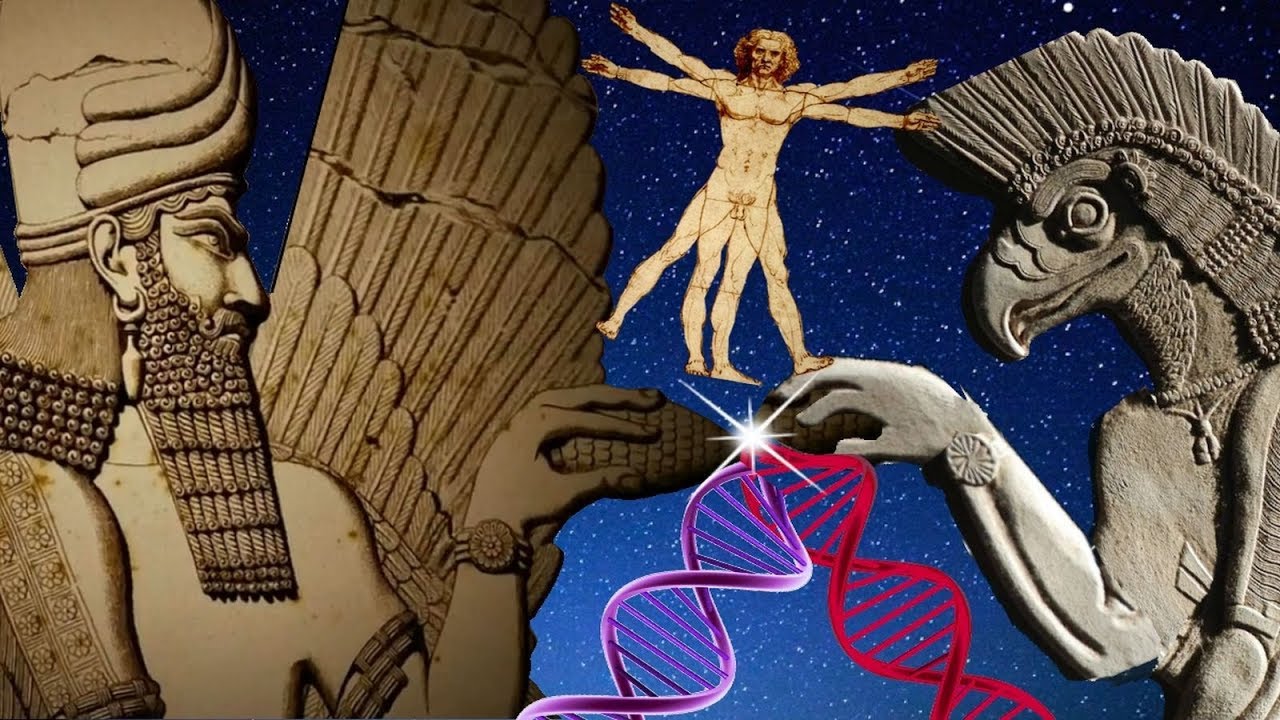
Aliens Engineered Human DNA: An Ancient Astronaut Theory Analysis

Image

The enigmatic question of humanity's origins has long been a fertile ground for speculation, and perhaps no theory is as persistent or as provocative as that of ancient astronauts. These theorists propose that our very genetic code wasn't a product of natural evolution alone, but rather a deliberate design by advanced extraterrestrial intelligences. This concept, explored in depth in the annals of shows like 'Ancient Aliens,' suggests a cosmic blueprint behind our existence.

Ancient Astronaut Theorists and the DNA Hypothesis

The core tenet of the ancient astronaut theory is that extraterrestrial beings visited Earth in antiquity, influencing human development in profound ways. Proponents argue that these beings, often referred to as "cosmic beings" or "Anunnaki," possessed advanced technology and biological knowledge, enabling them to manipulate nascent human DNA. This manipulation, they claim, was not merely an accident but a purposeful act to either accelerate our evolution, create a subservient workforce, or even for genetic experimentation. Evidence often cited includes ancient texts, megalithic structures, and artistic depictions that seem to defy the technological capabilities of the time.

The notion that our DNA holds the key to an extraterrestrial legacy is a powerful one. It raises fundamental questions about consciousness, intelligence, and our place in the universe. If our genetic code was indeed engineered, it implies that humanity is not a purely terrestrial phenomenon but has roots that extend into the cosmos. This perspective challenges conventional scientific and historical narratives, inviting us to reconsider everything we thought we knew about our past and our potential future.

Recommended Gear for Investigation

ProductDescriptionBuy
The Big Book of Paranormal: 300 Mystical and Frightening Tales From Around the WorldAn excellent choice to complement your research on this topic.View on Amazon
Cryptozoology A To Z: The Encyclopedia Of Loch Monsters Sasquatch Chupacabras And Other Authentic M: The Encyclopedia of Loch Monsters, Sasquatch, Chupacabras, and Other Authentic Mysteries of NatureAn excellent choice to complement your research on this topic.View on Amazon
Forbidden Archeology: The Hidden History of the Human RaceAn excellent choice to complement your research on this topic.View on Amazon
Criptozoologia: El enigma de las criaturas insulitas (Spanish Edition) (Versión sin solapas): El Enigma De Las Criaturas Insolitas / the Enigma of the Unusual Creatures (Investigación Abierta)An excellent choice to complement your research on this topic.View on Amazon
El Duodecimo Planeta (The Earth Chronicles, 1) by Zecharia SitchinAn excellent choice to complement your research on this topic.View on Amazon
The H. P. Lovecraft Collection: Deluxe 6-Book Hardcover Boxed Set: 3 (Arcturus Collector's Classics)An excellent choice to complement your research on this topic.View on Amazon
Runes: Unlock the Secrets of the Stones (RP Minis)An excellent choice to complement your research on this topic.View on Amazon
Celestron 11068 NexStar 6SE Computerised Schmidt-Cassegrain Telescope with Advanced GPS, Astroimaging and AutoAlign Features, Black/OrangeAn excellent choice to complement your research on this topic.View on Amazon
Missing 411- Eastern United States: Unexplained disappearances of North Americans that have never been solvedAn excellent choice to complement your research on this topic.View on Amazon
Ghost-Hunting For Dummies [Idioma Inglés] An excellent choice to complement your research on this topic.View on Amazon

Interpreting the Evidence: Ancient Art and Mythology

The visual record of ancient civilizations frequently becomes a focal point for these theorists. Hieroglyphs, petroglyphs, and sculptures from various cultures around the globe are interpreted as depicting advanced technology, non-human beings, and interactions between humans and extraterrestrials. One specific question that arises from these interpretations is the recurring motif of "blue people" found in some ancient Indian imagery. Theorists suggest this could represent a distinct alien race or beings with unique biological characteristics, perhaps even a different blood composition. The color blue in mythology and symbolism often carries connotations of the divine, the celestial, or the otherworldly, lending itself to such interpretations.

Many ancient texts, from Sumerian clay tablets to the Bible's Book of Enoch, are analyzed for passages describing "gods" descending from the sky in fiery chariots or possessing knowledge far beyond human comprehension.Researcher's Field Notes

These ancient narratives, when viewed through the lens of the ancient astronaut theory, are transformed from religious allegories or primitive mythologies into historical accounts of actual extraterrestrial contact. The challenge, of course, lies in the subjective nature of interpretation. Mainstream archaeology and anthropology often attribute these depictions to symbolic representations, religious beliefs, or artistic conventions unique to their cultural context.

The UnXplained Zone's Approach

Shows like "Ancient Aliens" and "The UnXplained Zone" position themselves as portals to the mysterious and the unknown. Their methodology, as described, involves following the evidence, uncovering alleged cover-ups, and exploring the world's strangest phenomena. This approach appeals to a natural human curiosity about what lies beyond the veil of accepted reality. They present a curated selection of data, often focusing on anomalies and interpretations that support the ancient astronaut hypothesis.

The "UnXplained Zone" aims to be a platform where extraordinary stories and paranormal investigations are brought to light. Their content encourages viewers to question established narratives and consider alternative explanations for historical events and unexplained occurrences. This narrative framing is crucial for engaging an audience interested in the fringes of science and history. While they often present compelling narratives, the scientific rigor behind the presented "evidence" can vary significantly.

A Skeptic's Scrutiny: Separating Fact from Fiction

From a critical standpoint, the ancient astronaut theory faces significant hurdles. The interpretation of ancient art and texts is notoriously subjective. Symbols and artistic styles can be easily misinterpreted when divorced from their original cultural and historical context. For instance, the color blue in Indian art might represent divinity, a specific deity's attributes (like Krishna or Shiva), or a pigment used in traditional artistic practices, rather than literal alien physiology. Furthermore, the argument from ignorance—that because we cannot explain something with current knowledge, it must be extraterrestrial—is a logical fallacy.

The scientific community generally requires verifiable, repeatable evidence. Extraterrestrial intervention in human DNA would, in theory, leave detectable genetic markers. While discussions about "junk DNA" and the complexity of the genome continue, no conclusive genetic evidence has emerged to support the ancient astronaut hypothesis. Mainstream science favors evolutionary biology, genetics, and archaeology, which offer robust explanations for human development without invoking extraterrestrial intervention. The proposed timeline for the advanced intelligence required for genetic engineering also presents a challenge when considering the vast timescales of evolution.

Broader Implications and Unanswered Questions

Despite the lack of scientific consensus, the ancient astronaut theory continues to capture the public imagination. Its appeal lies in the possibility that humanity's story is far grander and more mysterious than commonly believed. If true, it would fundamentally alter our understanding of biology, history, and spirituality. It raises questions about the nature of the "cosmic beings" themselves: were they benevolent guides, indifferent experimenters, or something more sinister? What was their ultimate purpose, and where are they now?

The theory also intersects with other popular paranormal and conspiracy topics, suggesting a vast network of hidden knowledge and suppressed truths. The mention of "RIP Erich" in the original content hints at figures associated with this field, perhaps a notable personality whose passing is acknowledged by the community. This interconnectedness within the paranormal genre helps to perpetuate interest and draw connections between disparate phenomena.

Researcher's Verdict: Fraud, Genuine Phenomenon, or Something Else?

After reviewing the available data and theoretical frameworks, the hypothesis that aliens engineered human DNA remains firmly in the realm of speculation. While ancient texts and artworks present intriguing puzzles, their interpretation as evidence of extraterrestrial contact is largely based on presupposition rather than empirical proof. The scientific method, with its emphasis on falsifiability and reproducible evidence, has not yielded support for this extraordinary claim. The explanations from evolutionary biology, anthropology, and archaeology, while perhaps less sensational, are far more grounded and robust.

It is my professional assessment that while the idea of alien intervention is compelling fodder for storytelling and philosophical debate, it currently lacks the concrete evidence required for a definitive ruling. The recurring themes and questions within communities discussing these topics often highlight a deep-seated human desire to find meaning and an external origin for our existence. This doesn't invalidate the questions themselves, but it underscores the need for stringent critical analysis when evaluating proposed answers. The possibility of genuine, unexplained phenomena certainly exists, but we must be cautious not to conflate the unknown with a specific, unproven explanation like alien genetic engineering.

Frequently Asked Questions

What is the core argument of the ancient astronaut theory regarding human DNA?
The theory posits that advanced extraterrestrial beings, often called "cosmic beings" or "Anunnaki," visited Earth in ancient times and deliberately manipulated human DNA to alter or accelerate our evolution.
What kind of evidence do proponents cite?
Evidence typically includes interpretations of ancient texts, religious scriptures, megalithic structures, and artistic depictions from various ancient civilizations, which they believe show signs of non-human influence or advanced technology.
How does mainstream science address the theory?
Mainstream science relies on evolutionary biology, genetics, and archaeology, which explain human development through natural processes. There is currently no credible scientific evidence or genetic markers found that support the ancient astronaut hypothesis regarding DNA engineering.
Why is the idea of "blue people" sometimes brought up in relation to this theory?
The "blue people" motif in certain ancient Indian imagery is sometimes interpreted by theorists as evidence of alien beings or a distinct non-human race. However, art historians and cultural anthropologists typically attribute these depictions to symbolic representation, religious iconography, or artistic conventions.

Your Mission: Investigate the Art

Your assignment, should you choose to accept it, is to delve into the visual archives of ancient civilizations. Seek out examples of ancient art and iconography that are often presented as evidence for extraterrestrial influence. Critically examine these images: What is the most plausible, context-specific explanation for their creation? Document your findings and compare them against the interpretations offered by ancient astronaut theorists. Share your analysis in the comments below – let's separate the signal from the noise.

Don't forget to share this investigation with others who ponder the great cosmic questions. Your engagement fuels further research into these profound mysteries. Subscribe to the channel for more deep dives into the unexplained and consider following our work on social media to stay updated on our latest findings.

Investigator's Note: True paranormal research doesn't fund itself. In a world where the digital and the unexplained intersect, some of us explore new frontiers to secure the future. Do you dare to be part of the vanguard? Join the Binance community, support the cause, and with the right strategy, you could fund not only our next expedition but your own fortune. The next great discovery could be just a click away.

Oregon Discovery Rewrites Timeline of First Americans

Image

For centuries, the established narrative held that the first humans set foot in North America roughly 13,000 years ago, their arrival marked by the sophisticated Clovis culture. This timeline, though widely accepted, has always been a subject of intense debate and speculation within archaeological circles. However, a groundbreaking discovery in the high-desert plains of Oregon is poised to shatter this long-held belief, pushing back the known human presence on the continent by nearly 5,000 years. The site, known as Rimrock Draw rock shelter, has yielded evidence suggesting a human population thrived during the Last Glacial Maximum, a period previously thought to be devoid of such organized settlements.

Introduction: The Chronological Conundrum

The question of when humanity first traversed the vast expanse to populate the Americas has been a persistent enigma. For generations, the archaeological community has operated under the assumption that the earliest evidence of a significant human presence dates back approximately 13,000 years, intrinsically linked to the widespread recognition of the Clovis culture. This timeline created a specific paradigm, suggesting a relatively late arrival after the retreat of the massive glacial ice sheets that once covered much of the continent. However, the relentless pursuit of knowledge in fields like Paleoindian studies and archaeology constantly challenges established norms. The discovery at Rimrock Draw in Oregon is not merely an incremental update; it represents a potential paradigm shift, forcing a re-evaluation of migration routes, timing, and the capabilities of early human populations.

Rimrock Draw Unveiled: Evidence from the Ice Age

Nestled within the stark beauty of Oregon's high desert, the Rimrock Draw rock shelter has become a focal point for a radical rethinking of American prehistory. The deposits within this shelter are not mere sediment; they are a geological time capsule. Researchers have unearthed meticulously preserved evidence of human activity that significantly predates previous benchmarks. Among the most compelling finds are the remains of camel species, identified as extinct North American camels (Camelops), bearing clear marks of butchery. This indicates not only the presence of humans but their successful adaptation to hunting large game in a challenging environment. Alongside these faunal remains, archaeologists recovered lithic artifacts – stone tools fabricated from materials not indigenous to the immediate vicinity, hinting at trade networks or extensive travel. Furthermore, microscopic analysis revealed traces of bison blood, painting a picture of a diverse and dynamic prehistoric ecosystem that sustained human life.

Recommended Gear for Investigation

ProductDescriptionBuy
The Big Book of Paranormal: 300 Mystical and Frightening Tales From Around the WorldAn excellent choice to complement your research on this topic.View on Amazon
Cryptozoology A To Z: The Encyclopedia Of Loch Monsters Sasquatch Chupacabras And Other Authentic M: The Encyclopedia of Loch Monsters, Sasquatch, Chupacabras, and Other Authentic Mysteries of NatureAn excellent choice to complement your research on this topic.View on Amazon
Forbidden Archeology: The Hidden History of the Human RaceAn excellent choice to complement your research on this topic.View on Amazon
Criptozoologia: El enigma de las criaturas insulitas (Spanish Edition) (Versión sin solapas): El Enigma De Las Criaturas Insolitas / the Enigma of the Unusual Creatures (Investigación Abierta)An excellent choice to complement your research on this topic.View on Amazon
The H. P. Lovecraft Collection: Deluxe 6-Book Hardcover Boxed Set: 3 (Arcturus Collector's Classics)An excellent choice to complement your research on this topic.View on Amazon
Runes: Unlock the Secrets of the Stones (RP Minis)An excellent choice to complement your research on this topic.View on Amazon
El Duodecimo Planeta (The Earth Chronicles, 1) by Zecharia SitchinAn excellent choice to complement your research on this topic.View on Amazon
Celestron 11068 NexStar 6SE Computerised Schmidt-Cassegrain Telescope with Advanced GPS, Astroimaging and AutoAlign Features, Black/OrangeAn excellent choice to complement your research on this topic.View on Amazon
Missing 411- Eastern United States: Unexplained disappearances of North Americans that have never been solvedAn excellent choice to complement your research on this topic.View on Amazon
Ghost-Hunting For Dummies [Idioma Inglés] An excellent choice to complement your research on this topic.View on Amazon

Geological Context: Ash and Ancient Blood

The chronological framework for the Rimrock Draw findings is largely established through meticulous geological analysis, particularly the presence of volcanic ash layers. Tephrochronology, the study of volcanic ash layers as time markers, plays a crucial role here. These ash deposits act as precise chronological markers, dating the human artifacts found beneath them. The sheer depth of the sediment layers, combined with the volcanic ash, points to an occupation period stretching back to the Last Glacial Maximum. This period, roughly 18,000 to 20,000 years ago, was a time of intense cold and vast continental glaciers. Ice Age America presented formidable challenges, including drastically altered coastlines and the presence of megafauna like the aforementioned camels. The discovery of butchered camel remains and bison blood traces within these ancient layers provides concrete proof of human adaptation and survival during this extreme climatic episode. The implications are profound, suggesting that humans were not only present but actively exploiting the resources of this environment far earlier than previously accepted models allowed.

Archaeological Implications: Beyond the Clovis Horizon

The Rimrock Draw discovery challenges the long-standing "Clovis-first" model, which posits that the Clovis culture represents the earliest widespread human presence in the Americas. If the dating holds firm – and initial findings suggest it will – it implies that humans arrived on the continent thousands of years before the Clovis people. This opens up several critical questions regarding migration routes. Could humans have bypassed the massive ice sheets through coastal routes, such as the hypothesized "Kelp Highway," or is there evidence for earlier land bridge crossings? The presence of exotic materials used in stone tools also suggests sophisticated knowledge of geography and resource distribution. The people who occupied Rimrock Draw were not isolated survivors; they were part of a complex society capable of long-distance planning and resource management. This discovery necessitates a re-examination of numerous other potential early sites and a deeper investigation into the genetic and archaeological records that may have been overlooked due to the prevailing Clovis-first bias.

Listener Perspectives: Debating the Dawn of Humanity

The implications of this discovery have resonated deeply with our audience, sparking a vibrant discussion across our platforms. Several viewers highlighted the importance of precise language, advocating for terms like "oldest known" settlement rather than definitively stating "the oldest," acknowledging that further discoveries are inevitable. One commenter, who has spent fifteen summers at the site, described it as "an amazing place," lending a personal touch to the scientific endeavor. Another deeply appreciated the "Real person narration 👍" and "Excellent narration," contrasting it favorably with artificial voices, a sentiment echoed by multiple subscribers. The mention of the "ice free corridor" prompted astute observations about outdated coastline graphics in historical presentations, with one user pointing out that sea levels were significantly lower during glacial periods, altering perceptions of coastal geography. The sheer "mind boggling" scale of time involved in these finds was a recurring theme, underscoring the profound human capacity for adaptation and migration across vast epochs.

Comparative Sites: White Sands and Bluefish Caves

The Rimrock Draw findings align with and are bolstered by other controversial yet significant discoveries. Most notably, the human footprints discovered at White Sands National Park in New Mexico have been independently dated by multiple studies to between 21,000 and 23,000 years ago. This places humans in North America squarely within the Last Glacial Maximum, corroborating the potential timeline suggested by the Oregon site. Further north, the Bluefish Caves in the Yukon Territory have yielded artifacts proposed to date back between 24,000 and 30,000 years ago, suggesting an even earlier human presence in the subarctic regions. These sites, when considered together, paint a compelling picture of a much earlier and more widespread human occupation of the Americas than previously imagined. Each discovery reinforces the idea that human migration to the continent was not a single, late event but likely a series of movements over tens of thousands of years.

Geological and Evolutionary Notes

The presence of butchered camel remains at Rimrock Draw is particularly fascinating given the evolutionary history of these animals. Camels, in fact, originated in North America millions of years ago before migrating to other continents. Their presence in the Ice Age landscape of Oregon is a testament to the continent's dynamic fauna during that era. One viewer poetically referenced dating an "old camel" using "enamel," a nod to scientific methods of dating fossilized remains. Another commenter pointed out the geological significance of higher elevations like Rimrock Draw (nearly 5,000 ft), suggesting these locations may have served as refugia, avoiding obliteration by cataclysmic events like the Missoula Floods 15,000 years ago, which wiped out evidence in lower elevations. The implications for understanding human settlement patterns south of the ice sheets, in Central and South America, are vast, potentially indicating near-simultaneous arrival with Europe. The narrative of earliest Americans is now intertwined with the ancient history of North American fauna.

Researcher's Verdict: A Shifting Paradigm

From my perspective as an investigator of the unexplained and the historically uncertain, the evidence emerging from Rimrock Draw, supported by findings at White Sands and Bluefish Caves, constitutes a significant, perhaps definitive, challenge to the established timeline of human settlement in the Americas. The rigorous application of techniques like tephrochronology, combined with direct evidence of tool use and hunting, moves these findings beyond mere speculation. While the scientific community rightfully demands robust peer review and further corroboration, the current data points toward a compelling narrative: humans were not latecomers to the Americas, but rather early pioneers who navigated and survived the extreme conditions of the Last Glacial Maximum. This transforms our understanding of early human ingenuity, migratory capabilities, and the deep history of our species on this continent. The "Clovis-first" model appears increasingly outdated, a relic of incomplete data that is now being supplanted by a far older and more complex story.

The Investigator's Archive

For those fascinated by the deep past and the ongoing quest to understand human origins, I recommend delving into further resources. Documentaries that explore the peopling of the Americas often provide visual context and expert interviews. Books by leading archaeologists and paleoanthropologists, such as those detailing the Clovis culture and its challengers, offer in-depth analysis. Platforms dedicated to archaeological news and discoveries are invaluable for staying abreast of the latest findings. Understanding these complex historical narratives requires access to the right materials, much like any serious investigation.

Protocol: Field Investigation Best Practices

When investigating potential historical sites, strict adherence to protocol is paramount. This ensures both the integrity of the site and the accuracy of the findings:

  1. Site Identification and Protection: Before any excavation, potential sites must be identified through survey, remote sensing, or historical accounts. Strict measures must be in place to prevent unauthorized access and looting.
  2. Systematic Excavation: Excavation should proceed in meticulously documented stratigraphic layers. Grid systems are used to precisely map the location of artifacts in three dimensions.
  3. Artifact Recovery and Documentation: Every artifact, feature, and deposit must be recorded photographically, graphically, and in written logs. Context is everything in archaeology.
  4. Dating Techniques: Employ multiple dating methods – radiocarbon dating, thermoluminescence, tephrochronology, and optically stimulated luminescence (OSL) – to establish a reliable chronological framework.
  5. Material Analysis: Analyze stone tools for sourcing and manufacturing techniques, study faunal remains for evidence of butchery or diet, and conduct soil analysis for microscopic evidence (like blood residues).
  6. Data Synthesis and Peer Review: Compile all findings into comprehensive reports and submit them for peer review in reputable scientific journals. This is critical for validating the discoveries.

Frequently Asked Questions

What is the significance of the Rimrock Draw discovery?
It suggests human presence in North America dates back to at least 18,000-20,000 years ago, significantly earlier than the previously accepted 13,000 years associated with the Clovis culture.
How was the age of the findings determined?
The age was primarily determined through tephrochronology, using volcanic ash layers to date the sediment deposits containing the artifacts and butchered animal remains.
Does this discovery disprove the Clovis culture?
Not entirely, but it demonstrates that humans were present in the Americas thousands of years before the Clovis culture emerged, necessitating a revised understanding of migratory timelines and routes.
Are there other sites that support this earlier timeline?
Yes, the human footprints at White Sands National Park (dated 21,000-23,000 years ago) and potential artifacts from Bluefish Caves (dated 24,000-30,000 years ago) provide corroborating evidence for an earlier human presence.
What are the implications for understanding human migration?
It suggests that human migration to the Americas may have occurred in multiple waves over tens of thousands of years, possibly utilizing routes like the Pacific coastal margin ("Kelp Highway") or earlier land crossings.

Field Mission: Your Assignment

The scientific process thrives on contributions from all corners. While direct fieldwork is reserved for trained professionals, your role as an informed observer is crucial. Engage with verified archaeological news, support institutions involved in research, and critically evaluate information presented. The quest for human origins is a continuous expedition. Consider this: How might the discovery of widespread, early human settlements impact our understanding of subsequent cultural development and inter-group relations across the ancient Americas? Share your hypotheses and any personal experiences with historical sites or puzzling discoveries in the comments below. Your insights fuel the collective investigation.

If you found this analysis of ancient mysteries compelling, please consider sharing this post on your social networks. Your engagement is vital for continuing these deep dives into the forgotten corners of history. Don't forget to subscribe for more explorations into the unexplained and the archaeological.

Investigator's Note: True paranormal research doesn't fund itself. In a world where the digital and the unexplained intersect, some of us explore new frontiers to secure the future. Do you dare to be part of the vanguard? Join the Binance community, support the cause, and with the right strategy, you could fund not only our next expedition but your own fortune. The next great discovery could be just a click away.
The Anunnaki Creation Story: The Biggest Secret in Human History

Image

For millennia, humanity has grappled with its origins, seeking answers in ancient texts, celestial observations, and the very fabric of our existence. Were we born of divine intervention, a cosmic accident, or something far more complex and deliberately orchestrated? Recent interpretations of ancient Sumerian texts and archaeological anomalies point towards a breathtaking, almost unbelievable, narrative: the Anunnaki, beings from a distant planet named Nibiru, who allegedly shaped human civilization. This deep dive dissects the claims, explores the evidence, and challenges conventional history.

The Anunnaki: Visitors from Nibiru

The narrative posits that approximately 445,000 years ago, Earth was visited by beings referred to as the "creator gods." These entities, according to translations of ancient Sumerian tablets, were called the Anunnaki – a name interpreted to mean "Those Who from Heaven to Earth Came." Their homeworld, Nibiru, is described as a large planet with an orbit that brings it into our solar system only once every 3,600 years. This celestial visitor, abundant in iron oxide, possessed a distinct reddish hue, reflected in its rivers and lakes.

The concept suggests that the Anunnaki were not merely transient visitors but had a profound impact, acting as architects of early human civilization. This theory, extensively popularized by authors like Zecharia Sitchin, draws heavily from interpretations of cuneiform inscriptions found in ancient Mesopotamia. While mainstream archaeology and history do not support these interpretations, the Anunnaki narrative continues to resonate.

Recommended Gear for Investigation

ProductDescriptionBuy
Cryptozoology A To Z: The Encyclopedia Of Loch Monsters Sasquatch Chupacabras And Other Authentic M: The Encyclopedia of Loch Monsters, Sasquatch, Chupacabras, and Other Authentic Mysteries of NatureAn excellent choice to complement your research on this topic.View on Amazon
The Big Book of Paranormal: 300 Mystical and Frightening Tales From Around the WorldAn excellent choice to complement your research on this topic.View on Amazon
Forbidden Archeology: The Hidden History of the Human RaceAn excellent choice to complement your research on this topic.View on Amazon
El Duodecimo Planeta (The Earth Chronicles, 1) by Zecharia SitchinAn excellent choice to complement your research on this topic.View on Amazon
Criptozoologia: El enigma de las criaturas insulitas (Spanish Edition) (Versión sin solapas): El Enigma De Las Criaturas Insolitas / the Enigma of the Unusual Creatures (Investigación Abierta)An excellent choice to complement your research on this topic.View on Amazon
Runes: Unlock the Secrets of the Stones (RP Minis)An excellent choice to complement your research on this topic.View on Amazon
The H. P. Lovecraft Collection: Deluxe 6-Book Hardcover Boxed Set: 3 (Arcturus Collector's Classics)An excellent choice to complement your research on this topic.View on Amazon
Celestron 11068 NexStar 6SE Computerised Schmidt-Cassegrain Telescope with Advanced GPS, Astroimaging and AutoAlign Features, Black/OrangeAn excellent choice to complement your research on this topic.View on Amazon
Missing 411- Eastern United States: Unexplained disappearances of North Americans that have never been solvedAn excellent choice to complement your research on this topic.View on Amazon
ANUNNAKI: Reptilianos, El Salto Evolutivo de la Humanidad (2 Libros en 1)An excellent choice to complement your research on this topic.View on Amazon

Nibiru's Dilemma: A Planet's Lifeblood

A critical element of the Anunnaki narrative revolves around a crisis on their home planet, Nibiru. According to the Sumerian tablets, Nibiru's atmosphere began to deteriorate, rendering it increasingly hostile to life. The Anunnaki required a specific element to restore their atmosphere: gold. This necessity allegedly drove them to Earth, initiating a long-term presence and, ultimately, a complex relationship with our planet and its early inhabitants.

"This explains a lot of things, like our obsession with gold and our need to work to feel complete. It's a compelling part of the narrative." - Anonymous Forum Commenter

The mining operations for this precious metal are suggested to have been extensive, forming a cornerstone of the Anunnaki's activities on Earth. This quest for gold, a substance vital for their survival and technological pursuits, placed them in a position of power and control over the nascent human populations.

Genesis of Humanity: The Purpose of Our Existence

The most startling aspect of the Anunnaki theory is its explanation for the creation of humanity. The narrative suggests that the Anunnaki, facing the arduous task of gold extraction, genetically engineered humans to serve as a labor force. By merging their own genetic material with that of existing hominids, they created a subservient species capable of performing the demanding mining tasks. This act of creation, far from benevolent, was rooted in pragmatic necessity for the Anunnaki.

Echoing this, one viewer noted, "If you take a hibernating seed, and give it the best conditions, you can turn that seed into a plant. To that plant, you are a god that gave it life... but you are not a plant." This analogy highlights the perceived dynamic: creation for a specific purpose, without necessarily imbursing the creation with full autonomy or equality.

The implications are profound: our drive to work, our societal structures, and even our perceived sense of purpose could be, according to this theory, remnants of an ancient, externally imposed directive. The idea that "worship" might equate to "work for" resonates with some, challenging deeply ingrained concepts.

"I knew I never liked that concept of 'worship.' Now that I know it means 'work for,' I have great respect for my intuition." - Online Commenter

Echoes of Advanced Technology: Pre-Historic Megastructures

The Anunnaki narrative is often intertwined with the existence of inexplicable pre-historic megastructures found across the globe. Sites like the pyramids of Giza, Baalbek, and Puma Punku, characterized by massive stone blocks and precise engineering that defy explanation with known ancient technologies, are cited as evidence of advanced intervention. It's proposed that these monumental constructions were either built by the Anunnaki themselves or under their direction, utilizing technologies far beyond the grasp of early humans.

This theoretical framework gains traction from visual evidence presented in documentaries and books, such as the "Pre-Historic Megastructures eBook". This comprehensive guide showcases over 30 such sites, presenting images and information that suggest advanced engineering capabilities were at play. The sheer scale and precision of these structures challenge conventional explanations of human ingenuity during those periods.

"If our future ancestors discovered our comic books, they would think there used to be an age of unexplainable superhumans." - Reddit User

The existence of these sites prompts critical questions: How were these structures built? What purpose did they serve? Could they be remnants of a technologically advanced civilization, perhaps the Anunnaki themselves or a later human civilization influenced by them?

Societal Echoes: Work, Worship, and Control

The pervasive influence of the Anunnaki, as theorized, extends to fundamental aspects of human society and psychology. The narrative suggests that our innate drive to work, our complex religious and spiritual systems often centered around appeasing or serving a higher power, and even our hierarchical social structures, are all echoes of the Anunnaki's original design.

Some commentators suggest that this ancient conditioning has created a societal matrix, a system of control that keeps humanity subservient and prevents us from questioning our true origins or potential. The polarization seen in societal debates is viewed by some as a tool to maintain this control, hindering collective advancement.

"The more I learn, the more I realize how much I don't know. This connects so many dots I can't even put into words." - YouTube Commenter

The theory proposes that acknowledging these patterns is the first step towards breaking free from this imposed structure and reclaiming a more authentic sense of self and purpose. It encourages a shift from rigid beliefs to a more fluid state of awareness, where the mind is allowed to explore possibilities beyond established paradigms.

The Anunnaki Legacy: Connecting the Dots

For those who follow this theory, the Anunnaki narrative serves as a powerful lens through which to re-examine human history, mythology, and even our own motivations. It offers potential explanations for enduring mysteries, from ancient rituals to our fascination with celestial events and the ongoing search for extraterrestrial life.

The video used in the production, featuring narration by Elisabeth Firestone, has been praised for its clarity and accessibility. Many viewers found the soothing voice and well-structured narrative to be an excellent entry point into complex subjects. The approach of presenting ancient stories as historical records, rather than mere myths, is seen as a key factor in its appeal.

"This is the best video I've seen so far explaining everything in a short period of time." - Video Reviewer

Furthermore, the theory prompts a critical look at our current societal constructs. Questions arise about how we treat each other and other life forms, and whether our current systems reflect an inherited legacy of control or an evolution towards greater autonomy and understanding.

This deep dive into the Anunnaki story is not just about ancient aliens; it's about understanding the potential underpinnings of human civilization and consciousness. It challenges us to consider that our reality might be more complex and orchestrated than we've ever imagined. Some believe that the truth of our existence is likely far stranger than our wildest imaginings, suggesting that intellect should involve letting the mind soar beyond conventional boundaries.

The idea that the Anunnaki might return, or that their influence persists, continues to fuel fascination and debate. If they were indeed our creators, their reappearance could fundamentally alter our understanding of ourselves and our place in the cosmos.

Investigator's Verdict: Fraud, Genuine Phenomenon, or Something Else?

From a purely analytical standpoint, the Anunnaki narrative exists on the fringes of accepted historical and archaeological discourse. The interpretations of Sumerian texts underpinning these claims are highly contested by mainstream scholars. Linguistic ambiguities, the potential for misinterpretation of ancient symbols, and the sheer speculative nature of extrapolating such a complex origin story from limited textual evidence present significant hurdles.

However, the enduring appeal of the Anunnaki theory speaks to a deep-seated human desire for answers about our origins and purpose. The accompanying evidence, particularly the monumental question marks posed by pre-historic megastructures, cannot be entirely dismissed. While attributing them directly to extraterrestrial intervention is a leap, their existence undeniably challenges conventional timelines of technological development.

My assessment leans towards a nuanced view: the Anunnaki narrative, as popularized, is likely a highly speculative interpretation. The core elements – ancient civilizations, advanced ancient knowledge, and the possibility of external influences (whether terrestrial or otherwise) – are fascinating areas for continued investigation. The value lies not necessarily in accepting the story as literal fact, but in using it as a catalyst to question established narratives and explore the vast unknowns of our planet's past. The "why" behind our societal structures and obsessions, as suggested by the theory, remains a compelling avenue for psychological and sociological inquiry, regardless of its extraterrestrial origins.

The Researcher's Archive

For those who wish to delve deeper into the mysteries of ancient civilizations, extraterrestrial theories, and historical anomalies, the following resources are highly recommended. These materials have been instrumental in shaping our understanding and continue to provide valuable insights:

Understanding the complexities of historical research and the evidence presented requires a robust toolkit. Whether you're documenting field findings or analyzing textual data, having reliable equipment is paramount. For those venturing into the field, consider investing in quality audio recording devices for capturing potential EVPs (Electronic Voice Phenomena) or high-resolution cameras for detailed photographic and video evidence.

Frequently Asked Questions

Q1: What does "Anunnaki" mean?
The name "Anunnaki" is widely interpreted from ancient Sumerian texts to mean "Those Who from Heaven to Earth Came."
Q2: What is Nibiru in the Anunnaki narrative?
Nibiru is described as a distant, large planet with an orbit that brings it into our solar system approximately every 3,600 years. It is said to be rich in gold, which the Anunnaki allegedly needed to restore their planet's atmosphere.
Q3: How are humans supposedly related to the Anunnaki?
According to the theory, humans were genetically engineered by the Anunnaki by combining their own genetic material with that of existing hominids to create a workforce for mining gold.
Q4: What evidence supports the Anunnaki theory?
Proponents cite interpretations of ancient Sumerian texts, the existence of inexplicable pre-historic megastructures, and alleged connections between ancient myths and alien encounters.
Q5: Is the Anunnaki theory accepted by mainstream science and history?
No, the Anunnaki theory is largely considered pseudoscience and is not accepted by mainstream archaeologists, historians, or scientists, who attribute ancient texts and structures to known human cultures and capabilities.

Your Mission: Field Observation Protocol

The quest for knowledge is ongoing, and direct observation is a cornerstone of any serious investigation. While we may not be drilling for gold on Nibiru, we can apply similar principles of careful documentation and analysis to phenomena closer to home.

Your Mission: Document anomalous aerial phenomena in your local area. This could be anything from unusual light formations to unexplained aerial objects. Focus on objective recording:

  1. Note the Time and Location: Be precise. Record the exact date, time, and geographical coordinates if possible.
  2. Observe and Record Details: What was the shape, size, color, and movement pattern? Were there any sounds? Note atmospheric conditions (clear, cloudy, windy, etc.).
  3. Use Recording Devices: If safe and feasible, use your smartphone or a dedicated camera to capture video and photos. Ensure you have audio recording enabled for ambient sound.
  4. Check for Conventional Explanations: Before concluding an anomaly, consider aircraft, drones, satellites, weather phenomena, or even atmospheric optical illusions.
  5. Document Your Findings: Write a concise report detailing your observations. Note any personal feelings or biases but separate them from objective facts.

Share your documented findings in the comments below or on social media using #AnunnakiFieldNotes. Your contribution adds to the collective pool of observational data, contributing to the broader investigation into unexplained phenomena.

Share Your Insights and Experiences

The narrative of the Anunnaki and our origins is one that sparks considerable debate and personal reflection. We encourage you to engage with this content:

  • Did this analysis connect dots for you? Share where your mind went.
  • Do you have personal experiences or knowledge about ancient civilizations, megaliths, or anomalous phenomena that you believe are relevant? Detail them below.
  • What are your thoughts on the Anunnaki theory’s plausibility or its societal implications?

Forums and comment sections are vital hubs for the exchange of theories and personal accounts. Your contribution could be the missing piece for another researcher or spark a new line of inquiry. Let's build on this shared exploration together.

Don't keep these revelations to yourself! Share this expedition into humanity's origins on your social networks. Help us spread the word and encourage critical thinking about the histories we've been told. Every share expands the circle of awareness.

Investigator's Note: True paranormal research doesn't fund itself. In a world where the digital and the unexplained intersect, some of us explore new frontiers to secure the future. Do you dare to be part of the vanguard? Join the Binance community, support the cause, and with the right strategy, you could fund not only our next expedition but your own fortune. The next great discovery could be just a click away.

The Hybrid Theory: Human Origins and Extraterrestrial DNA

Image

Could the very blueprint of our existence, the human genome, conceal traces of an extraterrestrial lineage? The provocative 'Hybrid Theory' posits that our origins may not be solely terrestrial, but entangled with advanced beings from the cosmos. This investigation delves into the compelling, albeit unverified, hypothesis that humanity might be a hybrid species, a product of ancient alien intervention.

Introduction: The Core Hypothesis

The narrative that extraterrestrials have influenced human history is as old as recorded civilization. The 'Hybrid Theory,' a prominent thread within the Ancient Aliens lore, takes this a step further, suggesting that humans are not purely Homo sapiens, but a hybrid species, born from the interbreeding of early hominids with an advanced alien race. This theory attempts to explain perceived anomalies in human evolution, ancient technological achievements, and the universal nature of certain myths and symbols across disparate cultures.

The idea that our DNA might have been engineered or augmented by non-terrestrial intelligence is a concept that stretches the boundaries of conventional science and belief. It challenges our understanding of our place in the universe and invites us to consider possibilities that are both fascinating and unsettling.

Recommended Gear for Investigation

ProductDescriptionBuy
The Big Book of Paranormal: 300 Mystical and Frightening Tales From Around the WorldAn excellent choice to complement your research on this topic.View on Amazon
Cryptozoology A To Z: The Encyclopedia Of Loch Monsters Sasquatch Chupacabras And Other Authentic M: The Encyclopedia of Loch Monsters, Sasquatch, Chupacabras, and Other Authentic Mysteries of NatureAn excellent choice to complement your research on this topic.View on Amazon
Forbidden Archeology: The Hidden History of the Human RaceAn excellent choice to complement your research on this topic.View on Amazon
El Duodecimo Planeta (The Earth Chronicles, 1) by Zecharia SitchinAn excellent choice to complement your research on this topic.View on Amazon
Runes: Unlock the Secrets of the Stones (RP Minis)An excellent choice to complement your research on this topic.View on Amazon
The H. P. Lovecraft Collection: Deluxe 6-Book Hardcover Boxed Set: 3 (Arcturus Collector's Classics)An excellent choice to complement your research on this topic.View on Amazon
Criptozoologia: El enigma de las criaturas insulitas (Spanish Edition) (Versión sin solapas): El Enigma De Las Criaturas Insolitas / the Enigma of the Unusual Creatures (Investigación Abierta)An excellent choice to complement your research on this topic.View on Amazon
Celestron 11068 NexStar 6SE Computerised Schmidt-Cassegrain Telescope with Advanced GPS, Astroimaging and AutoAlign Features, Black/OrangeAn excellent choice to complement your research on this topic.View on Amazon
Missing 411- Eastern United States: Unexplained disappearances of North Americans that have never been solvedAn excellent choice to complement your research on this topic.View on Amazon
Ghost-Hunting For Dummies [Idioma Inglés] An excellent choice to complement your research on this topic.View on Amazon

Ancient Texts and Evolutionary Leaps

Proponents of the Hybrid Theory often point to ancient texts, religious scriptures, and mythological traditions as evidence. These narratives frequently describe celestial beings descending to Earth, interacting with humans, and even procreating with them. The Sumerian texts, the Bible, and various Hindu scriptures contain accounts that, when interpreted through this lens, suggest a divine or other-worldly origin for certain aspects of human society and lineage.

Furthermore, the relatively rapid pace of human evolution, particularly the development of consciousness, complex language, and advanced cognitive abilities, is seen by some as too abrupt to be explained solely by natural selection. The theory posits that an external, intelligent force may have intervened, genetically modifying early human ancestors to accelerate their development and imbue them with traits necessary for civilization. The existence of ancient calendars with gigantic time cycles and the lingering whispers of 'ancient wisdom' only fuel this line of inquiry. As one viewer noted, "The idea that humans could be a hybrid species is one of those theories that sounds unbelievable at first, but the more you look at ancient texts, sudden leaps in human evolution, and global myth similarities, the harder it is to dismiss. It really makes you wonder where we came from."

Scientific Perspectives and Anomalies

While the scientific community largely remains skeptical, certain discoveries have, intentionally or not, added fuel to the Hybrid Theory's fire. The finding that a significant portion of the human genome is 'junk DNA' – sequences that don't appear to serve an obvious function – has led some to speculate that these are remnants of artificial genetic engineering. The ongoing debate surrounding the "Pandora viruses" and the very definition of life, as mentioned by one individual who reflected on their father's dying words, "We are all made of the same code — from the stars to the cells inside us," highlights the profound mysteries still embedded within our biological makeup.

"the scientists have just publicly said that DNA at the beginning is not human, there is something intelligent that modifies it at the beginning. We are not 100% human and we are not what we have always been told."

Moreover, historical accounts of interbreeding between different human species, such as Neanderthals and Homo sapiens, demonstrate that genetic hybridization is a natural phenomenon. While this doesn't directly support alien intervention, it opens the door to the possibility of other, more profound genetic integrations. The mention of "No sagittal Sutures, then not Human!" further probes the physical markers that might distinguish human skulls from those potentially influenced by non-human genetics.

Eyewitness Accounts and Personal Testimony

Beyond the ancient texts and scientific speculation, a significant body of anecdotal evidence exists in the form of personal testimonies. Many individuals claim direct encounters or knowledge of non-human entities interacting with humans, sometimes from a very young age. One particularly striking account comes from a Pediatric Hospice RN, who reported that many terminally ill children under her care would describe seeing tall, thin beings with long arms and three fingers, often referred to as 'greys.' These children, some of whom were not heavily medicated, would consistently describe the same entities, sometimes interacting with them in ways that suggested familiarity or even comfort, while others experienced fear.

This recurring description, even among children with no prior knowledge of UFO lore, is compelling. The fact that these shared experiences occurred in a hospice setting, where the children were often in end-stage care, adds a layer of poignancy and mystery. Were these hallucinations, dying wishes, or encounters with beings that are, as one comment suggests, "amongst us all we have to do is open our eyes"? The consistency across these accounts, regardless of the source or context, remains a significant element in the broader discussion of potential human-alien hybrid origins.

Further adding to the personal testimony is the claim of enhanced psychic abilities and cosmic connections. One individual states, "My DNA is holy as Cosmic Royal Bloodline aka golden star child … natural organic psychics in my family… I am especially gifted in supernatural abilities like I can see the future and para psychic abilities…" Such deeply personal experiences, while difficult to verify empirically, contribute to the tapestry of belief surrounding humanity's potential extraterrestrial heritage.

The Silent Dominion and Cosmic Connections

The conversation around hybrid origins is not confined to ancient history or scientific anomalies; it extends into contemporary discussions and even popular culture. The mention of "The Silent Dominion by Damian Cross" as a source that "explains what nobody else will" indicates a growing interest in narratives that posit alien influence or control. The idea that "They have always been here" resonates with many who feel a deeper, perhaps innate, connection to the cosmos.

This sense of connection is often amplified by altered states of consciousness. As one user humorously noted after consuming THC, "I get why people watch it like that now. My mind is blown." While not scientific evidence, such subjective experiences can lower psychological barriers and open individuals to contemplating unconventional ideas about existence. The feeling that "We are one 👽 🛸" encapsulates a desire for unity and understanding that transcends terrestrial boundaries. The comment, "Aliens know me ❤ I can go with them sometimes for short period or they can visit me 😊," speaks to a deeply personal, almost intimate, relationship some believe they have with extraterrestrial beings.

Investigator's Verdict: Fact or Science Fiction?

After reviewing the available data – the ancient texts, the evolutionary enigmas, the scientific unknowns, and the deeply personal testimonies – the Hybrid Theory remains a compelling but unverified hypothesis. The narrative is intriguing, certainly, but it currently lacks a firm, empirical foundation that would satisfy rigorous scientific scrutiny. Ufology, by its very nature, often deals with phenomena that exist at the fringes of our current understanding.

The evidence presented often relies on interpretation, correlation rather than causation, and anecdotal accounts. While it's true that human DNA holds many secrets, and our evolutionary past is far from fully understood, attributing these gaps to alien intervention is a significant leap. However, as a pragmatic investigator, I must acknowledge that the inexplicable does not always equate to the non-existent. The consistency in certain descriptions of entities and the persistence of these ideas across cultures are phenomena worthy of continued study. The notion that "We are not 100% human and we are not what we have always been told" is a powerful statement that compels further investigation, even if definitive proof remains elusive.

The Researcher's Archive

For those seeking to delve deeper into the mysteries of human origins and potential extraterrestrial influence, several resources offer valuable insights:

  • Books: Explore works by authors like Erich von Däniken, Zecharia Sitchin, and Giorgio A. Tsoukalos, who have extensively researched ancient astronaut theories. Consider "The Silent Dominion" by Damian Cross for a contemporary narrative perspective.
  • Documentaries: The "Ancient Aliens" series itself, available on The HISTORY Channel, provides a vast collection of episodes exploring these themes. Documentaries delving into unexplained archaeology and ancient civilizations are also highly recommended.
  • Online Platforms: Websites dedicated to cryptids, UFO sightings, and anomalous phenomena offer a wealth of anecdotal evidence and ongoing research.

Frequently Asked Questions

What is the core idea of the Hybrid Theory?
The theory suggests that humans are a hybrid species, a result of ancient alien intervention and interbreeding with early hominids.
What evidence supports the Hybrid Theory?
Evidence cited includes interpretations of ancient texts and myths, perceived anomalies in human evolution, and anecdotal testimonies of alien encounters.
Is there scientific proof for the Hybrid Theory?
Currently, the theory is considered a hypothesis and lacks definitive empirical scientific proof. Much of the supporting evidence is interpretive or anecdotal.
Are there other human ancestries besides Homo sapiens?
Yes, genetic studies have confirmed interbreeding between different human species, such as Homo sapiens and Neanderthals, demonstrating that hybridization is a natural part of human history.
What does "junk DNA" have to do with this theory?
Some proponents speculate that the non-coding regions of human DNA, often termed "junk DNA," could be remnants of artificial genetic engineering by extraterrestrials.

Your Field Mission:

The next time you look at ancient ruins or ponder humanity's rapid ascent, consider the possibility that we are more than we appear. Your mission, should you choose to accept it, is to research one ancient myth or legend from a culture vastly different from your own. Does it contain themes of celestial visitors or divine origins? Document your findings and share them in the comments below. The truth is out there, waiting to be pieced together, one fragment at a time.

Share this investigation: Help us uncover more truths by sharing this article on your social media channels. Use the hashtag #AncientAliensHybridTheory and join the conversation.

Your experiences matter: Have you or someone you know had an experience that aligns with the Hybrid Theory? We want to hear from you. Leave a comment below detailing your story – anonymously if preferred. Your testimony could be the missing piece of a larger puzzle.

Investigator's Note: True paranormal research doesn't fund itself. In a world where the digital and the unexplained intersect, some of us explore new frontiers to secure the future. Do you dare to be part of the vanguard? Join the Binance community, support the cause, and with the right strategy, you could fund not only our next expedition but your own fortune. The next great discovery could be just a click away.

Sodello Hills: A 70,000-Year Legacy of Serpent Worship in Botswana


The African continent, a crucible of early human civilization, frequently surprises us with echoes of our distant past. Deep within the rugged terrain of Botswana, specifically the enigmatic Sodello Hills, archeologists have unearthed a revelation that rewrites our understanding of ancient spiritual practices. We're not talking about a few centuries old, but a legacy stretching back an astonishing 70,000 years. This isn't just about ancient art; it's about a profound, almost primal connection that early humans forged with the serpent, transforming it from a creature of potential danger into a potent symbol of life itself.

Unlocking the Secrets: Serpent Worship in Botswana

The archaeological findings in the Sodello Hills are more than just intriguing paintings and carvings; they represent a significant window into what appears to be a sophisticated ancient practice of serpent worship. The exact nature and scale of these worship sites remain, naturally, shrouded in the mists of time. However, the persistent serpentine symbolism found here strongly suggests an intricate association between these reptiles and fundamental life rituals. The evidence hints that these snakes were not merely feared predators, but were deeply integrated into practices concerning fertility, the cycle of life and death, and crucially, the vital rituals surrounding rain – a lifeblood in many ancient societies, particularly in regions prone to arid conditions. This phenomenon, while groundbreaking, isn't an isolated incident when viewed on a global scale. It hints at a broader, perhaps universal, narrative woven through human history.

The implications of a 70,000-year-old ritualistic practice centered around snakes are immense. It challenges conventional timelines for the development of complex symbolic thought and organized religion. Consider the cognitive leap required to imbue an animal like a serpent with such deep meaning. Its ability to shed its skin, symbolizing rebirth; its venom, representing both danger and potential healing; its often subterranean dwelling, connecting it to the earth and the underworld – these are potent metaphors that resonate across cultures and millennia. The discovery in Sodello Hills forces us to re-evaluate how early humans perceived their environment and their place within it. It suggests a level of spiritual and symbolic abstraction far earlier than previously assumed, potentially pushing back the origins of organized belief systems.

A Global Tapestry: Serpent Worship Across Cultures

The allure of serpent worship isn't a geographically isolated curiosity. It's a thread woven deeply into the narrative of human civilization, a recurring motif that transcends borders and time. From the ancient cradles of civilization in Mesopotamia, where deities like Ningishzida were depicted with serpentine features, to the mysticism of ancient Egypt with its powerful uraeus symbol adorning pharaohs' crowns, snakes consistently represented power, protection, and divine authority. The significance of the serpent cannot be overstated in these foundational cultures. They were often seen as intermediaries between the gods and humanity, guardians of sacred knowledge, and symbols of cosmic order. To dismiss these widespread occurrences as mere coincidence would be to ignore the profound psychological and spiritual resonance these creatures held for our ancestors. It suggests an archetypal understanding rooted deeply in the human psyche, possibly linked to observed natural phenomena and the inherent duality they represented – life and death, creation and destruction.

This global prevalence demands a comparative analysis. How did the serpent symbolism in the Indus Valley, with figures like the Naga, relate to its Egyptian counterpart? What commonalities and divergences exist between these ancient traditions and the later emergence of serpentine deities in Greco-Roman mythology, or even the apotropaic symbols found in tribal societies worldwide? Understanding these connections is key to discerning whether serpent worship was a singular, ancient revelation that spread, or an independent, convergent development arising from universal human experiences and interpretations of the natural world. The evidence from Sodello Hills, with its extreme antiquity, significantly fuels the former hypothesis, suggesting that the roots of this practice may extend to the very dawn of complex human cognition.

Legacy of Power and Spirituality: Serpents in Mayan Culture

Venturing further into the Americas, the veneration of serpents reached extraordinary heights within the Mayan civilization. Here, the serpent wasn't merely a symbol of power; it was intrinsically linked to a profound spiritual connection and cosmic order. The esteemed rulers, often referred to as the "Kings of the Serpent" or associated with feathered serpents like Kukulkan, acted as vital conduits between the divine pantheon and the mortal realm. This imagery was not just decorative; it was a declaration of their spiritual authority and their role as intermediaries responsible for maintaining universal equilibrium. The elaborate iconography found in Mayan cities, from temple carvings to jade funerary masks, consistently features serpentine motifs, underscoring their central role in Mayan cosmology, political legitimacy, and religious practice. The cyclical nature of Mayan calendrics, their understanding of creation myths, and their astronomical observations were all interwoven with the symbolism of the serpent as a representation of these cosmic cycles and divine energies.

"The serpent, in its shedding of skin, represents transformation and rebirth. For the Maya, this was intrinsically linked to the cycles of creation, destruction, and renewal that governed their understanding of the universe." - Alejandro Quintero Ruiz

Examining the Mayan context provides a critical lens through which to view the Botswana findings. While separated by vast distances and millennia, the underlying themes of authority, spiritual mediation, and cosmic cycles remain remarkably consistent. This suggests that certain aspects of serpent symbolism might tap into fundamental human understandings of the world, perhaps related to observations of its natural behaviors adapted to spiritual frameworks. The Mayan feathered serpent, for instance, combines terrestrial and celestial attributes, bridging the gap between the earthbound and the divine. The question then arises: did the early humans in Sodello Hills perceive similar dualities? The extreme age of the Botswana sites lends credence to the idea that these interpretations are not merely cultural adaptations but might stem from a more ancient, shared cognitive framework.

From Ancient Rituals to Modern Curiosity: The Evolving Face of Serpent Worship

As we traverse the labyrinthine corridors of history, it becomes undeniably clear that serpent worship, once a foundational pillar of numerous ancient belief systems, has undergone a profound metamorphosis. The fervent rituals and deeply ingrained spiritual significance have, for the most part, receded into the annals of anthropology and archaeology. Yet, their legacy persists—not in active worship, but as objects of intense modern fascination. The intrigue surrounding these ancient practices continues to captivate global audiences, fueling documentaries, academic research, and popular discourse. This enduring fascination prompts us to probe deeper, to explore the residual human connection with these enigmatic creatures and their symbolic weight. It's a shift from active devotion to intellectual curiosity, from spiritual necessity to a quest for understanding our own historical and psychological roots. This evolution itself is a testament to the enduring power of the serpent archetype.

The transition from active worship to modern fascination presents a unique research opportunity.ologists and folklorists are now able to study the echoes of these ancient practices through surviving myths, art, and archaeological evidence, free from the potentially biasing influence of contemporary religious dogma. This detachment allows for a more objective analysis of the psychological and sociological factors that may have contributed to the widespread reverence of serpents. Furthermore, the very act of rediscovering and reinterpreting these ancient practices in places like Sodello Hills speaks volumes about our contemporary need to connect with the past and understand the origins of human spirituality. It underscores the idea that ancient mysteries continue to hold power over our collective imagination, driving exploration and inquiry.

Embarking on the Serpentine Journey

In our collective pursuit to decipher the complex world of serpent worship, we are, in essence, invited to embark on an introspective journey of exploration. The ancient rituals, cryptic symbols, and enduring legends beckon us to uncover the profound secrets they intricately hold, fostering a potent sense of curiosity and an almost childlike sense of wonder. The archeological sites, such as the evocative hills of Sodello, and the crumbling ruins of ancient civilizations across the globe, serve as critical waypoints in a much larger, overarching narrative. This narrative doesn't just speak of the past; it invites us as modern individuals to connect with our primordial roots and to trace the mystical threads that undeniably weave together our shared human story. This journey is not merely academic; it's an invitation to explore the very foundations of human consciousness and belief.

Unveiling the Veil: Serpent Worship and the Unknown

As we diligently peel back the layers of history and symbolism surrounding serpent worship, we inevitably find ourselves poised on the precipice of the unknown. The ancient legacy unearthed in places like Sodello Hills, coupled with the undeniable global resonance of serpentine symbolism, compels us to question, to explore, and to connect with those enigmatic forces that have not only shaped our ancient past but continue to subtly influence our collective consciousness today. This is where the true spirit of investigative work lies – not just in finding answers, but in formulating more profound questions. The persistence of such ancient beliefs, even in altered forms, suggests a fundamental aspect of human psychology or a recurring perception of the world that transcends cultural and temporal boundaries. It is in this space of 'the unknown' that the most exciting avenues for research and discovery lie, inviting us to collaborate and share our findings.

The enduring mystery of serpent worship beckons us to consider phenomena that lie beyond the easily explainable. Could there be residual energies or echoes of these ancient rituals in certain locations? Such questions, while speculative, are the very fuel for paranormal investigation. The meticulous documentation of cases related to ancient sites, particularly those with strong symbolic connections like serpents, is crucial. This allows for comparative analysis, identifying patterns that might otherwise remain hidden. The work done by researchers in documenting and analyzing these anomalous occurrences is vital for building a comprehensive understanding of the human engagement with the inexplicable, past and present.

Building a Community: Join the Conversation

As we meticulously unravel the intricate layers of serpent worship, a distinct community begins to emerge—one bound not by common ancestry, but by a shared, profound fascination with the paranormal and the truly mysterious. El Rincon Paranormal serves as a nexus for this burgeoning collective, and we earnestly invite you to join this vital conversation. Share your unique insights, articulate your most compelling thoughts, ask the critical questions, and become an integral part of a growing community dedicated to exploring the uncharted realms of the mystical, the anomalous, and the profoundly unknown. Your perspective is invaluable as we collectively push the boundaries of understanding and delve into the deeper enigmas that resonate through human history and consciousness.

This isn't just about exchanging information; it's about collaborative discovery. By sharing your experiences, your research, or even your well-founded skepticism, you contribute to a richer, more nuanced understanding of these ancient mysteries. Whether you're drawn to archaeological enigmas, historical anomalies, or the subtle whispers of the paranormal, your voice is essential. The collective knowledge and diverse perspectives within our community amplify our ability to explore these profound subjects. We encourage you to engage with the content, participate in discussions, and help us illuminate the shadowed corners of human history and the unexplained.

Investigator's Verdict: Beyond Ritual and Symbolism

The evidence from the Sodello Hills, dating back an exceptional 70,000 years, strongly indicates a deeply ingrained symbolic relationship between early humans and serpents. This worship transcended mere superstition, intertwining with fundamental aspects of survival and societal structure, such as fertility and the critical need for rain. The global prevalence of serpent symbolism across unrelated cultures, from Mesopotamia and Egypt to the Maya, highlights a recurring archetypal significance. While the precise mechanisms of this widespread reverence remain debated—whether originating from a singular ancient revelation or as a convergent cognitive development—the profound impact of this practice on early human societies is undeniable. The Sodello findings shift the paradigm, suggesting that complex symbolic thought and organized spiritual practices may have emerged significantly earlier than previously theorized. While we may never fully grasp the entirety of these ancient beliefs, the evidence compels us to acknowledge the serpent's central role in shaping early human consciousness and spirituality.

The Researcher's Archive

For those compelled to delve deeper into the ancient mysteries of serpent worship and related phenomena, a curated selection of resources can illuminate the path:

  • Books:
    • "The Serpent in the Sky: The High History of Egyptian Alchemy" by John G. Turner - Explores the alchemical and symbolic significance of serpents in ancient Egypt.
    • "The Lost Symbol" by Dan Brown - While fiction, it masterfully weaves in Masonic and ancient near-Eastern serpent symbolism, offering a compelling narrative hook.
    • "Nagas: The Serpent Lords of India" by P.T. Srinivasa Iyengar - A comprehensive look at the serpent deities in Indic traditions.
    • "Serpent in the Sky: The Secretsical Wisdom of Ancient Egypt" by John Anthony West - Discusses how symbolic language, including serpentine imagery, was used to convey profound spiritual and cosmological knowledge.
  • Documentaries:
    • "Egypt: Engineering an Empire" (History Channel) - Features segments on Egyptian religious practices and symbolism, including the uraeus.
    • "The Story of the Earth" (Various National Geographic/BBC productions) - Often touches upon the geological and environmental factors that influenced early human beliefs and rituals, including potential links to animal reverence.
    • "Megaliths and Monuments: Secrets of the Ancients" (Discovery/Science Channel) - Explores ancient sites that may have had ritualistic purposes, sometimes linked to animal worship.
  • Platforms & Resources:
    • Gaia - Offers a vast library of documentaries and series exploring ancient civilizations, mythology, and spiritual traditions, often with a focus on unconventional theories.
    • Journal of Anthropological Archaeology - For academic research papers on early human societies and ritualistic practices.
    • Reputable Archaeological Databases - Accessing journals and publications from institutions like the Smithsonian or the British Museum can yield primary research on sites like Sodello.

Frequently Asked Questions

What is the significance of serpent worship in ancient cultures?

In ancient cultures, serpents were often revered as symbols of fertility, rebirth, power, protection, and divine connection. Their ability to shed skin symbolized regeneration, while their venom represented both danger and potential healing. This complex symbolism made them central figures in many religious and spiritual practices.

How old are the serpent carvings found in Botswana's Sodello Hills?

The archaeological evidence suggests these serpent worship practices and associated carvings in the Sodello Hills date back an astonishing 70,000 years, making them among the oldest known examples of complex spiritual expression.

Were there connections between serpent worship in Africa and the Americas?

While direct contact between ancient Botswana and the Mayan civilization is highly unlikely, the widespread and similar symbolism associated with serpents across disparate cultures suggests potential universal archetypes in human psychology or shared interpretations of natural phenomena. Researchers explore these as potential convergent developments or remnants of an even older, shared human cognitive framework.

Your Field Mission

The discovery in Sodello Hills challenges our understanding of early human cognitive abilities and spiritual development. Your mission, should you choose to accept it, is twofold:

  1. Research Local Legends: Investigate local folklore or legends in your region that involve serpents or serpentine creatures. Are there any ancient sites, caves, or unusual rock formations associated with these stories? Document any recurring themes of fertility, protection, transformation, or connection to natural cycles.
  2. Symbolic Analysis: Consider common symbols you encounter daily, particularly in branding, art, or architecture. How often does the serpent motif appear, and in what contexts? Does its use today echo any of its ancient symbolic meanings? Share your findings and observations in the comments below.

This exercise will help you connect abstract historical concepts to tangible modern-day elements, sharpening your investigative eye.

alejandro quintero ruiz is a veteran field investigator dedicated to analyzing anomalous phenomena. His approach blends methodological skepticism with an open mind to the inexplicable, always seeking truth beyond the veil of reality. His extensive experience spans decades, from documenting ancient ritual sites to investigating contemporary unexplained events.

The legacy of serpent worship, stretching back tens of thousands of years, serves as a powerful reminder of humanity's enduring connection to the natural world and our innate drive to imbue it with spiritual significance. The enigmatic carvings of Sodello Hills are not just relics of the past; they are a testament to the deep-seated archetypes that continue to resonate within us, urging us to explore the unknown and connect with the primal forces that have shaped our collective consciousness.