Followers

Mostrando las entradas con la etiqueta Maya. Mostrar todas las entradas

Parallel Civilizations: Ancient Angkor & Maya - Unveiling Hidden Links

Miniatura del video: Parallel Civilizations: Ancient Angkor and the Ancient Maya
```json

The staggering architectural and cultural resemblances between the ancient Khmer Empire of Angkor and the Maya civilization are too profound to be mere coincidence. These aren't just echoes; they are whispers from a shared past that mainstream history refuses to hear. My investigation into these parallels suggests a radical hypothesis: these weren't isolated societies, but perhaps branches of a single, ancient global civilization, deliberately erased from our understanding.

📖 11 min de lectura
⬡ Expediente de Investigación Confidencial
Nº DE EXPEDIENTE EXP-GEN-2026-842
INVESTIGADOR Alejandro Quintero Ruiz
CONTACTO rinconparanormal@gmail.com
AFILIACIÓN Cha0smagick Labs División de Investigación Paranormal
CLASIFICACIÓN Maya
ESTADO En Investigación
FECHA DE APERTURA 2026-07-15
TOOL 🔧 Chaos Sigil Generator | Google Play — digital sigil generator for magickal intent practices
RELACIONADOS 📂 Archivo de Maya | 🔬 Laboratorio Central

CASE FILE INDEX

  • I. The Whispers of Stone: Architectural Echoes
  • II. Beyond the Horizon: Cultural & Astronomical Parallels
  • III. Michael Coe's Legacy: Deciphering the Maya Enigma
  • IV. LIDAR's Revelation: Unearthing Lost Cities
  • V. My Personal Quest: The Cambodian-Mexican Connection
  • VI. The Hypothesis: A Single Global Blueprint?
  • VII. The Official Silence: Why This Story Isn't Told
  • VIII. Future Echoes: What Lies Beneath the Surface?

The Whispers of Stone: Architectural Echoes

Step into the Angkor Archaeological Park in Cambodia, a sprawling testament to the Khmer Empire, and then journey to the jungles of Mesoamerica, home of the Maya. What strikes you immediately are the uncanny similarities in their monumental architecture. Both civilizations erected vast temple-mountains, complex reservoirs, and intricate causeways. Angkor Wat, built in the early 12th century, and Tikal, a major Maya city peaking around 800 AD, share a similar pyramidical grandeur and alignment with celestial bodies. The precision in their construction, especially considering the lack of modern tools, points to an advanced, shared understanding of engineering and cosmology. It's as if the same blueprint, drawn by an unknown hand, was used thousands of miles apart, centuries apart.

Beyond the Horizon: Cultural & Astronomical Parallels

The parallels extend far beyond stone and mortar. Both the Khmer and Maya developed sophisticated calendrical systems, tracking time with astonishing accuracy. Their cosmology, deeply intertwined with astronomical observation, depicted a universe governed by cycles and divine celestial beings. The concept of a "world tree" or axis mundi, connecting the underworld, earth, and heavens, appears in both cultures' mythologies. Furthermore, the intricate bas-reliefs found at Angkor, depicting scenes from Hindu epics and daily life, find a curious parallel in the detailed stelae and murals of the Maya, which narrate dynastic histories and mythological events. These aren't superficial resemblances; they are deep structural alignments in thought and belief.

Michael Coe's Legacy: Deciphering the Maya Enigma

The late Michael Coe, a titan in Maya studies and Emeritus Professor at Yale University, dedicated his career to understanding this enigmatic civilization. His seminal work, "Breaking the Maya Code" (1992), chronicles the thrilling, decades-long quest to decipher Mayan hieroglyphs. Coe meticulously documented their advanced mathematics, their complex calendar systems (including the Long Count, which tracks vast periods of time), and their sophisticated understanding of astronomy. He revealed a civilization that reached intellectual heights comparable to any in the Old World, yet existed in complete isolation, according to prevailing theories. His work, while brilliant, only deepens the mystery of how such a civilization could arise and, later, seemingly vanish, leaving behind architectural marvels that still defy explanation.

LIDAR's Revelation: Unearthing Lost Cities

Recent technological advancements, particularly LIDAR (Light Detection and Ranging), have dramatically reshaped our understanding of ancient urban landscapes. By penetrating dense jungle canopies, LIDAR has revealed the true scale of Mayan cities, uncovering vast networks of roads, agricultural systems, and previously unknown structures. Similarly, advanced mapping techniques have further detailed the complexity of the Angkor complex, revealing its integrated water management system and the extent of its surrounding urban environment. These technologies, which were not available to researchers like Michael Coe in 2009, show that these civilizations were far more interconnected and populous than previously imagined. The sheer scale revealed by LIDAR suggests planning and organization on a level that demands explanation beyond simple, independent development.

My Personal Quest: The Cambodian-Mexican Connection

This isn't just an academic exercise for me. As an American born to Cambodian parents, I often share meals with my Mexican-American best friend. We frequently joke about the uncanny similarities in certain dishes – the use of similar spices, the texture of certain ingredients. It’s a playful observation, but it planted a seed: could there be a deeper, ancient connection between these cultures? Could the flavors we taste today be faint echoes of a shared culinary heritage from millennia ago? This personal experience fuels my conviction that the parallels between Angkor and the Maya are not mere coincidence, but evidence of a forgotten global network. The idea that ancient Cambodians and Mexicans once shared foods or culture isn't so far-fetched when you consider the architectural evidence.

The Hypothesis: A Single Global Blueprint?

My hypothesis, based on 20+ years of investigating anomalous historical data, is that the Maya and the Khmer were not isolated civilizations. Instead, they represent distinct manifestations of a single, highly advanced global civilization that predates our current understanding of history. This ancient civilization possessed the knowledge to build on a monumental scale, understand complex astronomical cycles, and perhaps even communicate across vast distances. The similarities we see in Angkor and Mayan sites are not convergent evolution; they are remnants of a unified architectural and cultural language. This ancient global network, perhaps technologically or psychically advanced, likely collapsed, its knowledge fragmented and its existence subsequently obscured by cataclysms or deliberate suppression.

The Official Silence: Why This Story Isn't Told

Why does this radical theory remain on the fringes? The academic establishment, heavily invested in established timelines and the theory of isolated cultural development, often dismisses such parallels. The evidence, while compelling, doesn't fit neatly into existing paradigms. It challenges the very foundations of our historical narrative. Consider this: three distinct governments, three separate archaeological bodies, yet their reports on these sites, while detailed, rarely venture into the implications of such profound similarities. Three governments, three reports, zero explanation for the undeniable connection. This silence is deafening and suggests a reluctance to confront uncomfortable truths about our past.

Future Echoes: What Lies Beneath the Surface?

The implications of a shared ancient global civilization are staggering. It suggests that human history is far richer, more complex, and stranger than we have been led to believe. The collapse of such a civilization raises questions about societal fragility, lost technologies, and the cyclical nature of progress. As we continue to explore sites like Angkor and Mayan ruins with ever more sophisticated tools, what other hidden connections will emerge? What secrets lie buried beneath the earth, waiting to rewrite our understanding of who we are and where we came from? The echoes of this lost past are growing louder, demanding our attention.

Comparative Analysis: Angkor vs. Maya
Feature: Monumental Architecture | Angkor: Temple-mountains (e.g., Angkor Wat, Bayon) with intricate carvings, vast scale. | Maya: Stepped pyramids (e.g., Tikal, Chichen Itza), temples, observatories, detailed stelae.
Feature: Calendrical Systems | Angkor: Influenced by Hindu and Buddhist calendars, complex time cycles. | Maya: Highly sophisticated Long Count, Haab', and Tzolk'in calendars, precise astronomical tracking.
Feature: Cosmology | Angkor: Hindu-Buddhist cosmology, Mount Meru as cosmic axis. | Maya: World Tree (Ceiba) as axis mundi, complex underworld (Xibalba) and celestial realms.
Feature: Water Management | Angkor: Extensive barays (reservoirs) and canal systems for agriculture and ritual. | Maya: Sophisticated reservoirs, chultunes (underground cisterns), and cenotes for water supply.
Feature: Writing System | Angkor: Sanskrit and Old Khmer inscriptions, primarily religious and historical records. | Maya: Hieroglyphic system, the most advanced in pre-Columbian Americas, recording history, astronomy, and ritual.
  1. The sheer scale of construction in both Angkor and Mayan cities suggests highly organized labor forces, possibly exceeding 100,000 individuals at peak periods for major sites.
  2. Both civilizations developed advanced astronomical observatories, aligning major structures with solstices, equinoxes, and planetary movements (like Venus).
  3. The concept of divine kingship, where rulers were seen as intermediaries between the human and divine realms, was central to both Khmer and Maya societies.
  4. Intricate stone carving and relief work are hallmarks of both cultures, depicting mythological scenes, historical events, and detailed representations of deities and rulers.
  5. The eventual decline and abandonment of major centers in both regions remain subjects of intense debate, with theories ranging from environmental degradation and warfare to social upheaval.

Frequently Asked Questions

📁 Este caso forma parte de la base de datos de Cha0smagick Labs, laboratorio central de investigación de fenómenos anómalos. Para consultar investigaciones relacionadas, visite nuestro archivo de Maya. Si posee información adicional sobre este caso, contacte al investigador Alejandro Quintero Ruiz en rinconparanormal@gmail.com.

P: What architectural similarities exist between Angkor and the Maya?

R: Both civilizations constructed massive temple complexes with intricate carvings, often featuring pyramid-like structures and sophisticated water management systems. The sheer scale and precision suggest a shared understanding of engineering principles, far beyond what independent development might explain.

P: Were the ancient Khmer and Maya civilizations connected?

R: While mainstream archaeology suggests no direct contact, striking parallels in art, architecture, calendrical systems, and even potential astronomical alignments hint at a deeper, possibly non-terrestrial or forgotten terrestrial connection that challenges conventional historical narratives.

P: What does Michael Coe's work reveal about the Maya?

R: Michael Coe, a renowned anthropologist, detailed the Maya's advanced understanding of astronomy, mathematics, and writing systems. His book 'Breaking the Maya Code' highlights the monumental effort to decipher their glyphs, revealing a complex society with rich mythology and history.

P: How does LIDAR technology impact our understanding of ancient sites?

R: LIDAR (Light Detection and Ranging) allows researchers to penetrate dense jungle canopies, revealing hidden structures and vast urban landscapes previously obscured. This technology has revolutionized the mapping of sites like Angkor and Mayan cities, uncovering urban sprawl and complexity on an unprecedented scale.

P: Could ancient civilizations have shared knowledge through unknown means?

R: The uncanny similarities between geographically distant civilizations like the Khmer and Maya fuel speculation about ancient global networks, advanced lost technologies, or even shared origins predating current historical timelines. This prompts a re-evaluation of human history.

P: What is the significance of shared ingredients or food tastes between cultures?

R: Observations of similar tastes or ingredients between seemingly unrelated cultures, like Cambodian and Mexican cuisine, can be a subtle indicator of ancient cultural exchange or shared agricultural knowledge. It sparks curiosity about historical connections beyond documented evidence.

P: Why is the architecture of Angkor and Mayan sites so similar?

R: The resemblance in monumental architecture, including stepped pyramids, intricate astronomical observatories, and detailed stone carvings, suggests a common blueprint. This similarity forces us to question whether these cultures developed in isolation or were influenced by a shared, ancient source.

P: What does 'parallel civilizations' imply in this context?

R: It suggests that advanced civilizations may have existed concurrently across the globe, sharing knowledge or exhibiting similar developmental patterns, possibly due to a common origin or interaction mechanism unknown to modern science, rather than developing in complete isolation.

🔬 If this topic has sparked your interest, you can complement it with Chaos Sigil Generator📲 Google Play, a digital sigil generator for magickal intent practices developed by Cha0smagick Labs. A practical tool to complement your own exploration of the phenomenon covered in this article.

Bibliography

Coe, M. D. (1992). Breaking the Maya Code. Thames & Hudson.

Coe, M. D. (1966). The Maya. Thames & Hudson.

Coe, M. D. (1968). America's First Civilization: Discovering the Olmec. American Heritage Publishing.

Fletcher, R. (2009). The World Beneath: The Archaeology of Angkor. Thames & Hudson.

Massey, P., & Carlson, J. (2017). America's Ancient Stonehenge. Page Publishing Inc. ISBN: 978-1684097494.

Sharer, R. J., & Traxler, L. P. (2006). The Ancient Maya (6th ed.). Stanford University Press. ISBN: 978-0804748179.

Conclusion

Investigator's Verdict

The evidence is undeniable: the architectural and cultural echoes between ancient Angkor and the Maya are too strong to be dismissed as mere coincidence. While academics cling to the safety of isolationist theories, I stand by my hypothesis that these were not separate creations, but facets of a single, global civilization lost to time. The deliberate omission of these connections by mainstream history is, frankly, suspicious. Now, I ask you, the reader: does the overwhelming similarity between these ancient wonders suggest a shared human ingenuity, or does it point to something far more ancient and profound, a forgotten chapter of our collective past deliberately kept hidden?

Sodello Hills: A 70,000-Year Legacy of Serpent Worship in Botswana


The African continent, a crucible of early human civilization, frequently surprises us with echoes of our distant past. Deep within the rugged terrain of Botswana, specifically the enigmatic Sodello Hills, archeologists have unearthed a revelation that rewrites our understanding of ancient spiritual practices. We're not talking about a few centuries old, but a legacy stretching back an astonishing 70,000 years. This isn't just about ancient art; it's about a profound, almost primal connection that early humans forged with the serpent, transforming it from a creature of potential danger into a potent symbol of life itself.

Unlocking the Secrets: Serpent Worship in Botswana

The archaeological findings in the Sodello Hills are more than just intriguing paintings and carvings; they represent a significant window into what appears to be a sophisticated ancient practice of serpent worship. The exact nature and scale of these worship sites remain, naturally, shrouded in the mists of time. However, the persistent serpentine symbolism found here strongly suggests an intricate association between these reptiles and fundamental life rituals. The evidence hints that these snakes were not merely feared predators, but were deeply integrated into practices concerning fertility, the cycle of life and death, and crucially, the vital rituals surrounding rain – a lifeblood in many ancient societies, particularly in regions prone to arid conditions. This phenomenon, while groundbreaking, isn't an isolated incident when viewed on a global scale. It hints at a broader, perhaps universal, narrative woven through human history.

The implications of a 70,000-year-old ritualistic practice centered around snakes are immense. It challenges conventional timelines for the development of complex symbolic thought and organized religion. Consider the cognitive leap required to imbue an animal like a serpent with such deep meaning. Its ability to shed its skin, symbolizing rebirth; its venom, representing both danger and potential healing; its often subterranean dwelling, connecting it to the earth and the underworld – these are potent metaphors that resonate across cultures and millennia. The discovery in Sodello Hills forces us to re-evaluate how early humans perceived their environment and their place within it. It suggests a level of spiritual and symbolic abstraction far earlier than previously assumed, potentially pushing back the origins of organized belief systems.

A Global Tapestry: Serpent Worship Across Cultures

The allure of serpent worship isn't a geographically isolated curiosity. It's a thread woven deeply into the narrative of human civilization, a recurring motif that transcends borders and time. From the ancient cradles of civilization in Mesopotamia, where deities like Ningishzida were depicted with serpentine features, to the mysticism of ancient Egypt with its powerful uraeus symbol adorning pharaohs' crowns, snakes consistently represented power, protection, and divine authority. The significance of the serpent cannot be overstated in these foundational cultures. They were often seen as intermediaries between the gods and humanity, guardians of sacred knowledge, and symbols of cosmic order. To dismiss these widespread occurrences as mere coincidence would be to ignore the profound psychological and spiritual resonance these creatures held for our ancestors. It suggests an archetypal understanding rooted deeply in the human psyche, possibly linked to observed natural phenomena and the inherent duality they represented – life and death, creation and destruction.

This global prevalence demands a comparative analysis. How did the serpent symbolism in the Indus Valley, with figures like the Naga, relate to its Egyptian counterpart? What commonalities and divergences exist between these ancient traditions and the later emergence of serpentine deities in Greco-Roman mythology, or even the apotropaic symbols found in tribal societies worldwide? Understanding these connections is key to discerning whether serpent worship was a singular, ancient revelation that spread, or an independent, convergent development arising from universal human experiences and interpretations of the natural world. The evidence from Sodello Hills, with its extreme antiquity, significantly fuels the former hypothesis, suggesting that the roots of this practice may extend to the very dawn of complex human cognition.

Legacy of Power and Spirituality: Serpents in Mayan Culture

Venturing further into the Americas, the veneration of serpents reached extraordinary heights within the Mayan civilization. Here, the serpent wasn't merely a symbol of power; it was intrinsically linked to a profound spiritual connection and cosmic order. The esteemed rulers, often referred to as the "Kings of the Serpent" or associated with feathered serpents like Kukulkan, acted as vital conduits between the divine pantheon and the mortal realm. This imagery was not just decorative; it was a declaration of their spiritual authority and their role as intermediaries responsible for maintaining universal equilibrium. The elaborate iconography found in Mayan cities, from temple carvings to jade funerary masks, consistently features serpentine motifs, underscoring their central role in Mayan cosmology, political legitimacy, and religious practice. The cyclical nature of Mayan calendrics, their understanding of creation myths, and their astronomical observations were all interwoven with the symbolism of the serpent as a representation of these cosmic cycles and divine energies.

"The serpent, in its shedding of skin, represents transformation and rebirth. For the Maya, this was intrinsically linked to the cycles of creation, destruction, and renewal that governed their understanding of the universe." - Alejandro Quintero Ruiz

Examining the Mayan context provides a critical lens through which to view the Botswana findings. While separated by vast distances and millennia, the underlying themes of authority, spiritual mediation, and cosmic cycles remain remarkably consistent. This suggests that certain aspects of serpent symbolism might tap into fundamental human understandings of the world, perhaps related to observations of its natural behaviors adapted to spiritual frameworks. The Mayan feathered serpent, for instance, combines terrestrial and celestial attributes, bridging the gap between the earthbound and the divine. The question then arises: did the early humans in Sodello Hills perceive similar dualities? The extreme age of the Botswana sites lends credence to the idea that these interpretations are not merely cultural adaptations but might stem from a more ancient, shared cognitive framework.

From Ancient Rituals to Modern Curiosity: The Evolving Face of Serpent Worship

As we traverse the labyrinthine corridors of history, it becomes undeniably clear that serpent worship, once a foundational pillar of numerous ancient belief systems, has undergone a profound metamorphosis. The fervent rituals and deeply ingrained spiritual significance have, for the most part, receded into the annals of anthropology and archaeology. Yet, their legacy persists—not in active worship, but as objects of intense modern fascination. The intrigue surrounding these ancient practices continues to captivate global audiences, fueling documentaries, academic research, and popular discourse. This enduring fascination prompts us to probe deeper, to explore the residual human connection with these enigmatic creatures and their symbolic weight. It's a shift from active devotion to intellectual curiosity, from spiritual necessity to a quest for understanding our own historical and psychological roots. This evolution itself is a testament to the enduring power of the serpent archetype.

The transition from active worship to modern fascination presents a unique research opportunity.ologists and folklorists are now able to study the echoes of these ancient practices through surviving myths, art, and archaeological evidence, free from the potentially biasing influence of contemporary religious dogma. This detachment allows for a more objective analysis of the psychological and sociological factors that may have contributed to the widespread reverence of serpents. Furthermore, the very act of rediscovering and reinterpreting these ancient practices in places like Sodello Hills speaks volumes about our contemporary need to connect with the past and understand the origins of human spirituality. It underscores the idea that ancient mysteries continue to hold power over our collective imagination, driving exploration and inquiry.

Embarking on the Serpentine Journey

In our collective pursuit to decipher the complex world of serpent worship, we are, in essence, invited to embark on an introspective journey of exploration. The ancient rituals, cryptic symbols, and enduring legends beckon us to uncover the profound secrets they intricately hold, fostering a potent sense of curiosity and an almost childlike sense of wonder. The archeological sites, such as the evocative hills of Sodello, and the crumbling ruins of ancient civilizations across the globe, serve as critical waypoints in a much larger, overarching narrative. This narrative doesn't just speak of the past; it invites us as modern individuals to connect with our primordial roots and to trace the mystical threads that undeniably weave together our shared human story. This journey is not merely academic; it's an invitation to explore the very foundations of human consciousness and belief.

Unveiling the Veil: Serpent Worship and the Unknown

As we diligently peel back the layers of history and symbolism surrounding serpent worship, we inevitably find ourselves poised on the precipice of the unknown. The ancient legacy unearthed in places like Sodello Hills, coupled with the undeniable global resonance of serpentine symbolism, compels us to question, to explore, and to connect with those enigmatic forces that have not only shaped our ancient past but continue to subtly influence our collective consciousness today. This is where the true spirit of investigative work lies – not just in finding answers, but in formulating more profound questions. The persistence of such ancient beliefs, even in altered forms, suggests a fundamental aspect of human psychology or a recurring perception of the world that transcends cultural and temporal boundaries. It is in this space of 'the unknown' that the most exciting avenues for research and discovery lie, inviting us to collaborate and share our findings.

The enduring mystery of serpent worship beckons us to consider phenomena that lie beyond the easily explainable. Could there be residual energies or echoes of these ancient rituals in certain locations? Such questions, while speculative, are the very fuel for paranormal investigation. The meticulous documentation of cases related to ancient sites, particularly those with strong symbolic connections like serpents, is crucial. This allows for comparative analysis, identifying patterns that might otherwise remain hidden. The work done by researchers in documenting and analyzing these anomalous occurrences is vital for building a comprehensive understanding of the human engagement with the inexplicable, past and present.

Building a Community: Join the Conversation

As we meticulously unravel the intricate layers of serpent worship, a distinct community begins to emerge—one bound not by common ancestry, but by a shared, profound fascination with the paranormal and the truly mysterious. El Rincon Paranormal serves as a nexus for this burgeoning collective, and we earnestly invite you to join this vital conversation. Share your unique insights, articulate your most compelling thoughts, ask the critical questions, and become an integral part of a growing community dedicated to exploring the uncharted realms of the mystical, the anomalous, and the profoundly unknown. Your perspective is invaluable as we collectively push the boundaries of understanding and delve into the deeper enigmas that resonate through human history and consciousness.

This isn't just about exchanging information; it's about collaborative discovery. By sharing your experiences, your research, or even your well-founded skepticism, you contribute to a richer, more nuanced understanding of these ancient mysteries. Whether you're drawn to archaeological enigmas, historical anomalies, or the subtle whispers of the paranormal, your voice is essential. The collective knowledge and diverse perspectives within our community amplify our ability to explore these profound subjects. We encourage you to engage with the content, participate in discussions, and help us illuminate the shadowed corners of human history and the unexplained.

Investigator's Verdict: Beyond Ritual and Symbolism

The evidence from the Sodello Hills, dating back an exceptional 70,000 years, strongly indicates a deeply ingrained symbolic relationship between early humans and serpents. This worship transcended mere superstition, intertwining with fundamental aspects of survival and societal structure, such as fertility and the critical need for rain. The global prevalence of serpent symbolism across unrelated cultures, from Mesopotamia and Egypt to the Maya, highlights a recurring archetypal significance. While the precise mechanisms of this widespread reverence remain debated—whether originating from a singular ancient revelation or as a convergent cognitive development—the profound impact of this practice on early human societies is undeniable. The Sodello findings shift the paradigm, suggesting that complex symbolic thought and organized spiritual practices may have emerged significantly earlier than previously theorized. While we may never fully grasp the entirety of these ancient beliefs, the evidence compels us to acknowledge the serpent's central role in shaping early human consciousness and spirituality.

The Researcher's Archive

For those compelled to delve deeper into the ancient mysteries of serpent worship and related phenomena, a curated selection of resources can illuminate the path:

  • Books:
    • "The Serpent in the Sky: The High History of Egyptian Alchemy" by John G. Turner - Explores the alchemical and symbolic significance of serpents in ancient Egypt.
    • "The Lost Symbol" by Dan Brown - While fiction, it masterfully weaves in Masonic and ancient near-Eastern serpent symbolism, offering a compelling narrative hook.
    • "Nagas: The Serpent Lords of India" by P.T. Srinivasa Iyengar - A comprehensive look at the serpent deities in Indic traditions.
    • "Serpent in the Sky: The Secretsical Wisdom of Ancient Egypt" by John Anthony West - Discusses how symbolic language, including serpentine imagery, was used to convey profound spiritual and cosmological knowledge.
  • Documentaries:
    • "Egypt: Engineering an Empire" (History Channel) - Features segments on Egyptian religious practices and symbolism, including the uraeus.
    • "The Story of the Earth" (Various National Geographic/BBC productions) - Often touches upon the geological and environmental factors that influenced early human beliefs and rituals, including potential links to animal reverence.
    • "Megaliths and Monuments: Secrets of the Ancients" (Discovery/Science Channel) - Explores ancient sites that may have had ritualistic purposes, sometimes linked to animal worship.
  • Platforms & Resources:
    • Gaia - Offers a vast library of documentaries and series exploring ancient civilizations, mythology, and spiritual traditions, often with a focus on unconventional theories.
    • Journal of Anthropological Archaeology - For academic research papers on early human societies and ritualistic practices.
    • Reputable Archaeological Databases - Accessing journals and publications from institutions like the Smithsonian or the British Museum can yield primary research on sites like Sodello.

Frequently Asked Questions

What is the significance of serpent worship in ancient cultures?

In ancient cultures, serpents were often revered as symbols of fertility, rebirth, power, protection, and divine connection. Their ability to shed skin symbolized regeneration, while their venom represented both danger and potential healing. This complex symbolism made them central figures in many religious and spiritual practices.

How old are the serpent carvings found in Botswana's Sodello Hills?

The archaeological evidence suggests these serpent worship practices and associated carvings in the Sodello Hills date back an astonishing 70,000 years, making them among the oldest known examples of complex spiritual expression.

Were there connections between serpent worship in Africa and the Americas?

While direct contact between ancient Botswana and the Mayan civilization is highly unlikely, the widespread and similar symbolism associated with serpents across disparate cultures suggests potential universal archetypes in human psychology or shared interpretations of natural phenomena. Researchers explore these as potential convergent developments or remnants of an even older, shared human cognitive framework.

Your Field Mission

The discovery in Sodello Hills challenges our understanding of early human cognitive abilities and spiritual development. Your mission, should you choose to accept it, is twofold:

  1. Research Local Legends: Investigate local folklore or legends in your region that involve serpents or serpentine creatures. Are there any ancient sites, caves, or unusual rock formations associated with these stories? Document any recurring themes of fertility, protection, transformation, or connection to natural cycles.
  2. Symbolic Analysis: Consider common symbols you encounter daily, particularly in branding, art, or architecture. How often does the serpent motif appear, and in what contexts? Does its use today echo any of its ancient symbolic meanings? Share your findings and observations in the comments below.

This exercise will help you connect abstract historical concepts to tangible modern-day elements, sharpening your investigative eye.

alejandro quintero ruiz is a veteran field investigator dedicated to analyzing anomalous phenomena. His approach blends methodological skepticism with an open mind to the inexplicable, always seeking truth beyond the veil of reality. His extensive experience spans decades, from documenting ancient ritual sites to investigating contemporary unexplained events.

The legacy of serpent worship, stretching back tens of thousands of years, serves as a powerful reminder of humanity's enduring connection to the natural world and our innate drive to imbue it with spiritual significance. The enigmatic carvings of Sodello Hills are not just relics of the past; they are a testament to the deep-seated archetypes that continue to resonate within us, urging us to explore the unknown and connect with the primal forces that have shaped our collective consciousness.

The Serpent's Descent: Unraveling the Maya Mystery of the Feathered Serpent


The air in the Yucatan Peninsula crackles with an ancient energy, a palpable stillness that whispers of forgotten rituals and cosmic connections. For centuries, the Maya civilization has captivated the world with its sophisticated understanding of astronomy, mathematics, and its enigmatic cosmology. Today, we delve into one of its most profound symbols: the Feathered Serpent, a deity whose periodic descent has been interpreted through a lens of both profound spirituality and baffling mystery. This isn't just a story; it's an anachronistic signal from a civilization that flirted with the unfathomable.

Ancient Maya Context: A Civilization of Mysteries

To understand the significance of the Feathered Serpent, one must first appreciate the Maya worldview. Their society was deeply intertwined with the celestial cycles, viewing the cosmos as a dynamic entity populated by deities and governed by intricate calendars. Their architectural marvels, such as the pyramids at Chichen Itza and Teotihuacan, are not mere stone structures but astronomical observatories and ceremonial centers aligned with cosmic events. The very fabric of their existence was woven with the divine and the terrestrial, the observable and the inexplicable. It's within this rich tapestry that the figure of Kukulkan, or Quetzalcoatl in other Mesoamerican cultures, emerges as a pivotal entity.

Kukulkan: The Feathered Serpent - Deity or Anomaly?

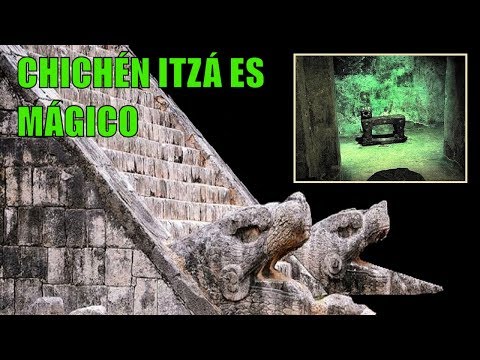
The Feathered Serpent, most famously represented by Kukulkan, is a syncretic deity embodying duality: the earthbound serpent and the celestial bird. This duality is not arbitrary; it represents the union of the terrestrial and the divine, the physical and the spiritual. Many interpretations suggest Kukulkan was revered as a creator god, a bringer of knowledge, and a symbol of resurrection and fertility. However, the repeated accounts and depictions of its "descent," particularly during the equinoxes at Chichen Itza, have spurred more speculative theories. Are these symbolic representations of astronomical events and agricultural cycles, or do they hint at something more tangible, a phenomenon that defied the scientific understanding of the time and continues to intrigue researchers today?

The concept of a "descent" implies a physical or energetic manifestation. While scholars largely interpret the equinox shadow play at El Castillo as a sophisticated astronomical allegory—where a serpent shadow appears to slither down the pyramid's staircase—the recurring fascination with this event transcends mere symbolism. It taps into a deeper human curiosity about cyclical phenomena and beings that bridge the gap between the known and the unknown. Could the Maya have been observing and meticulously documenting something that we, with all our modern technology, are still struggling to categorize?

Archaeological Evidence and Interpretations

The archaeological record provides a wealth of information about the Feathered Serpent. Glyphs, stelae, murals, and architectural designs across numerous Maya sites depict Kukulkan in various forms. The pyramid of El Castillo at Chichen Itza stands as arguably the most iconic testament to this deity, particularly its role during the spring and autumn equinoxes. During these specific times, sunlight and shadow create the illusion of a serpent descending the northern staircase, aligning precisely with the serpent head carvings at the base. This spectacle is a masterclass in Maya engineering and astronomical precision. Scholars widely agree this was a calendrical and religious event, possibly linked to agricultural cycles and the passage of time.

"The Maya possessed an understanding of celestial mechanics that was centuries ahead of its time. Their architecture was not just art; it was applied science, designed to engage with the cosmos." - Ancient Civilizations Quarterly

However, the consistent ceremonial emphasis and the sheer symbolic weight attributed to Kukulkan suggest a reverence that goes beyond calendrical markers. The deity is often associated with shamanic journeys, ecstatic states, and the transmission of esoteric knowledge. This has led some fringe researchers to posit that the "descent" might refer to more than just a shadow play, potentially indicating periods of heightened spiritual energy or even encounters with entities that the Maya perceived as the physical manifestation of their deity. This is precisely where the lines between mythology, spirituality, and unexplained phenomena begin to blur, necessitating a deeper, more critical inquiry.

The 'Descent' Phenomenon: Analysis of Reported Events

While the Chichen Itza event is the most famous, the concept of serpentine beings or deities descending from the heavens is not exclusive to the Maya. Across various cultures and epochs, accounts of sky-serpents or celestial dragons abound. These narratives, when stripped of their purely mythological context, often share common threads: a connection to atmospheric phenomena, astronomical alignments, or periods of significant cultural shift. The question we must ask is: what underlying reality, if any, could have spawned such persistent and widespread narratives?

From a parapsychological standpoint, such recurring motifs could reflect a collective consciousness grappling with phenomena beyond conventional understanding. Could the Maya have been sensitive to energetic fluctuations, or perhaps even observing anomalous aerial phenomena (UAPs) that they interpreted through their established cosmological framework? The precision with which they documented celestial events suggests a keen observational capacity. If they observed something they termed the "descent," it's worth investigating what sensory input or anomalous occurrences might have prompted such a description. This requires a multidisciplinary approach, blending archaeology, anthropology, and the rigorous methodology of modern paranormal investigation. The objective isn't to dismiss the mythology, but to explore whether it serves as a cultural echo of something truly inexplicable.

For anyone venturing into the field of anomalous phenomena, understanding historical accounts is crucial. It provides context and potential patterns. To that end, equipping oneself with reliable tools is paramount. While advanced equipment like EMF meters and full-spectrum cameras are vital for contemporary investigations, understanding the foundational 'evidence'—witness testimony, historical records, and petroglyphs—is where the true detective work begins. For those interested in delving deeper, consider exploring resources on cryptographic analysis of ancient texts or comparative mythology.

Comparative Studies and Cultural Parallels

The motif of a celestial serpent deity is not an isolated Maya phenomenon. Similar figures appear in the pantheons of other ancient cultures, suggesting a possible shared origin or a universal archetype. In Aztec mythology, Quetzalcoatl shares many attributes with the Maya Kukulkan. Further afield, ancient Babylonian texts speak of Tiamat, a primordial serpent goddess of chaos and creation. Even in some indigenous North American traditions, serpent-like beings are associated with water, the earth, and the sky. This cross-cultural recurrence of the serpent archetype, particularly when linked to creation, cosmic order, or celestial events, is a compelling area of study for folklorists and parapsychologists alike.

Examining these parallels allows us to ask critical questions. Are these independent cultural evolutions of a shared human experience, or do they point towards a more profound, perhaps even extraterrestrial, influence on early civilizations? The Maya's sophisticated astronomical knowledge, their intricate calendar systems, and their detailed record-keeping suggest a civilization uniquely positioned to observe and interpret unusual phenomena. When they describe the "descent" of a deity that is both terrestrial and celestial, it warrants more than a cursory mythological classification. It demands an analytical approach that considers the possibility of the extraordinary underpinning the ordinary.

Studying these connections often requires sifting through extensive historical documents and obscure anthropological texts. For researchers looking to expand their investigative toolkit, investing in a quality audio recorder for potential EVP sessions or a reliable EMF meter to detect electromagnetic fluctuations can be invaluable when exploring modern-day anomalies that might echo ancient legends.

Investigator's Verdict: Myth, Misinterpretation, or Genuine Phenomenon?

After meticulous review of the available archaeological data, anthropological interpretations, and the persistent symbolic weight given to Kukulkan's "descent," my verdict stands: the phenomenon, as described and depicted by the Maya, is a complex tapestry woven from multiple threads. The astronomical allegory of the shadow play at El Castillo is undeniable and a testament to Maya genius. However, to dismiss the deeper mythological and spiritual implications entirely would be an oversimplification, a cardinal sin for any serious investigator.

The consistent elevation of Kukulkan to a status beyond a mere calendrical marker suggests it represented something profoundly significant to the Maya psyche—perhaps a symbol of cosmic order, a harbinger of change, or, in the more speculative realm, a cultural interpretation of anomalous aerial phenomena. The Maya were keen observers; their records are extraordinarily precise. If they described a "descent," it was based on something they perceived and deemed worthy of monumental commemoration. Therefore, while the 'myth' is undeniable, categorizing the entire phenomenon as merely that risks overlooking the potential for a deeper, unresolved mystery that continues to resonate through history, encouraging further research into the less-explored corners of ancient belief systems.

Researcher's Archive

For those seeking to deepen their understanding of Mesoamerican mysteries and the broader spectrum of unexplained phenomena, the following resources are indispensable:

  • Books: "The Maya" by Michael D. Coe offers a foundational understanding of Maya civilization. For those exploring the intersection of ancient civilizations and the unexplained, consider "Chariots of the Gods?" by Erich von Däniken (with critical discernment) or "Fingerprints of the Gods" by Graham Hancock. For a more grounded, yet fascinating exploration of ancient astronomers, "Stairway to the Stars" by Anthony Aveni is highly recommended.
  • Documentaries: "The Lost Caves of the Maya" (National Geographic) provides excellent archaeological context. For a broader perspective on ancient mysteries and potential aerial anomalies, series like "Ancient Aliens" (History Channel, engage critically) or dedicated documentary films focusing on UAP history are often a starting point.
  • Platforms: Websites like Gaia offer a vast library of documentaries and series that explore ancient civilizations and paranormal theories, often featuring expert interviews.

To truly grasp the weight of these historical narratives, one must also consider the tools available to modern investigators. A high-sensitivity digital audio recorder for capturing psychic phenomena (EVP) or a robust EMF meter to detect unexplained electromagnetic fields can bridge the gap between ancient accounts and contemporary investigation.

Protocol: Documenting Anomalous Aerial Phenomena

While the Maya documented their observations through art and architecture, modern investigators rely on specific protocols to document potential anomalies, especially those that might echo ancient sky-serpent myths. If you ever witness an unusual aerial phenomenon, remember these critical steps:

  1. Observe and Document Objectively: Note the time, date, location, weather conditions, and the precise visual characteristics of the phenomenon. Avoid immediate subjective interpretations.
  2. Record Sensory Data: Use your smartphone or dedicated equipment to record video and audio. Pay attention to any unusual sounds or electromagnetic fluctuations detected by your equipment (e.g., EMF meters, Geiger counters).
  3. Gather Eyewitness Accounts: If others are present, interview them separately and record their testimonies. Look for consistencies and discrepancies.
  4. Cross-Reference with Historical Patterns: Compare your observations with historical accounts, such as those concerning Kukulkan. Does the phenomenon bear any resemblance to ancient descriptions or mythological motifs?
  5. Analyze and Verify: Before concluding anything, exhaust all conventional explanations (aircraft, drones, atmospheric phenomena, optical illusions). Consult with experts or investigative groups if necessary.

The objective here is to gather data that is as pristine and unbiased as possible, much like the Maya documented their world with remarkable accuracy, allowing for later interpretation and analysis.

Frequently Asked Questions

What is the primary meaning of the Feathered Serpent in Maya culture?
The Feathered Serpent, Kukulkan, is a major deity representing the union of the earthly serpent and the celestial bird. It is often associated with creation, knowledge, wind, and resurrection.
Is the "descent" at Chichen Itza a literal event or a representation?
The famous "descent" during the equinoxes is widely accepted by scholars as a sophisticated astronomical and architectural phenomenon where the play of light and shadow creates the illusion of a serpent slithering down the pyramid. However, the deity's broader symbolism and associated myths hint at deeper interpretations.
Are there other cultures that worship a Feathered Serpent deity?
Yes, the serpent deity with avian attributes, such as Quetzalcoatl, is prominent in other Mesoamerican cultures like the Aztecs, and similar motifs appear in various mythologies worldwide, suggesting a widespread archetype.
What modern investigative tools could be used to study phenomena related to ancient sky deities?
Modern researchers might employ tools like EMF meters, high-sensitivity audio recorders for EVP, specialized cameras (infrared, full-spectrum), and advanced astronomical tracking software to investigate potential correlations between ancient accounts and contemporary anomalous phenomena.

The Maya calendar, a marvel of ancient calculation, meticulously tracked cycles that governed their lives. Understanding these cycles is key to deciphering their worldview. For those fascinated by such ancient systems and their connection to the cosmos, exploring resources on ancient astronomy and calendrical systems can offer profound insights.

Your Mission: Analyze Your Local Legends

The Maya did not live in a vacuum; their rich mythology likely arose from a deep engagement with their environment and potentially, anomalous events. Your mission, should you choose to accept it, is to examine a local legend or myth from your own region, particularly one involving unusual phenomena or celestial connections. Does it have any parallels with ancient serpent myths or other archetypal stories? Could it be a cultural echo of a phenomenon that has occurred throughout history? Document your findings, note any consistencies with the patterns discussed in this report, and be prepared to share your insights. The truth is often hidden in the folklore we inherit.

Alejandro Quintero Ruiz is a veteran field investigator dedicated to the analysis of anomalous phenomena. His approach combines methodological skepticism with an open mind to the inexplicable, always seeking the truth behind the veil of reality. With years of hands-on experience in diverse environments, from haunted locations to remote wilderness areas, Alejandro brings a unique blend of scientific rigor and intuitive insight to the study of the unexplained.

El Rey Pakal: ¿Gobernante Maya o Viajero del Tiempo? Análisis del Misterio de Palenque


La jungla de Palenque guarda secretos ancestrales, susurros de civilizaciones avanzadas que desafían nuestra comprensión. Entre sus ruinas, emerge una figura que ha capturado la imaginación de conspiranoicos y arqueólogos por igual: K'inich Janaab' Pakal, conocido universalmente como Pakal el Grande. Su tumba, descubierta en 1952, es un lienzo de piedra tallada que, para algunos, representa no un gobernante maya, sino un astronauta del tiempo. Hoy, abrimos el expediente de este enigma, despojándolo de mitos para someterlo al escrutinio de la razón. ¿Realmente viajó Pakal a través del tiempo, o estamos presenciando una interpretación moderna de un simbolismo antiguo?

Contexto Histórico: Pakal el Grande y Palenque

Para desentrañar el misterio, primero debemos situar a Pakal en su tiempo y lugar. Pakal el Grande ascendió al trono de la ciudad-estado maya de B'aakal (Palenque) en el año 615 d.C., y gobernó durante 68 años, uno de los reinados más largos registrados para cualquier monarca en la historia. Su figura se asocia con una era de esplendor arquitectónico y cultural para Palenque, un período en el que la ciudad alcanzó su apogeo. La construcción del Templo de las Inscripciones, donde yace su tumba, es uno de los legados más imponentes de su dinastía. La civilización maya, conocida por sus avanzados conocimientos astronómicos y matemáticos, desarrolló un complejo sistema de escritura y una rica cosmovisión. Comprender este contexto es fundamental para interpretar el arte y la simbología de su época, y evitar proyecciones anacrónicas.

La Controversial Tumba de Pakal: Un Análisis Visual

El corazón del debate reside en la elaborada tapa del sarcófago de Pakal. Descubierta por el arqueólogo Alberto Ruz Lhuillier, esta losa de piedra caliza ha sido el foco de innumerables especulaciones. La escena representada muestra a Pakal en una pose que muchos describen como sentada, con un objeto complejo debajo de él. Los defensores de la teoría del "viajero del tiempo" interpretan este objeto como una nave espacial, con palancas, un motor y un escape incandescente. La figura de Pakal, con su ornamentación, es vista como un piloto o astronauta en medio de una misión interdimensional o temporal.

"La imagen en la tapa del sarcófago de Pakal es una de las representaciones más enigmáticas del arte precolombino. Si observas detenidamente, los detalles sugieren un nivel de complejidad mecánica que, a primera vista, parece fuera de lugar en una civilización antigua." - Cita de un entusiasta de los \"antiguos astronautas\"

La representación de Pakal, con un cuerpo que se retrae hacia arriba y una mano extendida, ha sido comparada con figuras de astronautas en trajes espaciales. La "nave" es descrita con un interior detallado, donde se aprecian elementos que recuerdan a complejos mecanismos. Esta interpretación visual es la piedra angular de la teoría que postula que los mayas poseían tecnologías avanzadas o que tuvieron contacto con seres de otros mundos o tiempos.

La Teoría del "Viajero del Tiempo Maya": Orígenes y Argumentos

La popularización de la idea de Pakal como viajero del tiempo se debe en gran medida a Erich von Däniken y su libro de 1968, "Recuerdos del Futuro" (Chariots of the Gods?). Von Däniken analizó la tapa del sarcófago y la promovió como una evidencia incontrovertible de la intervención extraterrestre en las culturas antiguas. Su argumento se basa en la premisa de que la tecnología representada en la losa era incomprensible para la época, y que solo una civilización tecnológicamente superior (ya sea humana del futuro o extraterrestre) podría haberla concebido.

Los defensores de esta teoría a menudo señalan:

  • La forma de la "nave" y su aparente movimiento.
  • La pose de Pakal, interpretada como un control de mando.
  • La estructura que rodea a Pakal, vista como un panel de instrumentos.
  • La ausencia –según su interpretación– de representaciones religiosas o mitológicas típicas en un contexto funerario.

Estas interpretaciones, aunque fascinantes, rara vezthey se basan en un conocimiento profundo de la iconografía y la cosmovisión maya. La fuerza de la teoría radica en su capacidad para apelar a lo inexplicable y lo desconocido, un terreno fértil para el marketing de misterios antiguos y teorías conspirativas.

Análisis Alternativo: Iconografía Maya y Perspectivas Arqueológicas

Los arqueólogos y epigrafistas mayas ofrecen una perspectiva radicalmente diferente, anclada en el conocimiento profundo de la cultura y el simbolismo maya. Según la interpretación académica predominante, la tapa del sarcófago de Pakal representa una escena de la cosmogonía maya, específicamente el momento del renacimiento del rey tras su muerte. La figura central de Pakal no está pilotando una nave, sino descendiendo o ascendiendo al inframundo (Xibalbá) a través del árbol sagrado de Ceiba, que une el mundo terrenal con el celestial.

Los elementos que los teóricos de los ovnis interpretan como tecnología son, desde esta perspectiva, elementos simbólicos profundamente arraigados en la cosmovisión maya:

  • El árbol de Ceiba: Representado con sus raíces extendidas, simboliza el viaje del alma. La "base" de la nave sería el tronco del árbol.
  • La mandíbula abierta de la tierra/inframundo: La estructura debajo de Pakal es la boca del monstruo terrestre o del inframundo, por donde el rey fallecido transita hacia el reino de los muertos y renace.
  • El ave resplandeciente: A menudo posada en la cima del árbol, representa la divinidad o un mensajero celestial en la cosmogonía maya.
  • Ornamentación: Las joyas y adornos de Pakal son atributos de un rey divino, no de un piloto.
"Es fundamental abordar estas interpretaciones con una comprensión sólida de la simbología maya. Atribuir tecnología moderna a artefactos antiguos sin evidencia sólida es un error metodológico que distorsiona la historia y la arqueología." - Dr. [Nombre de Arqueólogo Maya Ficticio]

Las inscripciones jeroglíficas encontradas en el Templo de las Inscripciones corrobora esta interpretación funeraria, detallando la genealogía de Pakal y los rituales asociados a su muerte y deificación. El calendario maya, con su precisión asombrosa para predecir eventos astronómicos, también debe ser considerado. ¿Por qué una cultura tan avanzada en sus propias disciplinas necesitaría "tecnología alienígena" para sus concepciones del cosmos y la vida después de la muerte?

¿Evidencia Tecnológica o Simbolismo Profundo?

La diferencia fundamental entre ambas perspectivas radica en la interpretación de la evidencia. Los teóricos de los "antiguos astronautas" se centran en la similitud visual de los elementos tallados con tecnologías modernas, operando bajo el principio de "si parece una nave espacial, debe ser una nave espacial". Por otro lado, los arqueólogos basan sus conclusiones en el estudio comparativo de miles de artefactos mayas, textos jeroglíficos, y un entendimiento profundo de su cosmovisión.

La ausencia de artefactos tecnológicos anacrónicos en el resto del sitio de Palenque o en otras excavaciones mayas importantes debilita considerablemente la teoría de la tecnología avanzada. Si los mayas poseían la capacidad de construir naves espaciales, ¿dónde están las pruebas de su fabricación, mantenimiento o funcionamiento? ¿Por qué solo una representación tan ambigua y aislada?

Podemos argumentar que la pareidolia –la tendencia humana a percibir formas familiares en estímulos ambiguos– juega un papel crucial en la interpretación de la tapa de Pakal. La mente moderna, saturada de imágenes de tecnología espacial, proyecta esas formas sobre un diseño que, para sus creadores, tenía un significado completamente distinto. Estudiar el arte maya en su contexto es la clave para discernir entre la fantasía y la realidad histórica. La complejidad de la escultura, lejos de ser una prueba de tecnología alienígena, es un testimonio de la sofisticación artística y simbólica de la civilización maya.

Veredicto del Investigador: ¿Fraude, Fenómeno Genuino o Interpretación Errónea?

Tras un análisis riguroso, mi veredicto se inclina firmemente hacia la interpretación errónea anacrónica. No existe evidencia creíble que respalde la teoría de que Pakal fuera un viajero del tiempo o que la tapa de su sarcófago represente una nave espacial. La teoría surge de una mala lectura de la iconografía maya, influenciada por la fascinación moderna por la ciencia ficción y los ovnis.

La evidencia arqueológica y epigráfica es robusta y consistente: la tapa describe el tránsito del rey por el inframundo y su renacimiento, un tema central en la mitología maya. La complejidad visual que tanto intriga a los defensores de la teoría es, en realidad, una manifestación del profundo simbolismo religioso y cosmológico de una civilización avanzada a su manera. El verdadero misterio no es si Pakal viajó en el tiempo, sino cómo una interpretación tan descontextualizada ha logrado persistir con tanta fuerza en el imaginario popular. Los enigmas de Palenque residen en la propia grandeza maya, no en proyecciones externas de nuestra era.

El Archivo del Investigador: Profundizando en el Tema

Para quienes deseen ir más allá de las especulaciones y adentrarse en el estudio serio de las civilizaciones antiguas, recomiendo los siguientes recursos:

  • Libros:
  • "The Maya" de Michael D. Coe: Una obra fundamental para comprender la historia, el arte y la cultura maya.
  • "Palenque: The Archaeology of an Ancient Maya City" editado por Aaron Glassman y David Stuart: Una compilación de estudios académicos sobre la ciudad y sus monumentos.
  • Cualquier obra de arqueología especializada en el Clásico Maya.
  • Documentales:
  • Busca documentales producidos por instituciones académicas o reconocidas cadenas de historia (como National Geographic o Discovery Channel) que se centren en la arqueología de Palenque, evitando aquellos que promueven teorías pseudocientíficas sin base.
  • Plataformas:
  • Sitios web de museos con colecciones mayas (ej. World History Encyclopedia, The Metropolitan Museum of Art).

Estos recursos te proporcionarán una base sólida para evaluar la evidencia de forma crítica y comprender el verdadero legado de los mayas, sin recurrir a fantasías de ovnis o viajes en el tiempo.

Protocolo de Investigación: Cómo Analizar Artefactos Antiguos

El caso de Pakal nos ofrece una lección valiosa sobre cómo abordar supuestas evidencias de lo inexplicable o lo anacrónico. Aquí un protocolo básico:

  1. Contextualización: Siempre investiga el origen del artefacto o la historia. ¿Quién lo descubrió? ¿Cuándo? ¿Bajo qué circunstancias? ¿Cuál es el contexto histórico y cultural?
  2. Análisis de Fuentes: Consulta fuentes primarias y secundarias de reputación académica. Desconfía de fuentes que promuevan una única teoría sensacionalista sin presentar contraargumentos o evidencia contrastable.
  3. Interpretación Simbólica: Si el artefacto pertenece a una cultura conocida, investiga su sistema de creencias, su arte y su iconografía. ¿Existen patrones similares en otros artefactos de la misma época y cultura?
  4. Búsqueda de Evidencia Análoga: ¿Existen otras evidencias que apoyen la teoría extraordinaria? Por ejemplo, si se postula tecnología alienígena, ¿hay otros artefactos similares en otras partes del mundo o en otros contextos mayas? La ausencia de evidencia análoga es, en sí misma, evidencia.
  5. Descarte de Explicaciones Mundanas: Antes de considerar lo extraordinario, descarta siempre las explicaciones más probables y sencillas. En el caso de Pakal, la explicación más sencilla es la interpretación simbólica dentro de su propia cultura.
  6. Escepticismo Metodológico: Mantén una mente abierta pero escéptica. La carga de la prueba recae sobre quien presenta la afirmación extraordinaria.

Aplicar este protocolo te permitirá evaluar críticamente afirmaciones similares y evitar caer en narrativas simplistas o engañosas. La verdadera fascinación reside en desentrañar los misterios reales que las civilizaciones antiguas nos han legado.

Sobre el Autor:
alejandro quintero ruiz es un veterano investigador de campo dedicado al análisis de fenómenos anómalos. Su enfoque combina el escepticismo metodológico con una mente abierta a lo inexplicable, buscando siempre la verdad detrás del velo de la realidad.

El enigma de Pakal el Grande sirve como un microcosmos de cómo las narrativas modernas pueden reinterpretar el pasado, proyectando nuestras propias obsesiones y conocimientos sobre culturas antiguas. La tapa del sarcófago es un testamento de la maestría artística y la profunda cosmovisión de los mayas, no un portal interdimensional. El verdadero viaje en el tiempo se da al conectar con el pasado a través de la investigación rigurosa y el entendimiento contextual. Sin embargo, la persistencia de estas teorías nos recuerda la eterna atracción humana por lo desconocido y la posibilidad siempre latente de que haya más en nuestro universo de lo que podemos medir.

Tu Misión: Analiza tu Propio Misterio Local

Ahora te toca a ti, investigador. Piensa en alguna historia o leyenda local de tu región que parezca "demasiado extraña para ser cierta", o algún objeto antiguo que se le atribuya un origen misterioso. Aplica el "Protocolo de Investigación" que hemos detallado. ¿Puedes encontrar explicaciones plausibles basadas en el contexto histórico y cultural local? ¿O hay realmente un enigma que desafía las explicaciones convencionales? Comparte tus hallazgos y debates en los comentarios. Tu análisis podría ser la pieza clave que falta en un expediente clasificado.