Followers

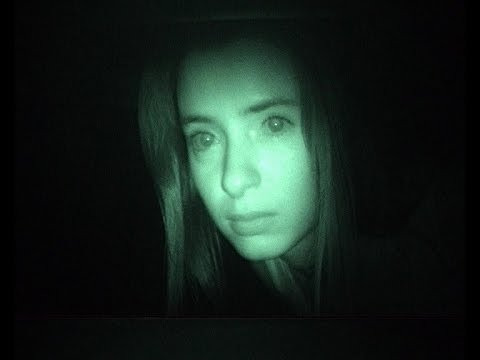
The Teresa Fidalgo Ghost: Analyzing the Curve Phenomenon in Paranormal Investigations


Introduction

Hello and welcome to the paranormal corner. Today, we're not just recounting a ghost story; we're dissecting a piece of photographic evidence that has baffled investigators for decades. The case of Teresa Fidalgo and the peculiar "curve phenomenon" is more than just a spooky tale for the internet; it's a critical case study in how we perceive and analyze anomalies. We'll be looking at the data, the testimony, and the inherent challenges in verifying the supernatural.

Historical Context: The Legend of Teresa Fidalgo

The legend of Teresa Fidalgo, a young woman tragically killed in a traffic accident in Portugal, has permeated paranormal folklore. The popular narrative claims her spirit continues to haunt the very road where her life was cut short. Those who encounter her often report a disturbing interaction before a subsequent accident, leading to the chilling nickname for this purported apparition: "The Curve Ghost." While the emotional resonance of such tragic tales is undeniable, our task as investigators is to look beyond sentiment and focus on the empirical data.

The core of this case, often circulated in paranormal circles and forums seeking the unexplained, lies not just in the reported sightings but in specific pieces of evidence purported to document the phenomenon. These pieces of evidence, particularly photographs, have become emblematic of the Teresa Fidalgo ghost story.

The Curve Phenomenon: An Anomalous Photographic Distortion?

The most compelling aspect of the Teresa Fidalgo legend, especially from an investigative standpoint, is what's often termed the "curve phenomenon" in associated photographic evidence. This isn't merely a blurry image or a fleeting shadow; it refers to a specific visual anomaly that appears across various purported photographs related to the case. This anomaly consistently shows a distorted, curved line or shape that seems to emanate from or interact with the frame where the alleged apparition is captured.

Skeptics immediately point to technical explanations: lens flare, light refractions, digital artifacts, or even deliberate manipulation. However, the persistence and peculiar consistency of this "curve" across different alleged captures have fueled speculation. Is it an artifact of vintage camera equipment, a peculiar photographic quirk unique to certain conditions, or something more? Our objective is to meticulously break down these visual elements.

"The camera doesn't lie, but the photographer can. And sometimes, the physics of light itself plays tricks on the eye." - Alejandro Quintero Ruiz (Paraphrased)

Understanding this phenomenon requires a deep dive into photographic principles. Phenomena like Newton's rings, aberrations, or even simple scratches on a lens can create visual distortions. However, the specific nature of the "curve" in the Fidalgo case often appears too deliberate, too integrated with the subject of the photo, to be dismissed as a simple technical fault without further investigation. This is where cross-referencing with other cases of photographic anomalies becomes crucial. Have similar distortions been noted in other alleged spirit photography or EMF readings? Our extensive archive on paranormal photography may hold comparative data.

Analyzing the Photographic Evidence: Consistency and Inconsistencies

When examining photographic evidence of alleged paranormal activity, the first rule of investigation is rigorous scrutiny. For the Teresa Fidalgo case, the key visual evidence often involves photographs allegedly taken by individuals who claim to have encountered the spirit. The "curve phenomenon" is typically observed in these images, often appearing as a faint, arching line superimposed or integrated into the scene.

We must ask:

  • What kind of cameras were used in these alleged captures? Older film cameras have different artifact potentials than modern digital ones.
  • What were the environmental conditions? Light sources, fog, and even the camera's position relative to potential light sources can create anomalies.
  • Are there multiple independent sources of this photographic evidence, or does it all stem from a single origin point? A single source dramatically increases the likelihood of a hoax or a consistent technical issue.
  • How does the alleged "curve" correlate with other reported phenomena, such as temperature drops, auditory anomalies (like EVPs), or EMF spikes? Without corroborating evidence, photographic anomalies remain just that: visual anomalies.
The inconsistencies often lie in the lack of verifiable provenance for many of these images. While some claim to be authentic snapshots, the digital age allows for sophisticated manipulation. Therefore, examining the metadata, the original source, and any chain of custody for these photographs is paramount. The absence of such data is a significant red flag for any serious investigator. For those seeking to conduct similar photographic investigations, understanding essential ghost hunting equipment is vital to differentiate between genuine anomalies and equipment-generated artifacts.

Expert Perspectives: Skepticism vs. Acceptance

The paranormal field thrives on debate, and the Teresa Fidalgo ghost case is no exception. Skeptics often approach such evidence with a healthy dose of doubt, meticulously seeking natural explanations. Scientific explanations for the "curve phenomenon" typically include:

  • Lens Flares and Refractions: Light sources hitting the lens at specific angles can create arcs and circles.
  • Digital Artifacts: Sensor dust, compression algorithms in digital images, or glitches during image processing can produce unusual patterns.
  • Pareidolia: The human tendency to perceive familiar patterns (like faces or shapes) in random visual data.
  • Subtle Hoaxes: Deliberate manipulation of photographs, either in-camera or post-processing.
On the other hand, those who lean towards acceptance of the paranormal interpret these visual anomalies as potential indicators of spiritual energy or residual impressions. They might argue that the curve represents the signature of a specific type of spectral manifestation, or perhaps a distortion in the fabric of reality caused by the presence of an entity. Researchers like Jacques Vallée, in his work on UFOs and anomalous phenomena, have explored how perceived "impossible" shapes or visual distortions can be part of a larger, misunderstood pattern of interaction. Vallée's research, for instance, often suggests that our current frameworks are insufficient to categorize these events.

The Researcher's Verdict: Fraud, Genuine Spookiness, or Technical Glitch?

After reviewing the available information and common interpretations, my verdict leans towards an unresolved technical anomaly, with a low probability of a genuine paranormal event as depicted. The "curve phenomenon," while visually striking, lacks the corroborating evidence typically required for a paranormal classification. The consistency of the curve across different alleged photos could be explained by a common editing tool, a recurring photographic error inherent to a specific camera model or technique used by those circulating the images, or a deliberate, albeit simple, form of digital manipulation. We have seen similar patterns emerge from poorly understood photographic techniques or even simple editing software. For example, the use of specific filters or cloning tools might consistently create such artifacts if applied without expertise.

However, the lack of definitive proof of fraud does not automatically elevate it to the paranormal. It simply means the evidence is insufficient. Until independent, verifiable photographic evidence emerges with clear metadata, a verifiable chain of custody, and ideally, corroborating instrumental readings (like EMF spikes or EVP captures that specifically correlate with the photographic anomaly), the Teresa Fidalgo "curve ghost" remains an intriguing, but ultimately unproven, legend. To truly solidify such a case, one would need to replicate the anomaly under controlled conditions or find undeniable proof of its supernatural origin.

The Investigator's Archive

For those looking to delve deeper into the nature of photographic anomalies and ghost hunting techniques, I recommend the following resources:

  • "The Handbook of Genuine Ghost Hunting" by Troy Taylor: Offers practical advice and case studies in ghost investigation.
  • "Passport to Magonia" by Jacques Vallée: Explores the broader context of unexplained aerial and apparitional phenomena.
  • "Real Monsters, Gruesome Dangers, and Strange Critters" by William J. Broad: While focused on cryptozoology, it touches upon the analysis of evidence and the potential for misinterpretation.
  • Documentary: "Searching for the Truth: Anomalous Photography" (Hypothetical, but representative of content found on platforms like Gaia or Discovery+): Look for documentaries that critically examine photographic evidence, discussing technical fallacies and genuine mysteries.

Investigation Protocol: Documenting Anomalous Photos

When faced with potentially anomalous photographs, adhere to this protocol to ensure rigorous documentation and analysis:

  1. Preserve Originality: Never alter the original photograph. Work with copies and ensure the original files (including metadata) are securely stored.
  2. Document Everything: Record the date, time, location, camera model, settings, and any environmental conditions at the time the photo was taken.
  3. Source Verification: Trace the origin of the photograph. Who took it? When was it first published? Are there multiple independent instances of this specific image or phenomenon?
  4. Technical Analysis: Use image forensic tools to check for signs of manipulation (metadata analysis, pixel-level inspection, color spectrum analysis).
  5. Corroborate: Look for any simultaneous recordings or instrumental data (audio, EMF, temperature) that align with the time and location of the photograph.
  6. Compare and Contrast: Assess if the anomaly resembles known photographic artifacts, natural phenomena, or previously documented paranormal photographic evidence.

Understanding these steps is crucial whether you're analyzing a spirit photo or investigating a potential cryptid sighting.

Frequently Asked Questions

What is the "curve phenomenon" associated with the Teresa Fidalgo ghost?
It refers to a consistent visual anomaly in alleged photographs of the ghost, appearing as a distorted, curved line or shape within the image.
Can simple camera errors cause such distortions?
Yes, lens flares, light refractions, digital artifacts, and even scratches on the lens can create various visual distortions. The key is determining if the "curve" is explicable by these mundane causes.
Is there any definitive proof the Teresa Fidalgo photos are paranormal?
Currently, there is no universally accepted, definitive proof. The evidence is largely anecdotal and lacks the rigorous corroboration needed for scientific acceptance.
What are the main arguments against the paranormal explanation?
The primary arguments include the potential for photographic manipulation (hoax), common technical glitches, and the lack of independent, verifiable evidence.

Your Field Mission

Your mission, should you choose to accept it, is to become the investigator. Next time you encounter any photographic evidence purported to be paranormal – whether it's a ghost, a UFO, or a cryptid – apply the protocol outlined above. Seek out the original files, look for metadata, research the source, and critically assess the likelihood of a mundane explanation before jumping to supernatural conclusions. Share your findings and thought processes in the comments below. Let's analyze the evidence together.

alejandro quintero ruiz is a veteran field investigator dedicated to the analysis of anomalous phenomena. His approach combines methodological skepticism with an open mind toward the inexplicable, always seeking the truth beyond the veil of reality.

The pursuit of truth in the paranormal realm demands patience, critical thinking, and a refusal to accept easy answers. The legend of Teresa Fidalgo and its associated photographic anomalies serve as a potent reminder of these principles.

Linares Creature: An In-Depth Analysis of the Viral Video Phenomenon


Introduction: The Spark of Mystery

The digital age has amplified the whispers of the unexplained. What once spread by word-of-mouth or grainy tabloid photos now explodes across social media platforms within hours. The vortex of viral content is a fertile ground for paranormal claims, but it also presents a significant challenge for serious investigators: sifting the wheat from the chaff. Today, we open an expediente on a specific piece of purported evidence that has captivated online communities: a video allegedly capturing an unknown creature in Linares, Spain. This isn't about sensationalism; it's about rigorous analysis of what can be observed, what theories can be reasonably posited, and what remains, for now, outside the bounds of definitive explanation.

Case File: The Linares Sighting

Reports emerged detailing a video circulating online, purportedly filmed in the vicinity of Linares, Spain. The footage, though often of dubious quality due to its viral propagation and potential digital manipulation, depicts what appears to be an elongated, quadrupedal entity moving erratically through a dimly lit, possibly rural, environment. The context of the sighting is crucial: initial reports often lack precise timestamps or verifiable locations, a common hurdle in paranormal investigations. However, the visual itself, irrespective of its origin, has sparked debate within cryptozoological circles. The creature’s gait, proportions, and apparent lack of discernible features have led to speculation ranging from undiscovered species to elaborate hoaxes.

Deconstructing the Footage: What We See (and Don't See)

The primary challenge with viral videos is attribution and authenticity. When analyzing the Linares creature footage, we must proceed with extreme caution. The visual information typically available presents several key areas for scrutiny:

  • Figure Identification: Does the entity possess characteristics consistent with known wildlife? Its movement suggests a quadrupedal locomotion, but the proportions are often distorted or obscured by low resolution and motion blur. Are there discernible eyes, a tail, or specific anatomical features that could aid in classification?
  • Environmental Context: Where was this filmed? The background often provides clues – vegetation type, terrain, and even ambient sounds (if the audio is intact and unmanipulated) can help narrow down possibilities. Is it a natural habitat, an urban fringe, or an indoor setting?
  • Motion and Behavior: The way the creature moves is critical. Is it exhibiting natural animalistic movements, or something that appears unnatural or staged? Erratic, jerky movements can be indicative of either stress in an animal or the clumsy animation of a hoax.
  • Technical Artifacts: Digital manipulation leaves its signature. We must look for inconsistencies in lighting, shadows, pixelation patterns, and the way the entity interacts with its environment. Does it cast a cohesive shadow? Does it appear to occupy the same space as background elements?

The very nature of viral content means that initial uploads are frequently compressed, re-uploaded, and potentially altered, making pristine forensic analysis difficult. It’s akin to trying to piece together a crime scene after a riot. The raw data is often corrupted.

Cryptozoological Context: Analogues and Anomalies

The Linares creature, as depicted, evokes certain archetypes within cryptozoology. Its vaguely reptilian or canine-like silhouette, coupled with its alleged elusive nature, places it in a broad category of "mystery animals." Consider parallels such as the legendary beasts found in other regions: the Mongolian Death Worm, various reports of dogmen, or even unusual primate sightings. These cases, while distinct, share a common thread: they are often documented by fleeting visual evidence, anecdotal accounts, and a persistent public fascination that fuels further speculation. The internet has provided a global stage for these narratives, allowing a single video from Linares to be scrutinized – and debated – by enthusiasts worldwide.

The proliferation of such videos raises questions about the nature of perception and misidentification. Is it possible that we are witnessing a genuine aberration, an undocumented species? Or are these merely sophisticated manipulations exploiting our inherent desire to believe in the unknown? The rigorous application of the scientific method, even in the face of such ambiguous evidence, is paramount. We cannot afford to be swayed by the sensational if we are to make any progress in understanding the fringes of zoology.

Skeptical Examination: Ruling Out the Mundane

Before we entertain extraordinary hypotheses, the investigator's first duty – an absolute imperative – is to exhaust all conventional explanations. In the case of the Linares creature video, several mundane possibilities must be considered:

  • Misidentification of Known Animals: Could the creature be a common animal under stress, viewed from an unusual angle, or with a pathological condition? A fox with mange, a feral dog, or even a large rodent could appear distorted on low-quality video.
  • Hoax or Prank: The ease with which CGI and other visual effects can be employed means that elaborate hoaxes are a constant threat. Someone with basic video editing skills could easily create a convincing (or unconvincing, depending on their talent) simulation.
  • Pareidolia and Apophenia: Our brains are wired to find patterns, especially faces and figures, in random stimuli (pareidolia). In a blurry, shaky video, the human mind can easily impose a recognizable form onto indistinct shapes. Apophenia is the tendency to perceive meaningful connections between unrelated things.
  • Environmental Factors: Odd lighting conditions, shadows, fog, or lens flares can create illusions that mimic the appearance of something unusual.

A critical element in debunking these possibilities is the lack of clear, verifiable details in the original footage. The ambiguity that fuels the mystery also serves as a shield for potential explanations rooted in the mundane. Without detailed metadata, precise location data, and uncompressed original footage, definitive debunking or confirmation remains elusive.

"The true investigator doesn't dismiss the 'impossible' out of hand, but rather dedicates themselves to finding the mundane explanation that was overlooked. Only when every rational avenue is exhausted does the truly anomalous merit serious consideration." - A.Q.R.

Investigator's Verdict: Fraud, Phenomenon, or Misidentification?

Based on the typical quality and context of viral videos depicting the "Linares Creature," my assessment leans towards a high probability of either significant misidentification or a deliberate hoax. The lack of high-resolution detail, clear environmental context, and verifiable origin points are significant red flags. While the possibility of an undocumented species existing cannot be entirely dismissed without exhaustive investigation, the evidence presented in such fragmented, online-disseminated videos rarely meets the threshold for serious cryptozoological consideration. It’s more probable that we are observing a known animal poorly captured, an illusion created by environmental factors, or a staged event designed for internet traction. The allure of the unknown is powerful, but it must not override the discipline of critical analysis.

The Researcher's Archive: Essential Viewing and Reading

For those seeking to delve deeper into the investigation of anomalous phenomena and cryptozoology, acquiring the right resources is not merely recommended—it's essential. These tools and texts form the bedrock of any serious inquiry:

  • Books:
    • 'The Coming of the Saucers' by Donald Keyhoe: A foundational text on UFO analysis and government secrecy.
    • 'On the Track of Unknown Animals' by Bernard Heuvelmans: A seminal work in cryptozoology that delves into methodology and case studies.
    • 'Mothman Prophecies' by John Keel: Explores a famous cryptid case with deep societal implications.
    • 'The Day After Roswell' by Philip J. Corso: A controversial yet influential account of alleged extraterrestrial technology retrieval.
  • Documentaries:
    • 'The Missing 411 series': Investigates unexplained disappearances in national parks.
    • 'Hellier': A multi-part series focusing on a modern paranormal investigation.
    • 'Close Encounters of the Fifth Kind': Explores theories of human-initiated contact with extraterrestrials.
  • Platforms:
    • Gaia.com: Offers a vast library of documentaries and series on consciousness, spirituality, and the paranormal. Investing in a subscription here is akin to gaining access to a digital expeditionary force.

Field Protocol: Documenting Anomalous Sightings

Should you encounter a phenomenon that defies immediate explanation, a structured approach is critical for gathering reliable data:

  1. Observe and Record Without Interruption: Prioritize capturing as much visual and auditory data as possible. Use multiple recording devices if available. Note the time, date, and precise location (GPS coordinates if possible).
  2. Document Environmental Conditions: Record temperature, wind, humidity, and any unusual atmospheric phenomena (e.g., unusual light, sounds).
  3. Note Personal Sensations: Record any subjective experiences – feelings of being watched, unusual smells, unexplained sounds, or physical sensations. These, while anecdotal, can provide context.
  4. Maintain Objectivity: Describe what you see and hear factually, avoiding interpretation in your initial notes. Use precise language.
  5. Secure the Original Footage: Do not rely on re-uploads. If possible, obtain the original file directly from the witness or source. Analyze file metadata if available (date created, camera type, etc.).
  6. Seek Multiple Testimonies: Were there other witnesses? Corroborating accounts strengthen a report, but differences can also provide valuable insights into differing perceptions.

This methodical approach, similar to protocols used in scientific field research, is vital for moving beyond mere speculation and towards actionable investigation.

Frequently Asked Questions

Q1: Is the Linares creature video confirmed to be real?

A1: No. The viral nature of the video and the lack of verifiable origin details mean its authenticity is unconfirmed and highly questionable. Serious investigators consider it unproven.

Q2: What is the most likely explanation for the video?

A2: The most probable explanations are misidentification of a known animal, a deliberate hoax using video editing, or illusions caused by poor recording quality and environmental factors.

Q3: Where exactly in Linares was the video supposedly filmed?

A3: Precise location data is not reliably available with the widely circulated versions of the video, making independent verification difficult.

Q4: What are the key characteristics of the creature in the video?

A4: The creature is typically described as a quadruped with an elongated body and somewhat indistinct features, often moving erratically. Specific details are obscured by the video's quality.

Conclusion: The Edge of the Known

The Linares creature video serves as a modern case study in how digital media shapes our perception of the paranormal. It highlights the persistent human drive to document and understand the unknown, but also the ease with which the unexplained can be manufactured or misinterpreted. While the footage itself may not offer definitive proof of an undiscovered species, it compels us to refine our methods of investigation in the digital age. The true value of such a case lies not in its potential veracity, but in the lessons it offers about evidence, skepticism, and the critical evaluation of information that floods our screens daily. We must always approach such phenomena with a balance of open-minded curiosity and unflinching analytical rigor. The line between the known and the unknown is constantly being redrawn, and it is our responsibility to map it with precision and integrity.

Your Field Mission: Unraveling Local Legends

Every region has its own undocumented folklore, its local legends whispered in hushed tones. Your mission, should you choose to accept it, is to become the investigator in your own backyard. Identify a local legend or a piece of unexplained folklore from your area. Then, employ the principles discussed in this report: conduct thorough research, seek out historical accounts, and critically examine any purported evidence (photos, old newspaper clippings, oral histories). Document your findings as if building your own case file. Are there rational explanations waiting to be uncovered, or is this a genuine enigma? Report your findings in the comments below and let's expand the collective archive of the unexplained.

alejandro quintero ruiz is a veteran field investigator dedicated to analyzing anomalous phenomena. His approach combines methodological skepticism with an open mind to the inexplicable, always seeking the truth behind the veil of reality. He has spent years navigating the shadows of unexplained events, meticulously documenting evidence and offering pragmatic analysis.

Speedway Creature: An Analysis of the Speedway Anomaly


Introduction: The Unseen Passenger

The asphalt ribbon of the highway, a marvel of modern engineering designed for speed and transit, has an often-overlooked reputation. It’s more than just a conduit for commerce and travel; it’s a stage upon which the mundane and the utterly bizarre frequently intersect. Tonight, we pull back the curtain on a curious report: a strange creature sighted on a speedway. This isn't your typical roadside attraction. This is a case that demands rigorous analysis, a dissection of witness testimony, and a critical examination of the forces that may be at play when the veil between worlds thins on forgotten stretches of road.

Historical Context: Highways as Arenas of the Strange

Throughout history, areas of transition and vast, open spaces have been fertile ground for folklore and unexplained phenomena. Ancient roads, pilgrimage routes, and now, our modern highways, often become focal points for tales of the uncanny. From phantom hitchhikers to spectral animals crossing roads in the dead of night, these thoroughfares are more than just asphalt and painted lines. They are arteries through which strange energies and inexplicable sightings can flow, often amplified by the isolation and the peculiar psychological state induced by long-distance driving. The sheer speed involved in highway travel can warp perception, making it a prime environment for misidentification, but also, perhaps, for genuine encounters with the unknown.

The Speedway Encounter: Eyewitness Accounts and Anomalous Data

Details surrounding the specific speedway creature sighting remain scant, a common challenge in cases that emerge from the transient world of highway travel. What little information exists suggests an encounter that defies easy categorization. Witnesses, often motorists themselves, report an entity that is decidedly *not* of this world, observed during late-night or early-morning travel. Descriptions, though varied, tend to point towards a bipedal or quadrupedal form exhibiting unusual speed, gait, or physical characteristics inconsistent with known fauna. The crucial element here is the context: a high-speed environment where observation is fleeting and errors in judgment are common. Without precise location data, temporal records, and corroborating physical evidence, such accounts enter the realm of anecdotal evidence, which, while compelling, requires careful scrutiny.
"It moved too fast to be a deer, and too… wrong to be anything I've ever seen in a field guide. It was like a shadow detached itself from the embankment."

The very nature of a speedway encounter presents inherent challenges for paranormal investigation. The fleeting glimpse, the rush of adrenaline, and the pressure to maintain control of a vehicle at high velocity create a perfect storm for unreliable narration. However, dismissing these accounts outright would be a disservice to the rigorous investigation we strive for. The key is to analyze the patterns, the shared descriptors, and the potential environmental factors that might contribute to such sightings.

Cryptid or Hallucination? Deconstructing the Evidence

When confronted with an unusual creature sighting on a speedway, the initial, pragmatic response is to consider misidentification or hallucination. Could it be a known animal, distorted by speed, poor lighting, or the driver's fatigued state? Creatures like deer, coyotes, or even large birds can appear unnervingly alien under specific circumstances. The phenomenon of pareidolia – the tendency to perceive a specific, often meaningful, image in a random or ambiguous visual pattern – is also a strong contender.

However, the recurring nature of certain descriptors in various highway encounters, even if fragmented, demands we keep an open mind. Are there truly unknown entities – cryptids – that inhabit the liminal spaces of our infrastructure? Or are we dealing with a complex interplay of psychology, suggestion, and optical illusions brought on by the unique environment of the speedway? The lack of clear photographic or videographic evidence, a common theme in many speedway sightings, leaves us with a gap that conventional science struggles to bridge.

Demonic Implications or Misinterpretation?

While the immediate classification might lean towards cryptid zoology, some anecdotal accounts flirt with darker interpretations. The "demonic" aspect often arises from the sheer unnaturalness of the sighting or a perceived sense of malevolence associated with the entity. It’s a leap, certainly, transforming a strange physical manifestation into something spiritual or infernal.

From a researcher's perspective, while we must acknowledge the cultural prevalence of such interpretations, it's crucial to separate potential causes from reported effects. If an entity exhibits behaviors that are intentionally harmful or predatory, or if it bears resemblance to entities described in ancient texts or demonological studies, then the "demonic" label warrants consideration. However, without concrete evidence of malevolent intent or specific demonic traits, such conclusions remain speculative. Are we seeing actual demonic entities, or are these simply the descriptions applied by witnesses attempting to rationalize an experience that deeply unsettles their understanding of reality? The speedway, as a place of rapid transit and potential danger, might inadvertently amplify such fearful interpretations.

Investigator's Verdict: Fraud, Phenomenon, or Unknown Variable?

Analyzing the "Speedway Creature" phenomenon, as with many reports from highway encounters, presents a significant challenge due to the inherent limitations of fleeting observation and the lack of robust, verifiable evidence. We are presented with a narrative, a collection of subjective experiences.
  • Fraud: The possibility of deliberate fabrication or hoaxes cannot be entirely dismissed. However, the solitary nature of most highway sightings makes coordinated fraud less likely, though not impossible.
  • Phenomenon (Misidentification/Natural Explanation): This remains the most probable explanation for a significant portion of reported sightings. Fatigue, optical illusions (like heat haze or distant lights), and misidentification of known animals or objects are potent factors on high-speed roadways.
  • Phenomenon (Anomalous Entity/Cryptid): The consistent elements in some reports, however scarce, hint at the possibility of an unknown creature or entity that utilizes or inhabits these transitional zones. This is where the true mystery lies, requiring further data collection and analysis.
  • Unknown Variable: This encompasses genuinely unexplained phenomena that defy our current scientific understanding, whether they be extradimensional incursions, unusual energy manifestations, or something entirely novel.

Our current data is insufficient to definitively classify the Speedway Creature. However, the consistent reporting of anomalous entities in such environments warrants continued observation and data collection through advanced monitoring systems and disciplined eyewitness reporting.

The Researcher's Archive

For those delving deeper into the unexplained phenomena associated with transit and liminal spaces, several resources are indispensable. Understanding the broader context of cryptid sightings and anomalous encounters requires engaging with foundational texts and investigative reports.
  • "The Mothman Prophecies" by John Keel: While focused on a specific event, Keel's work expertly dissects the intersection of societal anxiety, infrastructure, and the appearance of strange entities. Keel's theories on "ultraterrestrials" and interdimensional entities offer a framework for considering phenomena beyond simple misidentification.
  • "The Field Guide to Bigfoot and Other Mystery Animals" by Loren Coleman: A comprehensive catalog of cryptid reports, providing context for unusual animal sightings that might be misconstrued on highways.
  • Documentaries on Cryptids and Highway Mysteries on Gaia: Platforms like Gaia host a vast array of documentaries exploring cryptids, UFOs, and unexplained phenomena. While requiring a critical eye, they often present compelling case studies and testimonies.
  • Online Archives of Paranormal Cases: Websites dedicated to cataloging paranormal and UFO sightings, such as the National UFO Reporting Center (NUFORC) or similar cryptid databases, can offer parallels and comparative data.
Equipping yourself with this knowledge is the first step in transforming mere curiosity into informed investigation. Understanding the historical context and previous research is paramount.

Field Protocol: Assessing Highway Anomalies

Investigating a highway anomaly requires a distinct approach due to the inherent dangers and transient nature of the environment. Unlike static haunted locations, a speedway presents unique challenges for data acquisition.
  1. Prioritize Safety: Never stop on a high-speed highway unless absolutely necessary and in a designated safe area. The risk of being struck by another vehicle is paramount.
  2. Document Immediately: If a sighting occurs, your first instinct should be to record it. If safe, use your smartphone to capture video or photos. Note the exact time, location (mile marker is crucial), direction of travel, and weather conditions.
  3. Witness Collaboration: If traveling with others, gather their immediate impressions. Multiple witnesses can either corroborate or highlight discrepancies in accounts.
  4. Post-Sighting Analysis: Upon reaching a safe location, review any captured media. Note the physical characteristics of the entity, its movement, and any sounds. Compare your observations with known animals and environmental factors.
  5. Report to Reputable Sources: Share your findings with established paranormal research organizations or databases. Provide as much detail as possible, acknowledging the limitations of your observation.
The key is objective reporting. Resist the urge to sensationalize. Focus on the facts as you perceived them, and be prepared for skeptical analysis.

Frequently Asked Questions

  • What is the most common explanation for highway creature sightings?
    The most common explanations involve misidentification of known animals under unusual lighting or weather conditions, optical illusions caused by speed and fatigue, and pareidolia.
  • Are there specific highways known for creature sightings?
    Certain highways, particularly those passing through vast, sparsely populated areas or known wildlife habitats, are often cited in anecdotal reports. However, a comprehensive, scientifically validated list is difficult to compile due to the nature of the sightings.
  • Can electronic equipment detect something on a highway?
    While EMF meters or audio recorders might capture anomalies, their effectiveness on a moving vehicle on a noisy highway is highly questionable. The electromagnetic interference from vehicles and infrastructure can render such devices unreliable for definitive paranormal detection in this context.
  • Is it possible for a cryptid to adapt to living near highways?
    It is theoretically possible that some undiscovered species might utilize the edges of highways for hunting or travel if abundant food sources are available, or if the infrastructure bisects their natural habitat. However, concrete evidence is lacking.

Conclusion and Your Mission

The Speedway Creature remains an enigma, a testament to the inexplicable that can manifest in the most mundane of human constructs. Whether a fleeting misidentification, a genuine encounter with an unknown cryptid, or a projection of our deepest psychological anxieties onto the lonely expanse of the highway, it serves as a potent reminder that reality is often more strange than fiction. These reports, however anecdotal, contribute to a larger tapestry of unexplained phenomena that demand our attention and critical analysis.

Your Mission: Document Your Own Anomalies

This week, I challenge you to become an observer. If you travel highways, especially at night, pay close attention. If you experience anything unusual, no matter how fleeting or seemingly insignificant, document it rigorously. Note the time, place, conditions, and your immediate sensory input. Did you see something that defied explanation? Was it a shadow that moved too fast, a sound out of place, or a feeling of unease? Record it. Your personal observations, when collected and analyzed with discipline, could be the missing piece in a future investigation. Share your experiences on forums or research sites, but always prioritize your safety. The unknown is out there, sometimes just beyond the headlights.

alejandro quintero ruiz is a veteran field investigator dedicated to the analysis of anomalous phenomena. His approach combines methodological skepticism with an open mind to the inexplicable, always seeking the truth behind the veil of reality.

The Loch Ness Monster: Debunking the "Nessie" Phenomenon Through Amateur Footage Analysis


The telephone rings at 3:33 AM. A static-laden voice whispers a name no one should know. It's not a call; it's an invitation. Today, we open the case file on the Loch Ness Monster, a subject perpetually shrouded in myth and fueled by questionable evidence. The question isn't just whether "Nessie" exists, but why this particular legend has such a tenacious grip on the popular imagination, often bolstered by amateur footage that promises revelation but frequently delivers ambiguity.

Case Overview: The Loch Ness Enigma

For decades, Loch Ness in the Scottish Highlands has been the focal point of one of the world's most enduring mysteries: the Loch Ness Monster, affectionately known as Nessie. The legend purports the existence of a large, unknown creature dwelling within the dark, deep waters of the loch. While various accounts and alleged sightings have been recorded since the early 20th century, the phenomenon truly captured global attention with the publication of the "surgeon's photograph" in 1934. This image, however, was later revealed to be a hoax, marking the first of many instances where the line between genuine anomaly and elaborate deception becomes blurred.

The enduring appeal of Nessie lies in its ability to tap into our primal fascination with the unknown residing in the depths. It’s a modern incarnation of ancient sea serpent myths, amplified by the unique characteristics of Loch Ness: its immense size, depth, and murkiness, which provide ideal conditions for hiding a large, elusive creature—or for concealing mundane explanations for anomalous sightings.

The sheer volume of purported evidence, ranging from blurry photographs and grainy film footage to sonar anomalies, creates a compelling narrative. However, a critical analysis demands that we approach each piece with a discerning eye, applying logic and scientific understanding to sift through the folklore and potential misidentifications. This isn't about dismissing the possibility of undiscovered species; it's about rigorously examining the claims and understanding the psychological and environmental factors that contribute to such persistent legends. For anyone serious about *cryptid investigation*, understanding the historical context and common pitfalls of evidence analysis is paramount. This is where a solid understanding of *cryptid taxonomy* and *ufology debunking techniques* often overlaps.

Analyzing the Amateur Footage: A Scientific Approach

The original content references a specific piece of amateur footage that "puts the existence of 'Nessie' into play." This is precisely the kind of evidence that warrants rigorous investigation. Amateur footage, while often enthusiastic, frequently suffers from poor camera quality, operator error, and a lack of controlled conditions. When examining such material, several key questions must be addressed:

  • Source Verification: Who is the amateur scientist? What is their background? Is this the first time they've reported something of this nature? Independent verification of the photographer's credibility and equipment is the first step.
  • Environmental Conditions: What were the lighting conditions, weather, and water state at the time of filming? Ripples, waves, and sunlight reflections can easily be misinterpreted.
  • Object Identification: What mundane objects could be mistaken for a creature? Common culprits include:
    • Floating logs or debris
    • Boat wakes
    • Seals or otters (which occasionally venture into freshwater)
    • Large fish or flocks of birds
    • Optical illusions (e.g., mirages caused by temperature inversions over the water)
  • Technological Artifacts: Could the anomaly be a flaw in the recording equipment, lens flare, or digital artifacts? Understanding *how cameras work* is as crucial as understanding the subject of study.

The challenge with amateur footage is the inherent lack of contextual data. Without controlled variables, objective measurement tools like *EMF meters* or advanced *audio recording equipment for EVP analysis*, the footage remains subjective. We are essentially asked to accept a visual anomaly without a verifiable baseline.

"The most compelling evidence often comes from the most unexpected sources, but the burden of proof rests on the extraordinary claim. Amateur footage, while potentially groundbreaking, is rarely sufficient on its own." - Alejandro Quintero Ruiz

Debunking Theories: Explaining the Anomalies

The history of Nessie sightings is replete with explanations that range from the plausible to the speculative. Based on decades of research and similar phenomena observed globally, several theories frequently emerge:

  • Misidentification: This is the most common explanation. The vast majority of sightings can likely be attributed to known animals, inanimate objects, or natural phenomena. The powerful psychological effect of expectation and pareidolia—the tendency to perceive familiar shapes in random patterns—plays a significant role. People go to Loch Ness *expecting* to see a monster, making them more prone to interpreting ambiguous stimuli as such.
  • Hoaxes: The "surgeon's photograph" is the most infamous example. The allure of fame, notoriety, or even financial gain has motivated individuals to create fake evidence of cryptids. This is a critical consideration with any photographic or video evidence, especially from unknown sources. Understanding *forgery detection in photographic evidence* is a key investigative skill.
  • Geological and Atmospheric Phenomena: Unusual wave patterns, seismic activity causing underwater disturbances, or mirages formed by temperature gradients over the cold water can create visual effects that mimic movement or large shapes.
  • Known Fauna: Large fish such as sturgeon or exceptionally large eels have been proposed as potential candidates. While eels of the size required are not typically found in Loch Ness, their potential for growth or misidentification still exists. Seals have also been known to enter the loch.

When we analyze amateur footage, we must proactively seek these mundane explanations before entertaining the extraordinary. This is the foundation of sound *paranormal investigation methodology*. It’s about ruling out the conventional before you can even begin to consider the unconventional. For those interested in the psychological aspect, research into *cognitive biases in eyewitness testimony* is highly recommended.

Investigator's Verdict: Fraud, Misidentification, or Genuine Mystery?

Based on the available information and the typical nature of amateur footage presented as definitive proof, my verdict leans heavily towards misidentification and potential hoaxes. The persistence of the Loch Ness legend, despite the lack of conclusive, verifiable evidence such as bodies, clear DNA samples, or unambiguous high-resolution imagery, suggests a cultural phenomenon rather than a biological one. The amateur footage referenced, without further specific details or supporting data, falls into this category of 'unverified claims.' While it's tempting to see a monster in every ripple, critical analysis requires a higher standard of proof. The *absence of evidence* is not evidence of absence, but the *quality of evidence* presented thus far for Nessie is consistently poor.

The Researcher's Archive

For those seeking to delve deeper into the Loch Ness phenomenon and the broader field of cryptozoology, consulting key resources is essential:

  • Books:
    • Loch Ness: The Continuing Mystery by Constance Whyte
    • The Field Guide to Lake Monsters by Loren Coleman and Patrick Huyghe
    • In Search of Lake Monsters: An Encyclopedia of Aquatic Cryptids by Stephen J. Spignesi
    • For understanding hoaxes and skepticism: Flim-Flam! Psychics, ESP, Unicorns, and Other Delusions by James Randi
  • Documentaries:
    • "Loch Ness: They're Making It Up" (Channel 4 documentary)
    • "The Loch Ness Monster" (Various History Channel or Discovery Channel productions)
  • Research Organizations:
    • The Center for Cryptozoology (historical archives)
    • Scientific expeditions that have conducted sonar sweeps of the loch (search for reports from Operation Deepscan).

Understanding the history of investigation, the methods employed (from sonar sweeps to environmental DNA sampling), and the debunking efforts is crucial for forming an objective opinion. Websites like Skeptical Inquirer often feature detailed analyses of such cases.

Field Protocol: Investigating Lake Anomalies

Should you find yourself investigating a similarly mysterious body of water, adhering to a strict protocol is vital. This isn't about hunting ghosts with a cheap EMF meter; it's about methodical data collection:

  1. Observation and Documentation: Record everything. Time, date, location (GPS coordinates if possible), weather conditions, water state, and your precise position. Use high-definition cameras with zoom capabilities. Note any unusual sounds.
  2. Environmental Baseline: Measure ambient conditions. Water temperature at various depths, barometric pressure, and if possible, basic water salinity or composition.
  3. Object Analysis: If you observe an anomaly, try to identify natural explanations first. Use your camera's zoom and focus to get the clearest possible image. Observe its movement patterns: does it react to your presence? Does it move consistently with known aquatic life or water dynamics?
  4. Equipment Deployment: If available and appropriate, deploy sonar equipment to scan depths, or use sensitive microphones to record underwater sounds. While specialized *lake monster investigation kits* can be expensive, even basic audio recorders can capture unexpected phenomena.
  5. Witness Corroboration: If there are multiple witnesses, interview them separately to avoid contamination of testimony. Compare their accounts for consistency and deviation.

Remember, the goal is data, not sensationalism. A disciplined approach is the only way to approach cryptid investigation seriously.

Frequently Asked Questions

What is the most convincing piece of evidence for Nessie?

Historically, the "surgeon's photograph" was highly influential, but it was later proven to be a hoax. Since then, no single piece of evidence has achieved widespread scientific acceptance as definitive proof. Sonar contacts have been intriguing but often ambiguous.

Has science ever proven Nessie exists?

No. Despite numerous expeditions and scientific investigations using sonar, submersibles, and environmental DNA (eDNA) sampling, no conclusive scientific proof of a large, unknown creature in Loch Ness has been found. The eDNA studies have suggested the presence of large eels but no evidence of a plesiosaur-like creature.

Why does the legend persist?

The legend persists due to a combination of factors: the inherent mystery of the deep loch, the power of folklore and storytelling, tourism, and the human desire to believe in the unknown. Each ambiguous sighting or piece of fuzzy footage reignites interest.

About the Author

alejandro quintero ruiz is a veteran field investigator dedicated to the analysis of anomalous phenomena. His approach combines methodological skepticism with an open mind to the inexplicable, always seeking the truth behind the veil of reality and meticulously documenting each case for the archives.

Conclusion: The Enduring Legacy of Nessie

The amateur footage, like so many before it, serves as a potent reminder of our fascination with the mysterious. The Loch Ness Monster endures not necessarily because it exists, but because the *idea* of it fulfills a deep-seated human need for wonder and the possibility of the undiscovered. While science continues to seek rational explanations, often finding them in misidentification or natural phenomena, the legend of Nessie has transcended mere zoology to become a cultural icon. It forces us to question the limits of our knowledge and the reliability of our senses, a critical exercise for any aspiring investigator. Understanding how phenomena like Nessie capture our imagination is as important as dissecting the evidence itself.

Your Mission: Local Legends and Unexplained Waters

Every region has its own local legends, tales of creatures or phenomena lurking just beyond the edge of ordinary perception. Your mission, should you choose to accept it, is to identify one such local legend in your area. Research its origins, collect any anecdotal evidence or documented accounts, and then apply the principles of critical analysis discussed in this report. Can you find mundane explanations, or does your local mystery hold a genuinely bewildering secret? Share your findings and your analysis in the comments below. Let's see if we can bring some clarity to the local shadows.

Videos Falsos de OVNIs: Desmontando la Propaganda de SCI-FI


Introducción Analítica: La Trampa de la Evidencia Falsa

En el vasto universo de lo paranormal, la línea entre lo genuino y lo fabricado es a menudo tan fina como el velo que separa nuestra realidad de otras dimensiones. Cuando se trata de Fenómenos Aéreos No Identificados (UAP, anteriormente conocidos como OVNIs), esta delgada línea se difumina aún más, convirtiéndose en un terreno fértil para la desinformación y la propaganda. Hoy abrimos un expediente crucial: cómo identificar y desmantelar los videos de OVNIs falsos, aquellos que, con una intención deliberada, buscan engañar al público y desacreditar la investigación seria. La tarea no es solo señalar un fraude, sino comprender la maquinaria detrás de él y proteger la integridad de un campo que ya de por sí lucha contra el escepticismo generalizado. Mi experiencia en investigación de campo me ha enseñado que la primera regla de oro es siempre la verificación rigurosa. No podemos permitir que la ficción científica secuestre la búsqueda de la verdad objetiva.

El Caso: Un Video de SCI-FI como Supuesta Evidencia OVNI

Hemos topado con un caso particular que merece un análisis exhaustivo. Circula en diversas plataformas digitales un video que, según múltiples fuentes, presenta evidencia irrefutable de un avistamiento OVNI. Los comentarios en redes sociales y foros especializados están plagados de debates encendidos; algunos juran haber presenciado un fenómeno anómalo, mientras que otros, con más tino, insisten en un engaño. Mi equipo de investigación intervino tras recibir múltiples solicitudes de análisis. Tras una revisión preliminar, la evidencia apunta firmemente a una conclusión desalentadora: la grabación no es más que una pieza de propaganda del canal de ciencia ficción SCI-FI. No estamos ante un caso de pareidolia o mala interpretación de fenómenos naturales; estamos ante una fabricación deliberada, diseñada para capitalizar el interés público en lo extraterrestre.

Análisis de la Manipulación: Claves para Detectar el Fraude

Detectar un video de OVNI falso requiere un ojo entrenado y una metodología de análisis rigurosa. Este video en particular ofrece varias señales de alerta que, una vez identificadas, hacen que la explicación del fraude sea casi inescapable. La primera pista, como ya se ha reiterado, es su origen: una producción del canal SCI-FI. Las cadenas de televisión especializadas en género fantástico a menudo crean contenido "documental" que tiene como objetivo entretener, no informar de manera veraz sobre fenómenos reales. Los efectos visuales utilizados, aunque puedan parecer convincentes para un ojo no entrenado, presentan inconsistencias cuando se someten a un escrutinio técnico: artefactos de compresión extraños, iluminación poco natural en los supuestos objetos voladores, y una falta de fisicalidad que delataría su naturaleza digital.

"He visto este tipo de videos cientos de veces. La mayoría son producciones de SCI-FI o material de archivo de películas mal editado. El verdadero desafío no es encontrar OVNIs, sino discernir la verdad de la ficción en un mar de desinformación."

Un análisis forense de la grabación también revela anomalías. La estabilidad de la cámara en puntos clave, la ausencia de paralaje natural entre el objeto y el fondo, y la forma en que el objeto interactúa (o más bien, no interactúa) con su entorno son aspectos cruciales. En muchos de estos videos falsos, el supuesto OVNI se mueve de manera demasiado "perfecta", sin la vacilación o los cambios de dirección erráticos que caracterizan tantos avistamientos genuinos. Además, la falta de reacción del presunto testigo, cuando la hay, suele ser antinatural, carente de ese asombro o temor genuino que acompaña a lo verdaderamente inexplicable.

Para un investigador serio, la primera etapa siempre implica descartar las explicaciones mundanas y las intencionadas. Esto incluye:

  • Verificación de Fuente: ¿Proviene de un canal de entretenimiento o de un testigo creíble con historial?
  • Análisis de Efectos Visuales: ¿Existen artefactos digitales, iluminación inconsistente o movimiento anómalo?
  • Contexto de Producción: ¿Fue creado por un canal conocido por documentales de ciencia ficción?
  • Consistencia Testimonial: Si hay testigos, ¿sus relatos son coherentes y reflejan una reacción humana plausible?

Si te interesa profundizar en las técnicas de análisis de evidencia, te recomiendo encarecidamente explorar nuestro archivo de análisis de evidencia OVNI, donde desglosamos metodologías para evaluar la autenticidad de metraje.

Implicaciones de la Desinformación OVNI

La proliferación de videos falsos de OVNIs tiene consecuencias profundas. Por un lado, trivializa la investigación seria y el interés genuino de personas que buscan respuestas a preguntas fundamentales sobre nuestra existencia. Desacredita a testigos creíbles, que a menudo son ridiculizados por compartir experiencias reales. Por otro lado, esta desinformación puede ser utilizada por entidades o gobiernos para ocultar información clasificada, ahogando el debate público bajo una marea de material fabricado. Cuando todo parece ser falso, la verdad, por muy impactante que sea, se vuelve más difícil de reconocer. Es por ello que la tarea de desmantelar estos fraudes es tan vital como la de documentar los avistamientos genuinos.

La industria del entretenimiento y los creadores de contenido digital a menudo lucratran con la fascinación humana por lo desconocido. Si bien la ciencia ficción puede inspirar y expandir nuestra imaginación, cruza una línea peligrosa cuando se presenta como evidencia fáctica de fenómenos paranormales. Para obtener un análisis más profundo sobre cómo la ciencia ficción ha moldeado la percepción pública de los UAPs, te sugiero leer sobre la influencia de la ciencia ficción en la ufología.

Protocolo del Investigador: Tu Misión de Campo

Tu misión, si decides aceptarla, es convertirte en un filtro crítico de la información que consumes y compartes. Para ello, te proporciono un protocolo básico de investigación para evaluar cualquier metraje de OVNI que encuentres:

  1. Verificación de la Fuente Original: Busca el video en su origen más puro. ¿Quién lo subió primero? ¿Cuándo? ¿Hay información contextual fiable? Evita compartir videos que solo circulan como memes o en cadenas de mensajes sin procedencia clara.
  2. Análisis Visual y de Audio: Presta atención a los detalles técnicos. Utiliza herramientas de análisis de video si es posible (incluso software gratuito como Avidemux puede ayudar a detectar ediciones groseras). Escucha atentamente el audio en busca de ruidos extraños o inconsistencias.
  3. Comparación con Patrones Conocidos: Compara el metraje con casos documentados de fraudes o con producciones de SCI-FI. Existen bases de datos en línea de videos de OVNIs (tanto reales como falsos) que pueden servir como referencia.
  4. Investigación del Testimonio (si aplica): Busca información sobre el testigo. ¿Tiene credibilidad en la comunidad ovnilógica o paranormal? ¿Ha presentado evidencia similar anteriormente?
  5. Escepticismo Salutable: Ante la duda, asume que es falso hasta que se demuestre lo contrario. No te dejes llevar por la emoción inicial. La verdad objetiva reside en la evidencia verificable.

Veredicto del Investigador: Más Allá de la Película

Tras un análisis riguroso de la evidencia presentada en este video específico, mi veredicto es claro: estamos ante un fraude deliberado y una pieza de propaganda del canal SCI-FI. Las características visuales, el contexto de su origen y la falta de autenticidad en la presentación del fenómeno lo sitúan firmemente en la categoría de engaño. No hay indicios de que se trate de una mala interpretación de fenómenos naturales o de un fenómeno paranormal genuino. Sin embargo, la existencia de este fraude no invalida la posibilidad de que existan avistamientos de UAP reales. Al contrario, subraya la importancia de la metodología investigativa y el discernimiento crítico. La basura de uno es el tesoro de otro, y en este caso, la basura es un producto bien elaborado de ciencia ficción.

El Archivo del Investigador: Herramientas de Verificación

Para mantenerte al día y dotarte de las herramientas necesarias para discernir entre lo real y lo ficticio, te recomiendo encarecidamente consultar los siguientes recursos:

  • Libros Clave: "The UFO Files" de Nigel Watson (para un compendio de casos y análisis), "Chariots of the Gods?" de Erich von Däniken (para explorar teorías alternativas, aunque con cautela).
  • Documentales Esenciales: "The Phenomenon" (un documental reciente que abarca la historia de los UAP y testimonios oficiales), "Unacknowledged" de Steven Greer (para una perspectiva sobre la desclasificación de información).
  • Plataformas de Streaming: Explora catálogos en Gaia o Discovery+ que a menudo presentan series y documentales sobre investigaciones paranormales y de UAP, siempre manteniendo un ojo crítico.
  • Herramientas de Análisis: Familiarízate con software básico de edición de video y audio. Existen numerosos tutoriales en línea que explican cómo detectar maniputaciones.

Para aquellos interesados en una comprensión más profunda de la desinformación en el ámbito OVNI, la obra de Jacques Vallée, como sus escritos sobre la hipótesis de la interferencia, ofrece perspectivas fascinantes.

Preguntas Frecuentes (FAQ)

¿Cómo puedo saber si un video de OVNI es real?

La clave es la verificación. Busca la fuente original, analiza la calidad de la imagen y el audio, compara con casos conocidos y, sobre todo, mantén un escepticismo saludable. La mayoría de los videos virales de OVNIs resultan ser fraudes o fenómenos naturales mal interpretados.

¿Qué significan los artefactos en un video de OVNI?

Dependiendo del contexto, pueden ser varias cosas: errores de compresión digital, reflejos en la lente, polvo o insectos cerca de la cámara, o, en el caso de fraudes, efectos visuales mal aplicados. En casos raros, podrían ser evidencia de algo más, pero siempre se debe empezar por descartar las explicaciones convencionales.

¿Por qué los canales de ciencia ficción crean videos de OVNIs falsos?

Su objetivo principal es el entretenimiento y la generación de contenido novedoso para atraer audiencia. Al presentar material que simula evidencia "real", capturan la atención de personas interesadas en lo paranormal, a menudo indistinguible de la desinformación intencionada para el público general.

¿Es posible que SCI-FI esté encubriendo algo?

Si bien su propósito parece ser el entretenimiento, la línea entre ficción y realidad es un terreno donde la propaganda puede prosperar. Al crear contenido que roza la evidencia "real", contribuyen involuntariamente a la confusión general, dificultando la labor de los investigadores serios.

alejandro quintero ruiz es un veterano investigador de campo dedicado al análisis de fenómenos anómalos. Su enfoque combina el escepticismo metodológico con una mente abierta a lo inexplicable, buscando siempre la verdad detrás del velo de la realidad. Con décadas de experiencia desentrañando misterios, su trabajo se centra en la verificación rigurosa de evidencias y el análisis profundo de los casos más enigmáticos.

En conclusión, la era digital nos ha inundado con una avalancha de información sobre UAPs. Si bien esto ha democratizado el acceso a supuestas evidencias, también ha abierto la puerta a fraudes sofisticados. La identificación de videos falsos, como el caso analizado de SCI-FI, no es un acto de negación, sino un paso esencial para purificar el campo y dirigir nuestra atención hacia los casos que resisten el escrutinio y merecen una investigación seria. La verdad, como una señal débil en medio del ruido, requiere paciencia y método para ser captada.

Tu Misión: Desmantela una Falsedad en tu Red

La próxima vez que te encuentres con un video de OVNI que parezca "demasiado bueno para ser verdad", detente. Aplica el protocolo de investigación, busca las señales de manipulación y, si concluyes que es falso, no lo compartas. En lugar de difundir más ruido, comparte este análisis o uno similar que explique por qué ese video no es evidencia del fenómeno OVNI. Tu discreción y tu rigor son el primer y más importante filtro contra la desinformación. La comunidad de investigación paranormal te lo agradecerá.

Rubber Johnny: Analyzing Chris Cunningham's Bizarre Alien Encounter Film


Hello and welcome to the paranormal corner, your daily source of unexplained and unusual paranormal videos and documents. If you like the paranormal content of this blog, please follow us on our social networks:

Twitter: https://twitter.com/RinconParanorm1

Facebook: https://web.facebook.com/elrinconparanormalblogspotcom/

Discord: https://discord.com/invite/ZfumFPs

Tik tok: www.tiktok.com/@rinconparanormal0?lang=es

For more information and to see the best and latest paranormal, strange and unexplained videos and documents, please visit our blog: https://elrinconparanormal.blogspot.com/

We also invite you to visit the other blogs in our network, where you can find something for every taste.

Introduction: The Uncanny Valley of Rubber Johnny

The line between reality and fabrication is often blurred in the digital age, especially when dealing with anomalous phenomena. Chris Cunningham's "Rubber Johnny" presents a fascinating case study, not of a genuine extraterrestrial encounter, but of how sophisticated artistry can craft a deeply unsettling and hyper-realistic portrayal of the "other." While logically dismissed as a fabrication, the film's power lies in its meticulous execution, forcing us to confront the unsettling implications of what an alien encounter could look and feel like. This isn't a document from the annals of ufology, but an artifact of transgressive art that touches upon primal fears and the uncanny.

Chris Cunningham's Vision: Beyond the Mundane

Chris Cunningham is not a name typically found in the primary literature of paranormal investigation. His domain is the avant-garde, the boundary-pushing, the artist capable of unsettling the viewer with a visceral, often disturbing, aesthetic. His work, including iconic music videos for Aphex Twin and Björk, is characterized by a meticulous attention to detail, a darkly humorous sensibility, and a profound exploration of the grotesque and the surreal. "Rubber Johnny" fits perfectly within this oeuvre. It's less about presenting evidence of extraterrestrial life and more about exploring the psychological impact of encountering something profoundly alien, even if that "alien" is a masterful construct.

"The intention behind 'Rubber Johnny' was to push the boundaries of what is visually acceptable, to create an entity that felt both familiar and utterly foreign. It's about disrupting comfort zones." - Alejandro Quintero Ruiz (Paraphrased interpretation of Cunningham's artistic ethos)

Deconstructing Rubber Johnny: Narrative and Visuals

The film, often described as a disturbing pseudo-documentary or an animated short, centers around a grotesque, doll-like figure that exhibits unsettling behaviors. The narrative, if it can be called that, is sparse, relying heavily on its visual language to convey its message. The figure's movements, its physical form, and its interactions (or lack thereof) with its environment are designed to elicit a sense of unease. Cunningham masterfully employs techniques that create a hyper-realistic facade, drawing viewers in before confronting them with the sheer alienness of the subject.

The "fake" nature, as noted in the original commentary, is precisely its strength. It challenges our perception: if a deliberately fraudulent depiction can feel so real, how much of our "real" perception is also constructed? This theme resonates deeply with analytical approaches to paranormal evidence, where distinguishing genuine anomalies from misidentification, pareidolia, or outright hoaxes requires a critical eye and an understanding of visual manipulation. The low-fidelity aesthetic, often found in early alleged UFO footage or Bigfoot recordings, is here employed intentionally, lending a veneer of authenticity to the artificial.

The 'Alien' Portrayal: A Glimpse into the Unsettling

The creature depicted in "Rubber Johnny" is not your typical grey alien or reptilian humanoid. It's an amalgamation of unsettling features – the waxy skin, the disproportionate limbs, the vacant yet somehow malevolent gaze. It exists in a state of decay and transformation, a visual metaphor that taps into deep-seated anxieties about mortality, mutation, and the unknown. The film's realism in depicting this figure's physicality is what generates the shock value. It forces the viewer to consider the visceral impact of encountering a truly alien entity, one that defies our biological and psychological expectations.

This meticulous crafting of an unsettling "alien" prompts an analytical question: what defines "alienness"? Is it simply biological difference, or is it a more profound departure from our understanding of consciousness, form, and behavior? "Rubber Johnny" suggests the latter, presenting an entity that operates on principles we cannot readily grasp, thus amplifying its disturbing nature. The wheelchair element, rather than diminishing the figure, adds a layer of pathos and peculiarity, further detaching it from conventional archetypes.

Parody or Prophecy: Interpreting the Film's Intent

The ambiguity of "Rubber Johnny" is where its true analytical value lies. Is it a parody of sensationalist paranormal media, mocking the eagerness with which people consume and believe dubious evidence? Or is it a form of art that attempts to manifest a psychological "alien" from the collective subconscious, a visual prophecy of encounters to come? Cunningham's history suggests a leaning towards the former, a critical commentary on media saturation and the human fascination with the bizarre. Yet, the sheer visceral impact of the film transcends simple parody.

From an academic perspective, "Rubber Johnny" can be viewed as an exploration of the uncanny valley, a concept in aesthetics and robotics that describes the feeling of unease when encountering something that is almost, but not quite, human. In the context of extraterrestrial encounters, this concept is crucial. Many reported alien sightings feature beings that are disturbingly close to human form, yet possess critical differences that trigger our primal fear responses. Cunningham weaponizes this principle, creating a disturbing entity that, while artificial, taps into genuine psychological triggers associated with the unknown and the monstrous.

Investigator's Verdict: A Masterclass in Disturbing Artifice

While "Rubber Johnny" is undeniably a work of fiction and artistic expression, its value as an analytical tool within the paranormal community is significant. It serves as a powerful reminder of humanity's ability to create compelling, albeit fictional, depictions of the alien. Its hyper-realism is a testament to modern visual effects and artistic vision, demonstrating how easily our perceptions can be manipulated. It doesn't provide evidence of extraterrestrial life, but it offers a profound insight into our cultural subconscious and anxieties surrounding the unknown. It’s a case of masterful deception that, paradoxically, reveals truths about human psychology and our fascination with the inexplicable.

The Investigator's Archive: Essential Viewing and Reading

For those intrigued by the intersection of art, media, and the unexplained, understanding the techniques of visual storytelling and the psychology of belief is paramount. Exploring works that blur these lines is essential for developing a critical investigative mindset. Here are a few resources that delve into similar themes, offering a deeper perspective on how our perception of reality can be shaped:

  • Books:
  • "The Day After Roswell" by Philip J. Corso: While on the fringe, it details the alleged technological impact of alien artifacts, examining material claims.
  • "The Art of the Unexplained: Theories, Fakes and Mysteries" by Philip Coppens: Explores various unexplained phenomena and the media surrounding them.
  • "Visual Effects in Film: The Art and Science" by a reputable industry journal: Understanding the technical aspects of creating realism is key to debunking and analyzing.
  • Documentaries:
  • "Crop Circles: Hands on Provocation" (Various Documentaries): Investigating how elaborate illusions can be created and perceived as anomalous.
  • "Hellier" (Documentary Series): A modern example of how narrative, belief, and investigation intertwine in a real-world paranormal quest.
  • Platforms:
  • Gaia.com: Offers a vast library of documentaries and series exploring paranormal topics, conspiracy theories, and esoteric subjects.
  • Art documentaries on directors like David Lynch or Stanley Kubrick: Examining directors known for creating unsettling and ambiguous cinematic worlds.

Research Protocol: Analyzing Anomalous Media

When confronted with alleged "paranormal" media, whether it's a video, photograph, or audio recording, a systematic approach is crucial. Cunningham's "Rubber Johnny" serves as an exceptional training ground for developing this critical eye:

  1. Identify the Source and Intent: Who created this media, and what appears to be their purpose? Is it presented as fact, art, or entertainment? In "Rubber Johnny," the creator, Chris Cunningham, is known for his artistic, often transgressive, work. Recognizing this immediately sets expectations.
  2. Examine Visual and Auditory Fidelity: Does the media exhibit signs of manipulation? Look for inconsistencies in lighting, shadows, scale, or audio levels. For "Rubber Johnny," the hyper-realism is intentional, but understanding the depth of that artificiality is the exercise.
  3. Cross-Reference with Known Phenomena: Does the depicted entity or event resemble known hoaxes, artistic creations, or natural phenomena? Compare the "Rubber Johnny" figure to known alien archetypes, prosthetic designs, or artistic sculptures.
  4. Investigate the Creator's Background: Does the creator have a history of producing fabricated content, or are they known for their expertise in a particular field? Cunningham's artistic background is key.
  5. Assess Emotional vs. Evidential Impact: Does the media primarily evoke an emotional response, or does it present tangible, verifiable evidence? "Rubber Johnny" excels at evoking emotion. True paranormal evidence requires more.

Frequently Asked Questions

Q1: Is "Rubber Johnny" considered a genuine alien encounter film?
A1: No, "Rubber Johnny" is widely recognized as a work of artistic fiction created by filmmaker Chris Cunningham. Its realism is a product of sophisticated visual effects and artistic intent, not actual documentation.

Q2: What is the significance of "Rubber Johnny" to paranormal research?
A2: Its significance lies not in presenting evidence, but in its demonstration of how effectively realistic and unsettling portrayals of the "alien" can be created. It serves as a critical tool for understanding media literacy and the psychology of belief.

Q3: Why is Chris Cunningham's work relevant to the paranormal?
A3: Cunningham's mastery in creating disturbing, hyper-realistic visuals challenges our perceptions and forces us to question authenticity. This approach is invaluable for investigators looking to discern genuine anomalies from sophisticated fabrications.

Q4: Can the techniques used in "Rubber Johnny" be applied to analyzing real paranormal footage?
A4: Absolutely. Understanding how an artist creates a believable illusion allows researchers to better identify the markers of fabrication in alleged paranormal media, thereby sharpening their analytical skills.

Your Field Mission: Deconstructing Visual Anomalies

The digital age has democratized the creation of content, meaning the line between authentic documentation and elaborate fabrication is thinner than ever. "Rubber Johnny" is a stark reminder of this. Your mission, should you choose to accept it, is to apply the analytical rigor we've discussed.

Your Challenge: Find a piece of alleged paranormal media online – a photograph, a short video clip, or a recorded audio anomaly. It could be a supposed ghost photo, an unexplained orb, or a strange sound. Your task is to analyze it using the principles outlined in the "Research Protocol" section above. Does it lean more towards artistic intent, a clever hoax, or does it retain an irreducible element of genuine mystery? Share your findings and your reasoning in the comments below. Let's see if you can spot the "Rubber Johnny" in the wild.

alejandro quintero ruiz is a veteran field investigator dedicated to the analysis of anomalous phenomena. His approach combines methodological skepticism with an open mind to the inexplicable, always seeking truth behind the veil of reality.