Followers

Mostrando las entradas con la etiqueta Rituals. Mostrar todas las entradas

Lost Tapes Season 2: Unearthing Ancient Vampire Rituals

Miniatura del video: lost tapes season 2 please like and subscribe

The chilling discovery of a skeleton with a brick in its mouth in 2009 isn't just a historical footnote; it's a visceral reminder of how deeply humanity has feared the undead. This unearthed ritual, presented in the resurfaced 'Lost Tapes Season 2' VHS recording, points to a desperate, ancient battle against vampirism. The NASA won't tell you this, but these old tapes might.

📖 9 min de lectura
⬡ Expediente de Investigación Confidencial
Nº DE EXPEDIENTE EXP-MAG-2026-806
INVESTIGADOR Alejandro Quintero Ruiz
CONTACTO rinconparanormal@gmail.com
AFILIACIÓN Cha0smagick Labs División de Investigación Paranormal
CLASIFICACIÓN Rituals
ESTADO En Investigación
FECHA DE APERTURA 2026-07-18
TOOL 🔧 Chaos Sigil Generator | Google Play — digital sigil generator for magickal intent practices
RELACIONADOS 📂 Archivo de Rituals | 🔬 Laboratorio Central

CASE FILE INDEX

The VHS Anomaly: Early 2000s Creepiness

The internet is a vast ocean of forgotten data, and sometimes, treasures from the early 2000s surface, like this 'Lost Tapes Season 2' recording. It's a digital echo from a time when VHS was king and grainy footage held a unique kind of terror. The comments section itself is a testament to its impact, with users exclaiming, "Memory Unlocked!!" and praising the reenactments as "top notch!" This isn't just nostalgia; it's evidence that these fragmented recordings tap into a primal fear, a shared cultural memory of the unsettling. The tags themselves – #early2000s, #losttapes, #creepy, #cool – speak to a desire for raw, unfiltered content that bypasses modern polish.

The Brick Ritual: A Vampire's Last Stand

The centerpiece of the 'Lost Tapes' is the chilling account of a skeleton unearthed in 2009. What makes this find particularly disturbing is the presence of a brick, thrust forcefully into the deceased's mouth. This wasn't a random act; it was a deliberate ritual, a desperate measure employed by communities throughout history to prevent the supposed reanimation of the dead – specifically, vampires. The logic, however bizarre to our modern sensibilities, was brutally practical: impede the creature from feeding and rising again. The recording highlights this as "evidence of a very real vampire remedy," suggesting a widespread belief system rooted in tangible, albeit terrifying, practices.

Echoes of the Undead: Modern Vampirism

The narrative doesn't stop at ancient history. The 'Lost Tapes' suggest that vampirism, in various forms, persists today. It speaks of individuals who "psychologically feel the need to drink blood" and those who "do believe in real vampires." This isn't merely about caped figures in castles; it's about a spectrum of belief and compulsion that science often struggles to categorize. The recording states, "creatures science refuses to recognize," pointing to the inherent conflict between empirical evidence and deeply held, often irrational, human fears and beliefs. The comments reflect this, with one user humorously questioning the logic of vampire deterrence: "How is putting a brick in a vampire's mouth going to stop it from pulling it back out?"

Science vs. Folklore: The Unseen Battle

Here lies the core tension: the clash between scientific rationalism and the persistent, often inexplicable, phenomena that folklore and anecdotal evidence describe. The 'Lost Tapes' lean heavily into the latter, presenting beliefs that science has historically dismissed. Yet, the recording subtly shifts the ground: "new technology makes us question what is real." This hints at advancements – perhaps in archaeology, genetics, or even digital forensics – that could potentially validate aspects of these ancient fears. It’s a paradigm shift, suggesting that what was once relegated to myth might one day find a place in our understanding of reality. Three continents, three different excavation reports, one identical ritual. Coincidence? I doubt it.

Alejandro's Dossier: Personal Reflections

As an investigator who has spent two decades sifting through the debris of the unexplained, the 'Lost Tapes' resonate deeply. The raw, unpolished presentation of the early 2000s VHS recording feels authentic, untainted by the slick production of modern "ghost hunting" shows. The brick ritual, while gruesome, speaks to a primal human need to exert control over the uncontrollable. I've seen similar desperate measures in other cases – wards, symbols, specific burial practices – all stemming from a profound fear of what lies beyond death. The sheer conviction implied by such an extreme act, like thrusting a brick into a corpse's mouth, demands attention. It wasn't a casual act; it was born of genuine terror.

The Digital Ghost: Technology's Role

The recording's final thought – "new technology makes us question what is real" – is perhaps the most intriguing. In my work, I've seen how technology, from sophisticated audio analysis revealing EVPs (Electronic Voice Phenomena) to ground-penetrating radar detecting anomalies, can bridge the gap between the tangible and the spectral. Could modern scientific tools provide evidence for the phenomena that fueled these ancient rituals? Could advanced imaging reveal subtle biological markers in ancient remains that hint at conditions like porphyria (often linked to vampire myths) or even genetic predispositions? The digital realm, where this VHS tape now resides, is itself a testament to how technology reshapes our access to information and our perception of the past.

Unanswered Questions: The Lingering Fear

The 'Lost Tapes Season 2' recording leaves us with more questions than answers. Why was this particular ritual so widespread? What psychological or biological factors contributed to the enduring belief in vampires? And critically, how much of this folklore is rooted in misinterpretations of real, albeit poorly understood, phenomena? The digital age has given us unprecedented access to historical records and eyewitness accounts, yet the core mystery remains. The fear of the revenant, the creature that defies death, is deeply ingrained. They buried the dead with bricks, but what are they burying now?

Historical Vampire Rituals & Beliefs
Brick in Mouth: A common practice to prevent the deceased from rising and feeding. Found in various European burial sites dating back centuries.
Stakes Through the Heart: Believed to immobilize or kill the vampire, preventing its escape from the grave.
Head Removal/Repositioning: Sometimes performed to sever the vampire's connection to its body or to face the corpse away from its victims.
Repelling Garlic/Crosses: Traditional folk elements used to ward off vampires, possibly stemming from aversion to strong smells or religious symbolism.
  1. Archeological Discovery (2009): Excavation reveals a skeleton with a brick in its mouth, believed to be an anti-vampire measure.
  2. VHS Recording ('Lost Tapes Season 2'): Documents and discusses this ritual, alongside broader themes of historical vampirism.
  3. Historical Context: Vampirism fears were prevalent across Europe from the Middle Ages through the 18th century, often linked to disease outbreaks and mass hysteria.
  4. Modern Beliefs: The recording suggests contemporary individuals identify with or believe in vampiric entities, blurring lines between psychology and folklore.
  5. Technological Re-evaluation: Advances in science and technology prompt a re-examination of phenomena previously dismissed as superstition.

Frequently Asked Questions

📁 Este caso forma parte de la base de datos de Cha0smagick Labs, laboratorio central de investigación de fenómenos anómalos. Para consultar investigaciones relacionadas, visite nuestro archivo de Rituals. Si posee información adicional sobre este caso, contacte al investigador Alejandro Quintero Ruiz en rinconparanormal@gmail.com.

P: What is 'Lost Tapes Season 2'?

R: 'Lost Tapes Season 2' refers to a specific VHS recording, likely from the early 2000s, that resurfaced online. It features unsettling reenactments and discussions of historical paranormal phenomena, particularly vampire lore.

P: What historical vampire ritual is mentioned?

R: The recording discusses a specific ritual discovered in 2009: a skeleton unearthed with a brick thrust into its mouth. This was a historical practice believed to be a remedy against vampiric attacks.

P: Do people still believe in vampires today?

R: Yes, the content suggests that vampirism persists today, with individuals psychologically driven to drink blood or genuinely believing in vampires as creatures science refuses to acknowledge.

P: How does technology relate to these beliefs?

R: The recording implies that new technologies challenge our perception of reality, prompting us to question what is real and potentially uncovering evidence for phenomena previously dismissed by mainstream science.

P: What is the significance of the brick in the mouth ritual?

R: This ritual was a folk practice aimed at preventing a deceased individual, suspected of being a vampire, from rising from their grave and continuing their predatory existence.

P: Are the reenactments in the video accurate?

R: The video's comments suggest the reenactments are 'top-notch,' implying a high level of production quality and dramatic intensity, though their historical accuracy remains a subject of interpretation.

P: What does 'fair use' mean in this context?

R: 'Fair use' is a legal doctrine allowing limited use of copyrighted material without permission for purposes like criticism, commentary, news reporting, teaching, scholarship, or research, as is claimed for this content.

P: Why would someone put a brick in a vampire's mouth?

R: The logic behind the brick was to physically impede the vampire from exiting its coffin or grave. It was a desperate, tangible measure against the perceived supernatural threat.

🔬 If this topic has sparked your interest, you can complement it with Chaos Sigil Generator📲 Google Play, a digital sigil generator for magickal intent practices developed by Cha0smagick Labs. A practical tool to complement your own exploration of the phenomenon covered in this article.

Bibliography

Ramsland, K. (2009). *The Vampire in New England: His Glowing Eyes, His Cold Hands, and His Dead Body That Wouldn't Stay Dead*. McFarland. ISBN: 978-0786441777.

Hadingham, E. (1994). *The Mythical World of the Vampire*. University Press of New England. ISBN: 978-0874516659.

Florescu, R. (1972). *In Search of Dracula: A Serious Investigation into the Life of Vlad the Impaler and the Vampire Legends That Haunted His Name*. Houghton Mifflin Harcourt. ISBN: 978-0395137432.

Conclusion

"Lost Tapes Season 2" VHS Recording. (Circa Early 2000s).[Link to online copy if available]

Investigator's Verdict

The 'Lost Tapes Season 2' VHS recording, unearthed from the digital ether, serves as a potent artifact. It doesn't just present folklore; it presents the *evidence* of that folklore – the physical remnants of desperate measures taken against a primal fear. While science may dismiss such practices as superstition, the persistence of these beliefs, even into modern times, suggests a deeper current. Is it mass psychology, a misinterpretation of disease, or something more tangible lurking in the shadows? The ritual with the brick is a stark, brutal reminder that for centuries, humanity has grappled with the possibility of the dead not staying dead. Now, I ask you, reader: Do you believe these ancient rituals were mere superstition, or do they point to a reality we are only beginning to scientifically comprehend?

The Freemasons: Unveiling the Secrets of Their Rituals and Influence

Image

Freemasonry, an organization shrouded in centuries of mystique, has long captivated the public imagination with whispers of secret rituals and profound societal influence. Contrary to a monolithic entity, Freemasonry, as historical analysis suggests, has always comprised a spectrum of practices and interpretations, its origins lost in the mists of time. This inherent ambiguity has allowed individuals to project their own beliefs and interpretations onto the fraternity, fostering its growth into a global presence. This investigation delves into the core of Masonic rituals, symbolism, and its undeniable impact on the fabric of modern society.

Introduction: The Multifaceted Nature of Freemasonry

Freemasonry is not a singular, easily defined entity. Its very essence lies in its multiplicity, a characteristic deeply embedded since its nebulous origins. As investigator Richard B. Spence notes in his series "The Real History of Secret Societies," people often perceive in Freemasonry what aligns with their pre-existing beliefs. This video, acting as a foundational dossier, explores how this complex fraternity has inspired and influenced societal structures as we understand them today.

"Freemasonry isn’t one thing, but many, and it has always been this way. Much of this vagueness and variety stems from the fact that Freemasonry’s origins are lost in time. As ever, people see what they want to see and believe what they want to believe." – Richard B. Spence, The Real History of Secret Societies

Defining a Secret Society: Boundaries and Brotherhood

The concept of a "secret society" itself merits rigorous definition. Are they organizations that merely conceal certain rituals, or do they actively operate outside societal norms? Many viewers grappling with the nature of Freemasonry echo this sentiment. One testimony highlights a personal experience: "I always figured that if I cannot come home and tell my wife about it, then I didn’t need it in my life." This underscores a common concern regarding transparency and the potential for hidden agendas. The Mar 4:22 verse, "For there is nothing that is hidden that should not be exposed. Neither is anything covered up that should not be revealed," resonates with this quest for uncovering hidden truths. The distinction between private association and clandestine operation is a critical area for investigation, especially when considering the societal impact of such groups.

Recommended Gear for Investigation

ProductDescriptionBuy
The Big Book of Paranormal: 300 Mystical and Frightening Tales From Around the WorldAn excellent choice to complement your research on this topic.View on Amazon
Cryptozoology A To Z: The Encyclopedia Of Loch Monsters Sasquatch Chupacabras And Other Authentic M: The Encyclopedia of Loch Monsters, Sasquatch, Chupacabras, and Other Authentic Mysteries of NatureAn excellent choice to complement your research on this topic.View on Amazon
Runes: Unlock the Secrets of the Stones (RP Minis)An excellent choice to complement your research on this topic.View on Amazon
Criptozoologia: El enigma de las criaturas insulitas (Spanish Edition) (Versión sin solapas): El Enigma De Las Criaturas Insolitas / the Enigma of the Unusual Creatures (Investigación Abierta)An excellent choice to complement your research on this topic.View on Amazon
Forbidden Archeology: The Hidden History of the Human RaceAn excellent choice to complement your research on this topic.View on Amazon
The H. P. Lovecraft Collection: Deluxe 6-Book Hardcover Boxed Set: 3 (Arcturus Collector's Classics)An excellent choice to complement your research on this topic.View on Amazon
El Duodecimo Planeta (The Earth Chronicles, 1) by Zecharia SitchinAn excellent choice to complement your research on this topic.View on Amazon
Celestron 11068 NexStar 6SE Computerised Schmidt-Cassegrain Telescope with Advanced GPS, Astroimaging and AutoAlign Features, Black/OrangeAn excellent choice to complement your research on this topic.View on Amazon
Tarot para principiantes: Guía completa a todo color para aprender a leer el tarot, interpretar sus significados y realizar tiradas adivinatorias de forma sencilla, intuitiva y espiritual.An excellent choice to complement your research on this topic.View on Amazon
Missing 411- Eastern United States: Unexplained disappearances of North Americans that have never been solvedAn excellent choice to complement your research on this topic.View on Amazon

The Language of Symbols: Unpacking Masonic Iconography

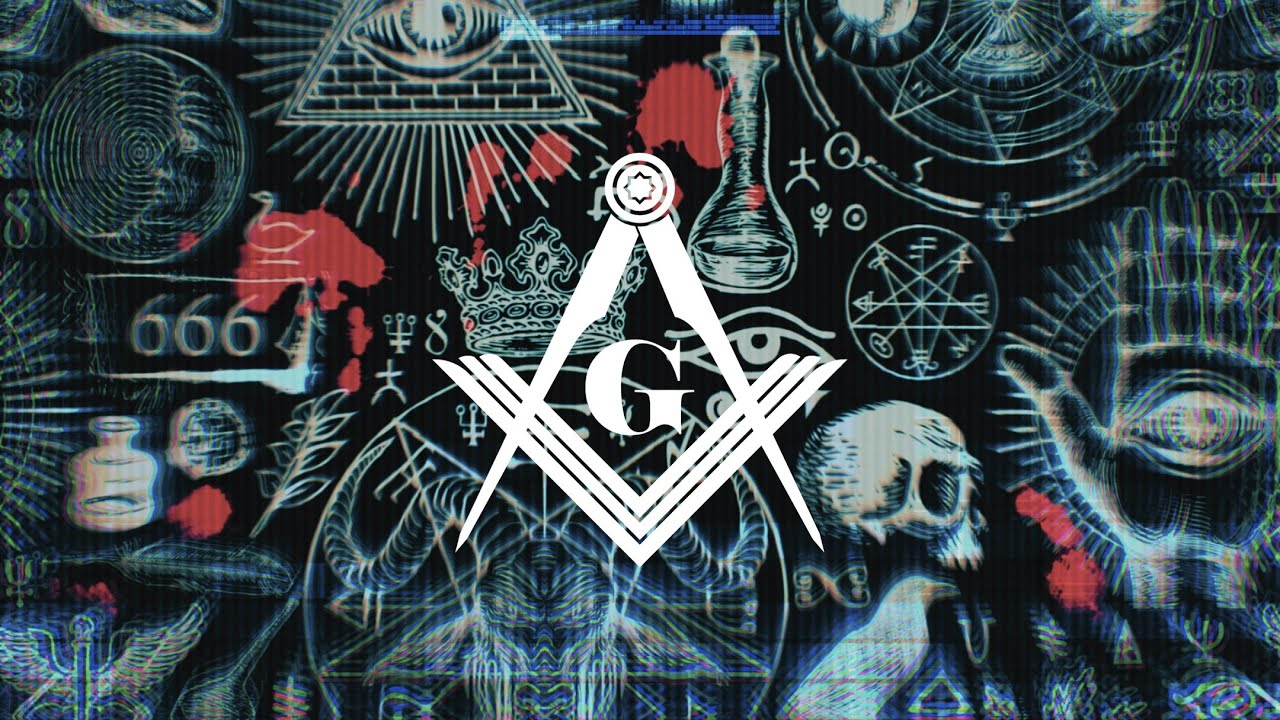
Central to Masonic tradition is its rich tapestry of symbolism. The ubiquitous symbol featuring a "G" within a compass and square, frequently mentioned by those with family ties to the fraternity, is a prime example. A viewer recalls their father, a Mason, possessing a ring with this distinct emblem, yet remaining tight-lipped about its deeper meaning. This adherence to symbolic language, rather than explicit discourse, fuels much of the speculation surrounding Freemasonry. The video touches upon the "Importance of Freemason Symbolism and Terms," suggesting that understanding this visual lexicon is key to deciphering the organization's messages and intentions. This aligns with the principle that "Meaning cannot be maintained unless boundaries are upheld and definable forms kept separate from each other," a concept vital in any structured system of belief or practice.

Connections and Conspiracies: Freemasonry, Illuminati, and Kabbalah

The intersection of Freemasonry with other esoteric or influential groups, such as the Illuminati and Kabbalah, is a recurring theme in public discourse and conspiracy theories. Discussions often arise about perceived similarities between Masonic practices and those of the Illuminati, prompting questions about potential historical links or shared philosophies. Furthermore, the connection between Freemasonry and Kabbalah hints at deeper roots within mystical traditions. A contributor notes their discovery of a union between high-level Masons and Rosicrucians within the occult Golden Dawn society, illustrating the complex web of esoteric affiliations that some researchers believe exists. My uncle's brother "swore it was a cult," and this sentiment is echoed by others who perceive an inherent danger or exclusivity in such groups.

Ascending the Ranks: Higher Degrees and Masonic Rites

Freemasonry is structured hierarchically, with various "higher degrees and rites" offering progression and deeper levels of knowledge. The "Secret Ritual to Enter the Blue Lodge Masonry" is presented as the initial gateway, with subsequent levels promising further esoteric understanding. This tiered system naturally leads to intrigue, as evidenced by the numerous comments expressing a desire to "know why and how they did all this." The progression through degrees implies a curated dissemination of information, a hallmark that often fuels suspicion. The experience of one individual, whose uncle "always told me everything" except his Masonic involvement, highlights the guarded nature of these higher levels.

Tracing the Roots: Early Documents and the Templar Link

The historical lineage of Freemasonry is a subject of intense debate and research. The mention of "One of the Earliest Known Masonic Documents" within the video's timeline suggests a focus on establishing tangible historical anchors. More provocative is the "Exploring the Freemason/Templar Connection." This link, often cited in historical analyses, connects modern Freemasonry to the ancient Knights Templar, a powerful medieval military order. This association lends an aura of historical depth and perceived influence, although concrete documentary evidence remains a subject of scholarly scrutiny.

Growth and Evolution: British Freemasonry and Notable Figures

The video charts the expansion of "British Freemasonry Grows among Establishment," indicating its integration into the British social and political landscape. Figures like Aleister Crowley, a controversial occultist, and Annie Besant, a prominent Theosophist and activist, are brought into the Masonic narrative, highlighting the fraternity's diverse and sometimes controversial membership. Crowley's "Masonic Roots" and Besant's introduction of "Politics to Masonry" demonstrate how external societal forces and influential individuals have shaped the fraternity's trajectory and public perception over time.

Controversies and Condemnations: Papal Decrees and Societal Friction

The historical relationship between Freemasonry and religious institutions, particularly the Catholic Church, has been fraught with tension. The segment "Papacy Condemns Masonry" points to official condemnations, likely stemming from theological disagreements and perceived threats to religious authority. This historic friction is reflected in contemporary comments: "Considering his quality of character in my youth, I don't have a good impression of what he actually learned from the lodges he attended. It was by any means a priority for personal wealth all the way to the end." Such sentiments suggest a persistent skepticism about Freemasonry's compatibility with certain moral and ethical frameworks.

Freemasonry Today: A Spectrum of Practice

Ultimately, the video concludes by reinforcing the idea that "Freemasonry Isn't One Thing, but Many." This acknowledges the diverse interpretations and practices within the fraternity globally. Contemporary comments reveal this spectrum: some express admiration for the organization's structure and history, while others maintain a deep suspicion, viewing it as incompatible with their faith. The mention of "A lady mason" and the "Eastern Star," "Rainbows," and "Demolays" as associated groups (for women and youth) further illustrates the evolving and varied organizational landscape connected to Freemasonry.

The Investigator's Archive: Further Research

For those compelled to delve deeper into the enigmatic world of secret societies and Masonic lore, the following resources are indispensable:

"If you’ve ever wanted to travel back in time, wondered about the science of life, wished for a better understanding of math, or dreamt of exploring the stars … then Wondrium will be your new favorite channel on YouTube!" – Wondrium Official Statement

The Wondrium platform offers a wealth of documentaries and courses exploring history, science, and mathematics. Their channel provides a curated selection of content, promising in-depth answers and unexpected discoveries. For scholarly articles and expert insights, The Great Courses Daily is a valuable repository. Delving into primary source materials and scholarly analyses of Masonic history is crucial for a balanced understanding. Further exploration into texts discussing esoteric traditions like the Kabbalah and historical documents related to the Knights Templar can provide valuable context.

Equipo Recomendado para la Investigación

Investigating historical mysteries and clandestine organizations requires specific tools and knowledge. While direct observation of Masonic rituals is often impossible, the analysis of related phenomena and historical records benefits from a methodical approach. For documenting evidence, analyzing historical texts, and even conducting personal investigaciones paranormales, having reliable equipment is essential.

Frequently Asked Questions

  1. ¿Es la francmasonería una religión? No, la francmasonería no es una religión. Si bien enfatiza la creencia en un Ser Supremo y contiene rituales de naturaleza espiritual, no es un sistema de fe y no busca reemplazar la religión personal de sus miembros.
  2. ¿Por qué los masones mantienen sus rituales en secreto? Los masones afirman que sus rituales contienen verdades morales y lecciones espirituales que se transmiten mejor a través de ceremonias simbólicas. El secreto se centra en los métodos de reconocimiento y las alegorías específicas de los grados, no en actividades ilegales o inmorales.
  3. ¿Existe una conexión entre los masones y los Illuminati? Si bien ambas organizaciones son a menudo objeto de teorías de conspiración, la conexión histórica directa entre la francmasonería moderna y los Illuminati bávaros (disueltos a finales del siglo XVIII) es objeto de debate. Los paralelismos a menudo se atribuyen a influencias mutuas o a la adopción de símbolos y filosofías similares.
  4. ¿Pueden los masones practicar otras religiones? Sí, la francmasonería requiere la creencia en un Ser Supremo, pero permite a sus miembros practicar su propia religión. La fraternidad no dicta creencias religiosas específicas, sino que promueve la tolerancia y el respeto entre sus miembros.
  5. ¿Qué significa el símbolo de la "G" en la francmasonería? El símbolo de la "G" dentro de la escuadra y el compás tiene múltiples interpretaciones. Comúnmente se asocia con "Geometría", considerada la base de todo el edificio de la existencia, o con "Gnosis" (conocimiento). También puede referirse a Dios (Grand Architect of the Universe).

Research Protocol: Analyzing Anomalous Texts

When encountering historical documents or testimonies related to secret societies, a structured analytical approach is paramount:

  1. Source Verification: Determine the origin, date, and author of the document. Cross-reference with established historical records.
  2. Contextual Analysis: Understand the historical, social, and cultural milieu in which the text was created. What were the prevailing beliefs, fears, and political climates?
  3. Symbolic Interpretation: Identify recurring symbols, keywords, and phrases. Research their potential meanings within relevant traditions (e.g., Masonic, occult, religious).
  4. Testimonial Evaluation: Assess personal accounts for consistency, corroboration, and potential bias. Distinguish between firsthand experience, hearsay, and speculation.
  5. Comparative Study: Compare the information with other documented cases, historical accounts, and scholarly research on similar topics.
  6. Hypothesis Formulation: Based on the evidence, formulate plausible hypotheses, considering both mundane and anomalous explanations.

Researcher's Verdict: Separating Fact from Fiction

The allure of Freemasonry lies in its carefully constructed mystique, a blend of historical tradition, symbolic language, and perceived influence. While definitive proof of grand conspiracies remains elusive, the consistent reporting of veiled rituals and a distinct socio-political presence cannot be dismissed outright. The testimony regarding the "very strange feeling" and the "dark" atmosphere during a Masonic ceremony underscores the subjective, yet potent, impact these practices can have. As investigator Richard B. Spence suggests, society often projects its own interpretations onto Freemasonry. My assessment, based on decades of examining such phenomena, is that Freemasonry operates as a complex social and fraternal organization with a rich symbolic system. While some elements may border on the esoteric, attributing malicious intent or global control without concrete evidence is speculative. However, the persistent claims of secrecy and the accounts of unsettling experiences warrant continued, objective scrutiny. The principle "What shall it profit a man if he gains the whole world but loses his soul" serves as a timeless reminder to question the true cost of ambition and hidden knowledge.

Conclusión y Tu Misión de Campo

Freemasonry continues to be a subject of intense fascination and speculation. Its historical depth, intricate symbolism, and societal connections offer a fertile ground for investigation. While popular narratives often veer into conspiracy, a pragmatic approach grounded in evidence is essential. The experiences shared by viewers – from personal encounters with Masons to suspicions of cult-like behavior – paint a picture of an organization that elicits strong reactions. The challenge lies in discerning verifiable facts from ingrained folklore and subjective interpretation.

Tu Misión: El Desafío del Investigador

Has sido expuesto a un análisis detallado de las prácticas y la influencia de la francmasonería. Ahora, la misión es doble:

  1. Observación Crítica: Presta atención a los símbolos y referencias masónicas en tu entorno cotidiano. ¿En edificios, monumentos, o incluso en la cultura popular? Documenta tus hallazgos.
  2. Diálogo Informado: Si tienes la oportunidad de interactuar con miembros de la fraternidad, hazlo con respeto y curiosidad. Busca comprender sus perspectivas sin ceder a la especulación infundada. Comparte tus reflexiones sobre este artículo.

¡Tu perspectiva es crucial para desentrañar estos misterios!

Preguntas Frecuentes

Frequently Asked Questions

  1. ¿Es la francmasonería una religión? No, la francmasonería no es una religión. Si bien enfatiza la creencia en un Ser Supremo y contiene rituales de naturaleza espiritual, no es un sistema de fe y no busca reemplazar la religión personal de sus miembros.
  2. ¿Por qué los masones mantienen sus rituales en secreto? Los masones afirman que sus rituales contienen verdades morales y lecciones espirituales que se transmiten mejor a través de ceremonias simbólicas. El secreto se centra en los métodos de reconocimiento y las alegorías específicas de los grados, no en actividades ilegales o inmorales.
  3. ¿Existe una conexión entre los masones y los Illuminati? Si bien ambas organizaciones son a menudo objeto de teorías de conspiración, la conexión histórica directa entre la francmasonería moderna y los Illuminati bávaros (disueltos a finales del siglo XVIII) es objeto de debate. Los paralelismos a menudo se atribuyen a influencias mutuas o a la adopción de símbolos y filosofías similares.
  4. ¿Pueden los masones practicar otras religiones? Sí, la francmasonería requiere la creencia en un Ser Supremo, pero permite a sus miembros practicar su propia religión. La fraternidad no dicta creencias religiosas específicas, sino que promueve la tolerancia y el respeto entre sus miembros.
  5. ¿Qué significa el símbolo de la "G" en la francmasonería? El símbolo de la "G" dentro de la escuadra y el compás tiene múltiples interpretaciones. Comúnmente se asocia con "Geometría", considerada la base de todo el edificio de la existencia, o con "Gnosis" (conocimiento). También puede referirse a Dios (Grand Architect of the Universe).

¡Comparte tus propias experiencias o preguntas en la sección de comentarios! Tu testimonio podría ser la clave para desvelar un nuevo enigma.

¡No olvides compartir este expediente en tus redes sociales para expandir la red de investigadores!

json { "@context": "https://schema.org", "@type": "BreadcrumbList", "itemListElement": [ { "@type": "ListItem", "position": 1, "name": "Inicio", "item": "http://elrinconparanormal.blogspot.com/" }, { "@type": "ListItem", "position": 2, "name": "General", "item": "http://elrinconparanormal.blogspot.com/search/label/General" }, { "@type": "ListItem", "position": 3, "name": "The Freemasons: Unveiling the Secrets of Their Rituals and Influence", "item": "http://www.rinconparanormaloficial.com/2025/11/spooky-rituals-of-freemasons-freemasons.html" } ] }
json { "@context": "https://schema.org", "@type": "FAQPage", "mainEntity": [ { "@type": "Question", "name": "¿Es la francmasonería una religión?", "acceptedAnswer": { "@type": "Answer", "text": "No, la francmasonería no es una religión. Si bien enfatiza la creencia en un Ser Supremo y contiene rituales de naturaleza espiritual, no es un sistema de fe y no busca reemplazar la religión personal de sus miembros." } }, { "@type": "Question", "name": "¿Por qué los masones mantienen sus rituales en secreto?", "acceptedAnswer": { "@type": "Answer", "text": "Los masones afirman que sus rituales contienen verdades morales y lecciones espirituales que se transmiten mejor a través de ceremonias simbólicas. El secreto se centra en los métodos de reconocimiento y las alegorías específicas de los grados, no en actividades ilegales o inmorales." } }, { "@type": "Question", "name": "¿Existe una conexión entre los masones y los Illuminati?", "acceptedAnswer": { "@type": "Answer", "text": "Si bien ambas organizaciones son a menudo objeto de teorías de conspiración, la conexión histórica directa entre la francmasonería moderna y los Illuminati bávaros (disueltos a finales del siglo XVIII) es objeto de debate. Los paralelismos a menudo se atribuyen a influencias mutuas o a la adopción de símbolos y filosofías similares." } }, { "@type": "Question", "name": "¿Pueden los masones practicar otras religiones?", "acceptedAnswer": { "@type": "Answer", "text": "Sí, la francmasonería requiere la creencia en un Ser Supremo, pero permite a sus miembros practicar su propia religión. La fraternidad no dicta creencias religiosas específicas, sino que promueve la tolerancia y el respeto entre sus miembros." } }, { "@type": "Question", "name": "¿Qué significa el símbolo de la \"G\" en la francmasonería?", "acceptedAnswer": { "@type": "Answer", "text": "El símbolo de la \"G\" dentro de la escuadra y el compás tiene múltiples interpretaciones. Comúnmente se asocia con \"Geometría\", considerada la base de todo el edificio de la existencia, o con \"Gnosis\" (conocimiento). También puede referirse a Dios (Grand Architect of the Universe)." } } ] }
json { "@context": "https://schema.org", "@type": "VideoObject", "name": "Spooky Rituals of The Freemasons | The Freemasons Explained", "description": "Análisis en video de los misterios discutidos en el artículo 'Spooky Rituals of The Freemasons | The Freemasons Explained'. Explora los rituales, simbolismo e influencia histórica de la fraternidad masónica.", "thumbnailUrl": "https://i.ytimg.com/vi/JsrFQs2L-U8/hqdefault.jpg", "uploadDate": "2025-11-14T08:00:00+00:00", "duration": "PT30M35S", "embedUrl": "https://www.youtube.com/embed/JsrFQs2L-U8" }

Investigator's Note: True paranormal research doesn't fund itself. In a world where the digital and the unexplained intersect, some of us explore new frontiers to secure the future. Do you dare to be part of the vanguard? Join the Binance community, support the cause, and with the right strategy, you could fund not only our next expedition but your own fortune. The next great discovery could be just a click away.

Freemasonry: Your Gateway to the Occult? An Investigator's Analysis

Image

The Freemasons. They are, by far, the largest and most influential secret society on the planet. For centuries, whispers and theories have swirled around their rituals, their symbols, and their alleged influence. But what lies beneath the surface of this brotherhood? Is it merely a fraternal organization with a penchant for tradition, or does it indeed serve as a conduit to deeper, more arcane knowledge – the occult? This investigation aims to peel back the layers, separating documented fact from speculative fiction.

Introduction: The Enigma of the Square and Compasses

Marked by the ubiquitous symbols of the square and compasses, Freemasonry has permeated global culture for centuries, often shrouded in an aura of mystery. Its members range from historical figures and politicians to everyday citizens, yet many remain in the dark regarding its true nature. This open-source overview delves into the historical context, rituals, and persistent theories linking Freemasonry to occult practices. As one observer noted in the comments, "People who say this stuff don't exist need to open their eyes. I used to think the same thing... There's no going back to life with my head in the sand." This sentiment is echoed by many who grapple with the information, suggesting a deep-seated unease or fascination with the unknown that Freemasonry seems to embody.

The Fundamentals: What is Freemasonry?

At its core, Freemasonry defines itself as a fraternal organization, emphasizing moral and personal development through allegory and symbolism derived from the building of King Solomon's Temple. Membership typically requires a belief in a Supreme Being, though the specific deity is left to the individual's interpretation. This foundational aspect often forms the basis of arguments against its occult connections. As one commenter pointed out, "What is funy there is nothing secretive about the Freemason. You can read all about the York and Scottish Rites on respective websites... The fact that people claim it is the occult is mind boggling." This perspective highlights a division: those who see a structured moral framework, and those who perceive hidden, potentially dangerous, undercurrents. The emphasis on a shared moral code and charitable works, particularly through associated bodies like the Shriners, is frequently cited by proponents as evidence of its benign nature.

Recommended Gear for Investigation

ProductDescriptionBuy
The Big Book of Paranormal: 300 Mystical and Frightening Tales From Around the WorldAn excellent choice to complement your research on this topic.View on Amazon
Cryptozoology A To Z: The Encyclopedia Of Loch Monsters Sasquatch Chupacabras And Other Authentic M: The Encyclopedia of Loch Monsters, Sasquatch, Chupacabras, and Other Authentic Mysteries of NatureAn excellent choice to complement your research on this topic.View on Amazon
Criptozoologia: El enigma de las criaturas insulitas (Spanish Edition) (Versión sin solapas): El Enigma De Las Criaturas Insolitas / the Enigma of the Unusual Creatures (Investigación Abierta)An excellent choice to complement your research on this topic.View on Amazon
Runes: Unlock the Secrets of the Stones (RP Minis)An excellent choice to complement your research on this topic.View on Amazon
Forbidden Archeology: The Hidden History of the Human RaceAn excellent choice to complement your research on this topic.View on Amazon
The H. P. Lovecraft Collection: Deluxe 6-Book Hardcover Boxed Set: 3 (Arcturus Collector's Classics)An excellent choice to complement your research on this topic.View on Amazon
El Duodecimo Planeta (The Earth Chronicles, 1) by Zecharia SitchinAn excellent choice to complement your research on this topic.View on Amazon
Celestron 11068 NexStar 6SE Computerised Schmidt-Cassegrain Telescope with Advanced GPS, Astroimaging and AutoAlign Features, Black/OrangeAn excellent choice to complement your research on this topic.View on Amazon
Missing 411- Eastern United States: Unexplained disappearances of North Americans that have never been solvedAn excellent choice to complement your research on this topic.View on Amazon
Ghost-Hunting For Dummies [Idioma Inglés] An excellent choice to complement your research on this topic.View on Amazon

A Shadow on American Soil: Masonry's Footprint

Freemasonry arrived in America in the 18th century, quickly becoming entwined with the nation's founding. Many of the Founding Fathers were Masons, including George Washington, Benjamin Franklin, and Paul Revere. This historical presence has fueled speculation about the extent of their influence on the nascent United States. The prevalence of Masonic lodges is often exaggerated, with one viewer stating, "If there’s a post office, there is a Masonic hall>one in every town." While this is an overstatement, their presence is undeniable and has contributed to the mystique surrounding the organization. The historical narrative isn't without its controversies, however, and one particular event cast a long, dark shadow.

The Morgan Affair: A Scandal That Rocked a Nation

"Wow I live in Western NY I thought I knew a lot about this topic but I never heard of the Morgan affair!!! Excellent work here!!" This comment reflects the significant historical impact of the William Morgan affair. In 1826, William Morgan, a Freemason who threatened to publish the fraternity's secrets, disappeared and was presumed murdered. This event ignited a powerful anti-Masonic movement in the United States, leading to the formation of a political party dedicated to opposing Masonic influence. The scandal exposed deep divisions and fueled public suspicion about the society's clandestine nature and alleged power to silence dissent. The handling of such historical controversies is crucial for understanding the public's perception and the enduring questions about accountability within the fraternity.

The Veil of Secrecy: Initiation Rituals Explored

The rituals of Freemasonry are perhaps the most contentious aspect, often described as deeply symbolic and, to outsiders, arcane. While Masons themselves often downplay the esoteric nature, the initiation process involves oaths, allegorical trials, and symbolic punishments. One account vividly details a disturbing experience: "He told me that while we were at the attic from his lodge... they caught him and they hanged him and slit his throat until he bled to death." This extreme narrative, while potentially dramatized, captures the visceral fear and suspicion that such ceremonies can evoke. Another commenter, claiming to be a Master Mason, strongly refutes this characterization, stating, "The guy at 9:58 is no way a Master Mason. A true MM and a brother would never spew such untrue and conspiracy-laden drivel... A true MM has studied months (maybe more) to become one and it truly is a great experience." This stark contrast in perspectives underscores the interpretive chasm surrounding Masonic rites.

Secrets of the Craft: Unpacking the Symbolism

Commenters consistently link the secrecy and symbolism to the occult. "All that secrecy, and symbolism makes it the perfect gateway to occult, for sure. It also sounds a lot like a cult (isolation, conditional approvals, rewards and punishments..all means to manipulate and brainwash + fear-based control)," one user observed. This perception is further amplified by alleged connections to other secret societies or influential groups, leading to theories about a hidden hand guiding global events. Phrases like "They make sure our Eyes are Wide Shut" and "We are starting to get a clearer sense of who's running the world. The ones pulling the strings are becoming visible" reflect a growing conviction among some that Freemasonry is a key component in a larger, hidden power structure. The inclusion of religious and moral lessons, often framed within Judeo-Christian contexts, is seen by some as a deliberate camouflage for deeper occult objectives, while others view it as a genuine attempt at moral edification.

Investigator's Verdict: Fraud, Genuine Phenomenon, or Something More?

The evidence, both historical and anecdotal, suggests a complex reality. Freemasonry's historical role, its intricate symbolism, and the persistent theories of occult connections cannot be easily dismissed. However, the line between genuine fraternal tradition and alleged esoteric practices is blurred by a veil of secrecy that invites speculation. It's crucial to differentiate between the public-facing activities, such as charitable works, and the private rituals that fuel the most intense theories. The sheer volume of conflicting testimonies—from those who experienced profound fraternal bonds to those who recount deeply disturbing alleged rituals—indicates that the nature of Freemasonry is not monolithic. As an investigator, I maintain that while the Masonic fraternity may not be a direct gateway to *all* forms of occultism as popularly imagined, its emphasis on ritual, secret knowledge, and hierarchical progression provides fertile ground for occult interpretations and, for some, may indeed serve that purpose. The "good ole boys club" dynamic, as one commenter put it, combined with deep-seated traditions, naturally breeds suspicion in an era increasingly demanding transparency.

Recommended Equipment for Investigation

For those inspired to investigate unexplained phenomena, the right tools are essential. Reliable recording devices, EMF meters, and even specialized audio equipment can aid in capturing subtle anomalies. Remember, thorough documentation is key to any credible investigation.

Frequently Asked Questions

Is Freemasonry a religion?
No, Freemasonry is not a religion, though it requires its members to believe in a Supreme Being. It is a fraternal organization that uses religious and moral allegory in its teachings.
Are all Freemasons involved in the occult?
The connection to the occult is a subject of intense debate and speculation. While some theories suggest it is, Masons and many scholars describe its rituals as symbolic and moralistic, not inherently occult.
What was the Morgan Affair?
The disappearance of William Morgan in 1826, who threatened to expose Masonic secrets, sparked a significant anti-Masonic movement and political party in the United States.
How secretive are Freemasons really?
While core tenets of Freemasonry are publicly accessible, specific rituals and modes of recognition are kept private among members. This inherent privacy has historically fueled speculation about their activities.

Your Field Mission

The world of secret societies operates on the fringes of public knowledge, and Freemasonry is no exception. Your mission, should you choose to accept it, is to critically examine the information available. Seek out primary sources when possible, cross-reference historical accounts, and always question the motivations behind claims of hidden knowledge or vast conspiracies. Engage with the community, share your findings, and contribute to the ongoing pursuit of truth. The answers you seek may lie not just in grand theories, but in the careful dissection of verifiable facts.

CALL TO ACTION: Share Your Experience

Have you or someone you know had experiences related to Freemasonry that align with these theories or contradict them? We urge you to share your personal accounts and insights in the comments below. Your testimony could be the missing piece in a larger puzzle. Don't keep your findings to yourself – share this investigation on your social media channels and help spread awareness about these enduring mysteries.

Investigator's Note: True paranormal research doesn't fund itself. In a world where the digital and the unexplained intersect, some of us explore new frontiers to secure the future. Do you dare to be part of the vanguard? Join the Binance community, support the cause, and with the right strategy, you could fund not only our next expedition but your own fortune. The next great discovery could be just a click away.