Followers

Mostrando las entradas con la etiqueta Anonymous. Mostrar todas las entradas

4chan UFO Whistleblower: Digital Forensics of Anonymous Disclosure

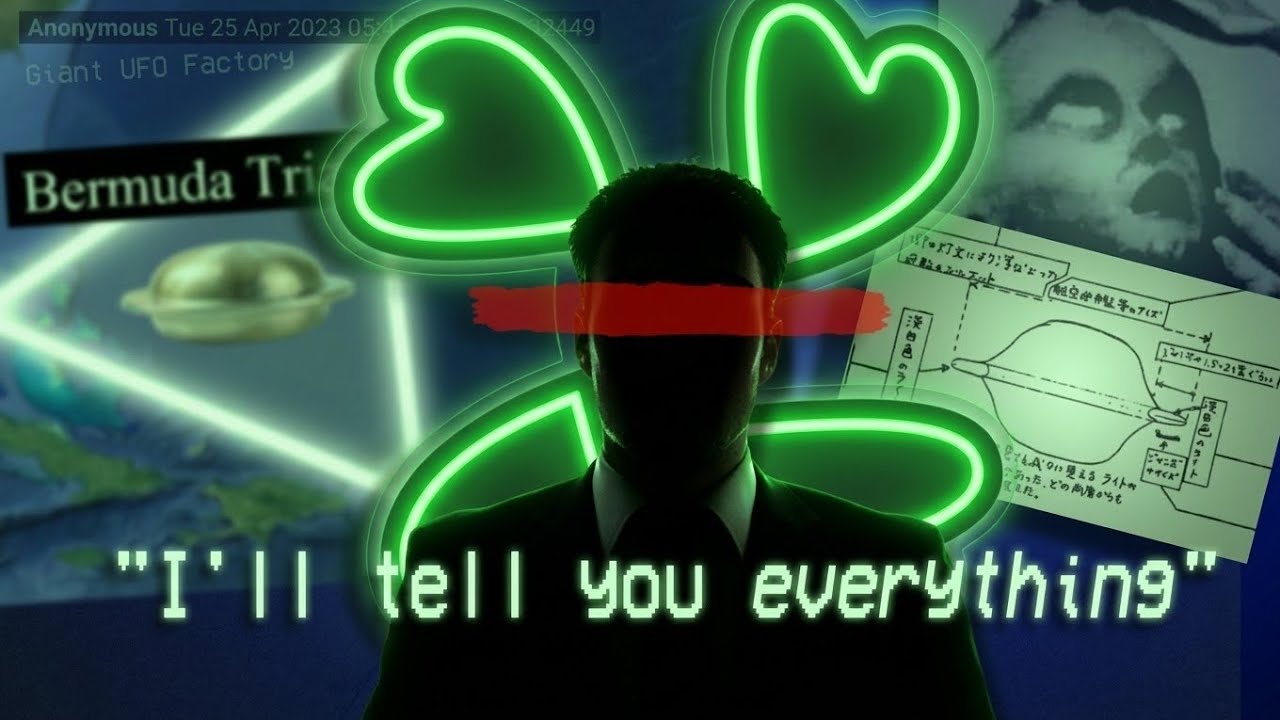
Miniatura del video: The 4chan UFO Whistleblower

The internet, a vast ocean of information and disinformation, has become the new frontier for alleged revelations about Unidentified Aerial Phenomena (UAP). Specifically, the anonymous imageboard 4chan has repeatedly emerged as a controversial platform for purported "whistleblowers" claiming to possess classified knowledge of extraterrestrial encounters. The truth, however, is rarely found in a single, unverified post. As an investigator with over two decades immersed in the murky waters of the paranormal, I approach such claims not with blind faith, but with the cold, hard tools of digital forensics and a healthy dose of skepticism. The so-called "4chan UFO whistleblower" is not just a story; it's a case study in the modern challenges of discerning fact from fiction in the digital age.

📖 18 min de lectura
⬡ Expediente de Investigación Confidencial
Nº DE EXPEDIENTE EXP-UFO-2026-217
INVESTIGADOR Alejandro Quintero Ruiz
CONTACTO rinconparanormal@gmail.com
AFILIACIÓN Cha0smagick Labs — División de Investigación Paranormal
CLASIFICACIÓN 4chan UFO Whistleblower
ESTADO En Investigación
FECHA DE APERTURA 2026-09-16
TOOL 🔧 Eerie Roads: Caminos Misteriosos ⭐ PRIORIDAD | Google Play — private GPS navigator with no trackers for urban exploration with dark offline maps
RELACIONADOS 📂 Archivo de 4chan UFO Whistleblower | 🔬 Laboratorio Central

The Digital Whispers: 4chan and Unidentified Aerial Phenomena

Since its inception in October 2003, 4chan has cultivated a unique, often anarchic, corner of the internet. Initially known for anime and meme culture, its /x/ (paranormal) board quickly became a notorious hotbed for discussions on everything from cryptids to ghosts, and, crucially, Unidentified Aerial Phenomena (UAP). The platform's defining characteristic—anonymity—allows users to post without persistent identity, fostering an environment where information, true or false, can spread like wildfire. This anonymity is a double-edged sword: it empowers genuine whistleblowers to share sensitive information without fear of immediate reprisal, but it also provides a perfect breeding ground for elaborate hoaxes and sophisticated disinformation campaigns. Over the years, countless threads have appeared claiming insider knowledge of government secrets, alien technology, and impending global events. Each instance presents a challenge to the investigator: how do you separate the signal from the noise when the source is a nameless, faceless entity?

My own experience with digital archives, from dusty government files to encrypted forum posts, has taught me that the medium often shapes the message. On 4chan, the ephemeral nature of threads, which are constantly pushed down by new content, adds another layer of complexity. Screenshots and archived links become the only remaining evidence, often detached from their original context. This digital ephemerality makes comprehensive analysis difficult, demanding meticulous documentation from the moment a claim surfaces. The sheer volume of content on boards like /x/ means that any single "whistleblower" thread must compete for attention, often rising to prominence only if it strikes a particular chord with the collective consciousness of the internet, or if it is strategically amplified by external actors. It is a chaotic ecosystem, far removed from the structured leaks we might see in traditional journalism.

Anatomy of an Anonymous Leak: The 4chan UFO Whistleblower Thread

The specific 4chan UFO whistleblower thread, whose purported document is available via this Adobe Acrobat link, represents a typical example of how such information attempts to penetrate the public consciousness. Without specific details of the content of the thread itself, my analysis must focus on the *process* and *implications* of such a leak. Typically, these threads begin with an anonymous user, often referred to as an "Anon," making extraordinary claims about hidden UAP programs, retrieved craft, or contact with non-human intelligence. These claims are frequently accompanied by alleged "proof" in the form of documents, images, or audio files, which are then dissected, scrutinized, and often debunked by the community itself, or by external researchers. The narrative often builds through a question-and-answer format, where the supposed whistleblower responds to user queries, sometimes revealing more details, sometimes contradicting earlier statements.

The key challenge for any investigator is that the very nature of 4chan—its lack of persistent user IDs, its rapid content turnover—makes it incredibly difficult to establish a chain of custody for any information. Is the "Anon" who posted the initial claim the same "Anon" responding to questions an hour later? There's no way to know for certain. This structural ambiguity is precisely why such platforms are attractive to those wishing to leak information without attribution, or conversely, to those seeking to sow confusion. The purported document linked here, for instance, requires a deep dive into its metadata, its linguistic patterns, and its consistency with known facts, if any, to even begin to assess its potential veracity. Without direct access to the original thread, and relying solely on an archived document, the task of forensic validation becomes exponentially harder.

"In the digital shadows, every pixel tells a story, but not always the truth."

The Forensic Gauntlet: Verifying Digital Disclosure

My work at Cha0smagick Labs has always emphasized a forensic approach, even to the most outlandish claims. When confronted with an anonymous digital leak, the first step is always to verify the authenticity of the "evidence" itself. For documents like the one allegedly shared on 4chan, this involves a multi-pronged strategy:

  1. Metadata Analysis: Examining the hidden data embedded in files (creation dates, author, software used, revision history). Tampering with metadata is possible, but often leaves subtle traces.
  2. Linguistic Forensics: Analyzing the language, terminology, and writing style. Does it match known official documents? Are there inconsistencies in jargon or syntax?
  3. Content Cross-Verification: Comparing any specific details mentioned (dates, names, locations, projects) against publicly available records, declassified documents, or credible journalistic investigations.
  4. Visual Authentication: If images or videos are included, scrutinizing them for signs of manipulation (e.g., Photoshop artifacts, inconsistent lighting, deepfake indicators).
  5. Source Reliability Assessment: While the source is anonymous, can patterns of behavior or past claims from similar anonymous accounts be identified? This is often speculative but can provide context.

The challenge is immense. In many cases, the original files are not available, only screenshots or re-uploaded versions, stripping away crucial metadata. The alleged 4chan UFO whistleblower's claims, like many before them, must pass this rigorous forensic gauntlet. My personal experience with analyzing alleged psychophonies from the Hospital San Juan de Dios taught me that even seemingly compelling evidence can be misinterpreted or fabricated. The digital realm adds layers of obfuscation that require specialized skills to peel back. The absence of a verifiable human source, someone to interview and scrutinize, leaves a critical void in the investigative process. This is not to dismiss every anonymous claim outright, but to emphasize the extraordinary burden of proof required.

Echoes of the Past: Whistleblowers, Hoaxes, and the Public Trust

The phenomenon of the "UFO whistleblower" is not new. From the alleged Majestic 12 documents in the 1980s to the more recent revelations from figures like David Grusch in 2023, the narrative of hidden truths about UAP has captivated the public for decades. Government programs like Project Blue Book (1952-1969) initially investigated UAP sightings but were later criticized for their perceived lack of transparency. More recently, the Advanced Aerospace Threat Identification Program (AATIP), revealed in 2017, and the subsequent Unidentified Aerial Phenomena Task Force (UAPTF) and All-domain Anomaly Resolution Office (AARO), have brought the topic of UAP into mainstream discussion, albeit with carefully controlled disclosures. Each wave of "disclosure" or alleged leak creates a ripple effect, shaping public opinion and trust in official narratives.

What differentiates the 4chan whistleblower from these more traditional or officially sanctioned disclosures is the complete lack of accountability and the inherent uncertainty of the source. While Grusch, for example, testified under oath and provided a verifiable (though classified) background, an "Anon" on 4chan operates with absolute impunity. This makes it a fertile ground for hoaxes, some of which have achieved legendary status within the online paranormal community. Consider the "Slender Man" phenomenon, which originated on a forum and quickly transcended into real-world incidents. This precedent highlights the power of online narratives, regardless of their factual basis, to influence perception and even behavior. The public, hungry for answers regarding UAP, is often caught between official stonewalling and anonymous, unverified claims, creating a vacuum where skepticism struggles to thrive.

Type of UAP Disclosure Characteristics Verification Challenge
Official Government Reports (e.g., AARO) Controlled release, often redacted, limited scope, aims to manage public narrative. Often criticized for omissions or lack of full transparency.
Identified Whistleblowers (e.g., David Grusch) Named individuals, often with classified background, testify under oath, face personal risk. Claims require corroboration, often from classified sources, making public verification difficult.
Anonymous Online Leaks (e.g., 4chan) Unidentified source, rapid dissemination, often includes alleged documents/images, high potential for hoaxes. Extreme difficulty in authenticating source, content, and intent due to anonymity and digital manipulation.

Alejandro's Hypothesis: The Strategic Disinformation Vector

My years of sifting through government files, witness testimonies, and digital detritus have led me to a chilling hypothesis regarding anonymous platforms like 4chan: they are not merely accidental conduits for leaks, but can function as *strategic disinformation vectors* for various actors. Imagine, for a moment, an intelligence agency or a powerful private entity with a vested interest in either controlling the UAP narrative or testing public reaction to certain concepts. An anonymous platform offers the perfect sandbox. By leaking carefully crafted information—or even outright fabrications—they can:

  • Gauge Public Reaction: Release a specific detail or concept about UAP and observe how the public, media, and other governments react. This is a low-risk way to test the waters before an official disclosure.
  • Obfuscate and Confuse: Flood the information space with so many conflicting claims—some true, some false—that the genuine signals become impossible to discern. This "muddying the waters" strategy ensures that no single truth can gain traction.
  • Discredit Legitimate Disclosure: If a credible whistleblower is about to come forward, releasing similar, but slightly flawed, information anonymously can preemptively discredit the genuine source. The public then associates the legitimate claims with the anonymous, often debunked, online noise.
  • Recruit or Identify: Sometimes, a leak might be designed to elicit responses from specific individuals or groups, revealing their knowledge or interest in the subject.

This isn't just about conspiracy theories; it's about information warfare. The lack of accountability on 4chan makes it an ideal environment for such operations. The "4chan UFO whistleblower" could be a genuine individual risking everything, or they could be a sophisticated psychological operation designed to manipulate public perception. The digital breadcrumbs are often too scarce to definitively prove either. This hypothesis challenges the established narrative that all leaks are organic acts of defiance, suggesting instead that some may be carefully orchestrated maneuvers in a larger game. It forces us to ask: Is this a leak, or is it a controlled release designed to look like one?

The Psychology of Belief: Why We Seek Truth in the Shadows

Beyond the forensic challenge, there's a profound psychological dimension to why anonymous UFO leaks gain such traction. Humans have an innate desire for understanding, especially when confronted with the unknown. When official channels offer vague explanations or outright denials regarding UAP, a vacuum of information is created. Nature abhors a vacuum, and so does the human mind. Into this void rush alternative narratives, often amplified by social media and anonymous forums. The appeal of the "hidden truth" is powerful; it suggests a secret world beyond our everyday perception, controlled by shadowy figures, and only accessible to a brave few. This taps into a deep-seated distrust of authority that has been prevalent for decades, fueled by historical events like the Watergate scandal or the Pentagon Papers.

Cognitive biases also play a significant role. Confirmation bias, for instance, leads individuals to seek out and interpret information in a way that confirms their pre-existing beliefs. If someone already believes in government cover-ups regarding UAP, an anonymous 4chan post alleging such a cover-up will be readily accepted as "proof." Conversely, those skeptical of such claims will quickly dismiss it as another hoax. This polarized reception makes rational discourse and objective investigation incredibly difficult. The very act of engaging with an anonymous whistleblower thread becomes a performance of belief or disbelief, often overshadowing the actual content or its verifiable facts. My work has shown me that the human element, the desire to believe or to debunk, is often the most powerful, and most dangerous, variable in any paranormal investigation.

Beyond the Pixels: The Real-World Implications of Online Claims

While a 4chan UFO whistleblower may seem confined to the digital realm, their claims, real or fabricated, have tangible real-world implications. Firstly, they contribute to a broader erosion of trust in official institutions. If governments are perceived to be constantly hiding information, then every official statement, every declassified document, is viewed with suspicion. This creates a climate of cynicism that can undermine legitimate efforts at transparency. Secondly, these claims can influence public policy and scientific inquiry. Increased public pressure, fueled by online narratives, can force governments to address UAP more seriously, leading to dedicated task forces and funding for research. However, if the underlying claims are false, these resources might be misdirected, chasing phantoms instead of genuine anomalies.

Moreover, the constant churn of anonymous leaks can desensitize the public to genuine whistleblowers. If every week brings a new "definitive proof" of alien contact, the impact of a truly credible revelation diminishes. This "boy who cried wolf" syndrome makes it harder for legitimate information to cut through the noise. Consider the Patreon linked for further analysis of this topic, https://www.patreon.com/LatelyYT/. Such platforms often serve as aggregators and analysts of these anonymous claims, shaping the narrative further and reaching wider audiences. The digital ecosystem is a complex web where information, once released, takes on a life of its own, far beyond the control of its original poster. My work has shown me that the ripple effect of a single online claim can extend into the halls of power and the deepest corners of public consciousness, often with unforeseen consequences.

The Unseen Architects: Who Benefits from Anonymous UFO Leaks?

This brings us to the most unsettling question: who truly benefits from these anonymous UFO leaks? Is it the public, finally getting a glimpse behind the curtain of secrecy? Is it a genuine whistleblower, attempting to right a wrong? Or are there more sinister architects at play? The beneficiaries could be diverse:

  • Disinformation Agents: As discussed in my hypothesis, state or non-state actors could use these leaks to spread false narratives, distract from other issues, or destabilize public discourse.
  • Attention Seekers: Some individuals simply crave notoriety, even if anonymous. Crafting an elaborate hoax can bring them a fleeting moment of digital fame within certain communities.
  • Ideological Activists: Those deeply committed to the idea of disclosure, regardless of the evidence, might create or amplify such leaks to push their agenda.
  • Genuine Whistleblowers: It's critical not to dismiss the possibility that a truly courageous individual, lacking other avenues, might use 4chan as a last resort to expose classified information. The challenge is separating them from the noise.

The complexity of identifying the true motive behind such leaks makes the investigator's job incredibly difficult. Every piece of information, every alleged document, must be viewed through multiple lenses: one of genuine inquiry, one of profound skepticism, and one of strategic analysis. The digital landscape of UAP disclosure is a battleground, not just for truth, but for control over perception itself. As an investigator, my role is not to provide easy answers, but to expose the layers of complexity and equip the public with the critical tools necessary to navigate this treacherous terrain. The 4chan UFO whistleblower, whether a herald of truth or a master of deception, forces us all to confront the uncomfortable realities of information in the 21st century.

Frequently Asked Questions

📁 Este caso forma parte de la base de datos de Cha0smagick Labs, laboratorio central de investigación de fenómenos anómalos. Para consultar investigaciones relacionadas, visite nuestro archivo de 4chan UFO Whistleblower. Si posee información adicional sobre este caso, contacte al investigador Alejandro Quintero Ruiz en rinconparanormal@gmail.com.

P: What is the significance of a 4chan UFO whistleblower?

R: Anonymous platforms like 4chan can provide a conduit for information that might otherwise remain hidden, but they also present significant challenges for verification. Such claims, if credible, could reshape public understanding of Unidentified Aerial Phenomena (UAP), but they are equally susceptible to hoaxes and disinformation campaigns.

P: How can anonymous online leaks be verified?

R: Verification of anonymous online leaks involves digital forensics, cross-referencing with known facts, linguistic analysis, and scrutinizing the metadata of any shared documents or images. However, the inherent anonymity often makes definitive authentication extremely difficult, requiring a cautious and skeptical approach.

P: What is 4chan's history with paranormal or UFO claims?

R: 4chan has a long and complex history as a hub for both genuine discussions and elaborate hoaxes related to paranormal phenomena and UFOs. Its anonymous nature fosters a unique environment where fringe theories can proliferate, sometimes leading to groundbreaking investigations, but more often to widespread misinformation.

P: Are 4chan UFO leaks considered credible by investigators?

R: Most seasoned investigators approach 4chan UFO leaks with extreme skepticism due to the platform's reputation for hoaxes and the difficulty of source verification. While a leak *could* contain genuine information, the burden of proof is exceptionally high, and independent corroboration is almost always required for any degree of credibility.

P: What is the difference between a whistleblower and an anonymous leaker?

R: A whistleblower typically identifies themselves, often facing legal repercussions, and provides verifiable evidence of wrongdoing or classified information. An anonymous leaker, like those on 4chan, remains unidentified, which protects them but also makes their claims harder to authenticate and their motivations more opaque. Both aim to expose information.

P: How do these online claims impact public perception of UAP?

R: Online claims, even unverified ones, significantly shape public perception by fueling speculation, distrust in official narratives, and a growing belief in government cover-ups. They contribute to a complex landscape where genuine interest in UAP is often intertwined with sensationalism and unsubstantiated theories, making critical discernment crucial.

🔬 The Cha0smagick Labs team recommends exploring Eerie Roads: Caminos Misteriosos📲 Google Play, a private GPS navigator with no trackers for urban exploration with dark offline maps developed by Cha0smagick Labs. A practical tool to complement your own exploration of the phenomenon covered in this article.

Bibliography

Ball, J. (2014). The Global Surveillance State: A Report on the Secret World of Intelligence Agencies. Verso Books. ISBN: 978-1781682312

Dean, M. (2020). Digital Forensics: The Handbook for Computer Crime Investigators. Wiley. ISBN: 978-1119665670

Kahn, J. (2018). The Internet of Anonymity: 4chan and the Culture of Trolling. MIT Press. ISBN: 978-0262038714

Kean, L. (2010). UFOs: Generals, Pilots, and Government Officials Go on the Record. Harmony Books. ISBN: 978-0307717082

Rao, A. (2019). The Age of Disinformation: How Social Media is Reshaping Politics and Public Opinion. Harvard University Press. ISBN: 978-0674987654

U.S. Office of the Director of National Intelligence. (2021, June 25). Preliminary Assessment: Unidentified Aerial Phenomena. https://www.dni.gov/files/ODNI/documents/assessments/Preliminary-Assessment-UAP-20210625.pdf

Conclusion

The alleged 4chan UFO whistleblower is more than just another internet rumor; it's a stark reminder of the evolving landscape of information and secrecy. In an era where anonymity can be both a shield for truth and a cloak for deception, the task of the paranormal investigator becomes intertwined with that of the digital forensic expert. We are no longer just sifting through dusty archives or interviewing trembling witnesses; we are navigating a volatile digital frontier where every claim must be meticulously scrutinized, every pixel questioned. The promise of disclosure, whether from official channels or anonymous sources, remains tantalizingly out of reach, often obscured by layers of strategic intent and human fallibility. The real mystery might not be what the whistleblower knows, but why and how that information is being presented. Now, I ask you, reader: do you believe these anonymous digital whispers are the true voice of disclosure, or merely echoes in a carefully constructed hall of mirrors?

About the Investigator

Alejandro Quintero Ruiz is a seasoned paranormal investigative journalist with over 20 years of field experience. Affiliated with Cha0smagick Labs, his expertise lies in the rigorous verification of evidence, specializing in declassified archives, psychophony analysis, and documentary authentication of complex cases. He approaches every mystery with a forensic mind, seeking the truth hidden beneath layers of speculation and secrecy.

GEMINI_TITLE: 4chan UFO Whistleblower: Digital Forensics of Anonymous Disclosure GEMINI_METADESC: Alejandro Quintero Ruiz dissects the 4chan UFO whistleblower phenomenon, exploring the forensic challenges and strategic implications of anonymous online disclosure. Uncover the truth. GEMINI_LABELS: 4chan UFO Whistleblower, Digital Forensics, Anonymous Disclosure, UAP Investigation, Disinformation Campaigns, Government Secrecy, Online Hoaxes, Paranormal Investigation { "@context": "https://schema.org", "@type": "Article", "headline": "The 4chan UFO Whistleblower", "description": "4chan UFO Whistleblower: Digital Forensics of Anonymous Disclosure The internet, a vast ocean of information and disinformation, has become the new frontier for alleged revelations about Unidentified Aerial Phenomena (UAP). Specifically, the anonymous imageboard 4chan has repeatedly emerged as a con", "author": { "@type": "Person", "name": "Alejandro Quintero Ruiz" }, "publisher": { "@type": "Organization", "name": "Cha0smagick Labs", "url": "https://cha0smagicklabs.com" }, "datePublished": "2026-09-16", "dateModified": "2026-09-16", "mainEntityOfPage": "https://www.rinconparanormaloficial.com/", "articleSection": "4chan UFO Whistleblower", "keywords": "4chan UFO Whistleblower, Digital Forensics, Anonymous" } { "@context": "https://schema.org", "@type": "Organization", "name": "Cha0smagick Labs", "url": "https://cha0smagicklabs.com" } { "@context": "https://schema.org", "@type": "BreadcrumbList", "itemListElement": [ { "@type": "ListItem", "position": 1, "name": "Cha0smagick Labs", "item": "https://www.rinconparanormaloficial.com/" }, { "@type": "ListItem", "position": 2, "name": "Inicio", "item": "https://www.rinconparanormaloficial.com/" }, { "@type": "ListItem", "position": 3, "name": "4chan UFO Whistleblower", "item": "https://www.rinconparanormaloficial.com/" }, { "@type": "ListItem", "position": 4, "name": "The 4chan UFO Whistleblower", "item": "https://www.rinconparanormaloficial.com/" } ] } { "@context": "https://schema.org", "@type": "VideoObject", "name": "The 4chan UFO Whistleblower", "description": "4chan UFO Whistleblower: Digital Forensics of Anonymous Disclosure The internet, a vast ocean of information and disinformation, has become the new frontier for alleged revelations about Unidentified Aerial Phenomena (UAP). Specifically, the anonymous imageboard 4chan has repeatedly emerged as a con", "embedUrl": "https://www.youtube.com/embed/HM3oUMvvTe8", "uploadDate": "2026-09-16" } { "@context": "https://schema.org", "@type": "FAQPage" }

Your theory could change this case file

If you have experienced something similar, or believe this investigation leaves loose ends, tell me below. The best reader contributions have reopened closed cases.

💬 Leave a comment

Share this case file

If this case unsettled you, someone else needs to read it.

Genetically Modified Mosquitoes: Anonymous's Warning and the Unforeseen Ecological Ramifications


Investigator's Note: The following analysis delves into a situation with potential real-world implications, synthesizing information from a public warning and scientific considerations. While direct paranormal phenomena are not the primary focus, the ethical, ecological, and 'unknown' aspects of bioengineering warrant a thorough, skeptical examination often associated with paranormal investigation.

Introduction: The Cryptic Warning

The digital ether is a breeding ground for both information and disinformation, a space where warnings can materialize like apparitions and vanish just as quickly. On August 27, 2022, a message surfaced, attributed to the hacktivist collective Anonymous, casting a pall of apprehension over the United States. The subject? The deliberate release of genetically modified mosquitoes. This isn't just a story about bugs; it's about the potential of humanity to tamper with the delicate machinery of nature, a theme that resonates deeply within the annals of the unexplained and the ethically ambiguous.

The core of the warning was succinct yet chilling: the release of these modified insects was potentially a misstep. While acknowledging that genetic modification of species offers certain advantages, the collective pointed fingers at the inherent risks, dubbing these creations "Frankenstein creatures" and foreseeing their potential to disrupt the established order of Mother Nature. Today, we dissect this warning, moving beyond the sensationalism to analyze the underlying scientific, ethical, and potentially, the unforeseen experiential aspects of such an act.

The Anonymous Communiqué: A Digital Echo

Anonymous, a decentralized entity known for its sporadic yet impactful interventions in global discourse, often uses the digital realm as its primary stage. Their pronouncements, while occasionally bordering on the conspiratorial, frequently highlight genuine concerns regarding technological advancement and societal oversight. This particular warning, disseminated through social media channels, tapped into existing anxieties surrounding bioengineering and its potential for unintended consequences.

The message itself, as reported, acknowledged the pragmatic benefits of modifying organisms. This is where the careful investigator must differentiate between a genuine concern for ecological balance and a mere Luddite rejection of progress. The "advantages" likely refer to the purported goals of such releases: controlling vector-borne diseases like malaria, dengue fever, and Zika virus, primarily by reducing the populations of disease-carrying mosquitoes. However, Anonymous's caution was directed at precisely what happens when these modified entities interact with their natural counterparts and the wider environment. The term "Frankenstein creatures" is not merely pejorative; it invokes a deep-seated cultural fear of playing God, of creating life that may spiral beyond our control, mirroring classic narratives of scientific hubris.

For those of us dedicated to understanding the inexplicable, the intervention of a group like Anonymous serves as a unique data point. It signals a public awareness, or at least a suspicion, that certain technological applications might harbor hidden threats, much like a reported haunting might hide a deeper psychological or environmental anomaly. The challenge lies in separating the signal from the noise, the legitimate concern from the blanket condemnation.

The Science of Alteration: GMO Mosquitoes and Ecosystems

To comprehend the gravity of Anonymous's warning, one must understand the basic premise behind genetically modified mosquitoes. The most common strategies involve introducing genes that render the offspring either sterile or unable to transmit diseases. For instance, one method involves releasing male mosquitoes engineered to carry a gene that, when passed to offspring, prevents them from developing into viable adults. When these modified males mate with wild females, the resulting population is significantly reduced.

The purported advantage is clear: a reduction in disease vectors without widespread pesticide use, which itself carries significant environmental risks. Regulatory bodies in various countries have approved such releases after extensive testing. However, the scientific community is not monolithic in its agreement on the long-term safety and efficacy. Critics and a segment of the concerned public echo Anonymous's fears:

  • Gene Flow: Modified genes could, in theory, escape into wild populations through cross-breeding, potentially altering the genetic makeup of entire species over time in unpredictable ways.
  • Ecological Niche: Mosquitoes, despite their pestilent reputation, occupy specific ecological niches. Reducing their numbers could have cascading effects on predators, parasites, and other organisms that rely on them for sustenance or as part of their life cycle.
  • Evolutionary Arms Race: Nature has a way of adapting. There's a concern that mosquito populations could evolve resistance to the genetic modifications, rendering the intervention ineffective and potentially creating even more resilient pests.

This is where the investigative mind must engage. We are not merely discussing insecticides; we are discussing active manipulation of genetic code, a frontier that blurs the lines between science, ethics, and the unknown. The potential for unforeseen consequences is vast, not unlike the lingering questions surrounding unexplained phenomena that defy conventional explanation.

Unintended Consequences: The 'Frankenstein' Factor

The "Frankenstein" metaphor, though literary, captures a primal scientific fear: the creation of something that, by its very nature, is unstable or inherently flawed, leading to its own (and potentially our) demise. In the context of genetically modified organisms (GMOs), this translates to the fear of creating biological entities that behave in ways we did not predict or cannot control.

Consider the introduction of non-native species into new environments. History is replete with examples where seemingly minor introductions led to ecological devastation. The cane toad in Australia, the zebra mussel in the Great Lakes, or the brown tree snake in Guam – these serve as stark reminders of how even organisms with seemingly benign intentions can wreak havoc when their ecological context is altered.

With genetically modified mosquitoes, the concern is amplified. These are not merely introduced species; they are organisms with altered genetic blueprints, designed to interact with and potentially alter existing populations. The "mate with existing wild mosquitoes" clause in the warning is critical. This is not about eradication through sterile batches; it's about actively changing the genetic lineage of an entire species. What if the modification intended to reduce disease transmission also inadvertently increases aggression, changes feeding habits, or creates a more potent allergen in their bites?

"The most dangerous are not the things we do not know, but the things we think we know that are wrong. And in biology, certainty is a luxury we can rarely afford."

This sentiment, often paraphrased by geneticists, underscores the precariousness of tampering with complex biological systems. The path to control can inadvertently lead to chaos, a narrative arc familiar in both scientific endeavors and paranormal lore.

Risk Assessment and Ethical Dilemmas

The decision to release genetically modified organisms into the wild is, by its very nature, an experiment on a grand scale. While proponents argue that the controlled environment of laboratories and the stringent risk assessments by regulatory bodies mitigate potential harm, the scale of the United States' environment presents a unique challenge. Can any risk assessment truly account for the myriad interactions and long-term evolutionary pressures within such a vast and diverse ecosystem?

This raises profound ethical questions. Do we have the right to fundamentally alter the genetic trajectory of a species, and by extension, the ecosystems it inhabits, based on our current understanding and perceived needs? The precautionary principle, a cornerstone of environmental ethics, suggests that if an action or policy has a suspected risk of causing harm to the public or to the environment, in the absence of scientific consensus that the action or policy is not harmful, the burden of proof that it is not harmful falls on those taking the action.

Investigating these kinds of scenarios requires a balanced perspective. We must acknowledge the potential benefits – reducing the burden of dangerous diseases – and weigh them against the potential risks. Anonymous's warning forces this debate into the public consciousness, much like a startling UFO sighting might prompt a government investigation into unexplained aerial phenomena. The question is not just "can we do it?", but "should we do it?" and "what are the true costs long-term?"

Expert Analysis: Navigating the Unknown

Independent scientific analyses of such releases often highlight the complexity and the inherent uncertainties. While the intended outcome is disease reduction, the potential for off-target effects is a recurring theme in scientific literature. Researchers often point to the need for:

  • Long-term Monitoring: Continuous and robust monitoring of both the modified populations and the wider ecosystem is crucial to detect anomalies early. This includes tracking genetic drift, population dynamics, and impacts on non-target species.
  • Containment Strategies: While difficult with free-flying insects, exploring and implementing containment strategies, or reversible genetic mechanisms, are vital considerations.
  • Public Transparency: Open dialogue and transparent data sharing between scientists, regulatory bodies, and the public are essential to build trust and address concerns effectively.

From an investigative standpoint, the intervention of Anonymous can be seen as a form of crowd-sourced risk assessment, albeit one lacking formal scientific rigor. It reflects a segment of public sentiment that is wary of unchecked technological proliferation. In the realm of the paranormal, we often encounter phenomena that defy easy explanation, prompting us to question our understanding of reality. Similarly, advanced bioengineering pushes the boundaries of our understanding of life itself, demanding a similar level of critical inquiry and caution.

Investigator's Verdict: A Clarion Call or Conspiracy?

Anonymous's warning about genetically modified mosquitoes in the United States presents a complex case. On one hand, the scientific rationale for these modifications – primarily disease vector control – is grounded in genuine public health concerns. Numerous studies and controlled trials have been conducted to assess their safety and efficacy by established scientific bodies. The intention, at least on paper, is to benefit humanity.

However, the "Frankenstein creature" analogy, amplified by Anonymous, highlights the inherent unpredictability of complex biological systems. The potential for unintended ecological consequences is a legitimate concern that even the most rigorous scientific assessments cannot entirely eliminate. The history of scientific advancement is replete with examples where well-intentioned inventions had unforeseen and often detrimental side effects. The sheer scale of the U.S. environment makes any release a massive, uncontrolled experiment with no easy undo button.

While Anonymous operates outside conventional channels, their warning serves as a potent reminder of the need for extreme caution, transparency, and ongoing public debate regarding powerful biotechnologies. It's not necessarily a conspiracy in the classical sense, but rather a voice from the digital shadows urging vigilance. My verdict leans towards this being a clarion call for enhanced scrutiny and ethical consideration. The potential for ecological disruption, however small the calculated probability, warrants the highest level of caution and continuous, independent oversight. We must always ask: what is the cost of progress when it involves rewriting the fundamental code of life?

The Researcher's Archive

To delve deeper into the complexities of bioengineering, ecological systems, and the ethics of intervention, consult the following resources:

  • Books:
    • "The Double Helix: A Personal Account of the Discovery of DNA" by James D. Watson: For foundational understanding of genetics.
    • "Silent Spring" by Rachel Carson: A seminal work highlighting the unintended consequences of environmental intervention (pesticides, in this case, but the principle applies).
    • "The Selfish Gene" by Richard Dawkins: Explores evolutionary principles that inform genetic modification debates.
  • Documentaries:
    • "Biohackers" (Series, Netflix): Explores ethical boundaries in biotechnology.
    • "The Inventor: Out for Blood in Silicon Valley" (HBO): A cautionary tale of unchecked technological ambition and corporate deception.
    • Films discussing ecological collapse and human impact on the environment.
  • Platforms:
    • Gaia.com: Offers a wide array of documentaries and series on fringe science, consciousness, and often, the darker implications of technological advancement.
    • Academic Journals (e.g., Nature, Science, Cell): For peer-reviewed research on genetic modification and ecological impact.

Field Protocol: Monitoring Biological Anomalies

Investigating potential ecological disruptions requires a blend of scientific methodology and keen observation. When encountering or investigating reports of anomalous biological occurrences, follow these steps:

  1. Document Thoroughly: Record all details: location, date, time, environmental conditions, visual descriptions, sounds, and any unusual behaviors observed in organisms. Use high-resolution photography and videography, ensuring clear focus and stable shots.
  2. Cross-Reference Data: Compare observations with known biological behaviors and scientific literature. Are the observed traits consistent with known species, or do they indicate a deviation? Consult scientific databases and expert opinions where possible.
  3. Identify Potential Contamination/Misidentification: Rule out mundane explanations. Were the observed phenomena due to environmental pollutants, natural mutations, misidentification of known species, or even hoaxes? This is the crucial step of discarding the mundane before considering the anomalous.
  4. Assess Ecological Context: Consider the broader environment. How might this anomaly, if genuine, interact with or impact other species and the ecosystem? Analyze food webs, potential predator-prey relationships, and habitat suitability.
  5. Seek Expert Consultation: Engage with qualified biologists, ecologists, geneticists, or entomologists. Present your documented evidence objectively and solicit their professional assessment.
  6. Maintain Objectivity: Avoid jumping to sensational conclusions. The goal is rigorous analysis, not sensationalism. Even if a phenomenon appears extraordinary, the initial approach must be grounded in scientific skepticism.

Frequently Asked Questions

Q1: What was Anonymous's core warning regarding genetically modified mosquitoes?
A: Anonymous issued a stark warning about the release of genetically modified mosquitoes into the United States, expressing concerns that these "Frankenstein creatures" could have detrimental effects on Mother Nature and the existing ecological balance.

Q2: What are the potential ecological risks associated with genetically modified mosquitoes?
A: The risks include unforeseen genetic interactions with wild populations, potential disruption of food chains, the emergence of resistant strains, and a broader destabilization of ecosystems that have evolved over millennia. The long-term consequences of introducing novel genetic material into the environment are often unpredictable and can be difficult to reverse.

Q3: How can genetically modified mosquitoes be monitored and controlled once released?
A: Monitoring and control are complex challenges. They require robust tracking mechanisms, ongoing environmental impact assessments, and international cooperation. The potential for 'gene drive' technologies, which can accelerate the spread of modified genes, adds another layer of complexity and concern regarding control once released into widespread environments.

About the Author

Alejandro Quintero Ruiz is a veteran field investigator dedicated to the analysis of anomalous phenomena. His approach merges methodological skepticism with an open mind to the inexplicable, always seeking the truth behind the veil of reality. With years spent documenting elusive entities, deciphering cryptic patterns, and navigating the shadowy corners of human belief and unexplained events, his work aims to provide rigorous, data-driven insights into the mysteries that lie beyond conventional understanding.

The debate surrounding genetically modified organisms, particularly those released into the wild, is far from settled. Anonymous's warning, regardless of its source or intent, serves as a potent reminder of the responsibilities that accompany scientific advancement. As we continue to push the boundaries of our capabilities, the need for vigilance, ethical consideration, and a profound respect for the interconnectedness of our planet becomes ever more critical.

Your Mission: Analyze This Biological Crossroads

Now, the floor is yours. Anonymous sounded a warning. Scientific bodies have conducted assessments. The 'Frankenstein' metaphor evokes deep-seated fears. Consider the following: If a technology offers a significant benefit (e.g., disease prevention) but carries a non-zero risk of catastrophic ecological damage, what is the ethical threshold for its implementation? When does a calculated risk become an unacceptable gamble? Share your perspectives and any research you've encountered that sheds light on this complex intersection of biology, technology, and ethics in the comments below. Let's dissect this anomaly together.

Hackeo Gubernamental de USCC.com: Análisis de la Operación de Anonymous y el Juego de Códigos Secretos


Introducción: El Silencio Roto

Los sistemas de seguridad gubernamental, otrora bastiones inexpugnables, a menudo se revelan como castillos de naipes ante la perspicacia y la audacia de ciertos colectivos. Anonymous, ese ente descentralizado y a menudo volátil, ha vuelto a demostrar su capacidad para irrumpir en la esfera digital gubernamental. Esta vez, el objetivo fue la web de la USCC.com, un servidor que, al momento de esta redacción, se encuentra fuera de línea, víctima de lo que parece ser un ataque coordinado. Este incidente no es un mero titular de noticias; es una ventana a la compleja dinámica del ciberactivismo y la fragilidad de la infraestructura digital que sustenta nuestras instituciones.

La Operación: Un Juego Peligroso

La modus operandi de este grupo, identificado como Anonymous, parece ser consistente en su audacia. En lugar de una simple toma de control y exhibición de datos, han optado por una estrategia más insidiosa: la distracción a través de un juego interactivo. Este "anzuelo", como se le describe, no solo entretiene, sino que sirve como fachada para un ataque más profundo. La naturaleza del juego, aparentemente centrado en "códigos secretos", sugiere una posible intención de exponer la complejidad o la opacidad de la información que maneja la entidad gubernamental afectada. La combinación de gamificación y ciberdelincuencia es una táctica que eleva el nivel de la amenaza, transformando un mero hackeo en un evento de mayor repercusión psicológica y mediática.

"Colgaron un juego, y es bastante divertido, pero a la vez es solo un anzuelo para realizarle un flood a la página gubernamental y bajarla por medio de un ataque DDOS."

Análisis Técnico: DDoS y Flood

El término "flood" en el contexto cibernético, a menudo utilizado indistintamente con ataques de Denegación de Servicio Distribuido (DDoS), se refiere a una estrategia para saturar un servidor o una red con un volumen masivo de tráfico o peticiones. El objetivo es colapsar los recursos del servidor, impidiendo que los usuarios legítimos accedan al servicio. En este caso, la página de la USCC.com ha caído, confirmando la efectividad de esta táctica. Este tipo de ataque, aunque no necesariamente busca el robo de datos sensibles, tiene un impacto directo en la operatividad de la entidad atacada, generando interrupciones significativas y potenciales pérdidas económicas o de confianza.

Para una comprensión más profunda de estas técnicas, es crucial familiarizarse con las herramientas y metodologías empleadas. La adquisición de un equipo de ciberseguridad adecuado, o al menos comprender los principios básicos detrás de estos ataques, es fundamental para cualquier organización que desee protegerse. La efectividad de un ataque DDoS radica en la cantidad de fuentes de tráfico, lo que hace que la identificación y el bloqueo de las peticiones maliciosas sean una tarea titánica. Investigaciones previas sobre análisis de malware y las tácticas de los grupos de hacktivistas revelan patrones similares en sus ofensivas.

El Legado de Anonymous: Más Allá del Hacktivismo

Anonymous no es un actor nuevo en el escenario de los ciberataques. A lo largo de los años, diversas células de este colectivo han dirigido sus acciones contra una amplia gama de objetivos, trascendiendo la mera curiosidad técnica. Hemos sido testigos de incursiones en sitios web de corporaciones notorias como Symantec y Monsanto, así como en medios de comunicación y entidades religiosas. Uno de los aspectos más preocupantes ha sido su presunta capacidad para acceder a información clasificada, incluyendo documentos gubernamentales y correspondencia privada, lo que plantea serias dudas sobre la seguridad de los datos a nivel estatal. Este historial sugiere una evolución constante en sus tácticas y un alcance cada vez mayor de sus operaciones.

El análisis de casos históricos como el del proyecto MK Ultra o los documentos desclasificados relacionados con fenómenos anómalos, demuestra que la información sensible siempre ha sido un objetivo prioritario. Anonymous, en su forma descentralizada, se ha posicionado como un catalizador para exponer, o al menos para desafiar, la autoridad de aquellos que detentan el poder. La figura emblemática de Guy Fawkes, adoptada por el grupo, refuerza su narrativa de rebelión contra sistemas opresivos y gobiernos establecidos.

¿Casus Belli? La Perspectiva de los Ciberactivistas

La constante actividad de Anonymous contra instituciones gubernamentales no surge de la nada. Si bien los detalles específicos de cada operación pueden variar, la motivación subyacente a menudo se relaciona con una crítica a las políticas gubernamentales, la opacidad en la toma de decisiones o la percepción de injusticia. El uso de un juego interactivo para ocultar un ataque DDoS podría interpretarse no solo como una táctica de distracción, sino como una forma de involucrar al público en el mensaje. Al presentar "códigos secretos" y un desafío lúdico, Anonymous podría estar intentando desmitificar la complejidad de la información gubernamental, invitando a la reflexión sobre qué secretos se guardan y por qué.

Este tipo de hacktivismo plantea un dilema ético y legal complejo. Mientras que algunos ven a Anonymous como héroes modernos que luchan contra la tiranía digital, otros los consideran meros delincuentes cibernéticos que ponen en riesgo la seguridad y la estabilidad. La línea entre el activismo legítimo y el ciberterrorismo se vuelve cada vez más difusa. Para comprender completamente esta dicotomía, es esencial explorar textos sobre filosofía del activismo y los derechos digitales, así como analizar las respuestas gubernamentales a este tipo de amenazas.

Implicaciones de Seguridad y la Relevancia del Ciudadano

Las acciones de Anonymous, si bien a menudo dirigidas a entidades gubernamentales, tienen repercusiones que se extienden a la población en general. La caída de un sitio web oficial puede impedir el acceso a información vital, servicios públicos o procesos administrativos. Más allá de la inconveniencia, estos ataques erosionan la confianza en las instituciones y su capacidad para proteger la información sensible, incluida la de los ciudadanos. El hecho de que los atacantes sugieran que la mayoría de las personas no son "relevantes" para sus objetivos es una táctica para normalizar la vulnerabilidad, haciendo que el público asuma una postura pasiva ante estas brechas de seguridad.

Sin embargo, la realidad es que en la era digital, la relevancia política o social ya no es un prerrequisito para ser un objetivo. Las bases de datos de usuarios, los sistemas de pago y la información personal almacenada en servidores gubernamentales son activos valiosos para grupos criminales de diversa índole. Por ello, incluso si uno no se considera un objetivo directo, comprender las amenazas cibernéticas y adoptar medidas de seguridad personal online es una necesidad imperativa. La adopción de herramientas como una VPN de alta seguridad o la práctica de una higiene digital rigurosa se convierten en escudos esenciales.

Grupo de Ciberactivismo Objetivos Típicos Tácticas Comunes
Anonymous Webs gubernamentales, corporaciones (Symantec, Monsanto), medios, iglesias. DDoS, flood, exposición de datos (ocasional), juegos distractores.
Grupos de Hacktivismo General Entidades percibidas como opresoras o injustas. Diversas, incluyendo phishing, malware, creación de redes bot.

Veredicto del Investigador: ¿Amenaza Real o Ruido Digital?

Las acciones de Anonymous, como la reciente interrupción del servicio de USCC.com, representan una compleja amalgama de activismo, desafío tecnológico y, potencialmente, desinformación calculada. Si bien la caída inmediata del sitio web es una evidencia tangible de un ataque exitoso, la verdadera naturaleza de la amenaza a largo plazo es más esquiva. ¿Se trata de una simple demostración de fuerza, un acto de protesta simbólica, o una sofisticada operación diseñada para ocultar actividades más siniestras, como la infiltración de sistemas con fines de espionaje o robo de datos?

Mi análisis se inclina hacia una evaluación pragmática: estos ataques son una manifestación clara de la evolución de la guerra no convencional en el siglo XXI. La capacidad de Anonymous para tumbar un sitio web gubernamental, utilizando tácticas como un juego distractivo y ataques DDoS, subraya una vulnerabilidad persistente en la infraestructura digital. Sin embargo, sin pruebas irrefutables de robo de datos o acceso a información clasificada sensible, es prudente catalogar este evento como una demostración de poder disruptivo más que como una amenaza existencial para la seguridad nacional en sí misma. La verdadera preocupación reside en la normalización de estas interrupciones y la consecuente erosión de la confianza pública en la seguridad digital de las instituciones. Son un recordatorio constante de que la batalla por la soberanía digital está lejos de haber terminado, y que la vigilancia constante, tanto por parte de las agencias como de los ciudadanos, es esencial.

El Archivo del Investigador

  • Libro: "Anonymous: Who Are They and What Do They Want?" de Parmy Olson. Un análisis detallado del colectivo, su historia y sus motivaciones.
  • Documental: "We Are Legion: The Story of the Hacktivists". Explora los orígenes y las acciones de Anonymous.
  • Plataforma: Coursera o edX para cursos sobre ciberseguridad avanzada y análisis de riesgos digitales.
  • Artículo: "Understanding Distributed Denial of Service (DDoS) Attacks" de la Cybersecurity & Infrastructure Security Agency (CISA). Un recurso técnico fundamental.

Preguntas Frecuentes

P: ¿Qué es Anonymous realmente?

R: Anonymous es un colectivo descentralizado de hackers y ciberactivistas. Carece de una estructura jerárquica formal y opera a través de células independientes que comparten valores y objetivos comunes.

P: ¿Por qué Anonymous hackea páginas gubernamentales?

R: Las motivaciones varían, pero a menudo incluyen la protesta contra políticas gubernamentales, la denuncia de corrupción o injusticia, y la exhibición de la vulnerabilidad de los sistemas de seguridad.

P: ¿Es un ataque DDoS peligroso para un usuario común?

R: Un ataque DDoS está dirigido a saturar un servidor, no a infectar directamente el ordenador de un usuario. Sin embargo, la interrupción de servicios vitales y la potencial exposición de vulnerabilidades pueden tener un impacto indirecto en la seguridad general.

P: ¿El juego de códigos secretos tiene alguna implicación real?

R: Podría ser una distracción, una forma de burla, o incluso contener pistas o mensajes codificados. Su relevancia real depende del contenido específico y de las intenciones del grupo.

Tu Misión de Campo

Las acciones de grupos como Anonymous nos obligan a mirar más allá de la superficie. No se trata solo de que una página web caiga; se trata de la información que se maneja, la seguridad que se promete y la confianza que se deposita en las instituciones digitales.

Tu Misión: Analiza la Narrativa

Investiga un caso de hackeo gubernamental reciente (o histórico si prefieres) que te llame la atención. Luego, responde a estas preguntas:

  1. ¿Cuál fue el objetivo principal declarado por los atacantes? ¿Hubo pruebas de que se cumplió?
  2. ¿Qué tácticas se emplearon? ¿Fueron similares a las observadas en el caso de USCC.com?
  3. ¿Cuál fue la respuesta oficial de la entidad atacada y de las autoridades?
  4. Más allá de la interrupción inmediata, ¿cuáles crees que fueron las implicaciones a largo plazo de este hackeo?

Comparte tu análisis y tus hallazgos en los comentarios. El debate informado es nuestra mejor arma.


alejandro quintero ruiz es un veterano investigador de campo dedicado al análisis de fenómenos anómalos. Su enfoque combina el escepticismo metodológico con una mente abierta a lo inexplicable, buscando siempre la verdad detrás del velo de la realidad. Con años de experiencia desentrañando misterios y documentando lo inusual, su trabajo se distingue por un rigor analítico que persigue la evidencia tangible en medio de lo esquivo.

Cienciología: El Expediente L. Ron Hubbard - Análisis de una Doctrina Manipuladora


Introducción: El Surgimiento de un Fenómeno

El celo activista, en sus múltiples manifestaciones, ha desatado un fervor incesante por exponer aquellas organizaciones que operan en los márgenes de la legalidad y la ética. Entre las campañas más notorias y persistentes, destaca la lucha contra la Iglesia de la Cienciología, un movimiento que ha capturado la atención mundial y generado una profunda controversia. Hoy, desmantelamos el expediente de su fundador, L. Ron Hubbard, para analizar los cimientos de una organización que muchos consideran una de las sectas contemporáneas más influyentes y peligrosas del siglo XX.

L. Ron Hubbard: Perfil del Fundador y Cimientos de la Doctrina

Lafayette Ronald Hubbard, un nombre que resuena con una mezcla de admiración para sus seguidores y profunda desconfianza para sus críticos, fue el arquitecto de la Cienciología. Conocido inicialmente por su prolífica carrera como escritor de ciencia ficción, Hubbard poseía un barco propio, lo que le otorgaba una figura de independencia y autonomía. Esta independencia, según muchos análisis, se tradujo en la creación de un sistema de creencias y prácticas que desafiaba las convenciones sociales y religiosas establecidas. La Cienciología, concebida en el apogeo de la Guerra Fría, emergió como una alternativa a las estructuras de pensamiento tradicionales, prometiendo la automejora y el esclarecimiento espiritual a través de un método definido.

La estructura de la Cienciología se basa en la noción de que los individuos son seres espirituales inmortales (thetans) que han sufrido una gran cantidad de traumas a lo largo de vidas pasadas y presentes, lo que ha afectado su potencial y su capacidad para experimentar la vida plenamente. Hubbard desarrolló un sistema de `auditación` (una forma de terapia conversacional) y una jerarquía de `niveles operativos` diseñados para "limpiar" estas cargas y permitir al individuo alcanzar estados superiores de conciencia y "claridad" (Clear) y, eventualmente, estados de "Operación Total" (OT).

La metodología de Hubbard no solo se limitó a la esfera espiritual o terapéutica; se entrelazó con su visión del mundo, creando una cosmovisión compleja y, para muchos, desconcertante. El análisis de su obra revela una arquitectura de pensamiento ambiciosa, aunque también objeto de escrutinio constante por parte de investigadores independientes y exmiembros.

Análisis Teológico: Xenú y la Cosmogonía de Hubbard

Uno de los pilares más enigmáticos y citados de la Cienciología es su supuesta mitología cósmica, que incluye la figura de Xenú. Según esta narrativa, Xenú fue el gobernante tiránico del "Clúster Galáctico" hace 75 millones de años, quien ejecutó a miles de millones de seres en volcanes de la Tierra, dejando implantes de almas que interfieren con la conciencia humana moderna. La mención de Xenú, a menudo recibida con incredulidad (¿WTF?), pone de manifiesto la naturaleza poco convencional de las enseñanzas más avanzadas de la Cienciología. Este tipo de relatos, que se revelan solo a niveles superiores de membresía, han sido objeto de escrutinio por su parecido con tropos de la ciencia ficción, un campo en el que Hubbard tuvo una extensa carrera.

"La Cienciología promete liberar al hombre de su pasado kármico galáctico. Pero, ¿cuánto de esta narrativa es dogma y cuánto es evasión de la realidad terrestre?" - Análisis del Investigador.

Desde una perspectiva crítica, la incorporación de estos elementos galácticos y cósmicos puede interpretarse de varias maneras: como un mecanismo para generar un sentido de exclusividad y misterio dentro de la organización, o como una herramienta para desvincular al adepto de su contexto mundano y de las críticas externas, sumergiéndolo en una narrativa grandilocuente y compleja. Investigadores como J. Allen Hynek, conocido por su trabajo en el análisis de OVNIs, a menudo señalaban cómo las narrativas complejas y las "etapas de iluminación" pueden ser un rasgo común en grupos que buscan un control psicológico sobre sus miembros. La eficacia de estas narrativas y su profunda influencia en la psique del individuo son elementos centrales en nuestro análisis.

Técnicas de Reprogramación Mental: El Proceso de Sumisión Total

El núcleo de la crítica hacia la Cienciología a menudo se centra en sus métodos de manejo psicológico. Se describe un proceso de `lavado de cerebro` intensivo y prolongado, diseñado para inducir una `sumisión total` hacia la organización. La interacción del individuo, según los informes, queda completamente condicionada por las directrices sectarias. Los `códigos éticos sin sentido` escritos por Hubbard, y la estructura de poder de la organización, se convierten en el eje central de su existencia. La lógica es perversa y efectiva: si las acciones, pensamientos o relaciones del individuo no se alinean con los dictados de la secta, se procede a un aislamiento sistemático. Amigos, familiares, colegas; cualquier conexión externa que pudiera servir de ancla a la realidad previa, es cortada. Este `shock` social y emocional, diseñado para desestabilizar al individuo, lo empuja de nuevo hacia el seno de la secta, buscando refugio en la estructura que ha sido programada para ser su única fuente de apoyo y verdad. Es, en esencia, un proceso de `re-programación mental invasiva` diseñado para erradicar la autonomía del pensamiento.

Esta táctica de aislamiento es una característica recurrente en muchas sectas coercitivas. La privación de redes de apoyo social externas debilita la resistencia del individuo y aumenta su dependencia de la organización. La `psicología de grupo` y la `coerción psicológica` son herramientas empleadas para mantener el control, y la Cienciología, según numerosos testimonios, las ha perfeccionado.

El Papel de Anonymous: Activismo Contra una Estructura Despótica

La lucha emprendida por el colectivo activista Anonymous a nivel global, en sus diversas facetas, ha sido fundamental para arrojar luz sobre las prácticas de la Cienciología. Este grupo, caracterizado por su descentralización y su habilidad para movilizarse en línea, ha enfocado gran parte de sus esfuerzos en la "erradicación total" de lo que consideran una "secta loca". Su incansable labor de investigación, traducción y difusión de información ha sido crucial para exponer los mecanismos internos y las controversias que rodean a la organización.

La iniciativa de Anonymous Argentina, y en particular el trabajo de "petete 'argie'", representa un ejemplo concreto de esta dedicación. La traducción y difusión de entrevistas clave, como la que se presenta a continuación, es un acto de valentía y compromiso con la transparencia. El objetivo de estos activistas no es solo informar al público, sino también ejercer presión sobre la organización para que rinda cuentas y adopte prácticas más éticas y transparentes. El acceso a materiales como la entrevista a Hubbard, que revela aspectos controvertidos de su personalidad y visión del mundo, es un activo invaluable en esta batalla informativa.

Evidencia Clave: La Entrevista a L. Ron Hubbard

Durante mucho tiempo, la búsqueda de pruebas contundentes sobre la naturaleza de la Cienciología y su fundador se ha mantenido como un objetivo primario para los investigadores y críticos. La labor de traducción y divulgación llevada a cabo por "argie" y su equipo dentro de Anonymous Argentina ha sido fundamental para acceder a material de gran valor probatorio. La entrevista a L. Ron Hubbard, presentada aquí, ofrece una ventana directa a su psique. Las grabaciones y transcripciones revelan un individuo complejo: egoísta, `melodramático`, propenso a la `mitomanía` y con una marcada `sociopatía` hacia las estructuras de gobierno, en particular, el gobierno inglés. Esta evidencia visual y auditiva es crucial para contextualizar la creación de la Cienciología y sus métodos.

El análisis de esta entrevista no se limita a la simple observación de la personalidad de Hubbard. Debe ser enmarcado dentro de su impacto en la doctrina y la estructura de la organización que fundó. ¿Cómo influyen estas características en los códigos éticos, en las técnicas de auditoría y en la cosmovisión galáctica de la Cienciología? La respuesta a estas preguntas es vital para comprender la profundidad del fenómeno.

Veredicto del Investigador: ¿Religión, Secta o Estrategia Comercial?

Tras analizar la trayectoria de L. Ron Hubbard, la singularidad de su doctrina y las técnicas de manipulación psicológica empleadas por la Cienciología, el veredicto es contundente. Si bien la organización se autodenomina una religión, las evidencias apuntan hacia una estructura sectaria con profundos tintes comerciales y un uso sistemático de la coerción psicológica. La narrativa de Xenú, la `auditación` como método de control mental, y el aislamiento social de los miembros son características que se alinean peligrosamente con los perfiles de sectas destructivas. La promesa de "claridad" y "liberación galáctica" se convierte, en la práctica, en una ruta hacia la dependencia absoluta y la pérdida de la autonomía individual. La figura de Hubbard, tal como se revela en testimonios y materiales como la entrevista analizada, despierta serias dudas sobre sus motivaciones originales. Si bien el debate sobre la verdadera naturaleza de la Cienciología continúa, la protección de los individuos frente a mecanismos de manipulación y control debe ser la prioridad. La investigación profunda y la difusión de información veraz son nuestras principales armas.

El Archivo del Investigador

Para aquellos que deseen profundizar en la Cienciología y el estudio de las sectas coercitivas, recomiendo la consulta de los siguientes materiales esenciales:

  • Libros Clave: "Going Clear: Scientology, Hollywood, and the Prison of Faith" de Lawrence Wright, "La Iglesia de la Cienciología vs. La Libertad de Expresión" (artículos y compilaciones de documentos legales), y "Billion Year Contract: My Life as a Scientologist" de Chris Owen.
  • Documentales Impactantes: "Going Clear: Scientology and the Prison of Belief" (HBO), "Secrets of Scientology: The Exiles" (Channel 4), y la serie documental "Scientology: A War on Whistleblowers".
  • Recursos Online y Comunidades: Sitios web de exmiembros y organizaciones de investigación de cultos como Scientology-Cult.com (aunque este sitio puede ser polémico, contiene información valiosa), y archivos de noticias de fuentes como el "St. Petersburg Times" (ahora Tampa Bay Times) que ha realizado extensas investigaciones sobre el tema.

Preguntas Frecuentes (FAQ)

¿Es la Cienciología legalmente reconocida como religión en todos los países?

No, su estatus legal varía significativamente según el país. Mientras que algunos países la reconocen como religión, otros la clasifican como una organización comercial o incluso como una secta peligrosa.

¿Qué es la "auditación" y cómo funciona?

La "auditación" es una práctica de terapia conversacional exclusiva de la Cienciología, donde un "auditor" guía al individuo a través de sesiones para abordar traumas y bloqueos espirituales, con el uso de un dispositivo llamado E-meter.

¿Qué evidencia existe sobre las afirmaciones de Xenú?

Las afirmaciones sobre Xenú provienen de los textos más avanzados de la Cienciología y no son aceptadas como hechos históricos o científicos por investigadores externos. Se consideran parte de la mitología interna de la organización.

¿Cómo puedo saber si una organización es una secta?

Indicadores comunes incluyen: control mental y manipulación, aislamiento social, explotación financiera, líderes infalibles e intolerancia a la disidencia.

Tu Misión de Campo: Desentrañar la Verdad

Hemos desgranado los aspectos más cruciales del expediente de L. Ron Hubbard y la Cienciología. Ahora, la tarea de discernir la verdad recae en ti. La próxima vez que escuches sobre la Cienciología, o cualquier organización que prometa transformaciones radicales, aplica el rigor analítico que hemos expuesto. Investiga más allá de la fachada; cuestiona las narrativas, busca testimonios diversos y evalúa las estructuras de poder subyacentes.

Tu Desafío: Busca y lee tres artículos o testimonios de fuentes diversas (tanto pro-Cienciología como críticas) sobre la organización. Compara la información y trata de identificar las discrepancias y los puntos en común. ¿Qué narrativa te parece más coherente y respaldada por evidencia? Comparte tus hallazgos y tu veredicto en los comentarios. La investigación colectiva es nuestra luz en la oscuridad.

Sobre el Autor

alejandro quintero ruiz es un veterano investigador de campo dedicado al análisis de fenómenos anómalos. Su enfoque combina el escepticismo metodológico con una mente abierta a lo inexplicable, buscando siempre la verdad detrás del velo de la realidad. Con años de experiencia desentrañando misterios, su objetivo es formar una comunidad informada y crítica sobre lo que acecha en los rincones menos explorados de nuestra existencia.