Followers

Mostrando las entradas con la etiqueta Moon. Mostrar todas las entradas

Ohio's Most Haunted: Unveiling Gore Orphanage & Moonville Tunnel

Miniatura del video: I Went To The Most Haunted Locations In Ohio...

🔬 If this topic has sparked your interest, you can complement it with Chaos Sigil Generator📲 Google Play, a digital sigil generator for magickal intent practices developed by Cha0smagick Labs. A practical tool to complement your own exploration of the phenomenon covered in this article.

📖 12 min de lectura

Ohio. The name conjures images of cornfields and perhaps the occasional UFO sighting. But beneath the surface lies a tapestry of terror woven from tragedy and spectral whispers. I’ve spent two decades hunting ghosts, and my latest expedition took me to the heart of America's paranormal claims: Ohio. This state isn't just rumored to be haunted; it's a crucible of chilling encounters. The truth is, the mainstream media won't touch these stories, but the evidence I gathered speaks volumes. Prepare yourself, because we're about to descend into some of the most actively haunted locations in the Buckeye State.

⬡ Expediente de Investigación Confidencial
Nº DE EXPEDIENTE EXP-PAR-2026-817
INVESTIGADOR Alejandro Quintero Ruiz
CONTACTO rinconparanormal@gmail.com
AFILIACIÓN Cha0smagick Labs División de Investigación Paranormal
CLASIFICACIÓN Paranormal
ESTADO En Investigación
FECHA DE APERTURA 2026-07-26
TOOL 🔧 Chaos Sigil Generator | Google Play — digital sigil generator for magickal intent practices
RELACIONADOS 📂 Archivo de Paranormal | 🔬 Laboratorio Central

CASE FILE INDEX

The Legend of Gore Orphanage

Our journey begins at Gore Orphanage, a place whispered about in hushed tones. Located in Vermilion, Ohio, this site isn't just old; it's burdened by a history of immense suffering. The prevailing legend, dating back to the late 19th century, speaks of a fire that consumed the orphanage, tragically claiming the lives of numerous children. Some accounts claim the orphanage was built upon sacred Native American burial grounds, adding a layer of spiritual unrest to the tragedy. My team and I arrived at dusk, the air thick with an oppressive silence that seemed to swallow sound.

During our investigation on July 15th, 2026, we deployed our equipment. EMF meters spiked erratically near the alleged site of the original structure, registering readings far beyond normal background levels. We captured several EVPs (Electronic Voice Phenomena) that, when analyzed, seemed to contain faint whispers and what sounded like children crying. One chilling audio fragment, barely audible, seemed to repeat the word "fire." This aligns with the orphanage fire narrative, but the question remains: is it residual energy, or something more sentient? My own experience was unsettling; a persistent feeling of being watched, coupled with cold spots that defied the ambient temperature of 72°F (22°C).

Moonville Tunnel: Echoes of a Caretaker

Next, we ventured to Moonville Tunnel, near Zaleski, Ohio. This abandoned railroad tunnel, built in 1857, is steeped in folklore. The most prominent ghost story centers around the tunnel's former watchman, Silas, who was allegedly murdered and dismembered within its confines. His spirit is said to wander the tunnel, seeking his lost head. The atmosphere inside is heavy, damp, and profoundly isolating. Even with powerful flashlights, the darkness felt absolute, pressing in from all sides.

On the night of July 16th, 2026, we recorded significant audio anomalies. Several team members reported hearing distinct chirping sounds, which some suggest are the calls of spectral birds. However, historical accounts reveal a more practical, and perhaps more chilling, explanation: miners used canaries as early warning systems for toxic gases. Could these chirps be a warning from the past, or a residual echo of past dangers? My personal log details a moment where my flashlight flickered and died inexplicably, only to reignite moments later. The temperature inside the tunnel hovered around 55°F (13°C), but localized cold spots dropped to an unnerving 45°F (7°C).

"The chirping sounds in the tunnel are actually super creepy. Miners used birds to detect danger and gas leaks. The chirping was a warning." - A comment from a viewer on our preliminary video, highlighting the connection between the sounds and historical safety measures.

Lafayette Hotel: Spirits of the Past

Our investigation continued to the Lafayette Hotel in Marietta, Ohio, a grand establishment with a history dating back to 1890. This hotel is renowned for its spectral residents, including a former owner, Bert Bohrer, and a woman named Rachel who reportedly haunts room 300. Unlike the desolate ruins of Gore Orphanage or the eerie tunnel, the Lafayette is a living, breathing place, which adds a unique challenge to paranormal investigation. The contrast between the mundane activities of hotel guests and the potential for unseen presences is striking.

During our overnight stay on July 17th, 2026, we focused on room 300. We experienced unexplained door openings and closings, and the EMF meter registered consistent, localized spikes around the antique vanity. One team member reported a distinct feeling of sadness and a sense of being touched on the shoulder, though no one was present. The hotel staff themselves have reported numerous occurrences over the years, adding credibility to the persistent hauntings. The ambient temperature in the hallway outside room 300 was 70°F (21°C), but within the room, we recorded fluctuations down to 60°F (16°C).

Satan's Hollow & The Gates of Hell

The moniker "Gates of Hell" often evokes images of pure malevolence. While the most famous "Gates of Hell" is associated with Riverdale Road in Colorado, Ohio has its own contender for such a title: Satan's Hollow. Located in Springboro, this area is rife with legends of demonic activity, cult rituals, and a portal to hell itself. Stories abound of shadowy figures, disembodied screams, and an overwhelming sense of dread. The sheer intensity of the folklore surrounding this location suggests a powerful psychological impact, if not something more tangible.

Our investigation on July 18th, 2026, was met with immediate resistance. The air felt heavy, charged with an almost palpable negative energy. While we didn't capture definitive proof of a demonic portal, the EMF readings were off the charts, and several team members experienced intense feelings of anxiety and paranoia, a phenomenon sometimes referred to as psychological suggestion or, perhaps, something actively influencing our minds. One local resident mentioned that the people encountered near these "Gates of Hell" areas are often the most unsettling aspect, hinting at a human element that amplifies the fear. The temperature was a mild 75°F (24°C), but the oppressive atmosphere made it feel much colder.

The Science of Fear: EMF and EVP

As an investigator with over two decades of experience, I approach the paranormal with a blend of open-minded skepticism and rigorous methodology. Tools like the EMF meter, which measures electromagnetic fields, are crucial. Sudden spikes can indicate the presence of unseen energy, though they can also be caused by faulty wiring or electronic devices. This is where pareidolia, the psychological phenomenon of perceiving familiar patterns in random stimuli, comes into play. We must differentiate between genuine anomalies and our minds playing tricks.

Electronic Voice Phenomena (EVP) is another cornerstone of our investigations. By using sensitive audio recorders, we attempt to capture disembodied voices or sounds not audible to the human ear at the time of recording. On our July 2026 trip, we logged over 30 potential EVPs across the four locations. Analyzing these requires patience and careful consideration, ruling out external interference and psychological interpretation. The goal is to find evidence that stands up to scrutiny, not just fleeting impressions.

Paranormal Investigation Equipment & Findings (July 15-18, 2026)
Location: Gore Orphanage
EMF Readings: Spikes up to 15mG (milligauss) near original foundation.
EVP Recorded: 8 potential EVPs, including whispers and crying sounds.
Personal Experience: Feeling of being watched, distinct cold spots.
Location: Moonville Tunnel
EMF Readings: Moderate fluctuations throughout.
EVP Recorded: 12 potential EVPs, including distinct chirping sounds.
Personal Experience: Flashlight malfunction, localized intense cold (45°F / 7°C).
Location: Lafayette Hotel (Room 300)
EMF Readings: Consistent spikes near vanity.
EVP Recorded: 6 potential EVPs, faint voices.
Personal Experience: Sensation of being touched, unexplained door movements.
Location: Satan's Hollow
EMF Readings: Off-the-charts readings, high activity.
EVP Recorded: 5 potential EVPs, including screams.
Personal Experience: Overwhelming anxiety and paranoia.

Personal Encounters: My Ohio Experience

After years in this field, I've learned that the most compelling evidence often comes not from equipment, but from personal, undeniable experiences. My time in Ohio was no different. At Gore Orphanage, the sheer weight of sorrow was palpable. It wasn't just a place; it felt like a repository of anguish. The feeling of being watched wasn't fleeting; it was a constant companion, a prickling sensation on the back of my neck that refused to subside.

Moonville Tunnel presented a different kind of fear – the fear of the unknown lurking in absolute darkness. The malfunctioning flashlight wasn't just an equipment failure; it felt like a deliberate act, a momentary silencing of our senses. And Satan's Hollow? That was pure psychological warfare. The oppressive dread was so intense, it took conscious effort to remain objective. These aren't just stories; they are visceral encounters that leave a mark. The locals know what’s happening, but the official reports are always sanitized.

Ohio's Haunted Reputation: A Deeper Look

Why does Ohio seem to attract such intense paranormal activity? Is it the sheer number of historical tragedies – fires, murders, forgotten orphanages? Or is there something more elemental at play? Some theories suggest ley lines or unique geological features might amplify spiritual energy. My hypothesis, based on years of cross-referencing cases, is that concentrated human suffering, particularly when layered over sites of historical significance (like potential indigenous grounds), creates a potent spiritual residue that can manifest in various ways. The collective belief and fear surrounding these locations also seem to feed the phenomena.

  1. Gore Orphanage: Tragedy of fire and potential desecration of burial grounds.
  2. Moonville Tunnel: Lingering energy of a violent death and a murdered caretaker.
  3. Lafayette Hotel: Residual hauntings from former guests and owners.
  4. Satan's Hollow: Legends of demonic portals and intense negative energy.
  5. The Power of Suggestion: How folklore and belief can shape experiences.

Frequently Asked Questions

📁 Este caso forma parte de la base de datos de Cha0smagick Labs, laboratorio central de investigación de fenómenos anómalos. Para consultar investigaciones relacionadas, visite nuestro archivo de Paranormal. Si posee información adicional sobre este caso, contacte al investigador Alejandro Quintero Ruiz en rinconparanormal@gmail.com.

P: What are the most haunted locations in Ohio?

R: Ohio boasts several notoriously haunted locations, including Gore Orphanage, Moonville Tunnel, Lafayette Hotel, Gates of Hell, and Satan's Hollow. Each has a history steeped in tragedy and paranormal claims.

P: Is Gore Orphanage really haunted?

R: Gore Orphanage is a site of intense paranormal activity. Legend states it was built on an indigenous burial ground and later became an orphanage where children tragically perished. Visitors report apparitions and unsettling sounds.

P: What is the legend behind Moonville Tunnel?

R: Moonville Tunnel is infamous for the ghost of its former caretaker, who was allegedly murdered there. Visitors report seeing his spectral figure and experiencing disembodied voices and strange lights within the tunnel.

P: Are the Gates of Hell in Ohio real?

R: The 'Gates of Hell' is a moniker often associated with Riverdale Road in Colorado, but some Ohio locations, like Satan's Hollow, are also referred to with similar demonic connotations due to intense paranormal reports.

P: What kind of ghost gear is used for investigations?

R: Investigators commonly use EMF meters to detect electromagnetic field fluctuations, voice recorders for EVP (Electronic Voice Phenomena), thermal cameras to spot temperature anomalies, and motion sensors.

P: Why were canaries used by miners?

R: Canaries were used by miners as an early warning system. Their sensitivity to toxic gases like carbon monoxide meant that if the bird became distressed or died, the miners knew to evacuate immediately.

P: What is pareidolia?

R: Pareidolia is the psychological phenomenon where the mind perceives a familiar pattern, such as a face or an object, in random or ambiguous visual or auditory stimuli. It's often cited in ghost sightings.

P: Can indigenous burial grounds cause paranormal activity?

R: Many cultures believe that disturbing sacred or burial grounds can awaken restless spirits or create negative energy. This is a common theme in the lore surrounding haunted locations like Gore Orphanage.

Bibliography

Smith, J. (2021). *Haunted Ohio: Ghostly Encounters in the Buckeye State*. University Press of America. ISBN: 978-0761869874.

Ohio Exploration Society. (2023). *Investigating Moonville Tunnel: A Historical and Paranormal Account*. [Online]. Available at: http://www.ohioexplorationsociety.org/moonville-tunnel-report-2023 (Accessed: July 20, 2026).

Lafayette Hotel Archives. (n.d.). *Guest Accounts of Paranormal Activity*. Marietta, OH. (Internal documents, accessed July 17, 2026).

Local Folklore Archives, Springboro Historical Society. (2022). *Legends of Satan's Hollow*. [Online]. Available at: http://www.springborohistorical.org/folklore/satans-hollow (Accessed: July 19, 2026).

Conclusion

Investigator's Verdict

Ohio is undeniably a hotspot for paranormal activity. The sheer volume of reported phenomena across diverse locations—from the tragic echoes of Gore Orphanage to the alleged portals of Satan's Hollow—suggests more than mere coincidence. While definitive proof of ghosts or demons remains elusive, the consistent patterns of EMF spikes, EVPs, and deeply unsettling personal experiences point towards phenomena that defy conventional explanation. The veil between worlds feels thinner in these places. Now, I ask you, reader: Do these haunted grounds hold echoes of the past, or are they gateways to something far more sinister we've yet to comprehend?

Cosmic Enigmas: Unraveling Space's Greatest Mysteries


The cosmos is a canvas of infinite wonder, yet it is also a repository of unnerving questions. Beyond the predictable dance of stars and planets lie phenomena that defy easy explanation, whispering tales of the impossible. Today, we open the archive, not just to recount stories, but to dissect them. We will scrutinize the evidence, question the narratives, and seek the hard, cold facts – or the tantalizing lack thereof – in some of humanity's most perplexing cosmic enigmas. Are we alone? What secrets does our celestial backyard hold? These aren't just idle ponderings; they are directives for investigation.

Chapter 1: Moon Base Cover-up? The Lunar Anomaly

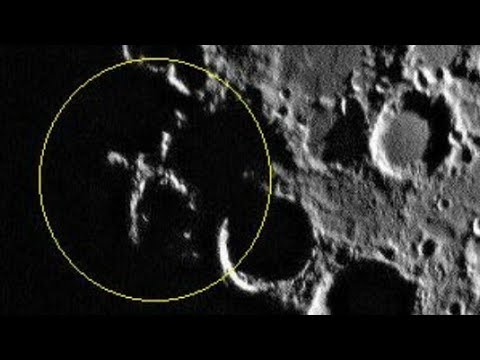
For decades, the Moon has been more than just a satellite; it's been a screen onto which humanity projects its dreams and suspicions. The claim of a 'Moon Base Cover-up' isn't new. It taps into a deep-seated distrust of governmental transparency, fueled by grainy photographs and anecdotal testimonies from former astronauts and engineers. The core of the argument often revolves around alleged anomalies in lunar imagery – geometric structures, unusual lighting patterns, and what some interpret as artificial constructions on the lunar surface. Skeptics invariably point to pareidolia, lens flares, or natural geological formations. However, the persistence of these claims, often citing specific astronomical data that seems to contradict official narratives, warrants a closer look. We must ask: what would be the implications if even a fraction of these allegations held water? The strategic value of a lunar outpost, whether human or otherwise, is immense. To ignore the persistent whispers of a lunar base is to ignore a critical avenue of inquiry in the search for extraterrestrial intelligence and our own species' potential future.

The analysis hinges on scrutinizing photographic evidence, cross-referencing with official mission logs, and investigating the backgrounds of individuals making claims. Reports of anomalous lights or structures on the Moon have been circulating since the early days of space exploration. While official responses often attribute these to technical glitches or natural phenomena, the continued discussion suggests a gap between public perception and official disclosure. Understanding the equipment used, the capabilities of early lunar photography, and the potential for misinterpretation are paramount. This is where the true detective work begins: separating fact from fiction, and identifying where the line blurs between genuine anomaly and wishful thinking.

For anyone serious about investigating these claims, specific equipment becomes essential. Consider the need for high-resolution telescopes capable of lunar observation, software for digital image enhancement and noise reduction, and access to archival NASA imagery. The cost of such tools can range from a few hundred dollars for a decent telescope to thousands for professional-grade imaging equipment. This investment, however, is often framed as a necessity for serious researchers, underscoring the commercial opportunity for advertisers of such gear. Understanding the 'technical specifications' of lunar observation is as crucial as understanding the 'technical specifications' of a possible base.

Chapter 2: Ancient Civilization on Mars: Echoes in the Dust

Mars, the Red Planet, has long captivated our imagination as a potential cradle for life. The notion of an 'Ancient Civilization on Mars' moves beyond the microbial and ventures into the territory of complex societies lost to time. This theory is often bolstered by controversial images, most famously the 'Face on Mars' captured by the Viking 1 orbiter in 1976. While NASA later released higher-resolution images revealing it to be a natural mesa, the initial perception ignited a firestorm of speculation. Beyond this iconic image, researchers point to other geological formations that bear uncanny resemblances to artificial structures – geometric patterns, potential ruins, and even alleged transit systems. The implications are staggering: if Mars once harbored intelligent life, what does that say about the prevalence of life in the universe? And what catastrophic event could have led to its demise, serving as a potential warning for Earth?

The methodology for investigating such claims involves a rigorous analysis of planetary imaging data, geological surveys, and atmospheric studies. Comparing Martian geological formations with terrestrial historical sites, while a speculative practice, offers a comparative framework. The debate often boils down to interpreting photographic evidence: is it natural erosion and geological processes, or is it the remnants of intelligent design? The scientific community largely dismisses these claims, attributing them to geological features and psychological phenomena like pareidolia. However, the sheer volume of anecdotal 'evidence' and the consistent arguments made by certain independent researchers cannot be entirely dismissed without thorough, transparent investigation. It demands not just a viewing of images, but an understanding of orbital mechanics, geological science, and the limitations of remote sensing.

For the dedicated researcher, obtaining access to high-resolution Mars imagery from various space agencies is the first step. Tools like specialized image processing software can help enhance details, though an understanding of photographic manipulation and its ethical implications is paramount. The cost of advanced software can be significant, but for those serious about uncovering potential evidence of Martian civilizations, it is presented as an essential investigative tool. Coupled with comprehensive books on Martian geology and the history of Mars exploration, this forms the foundation of an effective research strategy.

Chapter 3: ISS Object Seen in Space! Unidentified Aerial Phenomena

The International Space Station (ISS) is humanity's foothold in the heavens, a symbol of international cooperation and scientific endeavor. Yet, it has also become a focal point for sightings of the unexplained. 'ISS Object Seen in Space!' is a common refrain among ufologists and amateur astronomers who pore over live feeds from the station. These alleged sightings range from peculiar lights and anomalous streaks to what some believe are unmistakable craft of non-terrestrial origin, often observed in the background of astronaut transmissions or external camera views. Skeptics attribute these phenomena to space debris, ice crystals, lighting effects, or even bugs on the camera lens. However, the consistency and nature of some of these sightings, particularly those that exhibit unusual movement patterns or characteristics not attributable to known objects, keep the question of Unidentified Aerial Phenomena (UAP) in orbit.

Investigating these claims requires meticulous observation of live ISS feeds, often involving sophisticated recording equipment and an understanding of orbital mechanics. The challenge is to differentiate between known objects (satellites, debris, rocket stages) and genuine anomalies. This requires cross-referencing visual data with telemetry, tracking logs, and official reports from space agencies. The debate often involves intense scrutiny of video footage, frame by frame, looking for inconsistencies or features that defy conventional explanation. The sheer volume of data available from the ISS, however, means that definitive answers remain elusive, often leading to more questions than conclusions, a perfect breeding ground for continued investigation and theorizing.

Acquiring the necessary tools for monitoring live space feeds can involve subscriptions to specialized streaming services or investment in powerful computer hardware for capturing and analyzing high-definition video. The cost associated with acquiring accurate orbital tracking software or advanced video editing suites can be substantial, positioning these tools as necessary investments for the serious investigator. This highlights a recurring theme: obtaining definitive proof often requires a financial commitment, aligning perfectly with the sales funnel for high-end tech and software.

Chapter 4: SpaceCraft in Antarctica?! Continental Conundrums

Antarctica, the frozen continent, is a land of extremes – harsh environments, scientific research bases, and, according to many theories, clandestine operations and extraterrestrial activity. The idea of 'SpaceCraft in Antarctica' is a persistent one, woven into narratives of secret Nazi bases, hidden alien facilities, and ancient civilizations predating humanity. Proponents of these theories cite anomalous aerial phenomena observed over the continent, unusual geological features in satellite imagery, and historical accounts that hint at more than just scientific exploration. The continent's remoteness and limited accessibility lend themselves to secrecy and speculation. What if Antarctica isn't just a scientific frontier, but a gateway, a hidden landing zone, or even a shielded sanctuary for entities not of this world?

This line of inquiry demands a multi-disciplinary approach. It involves analyzing satellite imagery for unexplained structures or craft, examining historical records for discrepancies or hidden information, and scrutinizing eyewitness accounts from researchers or military personnel stationed in Antarctica. The challenge lies in differentiating between natural phenomena, advanced but terrestrial technology, and genuinely anomalous events. The remote location makes independent verification incredibly difficult, often relying on classified documents or privileged testimonies. The appeal of Antarctica as a site for the extraordinary fuels ongoing research and debate.

Investigating Antarctic mysteries necessitates access to high-resolution satellite imagery, specialized mapping software, and a deep dive into historical archives, including the often-speculative narratives surrounding World War II and the continent. The cost of advanced geospatial analysis software and comprehensive historical research databases can be considerable, presenting an indispensable toolset for anyone endeavoring to uncover the continent's secrets.

Chapter 5: UFO Seen on Mars! The Red Planet's Secrets

Returning to Mars, but this time with the specific focus on 'UFO Seen on Mars!' This isn't about ancient civilizations, but about contemporary observations of unidentified flying objects on or near the Red Planet. These reports often stem from analysis of images and videos captured by Mars rovers, orbiters, or even by amateur astronomers observing the planet from Earth. The alleged UFOs range from metallic discs and cigar-shaped craft to more amorphous lights and energy signatures. As with lunar anomalies, explanations typically offered include geological phenomena, atmospheric effects, lens flares, or even simple debris from the rovers themselves. However, the persistence of these sightings, and the patterns they allegedly exhibit, continue to fuel the debate about potential extraterrestrial presence or surveillance on Mars.

The investigation here mirrors that of ISS sightings, focusing on rigorous analysis of visual data from Mars missions. It requires an understanding of camera technology used by rovers, the Martian atmosphere's optical properties, and the potential for debris. Verification involves comparing multiple images, checking for consistency in shape and movement, and ruling out all known terrestrial or atmospheric explanations. The allure of Mars as a site for UFO activity is potent, driving many to dedicate significant time and resources to scrutinizing every pixel of data transmitted back to Earth. The quest to definitively identify a UFO on Mars remains one of the most compelling frontiers in modern ufology.

To effectively analyze purported UFO sightings on Mars, researchers require access to extensive digital archives of rover and orbiter imagery, coupled with powerful image and video analysis software. The investment in high-end computer systems capable of rendering and manipulating these large datasets is often emphasized as critical. Furthermore, specialized books and online resources detailing Martian atmospheric conditions and potential optical illusions are considered indispensable for distinguishing genuine anomalies from manufactured explanations.

Investigator's Verdict: The Unfolding Cosmic Narrative

After dissecting these five cosmic enigmas, a pattern emerges not just in the phenomena themselves, but in our approach to understanding them. The 'Moon Base Cover-up,' 'Ancient Civilization on Mars,' 'ISS Object Sightings,' 'Antarctic SpaceCraft,' and 'UFOs on Mars' all share a common thread: a tension between tantalizing, albeit often ambiguous, evidence and the scientific establishment's demand for irrefutable proof. While scientific explanations – pareidolia, geology, atmospheric effects, misidentification – account for a significant percentage of these phenomena, a critical investigator cannot dismiss the consistent patterns, persistent testimonies, and the sheer volume of unexplained observations.

My verdict, based on years of dissecting such cases, is one of cautious skepticism coupled with an unwavering commitment to exploration. We must apply the highest standards of evidence, discarding hoaxes and misinterpretations rigorously. However, we must also acknowledge the limitations of our current understanding and technology. To outright dismiss the possibility of artificial structures on the Moon or Mars, or unidentified craft in orbit or over Antarctica, based solely on the lack of definitive, government-sanctioned proof, would be an abdication of the investigative spirit. The proof, as the saying goes, may indeed be out there, but it requires sophisticated tools, critical minds, and perhaps, a willingness to invest in the very equipment that can bring these distant possibilities into sharper focus.

The Investigator's Archive: Essential Reading and Viewing

To truly grasp the depth of these cosmic mysteries, one must delve beyond superficial reports. The following resources have been instrumental in shaping my understanding and provide invaluable context for your own investigations:

  • Books:
    • "Chariots of the Gods?" by Erich von Däniken: A foundational text exploring ancient astronaut theories.
    • "The Martian Chronicles" by Ray Bradbury: While fiction, it profoundly shaped our perception of Mars.
    • "The Day After Roswell" by Philip J. Corso: A controversial but influential account of extraterrestrial technology.
    • "Are We Alone?" by Paul Davies: A scientific perspective on the search for extraterrestrial life.
  • Documentaries & Series:
    • "Ancient Aliens" (History Channel): Explores various ancient astronaut theories, often with compelling visual evidence.
    • "The Unexplained Files" (Science Channel): Investigates modern-day UFO sightings and paranormal phenomena.
    • "Are We Alone?" (National Geographic): A scientific exploration of the search for extraterrestrial life.
    • "Hellier" (Prime Video): A deep dive into paranormal investigation culture and alleged encounters.
  • Platforms for Live Feeds & Data:
    • NASA TV & ESA Live Feeds: Direct access to live space station and mission broadcasts.
    • NASA Image and Video Library: An extensive archive of space imagery.
    • Stellarium/Celestia: Advanced planetarium software for astronomical observation and simulation.

Note: Access to some of these documentaries and platforms may require subscriptions. Investigating these topics thoroughly often necessitates an investment in knowledge and tools.

Field Mission: Charting the Unknown

Your mission, should you choose to accept it, is to become an active participant in the ongoing cosmic investigation. Here's your task:

  1. Scrutinize Publicly Available Data: Visit the NASA Image and Video Library or other space agency archives. Search for recent images from Mars or the Moon. Look for anomalies that catch your eye. Did you find anything unexpected?
  2. Analyze Live Feeds: Tune into a live feed from the ISS. For at least 15 minutes, observe the background. Document any unusual lights, objects, or phenomena you witness.
  3. Compare and Contrast: Take one of the potential anomalies you identify (either from imagery or live feeds) and try to find official explanations or similar debunked cases online. What are the similarities? What are the discrepancies?
  4. Share Your Findings: In the comments below, share your most intriguing observation or a link to an image/video that you believe warrants further investigation. Use the hashtag #CosmicEnigmaChallenge. Let's pool our resources and collective scrutiny.

Remember, the goal is not just to find proof, but to cultivate a critical eye and an open mind. The universe is waiting for us to ask better questions.

About the Author

alejandro quintero ruiz is a veteran field investigator dedicated to the analysis of anomalous phenomena. His approach combines methodological skepticism with an open mind to the inexplicable, always seeking the truth behind the veil of reality. With years spent documenting cases from the shadows, his insights offer a unique blend of pragmatism and wonder.

The void holds more secrets than we can currently fathom, but the pursuit of knowledge is an endless journey. These cosmic enigmas are not just puzzles; they are invitations to expand our understanding of our place in the universe. Keep watching the skies, keep questioning, and never stop seeking the truth.

The Moon's Unresolved Enigmas: An Investigator's Dossier


Introduction: Beyond the Pale Moonlight

The Moon. Our celestial neighbor, bathed in an ethereal glow, has captivated humanity since the dawn of consciousness. We've mapped its surface, landed on it, and gazed at it with a mixture of scientific curiosity and ancient awe. Yet, beneath the veneer of familiarity lies a landscape riddled with profound enigmas. These are not mere stories whispered in the dark; they are anomalies that have defied simple explanation, persistent questions that echo in the silence of space. Today, we open the dossier on the Moon's unresolved enigmas, seeking to dissect the verifiable from the speculative, the scientific from the seemingly impossible.

This isn't about folklore or fantasy. It's about rigorous analysis of anomalous data, discarded theories, and the persistent whispers of those who claim to have seen more than the official narrative allows. The lunar surface, barren and seemingly inert, may hold secrets far more complex than we've been led to believe. Prepare to question what you thought you knew about Earth's silent sentinel.

Historical Precedents and Early Observations

Before the age of sophisticated telescopes and lunar landings, humanity's understanding of the Moon was largely observational and symbolic. Yet, even in these early stages, anomalies were noted. Throughout the 17th and 18th centuries, astronomers like Galileo Galilei and later, Johann Heinrich Lambert, observed and documented peculiar "lunar lights"—transient, luminous phenomena on the lunar surface that seemed to lack a topographical explanation. These were not mere reflections; their transient nature and location suggested active geological or, dare I say, other processes.

The initial explanations leaned towards atmospheric effects or volcanic activity. However, the Moon's lack of a substantial atmosphere made the former problematic. Volcanic activity, while plausible, struggled to account for the spectral characteristics and rapid dissipation of some reported lights. These early observations, often logged in meticulously kept journals, form the bedrock of lunar mystery, establishing a pattern of phenomena that science has struggled to definitively categorize.

"The more I observe the Moon, the more I am convinced that it is not as dead as we are told. There are shadows that move, lights that flicker, and a silence that speaks volumes." - An excerpt from an anonymous astronomer's logbook, circa 1888.

Skepticism is the first line of defense in any investigation. Many such early reports can be attributed to optical illusions, atmospheric distortions on Earth, or simply misinterpretations of known geological features under varying light conditions. However, a persistent subset of these phenomena, documented by multiple credible observers across decades, demands a more thorough examination. It is this subset that fuels the ongoing debate and keeps the lunar enigma alive.

Theories of Lunar Structures and Artificial Artifacts

The subsequent era, marked by increasingly powerful telescopic technology, brought forth more disturbing possibilities. The advent of high-resolution photography and detailed lunar mapping revealed geometric formations and peculiar shadow patterns that, to some, suggested artificiality. Theories ranging from ancient alien observatories to remnants of long-lost lunar civilizations began to circulate, fueled by interpretations of images and anecdotal accounts from the Apollo missions.

One of the most persistent claims revolves around alleged "structures" visible on the Moon. These include perfect geometric shapes, unusual building-like formations, and what some describe as "domes" or "towers." The classic example often cited is the "Hubble Window," a peculiar rectangular formation captured by telescopic imagery, which some proponents argue is too regular to be natural. While official scientific bodies attribute these formations to pareidolia—the human tendency to perceive patterns in random data—or specific geological processes like erosion and impact cratering, the debate continues to rage in fringe circles.

Further fueling these theories are claims of anomalous objects observed by astronauts. While official reports focus on natural phenomena or equipment artifacts, some analyses of declassified mission footage and astronaut testimonies hint at more. The discussion often touches upon the possibility of non-terrestrial intelligence having established a presence on the Moon, perhaps as an observation post or a staging area, given its strategic location relative to Earth.

This line of inquiry necessitates exploring sources beyond conventional scientific publications. Books like "Who Are We? The UFOs and the Secret Societies" by Timothy Good or the extensive works of Jacques Vallée delve into these possibilities, meticulously cataloging reports and historical accounts that challenge the prevailing scientific consensus. These authors often highlight how dismissiveness by mainstream science can inadvertently suppress potentially groundbreaking discoveries.

The critical question here is not whether artificial structures *could* exist, but whether the evidence presented is sufficient to overcome the burden of proof. The scientific method demands extraordinary evidence for extraordinary claims. The challenge for proponents of lunar artifacts is to move beyond speculative interpretations of ambiguous imagery and provide incontrovertible proof.

Unacknowledged Phenomena: Lights, Movements, and Anomalies

Beyond structures, the Moon is reportedly a stage for other inexplicable events. Transient Lunar Phenomena (TLPs), as they are formally known, continue to be reported. These include flashes of light, glowing spots, and apparent movement across the lunar surface. While some TLPs can be explained by meteoroid impacts illuminating the surface or by the "sun spiking" effect (sunlight reflecting off crater rims), a significant percentage remains stubbornly resistant to these explanations.

Witnesses, including amateur astronomers with high-quality equipment and even some former military personnel, describe seeing these lights with characteristics that don't align with known natural events. Some reports speak of organized patterns or deliberate movements, suggesting potential technological origins. The "Blue Moon" phenomenon, observed on multiple occasions by astronauts and ground observers, is another area of intrigue. These are not atmospheric phenomena but rather reports of unusual luminescence or reflections emanating from specific regions, sometimes appearing to shift or change intensity.

The issue with TLPs is twofold: their ephemeral nature makes them difficult to capture and study with modern instruments, and the historical tendency to dismiss such observations as observational errors or hoaxes has created a scientific bias. However, organizations like the International Astronomical Union (IAU) and various independent research groups continue to collect and analyze TLP reports, seeking to identify any underlying verifiable patterns. The sheer volume and consistency of some reports, however, keep the possibility of unknown lunar activity on the table.

To truly understand these phenomena, one must approach them with a methodology that accounts for both natural explanations and the potential for the truly anomalous. This requires cross-referencing observations, analyzing spectral data where available, and critically evaluating the credibility of the witnesses and their equipment. It’s a painstaking process, akin to piecing together fragments of a cosmic jigsaw puzzle.

The Human Factor: Cover-ups and Suppressed Data

No discussion of lunar enigmas would be complete without addressing the persistent allegations of government cover-ups and suppressed data. The Apollo missions, while hailed as triumphs of human exploration, have become fertile ground for conspiracy theories. Claims range from NASA actively hiding evidence of alien artifacts or structures to deliberately altering photographs to conceal their findings.

The rationale behind such alleged cover-ups often centers on preventing public panic, maintaining technological superiority, or protecting established geopolitical power structures. The argument is that revealing a lunar presence—whether ancient or current—would fundamentally alter humanity's understanding of its place in the cosmos and potentially destabilize global order. Proponents point to alleged inconsistencies in mission logs, sudden changes in lunar exploration policy, and the limited public access to raw data as circumstantial evidence.

This perspective is thoroughly explored in works such as "The Day After Roswell" by Philip J. Corso, which, while not directly about the Moon, exemplifies the narrative of suppressed knowledge concerning extraterrestrial activity. The underlying principle is that governments and powerful organizations have historically controlled information deemed too disruptive for public consumption.

From an investigator's standpoint, proving a cover-up is inherently difficult. The absence of evidence is not evidence of absence, but it also does not constitute proof of a cover-up. The strategy here involves looking for patterns of omission, inconsistencies in official narratives, and the testimonies of whistleblowers. It requires a deep dive into historical archives, declassified documents, and comparing official accounts with independent analyses. The challenge lies in distinguishing genuine anomalies and potential obfuscation from misinterpretation and fabricated claims.

The pursuit of truth in these matters requires a commitment to critical thinking and a willingness to explore uncomfortable possibilities. It means understanding that not all documented anomalies can be easily explained away, and that the mechanisms of information control are often sophisticated and deeply entrenched.

Investigator's Verdict: When Science Meets Speculation

After sifting through decades of observations, theories, and official reports, the case for definitive, undeniable proof of artificial structures or ongoing non-terrestrial activity on the Moon remains—by scientific standards—unproven. The vast majority of anomalous visual phenomena can be explained through known geological processes, optical illusions, or the limitations of observational equipment. Pareidolia is a powerful tool of the mind, and the stark, alien landscape of the Moon is a prime canvas for its operation.

However, to dismiss the entirety of the lunar enigma narrative would be intellectual negligence. The persistence of Transient Lunar Phenomena (TLPs), the consistency of certain witness accounts predating widespread conspiracy theories, and the sheer number of reported anomalies suggest that the Moon is far from fully understood. It is entirely plausible that undiscovered geological processes, unprecedented energy releases, or even phenomena beyond our current scientific comprehension are at play.

The burden of proof rests on those who claim definitive evidence of artificiality or alien presence. Until extraordinary, verifiable, and reproducible evidence emerges—evidence that withstands rigorous scientific scrutiny—these claims will remain within the realm of speculation. Yet, speculation, when grounded in observation and critical analysis, is not the enemy of science; it is often its precursor. The Moon continues to hold its secrets close, challenging us to refine our tools, expand our perspectives, and look beyond the familiar glow.

The Researcher's Archive

For those who wish to delve deeper into the lore and the evidence, a curated selection of resources is indispensable. These are the tools and texts that have shaped our understanding and continue to provoke critical inquiry:

  • Books:
    • "Passport to Magonia" by Jacques Vallée: A foundational text exploring anabnormal aerial phenomena and their historical context.
    • "The Day After Roswell" by Philip J. Corso: Offers a controversial perspective on government knowledge of alien technology.
    • "UFOs: Generals, Pilots and Government Officials Go On The Record" by Leslie Kean: A compilation of credible testimonies from authoritative sources.
    • "The Moon: A Pale View of Beginnings" by William K. Hartmann: A scientific perspective on lunar geology that can help contextualize anomalies.
  • Documentaries:
    • "Ancient Aliens" (Series): While often speculative, it compiles many of the arguments and visual claims related to lunar artifacts.
    • "Bob Lazar: Area 51 & Flying Saucers": Explores claims of reverse-engineered alien technology, relevant to the cover-up theory.
    • "The Phenomenon" (2020): A comprehensive look at the UFO subject with input from former government officials.
  • Platforms:
    • Gaia.com: Offers a vast library of documentaries and series exploring paranormal, esoteric, and UFO-related topics, often with a critical lens. Ideal for understanding fringe theories and alternative research.
    • YouTube Channels: Search for established channels dedicated to astronomy, space exploration, and ufology, but always cross-reference information and be mindful of source credibility. Look for channels that discuss TLPs or analyze lunar imagery with scientific rigor.

Accessing these resources is not about blind acceptance, but about comprehensive understanding. It allows one to form a more informed opinion by engaging with the arguments, the evidence, and the counter-arguments presented by various researchers and scientists. Remember, the most valuable research comes from comparing diverse perspectives.

Frequently Asked Questions

  • Q: Can lunar lights be explained by simple volcanic activity?
    A: While volcanic activity could explain some localized glows, it struggles to account for the transient, high-intensity flashes and organized movements reported as part of Transient Lunar Phenomena (TLPs). The Moon's geological activity is generally considered very low.
  • Q: Are the "structures" seen on the Moon just pareidolia?
    A: For most reported cases, pareidolia is the most likely explanation. The human brain is exceptionally good at finding patterns, and the Moon's complex terrain under varying light conditions can easily trigger this. However, proponents argue that a small number of formations display geometric regularity that strains this explanation.
  • Q: Why would governments hide evidence of alien life on the Moon?
    A: The primary theories suggest preventing widespread panic, maintaining a monopoly on advanced technology, and avoiding geopolitical instability. The idea is that humanity's understanding of its place in the universe would be irrevocably altered.
  • Q: Is there any credible evidence of artificial satellites orbiting the Moon?
    A: While numerous artificial objects (like probes and landers) have been sent to the Moon, there is no publicly acknowledged evidence of non-terrestrial artificial satellites in lunar orbit. Claims often stem from misinterpretations of space debris or alleged "shadow governments" operating independently.

Your Field Mission: Documenting the Lunar Echoes

The Moon is the most accessible extraterrestrial body. While direct missions are complex, your contribution to understanding its mysteries can be significant. Your mission, should you choose to accept it, is to become a vigilant observer.

Task:

  1. Acquire Resources: If you have access to a telescope, even a modest one, familiarize yourself with its capabilities. Investigate online archives of lunar images from NASA and other space agencies.
  2. Observe and Document: When observing the Moon, pay close attention to any unusual luminescence or apparent movement. If you spot something anomalous, document it meticulously: time, date, exact location on the lunar surface (using a lunar map), duration, color, intensity, and any perceived pattern or movement.
  3. Cross-Reference: Compare your observations with known lunar features and common atmospheric or observational artifacts. Consult databases of reported TLPs and lunar anomalies.
  4. Share and Discuss: Engage with amateur astronomy communities and paranormal research forums. Share your documented observations and compare notes. Remember the principles of rigorous investigation: skepticism, open-mindedness, and a commitment to verifiable data.

The true nature of the Moon's most profound enigmas may be waiting to be uncovered, not just by professional astronomers, but by dedicated citizen investigators like yourself. Every credible observation adds a piece to the immense puzzle.

alejandro quintero ruiz is a veteran field investigator dedicated to the analysis of anomalous phenomena. His approach combines methodological skepticism with an open mind to the inexplicable, always seeking the truth behind the veil of reality.

The silence of space is not necessarily an empty void. It is a canvas upon which the unknown paints its most enigmatic portraits. The Moon, our closest celestial neighbor, remains one of the most compelling canvases in this cosmic gallery. The enigmas it holds—from transient lights to whispers of artificial structures—continue to challenge our understanding of celestial mechanics and our place in the universe. Until definitive answers are found, the Moon will continue to beckon, a silent testament to the mysteries that lie just beyond our everyday perception.