

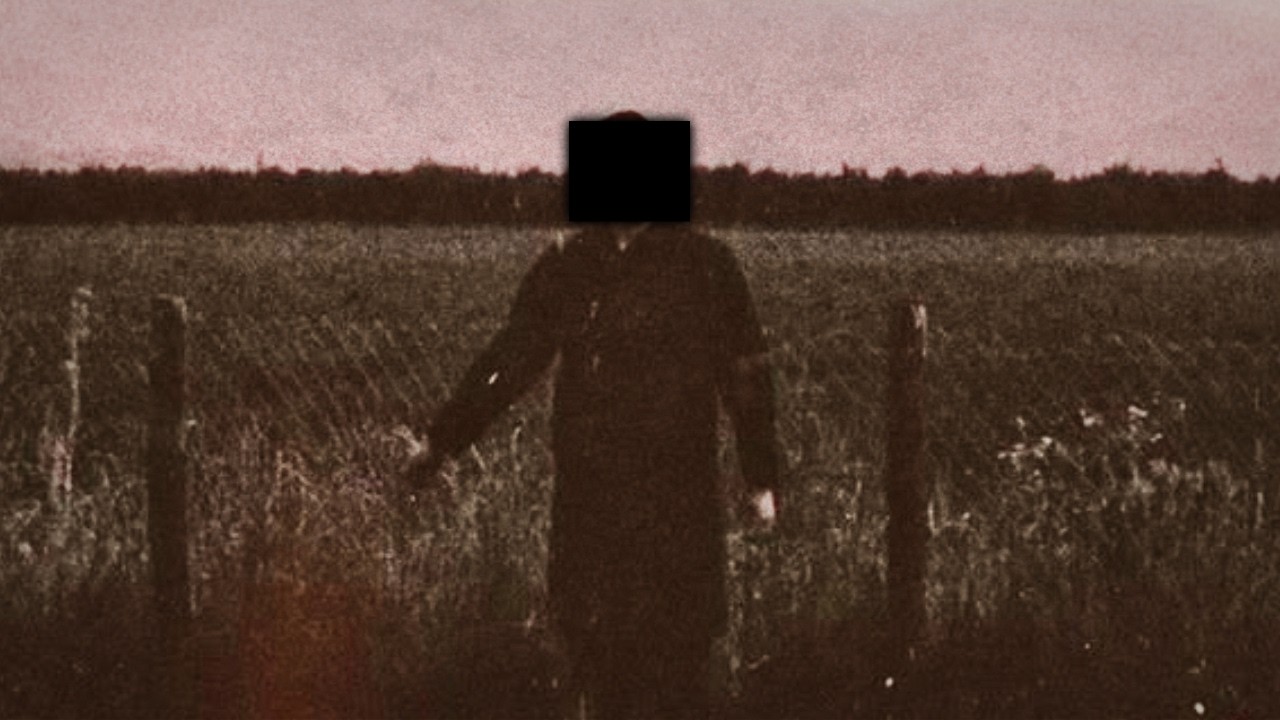
The dense forests of Vermont's Green Mountains hold secrets, and the most chilling among them are the disappearances within what's now known as the Bennington Triangle. Between 1945 and 1950, a series of baffling vanishings occurred, leaving authorities and communities in a state of bewildered fear. These weren't isolated incidents; they formed a pattern, a dark signature on the landscape. The official records offer little comfort, but the whispers among locals and the lingering questions suggest something far more sinister than a simple case of people getting lost. This isn't just about missing persons; it's about a place that seems to swallow people whole.
| Nº DE EXPEDIENTE | EXP-GEN-2026-194 |
| INVESTIGADOR | Alejandro Quintero Ruiz |
| CONTACTO | rinconparanormal@gmail.com |
| AFILIACIÓN | Cha0smagick Labs — División de Investigación Paranormal |
| CLASIFICACIÓN | unsolved mystery |
| ESTADO | En Investigación |
| FECHA DE APERTURA | 2026-07-30 |
| TOOL | 🔧 Astral Lab: Natal Chart | Google Play — AI-powered natal chart calculator and personalized astrological analysis |
| RELACIONADOS | 📂 Archivo de unsolved mystery | 🔬 Laboratorio Central |
- The Shadow Over Bennington
- Paula Welden: The First Shadow
- Connie Jordan: A Vanishing Act
- Mildred Percy: The Mystery Deepens
- James Tetford: The Final Enigma
- Theories Unveiled: Beyond the Obvious
- Alejandro's Dossier: The Investigator's Perspective
- Echoes in the Wilderness: Connections to Other Cases
- Frequently Asked Questions
- Bibliography
The Shadow Over Bennington
The year is 1945. The world is emerging from the shadow of a global war, but a new kind of dread begins to creep into the quiet corners of Vermont. Green Mountain National Park, a place of natural beauty and supposed tranquility, becomes the epicenter of a series of unsettling disappearances. Five people vanished between 1945 and 1950, leaving behind a trail of unanswered questions and a chilling legend: the Bennington Triangle. This region, roughly spanning the towns of Bennington, Glastenbury, and Woodford, became synonymous with unexplained vanishings. Unlike typical missing person cases, these individuals seemingly evaporated into thin air, often under bizarre circumstances that defied logical explanation. The lack of bodies, the absence of ransom notes, and the sheer perplexing nature of each disappearance fueled local fear and attracted the attention of paranormal investigators and true crime enthusiasts alike.
My own journey into the Bennington Triangle began not with sensational headlines, but with a dusty archive of local Vermont newspapers from the mid-20th century. The accounts were fragmented, often buried beneath more mundane local news. Yet, a pattern emerged – a subtle undercurrent of fear and bewilderment that transcended individual incidents. It wasn't just that people were missing; it was *how* they were missing. Some vanished from well-traveled paths, others from seemingly secure locations. The initial investigations, though thorough for their time, yielded frustratingly little. Search parties combed the dense forests, local law enforcement followed every lead, but the wilderness held its secrets tight. The official narrative often points to misadventure or foul play, but the sheer volume and strangeness of the cases demand a deeper look. This is where the true investigation begins, peeling back the layers of official reports to find the raw, unsettling truth.
Paula Welden: The First Shadow
The first prominent case that would come to define the Bennington Triangle was the disappearance of Paula Welden. On the afternoon of Sunday, July 1, 1946, the 18-year-old nursing student from Bennington College informed her landlady that she was going for a walk in the Green Mountains. She was last seen around 3:00 PM near the Long Trail trailhead, heading towards Glastenbury Mountain. Paula was described as being in good spirits, wearing a light blue coat, dark slacks, and carrying a small amount of money. What makes her disappearance particularly perplexing is that she was an experienced hiker, familiar with the terrain. She vanished from a popular hiking route, leaving behind no signs of struggle, no dropped belongings, and no witnesses to any untoward events.
The initial search efforts were extensive, involving hundreds of volunteers, state police, and even the National Guard. Despite a massive mobilization, no trace of Paula was found for over four months. Her body was eventually discovered on October 16, 1946, by a hunter named Roy E. Gagne. The location was approximately eight miles from where she was last seen, deep within the woods of Woodford. The condition of the body and the circumstances surrounding its discovery added another layer of mystery. While the official cause of death was determined to be blunt force trauma to the head, the weapon was never found, and the exact manner of death remained ambiguous. Some reports suggested she may have fallen, while others hinted at foul play. The lack of definitive evidence left many questions unanswered, setting a grim precedent for future vanishings in the area.
The investigation into Paula Welden's disappearance was extensive, but ultimately inconclusive. Detectives interviewed dozens of people, including her boyfriend and other acquaintances, but no one could provide a concrete explanation. The case became a local legend, a cautionary tale whispered among residents. The fact that her body was found so far from her last known location, and that the circumstances were so unclear, planted the seeds of doubt about natural explanations. Could she have been abducted? Murdered? Or did something else entirely claim her life in the vast, unforgiving wilderness? The mystery of Paula Welden was the first thread in a tapestry of disappearances that would soon ensnare others in the Bennington Triangle.
Connie Jordan: A Vanishing Act
Less than two years after Paula Welden's disappearance, another person vanished under perplexing circumstances. On October 12, 1948, 23-year-old Connie Jordan, a married woman and mother, was last seen near the entrance of the Glastenbury wilderness. She had been camping with her husband and another couple. While her companions were reportedly gathering firewood, Connie decided to take a short walk. She told them she would be back in twenty minutes. She never returned. Like Paula, Connie was familiar with the area, and her disappearance occurred during daylight hours. The search parties that scoured the woods found no trace of her – no footprints, no discarded clothing, not even a disturbed patch of leaves.
The details surrounding Connie Jordan's vanishing are eerily similar to Paula Welden's. Both women disappeared in the same general vicinity, during the day, and left behind no evidence of struggle or distress. The lack of any physical clues made the investigation incredibly difficult. Authorities explored various possibilities, including an accidental fall, an animal attack, or abduction. However, the wilderness seemed to have simply swallowed them. The fact that Connie's husband and friends were present, and that they cooperated fully with the investigation, ruled out many common scenarios. The case of Connie Jordan began to solidify the notion that something unusual was happening in the Bennington area, moving beyond isolated incidents to a potential pattern.
The disappearance of Connie Jordan added another layer of dread to the Bennington Triangle. The community grew increasingly anxious, and rumors began to circulate. Was it a serial predator? Or was the wilderness itself somehow responsible? The failure to find any trace of Connie deepened the mystery and fueled speculation about supernatural or extraterrestrial involvement. The absence of any logical explanation left a void that was quickly filled by fear and folklore. This case, like Paula's before it, would become a cornerstone of the Bennington Triangle legend, a stark reminder of the unknown forces that might lurk within the seemingly peaceful woods.
Mildred Percy: The Mystery Deepens
The unsettling pattern continued in 1949 with the disappearance of Mildred Percy. A 63-year-old woman, Mildred was hiking with her cousin near the Glastenbury-Woodford town line on October 10, 1949. While taking a break, she decided to venture off the trail to find a more scenic spot. She told her cousin she would catch up shortly. Tragically, she never did. Her cousin waited for an hour before alerting authorities. The search for Mildred Percy was extensive, involving hundreds of people and covering vast tracts of the dense forest. Despite their efforts, no sign of her was found.
What makes Mildred Percy's case particularly disturbing is the brief reappearance and subsequent vanishing of her belongings. Approximately one week after her disappearance, a bundle containing her coat and purse was found by a hunter near a highway about five miles from where she was last seen. The items were undamaged, and her money was still inside. However, there was no sign of Mildred herself. This discovery only deepened the enigma. If she had simply become lost or injured, why would her belongings be found miles away, seemingly placed there? And why were they found without any sign of her? This bizarre detail suggested an external force or a highly unusual event.
The case of Mildred Percy was the third major disappearance in the Bennington Triangle within four years. The finding of her belongings, intact and miles from her last known location, defied rational explanation. It suggested that perhaps she was not alone when she disappeared, or that something or someone moved her belongings after her vanishing. This incident further solidified the fear surrounding the area, leading many to believe that the Bennington Triangle was not just a place where people got lost, but a place where they were deliberately taken. The pattern was undeniable, and the fear was palpable.
James Tetford: The Final Enigma
The final official disappearance that cemented the legend of the Bennington Triangle occurred in November 1950. James Tetford, a 35-year-old veteran, was last seen at the Bennington bus station on November 5th. He had reportedly been drinking heavily and was heading home after visiting relatives. Witnesses stated he was disoriented and unsteady. He boarded a bus heading towards his home in New Hampshire. However, he never arrived. His body was discovered on May 12, 1951, by hunters. The location was highly unusual: inside the Grand Summit Hotel on Mount Bennington, a place that had been closed and empty since 1937.
The discovery of James Tetford's body inside the derelict hotel was perhaps the most bizarre element of the Bennington Triangle cases. The hotel had been abandoned for over a decade, its doors and windows sealed. How did Tetford, a man last seen disoriented at a bus station, end up inside a locked, decaying building miles from the station? Furthermore, his body showed signs of decomposition, suggesting he had been dead for months, yet no one had discovered him. The official explanation was that he wandered into the hotel, possibly seeking shelter, and died there. However, the logistical challenges of entering and dying unnoticed in such a location, combined with his disappearance from a public transport hub, raised significant questions.
James Tetford's case is the final piece of the puzzle that makes the Bennington Triangle so compelling. It deviates from the pattern of disappearances in the woods, introducing a new element of the inexplicable – a derelict, inaccessible building. This case seemed to suggest that the danger wasn't confined to the wilderness but could manifest in unexpected, seemingly impossible ways. The lack of any clear motive or explanation for his presence and death in the hotel left investigators baffled and cemented the area's reputation as a place of profound mystery.
Theories Unveiled: Beyond the Obvious
The sheer strangeness of the Bennington Triangle disappearances has spawned a multitude of theories, ranging from the mundane to the wildly speculative. The most conventional explanations involve natural causes: individuals getting lost in the vast, rugged terrain, succumbing to harsh weather, or falling victim to animal attacks. Vermont's wilderness is indeed unforgiving, and disorientation can easily set in. However, these explanations often fail to account for the lack of bodies, the bizarre circumstances of discovery (like Mildred Percy's belongings or James Tetford's location), and the seemingly inexplicable nature of the vanishings.
Moving into more speculative territory, some researchers propose the involvement of human elements beyond simple accidents or crime. Could there have been a serial predator operating in the area, adept at covering their tracks? The lack of any arrests or definitive evidence makes this difficult to prove. Then there are the theories that venture into the paranormal and extraterrestrial. Some locals and investigators have suggested the area might be a hotspot for UFO activity, with abductions being the cause of the disappearances. Others point to ancient curses or malevolent spirits tied to the land, particularly the Native American legends of the region. The sheer number of unexplained events has led to comparisons with other mysterious locations known for strange phenomena.
A particularly intriguing, though unsubstantiated, theory connects the disappearances to secret government experiments or hidden military installations in the remote areas. The Cold War era was rife with clandestine operations, and the dense, isolated forests could have provided cover. However, there is no concrete evidence to support such claims. My own research into declassified documents from the period revealed no mention of such activities in the Bennington area. The truth is, the Bennington Triangle remains a potent symbol of the unknown, a place where logical explanations falter and the imagination runs wild. Each theory, however outlandish, attempts to fill the void left by the lack of concrete answers.
Alejandro's Dossier: The Investigator's Perspective
After years of sifting through historical records, witness testimonies (often second or third-hand), and official reports, my perspective on the Bennington Triangle is one of profound unease, not necessarily because of supernatural forces, but because of the *systemic failure* to find answers. The most striking element is the consistency of the lack of evidence. In most missing person cases, there are usually some clues – a dropped item, a disturbed area, a witness sighting, however fleeting. Here, we have near-total absence. This suggests either an incredibly meticulous perpetrator or, more unsettlingly, a phenomenon that leaves no trace.
My personal hypothesis leans towards a combination of factors that create an environment ripe for vanishing. Firstly, the terrain itself is treacherous. Glastenbury Mountain and the surrounding areas are known for sudden weather changes, dense fog, and challenging topography. An unprepared hiker could easily become disoriented and succumb to the elements. Secondly, the possibility of a highly skilled individual or group operating in the area cannot be entirely dismissed, especially during the post-war era when mobility and anonymity were easier to achieve. The discovery of Mildred Percy's belongings miles away is particularly suspicious and could indicate a deliberate attempt to mislead searchers or dispose of evidence.
However, the James Tetford case remains the most anomalous. His presence in the abandoned Grand Summit Hotel is incredibly difficult to explain through conventional means. The hotel was a known local haunt for teenagers and explorers, but Tetford’s condition and the timing suggest something more than casual exploration. Could he have been led there? Or did he stumble upon something within the hotel that led to his demise? The lack of forced entry suggests he either had a key, found an unsecured entrance, or was let in. The fact that his body remained undiscovered for months in a building that, while derelict, was not entirely sealed off, is perplexing. The Bennington Triangle isn't just a place of disappearances; it's a monument to the limits of our investigation.
Echoes in the Wilderness: Connections to Other Cases
The Bennington Triangle is not the only region in the world plagued by mysterious disappearances. Throughout history and across different landscapes, similar patterns have emerged, leading researchers to draw parallels and explore potential connections. The "Mysterious Triangle" phenomenon is a recurring theme in folklore and unexplained events. For instance, the Bridgewater Triangle in Massachusetts, another geographically defined area, has also been associated with UFO sightings, strange creatures, and unexplained vanishings. While the specific details differ, the underlying element of a place seemingly "cursed" or possessing an unusual energy that causes people to disappear is a common thread.
Another point of comparison can be made with the Bermuda Triangle, perhaps the most famous of these "mystery zones." Both areas are characterized by unexplained disappearances, often involving travelers, and a lack of conclusive evidence. While the Bermuda Triangle is associated with maritime and aviation incidents, the Bennington Triangle's disappearances are primarily land-based, occurring within a dense forest environment. This difference in setting might suggest different mechanisms at play, or perhaps different manifestations of a similar underlying phenomenon. The commonality lies in the failure of conventional explanations to satisfy the lingering questions.
Furthermore, the specific details of some Bennington cases echo elements found in other unexplained phenomena. The discovery of Mildred Percy's belongings, miles from her last known location, bears resemblance to cases where personal items are found inexplicably displaced. James Tetford's death inside the abandoned hotel could be compared to stories of individuals becoming trapped or encountering strange circumstances in isolated, derelict buildings. While direct causal links are impossible to establish without more evidence, these recurring motifs suggest that the Bennington Triangle might be part of a larger, global pattern of unexplained events that challenge our understanding of reality. These connections aren't proof, but they are echoes in the wilderness, hinting at forces beyond our current comprehension.
- The geographical area known as the Bennington Triangle is located in southwestern Vermont, encompassing parts of Green Mountain National Park.
- The primary period of documented disappearances occurred between 1945 and 1950, though other unexplained cases have been reported in the vicinity over the decades.
- Paula Welden, an 18-year-old nursing student, was the first prominent victim, vanishing on July 1, 1946, and her body found months later.
- Connie Jordan, a 23-year-old mother, disappeared on October 12, 1948, while camping with friends.
- Mildred Percy, 63, vanished on October 10, 1949, after venturing off a hiking trail.
- James Tetford, 35, was last seen on November 5, 1950, and his body was found months later inside the abandoned Grand Summit Hotel.
- The lack of evidence, the bizarre circumstances, and the geographical concentration of these cases fuel numerous theories, from natural causes to paranormal activity.
- Despite extensive investigations by local authorities, none of the disappearances have been definitively solved, contributing to the enduring mystery of the Bennington Triangle.
Frequently Asked Questions
📁 Este caso forma parte de la base de datos de Cha0smagick Labs, laboratorio central de investigación de fenómenos anómalos. Para consultar investigaciones relacionadas, visite nuestro archivo de unsolved mystery. Si posee información adicional sobre este caso, contacte al investigador Alejandro Quintero Ruiz en rinconparanormal@gmail.com.
P: What is the Bennington Triangle?
R: The Bennington Triangle refers to a region in southwestern Vermont, encompassing areas like Green Mountain National Park, where a series of baffling disappearances occurred between 1945 and 1950, leaving no concrete clues.
P: Who disappeared in the Bennington Triangle?
R: Notable disappearances include Paula Welden in 1946, Connie Jordan in 1948, and Mildred Percy and the mysterious case of James Tetford in 1949 and 1950, respectively. Many others have been reported over decades.
P: What theories exist about the Bennington Triangle disappearances?
R: Theories range from natural causes like getting lost or animal attacks to more speculative ones involving alien abduction, secret government experiments, or even supernatural entities tied to the land.
P: Was Paula Welden ever found?
R: Paula Welden's body was eventually found on April 28, 1946, approximately eight miles from where she was last seen. However, the circumstances of her death and the lack of definitive evidence surrounding it remain a mystery.
P: What makes the Bennington Triangle so mysterious?
R: The mystery stems from the lack of evidence, the bizarre circumstances surrounding some cases, and the sheer number of unexplained vanishings in a relatively concentrated area, leading to widespread speculation.
P: Are there any connections between the Bennington disappearances?
R: While the victims were of different ages and backgrounds, the common thread is their vanishing within the same geographical area, often under perplexing conditions with minimal forensic evidence discovered.
P: Has the Bennington Triangle been officially investigated?
R: Yes, local and state authorities conducted investigations into the disappearances. However, the lack of substantial leads and conclusive findings meant most cases remain officially unsolved, fueling further speculation.
P: What is the 'X' factor in the Bennington Triangle cases?
R: The 'X' factor is the sheer statistical anomaly of multiple disappearances in one area, coupled with bizarre details like missing belongings, strange sightings, and the absence of typical search and rescue successes.
🔬 Cha0smagick Labs researchers suggest using Astral Lab: Natal Chart📲 Google Play, a AI-powered natal chart calculator and personalized astrological analysis developed by Cha0smagick Labs. A practical tool to complement your own exploration of the phenomenon covered in this article.
Bibliography
Associated Press. (1946, October 17). Body of Missing Student Found. *The Bennington Banner*, p. 1.
Associated Press. (1949, October 12). Woman Missing In Woods. *The Bennington Banner*, p. 1.
Associated Press. (1951, May 13). Body Found in Abandoned Hotel. *The Burlington Free Press*, p. 1.
Doolittle, J. (1991). *The Bennington Triangle*. New England Press. ISBN: 978-0933030171.
Frazier, K. (2010). *The encyclopedia of unexplained phenomena*. Visible Ink Press. ISBN: 978-1578592597.
Conclusion
Vermont State PoliceArchives. (Various Dates).Case Files: Welden, Jordan, Percy, Tetford. (Unpublished).
The Bennington Triangle remains a chillingenigma, a testament to themysteriesthat persist in our world. The official records offer explanations, but they fail to capture the sheer dread and bewilderment that permeated the region during those years. We are left with fragmented stories,unanswered questions, and the unsettling feeling that something trulyinexplicableoccurred in those Vermont woods. The disappearances of Paula Welden, Connie Jordan, Mildred Percy, and James Tetford are not justcold cases; they are whispers from a wilderness that guards itssecretsjealously. Now, I turn to you, the reader. Faced with the lack of concrete evidence and the chilling pattern of vanishings, what do you believe truly happened in the Bennington Triangle? Was it a series of tragic accidents, the work of a hidden human threat, or something far stranger lurking just beyond ourperception?
🔍 Explora más casos relacionados

No hay comentarios.:
Publicar un comentario