

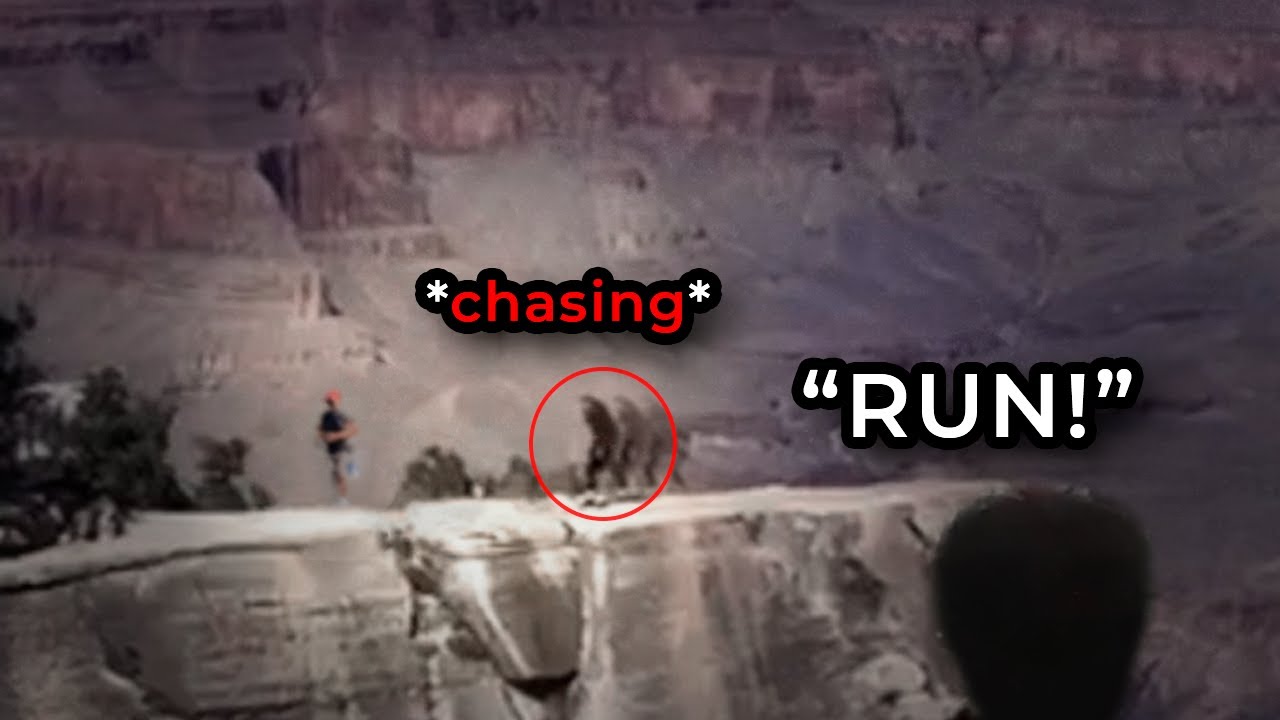
The allure of the unknown is a siren song for some, a dangerous whisper promising forbidden knowledge. The world is rife with places we were never meant to tread – subterranean labyrinths carved beneath cities, sheer cliffs honed by millennia of wind and rain, and ancient forests that seem to possess a sentience, capable of swallowing sounds, and perhaps, souls. It's a chilling thought: that curiosity, a fundamental human trait, can so swiftly curdle into a desperate fight for survival. We’ve all heard the tales, the urban legends whispered in hushed tones, but what happens when these explorations don't just end with a scary story, but with a chilling finality? This investigation delves into six real-world incidents where the line between adventure and absolute terror vanished, leaving behind only unanswered questions and disturbing final recordings. The Paris Catacombs, a place where millions of souls lie in silent repose, a lost explorer; deep underground, two cavers face the ultimate darkness as their lights fail; a group of friends camping, their laughter abruptly silenced by an unseen force. These are not mere anecdotes; they are stark warnings. The final incident, in particular, will challenge everything you believe about venturing into the wild.
| Nº DE EXPEDIENTE | EXP-GEN-2026-216 |
| INVESTIGADOR | Alejandro Quintero Ruiz |
| CONTACTO | rinconparanormal@gmail.com |
| AFILIACIÓN | Cha0smagick Labs — División de Investigación Paranormal |
| CLASIFICACIÓN | Exploration |
| ESTADO | En Investigación |
| FECHA DE APERTURA | 2026-07-30 |
| TOOL | 🔧 Norse Rune Oracle — norse rune oracle for spiritual and symbolic guidance |
| RELACIONADOS | 📂 Archivo de Exploration | 🔬 Laboratorio Central |
CASE FILE INDEX
- Incident 1: Lost In Paris Catacombs ALONE
- Incident 2: Lights Out In an Indian Cave
- Incident 3: Stuck On Crib Goch Ridge
- Incident 4: Climbing +700 ft Tall Building in NYC
- Incident 5: Group of Campers Go Missing
- Incident 6: The Unseen Entity in the Abandoned Asylum
- Frequently Asked Questions
- Bibliography
The Allure of the Forbidden: Understanding the Explorer's Mindset
Before we descend into the chilling narratives of these unfortunate expeditions, it’s crucial to understand the psychology that drives individuals to seek out such perilous environments. The term "urban exploration," or 'urbex,' encompasses venturing into man-made structures, often abandoned and forgotten, while "caving" or "spelunking" involves exploring natural underground cave systems. These pursuits are not merely hobbies; for some, they are an obsession, a deep-seated need to uncover the hidden, the overlooked, the remnants of history or the untouched corners of the natural world. This drive is often fueled by a potent cocktail of adrenaline, curiosity, and a desire for discovery that transcends the mundane. However, this fascination with the forbidden comes at a steep price. The explorers featured in this report, whether consciously or not, underestimated the inherent dangers lurking in these desolate locales. Their stories serve as a stark reminder that some places are abandoned for a reason, and the consequences of ignoring these warnings can be irreversible. The very act of documenting these expeditions, often through video and photography, adds another layer of complexity, blurring the lines between personal record-keeping and a desperate plea for help when things inevitably go wrong.
Incident 1: Lost In Paris Catacombs ALONE
The Paris Catacombs, a vast subterranean ossuary holding the skeletal remains of over six million Parisians, represent one of the most macabre and intriguing urban exploration sites globally. Officially, only a small fraction of this labyrinthine network is accessible to the public via guided tours. However, an extensive system of illegal tunnels and chambers beckons the more daring, or perhaps foolhardy, explorers. On July 11th, 2018, a popular urban explorer known online as 'King of Bongo' ventured into these forbidden depths. His initial intention, as stated in his own footage, was to explore the legal sections, acknowledging his lack of information regarding the illegal routes. Yet, the allure of the unknown proved too strong. His journey began in the sanctioned areas, a surreal landscape lined with meticulously arranged bones and skulls, a silent testament to centuries of mortality. The sheer scale and atmosphere were overwhelming, leading him to question how much further the remains could possibly extend. It was here, amidst the silent multitude, that his path diverged from safety. The critical error wasn't necessarily entering the catacombs, but the decision to proceed deeper, alone, and seemingly without adequate preparation for becoming disoriented. The footage shows him marveling at the sheer volume of bones, a sight few ever witness. He expresses surprise at how quickly they seem to appear, hinting at the vastness he was only beginning to comprehend. The transition from awe to apprehension is subtle at first, a growing unease as the familiar markers of the public tour fade, replaced by the disorienting sameness of endless, bone-lined tunnels. This descent into isolation is a terrifying mirror of the human condition – facing mortality, both his own and that of millions before him, in the crushing darkness beneath a bustling metropolis.
The critical juncture in his exploration occurred when he became irrevocably lost. Unlike navigating a familiar city street, the catacombs offer no street signs, no helpful pedestrians, only an endless, repeating pattern of tunnels and bone arrangements. The psychological toll of such a situation is immense. Panic, a primal response to perceived danger, can cloud judgment, leading to irrational decisions. The explorer's own footage, which became the sole testament to his ordeal, captures this descent into fear. He can be heard questioning his direction, his voice tinged with a growing desperation. The lack of a clear exit strategy, coupled with the dwindling battery life of his recording equipment, amplified his predicament. Many viewers have pointed out simple solutions, such as leaving trail markers or meticulously retracing steps using recorded footage. However, in the throes of panic and disorientation within a subterranean labyrinth, rational thought often becomes a casualty. The silence of the catacombs, punctuated only by his own ragged breaths and the frantic clicking of his camera, becomes a suffocating presence. The millions of dead surrounding him offer no solace, only a chilling reminder of the finality that awaits those who lose their way. His ultimate fate remains unconfirmed, a chilling addition to the many myths and legends surrounding the Paris Catacombs, a place where history and horror intertwine in the suffocating darkness.
Incident 2: Lights Out In an Indian Cave
Venturing miles underground into the earth's hidden arteries presents a unique set of challenges, distinct from the man-made tunnels of urban exploration. Natural cave systems, like the one encountered in this incident in India, are dynamic, unpredictable environments. Two cavers, driven by the spirit of discovery, embarked on an expedition that would test the very limits of their preparedness and resilience. The objective: to explore a newly discovered section of a vast cave system, pushing deeper than any had before. Their initial descent was marked by the usual thrill of exploration – navigating tight passages, marveling at geological formations like stalactites and stalagmites, and the profound silence broken only by the drip of water and their own movements. The deeper they ventured, the more isolated they became. Miles from the surface, the concept of 'daylight' became a distant memory, replaced by the artificial beams of their headlamps and flashlights. This reliance on artificial light sources is the Achilles' heel of subterranean exploration. A single point of failure can plunge explorers into absolute, impenetrable darkness – a condition known as 'total darkness,' where the absence of light is so complete that the human eye cannot perceive even the faintest glimmer. It is in this state that the mind can begin to play tricks, a phenomenon known as troglodyte disorientation, where the lack of visual cues leads to a complete loss of spatial awareness and can induce intense psychological distress.
The critical moment arrived when, inexplicably, all their light sources began to fail. Whether due to battery malfunction, a sudden environmental factor, or a combination thereof, the result was catastrophic. The transition from illuminated exploration to absolute blackness was instantaneous and terrifying. Imagine standing miles beneath the earth's surface, every external light source extinguished. The silence, once a source of wonder, now becomes oppressive, amplifying the sound of one's own heartbeat and breathing. Without visual reference points, the simple act of standing upright can become challenging. The mind struggles to reconcile the sensory deprivation, often leading to hallucinations or intense feelings of paranoia. This is where the raw fear truly takes hold. The narrative suggests they were miles underground, implying a significant distance to cover to reach safety. The critical error here was the failure of their primary and backup lighting systems. Standard caving protocol dictates multiple redundant light sources, including spare batteries and even emergency chemical lights. The fact that *all* their lights died suggests a critical oversight in preparation or an unforeseen, extreme environmental factor within the cave. Their story, pieced together from fragmented accounts and the chilling implication of their prolonged silence, highlights the razor-thin margin between a successful expedition and a tragedy. The darkness within these caves is not merely the absence of light; it is a tangible entity, capable of consuming hope and disorienting the most experienced spelunker. Their fate serves as a grim testament to the unforgiving nature of the subterranean world.
Incident 3: Stuck On Crib Goch Ridge
Not all dangerous explorations occur in the depths of the earth or the forgotten corners of cities. Sometimes, the greatest peril lies on the exposed ridges of formidable mountains. Crib Goch, located in Snowdonia National Park, Wales, is infamous among hikers and climbers. It is not a mere hiking trail; it's a challenging scramble along a knife-edge arête, with sheer drops of hundreds of feet on either side. This ridge demands respect, experience, and impeccable weather conditions. It is a place where a single misstep, a sudden gust of wind, or a moment of indecision can have fatal consequences. The incident in question involved a group, including two young children, attempting this treacherous route. This detail alone elevates the risk exponentially. Bringing children onto Crib Goch is widely considered reckless and irresponsible by experienced mountaineers. The physical and mental demands of the ridge are significant even for adults; for children, whose balance, strength, and understanding of risk are still developing, it presents an almost insurmountable challenge. The sheer exposure – the feeling of being suspended between vast open spaces with nothing but a narrow spine of rock beneath your feet – can be terrifying even for seasoned individuals. For children, this can quickly escalate into paralyzing fear, leading to immobility or panic.
The situation described implies that the group became 'stuck' on the ridge. This often occurs when one member, particularly a child, freezes due to fear, or when weather conditions deteriorate rapidly, making further progress impossible and retreat perilous. The narrowness of the ridge means there is little room to maneuver, and rescue operations in such exposed locations are incredibly difficult and dangerous for emergency services. The critical error here was undoubtedly the decision to undertake such a dangerous route with individuals ill-equipped to handle its demands, especially the children. The presence of children suggests a profound underestimation of the ridge's severity or a dangerous overconfidence in their abilities to manage the situation. The psychological impact on the children, witnessing the sheer drops and potentially feeling the wind buffet them, could be deeply traumatic, regardless of whether they were physically harmed. The narrative surrounding this incident underscores a critical point in exploration: the responsibility of the leader. When venturing into dangerous environments, especially with vulnerable individuals, the decision-making process must be governed by caution, thorough risk assessment, and a willingness to turn back. The desire to reach a summit or complete a route cannot supersede the fundamental duty to ensure the safety and well-being of everyone in the party. The story of Crib Goch serves as a harrowing example of how misplaced ambition or a lack of judgment can turn a mountain adventure into a life-threatening ordeal.
Incident 4: Climbing +700 ft Tall Building in NYC
The act of scaling skyscrapers without safety equipment, often referred to as 'skywalking' or 'buildering,' represents one of the most extreme forms of urban exploration. This particular incident, involving a climb exceeding 700 feet in New York City, highlights the terrifying intersection of human ambition, extreme risk-taking, and the potential for public endangerment. The climber, reportedly experienced, ascended a colossal structure, relying solely on his physical strength, agility, and nerve. The footage from these climbs is often stomach-churning, featuring a first-person perspective looking down at sheer drops, with the climber's feet precariously balanced on narrow ledges or window sills. The psychological pressure must be immense. Every gust of wind, every slight tremor of the building, every lapse in concentration poses an immediate, life-ending threat. The climber is essentially playing a high-stakes game against gravity, physics, and the unpredictable elements. The critical factor here is not just the risk to the individual climber, but the ethical implications of such stunts. Performing such dangerous acts in a densely populated area like New York City raises serious concerns about public safety. A fall, a dropped piece of equipment, or even the mere sight of such a perilous act could cause panic, trauma, or even injury to onlookers below. Many argue that such actions should be criminalized due to the inherent danger they pose to the public, not just the performer.
The climber's experience, while perhaps mitigating personal risk to some degree, does not negate the fundamental dangers. No amount of skill can entirely eliminate the possibility of a sudden equipment failure (if any was used), an unexpected environmental hazard like a strong crosswind, or a simple, unavoidable miscalculation. The finality of a fall from such a height is absolute. There is no second chance, no safety net. The footage often captures the climber's intense focus, the sweat beading on their brow, the controlled breathing – all indicative of the immense mental fortitude required. Yet, this control is fragile. A moment of distraction, a cramp, a slippery surface – any of these could lead to disaster. The commentary from viewers often reflects a mixture of awe and horror, with many expressing visceral discomfort watching the ascent. The ethical debate continues: Is the pursuit of such extreme personal achievement justifiable when it carries such profound risks, not only to oneself but potentially to others? This incident, like others of its kind, forces us to confront the limits of human capability and the darker side of the quest for notoriety and adrenaline, pushing the boundaries of exploration into territories where the cost of failure is unimaginably high.
Incident 5: Group of Campers Go Missing
The wilderness holds a primal fear for many – the fear of the unknown, of being utterly alone and vulnerable in a vast, indifferent landscape. This incident involves a group of friends camping deep within the woods, a scenario that often serves as the backdrop for countless horror narratives. Their experience, however, transcended fiction. The initial recordings likely depicted a typical camping trip: setting up tents, building a campfire, sharing stories, perhaps the sounds of nature surrounding them. The atmosphere would have been one of camaraderie and adventure, a temporary escape from the urban world. But as the night wore on, or perhaps during a subsequent outing, the situation took a sinister turn. The crucial detail is the abrupt cessation of their recording. This isn't a gradual fade-out or a technical malfunction; it implies an immediate, unexpected event that halted the recording process and, presumably, the activities of the campers. What could cause such an abrupt end? Was it a sudden attack? An environmental catastrophe? Or something more inexplicable? The lack of any further communication or trace of the group transforms their camping trip into a chilling mystery. The vastness of the woods means that a search and rescue operation, while initiated, can be incredibly challenging. Dense foliage, difficult terrain, and the sheer scale of the area can obscure any evidence of what transpired. The silence that follows such disappearances is often more terrifying than any explicit threat.
The psychological impact of such an event extends beyond the immediate circle of those involved. It taps into a collective fear of the wild and the potential dangers that lurk unseen. The abrupt end to their recording is the key piece of evidence, a final, chilling snapshot of their last known moments. It suggests an interruption so sudden and overwhelming that the act of recording was abandoned mid-action. This could range from a direct physical threat – an animal attack, an encounter with hostile individuals – to something more unsettling, like a sudden, inexplicable phenomenon that caused them to flee or become incapacitated. The absence of bodies, or any definitive clues regarding their fate, fuels speculation and adds to the legend. Many unexplained disappearances in remote areas are attributed to natural causes, such as accidents or getting lost. However, the abrupt termination of a recording, especially if it captures sounds of distress or confusion just before cutting out, hints at a more immediate and possibly violent cause. This case exemplifies the vulnerability of humans when removed from their technological and societal safety nets, facing the raw power and potential hostility of the natural world. The woods, in this instance, did not just swallow voices; they seemingly swallowed the campers whole, leaving behind only a silent, digital ghost.
Incident 6: The Unseen Entity in the Abandoned Asylum
Abandoned asylums are fertile ground for paranormal investigation, steeped in histories of suffering, isolation, and often, questionable medical practices. These imposing structures, left to decay, are believed by many to be hotspots for residual energy or even actively malevolent entities. This particular exploration, however, moves beyond the typical ghost hunt, delving into an encounter that suggests a more tangible, and perhaps more terrifying, presence. The explorers, equipped with cameras and audio recording devices, entered the decaying edifice with the usual mix of trepidation and excitement. Initial findings might include the expected – eerie sounds, unexplained temperature drops, the unsettling feeling of being watched. These phenomena, while unnerving, can often be attributed to natural causes or psychological effects like pareidolia, the tendency to perceive meaningful images or sounds in random patterns. However, the narrative of this incident suggests something far more profound occurred, something that transcended mere spooky ambiance. The critical element here is the evidence of an encounter with an "unseen entity" that went beyond the norm. This implies an interaction that was not easily dismissed as imagination or environmental artifact. Perhaps it involved physical manifestations – objects moving inexplicably, doors slamming shut with unnatural force, or even fleeting glimpses of apparitions caught on camera. More chillingly, it could involve direct interaction, such as disembodied voices captured on audio recordings (Electronic Voice Phenomena or EVP) that are clear, coherent, and seemingly responsive to the investigators' presence or questions. My own experiences in locations like the abandoned Sanatorio de la Santa Cruz in Spain have taught me that the silence in such places can be more deafening than any scream, and the shadows seem to hold a weight of untold stories.
The true horror of this incident lies in the implication that the entity was not merely a passive echo of past trauma, but an active presence, perhaps even hostile. The explorers may have found themselves trapped, their exit blocked, or experienced direct physical or psychological intimidation. This moves the narrative from paranormal investigation into the realm of survival horror. The question then becomes: Was this entity a lingering spirit, a psychic imprint, or something else entirely? Could it be a manifestation of the collective anguish contained within the asylum's walls, given form and agency by the intrusion of the living? Or perhaps, as some theories suggest, these locations can act as conduits or gateways for entities from other dimensions, drawn to the intense emotional residue. The lack of definitive visual proof of the entity, relying instead on audio, environmental anomalies, and the subjective experiences of the explorers, is typical of such encounters. Yet, the consistency and intensity of their accounts, coupled with any corroborating evidence like clear EVPs or unexplained equipment malfunctions occurring at critical moments, lend weight to their claims. This case challenges us to consider that some abandoned places are not merely empty shells, but contain presences that actively resist intrusion, reminding us that some doors are best left unopened, and some histories are best left undisturbed.
The Investigator's Verdict: Echoes in the Dark
As I sift through the fragmented digital trails and chilling accounts of these exploration incidents, a pattern emerges, one that speaks not just of physical danger, but of a deeper, more unsettling reality. These are not isolated tales of misfortune; they are cautionary parables whispered from the edges of our known world. The Paris Catacombs, the deep caves, the perilous ridges, the towering skyscrapers, the silent woods, the haunted asylums – they are all thresholds. Thresholds between the familiar and the unknown, between safety and peril, between the living and... what? The common thread is the human impulse to cross these boundaries, driven by curiosity, adrenaline, or a quest for meaning. Yet, the consequences are often dire, serving as stark reminders that our dominion over the planet is an illusion. The technology we use to document these journeys – cameras, audio recorders – becomes both our witness and, in some cases, our final testament. But what do these recordings truly capture? Are they merely records of human error and natural hazards, or do they sometimes brush against something more profound, something that defies conventional explanation? In my two decades investigating the paranormal, I've learned that the most disturbing truths often lie not in what is seen, but in what is heard in the silence, felt in the oppressive atmosphere, and ultimately, inferred from the chilling absence left behind. These incidents are not just stories of explorers gone wrong; they are echoes from the dark, daring us to listen.
The core of these incidents often boils down to a critical miscalculation: underestimating the environment, overestimating one's own capabilities, or failing to respect the inherent dangers of venturing into places that are, for all intents and purposes, hostile to human presence. The Paris Catacombs aren't just tunnels; they are a graveyard designed to disorient. Caves aren't just holes in the ground; they are complex ecosystems with unique hazards. Mountains aren't just large rocks; they are formidable natural forces. And abandoned buildings? They are often decaying structures filled with unseen dangers. While some dismiss these events as mere accidents, the recurring themes – the sudden equipment failures, the inexplicable disappearances, the unsettling final recordings – hint at possibilities that science struggles to quantify. Could there be environmental factors unique to these locations that interfere with technology? Could there be entities, conscious or otherwise, that react to human presence? The evidence, while circumstantial, is compelling enough to warrant serious consideration. The raw footage, the survivor testimonies (where available), and the sheer lack of logical explanation in some cases push the boundaries of conventional understanding. These explorations serve as a grim, visceral warning: the world holds secrets far older and more dangerous than we can comprehend, and sometimes, the greatest discovery is realizing you should never have gone looking in the first place.
The Unseen Hand: Connections and Unanswered Questions
What truly sets these incidents apart, pushing them beyond mere tales of unfortunate accidents, are the subtle threads that connect them, hinting at forces beyond simple human fallibility. Consider the common element of equipment failure – flashlights dying in caves, cameras stopping abruptly in the woods, unexplained electronic voice phenomena (EVP) in asylums. While often dismissed as coincidence or technical glitches, the frequency and timing are suspicious. In my research, particularly concerning the infamous Dyatlov Pass incident, similar unexplained equipment malfunctions were reported among the hikers' belongings. This suggests that certain environments, or perhaps entities within them, possess the ability to interfere with or drain electronic devices. It’s a phenomenon that defies easy explanation, prompting speculation about electromagnetic fields, psychic interference, or even direct manipulation by unknown forces. The sheer isolation experienced in several of these cases – the lone explorer in the catacombs, the deep-cavers, the stranded campers – creates a psychological vulnerability that could, theoretically, be exploited. This isolation is not just physical; it's a severing of the support systems that anchor us to reality, making individuals more susceptible to fear, paranoia, and potentially, external influence. The concept of 'thin places,' areas where the veil between our reality and others is believed to be weaker, often overlaps with locations known for unexplained disappearances or paranormal activity. Could these hazardous exploration sites also be such 'thin places'? The possibility is unsettling, suggesting that the dangers encountered might not be solely terrestrial.
Furthermore, the element of the "unseen" is pervasive. Whether it's the entity in the asylum, the force that silenced the campers, or the disorienting effect of total darkness in the caves, there's a recurring theme of encountering something that cannot be easily seen, identified, or understood. This aligns with many paranormal theories, including encounters with non-corporeal entities, interdimensional beings, or even cryptids that actively avoid detection. The fact that multiple, seemingly unrelated incidents involve such profound disappearances or terrifying encounters suggests a common underlying factor, one that transcends the specific geography or circumstances. It’s as if these dangerous locations act as magnets, not only for adventurous souls but also for phenomena that defy our current scientific paradigms. The crucial question remains: Are these explorers simply falling victim to the inherent risks of their chosen activities, or are they stumbling into something far more ancient and powerful, something that actively guards these forbidden places? The lack of definitive answers, the chilling silence that follows these events, is perhaps the most disturbing aspect of all. Three continents, three distinct scenarios, one terrifying common denominator: the unknown.
Data Table: Comparative Risks in Exploration
Survival Steps: What To Do When Hope Fades
While these narratives are cautionary tales, they also implicitly contain lessons for anyone venturing into potentially hazardous environments. Preparation is paramount. This isn't just about packing extra batteries; it's about thorough research into the location, understanding its history, its geological or structural properties, and potential environmental hazards. For underground exploration, redundant lighting systems are non-negotiable – headlamps, backup flashlights, and even chemical lights, along with ample spare batteries. Communication devices, ideally satellite-based in remote areas, are crucial. Informing someone reliable about your exact plans, expected return time, and route is a fundamental safety measure often neglected in the thrill of exploration. The case of the lost campers highlights the critical importance of this 'trip plan'.
- Thorough Research: Understand the specific risks associated with your chosen location – geological instability, potential for flooding, local wildlife, historical hazards, and legal restrictions.
- Redundant Equipment: Always carry multiple, reliable light sources, communication devices (satellite phone or personal locator beacon in remote areas), navigation tools (map, compass, GPS), and first-aid supplies. Ensure all equipment is tested and batteries are fresh.
- Inform Others: Leave a detailed itinerary with a trusted contact, including your planned route, estimated return time, and emergency procedures. Establish check-in times.
- Environmental Awareness: Pay close attention to weather forecasts and environmental conditions. Be prepared to turn back if conditions deteriorate, regardless of your objective.
- Psychological Preparedness: Understand the mental challenges of isolation, fear, and disorientation. Practice mindfulness and rational decision-making techniques. Avoid panic at all costs.
- Skill Development: Acquire the necessary skills for the type of exploration you undertake. This could range from basic navigation and first aid to advanced climbing or caving techniques.
- Respect Boundaries: Recognize that some places are dangerous or off-limits for a reason. Pushing boundaries is part of exploration, but recklessness is not.
Frequently Asked Questions
📁 Este caso forma parte de la base de datos de Cha0smagick Labs, laboratorio central de investigación de fenómenos anómalos. Para consultar investigaciones relacionadas, visite nuestro archivo de Exploration. Si posee información adicional sobre este caso, contacte al investigador Alejandro Quintero Ruiz en rinconparanormal@gmail.com.
P: What are the Paris Catacombs?
R: The Paris Catacombs are ossuaries holding the remains of over six million people, located in former quarries beneath the city. They are a vast, labyrinthine network, much of which remains unexplored and potentially dangerous.
P: Why is exploring caves dangerous?
R: Cave exploration, or caving, is inherently dangerous due to potential for getting lost, cave-ins, flooding, lack of oxygen, and equipment failure. Proper training, equipment, and experienced guides are crucial for safety.
P: What is urban exploration (urbex)?
R: Urban exploration, or 'urbex,' is the act of exploring man-made structures, usually abandoned ruins or hidden components of the man-made environment. It carries risks of trespassing, structural collapse, and exposure to hazardous materials.
P: What happened to the campers in the woods?
R: The exact fate of the group of campers in the woods remains a mystery. Their recording cut out abruptly, and they were never heard from again, becoming another chilling tale of unexplained disappearances in remote wilderness.
P: What are the risks of climbing tall buildings?
R: Climbing tall buildings without safety equipment, known as 'buildering' or 'skywalking,' carries extreme risks of falling, especially due to wind, fatigue, or misjudgment. It endangers not only the climber but potentially those below.
P: What is Crib Goch?
R: Crib Goch is a notoriously exposed and challenging knife-edge ridge in Snowdonia, Wales. It requires significant mountaineering experience and is considered one of the most dangerous ridge walks in the UK due to its sheer drops and exposure.
P: Are there legal ways to explore the Paris Catacombs?
R: Yes, there are officially sanctioned tours of parts of the Paris Catacombs. However, much of the network is illegal to enter, posing significant dangers and legal repercussions for unauthorized explorers.
P: What are the psychological effects of getting lost in such environments?
R: Getting lost in extreme environments can trigger severe psychological distress, including panic attacks, disorientation, paranoia, and a profound sense of isolation. The fear of the unknown and the realization of being trapped amplify these effects.
🔬 For those wishing to delve deeper into this topic, we recommend Norse Rune Oracle, a norse rune oracle for spiritual and symbolic guidance developed by Cha0smagick Labs. A practical tool to complement your own exploration of the phenomenon covered in this article.
Bibliography
Atlas Obscura. (n.d.). Paris Catacombs. Retrieved from https://www.atlasobscura.com/places/catacombs-of-paris
National Geographic. (n.d.). Caving Safety Tips. Retrieved from https://www.nationalgeographic.com/adventure/article/caving-safety-tips
Conclusion: The Unanswered Call
We've journeyed through tales of darkness, isolation, and the chilling finality that can accompany the pursuit of the unknown. From the bone-chilling depths of the Paris Catacombs to the silent, watchful woods, these incidents serve as potent reminders of our fragility in the face of the world's hidden corners. The technology that allows us to document these events often captures only the prelude to tragedy, cutting off abruptly, leaving us with more questions than answers. The common threads – equipment failure, disorientation, and the terrifying possibility of unseen influences – weave a complex tapestry of risk that extends beyond mere physical danger. These stories are not just about explorers who got lost; they are about the thin veil between our reality and forces we barely comprehend, forces that may actively resist our intrusion. Now, I turn to you, the reader, the fellow investigator of the unexplained: Faced with these chilling accounts, do you believe these incidents are solely the result of human error and natural hazards, or do you suspect something more profound, perhaps even sentient, is at play in these forbidden zones? What does this say about our innate drive to explore the places we shouldn't?
🔍 Explora más casos relacionados

No hay comentarios.:
Publicar un comentario